

Religious Art & Worldviews
Every tradition answers the same question with its walls, its books, and its objects: may the sacred be shown, and if so, how? This section reads the world's religions through the art they make, the art they refuse, and the art they argue about; thirteen tradition profiles, the objects and practices that carry their positions, and the themes that cross between them.
The Traditions
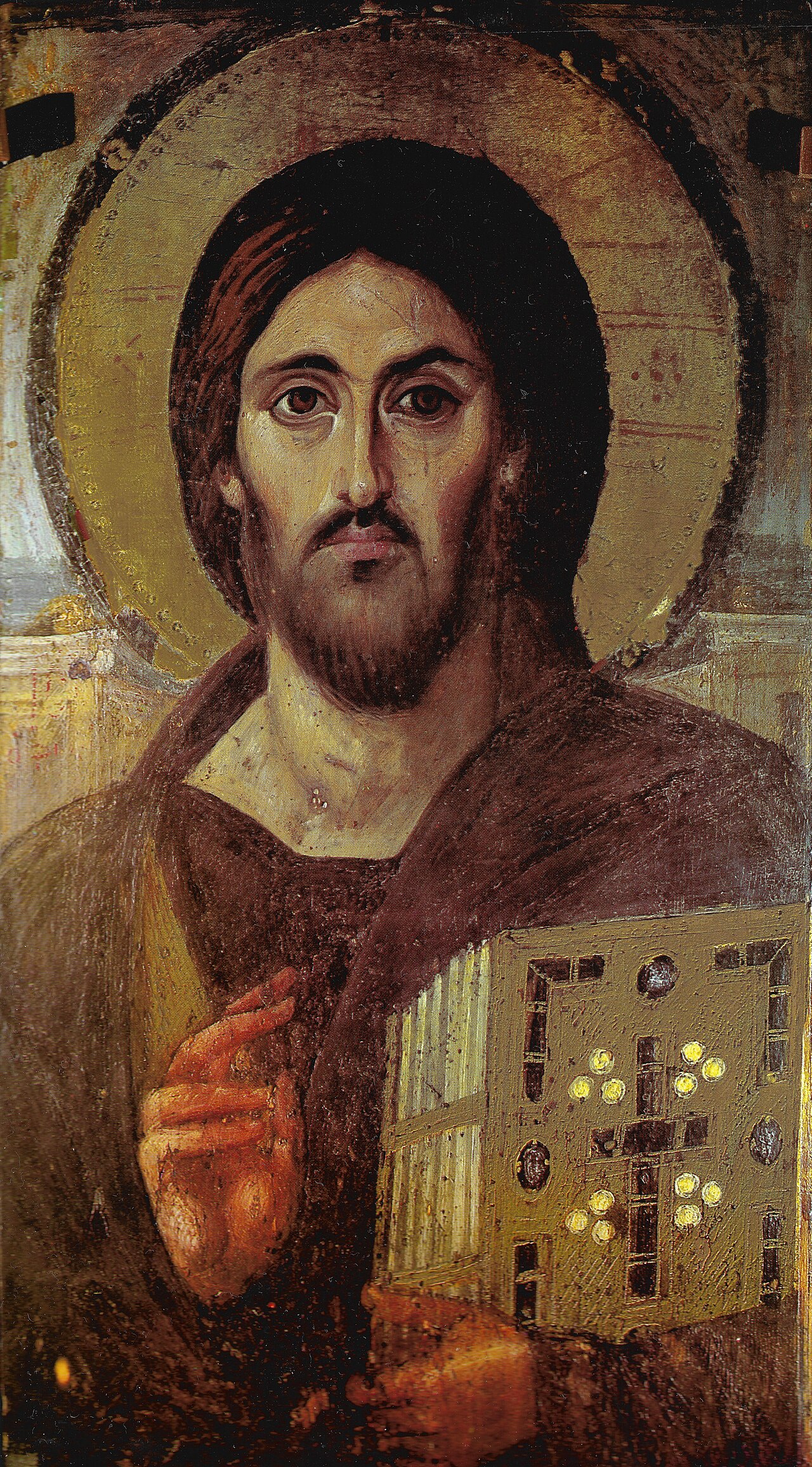 Tradition
Christianity
Icons, altarpieces, cathedrals, and the argument over whether the visible Christ justifies visible art.
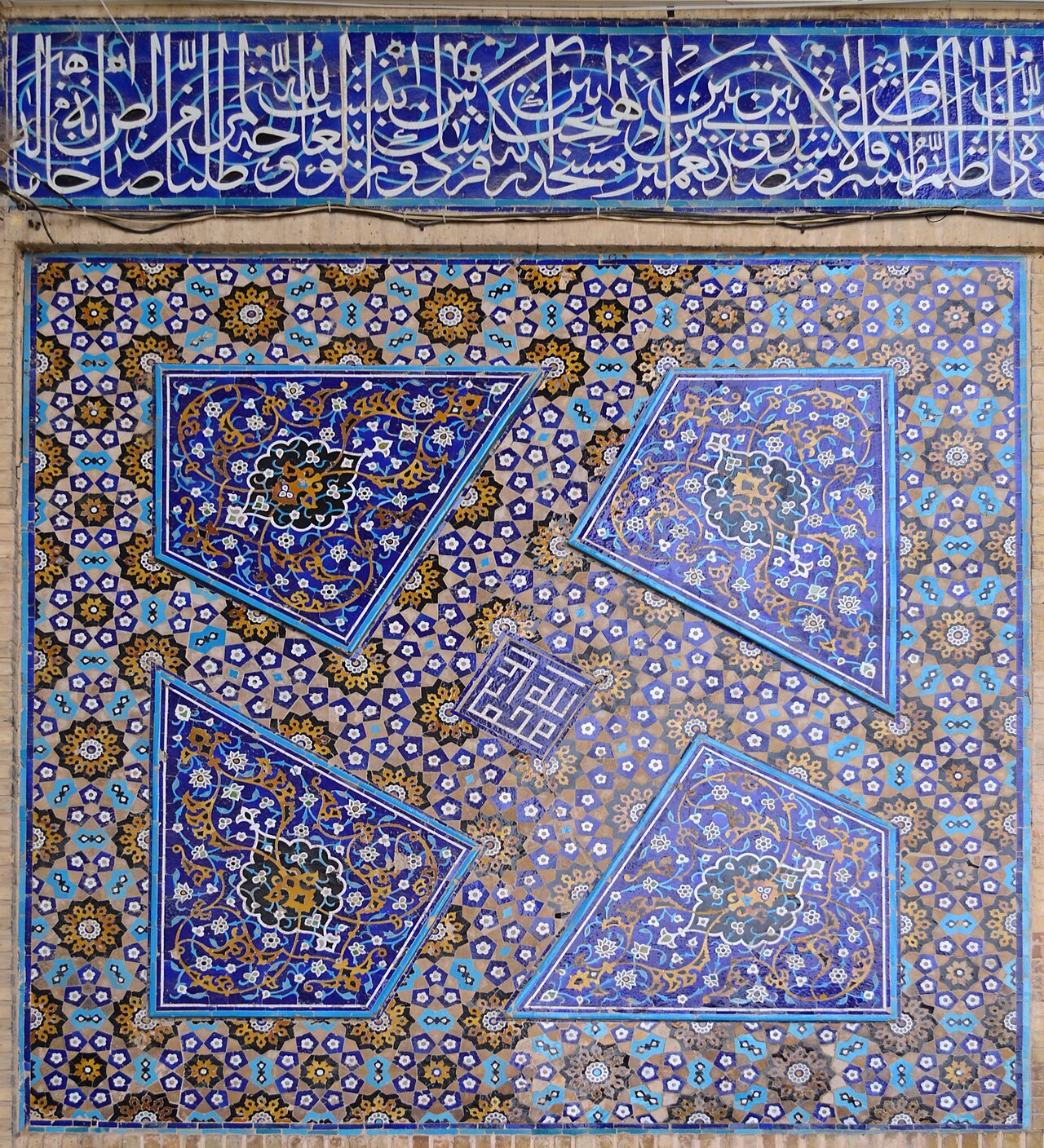 Tradition
Islam
Calligraphy, geometry, and architecture under the norm of aniconism, with a figural courtly tradition beside it.
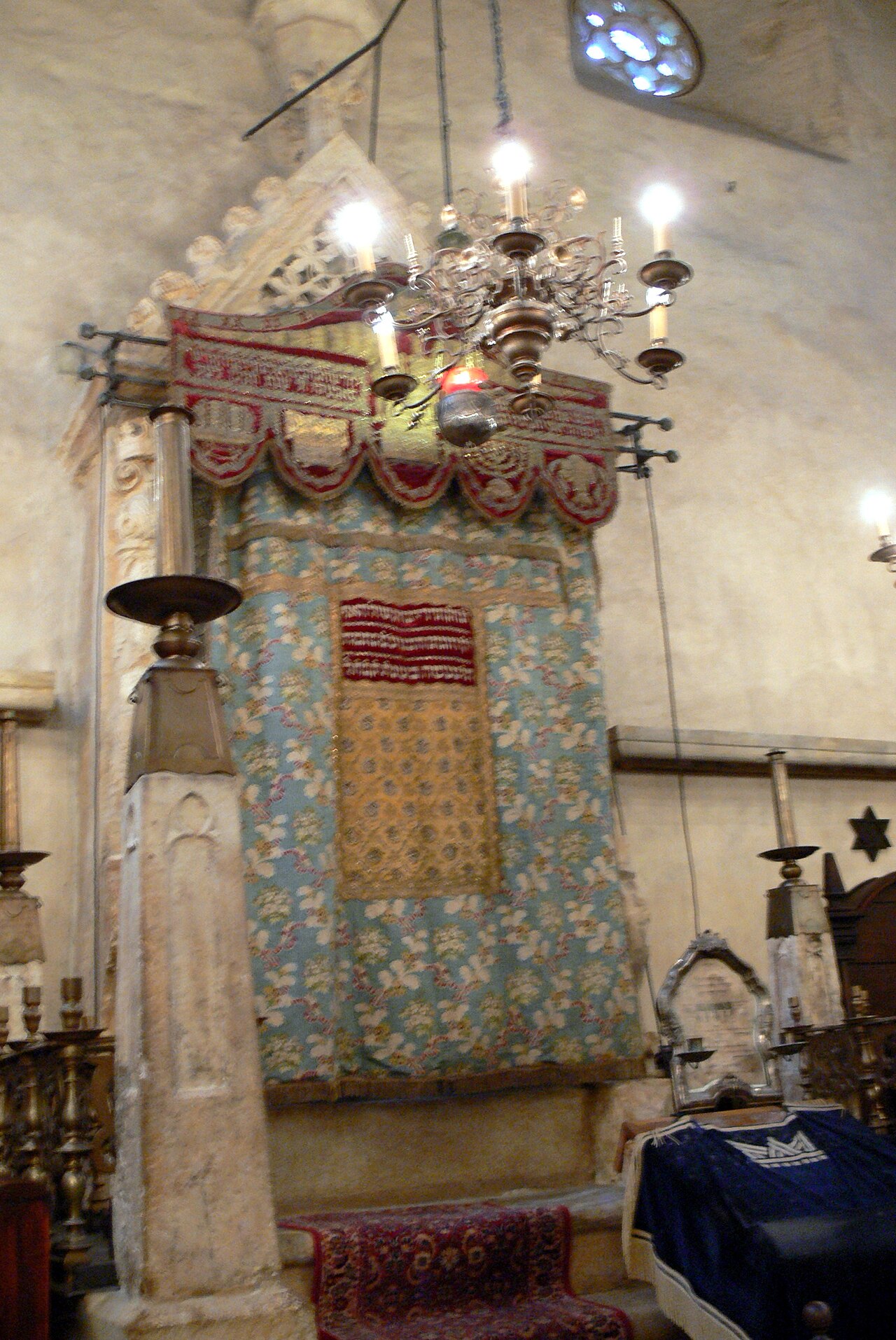 Tradition
Judaism
Principled restraint on cult images, with synagogue art, ceremonial objects, and illuminated manuscripts flourishing inside it.
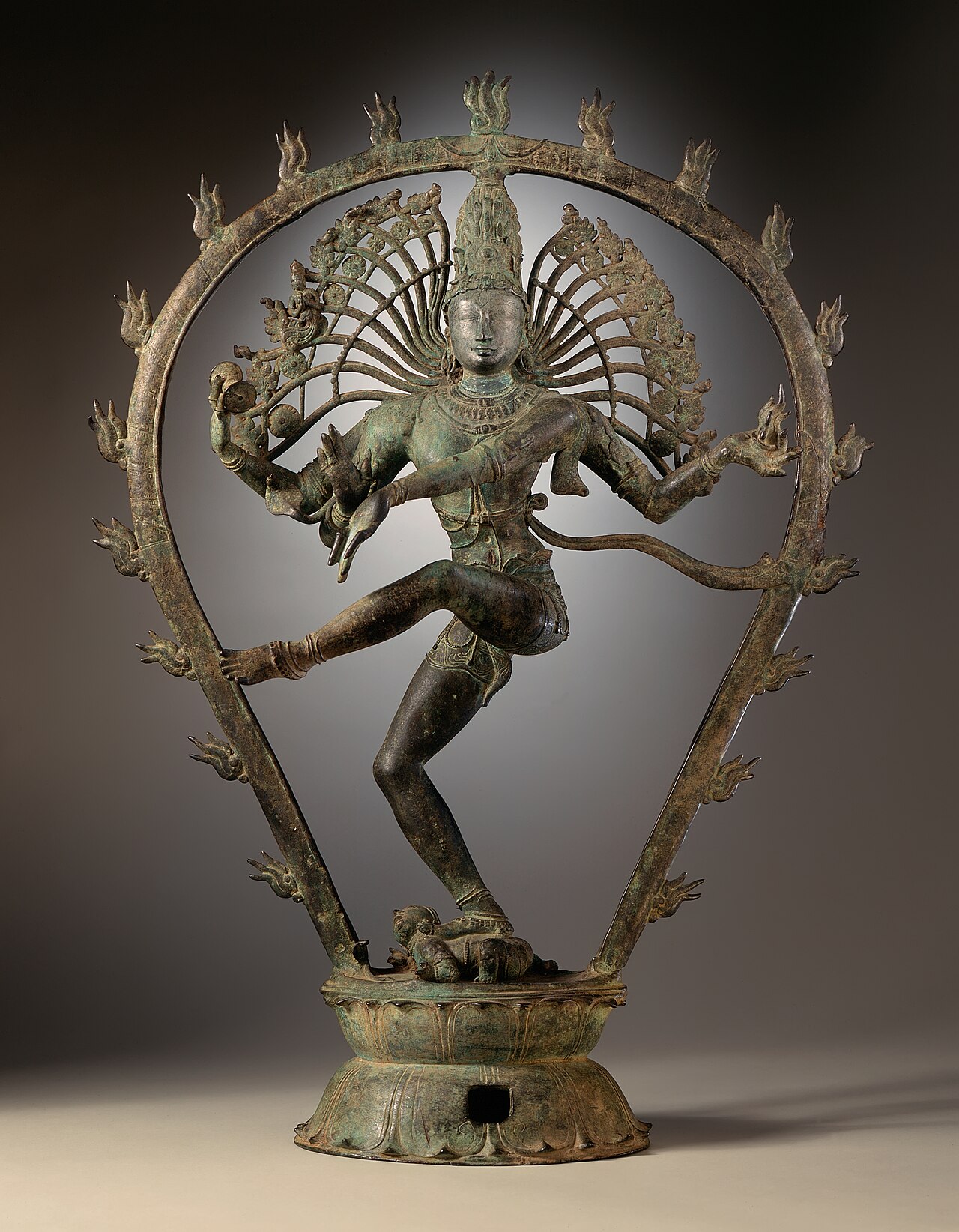 Tradition
Hinduism
The murti as a support for divine presence, in iconic and aniconic forms alike.
 Tradition
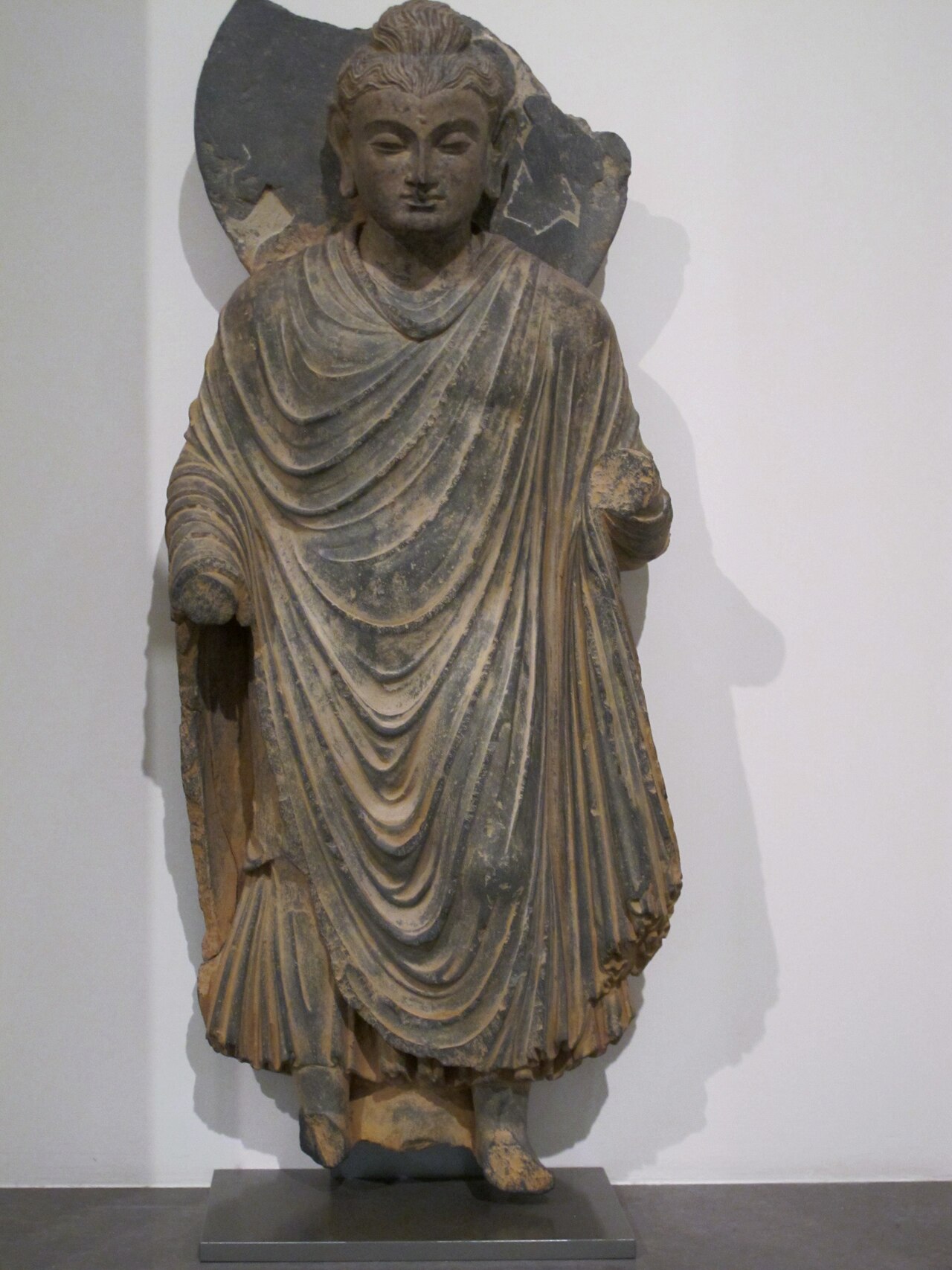
Buddhism
Symbols before images, the Buddha image after Gandhara and Mathura, and a scholarly debate that is not settled.
 Tradition
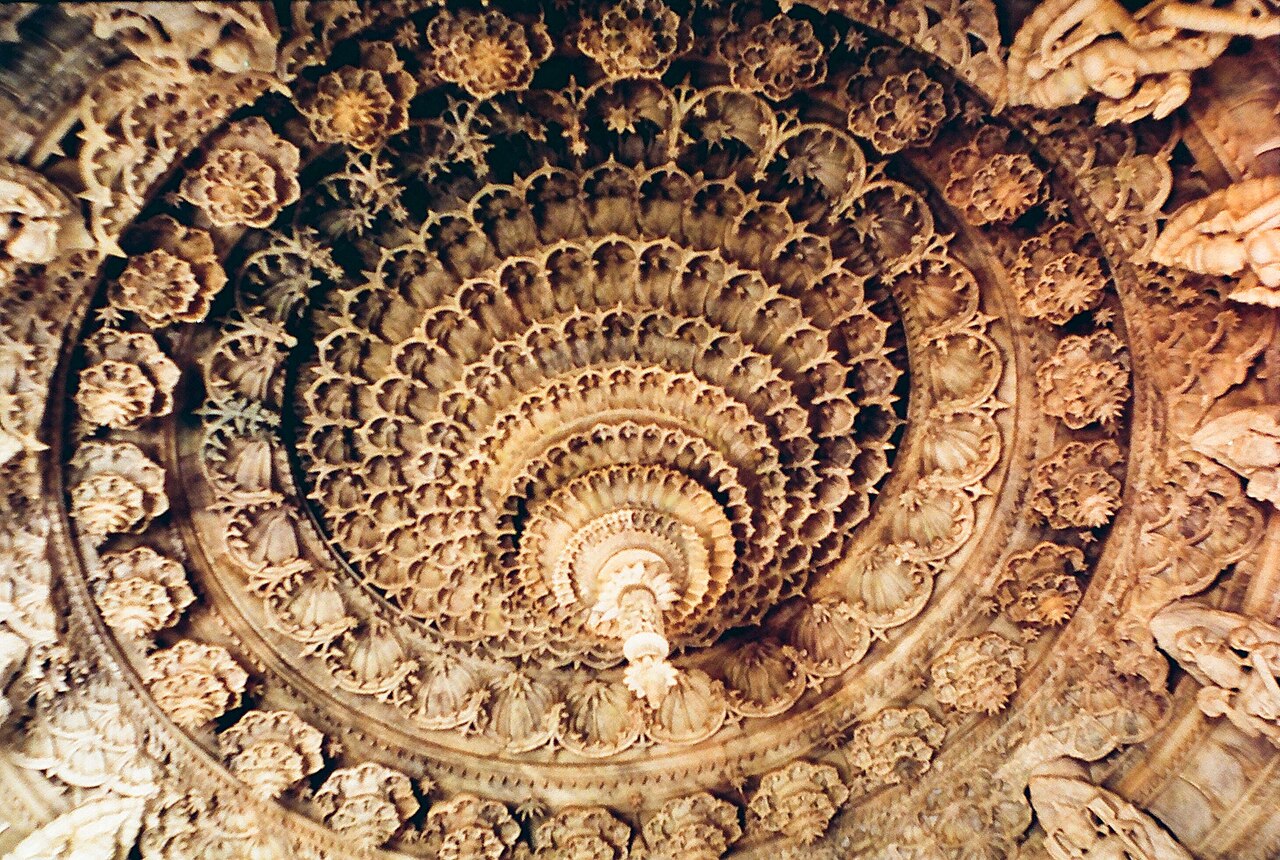
Jainism
Iconic but restrained: Tirthankara images, illustrated manuscripts, and marble temple architecture.
 Tradition
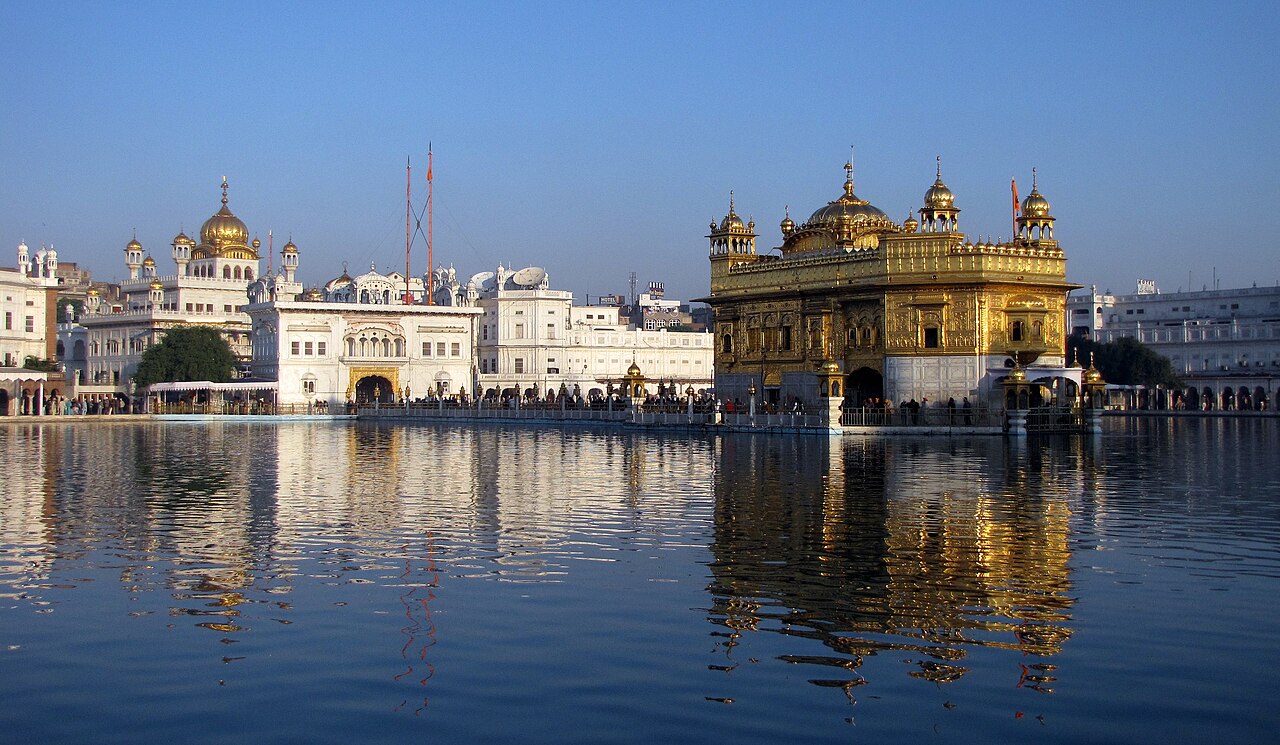
Sikhism
An aniconic theology centered on the Guru Granth Sahib, with a contested tradition of Guru portraits.
 Tradition
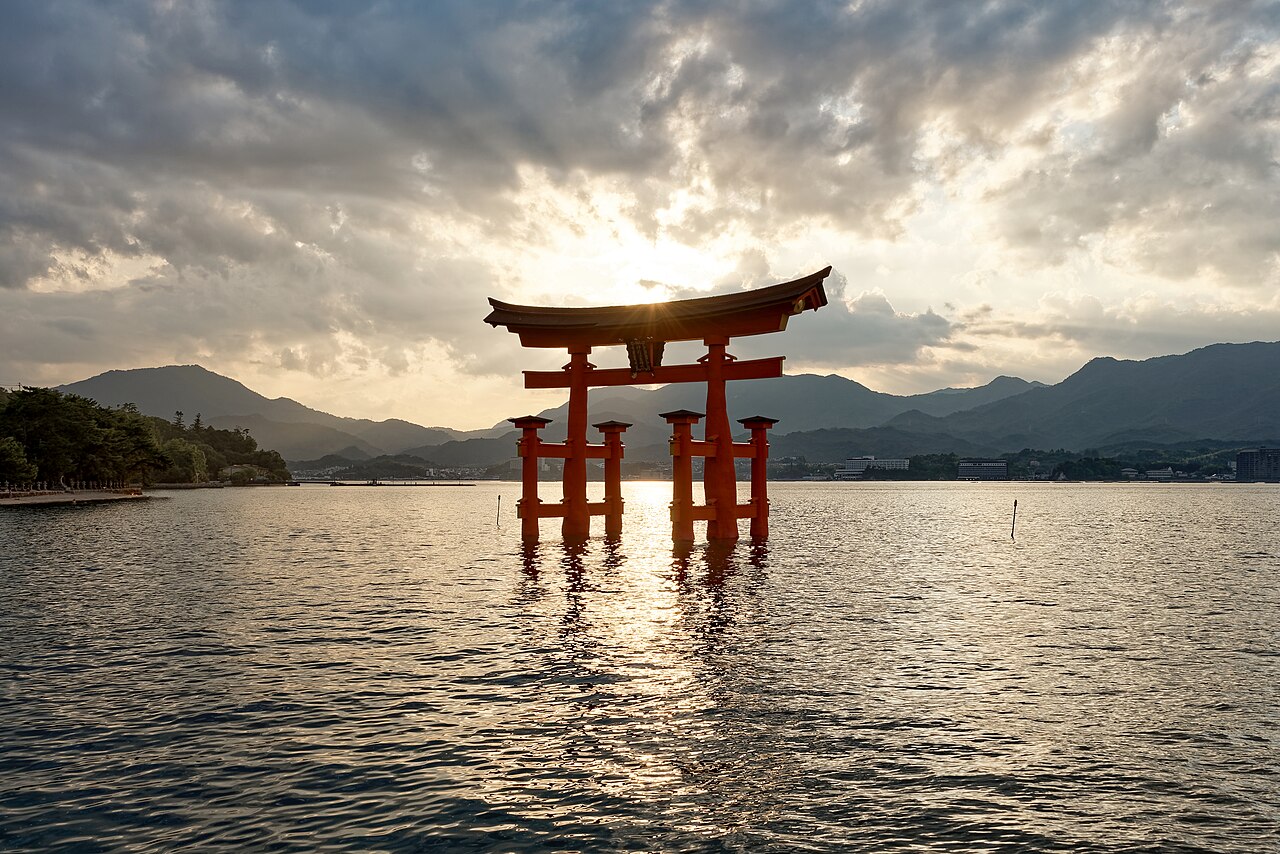
Shinto
The torii, the shintai, and sacred landscape: aniconic in emphasis rather than in principle.
 Tradition
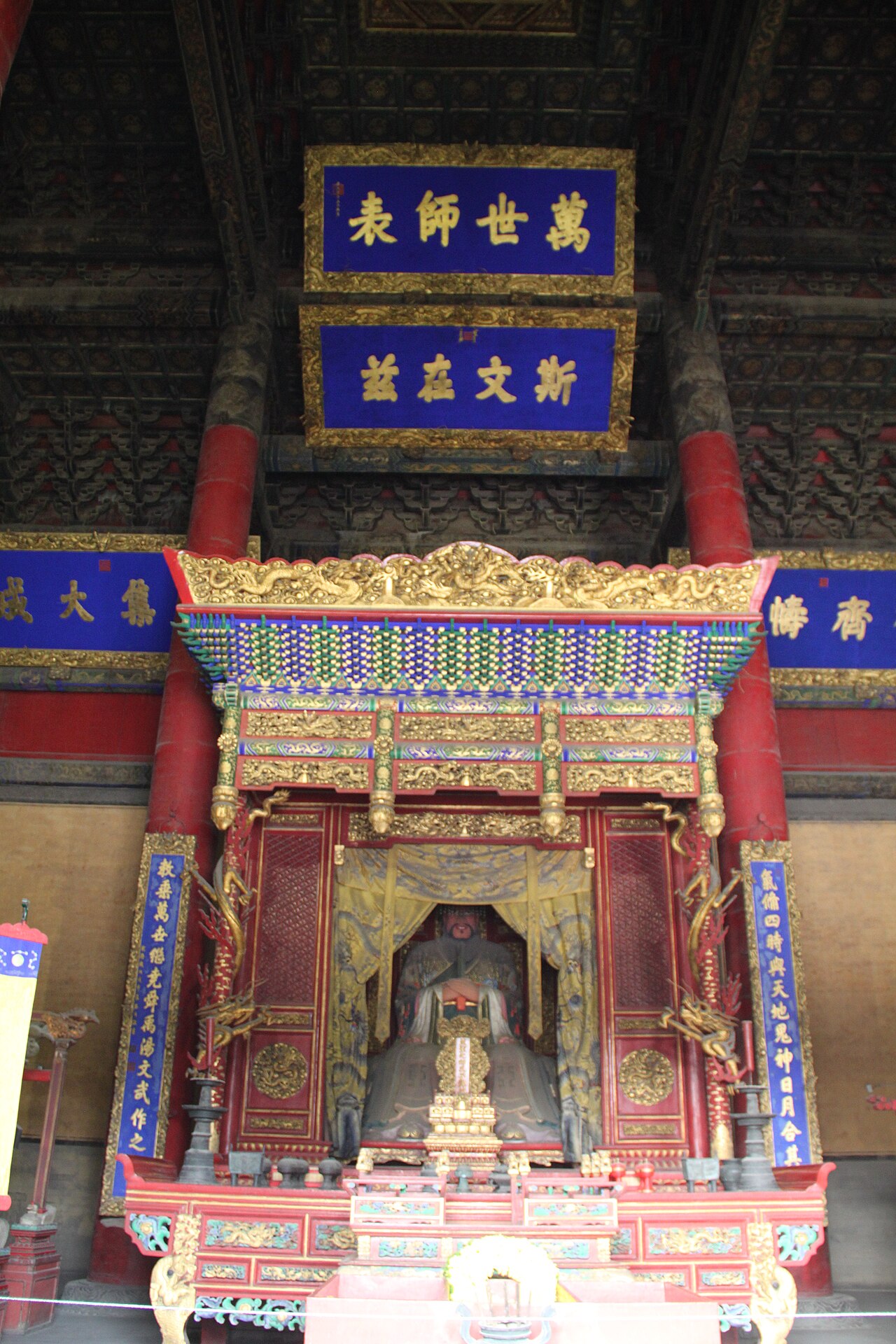
Daoism and Confucianism
Temple imagery, ritual painting, ancestor tablets, and the syncretism of the three teachings.
 Tradition
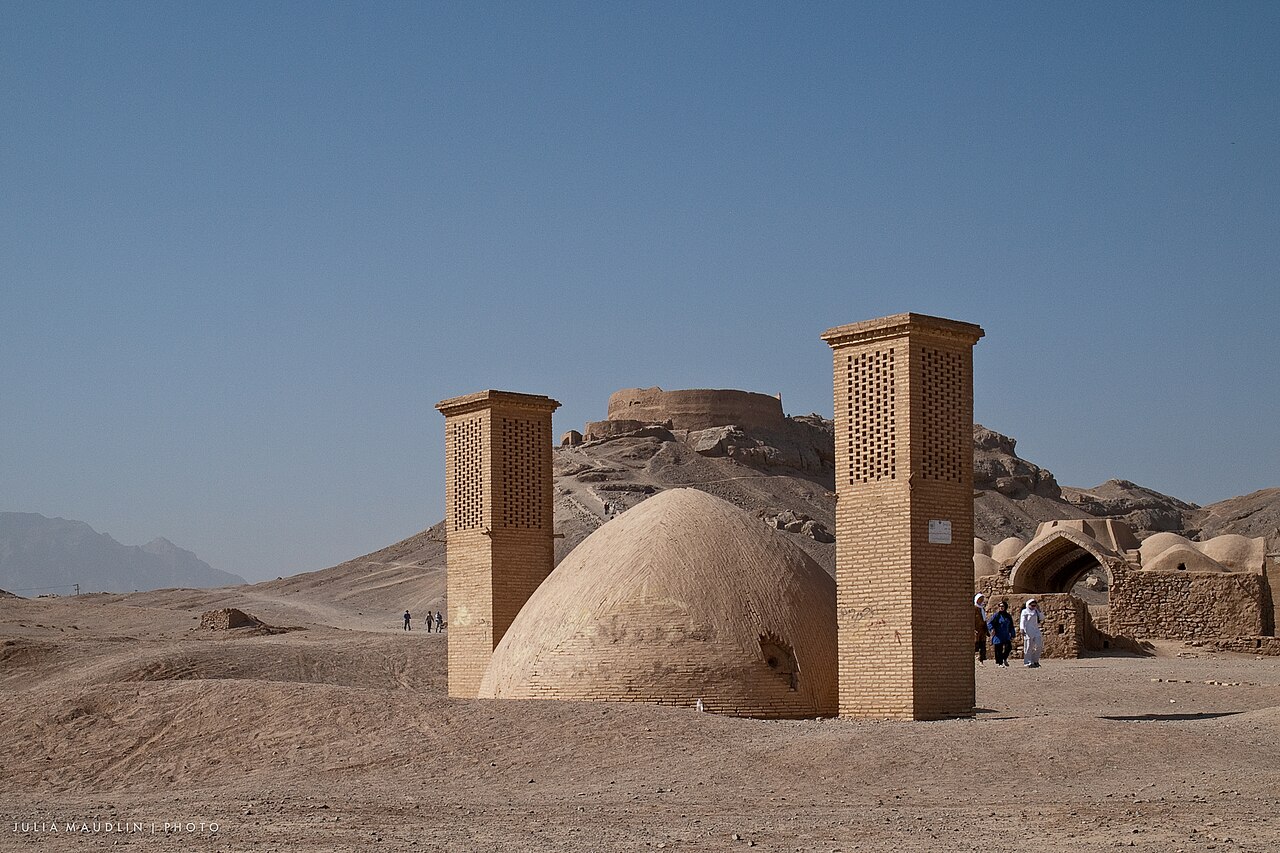
Zoroastrianism
Aniconic fire: Ahura Mazda represented through creation, the fire altar, and the fravahar.
 Tradition
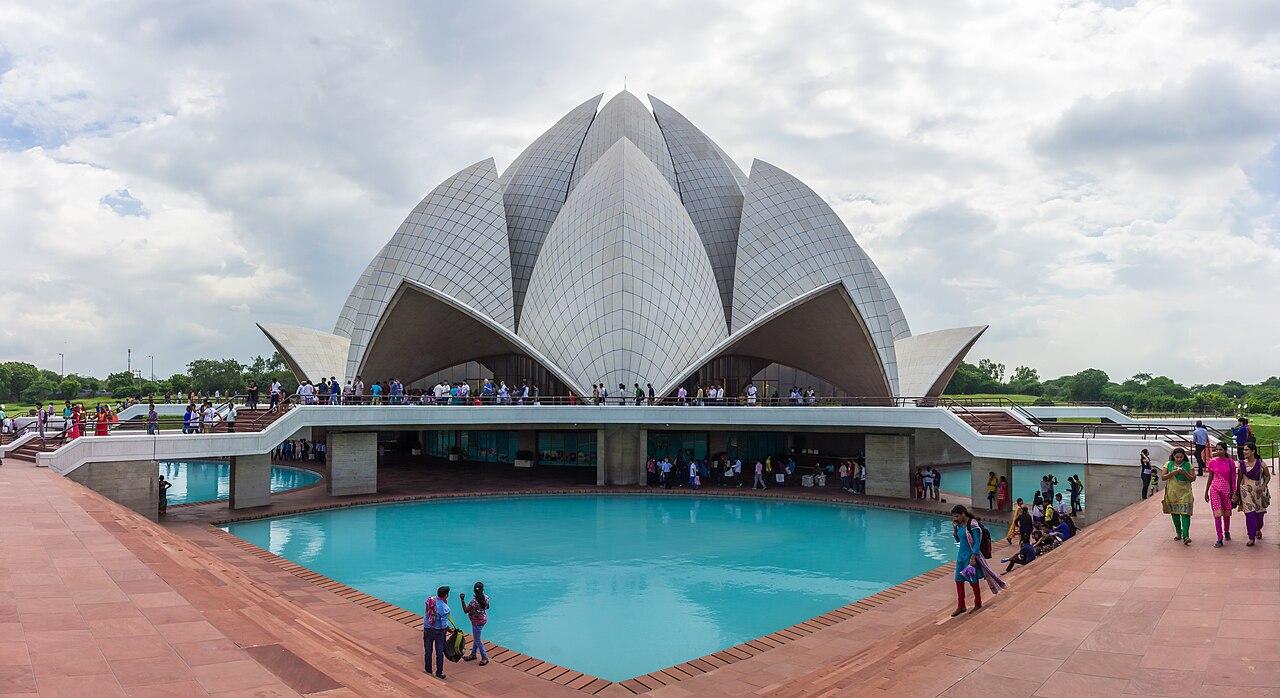
Bahá'í
No depiction of the Manifestations; calligraphy, architecture, and music carry the art.
 Tradition
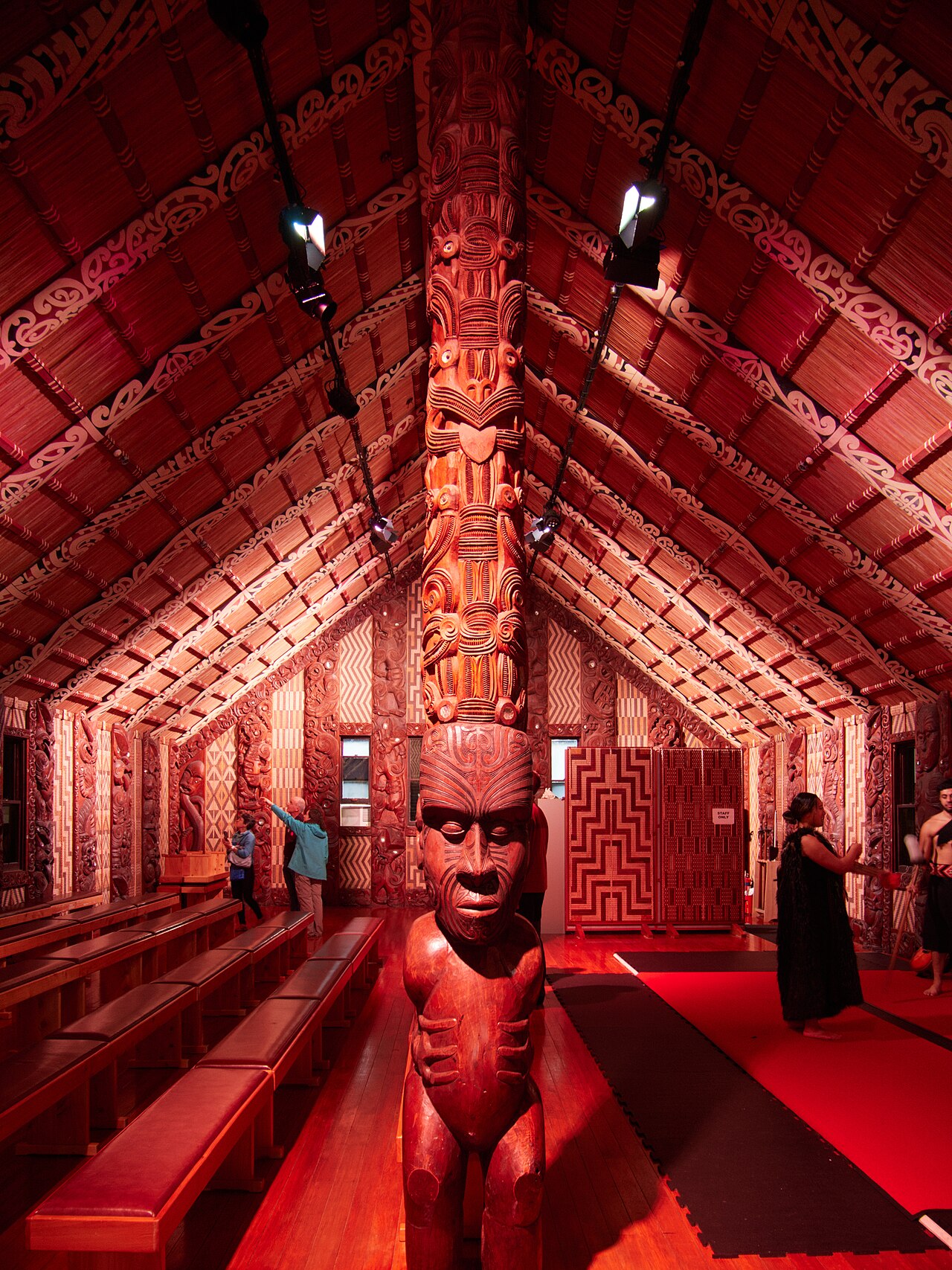
Indigenous and Traditional
Sacred objects under community protocol: sacred and secret are distinguished, and repatriation is a live question.
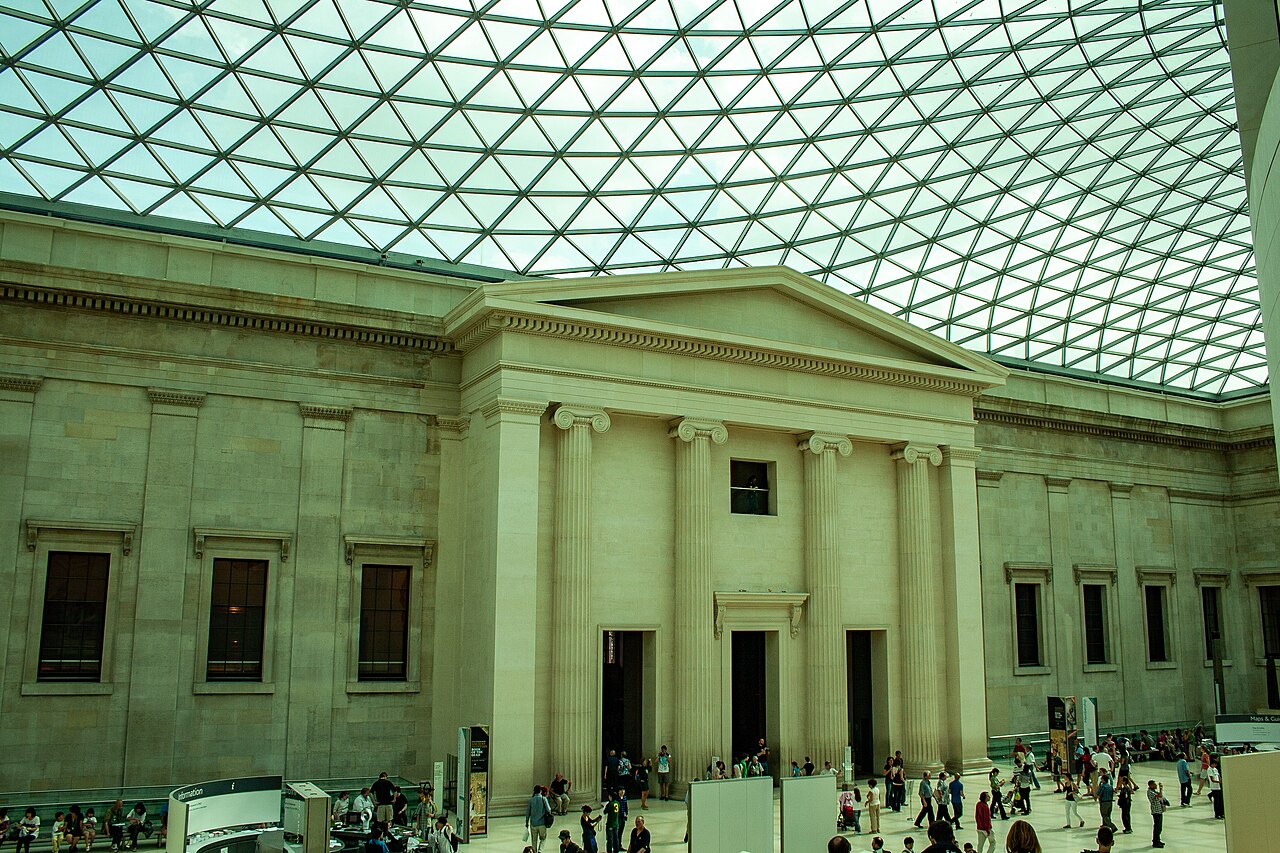 Tradition
Non-Theistic and Secular
Art without transcendence: humanist meaning-making, museums as secular temples, and protest art.
May the divine be depicted? The traditions answer side by side on the comparison page.
Entries
34 objects, buildings, books, and practices. Filter them by the site's one taxonomy; the same terms that classify everything else here.
0 of 34 entries shown
Themes
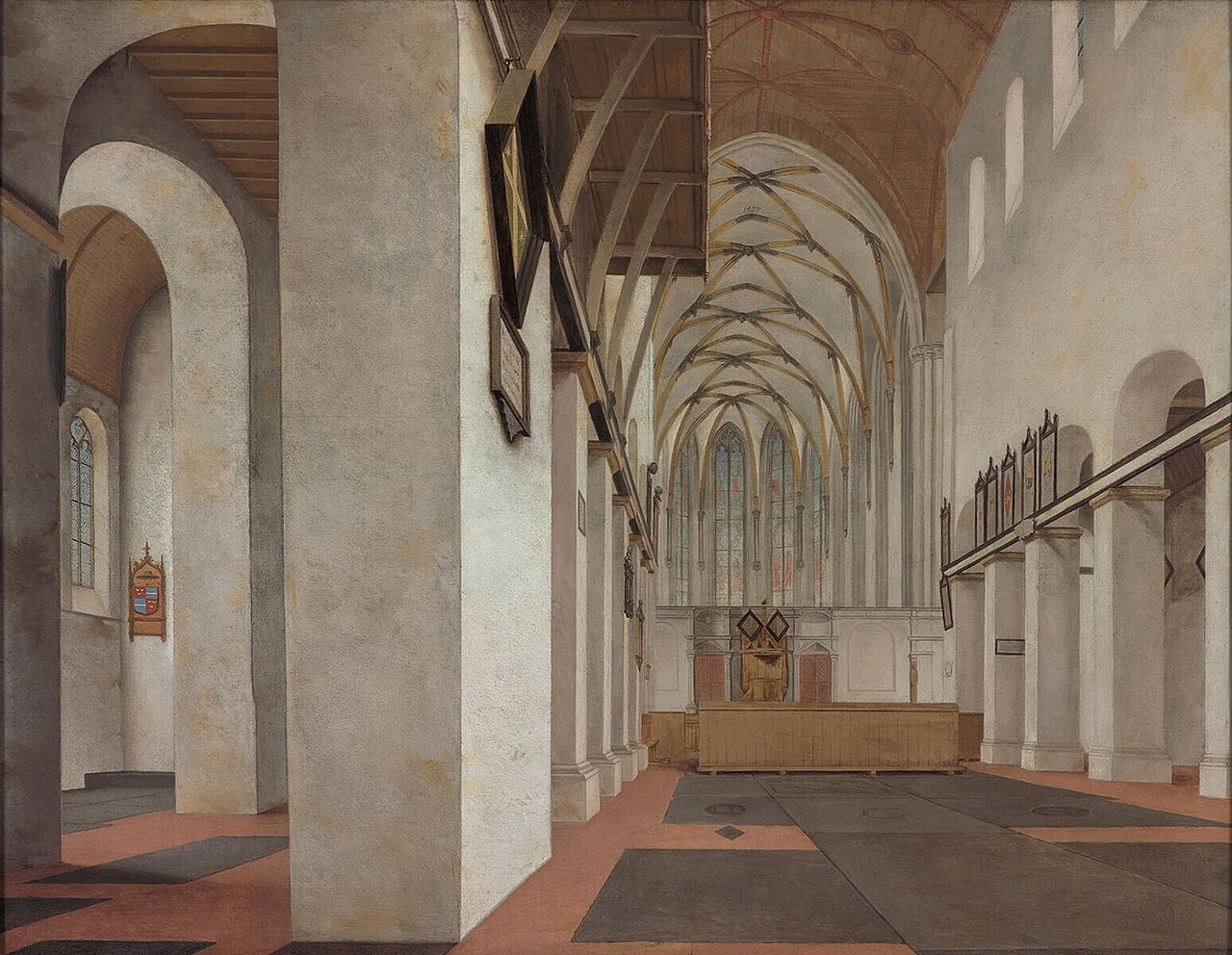 Theme
Iconoclasm: The Theology of Breaking Images
Image destruction recurs across traditions; Byzantine, Reformed, Islamic, Sikh, and secular-revolutionary; and it is never mere vandalism. It is a theology acted out.
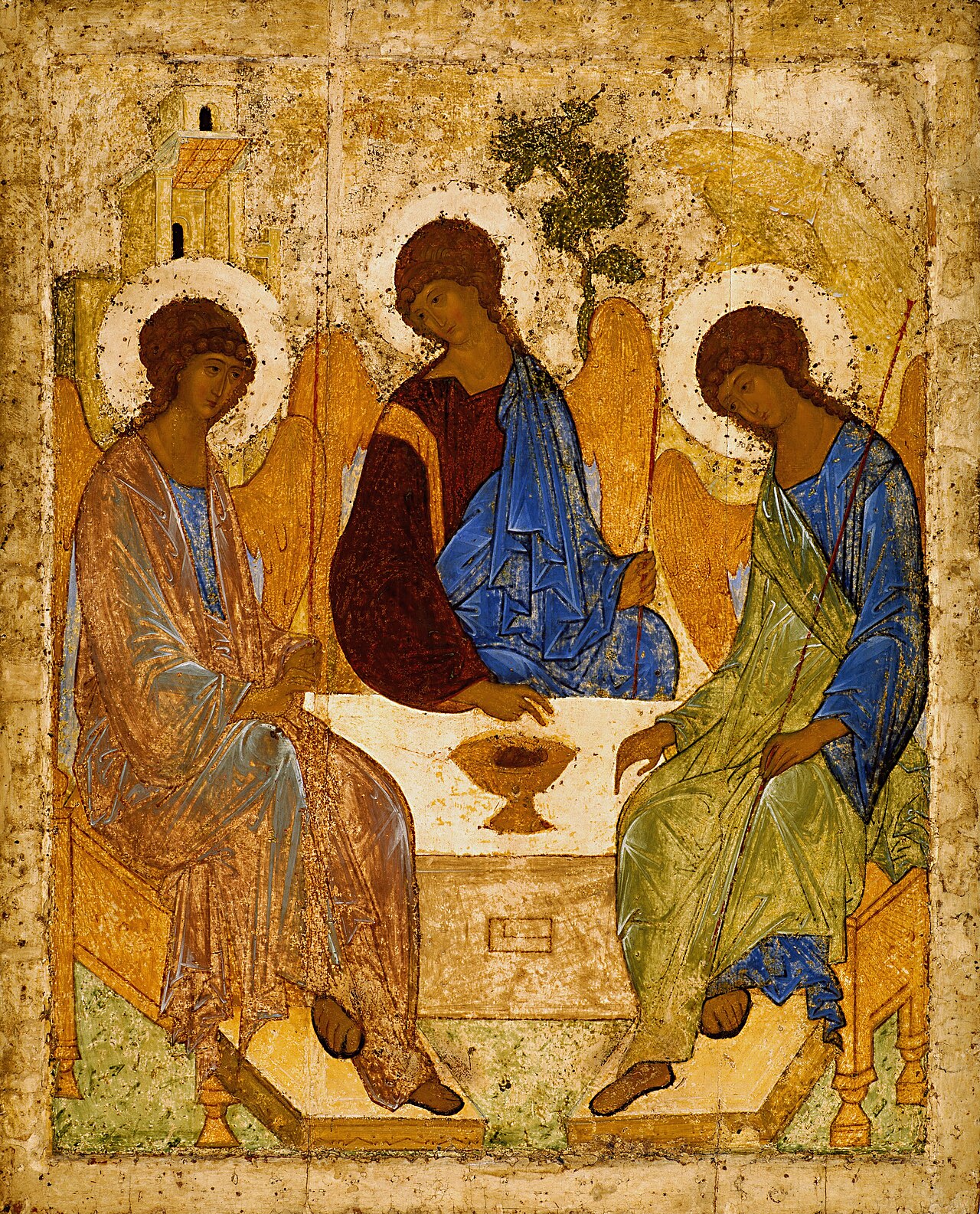 Theme
The Image and the Incarnation
The distinctively Christian argument for visible art: the invisible God became visible flesh, so depiction is confession, not idolatry.
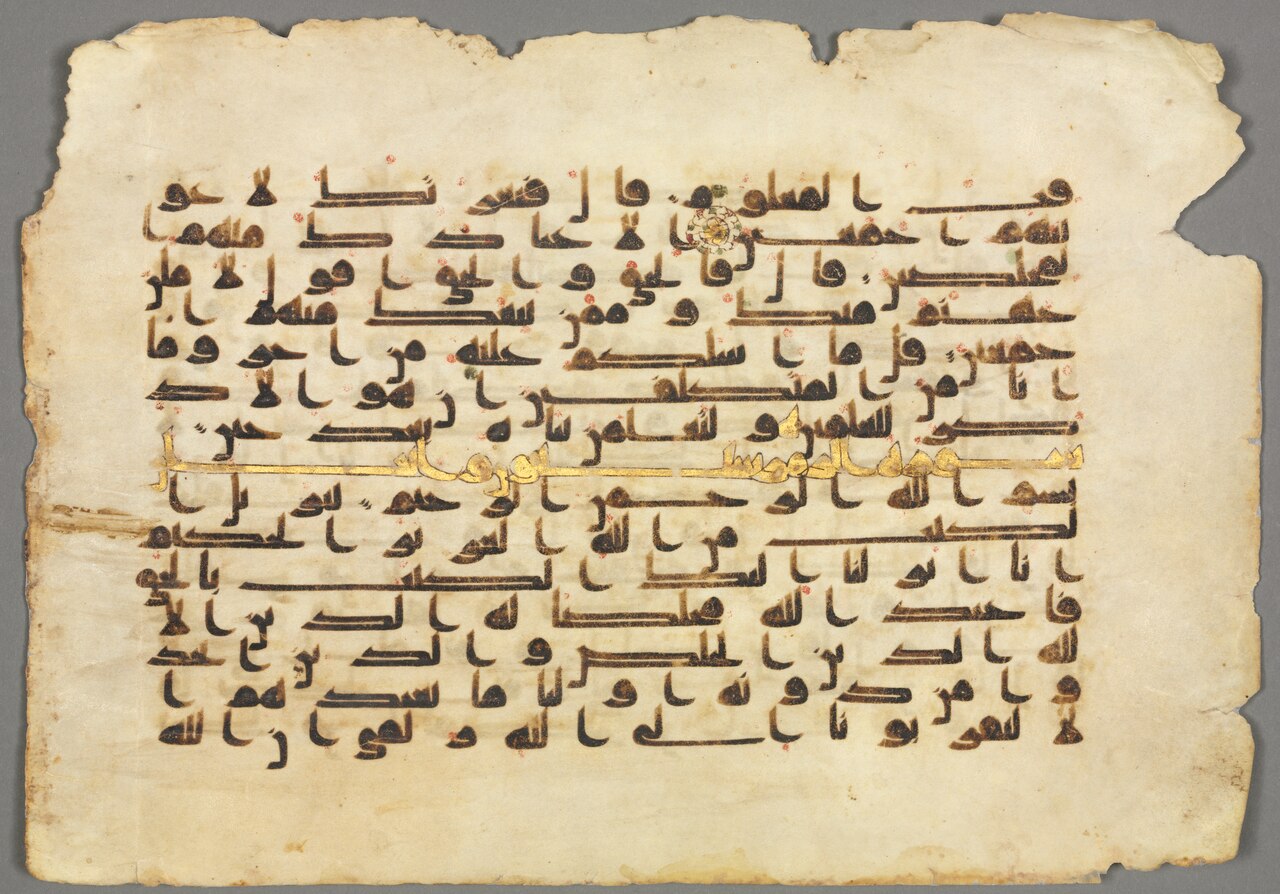 Theme
The Image and Tawhid
The Islamic argument from divine unity: because God is one and incomparable, representation risks shirk; and the word, not the figure, becomes the image.
 Theme
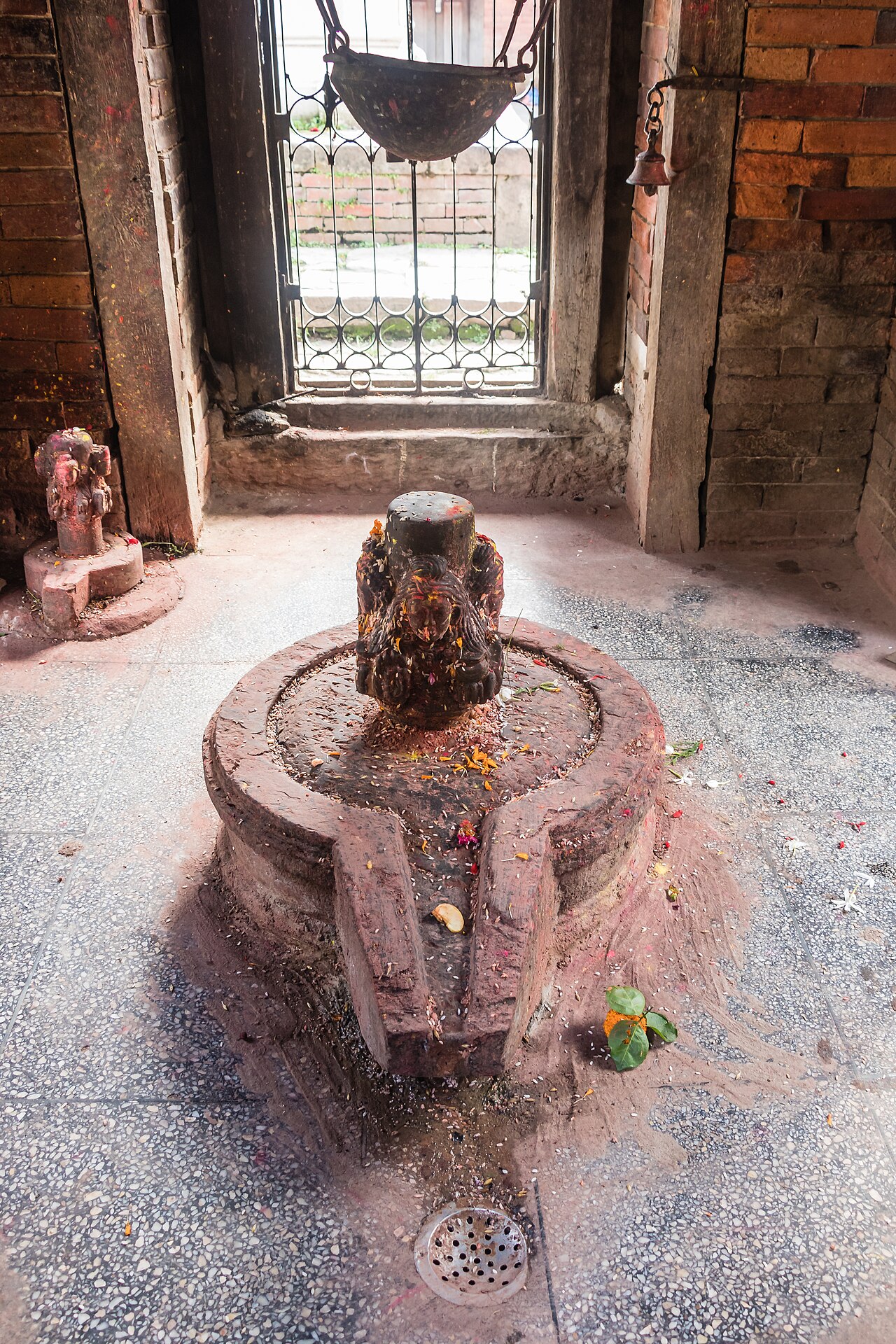
Aniconism and the Symbol
The cross, the linga, the torii, the fire altar, the wheel, the written word: what traditions put in the figure's place is never an absence.
 Theme
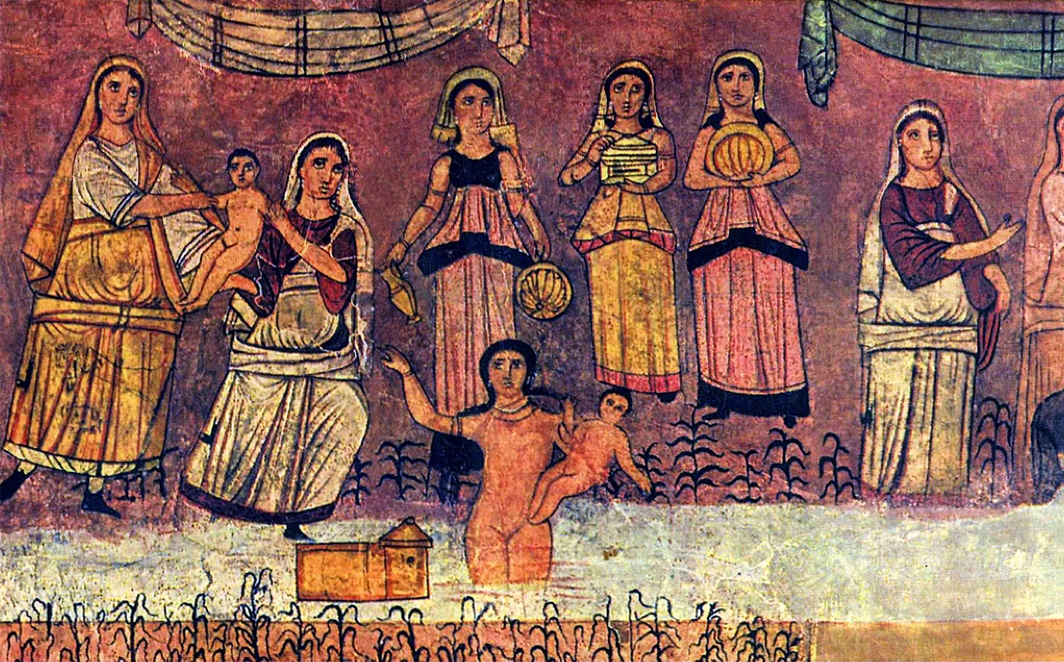
Art as Pedagogy
The Biblia pauperum, the thangka, the mandala, the Kalpasutra page: images as the teaching instrument of traditions whose books many could not read.
 Theme
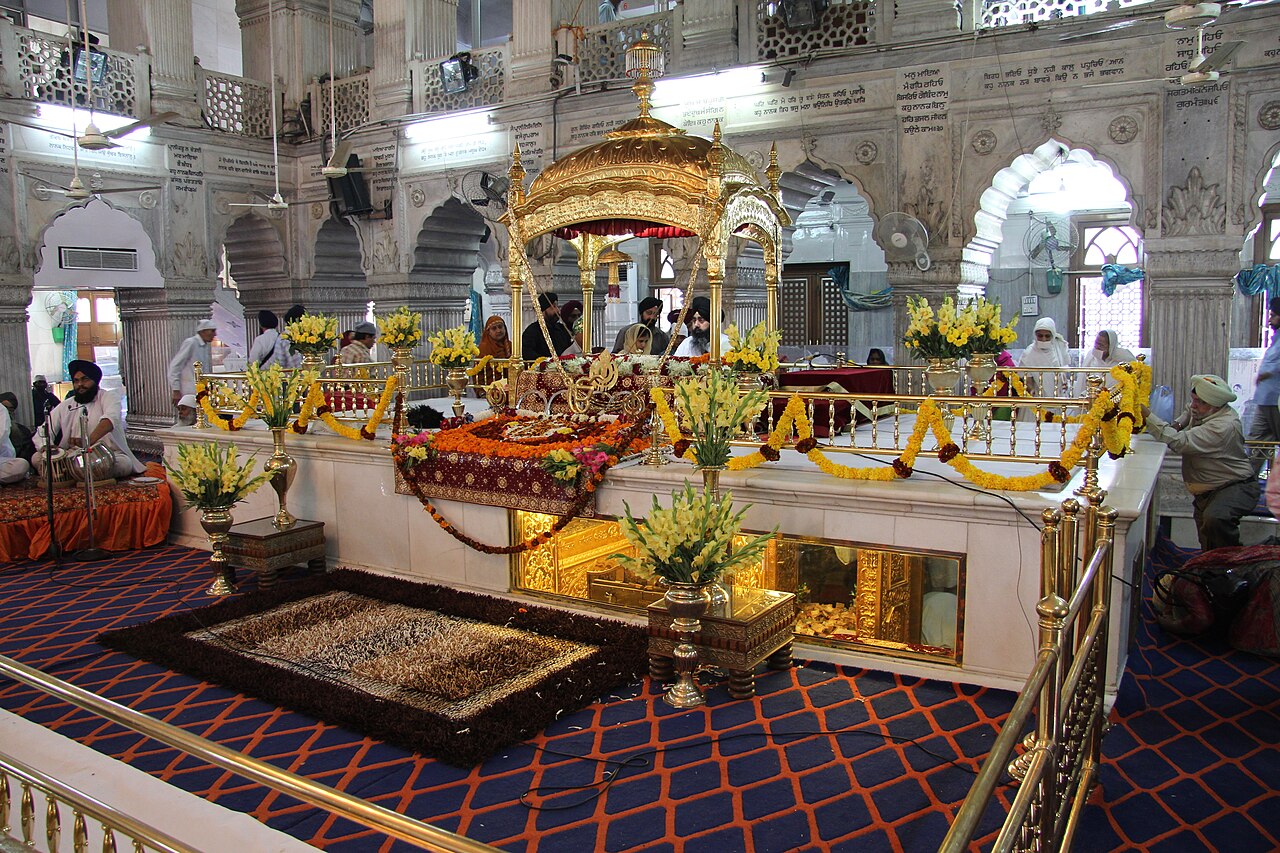
Art as Devotion
Icons kissed, murtis bathed and fed, a scripture fanned like a king: devotion is the embodied practice that makes art a presence rather than a picture.
 Theme
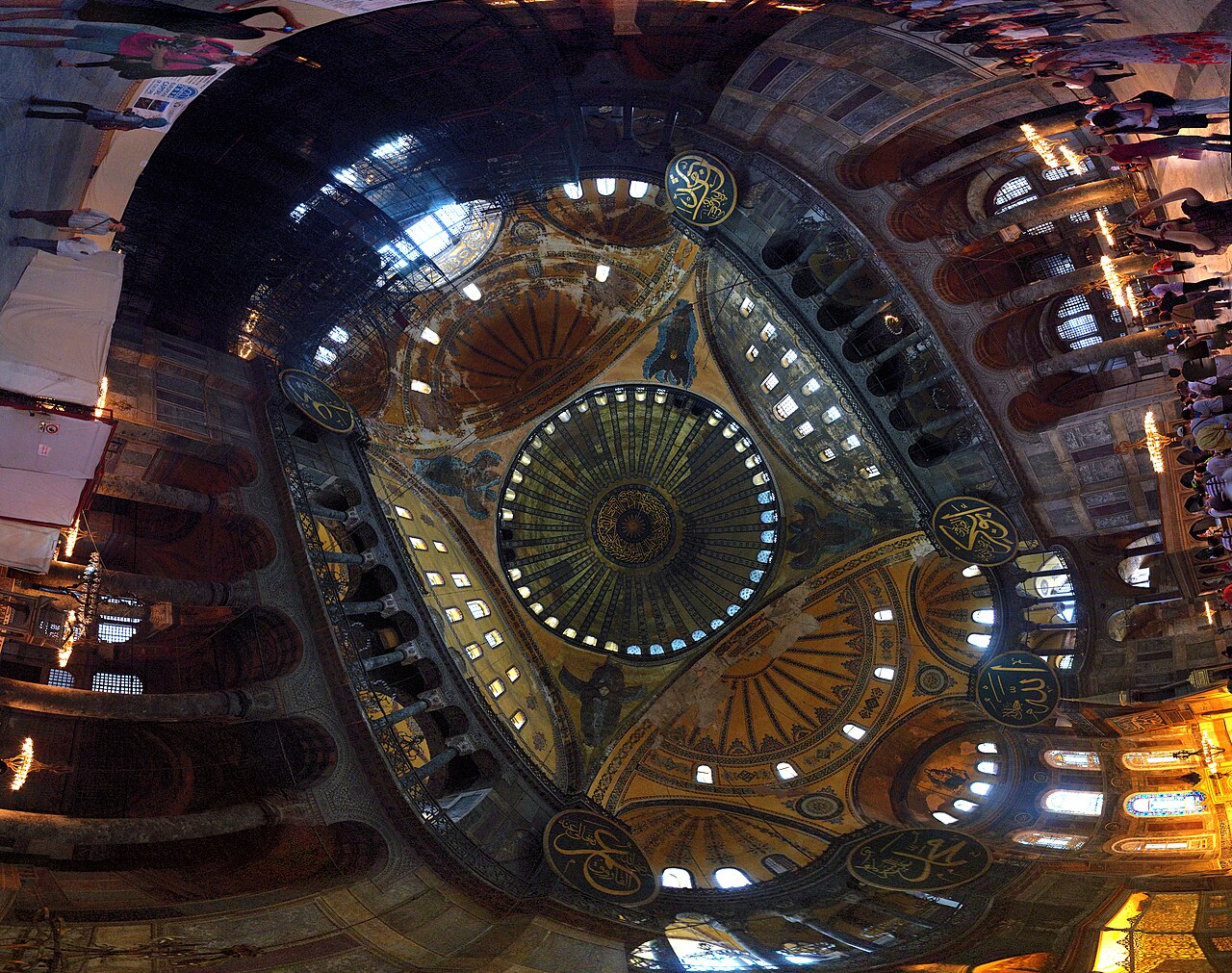
Art as Power
Temple economies, imperial patronage, and image destruction as political theology: art is how communities spend, rule, and remember; which is why conquerors reach for it.
 Theme
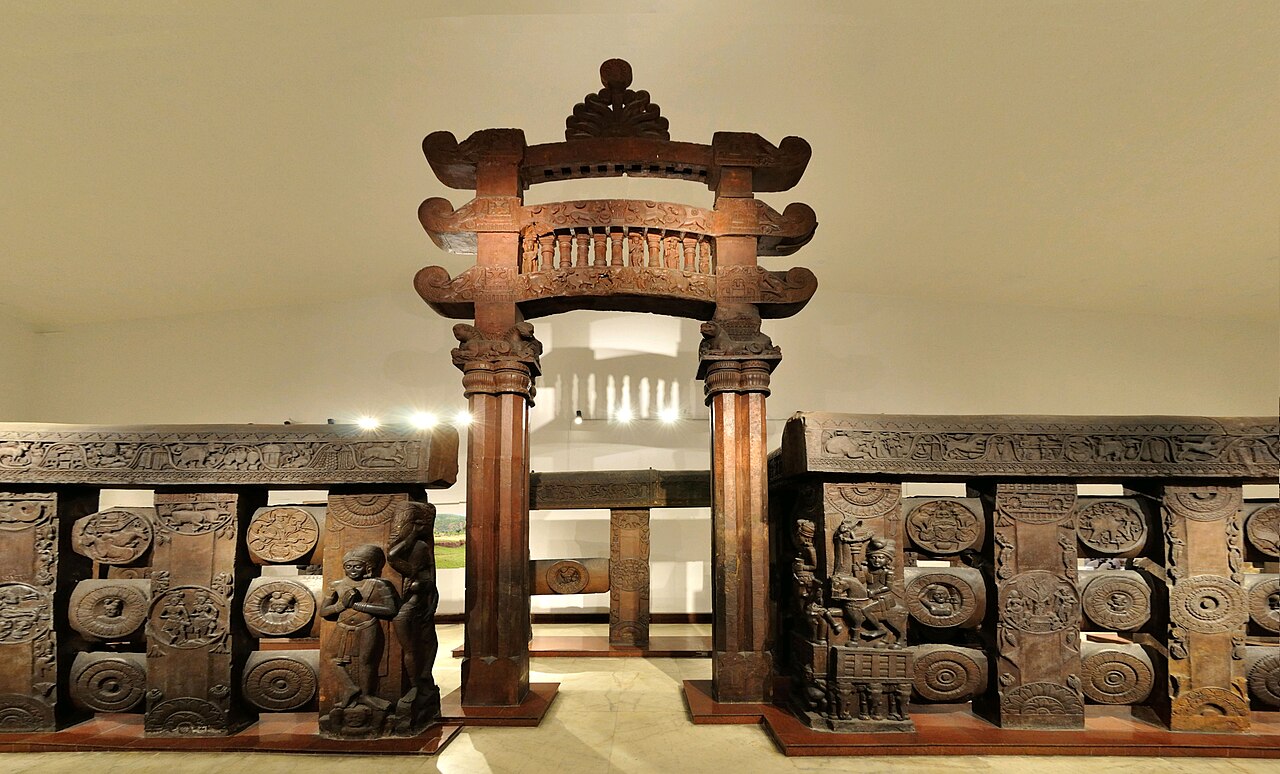
Museums and Secularization
What happens to a sacred object when it moves from the temple to the gallery: decontextualization, aestheticization, and the museum's own unadmitted liturgy.
No image; the essay explains whyTheme
Repatriation and Restitution
NAGPRA, the Benin bronzes, the Potlatch masks at the Vatican: the return of sacred objects is the point where art history becomes a present-tense obligation.
No image; the essay explains whyTheme
AI-Generated Religious Art
A machine can now produce a plausible icon in seconds. The traditions' answers; prohibition, suspicion, cautious use; map exactly onto their older theologies of the image.
 Theme
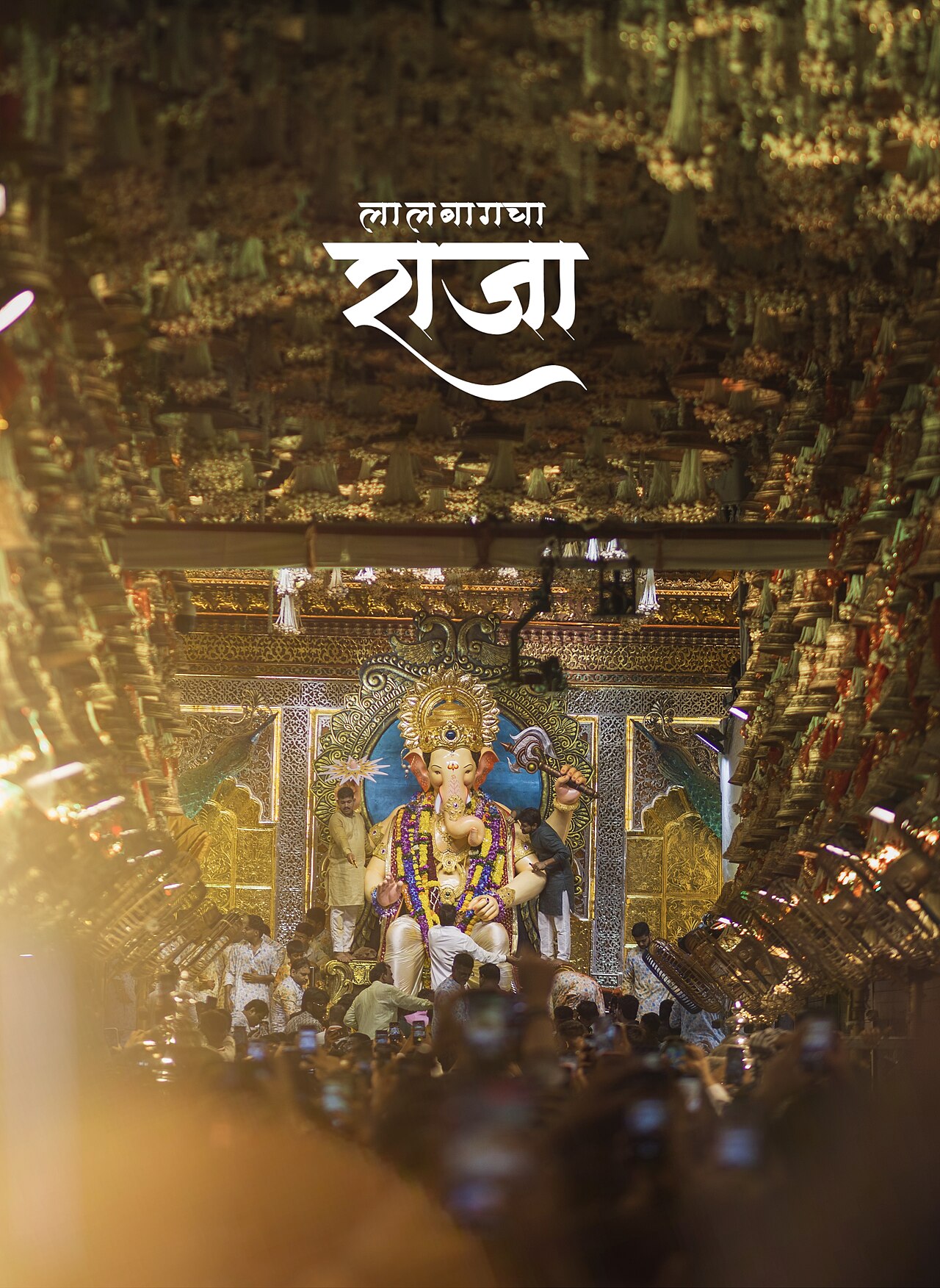
Materiality and Embodiment
Touch, incense, lamplight, procession, and dissolution: religious art is made of matter because its worshippers are, and the senses are its medium as much as sight.
The Artists
The makers have a directory of their own: named artists and anonymous workshops, each with the works this site records to their hand. Open the artists directory.