

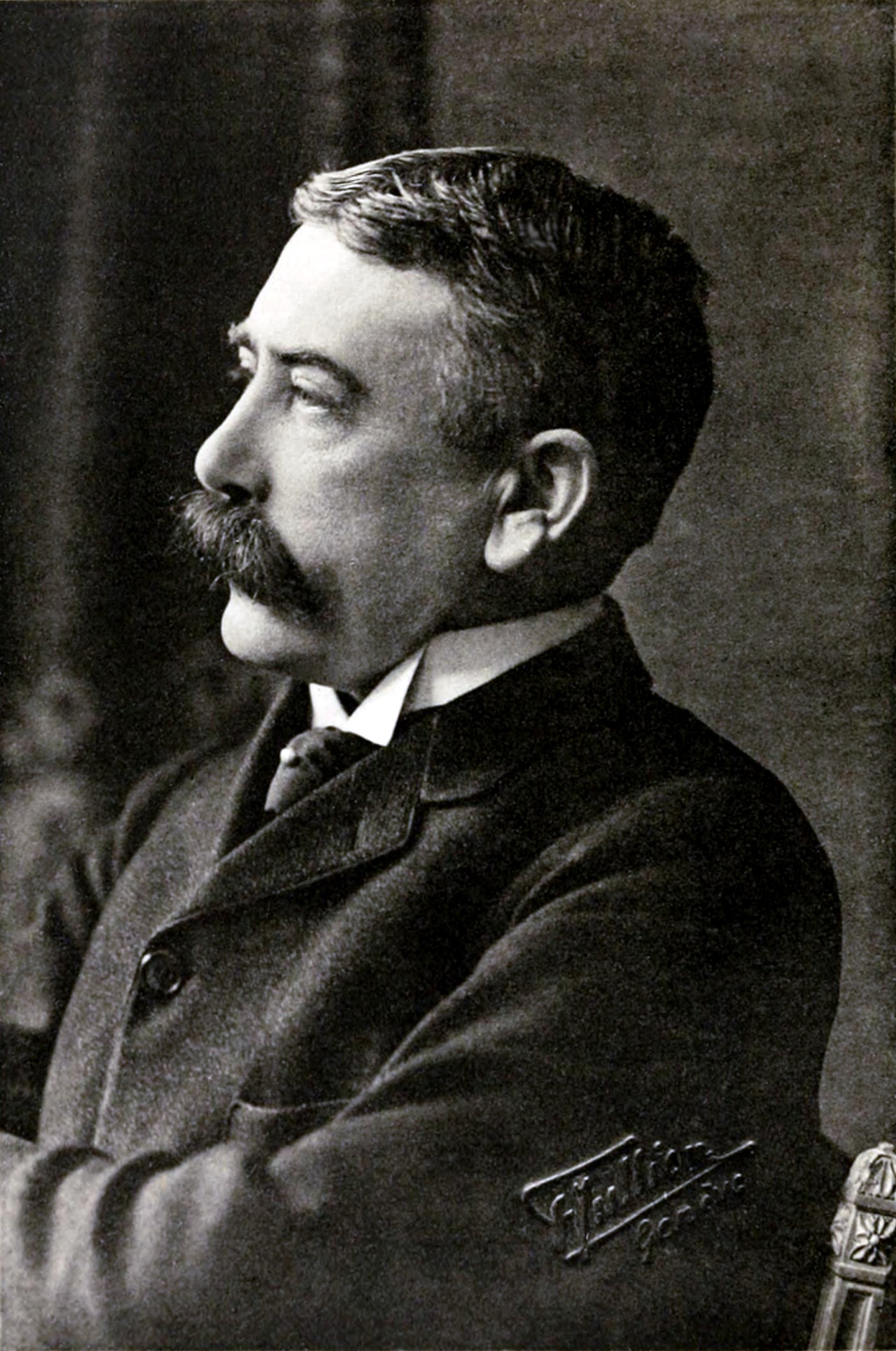
Structuralism reads culture as systems of differences — language, myth, kinship — whose hidden structures think through us; post-structuralism then loosens the structures, finding play, power, and deferral where the system promised order.
Structuralism begins with Ferdinand de Saussure's linguistics: the sign is arbitrary, and language is a system of differences without positive terms. Claude Lévi-Strauss carried the method to myth and kinship, Roman Jakobson to poetics, Roland Barthes to the whole of bourgeois culture; then the heirs — Derrida, Foucault, Deleuze, Lacan in his own register — turned the tools on the structure itself, and post-structuralism became the humanities' weather for a generation.
Ultimate Reality
For structuralism, the real is relational: nothing means alone, and the systems beneath appearances — the langue beneath parole — are where explanation lives. Post-structuralism keeps the relationality and drops the stability: structures decenter, meanings defer along chains of signifiers (Derrida's différance), and power, in Foucault's analyses, is not held but exercised in the capillaries of institutions.
The Human Condition
The human subject, sovereign in the older philosophies, is re-described as an effect: of language, which speaks us as much as we speak it; of kinship systems exchanging persons before persons exchange words; of discourses that decide in advance what can count as true, sane, or criminal. Lévi-Strauss's savage mind is every mind — bricolage all the way down.
Knowledge and Truth
Knowledge is the modeling of systems: the analyst abstracts the code from the messages, as the linguist abstracts grammar from speech. Post-structuralism adds genealogy as the critical instrument — trace a concept's descent and you find contingency and force where necessity was claimed — and deconstruction as reading's conscience, locating the binary a text depends on and cannot sustain.
Right and Wrong
The movement's ethics are mostly negative and diagnostic: unmask the natural as the historical, the universal as a local power's costume. Foucault's work — on prisons, clinics, asylums — is the school's moral engine, an ethics of attention to what systems do to bodies. Positive norms are handled with suspicion, as the next structure asking not to be examined.
Human Destiny
Lévi-Strauss closed Tristes Tropiques with the thought that man's destiny is the universe's slow writing and erasure. The post-structuralist heirs made the erasure methodological and sometimes joyful: no final vocabulary, no end of interpretation, identities as provisional settlements in language. Destiny dissolves into textuality — a conclusion its religious readers have always heard as a confession in spite of itself.
The Conversation
Structuralism asks theology whether its doctrines are a grammar before they are a metaphysics, and it asks humanism where its sovereign subject was manufactured. The schools it displaced answer that a method for reading myths became, somewhere along the way, a myth about reading — and the argument continues in every discipline the movement touched, which is most of them.