

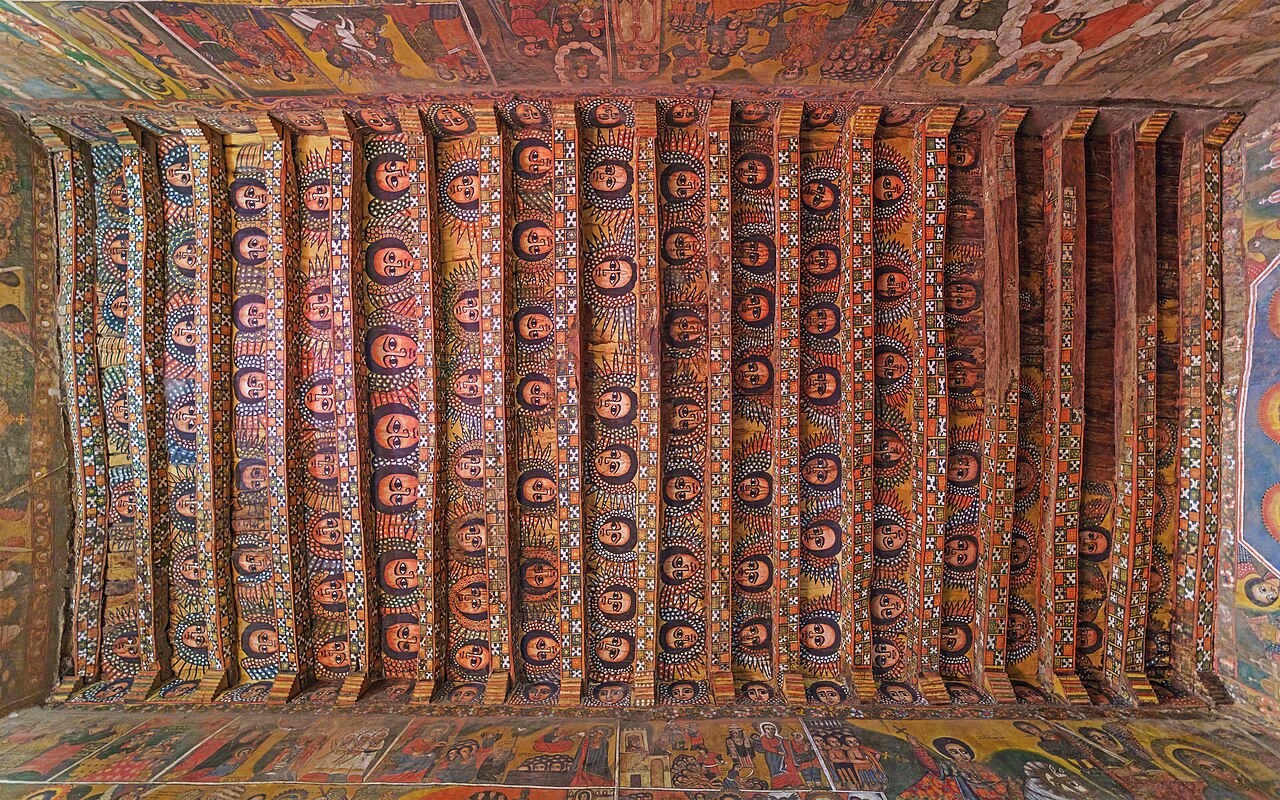
Oriental Orthodoxy is the communion of the Coptic, Syriac, Armenian, Ethiopian, Eritrean, and Malankara churches, confessing Christ in one united nature of God the Word incarnate, and keeping some of Christianity's oldest liturgies and monasteries.
The Oriental Orthodox churches are the ancient churches of Egypt, Syria, Armenia, Ethiopia, and India that did not accept the Council of Chalcedon in 451. Long mislabeled 'monophysite,' they confess with Cyril of Alexandria one united nature of God the Word incarnate — fully divine and fully human without confusion or division — and they have kept their faith through centuries of pressure and persecution.
Ultimate Reality
God is the Holy Trinity, and his saving act centers on the incarnation: the Word himself became flesh, so that human nature in Christ is truly God's own life lived humanly. The Oriental churches guard the unity of Christ's person with jealous care; to divide him into two acting subjects after the union is, for them, to lose the salvation he brings.
The Human Condition
Humanity is fallen into death and corruption, and Christ saves by entering that condition and healing it from inside. The Ethiopian church's teaching, the Coptic fathers, and the Syriac poets all picture the human being as a patient and a captive: bound by mortality, ransomed and treated by the incarnate physician.
Knowledge and Truth
Truth is the faith of the first three councils, of Athanasius and Cyril, carried in liturgies that are themselves theology sung aloud. The Syriac tradition knows God through symbol and paradox (Ephrem's hymns); the Coptic through monastic wisdom; the Ethiopian through a vast literature in Ge'ez, including books other churches did not keep.
Right and Wrong
The ascetic life is normative: Egyptian monasticism, born in these churches' deserts, set the pattern of Christian prayer and fasting for the whole world. Fasts are long and kept by whole peoples, not only by monks. Faithfulness unto martyrdom — Copts under successive regimes, Armenians in 1915 — is this family's defining moral testimony.
Human Destiny
Salvation is deification begun in baptism and the Eucharist and completed in the resurrection: human nature, united to the Word in Christ, is carried into glory. The dead are commemorated at the altar by name, and the resurrection of the body stands at the center of hope.
The Conversation
Oriental Orthodoxy asks the Chalcedonian churches whether a formula worth dividing the body of Christ was being heard the same way on both sides — modern agreed statements suggest the faith was one while the words differed. It presses all Christians on the cost of letting imperial politics set the boundaries of communion, and it witnesses, often at the price of blood, that antiquity is not fragility.