

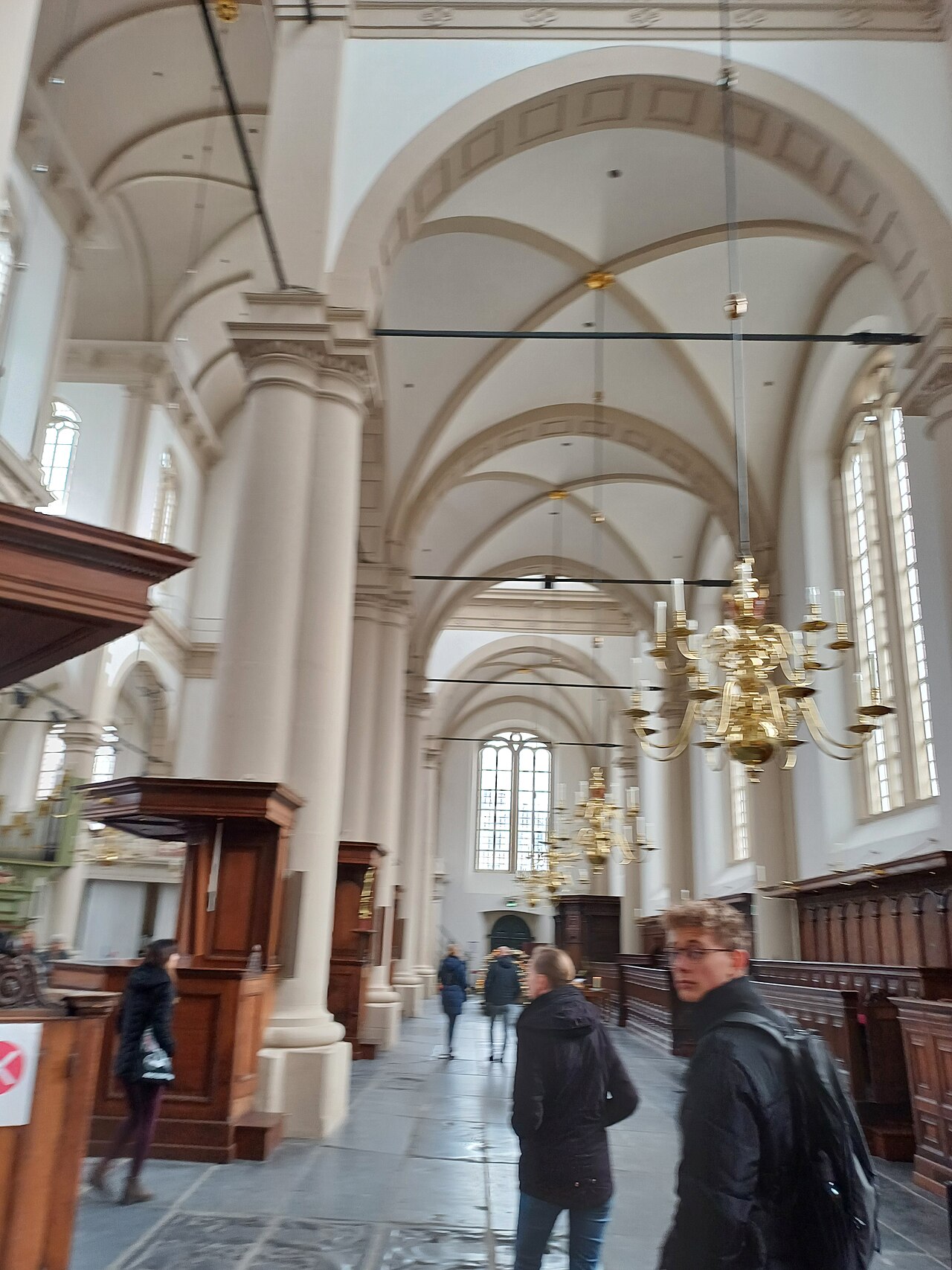
Reformed Christianity is the tradition of Zwingli, Calvin, and the Westminster and Heidelberg confessions, ordered by God's sovereignty, covenant, and the regulated worship and disciplined life of the church.
The Reformed tradition arose in Zurich and Geneva under Ulrich Zwingli and John Calvin and spread to France, the Netherlands, Scotland, and the wider world. Its churches — Presbyterian, Congregational in part, and the Dutch and continental Reformed — are known by their confessions, their psalm-singing, their presbyterian order, and a theology that places the glory and sovereignty of God at the center of everything.
Ultimate Reality
God is sovereign: nothing in creation escapes his decree, and his covenant governs his dealings with humanity from creation to glory. The Reformed accent falls on God's majesty and freedom — he is not managed by his creatures — joined to his covenant faithfulness, by which he binds himself to be God to his people and their children.
The Human Condition
The fall is total in its reach: every faculty of the person is affected by sin, and the unregenerate will does not seek God. Election is therefore grace from first to last — God chooses in Christ before any human response — a doctrine taught for the comfort of believers, that their salvation rests on God's purpose and not their grip.
Knowledge and Truth
Scripture is self-authenticating, witnessed by the Spirit, and sufficient as the church's rule. Creation also reveals God's power and divinity (general revelation), so Reformed Christians have prized learning, printing, and the schooling of whole peoples; but special revelation in Christ judges and interprets every other claim.
Right and Wrong
The law, condemned as a ladder to heaven, returns as the guide of gratitude — the third use of the law orders the believer's life. Worship is regulated by Scripture's warrant; the sacraments are signs and seals of the covenant, with baptism given to believers' children as circumcision was. Church discipline, exercised by elders, guards the table and restores the wandering.
Human Destiny
The Westminster Confession states the end plainly: the souls of the righteous are received into paradise, and at the last day the bodies of all are raised — the just to life, the unjust to judgment. Perseverance is God's gift: those truly in Christ cannot finally fall away, because the covenant keeper keeps them.
The Conversation
Reformed Christianity asks Arminian and Lutheran neighbors where human freedom ends and God's decree begins, and it asks Rome and the East whether covenant and election in fact do the pastoral work they claim. It presses all Protestants on confessional discipline: whether a church that will not state and guard its faith can hand that faith to a third generation.