

Art without transcendence: humanist meaning-making, museums as secular temples, and protest art.
Tagged: Museums Protest Art Secular Humanism Secular and Non-Theistic
May the divine be depicted?
The sacred is relocated, not abolished: into human dignity, sustained attention, the memorial, and the museum, which secular visitors themselves treat as a temple of alternative spirituality.
The Sacred, Relocated
Non-theistic worldviews do not lack art, and they do not lack the sacred. They relocate it. Secular humanist art takes human dignity, moral seriousness, and the natural world as its worthy subjects, and makes its images without reference to transcendence — not as a lack, but as a position. The modernist and existential traditions answer finitude and absurdity with making itself: art as the human reply to a silent cosmos.
Devotion Without Doctrine
A secular philosophy of art has lately given the relocation a name: devotion without doctrine, in which devotion is redefined as sustained attention, repetition, and ethical presence. The painter who returns to the motif for a decade, the visitor who stands before one canvas for an hour — these are devotional practices with the theology removed and the discipline kept. The form of religious attention survives its object.
Museums as Secular Temples
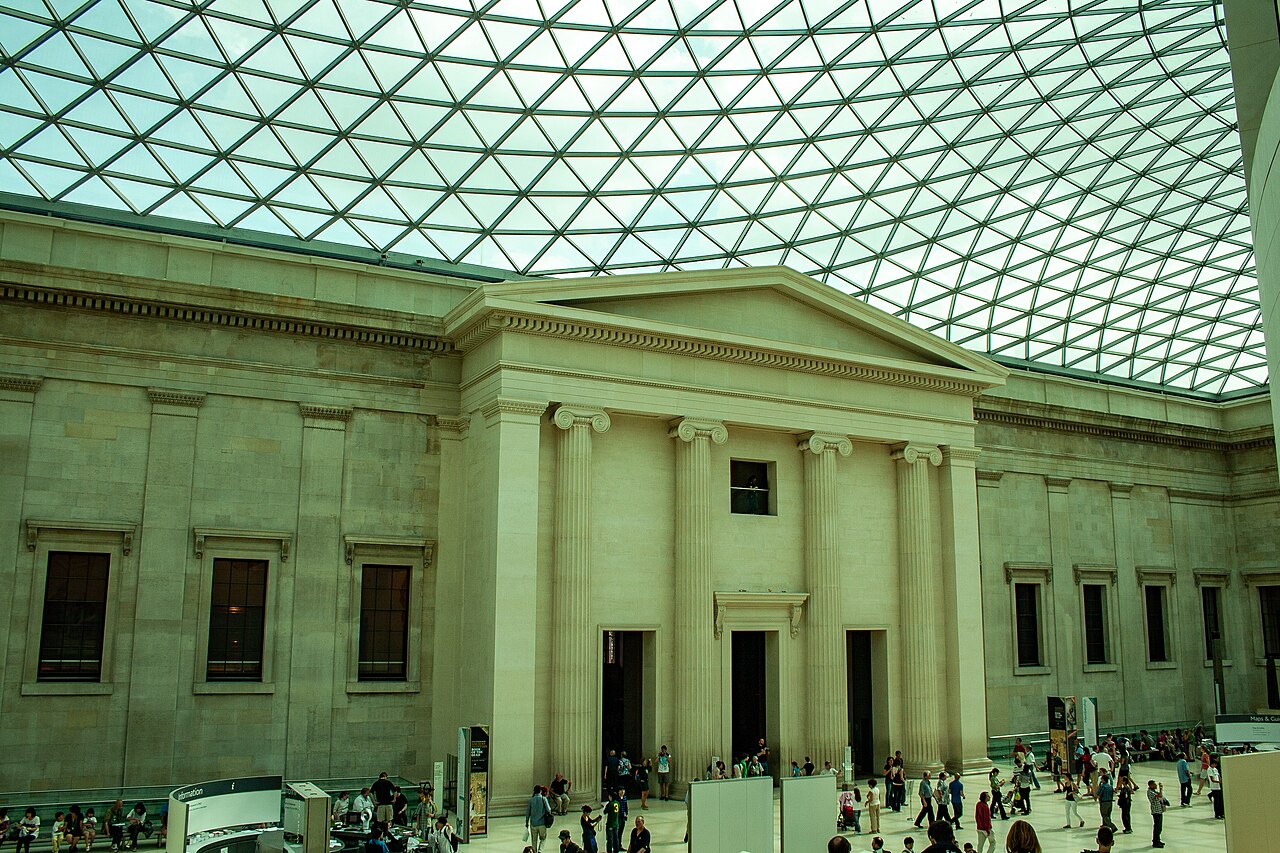
Research on contemporary art museums complicates any easy secular story. Visitors, including self-described nonbelievers, report numinous and spiritual experiences in art museums, and describe them in the language of temples: thresholds, hush, pilgrimage, relics with labels. The museum functions, for many of its visitors, as a temple for an alternative spirituality, and post-secular curators now say aloud what the architecture always implied — that the museum is not a neutral container but a mediator of religious meaning, with ethical duties of its own when it displays sacred objects from living traditions.
Protest and Memory
Political and protest art completes the profile, because it reaches instinctively for the religious repertoire: martyrs, icons, relics, processions, vigils. The memorial wall and the protest poster do the commemorative work that altarpieces once did, for communities whose shared sacred is a cause or a memory. This site records the functional equivalents honestly — museums, memorials, manifestos, and the aesthetics of science — and resists the assumption that secular means without art, or without transcendence of its own kind.
Entries in This Tradition
References
Related Across the Site
- AI-Generated Religious Art Art Entry — Image generators now produce Christs, Buddhas, and temple scenes on demand. The traditions are answering — some with welcome, some with prohibitions that reach the new medium directly. This page shows no generated image, because any single example would misrepresent the argument.
- Museums and Secularization Art Theme — What happens to a sacred object when it moves from the temple to the gallery: decontextualization, aestheticization, and the museum's own unadmitted liturgy.
- Doris Salcedo Artist — The Colombian sculptor of political violence's traces — her Fragmentos floor in Bogotá is a counter-monument hammered from surrendered weapons by women victims of the conflict.
- Käthe Kollwitz Artist — The German artist of grief: her Pietà, enlarged in Berlin's Neue Wache, is Germany's central memorial to the victims of war — a mother holding her dead son, made by a mother who lost hers.
All of Religious Art & Worldviews · The comparison: May the divine be depicted?