

Secular Judaism keeps the Jewish people, its calendar, texts, languages, and ethics, while letting go of the commanding God: from the Bund and Yiddish culture to Humanistic Judaism's congregations and the kibbutz's rewritten festivals.
Secular Judaism is the modern discovery that Jewishness is thicker than Judaism: a civilization, in Mordecai Kaplan's term, of language, land-memory, folkways, and texts, which a Jew may inhabit fully without theism. Its institutions have included the socialist Bund, the Yiddish press and theater, the kibbutz movement with its rewritten Haggadot, the secular yeshiva, and, since Sherwin Wine founded the Birmingham Temple in 1963, Humanistic Judaism's congregations, which say so on the door.
Ultimate Reality
The position brackets or denies the supernatural while retaining the people's story as its own kind of authority. God-language appears, where it appears, as poetry and as the ancestors' name for their values; the reality underneath is historical — a people that texts, suffering, and stubborn continuity have made, and that its members are responsible for continuing.
The Human Condition
The human problem arrives in a Jewish accent: exile, vulnerability, and the need to make meaning in a history that has repeatedly refused to cooperate. Where the tradition answered exile with commandments, secular Judaism answers with culture and solidarity — the condition is the same; the pharmacy is human.
Knowledge and Truth
Secular Jewish knowledge is the tradition's own critical turn applied to itself: Bible scholarship, archaeology, and history are welcomed into the house the rabbis built, and the texts are read as the people's literature — argued with, mined, loved, and occasionally overruled. Wine's formulation holds that truth is determined by consequences and evidence, and that a ritual is justified by what it does for the people who perform it.
Right and Wrong
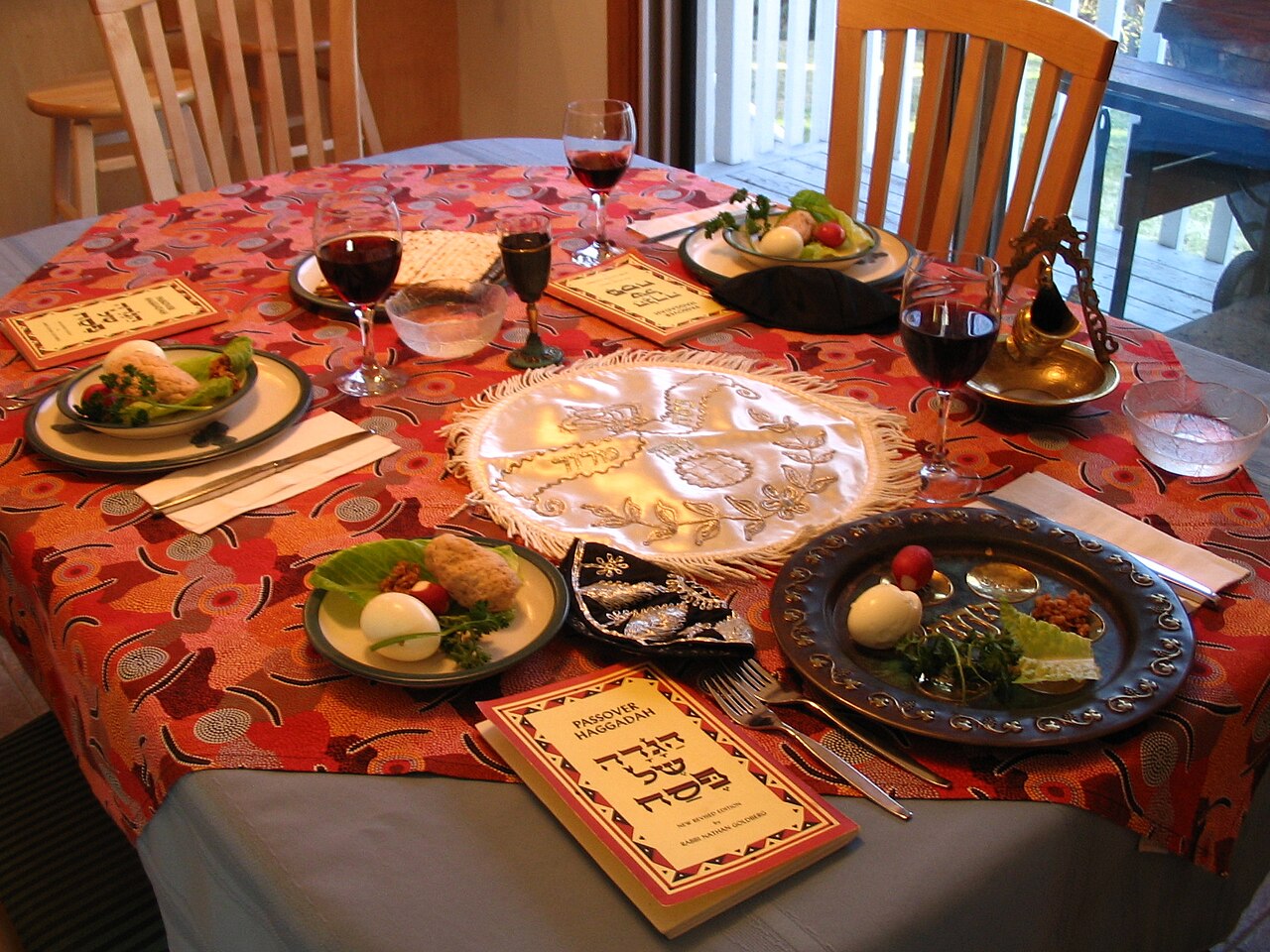
The ethics are the tradition's social core with the sanctions removed: justice (tzedakah, which in Hebrew never meant optional charity), the repair of the world (tikkun olam), hospitality, and the dignity of work and study. Festivals are kept as the people's autobiography — Passover as freedom's rehearsal, in kibbutz versions with the plagues re-read as the present's oppressions — performed because memory is a duty even when heaven is silent.
Human Destiny
Destiny is survival with meaning: the people's continuity, to which each generation adds its link, and the individual's portion is the work that outlasts them. Immortality is located where the tradition always half-located it — in children, in students, in the book with your name in its front — and the secular version simply declines to add a second address.
The Conversation
Secular Judaism asks the religious denominations whether a Judaism that requires belief can explain the majority of actual Jews, and it asks itself the counter-question its critics press: what, in the third generation, keeps the culture from thinning into cuisine — what does secular Judaism hand on that a museum could not? The movement's schools, camps, and congregations are its standing attempt at an answer.