

Temple economies, imperial patronage, and image destruction as political theology: art is how communities spend, rule, and remember — which is why conquerors reach for it.
Tagged: Political Patronage Power
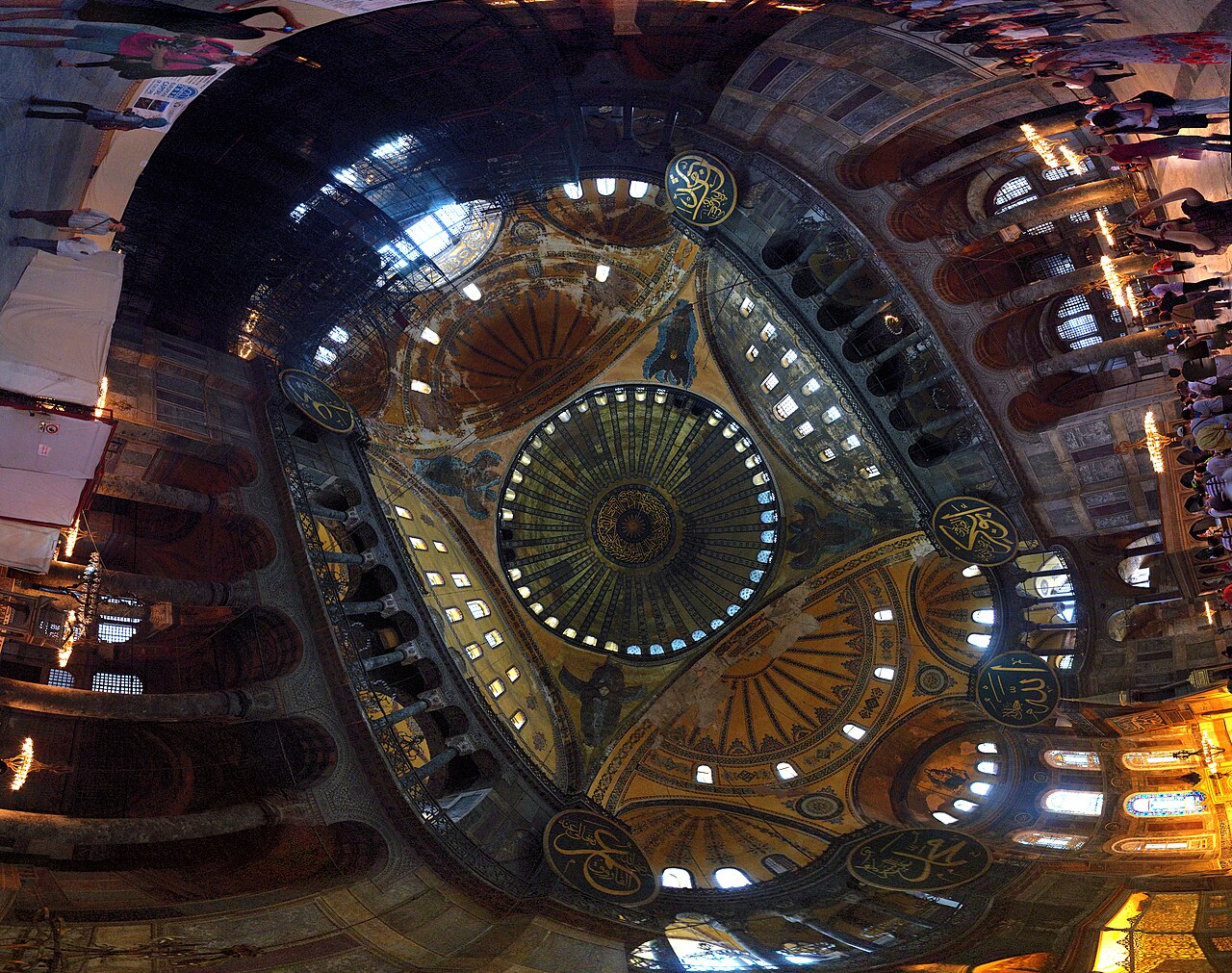
Great religious art is expensive, and the bill is always paid by power. Justinian's Hagia Sophia, the Chola bronzes, the marble of Dilwara, the endowments of a thousand mosques and cathedrals — each is a treasury converted into theology, and each announces, in the same gesture, the patron's piety and the patron's rank. Temple economies employed casters, carvers, calligraphers, and weavers by the thousand; to build was to rule in the idiom of the sacred.
The converse is the politics of destruction. Iconoclasm in Byzantium was imperial policy. The Reformation's image-breaking reordered the allegiances of cities. Colonial powers collected sacred objects as trophies of a civilizing mission, and modern movements from the Taliban to the Islamic State have destroyed antiquities precisely because the objects carried a rival account of whose land and whose past this is. The destruction is the tribute that power pays to art's importance.
This theme keeps the section honest about money and force: every entry's provenance includes, where it is known, who paid, who took, and who holds — and the repatriation theme takes up the cases where the holding itself is now the controversy.
References
Related Across the Site
- Abanindranath Tagore Artist — Founder of the Bengal School, whose Bharat Mata (1905) gave Indian nationalism a goddess's face — and swadeshi art its emblem.
- The Persepolis Carvers Artist — The imperial workshops of Darius and Xerxes — masons from across the empire whose Apadana reliefs process twenty-three nations up the stairs with their gifts.