

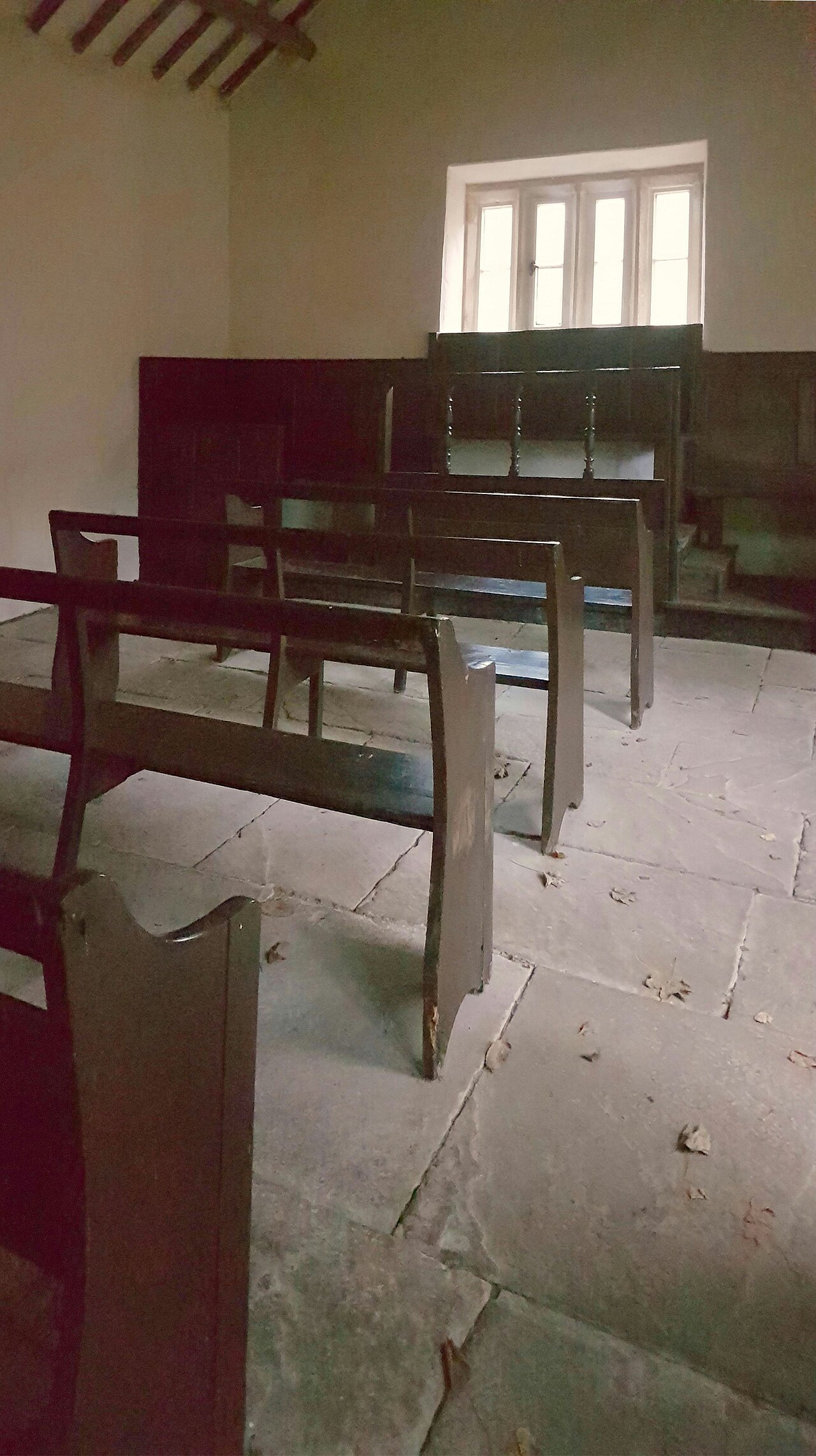
Quakerism, the Religious Society of Friends, began with George Fox's conviction that Christ has come to teach his people himself: worship in waiting silence, the Inner Light in every person, and testimonies of peace, equality, simplicity, and truth.
The Religious Society of Friends arose in England in the 1650s around George Fox, who climbed Pendle Hill and saw 'a great people to be gathered.' Early Friends were imprisoned by the thousands for refusing oaths, tithes, and hat honor; their meetings for worship — silent waiting on the Light, without priest, liturgy, or outward sacraments — produced a people known for plain speech, honest dealing, prison reform, abolition, and relief work that earned the Nobel Peace Prize in 1947.
Ultimate Reality
God is immediately present: the Inner Light, Christ within, is given to every person — 'that of God in everyone' — so revelation did not end with the apostles. God is known not by argument but by obedience to the Light that first shows a person their own condition and then leads them out of it.
The Human Condition
Human beings are not treated in Quaker teaching as depraved beyond reach; the seed of God in each can respond to the Light. The human problem is the self-will that refuses the Light, the darkness loved because the Light exposes it — a condition diagnosed in worship's silence rather than in doctrine.
Knowledge and Truth
Continuing revelation orders Quaker knowledge: the same Spirit that gave the Scriptures interprets them, and a leading that contradicts Christ's character is not from him. Discernment is corporate — the meeting, gathered in expectant silence, tests leadings as a body, and decisions are made by the 'sense of the meeting,' unity sought without votes.
Right and Wrong
The testimonies are the ethic: peace (refusal of war and preparation for it), equality (all are leveled before the Light — the root of Friends' early witness for women preachers and against slavery), simplicity, integrity (plain truth-telling, fixed prices when prices were haggled), and community. Outward sacraments are not observed, baptism and communion being wholly inward; marriage is solemnized by the couple before God and the meeting, without officiant.
Human Destiny
Friends historically shared the hope of resurrection and judgment but spoke of the afterlife sparingly, concentrating on heaven's life begun here: to walk in the Light is already to live in the kingdom. Universalist strands run in the tradition from early on — Fox's ocean of Light over the ocean of darkness was preached to every conscience.
The Conversation
Quakerism asks the churches what their loudest doctrines sound like after an hour of shared silence, and whether the Spirit needs the machinery built to contain him. It asks itself whether the Light, without the creeds, can be distinguished from the self's own preferences — the question its evangelical and programmed branches press on its liberal ones, and the tension inside the worldwide family of Friends today.