

The Artists
Named makers and anonymous workshops, given attribution and reference where the record supports it. A workshop stands in this directory wherever the makers' names were never recorded — no name has been invented for any of them.
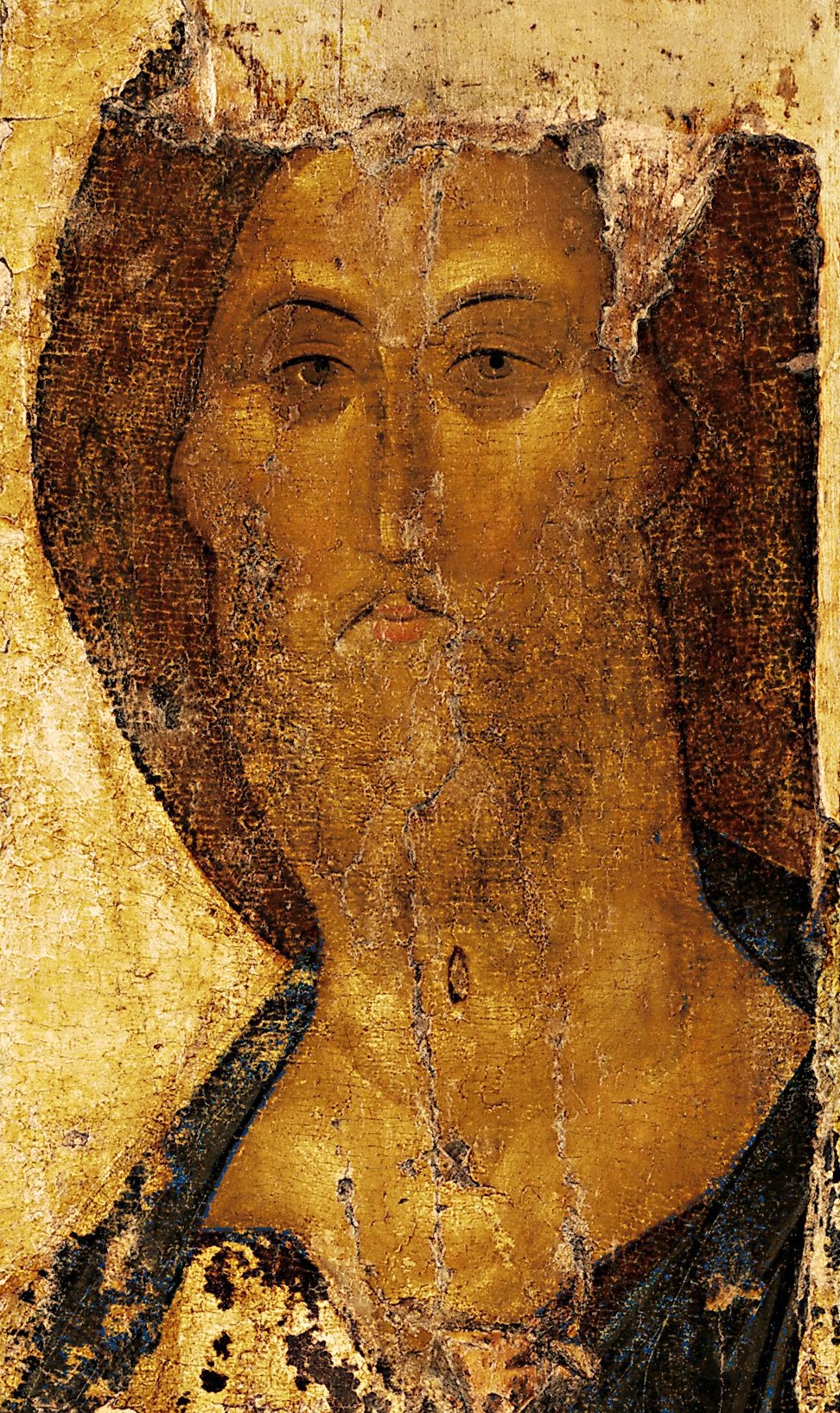 Artist
Andrei Rublev
The monk-iconographer whose Trinity became the measure of the Russian icon: stillness, humility, and gold held in perfect balance.
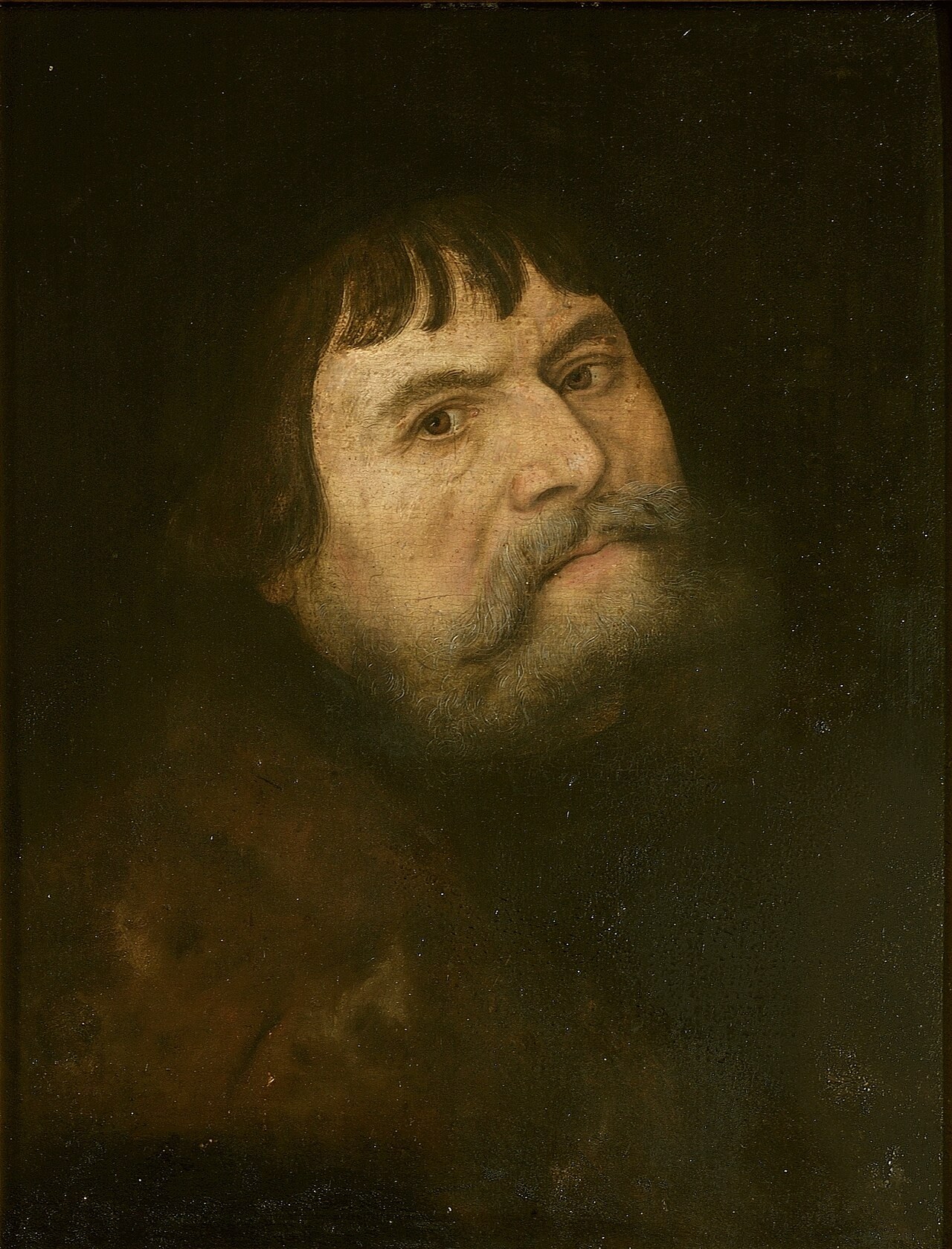 Artist
Lucas Cranach the Elder
Luther's friend and the Reformation's image-maker, whose workshop put the evangelical message into altarpieces, portraits, and prints.
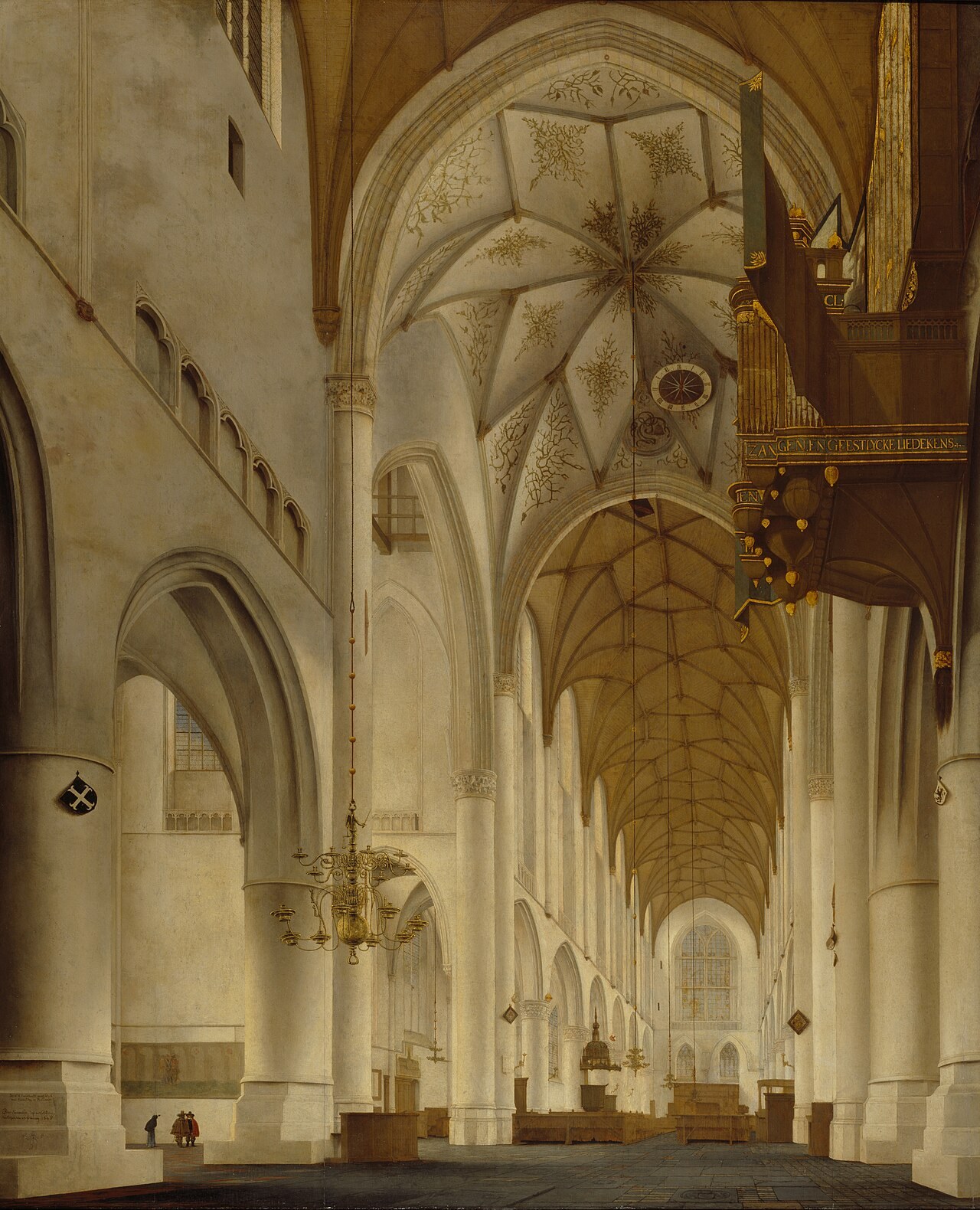 Artist
Pieter Saenredam
The Dutch painter of whitewashed church interiors — the Reformed interior, empty of images, made itself the picture.
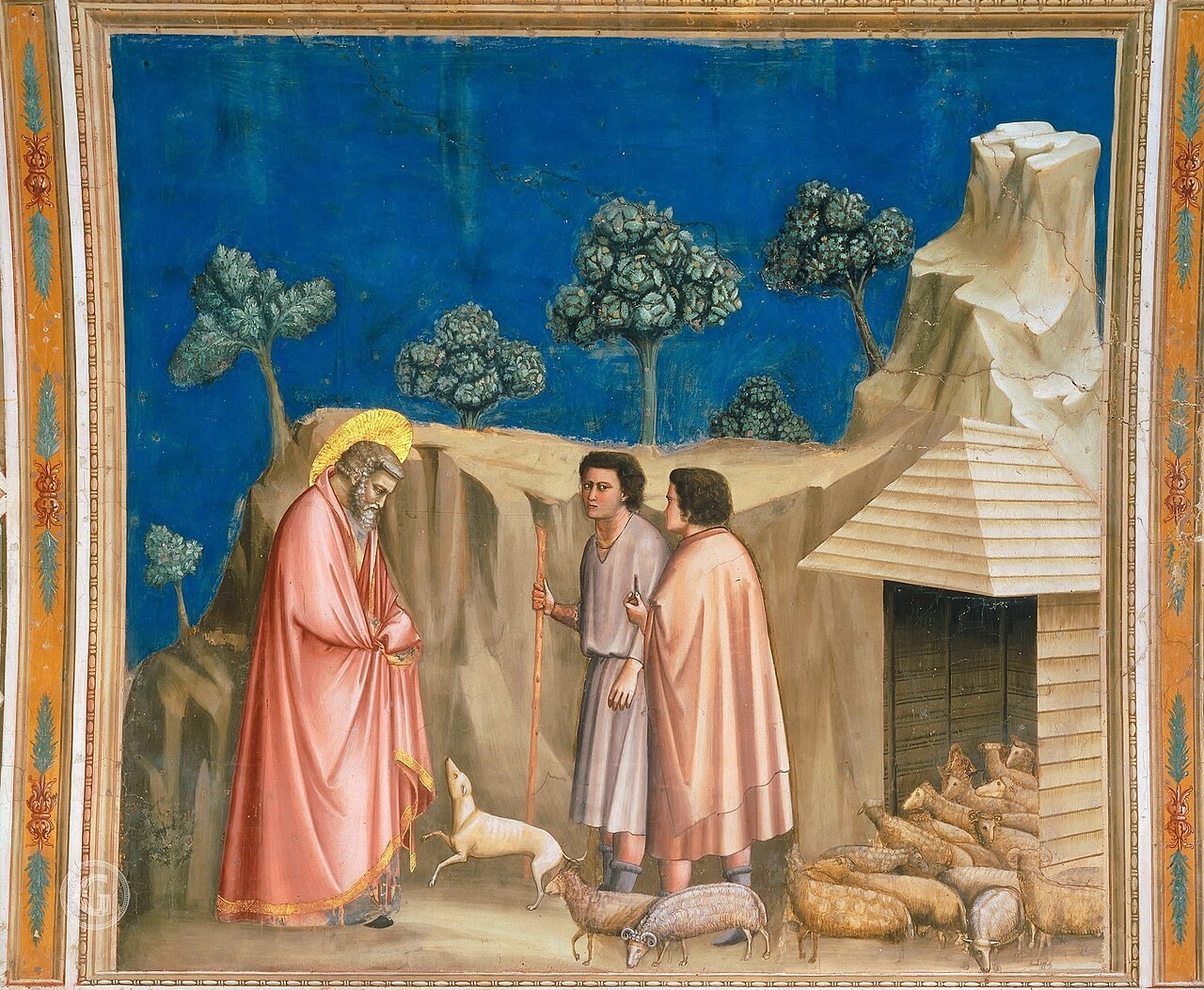 Artist
Giotto di Bondone
The Florentine who gave biblical figures weight, grief, and ground to stand on — the hinge between medieval symbol and Renaissance story.
 Artist
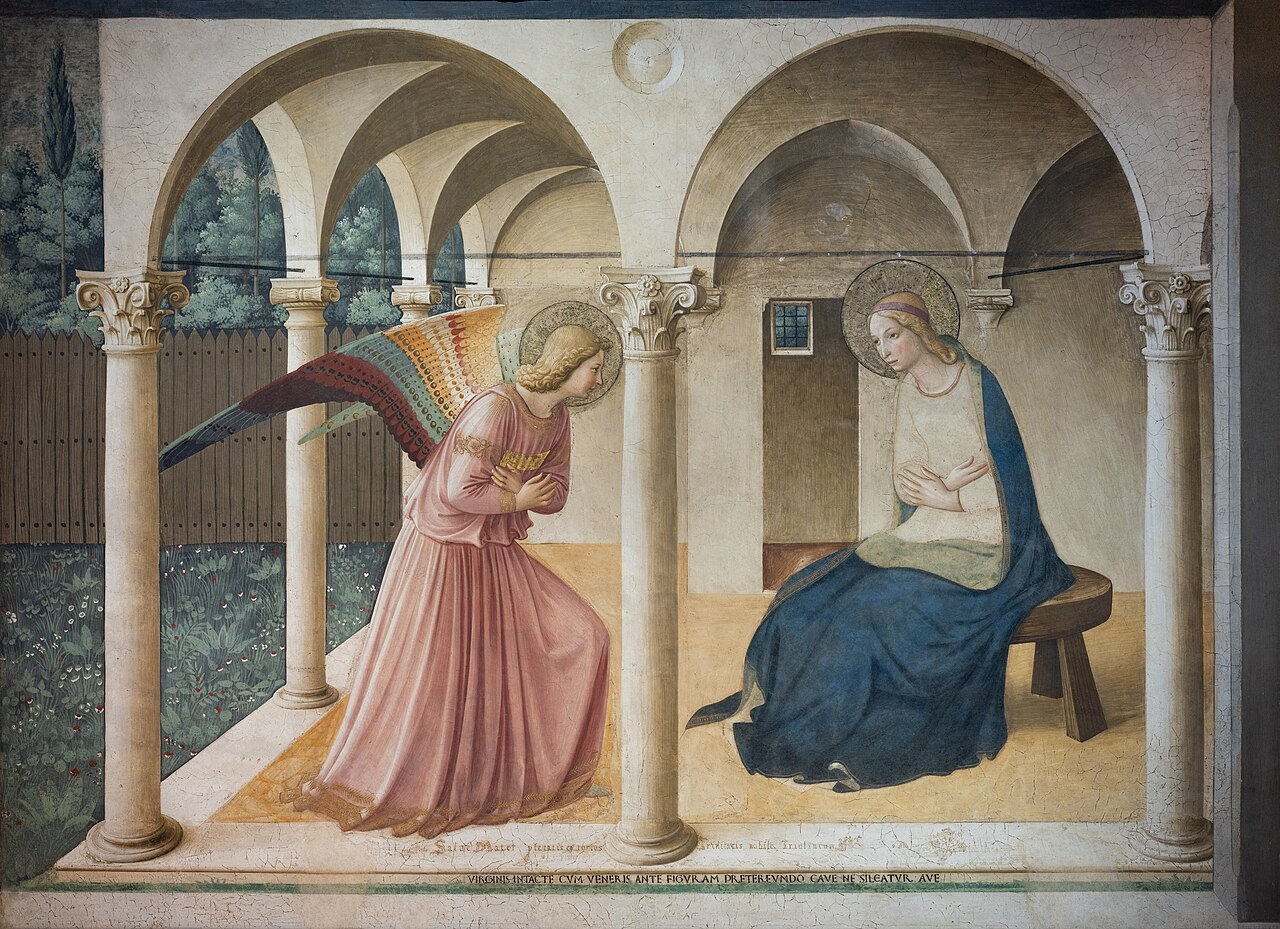
Fra Angelico
The Dominican friar whose frescoes for his brothers' cells at San Marco were painted as instruments of prayer, one mystery per monk.
 Artist
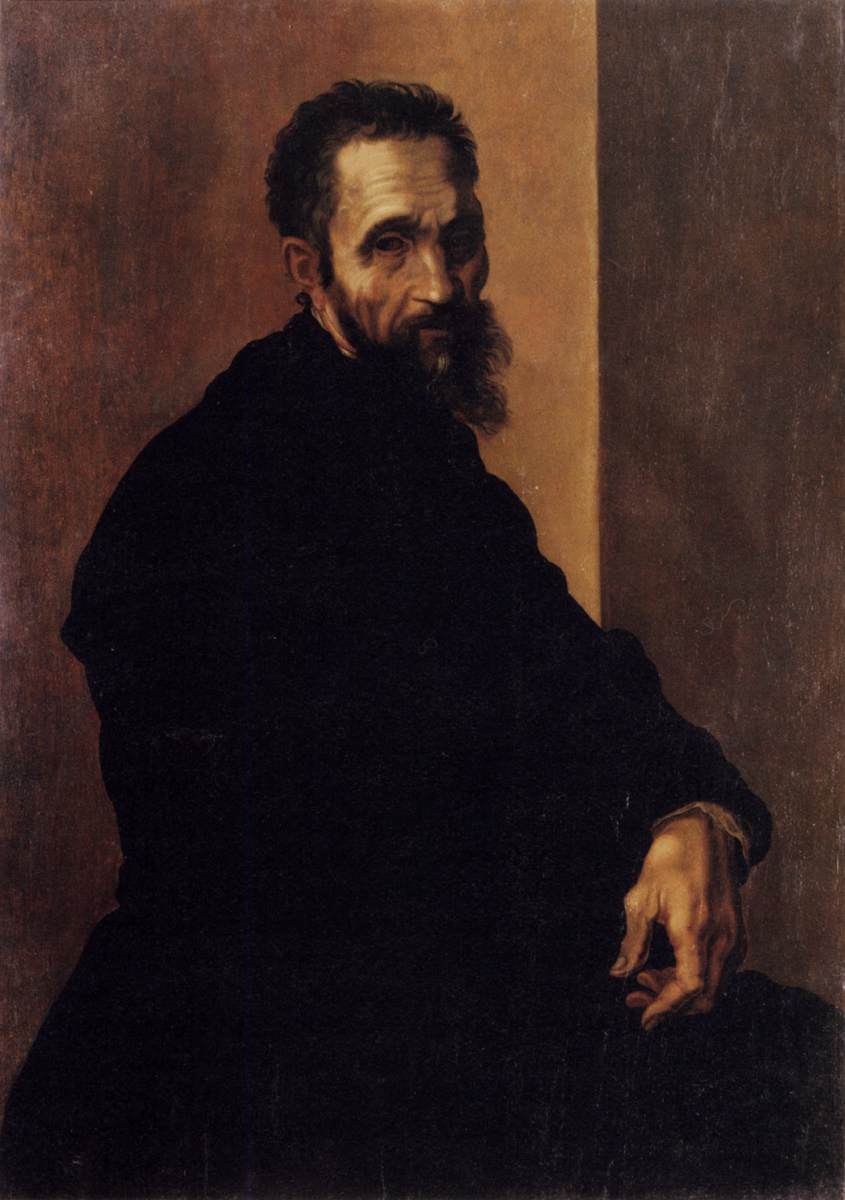
Michelangelo Buonarroti
Sculptor of the Pietà and the David, painter of the Sistine ceiling — the Renaissance's defining sacred artist, shown here in del Conte's portrait.
 Artist
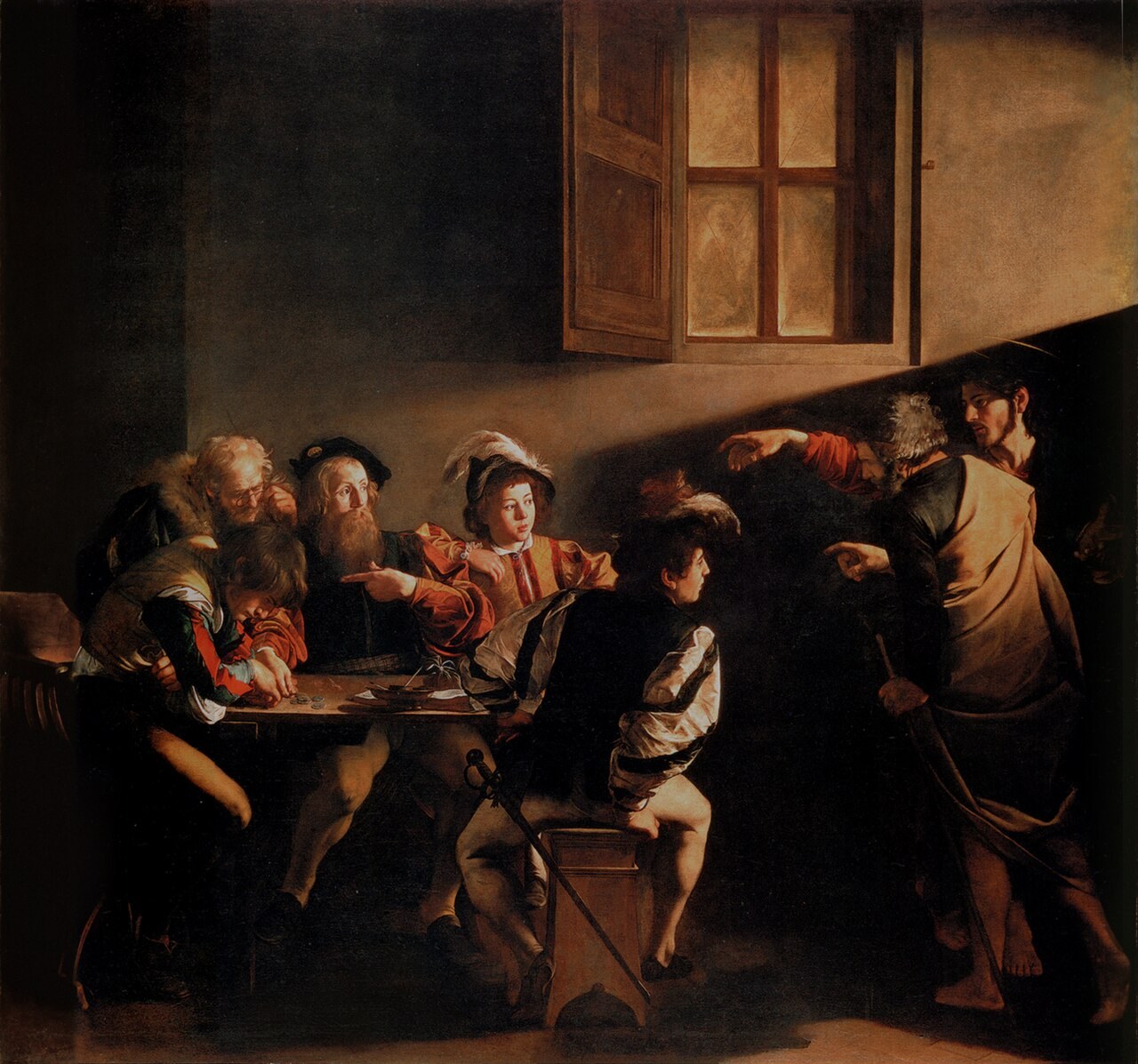
Caravaggio
The painter who dragged sacred history into a Roman tavern's light — saints with dirty feet, apostles recruited from the street.
 Artist
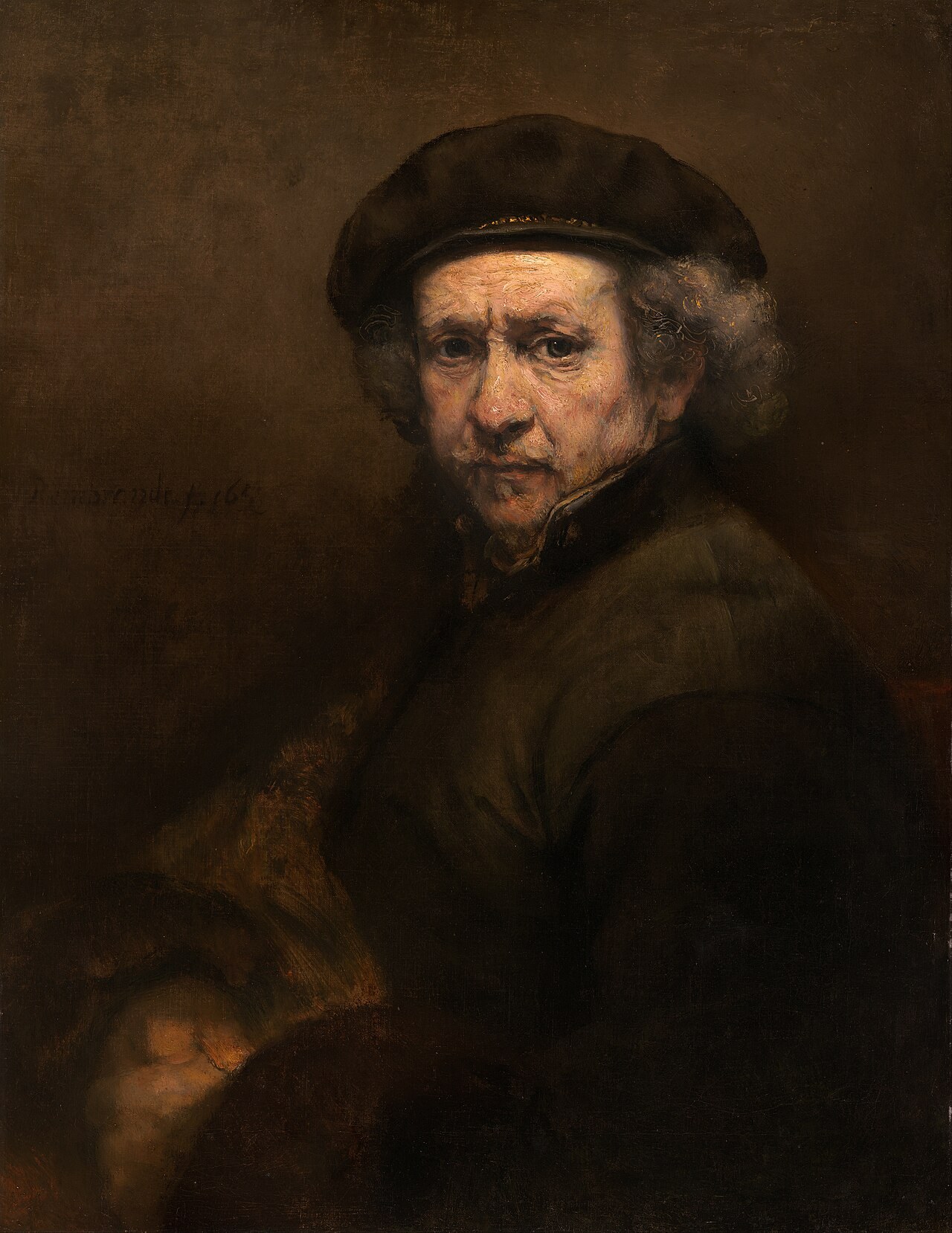
Rembrandt van Rijn
The Dutch master who painted the Bible as an interior event — and painted himself, at every age, as its witness.
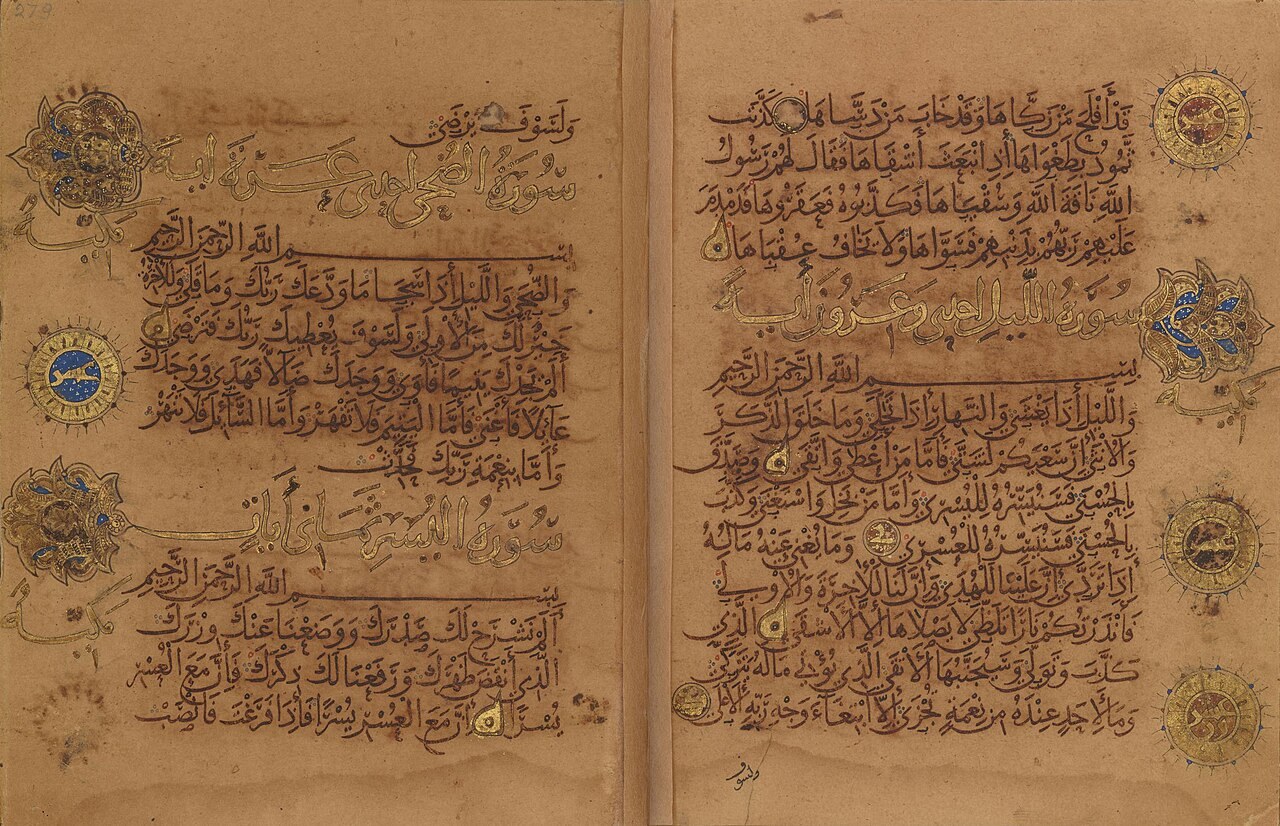 Artist
Ibn Muqla
The Abbasid vizier who gave Arabic writing its proportional system — the calligrapher's geometry on which a thousand years of Qur'an copying rests.
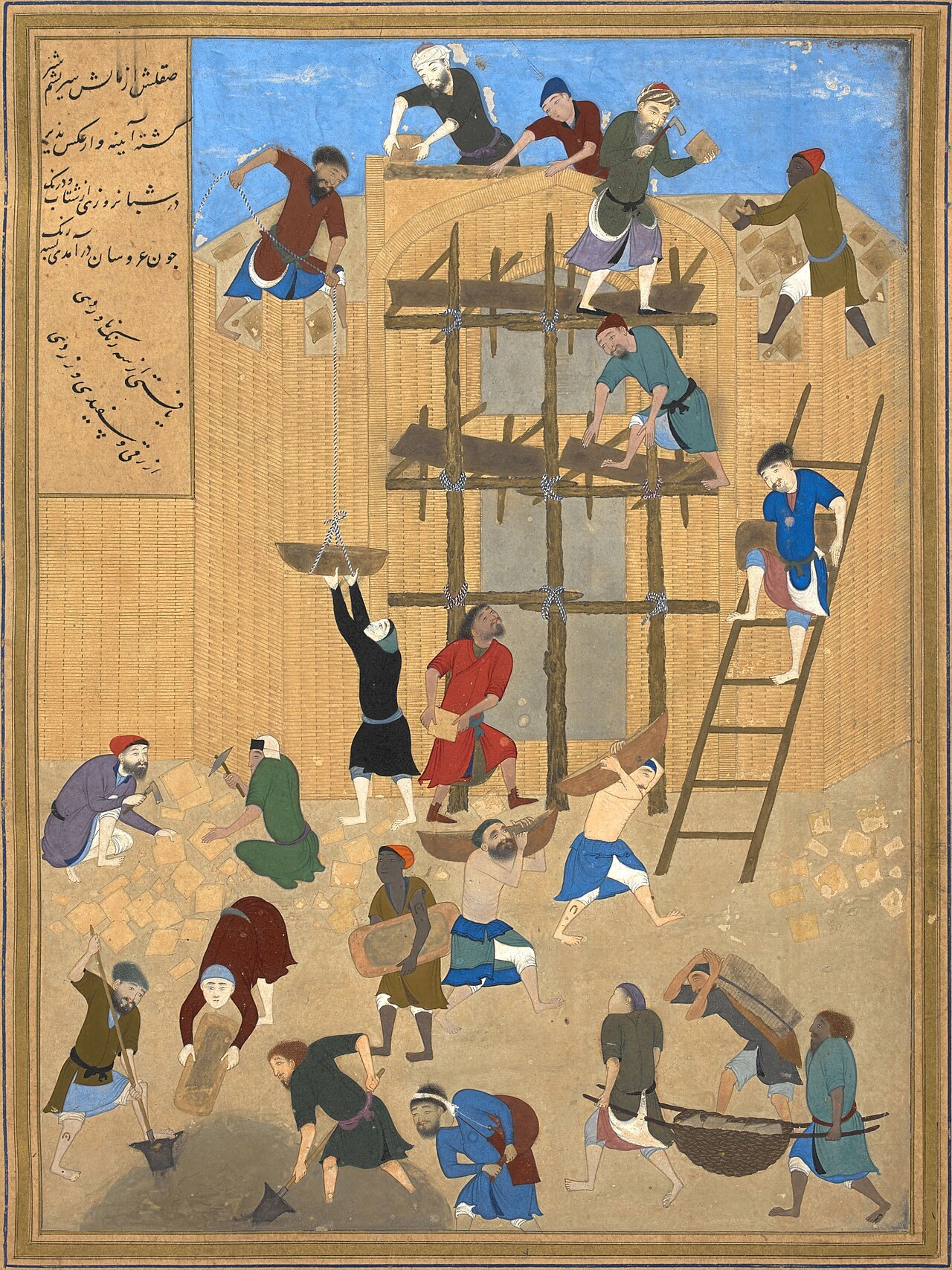 Artist
Kamal ud-Din Behzad
The master of the Timurid miniature, head of the royal atelier at Herat, whose building sites, gardens, and crowds set the Persian standard.
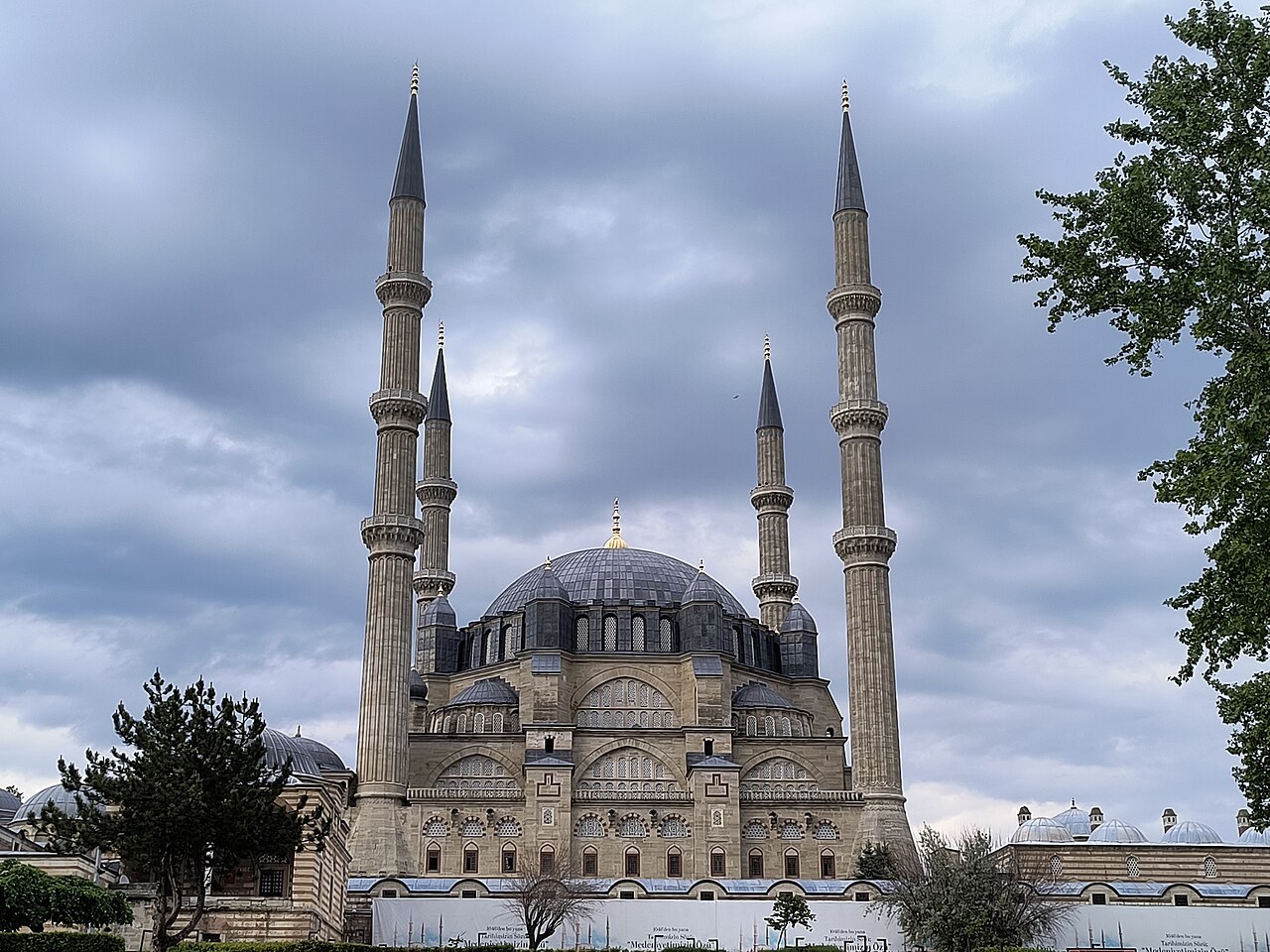 Artist
Mimar Sinan
Chief architect of the Ottoman sultans for fifty years, builder of the Süleymaniye and the Selimiye — the classical Ottoman mosque perfected.
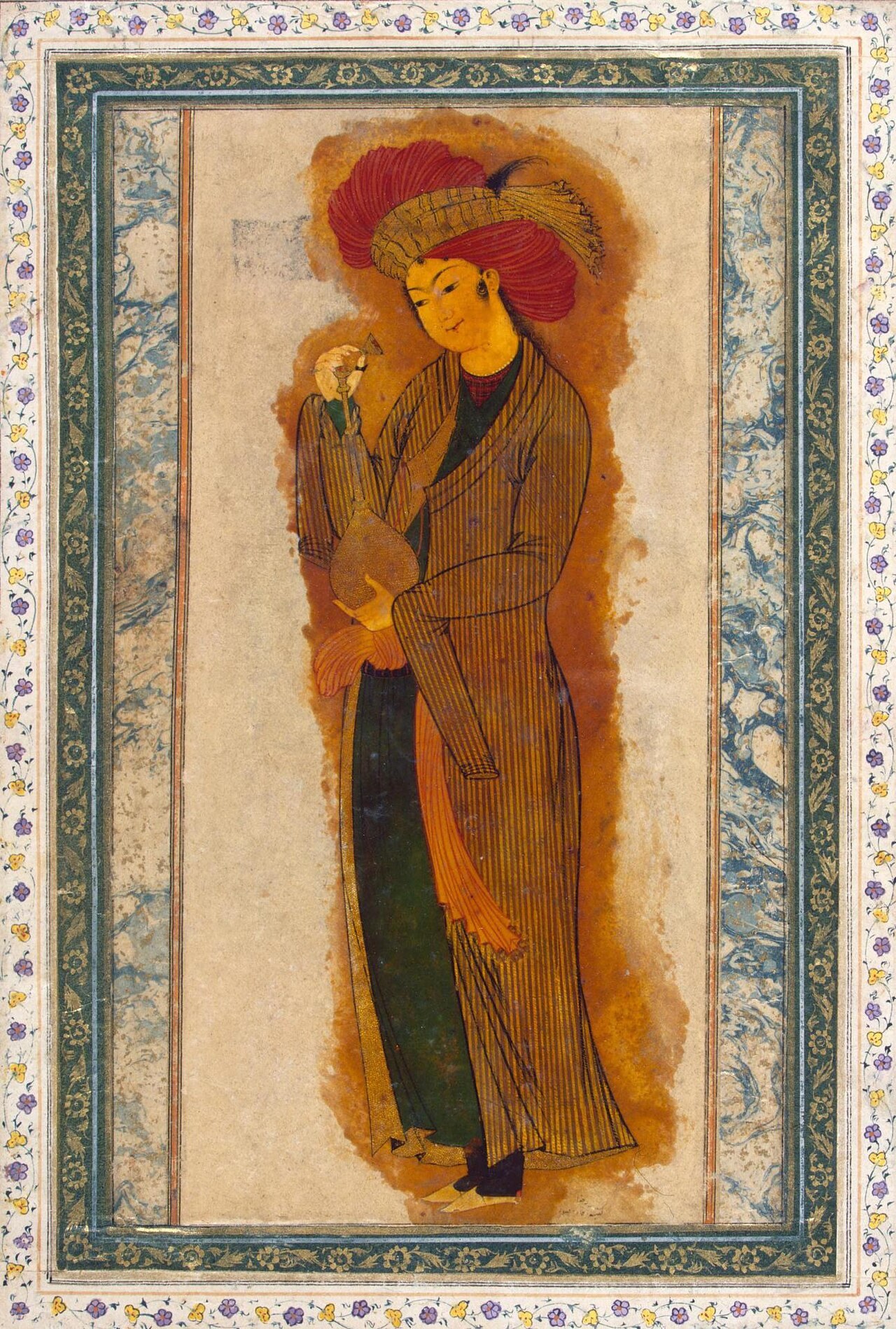 Artist
Riza-i Abbasi
The Safavid court painter who turned the Persian miniature toward the single figure — youths, lovers, and readers alone on the page.
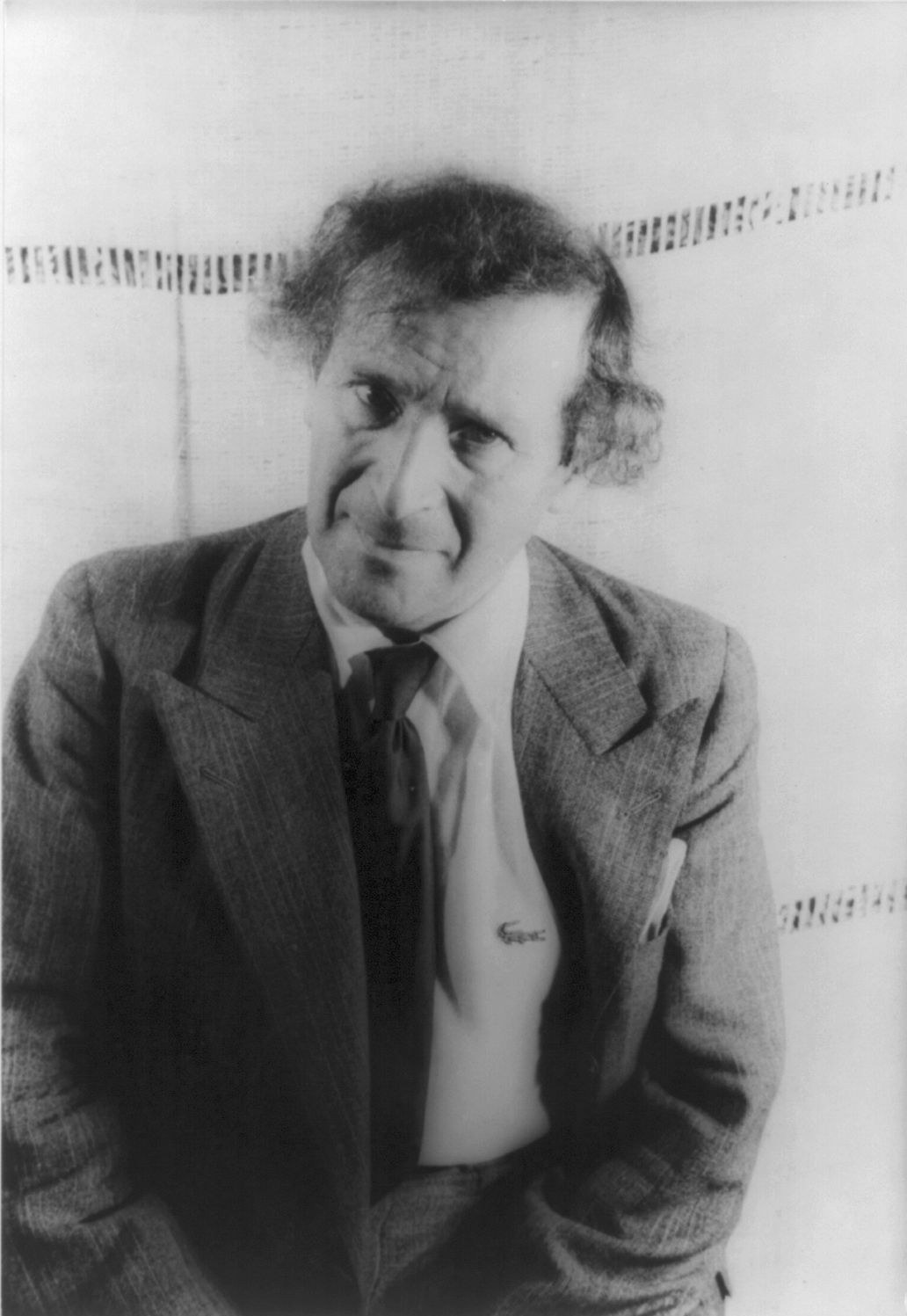 Artist
Marc Chagall
The Jewish painter of Vitebsk who carried the shtetl, the Torah, and the crucified Jesus of Jewish suffering into modern art. Shown in a 1941 photograph; his paintings remain in copyright.
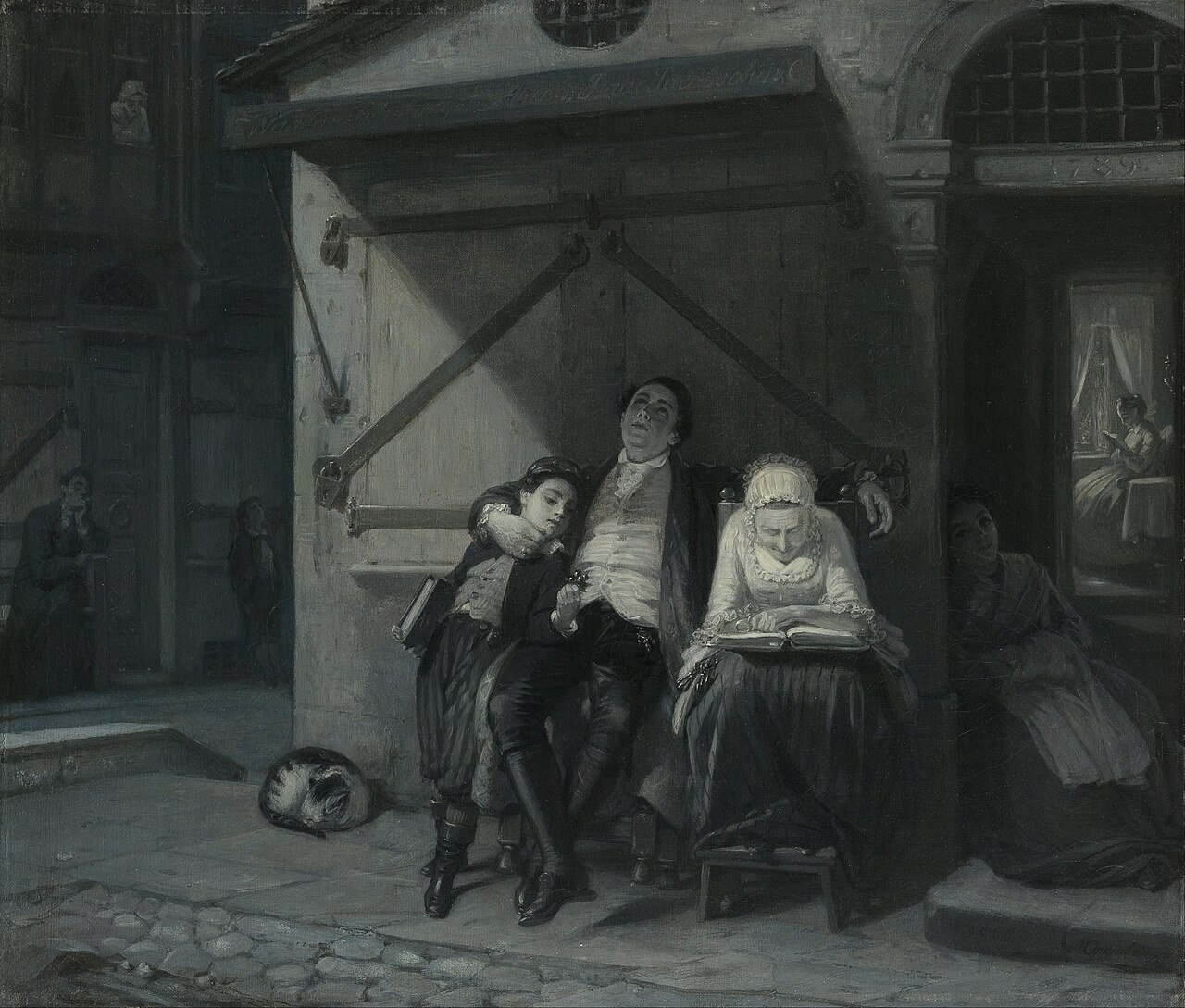 Artist
Moritz Daniel Oppenheim
Called the first Jewish painter of the modern era: his Scenes from Traditional Jewish Family Life gave emancipated German Jewry its self-portrait.
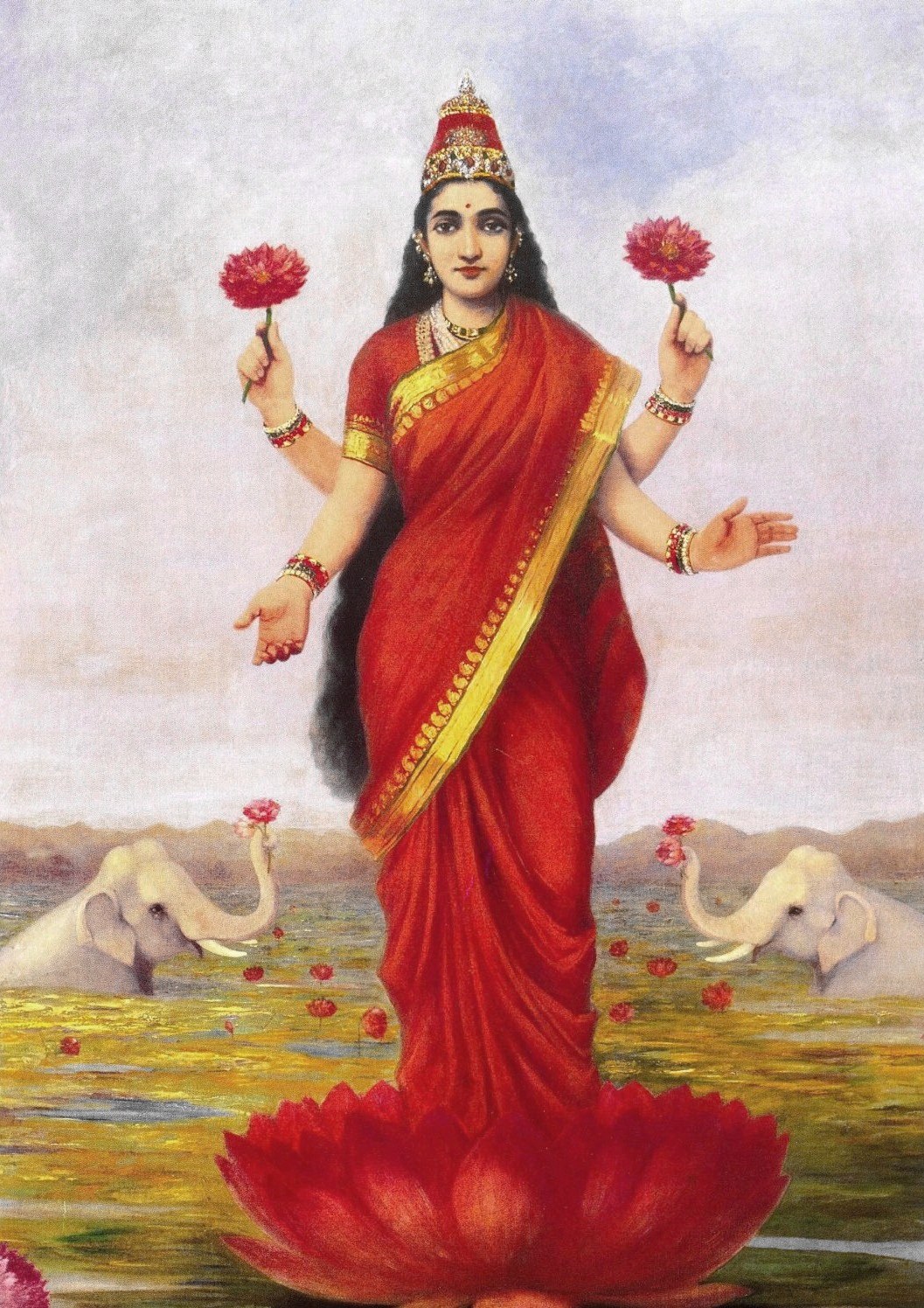 Artist
Raja Ravi Varma
The painter who put the gods on the bazaar wall: his oleographs of Lakshmi, Saraswati, and the epics made divine images a part of every Indian home.
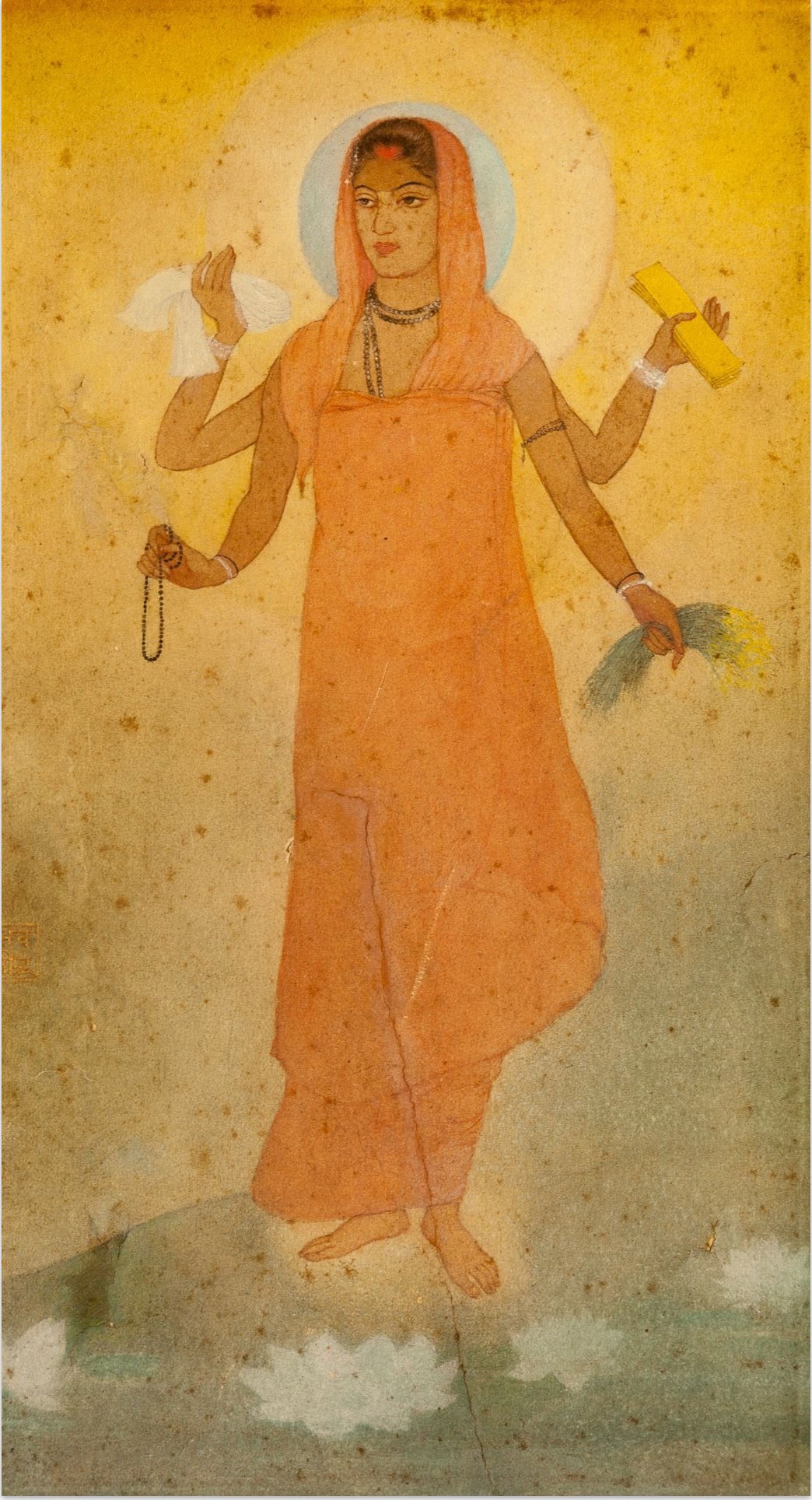 Artist
Abanindranath Tagore
Founder of the Bengal School, whose Bharat Mata (1905) gave Indian nationalism a goddess's face — and swadeshi art its emblem.
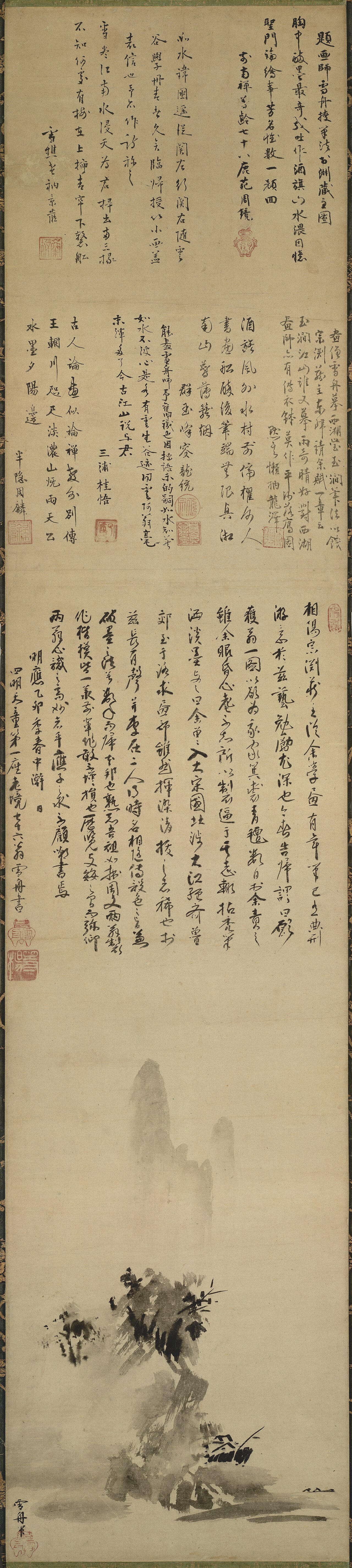 Artist
Sesshu Toyo
The Zen monk-painter who studied in Ming China and returned to make ink landscape the deepest expression of Japanese Zen.
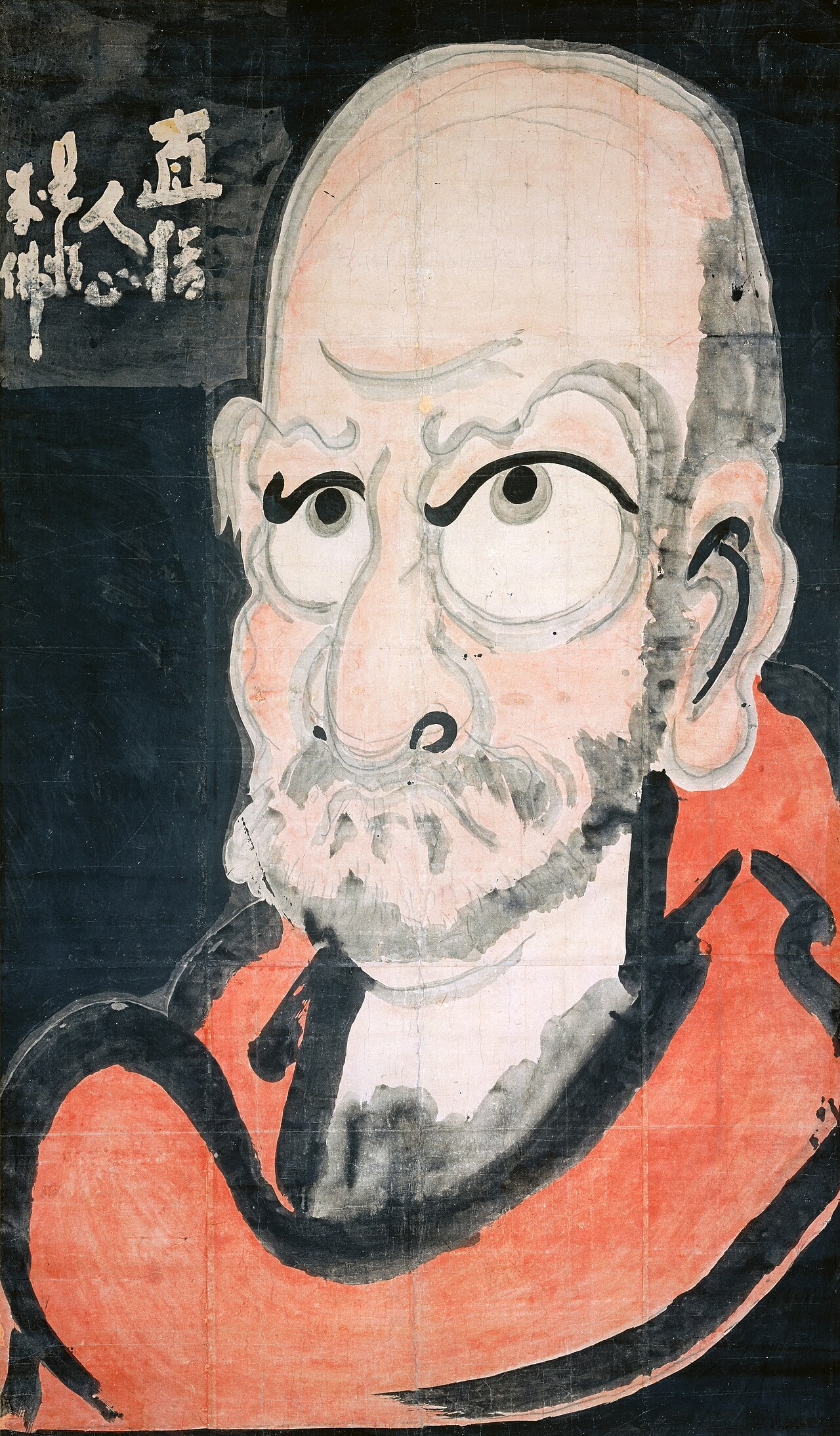 Artist
Hakuin Ekaku
The Rinzai Zen reviver who painted Daruma with a sumo wrestler's glare and wrote the koan of the sound of one hand.
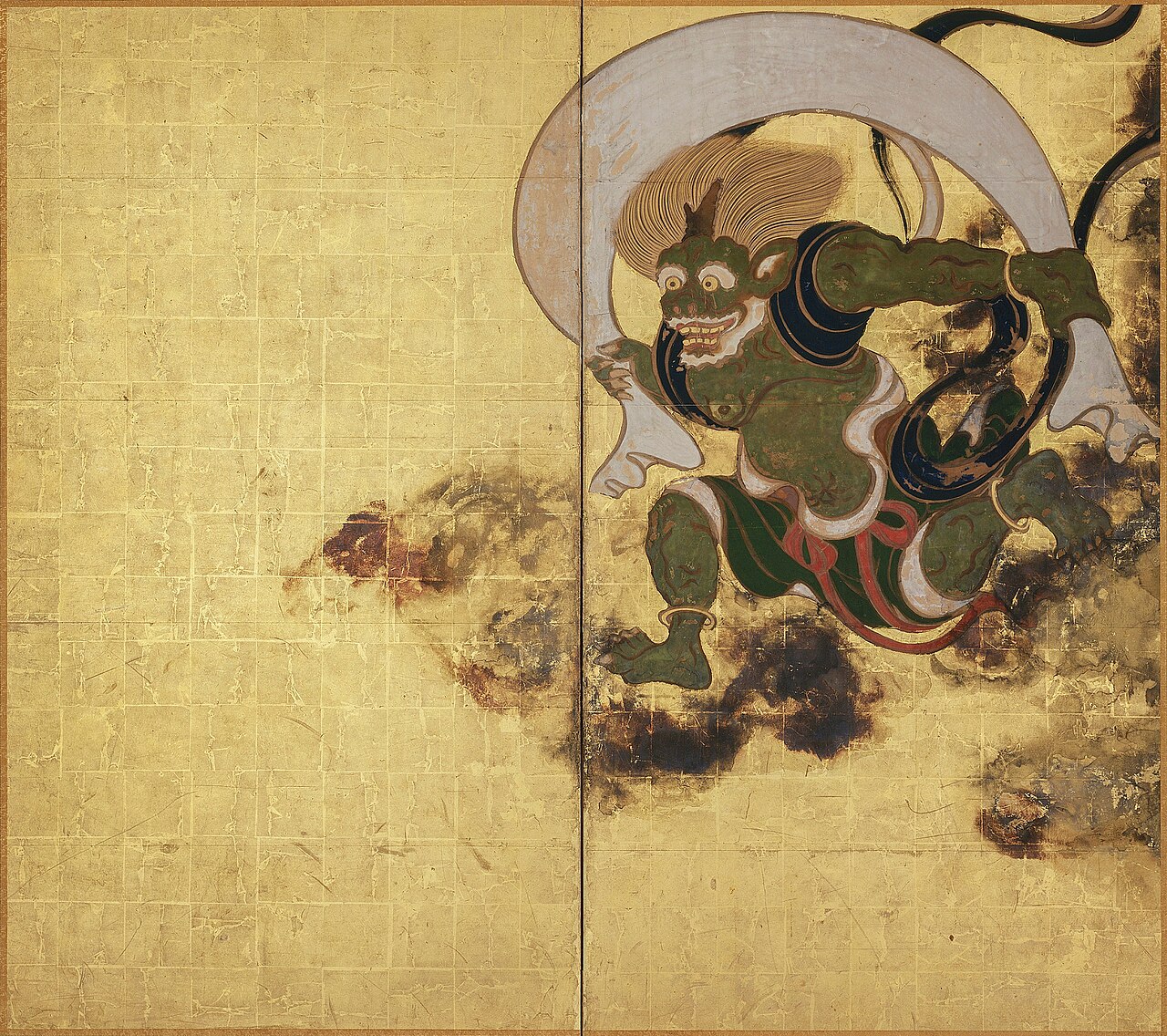 Artist
Tawaraya Sotatsu
Founder of the Rinpa school, painter of the Wind God and Thunder God screens — gold ground, divine weather, design as devotion.
 Artist
Wu Daozi
The Tang muralist whose temple walls made crowds gasp — the sage of painting in Chinese tradition, whose work survives in copies and in legend.
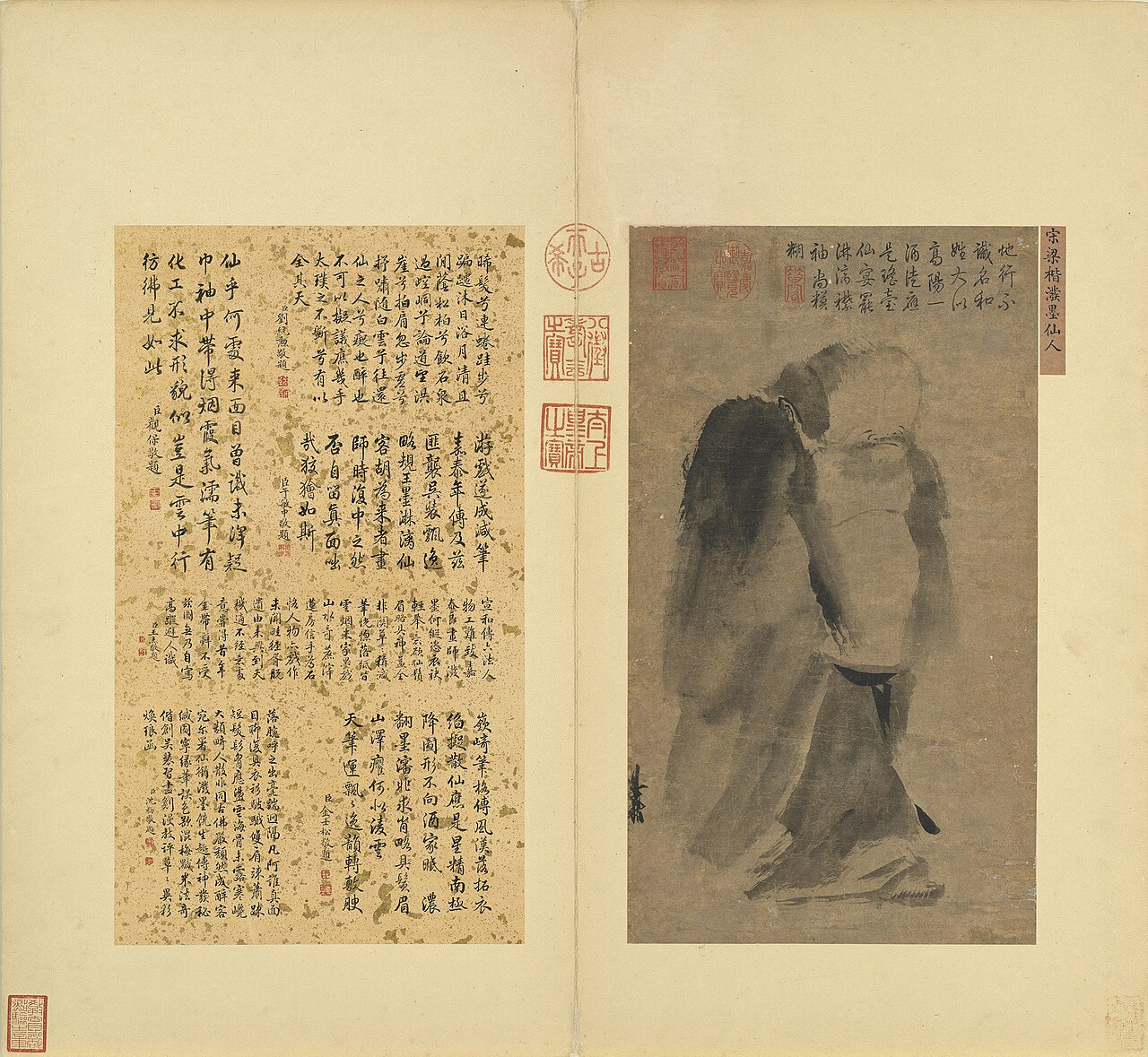 Artist
Liang Kai
The court painter who walked away from the academy to become 'Madman Liang', inventor of the splashed-ink immortal.
 Artist
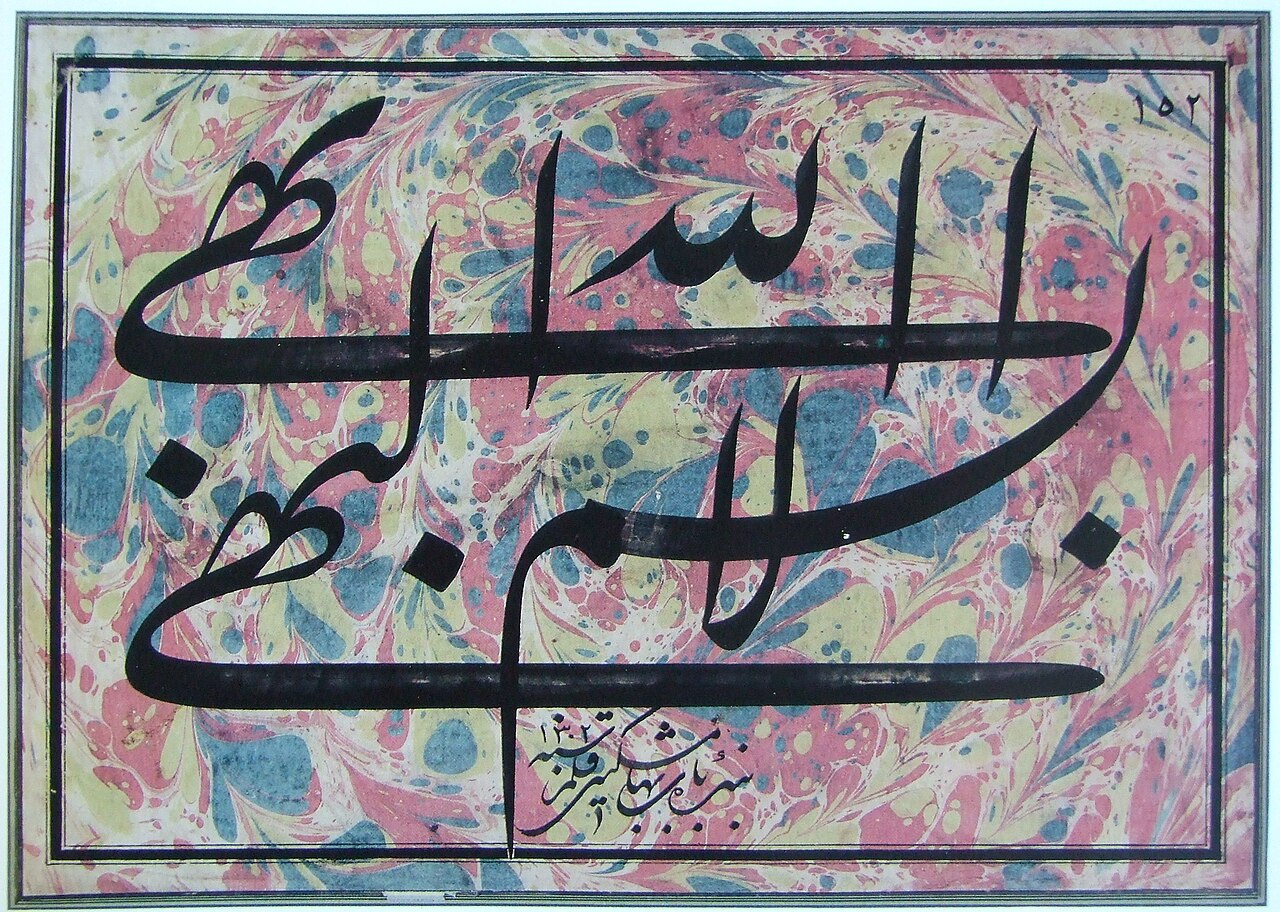
Mishkin-Qalam
The Bahá'í master calligrapher whose rendering of the Greatest Name became the faith's most reproduced image — a word, beautifully written, in place of a face.
 Artist
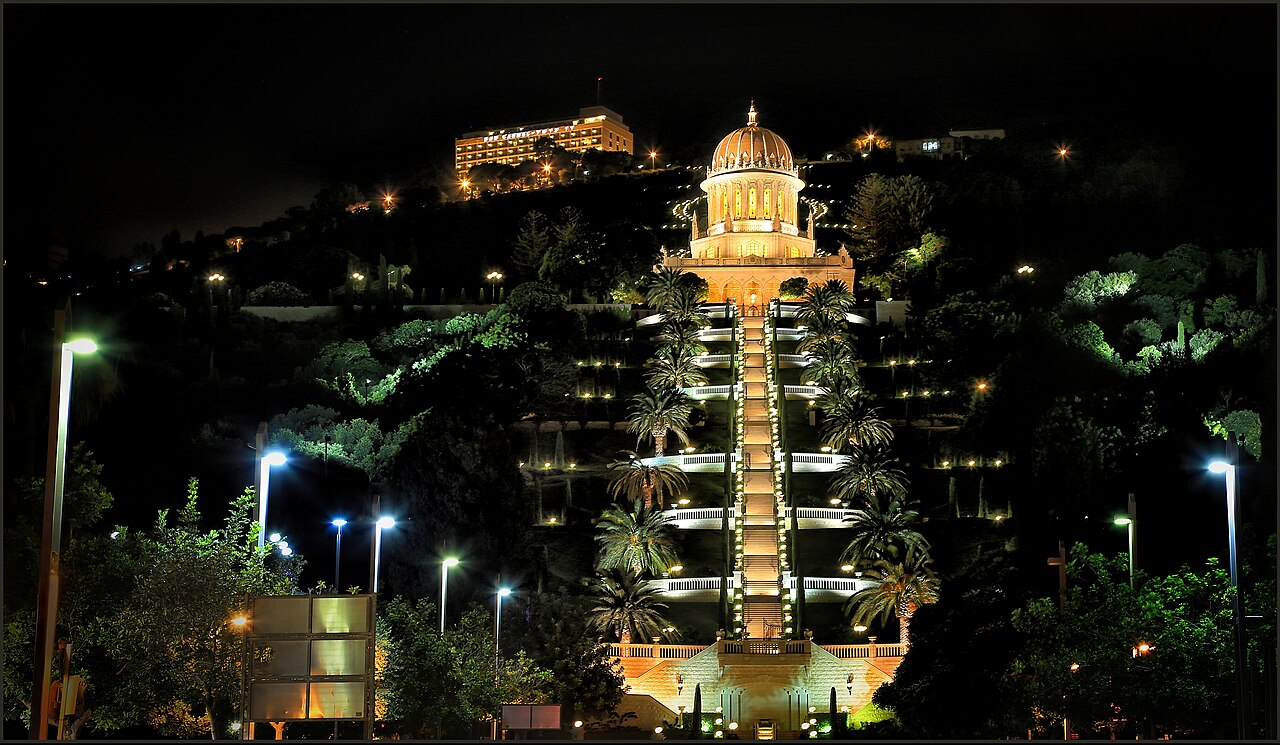
Fariborz Sahba
The Iranian-Canadian architect of the Lotus Temple in New Delhi and of the Bahá'í terraces on Mount Carmel.
 Artist
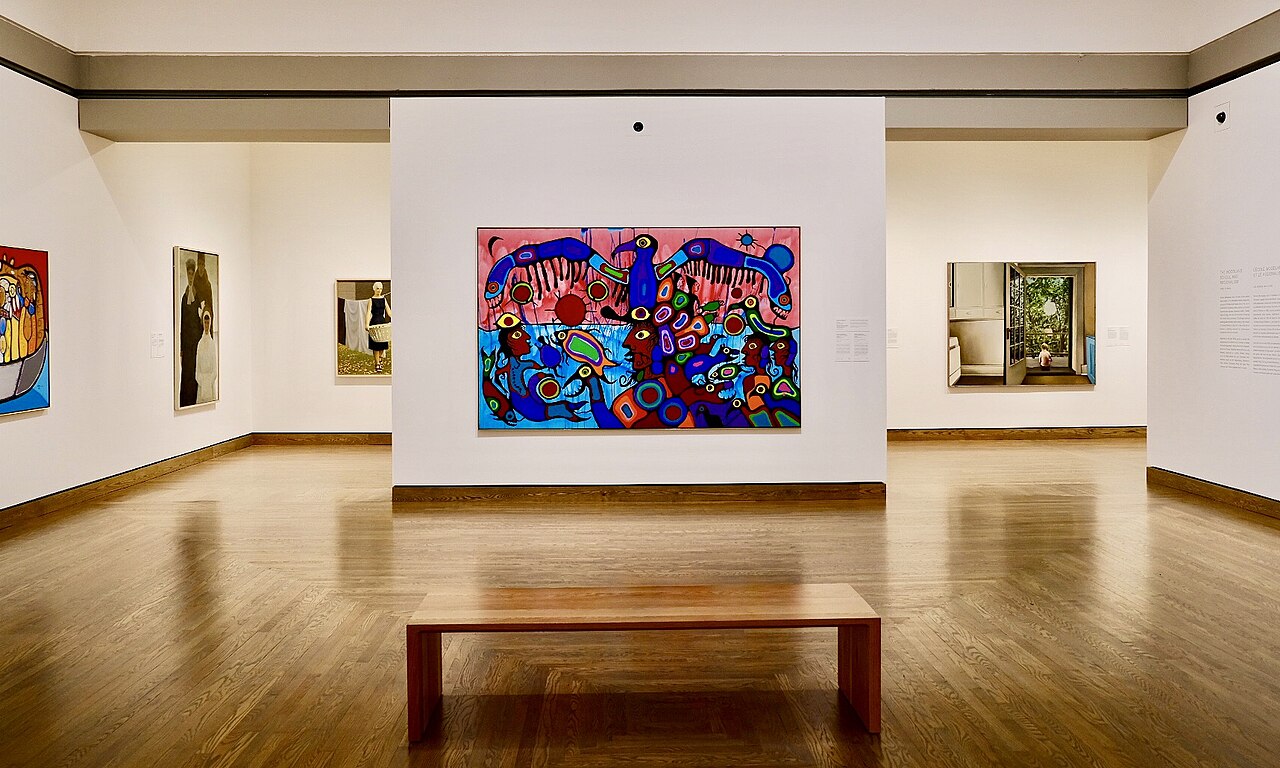
Norval Morrisseau
The Anishinaabe founder of the Woodland School, who painted the legends of his people in X-ray lines and unmixed color — against the elders' first objections, then with their blessing.
 Artist
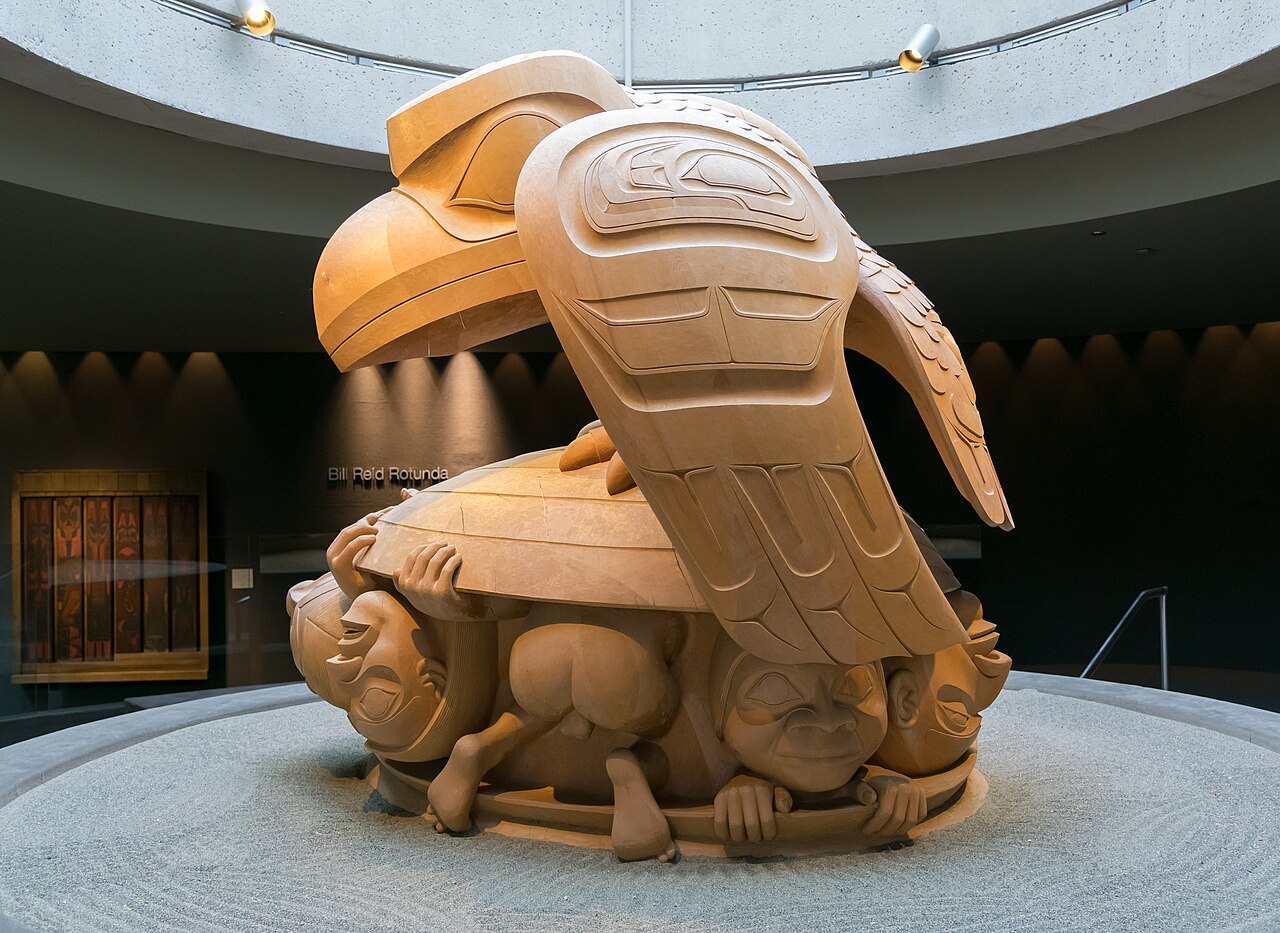
Bill Reid
The Haida master carver and jeweler whose Raven and the First Men brought the monumental carving tradition back to full strength.
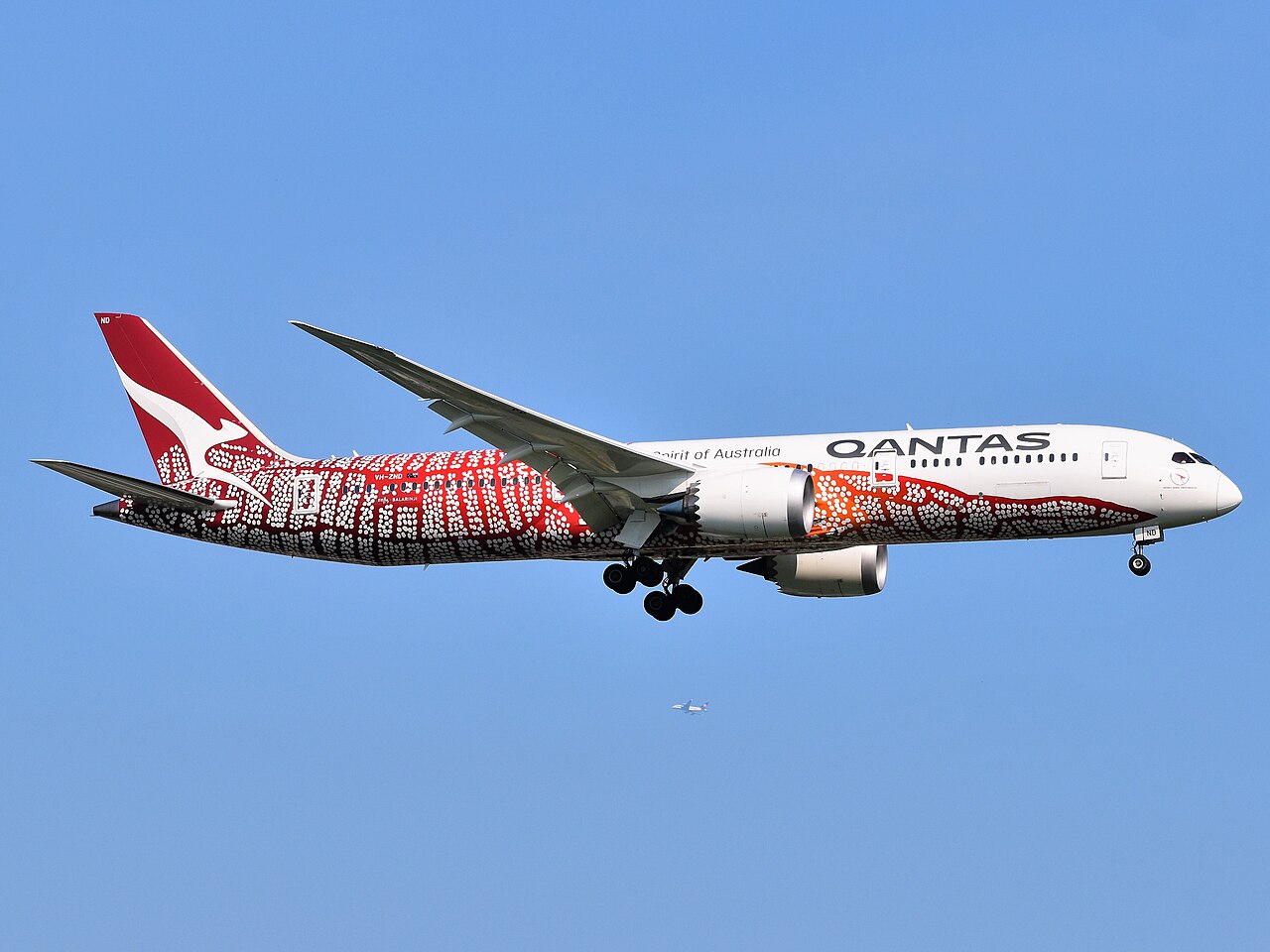 Artist
Emily Kame Kngwarreye
The Anmatyerre elder who began painting on canvas at about eighty and produced one of the great bodies of work in Australian art — her Country, Alhalkere, in yam, seed, and track.
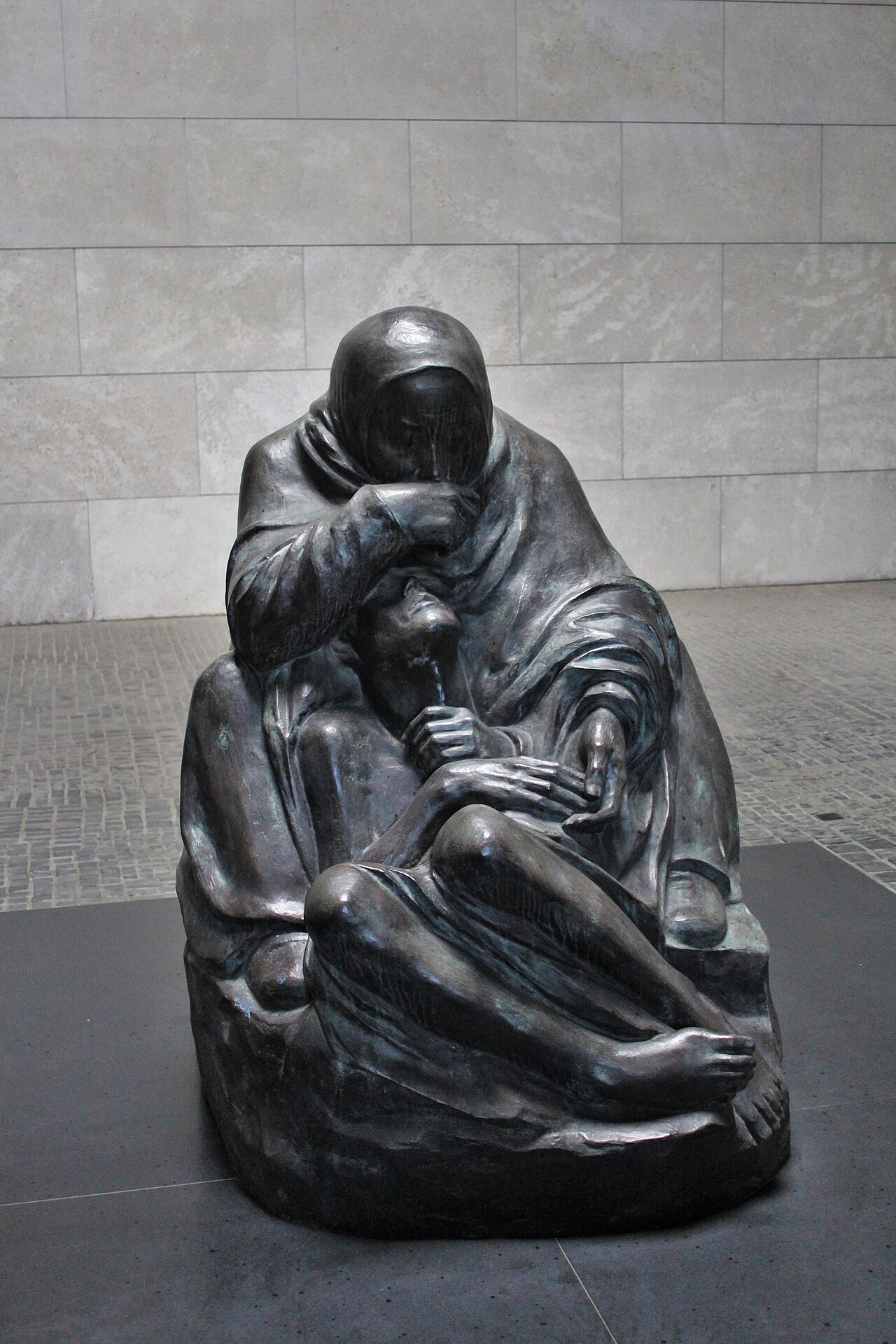 Artist
Käthe Kollwitz
The German artist of grief: her Pietà, enlarged in Berlin's Neue Wache, is Germany's central memorial to the victims of war — a mother holding her dead son, made by a mother who lost hers.
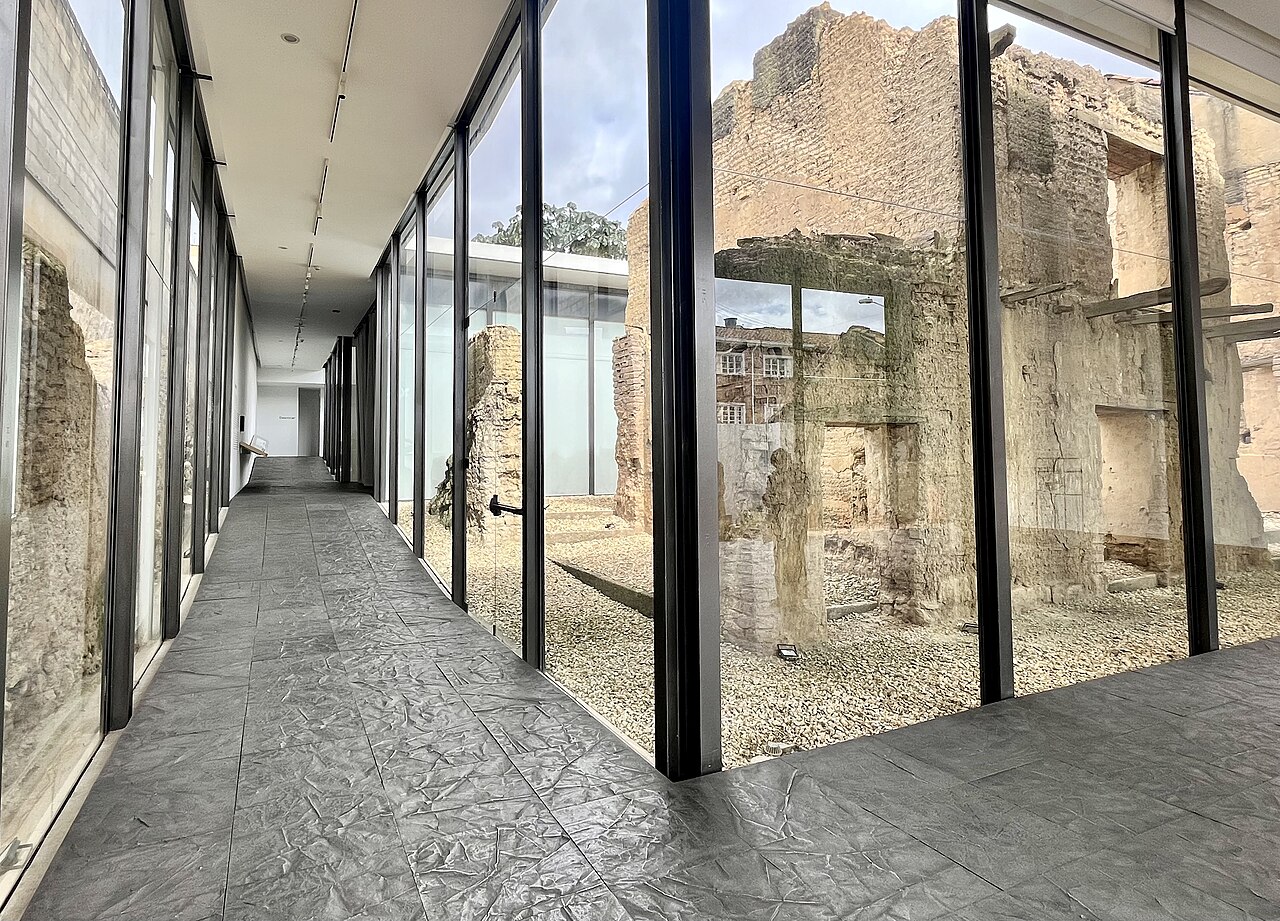 Artist
Doris Salcedo
The Colombian sculptor of political violence's traces — her Fragmentos floor in Bogotá is a counter-monument hammered from surrendered weapons by women victims of the conflict.
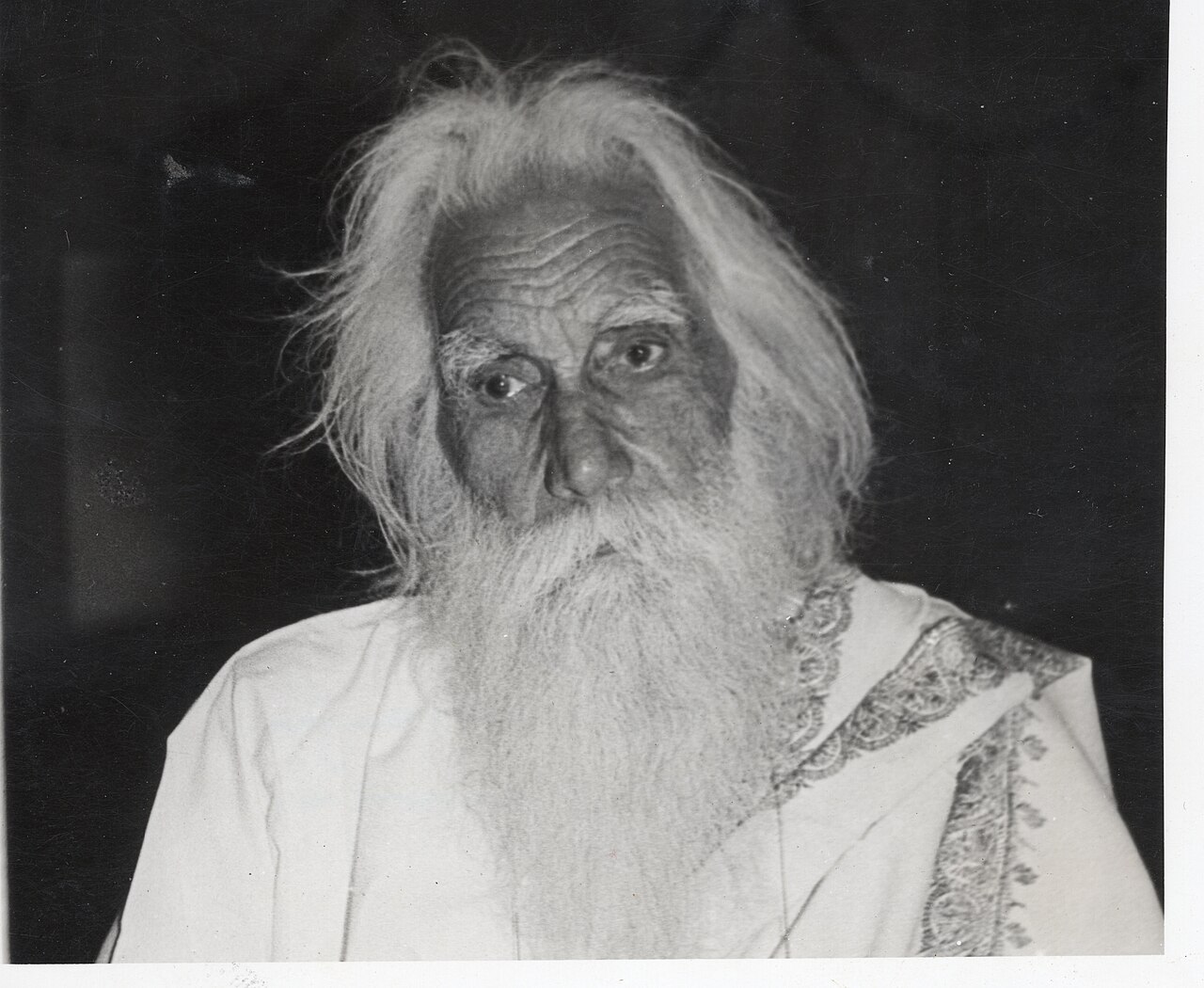 Artist
Sobha Singh
The Punjabi painter whose portraits of the Gurus hang in a million homes — shown here, by the rules of his own tradition's guidance, as himself: a 1985 photograph of the artist.
 Workshop
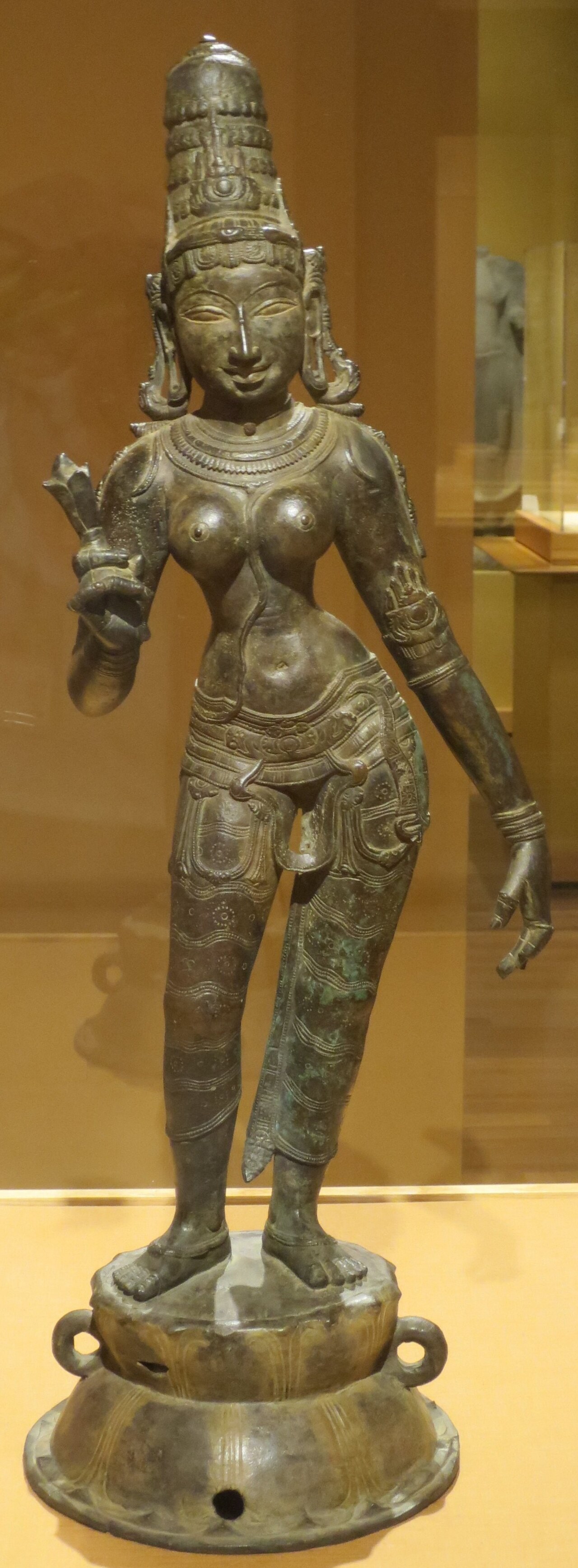
The Chola Bronze Workshops
Anonymous Tamil caster lineages whose lost-wax bronzes — above all the dancing Shiva — are the summit of Indian sculpture.
 Workshop
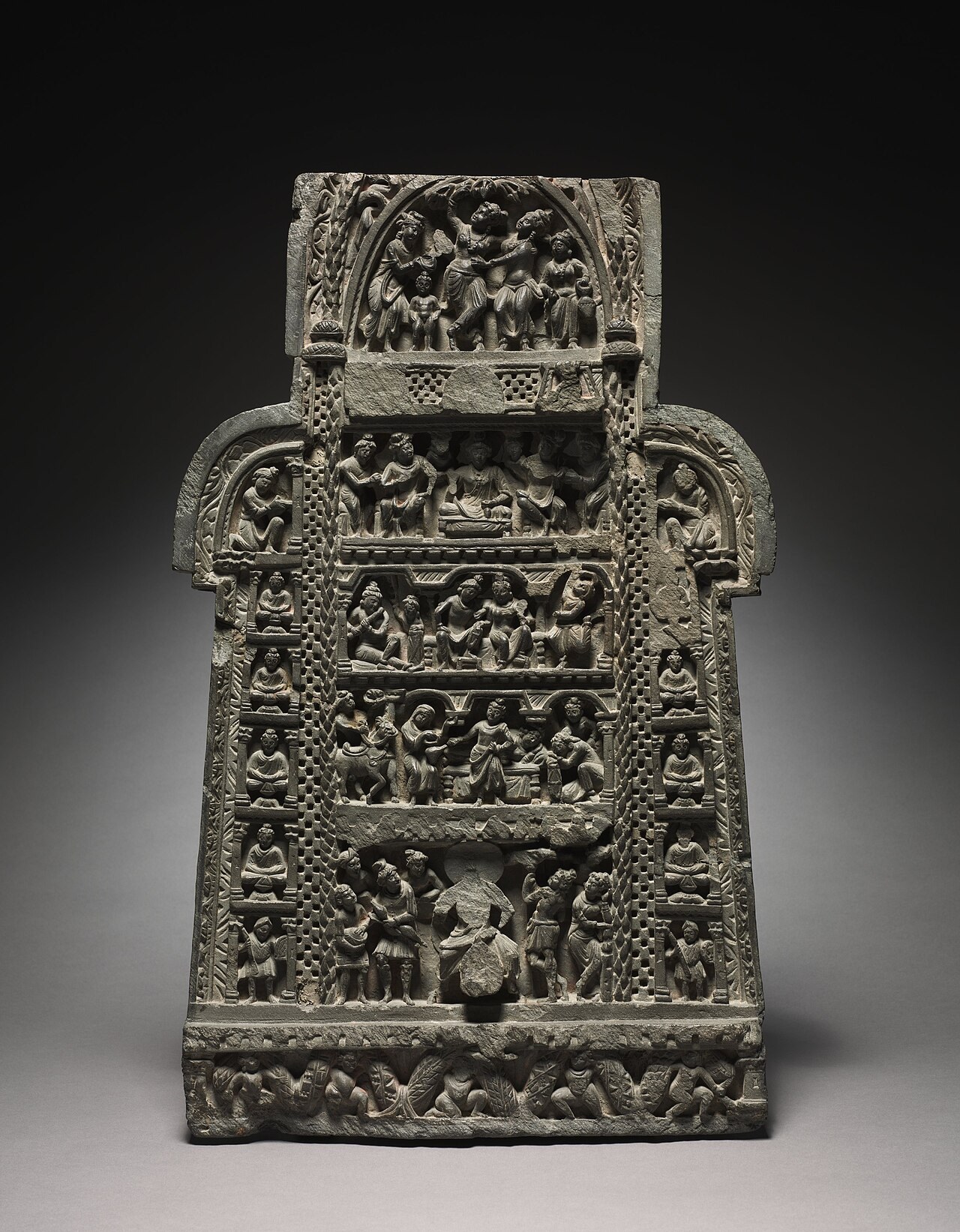
The Gandhara Workshops
The stucco and schist ateliers of the Peshawar valley that gave the Buddha his first human face — Apollo's features, a monk's robe, a teacher's calm.
 Workshop
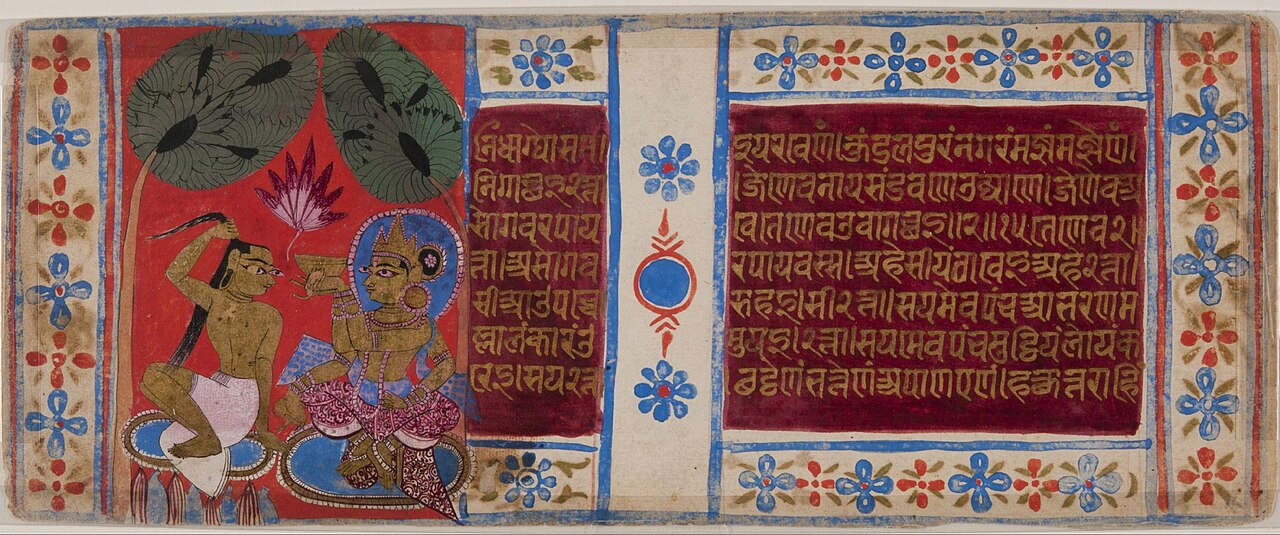
The Gujarat Manuscript Ateliers
The family workshops of western India that painted the Kalpasutra and the Jain lives in gold, lapis, and red — hundreds of copies, one devotional economy.
 Workshop
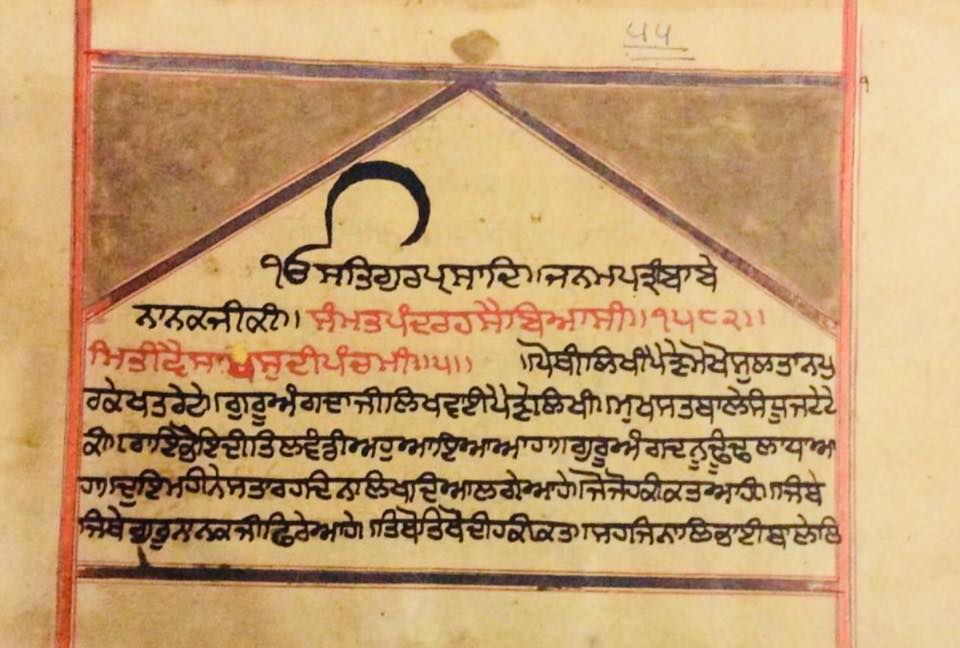
The Janamsakhi Ateliers
The painters of the janamsakhis, the illustrated lives of Guru Nanak. This directory's image for them is a manuscript's opening folio of text — no figure of the Guru — by the community's guidance.
 Workshop
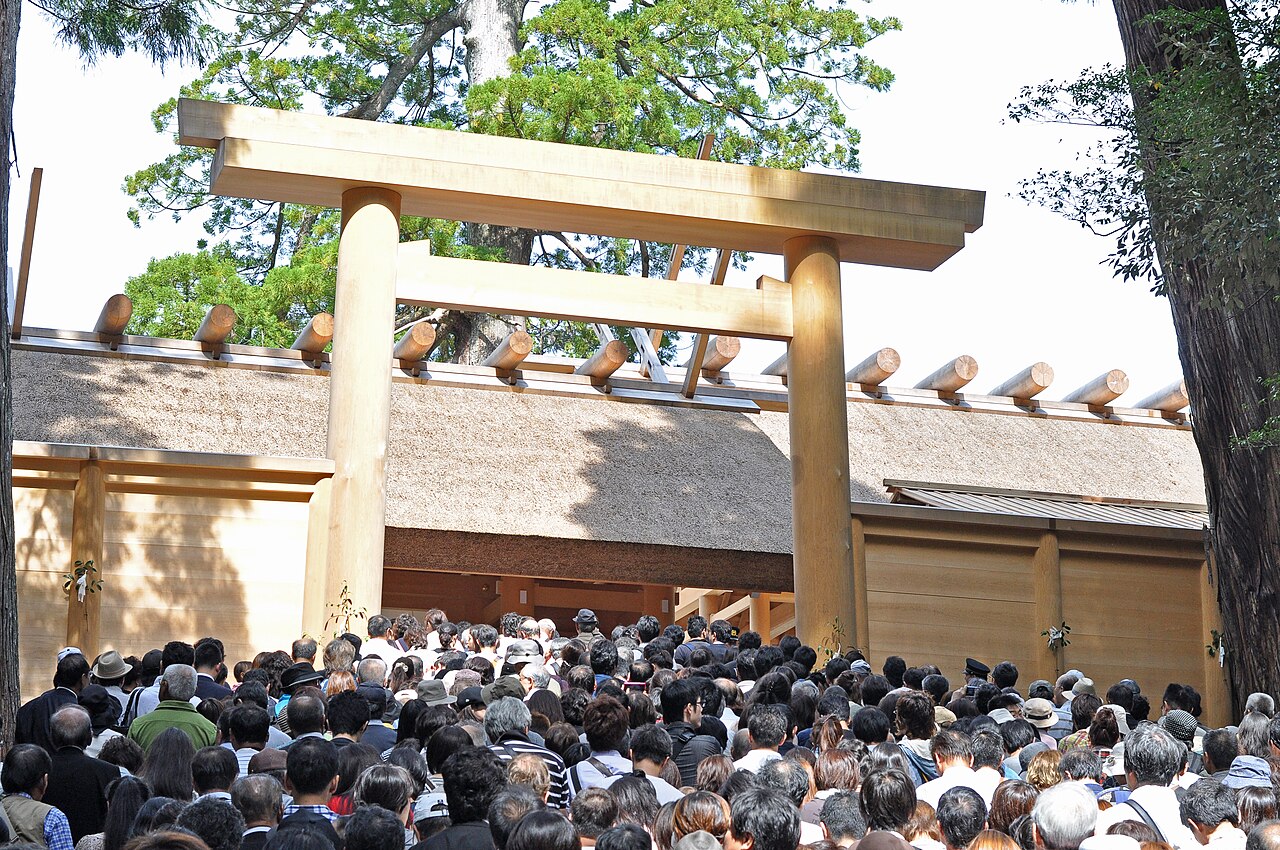
The Ise Carpenters (Miyadaiku)
The master shrine carpenters who rebuild Ise Jingu every twenty years with hand tools and unjoined cypress — a craft transmitted by being performed.
 Workshop
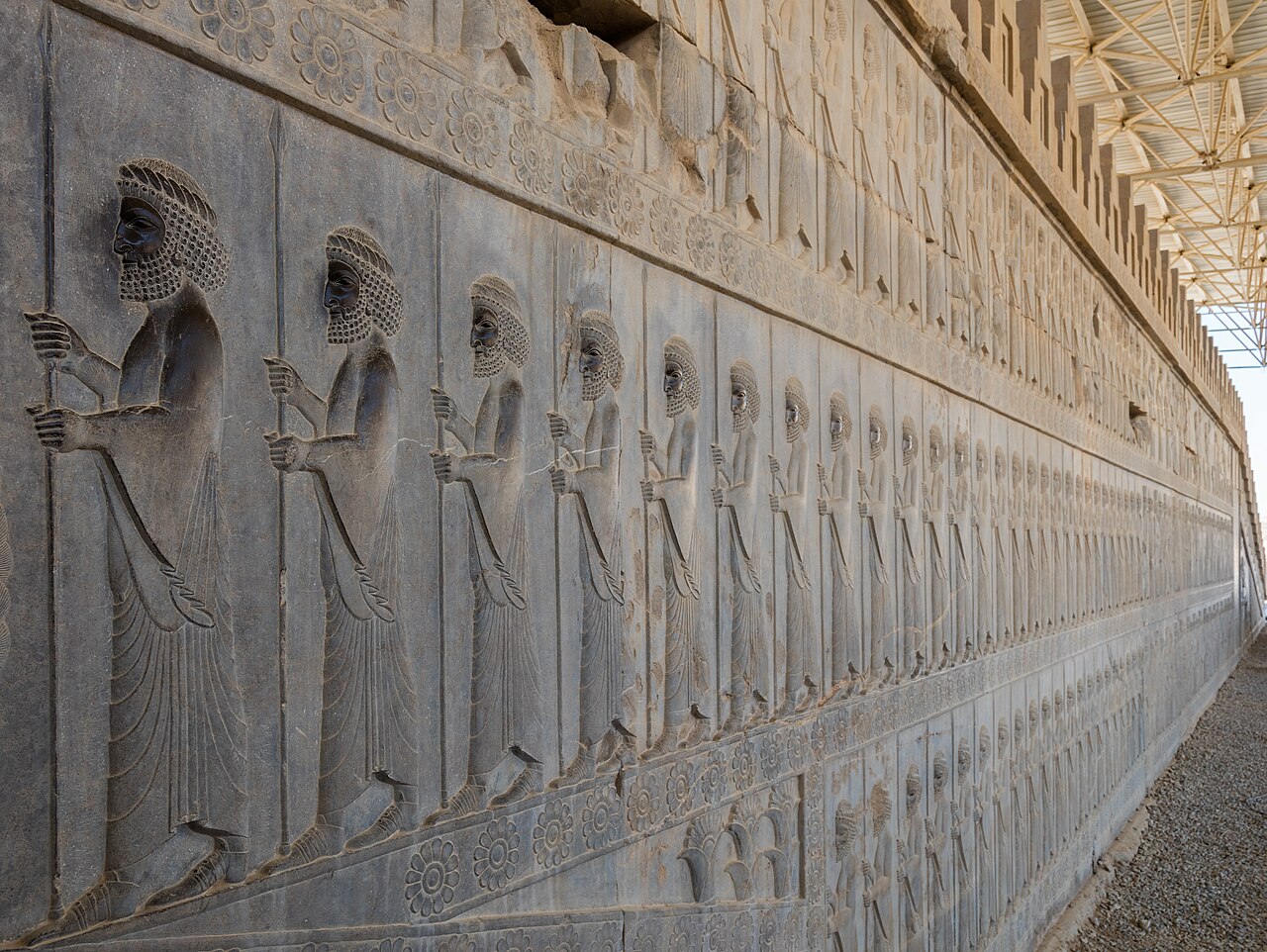
The Persepolis Carvers
The imperial workshops of Darius and Xerxes — masons from across the empire whose Apadana reliefs process twenty-three nations up the stairs with their gifts.