

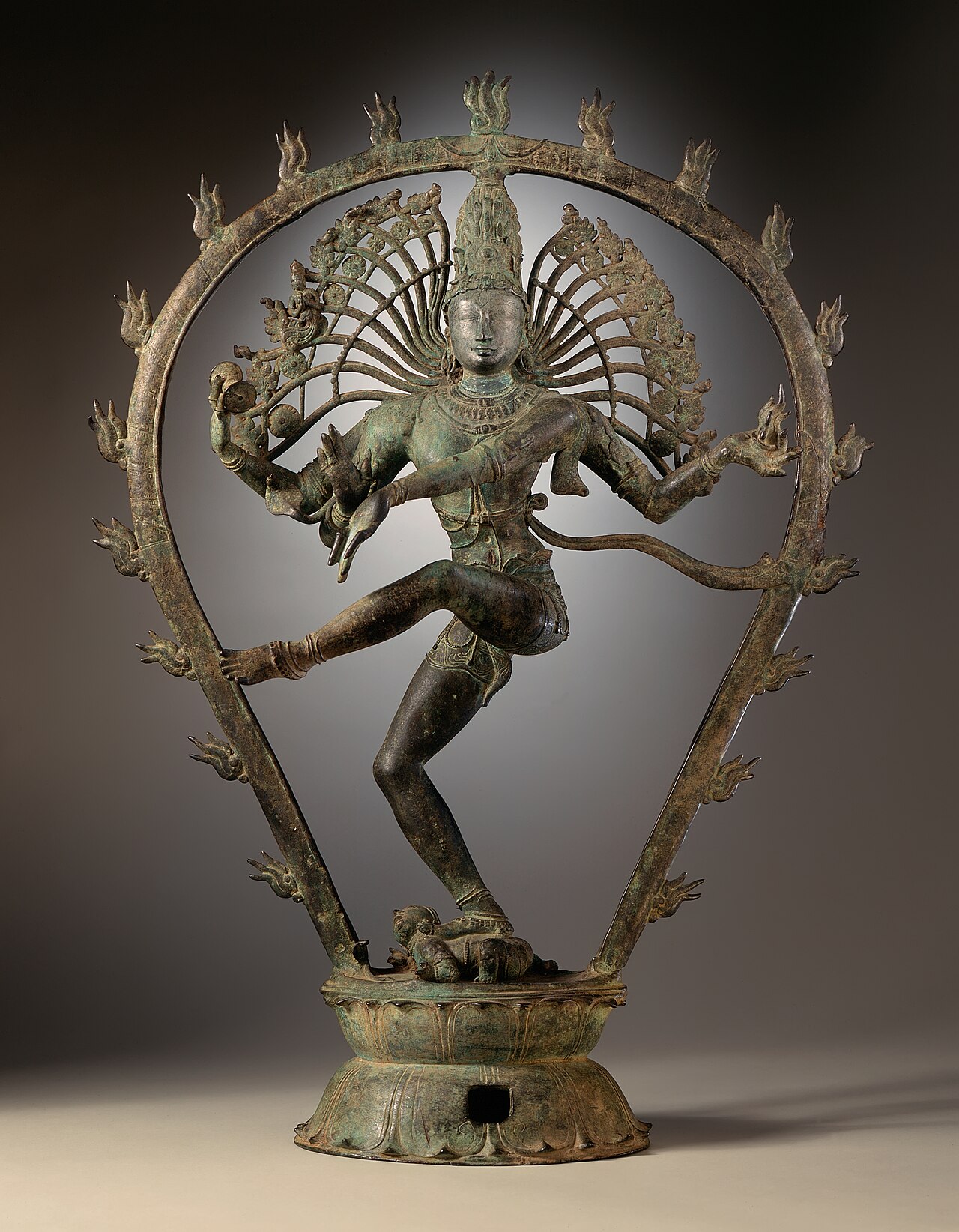
The murti as a support for divine presence, in iconic and aniconic forms alike.
Tagged: Murti Temple Architecture Hindu
May the divine be depicted?
Images are consecrated and worshipped as supports of the deity's real presence; the iconic murti and the aniconic symbol are equally true forms, and an internal reform tradition disputes image worship itself.
The Murti
Hindu sacred art centers on the murti: a consecrated image or form of a deity. A murti may be iconic, bearing the deity's anthropomorphic figure, or aniconic, as the Shiva linga, the Devi yoni, or the Vishnu saligrama are. Neither kind is a mere picture of an absent god. Through prana pratishtha, the ritual establishment of breath, the deity is believed to become truly present in the form, and worship — bathing, dressing, feeding, putting to rest — is offered to a resident, not a representation.
The Temple
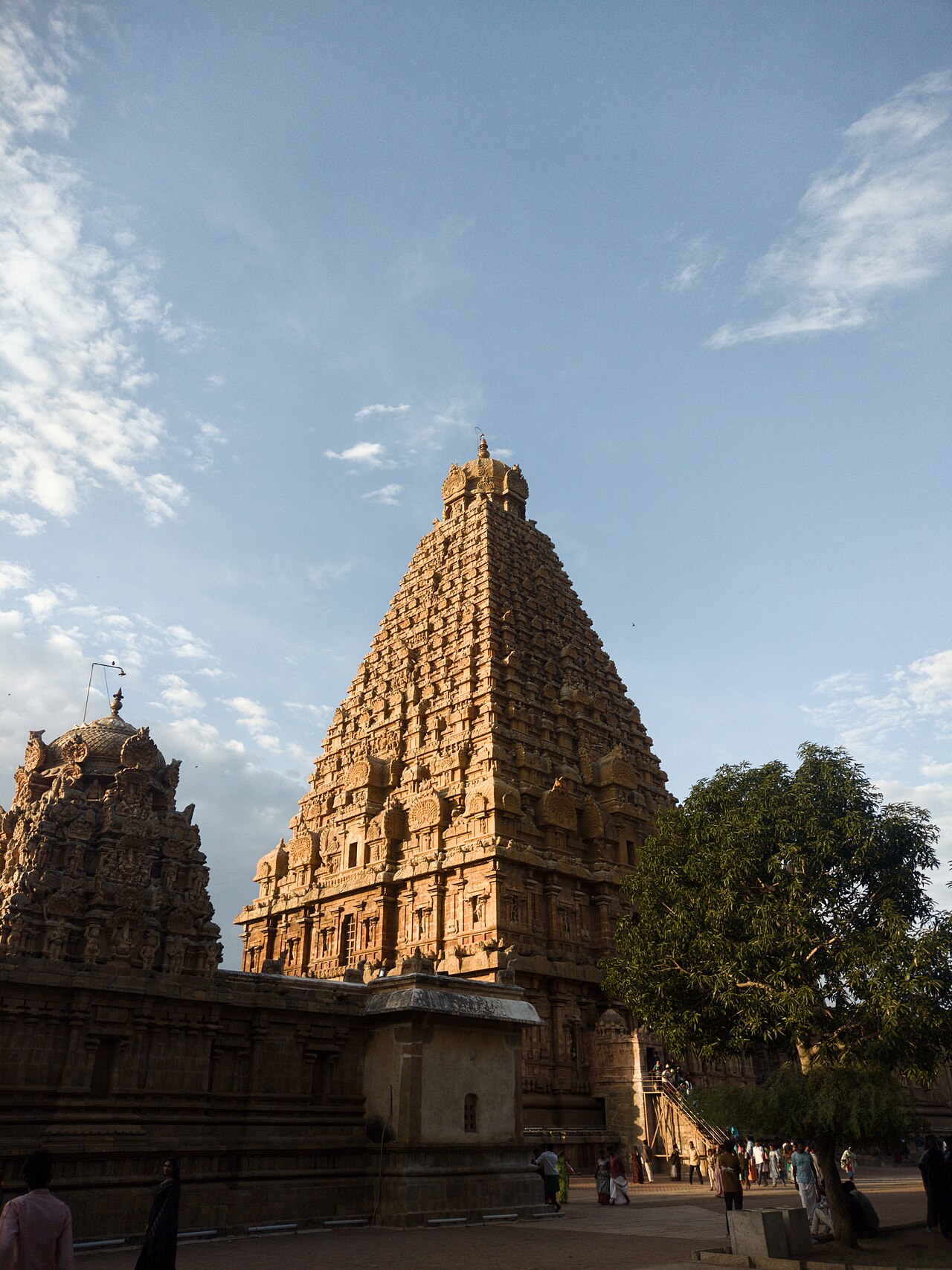
The temple is built around that presence. The garbhagriha, the womb chamber at its heart, houses the primary murti in darkness and concentration, while the exterior erupts into narrative and iconic sculpture: gods, guardians, dancers, and the whole cosmos in stone. The devotee moves from the crowded outer world toward the single form at the center, and the architecture is the map of that movement.
Aniconic Forms Are Not Lesser Forms
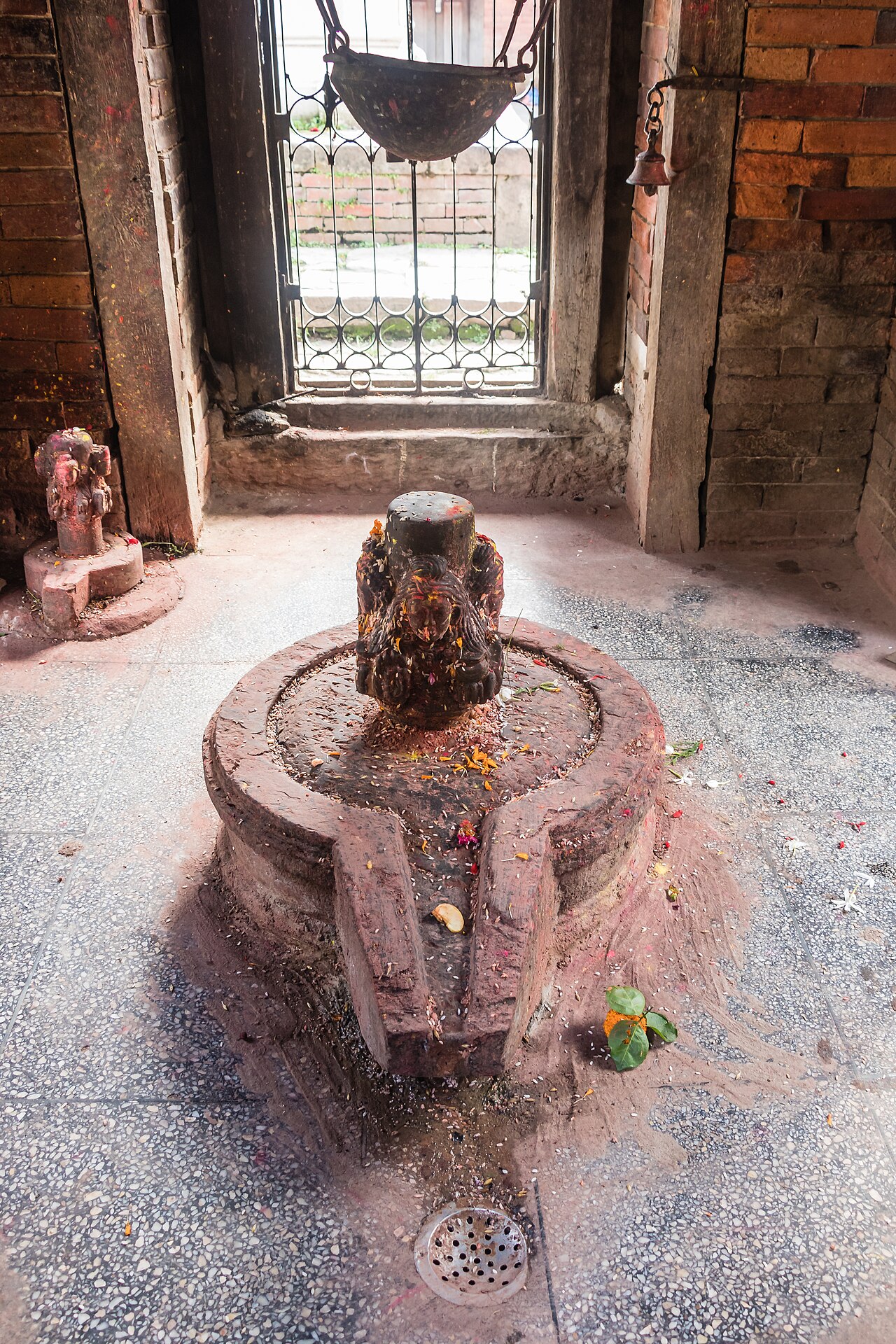
The linga is not a primitive substitute for a statue that a more advanced age would carve. It is an alternate murti form with its own theology — the sign of a God who is both formed and formless. The same holds for the saligrama stone and the yoni. Hindu practice holds iconic and aniconic forms together without ranking them, which is one reason the simple iconic/aniconic spectrum has to be handled with care here.
Festival and Home
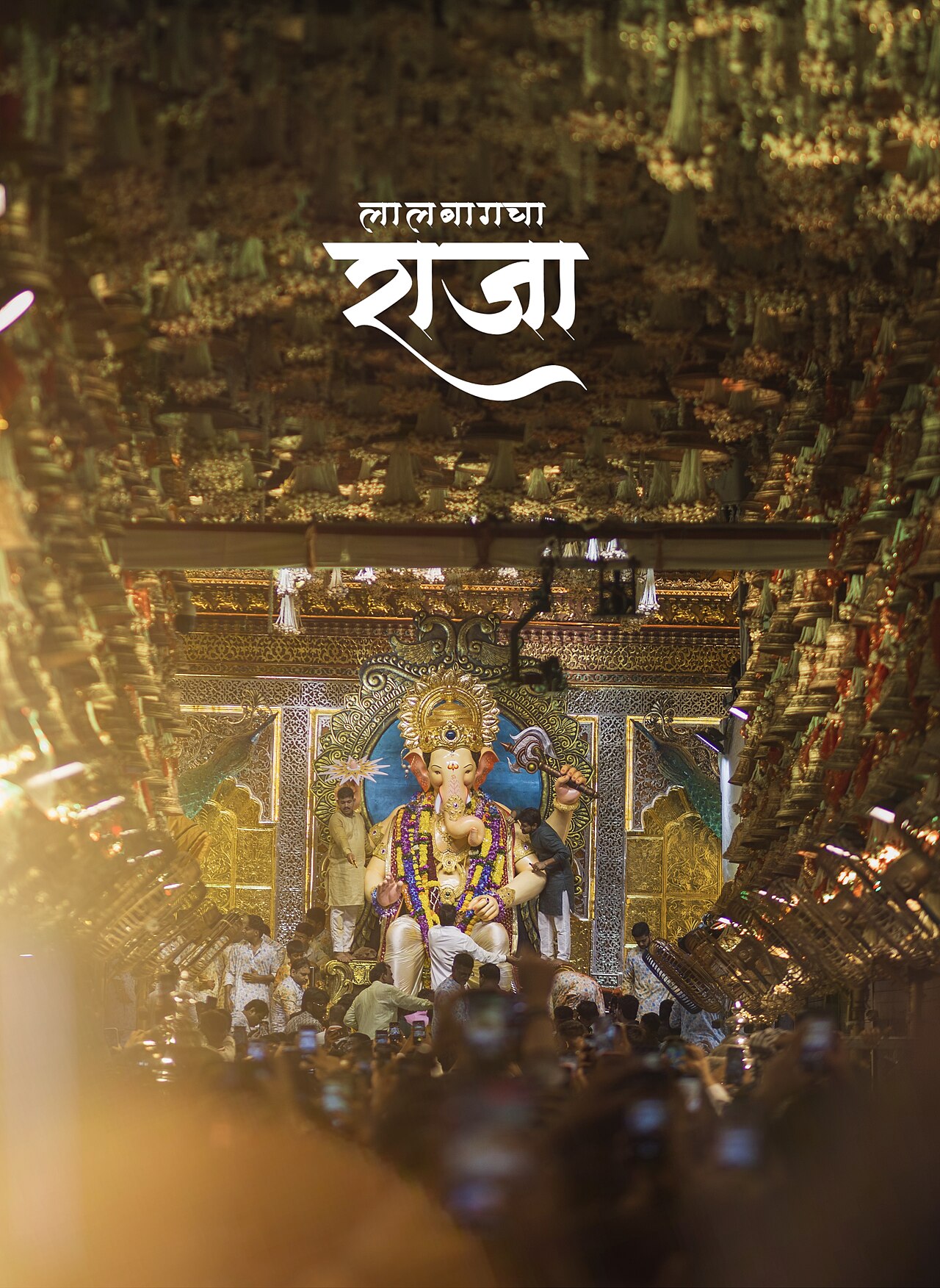
The deity present in the permanent temple murti is present also in the temporary clay image of the festival — the Ganesh of Ganesh Chaturthi, the Durga of Durga Puja — made to be worshipped for days and then immersed in water, returning to the elements. Domestic shrines, processions, and the performing arts of Bharatanatyam and Kathakali extend the same visual and embodied devotion into the house and the street.
The Internal Critique
The debate is internal to Hinduism as well. Reform movements such as the Arya Samaj have argued from the Vedas against murti puja altogether, and their temples are deliberately imageless. The tradition therefore contains both the most image-centered worship in the world and a principled rejection of it, and this site records both.
Entries in This Tradition
 Entry
The Shiva Linga
A polished stone shaft rising from its base, bathed daily in water, milk, and flowers: the aniconic murti of Shiva, worshipped not as a symbol of an absent god but as the god's own form.
 Entry
Brihadeeswara Temple
Rajaraja Chola's temple at Thanjavur (completed 1010): a granite mountain of sculpture raised over one of India's great lingas, and the Chola bronze tradition's home ground.
 Entry
The Ganesh Chaturthi Murti
A clay Ganesh, modeled and painted by neighborhood artisans, worshipped in streets and homes for up to eleven days, then carried in procession and immersed: the murti as a guest who is honored and bid farewell.
References
- Smarthistory: Hindu temples and the murti
- The Metropolitan Museum of Art: Shiva as Lord of the Dance (Nataraja)
Related Across the Site
- Brihadeeswara Temple Art Entry — Rajaraja Chola's temple at Thanjavur (completed 1010): a granite mountain of sculpture raised over one of India's great lingas, and the Chola bronze tradition's home ground.
- The Ganesh Chaturthi Murti Art Entry — A clay Ganesh, modeled and painted by neighborhood artisans, worshipped in streets and homes for up to eleven days, then carried in procession and immersed: the murti as a guest who is honored and bid farewell.
- The Shiva Linga Art Entry — A polished stone shaft rising from its base, bathed daily in water, milk, and flowers: the aniconic murti of Shiva, worshipped not as a symbol of an absent god but as the god's own form.
- Sanskrit Language — The sacred language of Hinduism and a scriptural language of Buddhism and Jainism: Vedic first, then the classical language of Indian theology.
- St Andrews Encyclopaedia of Theology Library — An open-access, multi-author theological reference with advanced articles on Christianity, Judaism, Islam, Hinduism, and Buddhism.
- Gayatri Mantra Prayer or Creed — The most revered mantra of the Rig Veda, a meditation on the divine light that illumines the mind.
- Mahavakyas Prayer or Creed — The four "great sayings" of the Upanishads declaring the identity of the self (atman) and ultimate reality (Brahman).
- Hinduism World View — Hinduism gathers many traditions around one conviction: the soul is bound to rebirth by karma, and liberation comes when it realizes its oneness with the divine.
All of Religious Art & Worldviews · The comparison: May the divine be depicted?