

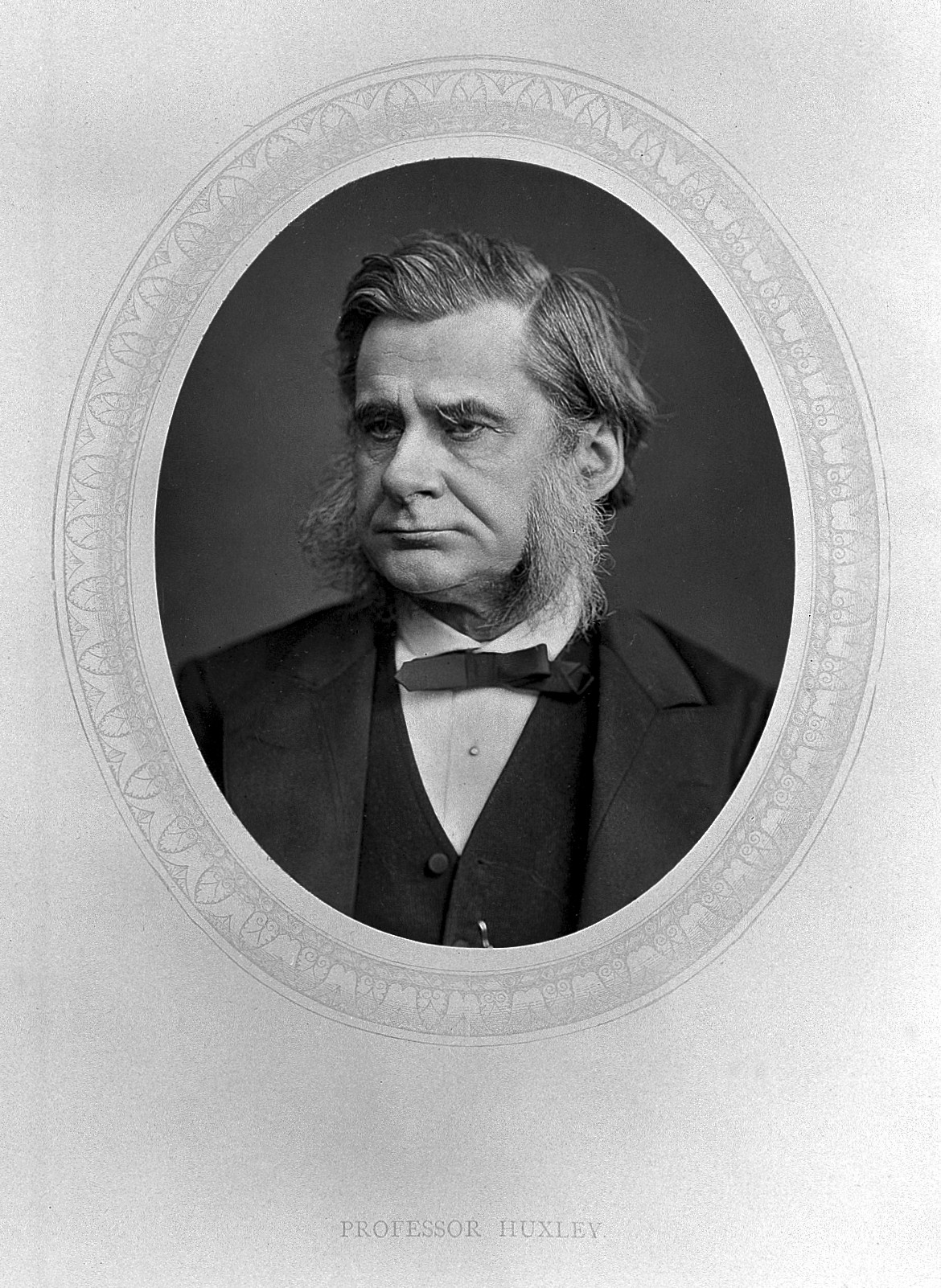
Agnosticism is the refusal to claim knowledge where knowledge is not had: coined by T. H. Huxley in 1869, it holds that the existence of God and the ultimate nature of things are unknown, and perhaps unknowable.
Agnosticism got its name at a London dinner table: Thomas Henry Huxley, Darwin's bulldog, coined it in 1869 for his refusal to join either the church's certainties or the materialists'. It has remained less a system than an intellectual posture with a long ancestry — Protagoras opened his book On the Gods with an agnostic sentence — and a permanent seat in modern surveys, where 'don't know' is often the fastest-growing answer.
Ultimate Reality
Agnosticism as such affirms nothing about ultimate reality, and that is its content. Strong agnosticism holds the question of God unanswerable in principle; weak agnosticism holds it unanswered so far. Either way the position distinguishes the map of what is known from the territory of what is the case, and declines to fill the blank spaces with either faith or denial.
The Human Condition
The human condition, on this view, includes a cognitive limit that pride disguises: we are knowers built for middle-sized problems, pressed by temperament and tribe to pronounce on the largest ones. The agnostic diagnosis is that most certainty about ultimates is social inheritance wearing the mask of evidence, and the first honesty is to audit the inheritance.
Knowledge and Truth
Huxley stated the method as a rule of life: do not pretend conclusions are certain which are not demonstrated or demonstrable. Agnosticism is therefore an epistemology before it is a theology — a standard of assent proportioned to evidence, applied to God because God is the largest claim in the room. Its modern descendants include the courtroom's 'not proven' and science's own provisional voice.
Right and Wrong
Because no revelation is certified, ethics must be built on ground everyone can inspect: consequences, sympathy, and the shared terms of social life. Agnostics have historically been moralists of this settlement — Leslie Stephen wrote its ethics, Bertrand Russell its essays — holding that conduct loses nothing when its sanctions become human, and gains the one virtue dogma cannot practice: revisability.
Human Destiny
On death and what may follow, agnosticism keeps its rule: the evidence does not settle it, and comfort is not evidence. The posture produces its own characteristic consolation, stated by many of its holders — that an honest unknown is worth more than a borrowed certainty, and that a life can be complete without the final page being read.
The Conversation
Agnosticism asks the believer and the atheist the same question: what do you know, and how do you know it? The believer answers that knowledge is not the only road to God; the atheist answers that the agnostic's fence is atheism without the courage of its conclusions. Huxley's ghost replies that a fence, honestly surveyed, is a finding — and the survey continues.