

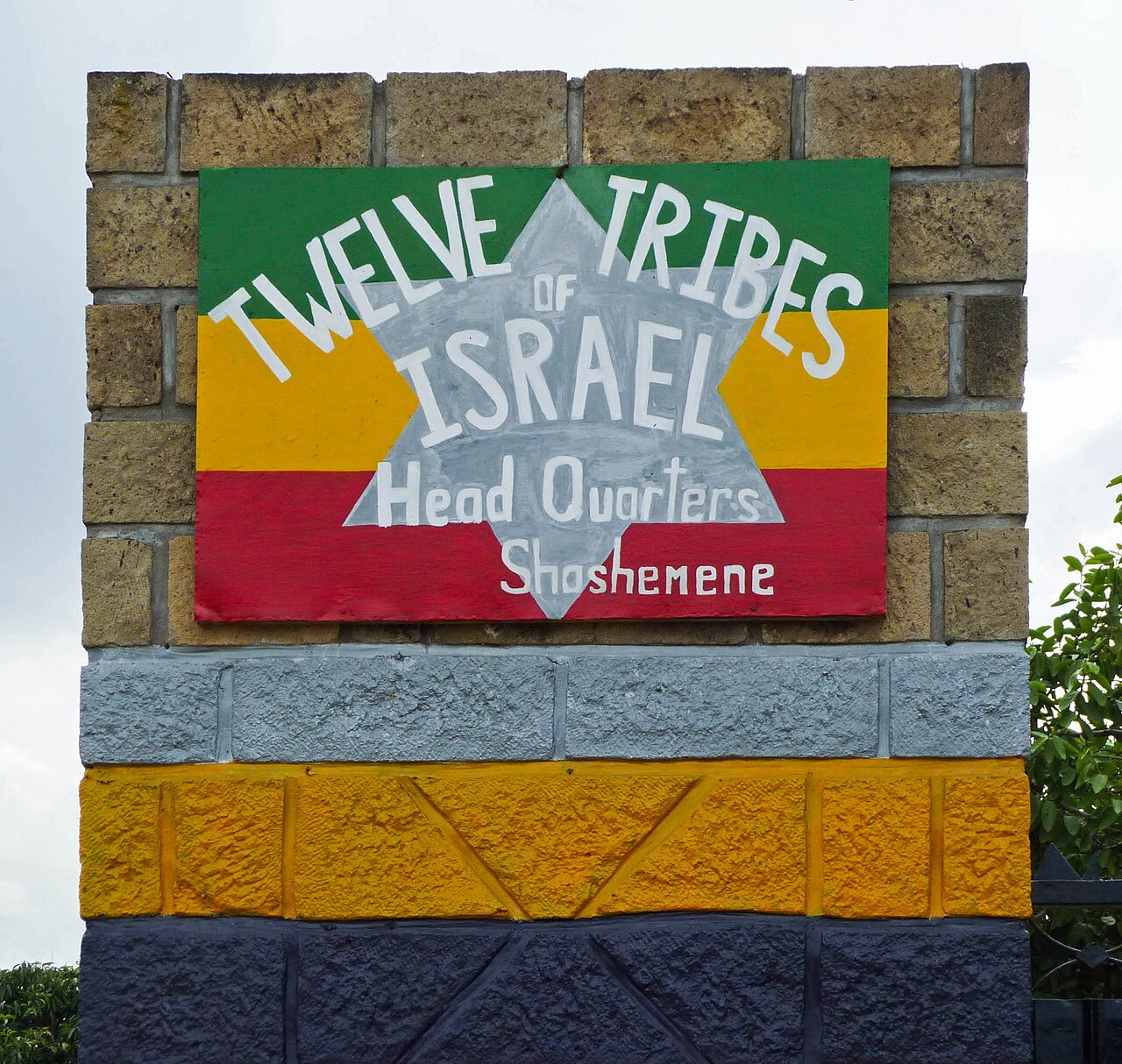
Rastafari is the Jamaican-born faith that proclaims God incarnate in Emperor Haile Selassie I of Ethiopia, reads the Bible as the Black man's history and hope, and looks to Africa; Zion; as the promised home.
Rastafari began in Jamaica in the 1930s, when preachers; Leonard Howell first and loudest; proclaimed that the coronation of Ras Tafari Makonnen as Ethiopia's emperor in 1930 fulfilled prophecy: 'Princes shall come out of Egypt; Ethiopia shall soon stretch out her hands unto God.' Marcus Garvey's back-to-Africa movement prepared the ground; the faith grew mansions (Nyabinghi, Bobo Ashanti, Twelve Tribes of Israel) rather than a single church, spread worldwide with reggae while insisting it is not the music but the message, and counts its adherents in the hundreds of thousands, from Shashamane's settlers to diaspora congregations.
Ultimate Reality
God; Jah; is one, and he has revealed himself in history: in Moses, in Jesus (Yeshua), and definitively in Haile Selassie I, God incarnate on earth, king of kings. The claim is not symbolic for believers; Selassie is worshipped as the living God, his speeches and his life read alongside scripture, and Ethiopia's ancient church and Solomonic dynasty stand as the claim's pedigree.
The Human Condition
The condition is exile: Africans stolen into Babylon; the West, its slave ships become its systems; live cut off from their land, their king, and their true history, which Babylon's education replaced with lies. Suffering is therefore political and spiritual at once, and its name in the faith is downpression: oppression renamed from the bottom, by those underneath it.
Knowledge and Truth
The Bible is the primary text, read whole and read suspiciously: believers hold that passages were hidden and translations tampered with, so the book is reasoned over in community; 'reasoning' is the faith's characteristic intellectual act, a session of scripture, history, and experience tested in speech. The Kebra Nagast, Ethiopia's national epic, and Selassie's own words carry authority beside it.
Right and Wrong
Righteousness is livity: a lived righteousness of natural living; ital food (vital, unprocessed, often vegetarian), dreadlocks worn after the Nazarite vow, abstinence from alcohol, and reverence for the herb (ganja) as sacrament in reasoning. Babylon's ways; materialism, violence, the cutting of the locks; are the corresponding sins, and the community polices itself by word, sound, and example rather than by courts.
Human Destiny
Destiny is repatriation: Zion is Ethiopia, literally, and the faithful look to return; physically, as the Shashamane settlers did on land Selassie granted; or spiritually, in a repatriation of the mind that precedes the body's. Death does not end the story the way Babylon tells it; the faith's hope is collective and terrestrial; liberation in this world, under its King, on African ground.
The Conversation
Rastafari asks the churches how they read 'Ethiopia shall stretch out her hands' for two thousand years without seeing Africans, and it asks Ethiopia's own Orthodox Church; which never taught Selassie's divinity; to account for the gap. The world returns a harder question: the emperor died in 1975, and the faith's answer, that Jah cannot die and the reports are Babylon's deception, is itself the conversation's sharpest exhibit.