

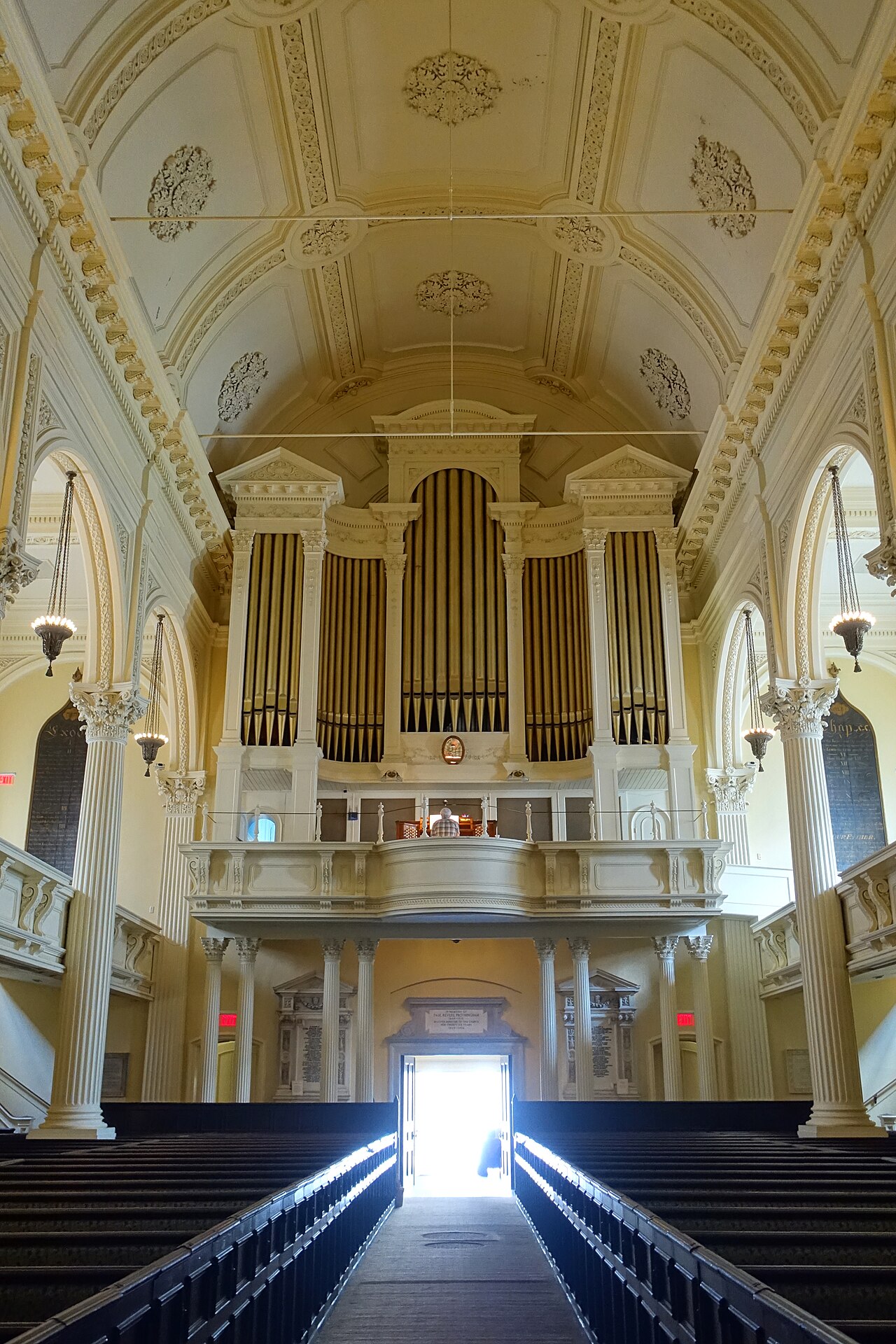
Unitarian Universalism is the liberal religious association formed from America's Unitarian and Universalist churches, covenanting congregations without a creed around shared principles, free conscience, and the search for truth in many sources.
Unitarian Universalism joins two movements: the Unitarians, who rejected the Trinity and affirmed God's oneness and human reason (organized in America in 1825, with roots in Transylvania and Poland), and the Universalists, who preached a God too loving to damn anyone forever. Merged in 1961, the Unitarian Universalist Association is a covenantal, congregational association whose members include Christians, humanists, Jews, Buddhists, pagans, and the unaffiliated seeking in common.
Ultimate Reality
There is no required doctrine of God: members may confess one God, many, or none, and the association's sources include the prophetic words and deeds of women and men, the wisdom of the world's religions, and the teachings of Earth-centered traditions. What is shared is not a creed but a covenant — congregations bound by principles rather than by assent to propositions.
The Human Condition
Universalism's founding comfort remains characteristic: no one is born damned, and the human problem is not depravity but the injustice, alienation, and fear that persons and systems visit on each other. The inherent worth and dignity of every person — the first of the association's principles — is a doctrinal statement about the human condition, held against every system that ranks souls.
Knowledge and Truth
A free and responsible search for truth and meaning is a principle, not a concession: revelation is not sealed, and conscience, reason, science, and direct experience all testify. Because no text or office can settle the search for everyone, the association institutionalizes dissent — congregations call their own ministers, ordain whom they discern, and govern themselves.
Right and Wrong
The principles function as the ethic: justice, equity, and compassion in human relations; acceptance of one another; the goal of world community with peace, liberty, and justice for all; respect for the interdependent web of existence. Social action follows — this association's history runs through abolition, civil rights (its ministers marched, and two were martyred, at Selma), and marriage equality.
Human Destiny
Historic Universalism answered hell with universal salvation: a God of love will finally reconcile all. Today's association leaves the question of what follows death to its members' several convictions, and concentrates its hope on this world — the beloved community built here, memory carried by the living, and lives made whole before they end.
The Conversation
Unitarian Universalism asks creedal churches whether a covenant can hold where a creed is refused — and whether theirs, in practice, hold any better. It presses itself with the mirror question: what, exactly, is being worshipped when everything is permitted? Its best answer is enacted, not argued: congregations that keep showing up for conscience, for the stranger, and for the search.