

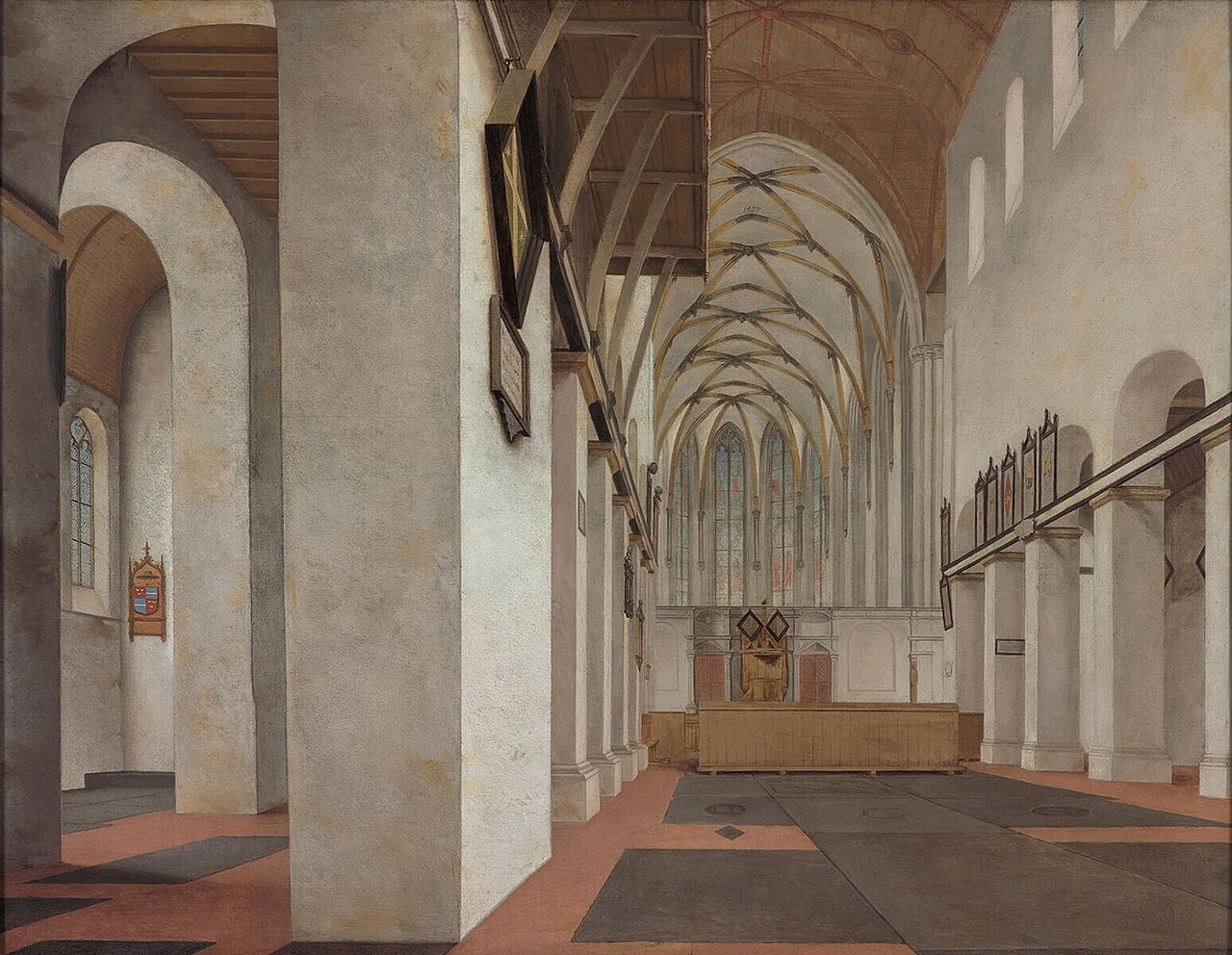
Image destruction recurs across traditions — Byzantine, Reformed, Islamic, Sikh, and secular-revolutionary — and it is never mere vandalism. It is a theology acted out.
Tagged: Iconoclastic Iconoclasm
Iconoclasm is the destruction of images as a religious or political act, and it recurs too often, in too many traditions, to be treated as an accident of zeal. Byzantium broke its icons in two campaigns between the eighth and ninth centuries and settled the question at Nicaea and after. The Reformation emptied the churches of northern Europe, from Zurich's orderly removals to the Beeldenstorm that swept the Low Countries in 1566. Revolutionary France melted its church bells and beheaded its cathedral kings. The Taliban dynamited the Bamiyan Buddhas in 2001, and the Islamic State smashed the museums of Mosul and the temples of Palmyra on camera.
The acts look alike, and their theologies differ. Byzantine iconoclasm argued about the nature of Christ. Reformed iconoclasm argued about the Second Commandment and the purity of worship. Revolutionary iconoclasm argued about the state. The modern destruction of antiquities argues about whose past gets to exist. What unites them is the conviction — shared, ironically, with the image-venerators they oppose — that images have power. Nobody destroys what they believe is nothing.
This site treats iconoclasm as data, not as scandal: each episode is recorded with its parties, its stated reasons, its dates, and its resolution, in the same register as the doctrinal conflicts it usually was. The Reformed entry in this section shows the result rather than the act — Saenredam's whitewashed interior — because the emptied church, not the riot, is what iconoclasm was for.
References
Related Across the Site
- Hagia Sophia Art Entry — Justinian's great church in Constantinople (532–537), whose dome seemed to contemporaries to hang from heaven — and whose mosaics record, in one building, icon, iconoclasm, conquest, museum, and mosque.
- The Beeldenstorm and Reformed Iconoclasm Art Entry — In the summer of 1566 a wave of image-breaking swept the churches of the Low Countries, and the Reformed territories of Europe methodically emptied their churches: the most sustained Christian iconoclasm since Byzantium.
- Christianity Art Tradition — Icons, altarpieces, cathedrals, and the argument over whether the visible Christ justifies visible art.
- Pieter Saenredam Artist — The Dutch painter of whitewashed church interiors — the Reformed interior, empty of images, made itself the picture.