

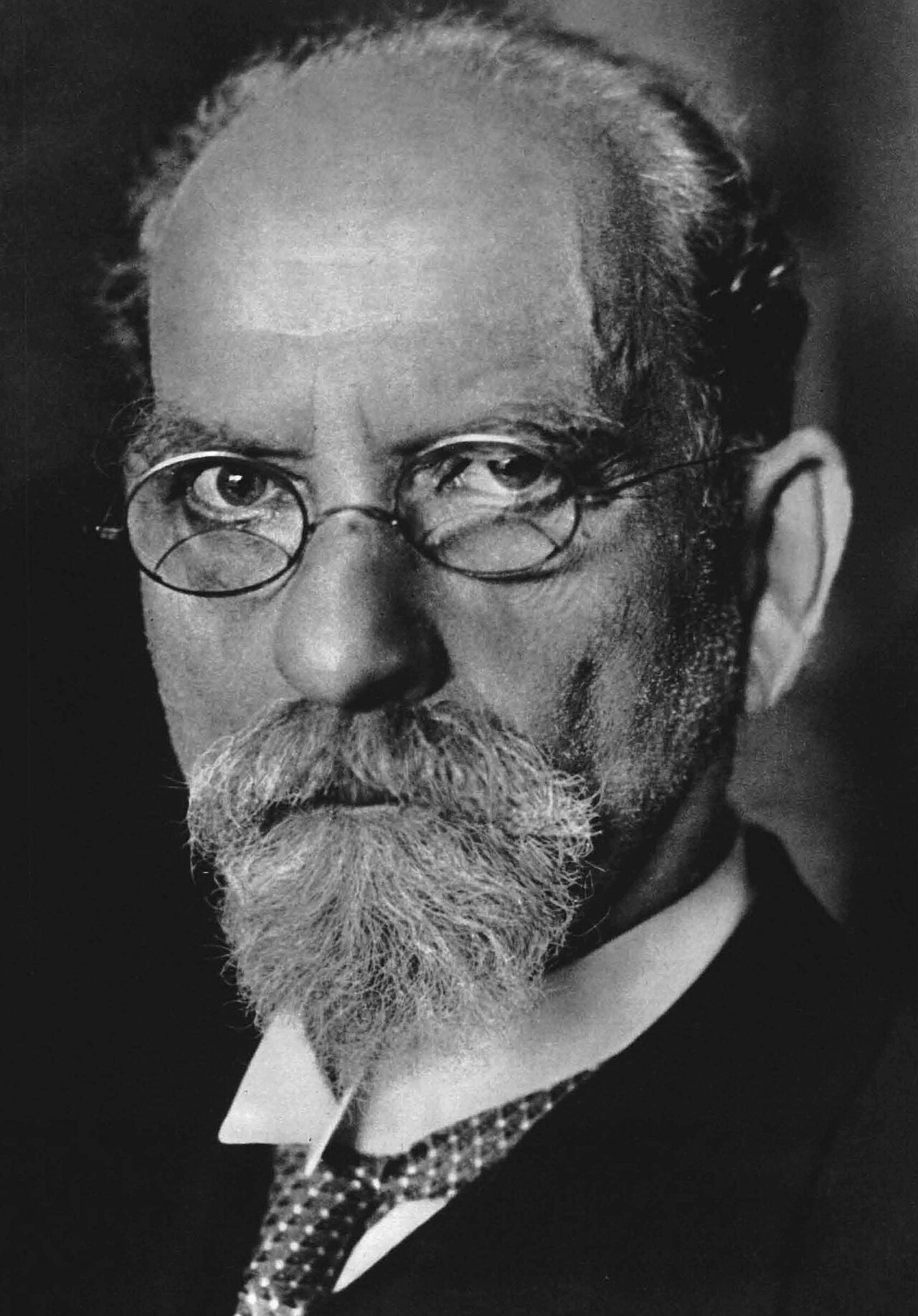
Phenomenology is the disciplined description of experience as it is lived: founded by Edmund Husserl's call 'to the things themselves,' it brackets every theory to watch consciousness meet its world.
Edmund Husserl founded phenomenology around 1900 as a rigorous science of consciousness, and it promptly escaped his control into the century's richest philosophical diaspora: Heidegger's being, Sartre's freedom, Merleau-Ponty's body, Levinas's face of the other, and the theological turns of French phenomenology. Its method is its message — suspend the natural attitude, describe what appears exactly as it appears, and let philosophy begin again from evidence anyone can re-perform.
Ultimate Reality
Phenomenology brackets the question of what exists apart from experience in order to study how anything comes to count as real for us at all. Its discovery is intentionality: consciousness is always consciousness of something, and the world is not a container we sit in but a horizon our acts continually constitute. Later heirs broke the bracket in opposite directions — Heidegger toward Being itself, Levinas toward an Other who precedes every constitution.
The Human Condition
The human condition is givenness lived unawares: we inhabit a lifeworld (Lebenswelt) of meanings laid down by history, body, and others, and we mistake its familiarity for simplicity. Crisis — of the sciences, of Europe, of faith — is for Husserl the forgetting of this ground: theories built on experience came to be treated as replacements for it.
Knowledge and Truth
Truth is evidence: the fulfilling of an intention in the presence of the thing itself. The phenomenological reduction (epoche) suspends belief in the world's independent existence, not to doubt it but to watch it being believed; eidetic variation then strips an experience to its invariant structure. Rigor here means fidelity to the seen, and the school's descriptions — of time, of the body, of the other's face — are offered as findings, not opinions.
Right and Wrong
Phenomenology founds no ethic directly, and its greatest names built two of the century's most opposed: Heidegger's authenticity, resolute being-toward-death, and Levinas's ethics as first philosophy — responsibility for the other that precedes freedom and founds it. Between them the method's fruit is visible: describe responsibility as it is actually experienced, and it turns out to be older than the self.
Human Destiny
The school's destiny-talk is restrained: death, in Heidegger's analysis, is the ownmost possibility that individualizes a life and gives its choices weight; birth, in Arendt's reply, is the countervailing miracle of beginning. What lies beyond experience phenomenology declines to describe — which its theological heirs took not as a refusal but as a cleared space, where givenness without a giver's name could be studied as revelation's form.
The Conversation
Phenomenology asks the natural sciences where their evidence lives, if not in experience, and it asks theology whether its God appears — and if so, under what mode of givenness — before any doctrine is believed. Analytic philosophy long answered that description without explanation is preface, not philosophy; the school's reply is its century of findings, still being absorbed by the sciences of mind.