

Tradition Profiles
Each tradition's posture toward science and technology, in its own terms: its classical sciences, its governing concepts, and the record of its answers. No tradition here is a monolith; where a profile describes a family, the family's internal argument is part of the profile.
 Profile
Catholic
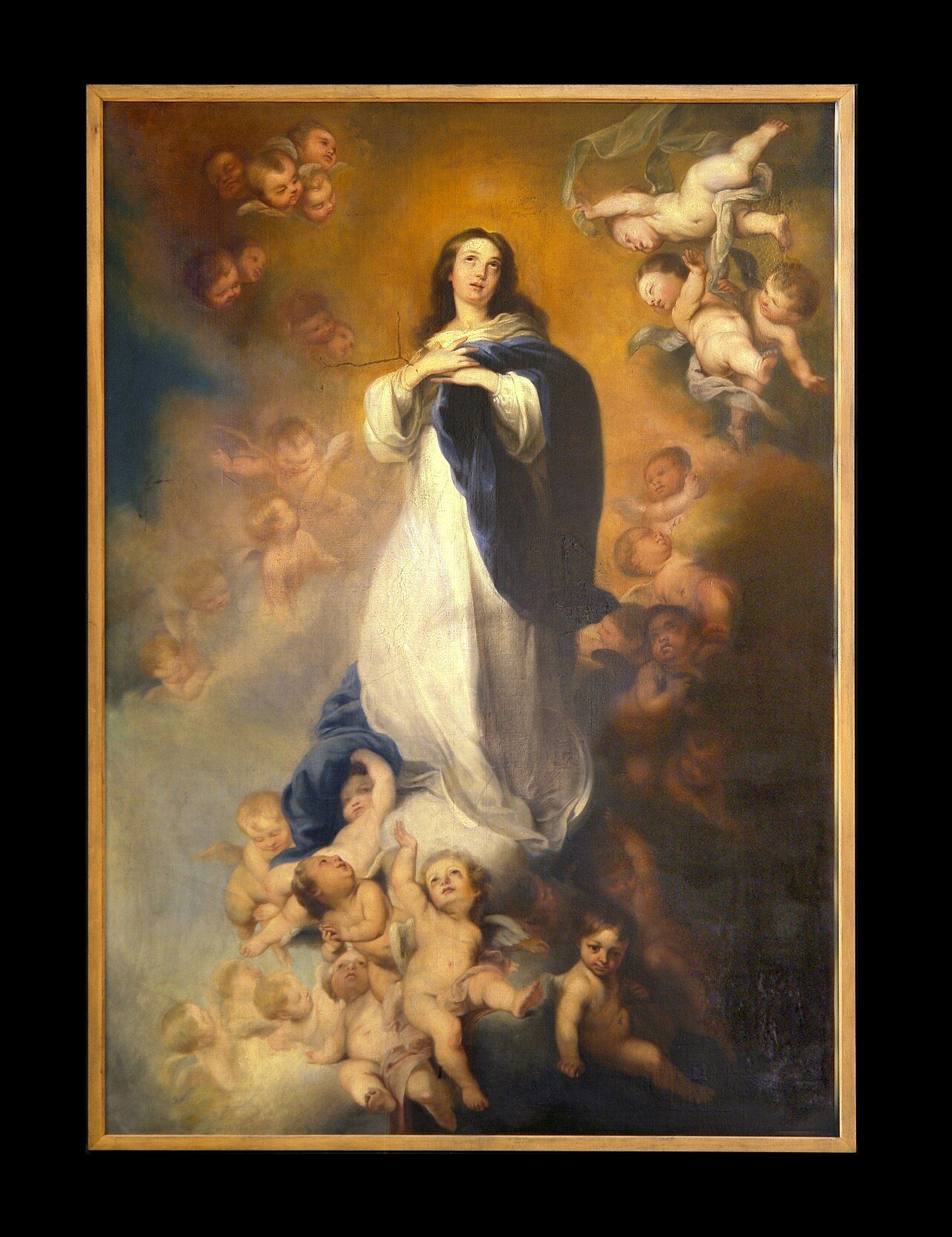
The Church that built the universities and the calendar also maintains the most articulated magisterial positions on new science: evolution accepted with a reserve about the soul, embryos protected from conception, somatic therapy welcomed and germline intervention refused.
 Profile
Orthodox
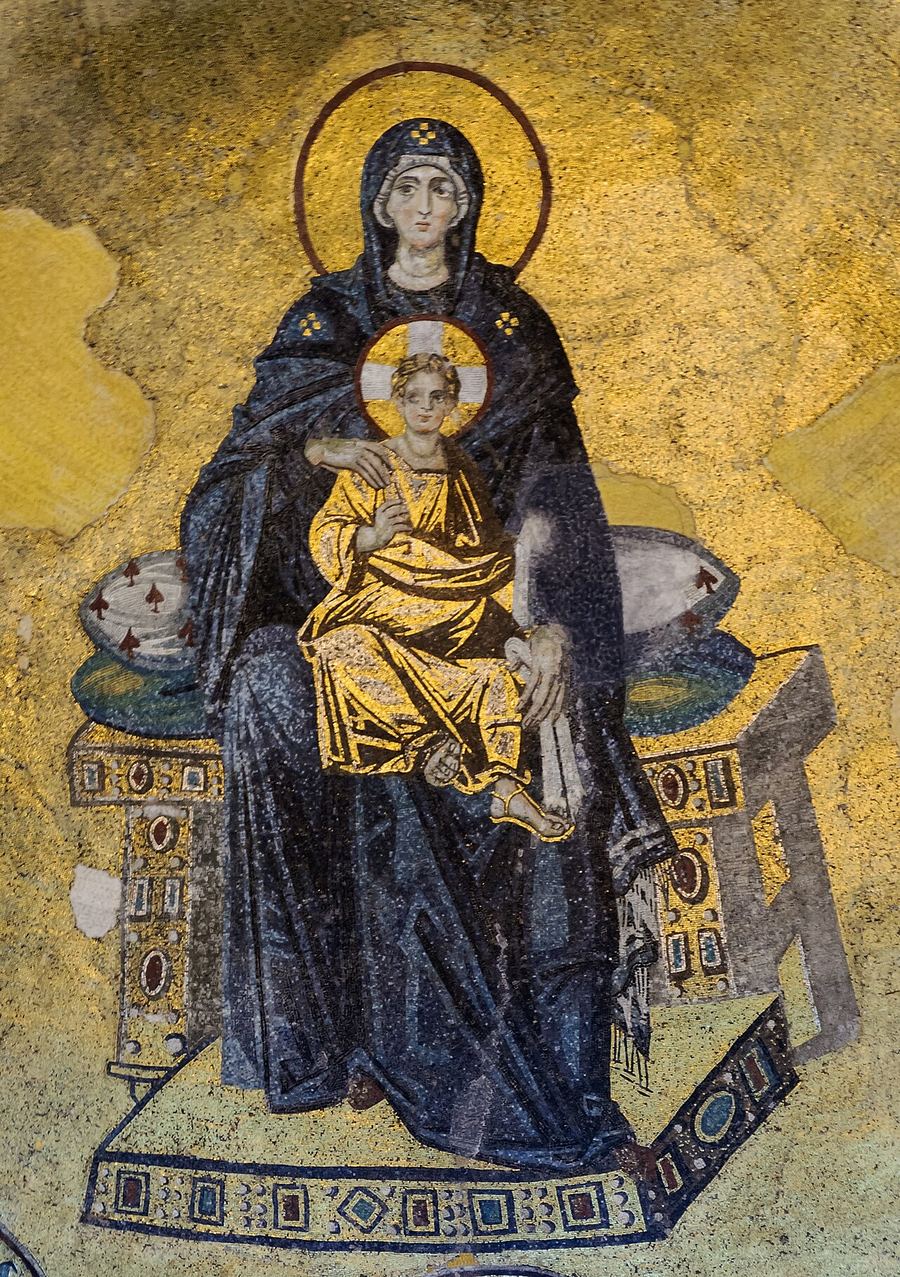
No central magisterium and an apophatic reserve: Orthodoxy reads the world through the logoi of things, made ecology a matter of sin and repentance under Patriarch Bartholomew, and treats both scientism and concordism as category errors.
 Profile
Mainline Protestant
The traditions of the old establishment: seminaries that teach evolution and criticism together, national bodies that answer new technologies with study documents, and a long record of funding the conversation itself.
Profile
Evangelical
A family divided on origins and united in practice: creation-science institutions, the BioLogos wing of evangelical scientists, and a majority that uses every technology on this register while arguing about the first chapters of Genesis.
Profile
Anabaptist, Mennonite, and Amish
The Ordnung and Gelassenheit: technology judged in congregation by what it does to the yielded, communal life — the car refused and the battery accepted, the telephone governed by its placement, and Hutterite communal farms among the most mechanized on the continent.
 Profile
Jewish
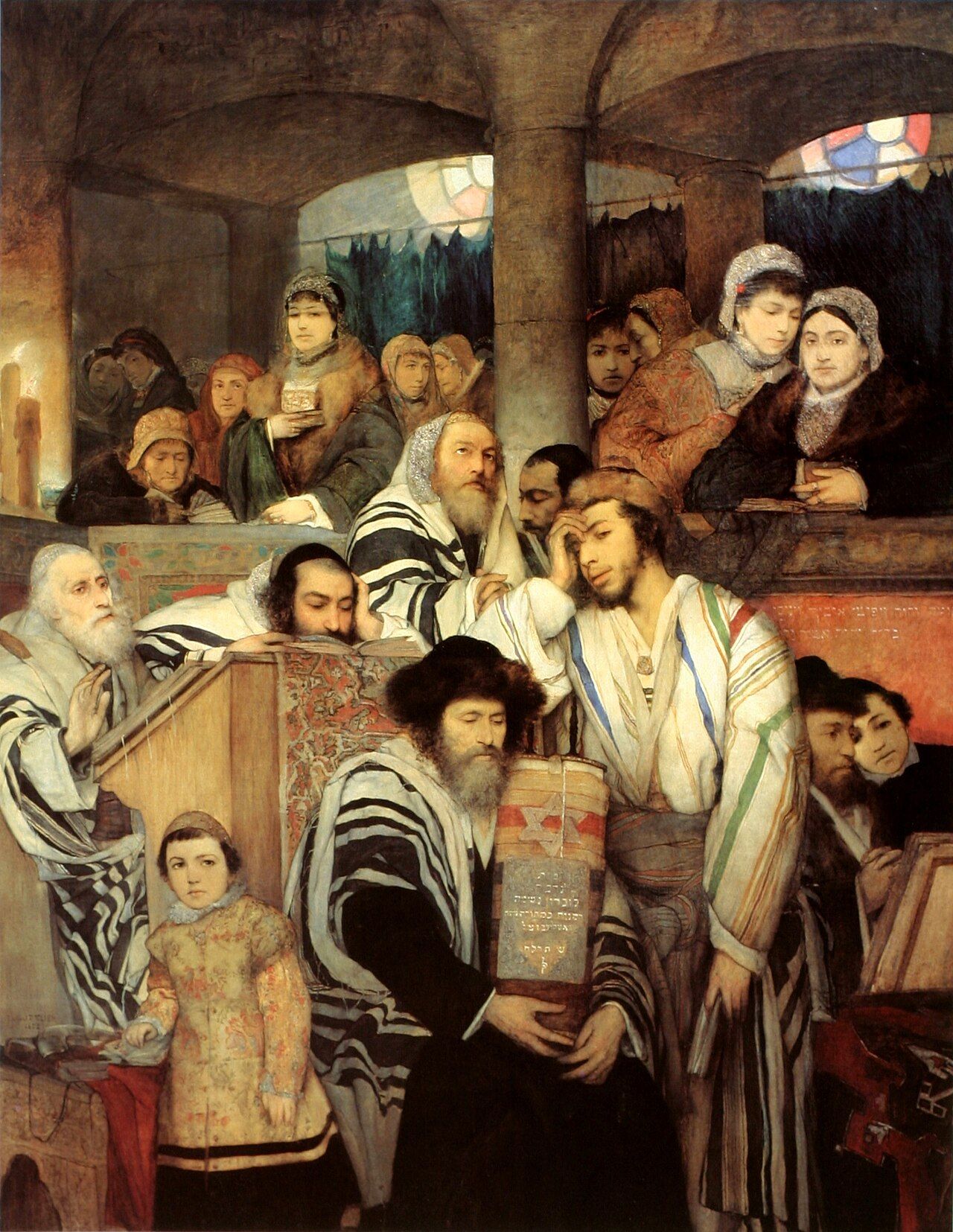
The Sabbath as the first technology rule; a responsa tradition that answers new medicine case by case under pikuach nefesh, the saving of life; and a Maimonidean rule for cosmology — if the demonstration holds, reinterpret the text.
 Profile
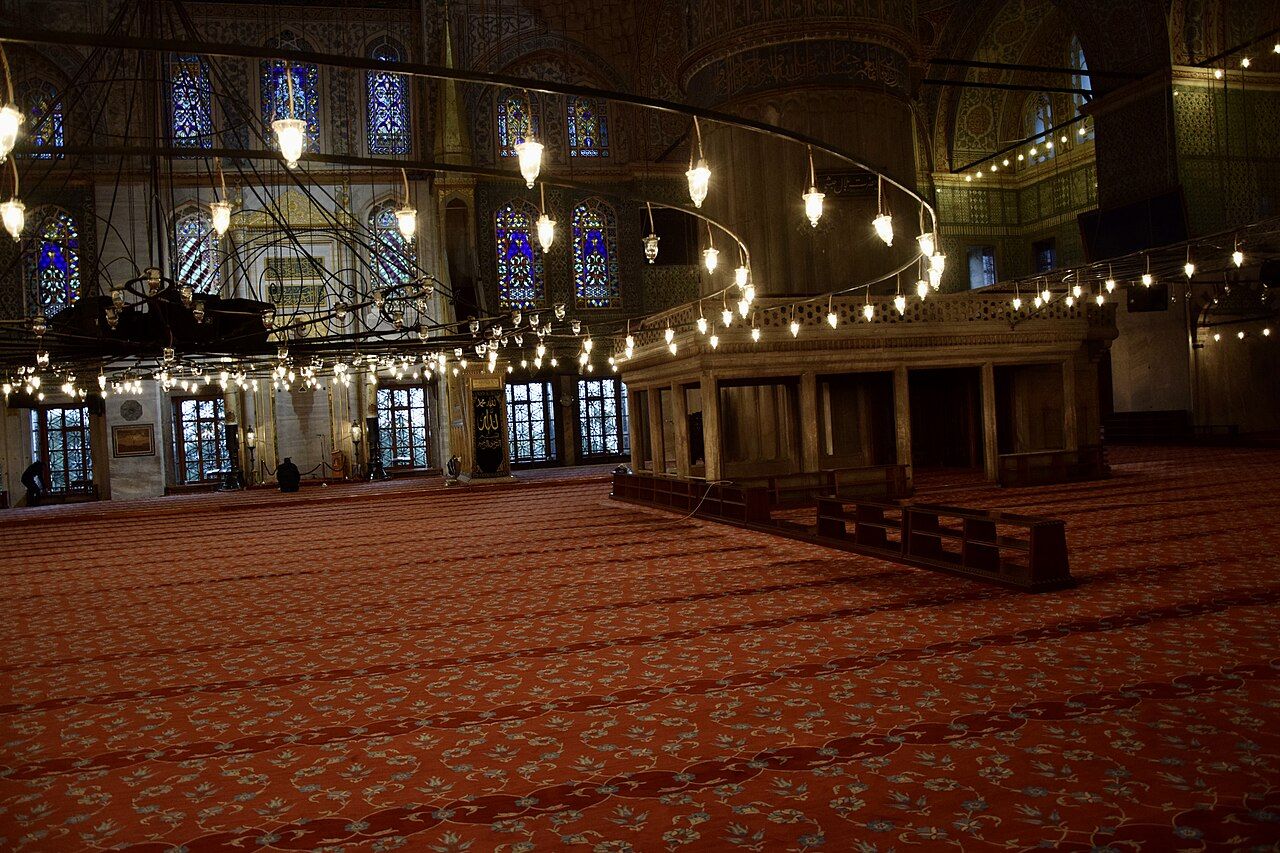
Islamic
A civilization whose law needed astronomy and whose scripture points to nature’s signs; today the fiqh academies reason case by case under necessity and public benefit, while evolution remains an open argument inside the tradition.
 Profile
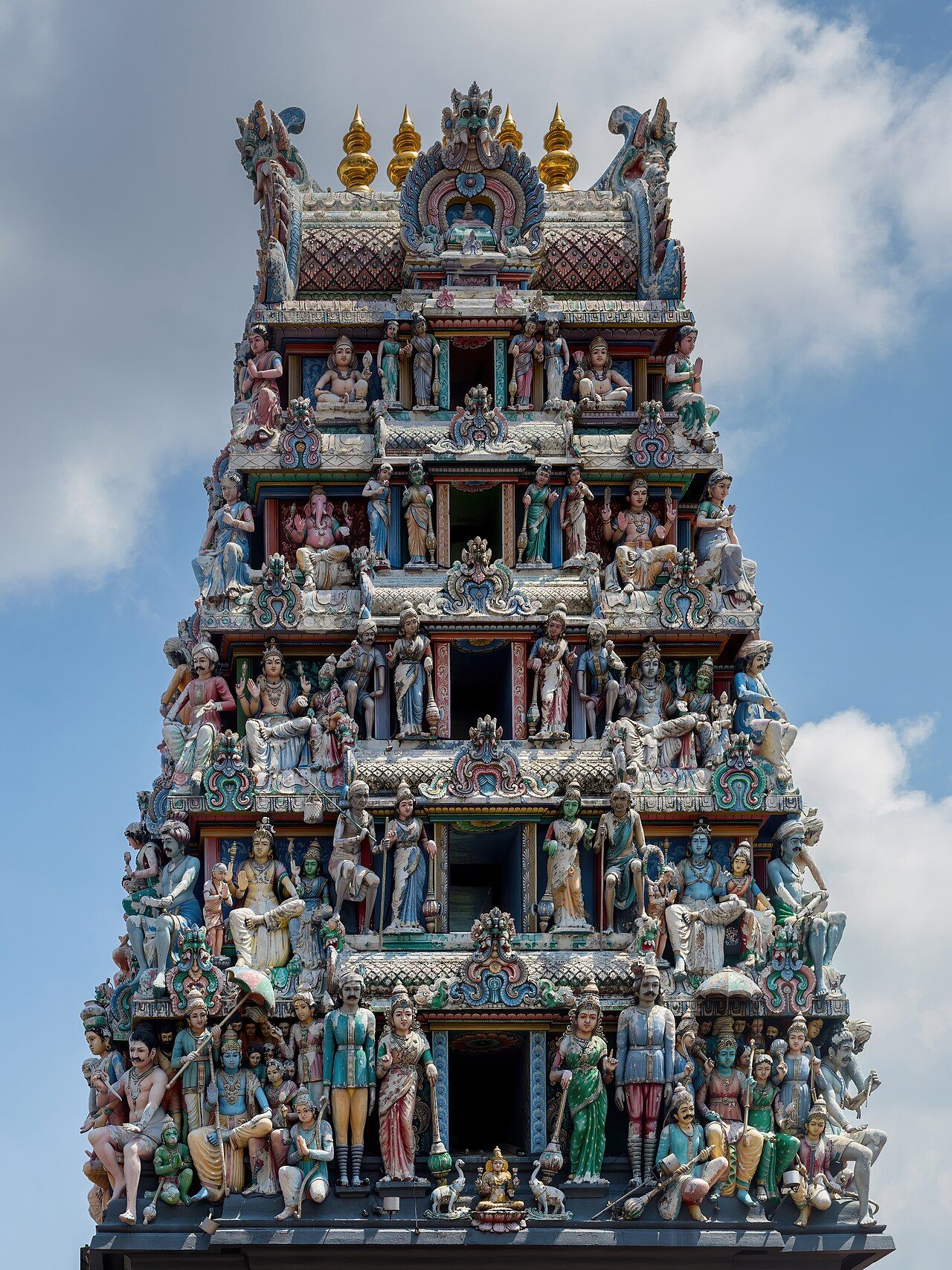
Hindu
Sciences born inside the tradition — Āyurveda, jyotiṣa, the siddhānta mathematics — and a cyclical cosmology that received Darwin as a familiar guest; the live arguments are in medicine, reproduction, and the ethics of animals.
 Profile
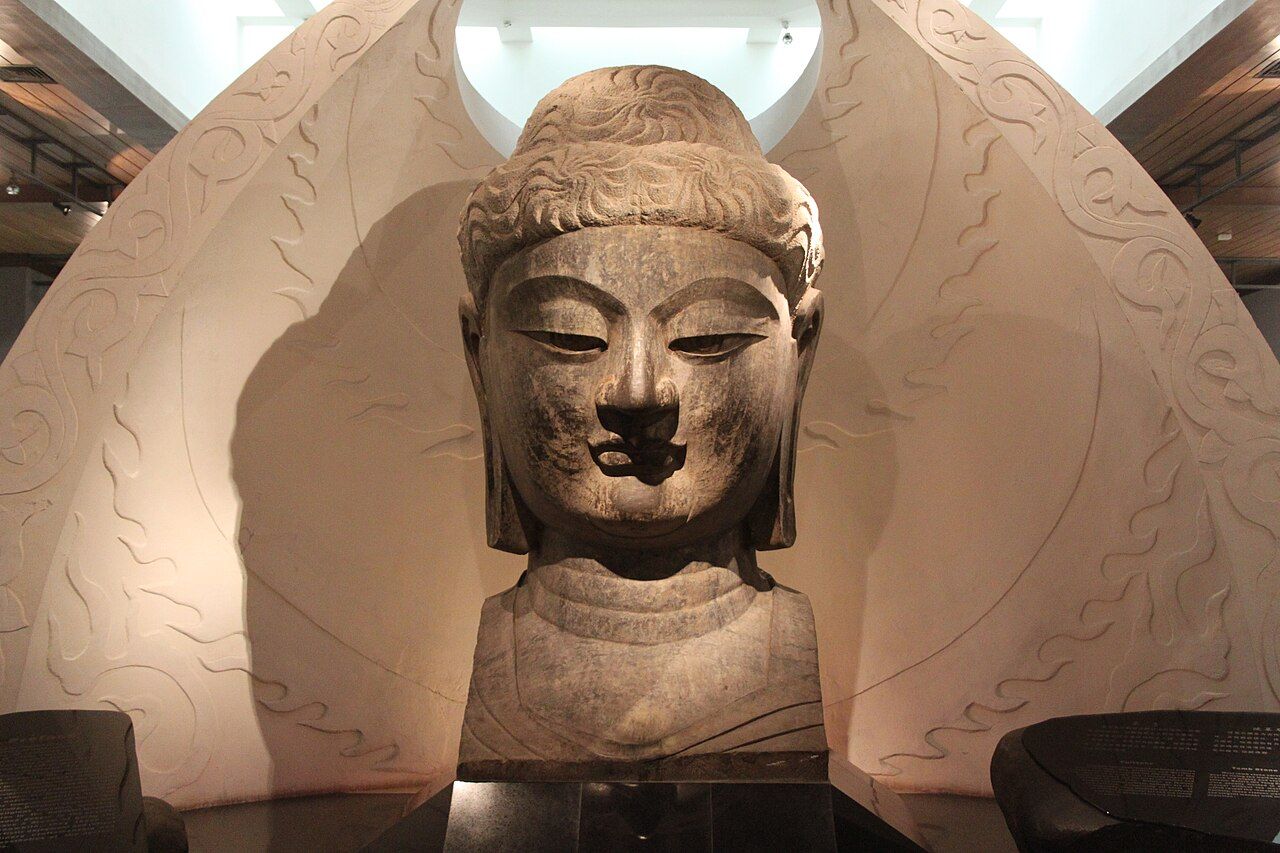
Buddhist
A contemplative psychology that laboratories now study, a cosmology of vast cycles, and a modernist rule — stated by the Dalai Lama — that where demonstration contradicts doctrine, doctrine must change; karma and rebirth mark the boundary of that concession.
 Profile
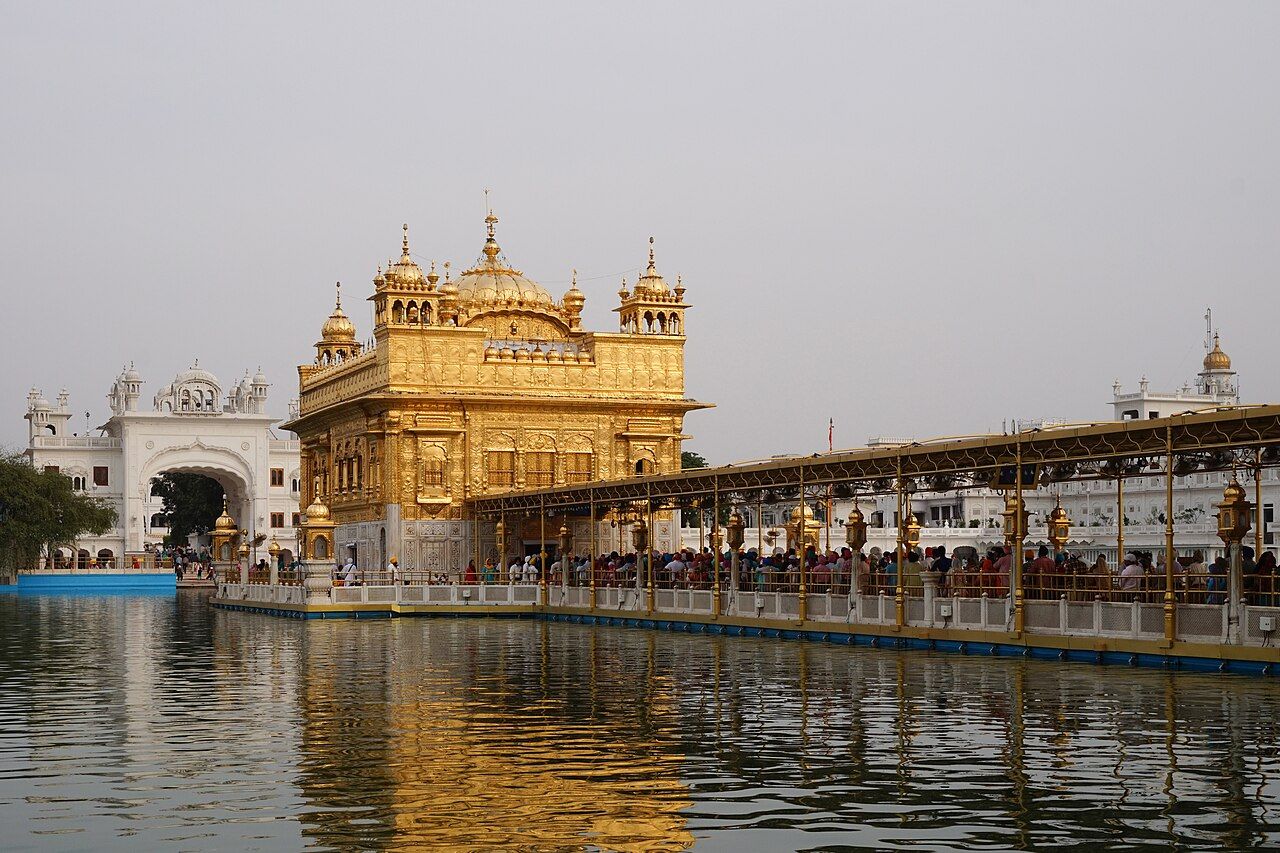
Sikh
Honest work and service as doctrine: early and energetic adopters of agricultural and medical technology, organ donation preached as sevā, and the articles of faith defended, case by case, against modern regulation.
 Profile
Jain
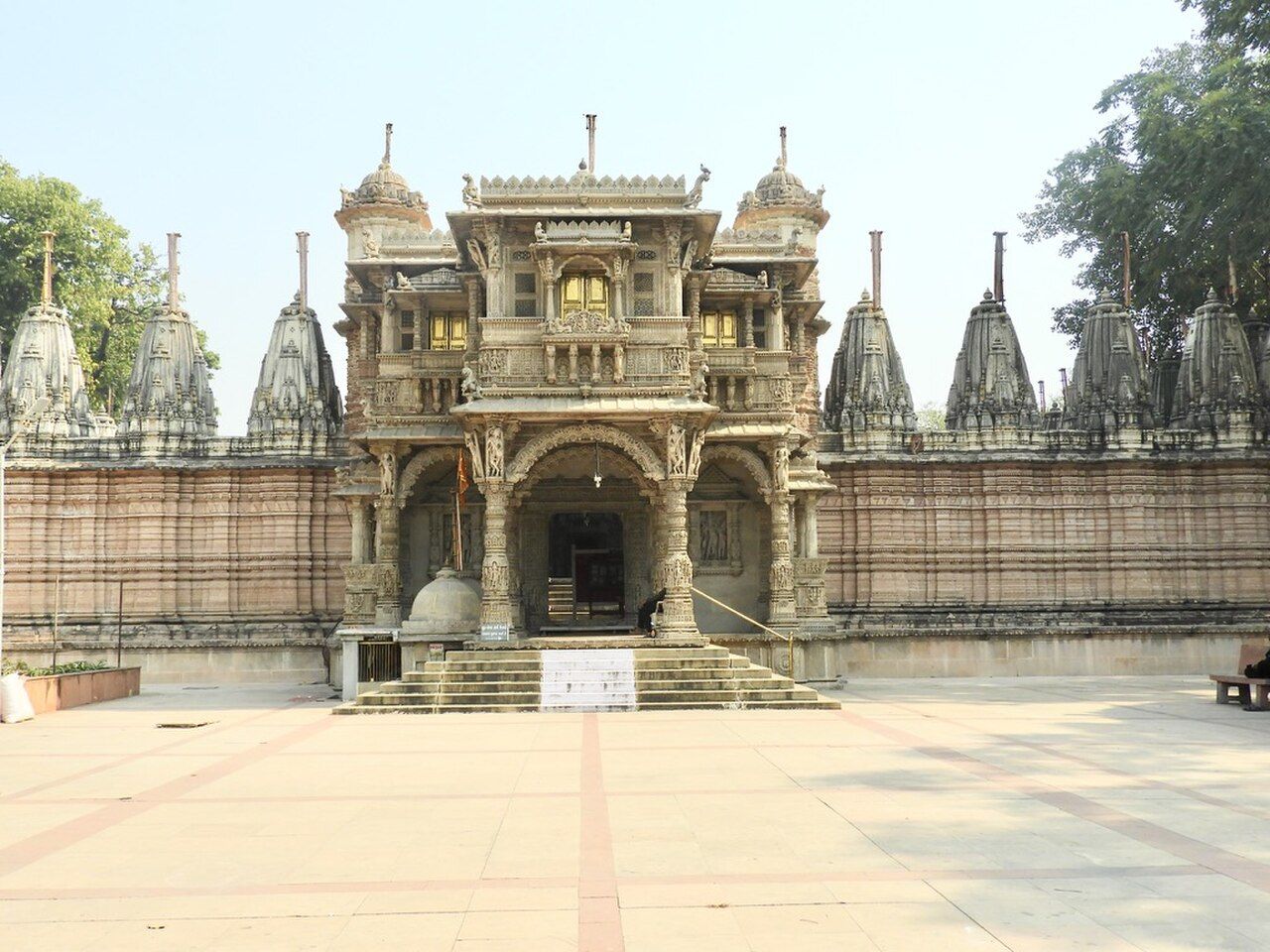
Many-sided truth and non-violence at microbial scale: a beginningless, uncreated cosmos, mathematics of the infinite, and the microscope received as a confirmation rather than a threat.
 Profile
Confucian
The philosophy that ran a state science for two thousand years, was blamed for its fall, and now answers bioethics from the family rather than the individual — Mr. Science’s oldest patron and most famous defendant.
Profile
Daoist
Alchemy that sought immortality and found gunpowder; wúwéi as a discipline of attention. Daoism stands in this register as the classical warrant for every suspicion that clever devices breed clever hearts.
 Profile
Shinto
A tradition without a creed for science to contradict: kami in the landscape, a shrine rebuilt on schedule for thirteen centuries as a living school of craft, and modern flashpoints in nuclear pollution and the definition of death.
 Profile
Indigenous
Not one tradition but thousands, joined by a pattern: knowledge kept relationally by authorized holders. This profile records what peoples have chosen to publish, under the CARE principles, and names the protocol as part of the knowledge.
Profile
Secular and naturalist
The cosmos as all there is, science as its self-knowledge, religion as a human product to be explained: a tradition with its own orthodoxies, saints’ days (Comte’s calendar), and a state record — Lysenko included — that this section audits like any other.