

Zoroastrianism, the teaching of the prophet Zarathustra, sets one wise and good God, Ahura Mazda, against the destructive spirit, and calls every person to choose good thoughts, good words, and good deeds.
Zoroastrianism is among the world's oldest revealed religions, founded by the prophet Zarathustra (Zoroaster), whose hymns, the Gathas, stand at the heart of the Avesta. His date is disputed — scholars place him anywhere from 1500 to 1000 BCE in eastern Iran — but his influence is not: the faith he preached was the religion of the Persian empires, and its ideas about judgment, heaven, hell, and a final renovation traveled far beyond Iran.
Ultimate Reality
Ahura Mazda, the Wise Lord, is the one uncreated God: wholly good, wise, and holy, the maker of a good world. Against him stands Angra Mainyu, the destructive spirit, who chose evil freely and assaults the good creation. The opposition is real but not eternal or equal: evil had a beginning in choice and will have an end in defeat, and God is not its author.
The Human Condition
Human beings stand in the middle of the contest, and the contest runs through them. Each person is endowed with a good mind and free choice, and each life is a contribution to one side or the other. Suffering and death entered a good world through the assault of evil; they are enemies to be fought, not mysteries to be accepted.
Knowledge and Truth
Asha is truth and right order together: the way reality is built and the way life should be lived, against the Lie (druj). Zarathustra's Gathas teach it in the prophet's own voice, and priests (mobeds) preserve the Avestan texts, the fire ritual, and the tradition's memory. Conscience (daena) is itself a guide: the soul meets its own deeds after death in the form they have made.
Right and Wrong
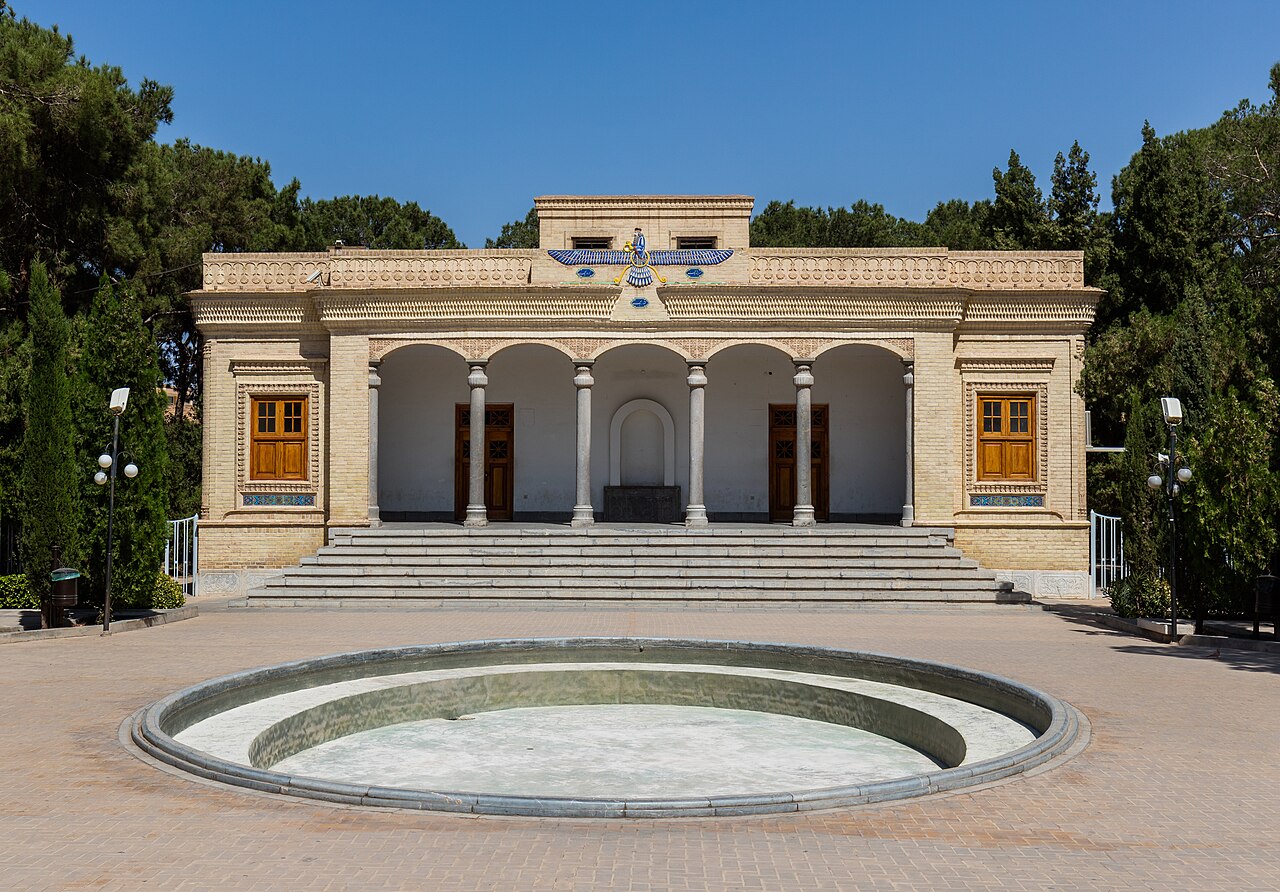
The whole ethic fits in one line: good thoughts, good words, good deeds. Purity is kept by care for the good creations — fire, water, earth, animals — and by refusing pollution and falsehood. The sacred fire burning in the fire temples, tended by priests before the Faravahar, is the visible sign of God's truth and of the fire kept in every conscience.
Human Destiny
At death the soul comes to the Chinvat Bridge, where its deeds are weighed; the righteous cross to paradise, the wicked fall. At the end of time comes Frashokereti, the renovation: a savior (Saoshyant), the resurrection of the dead, the final judgment, and a world made fresh, with evil destroyed and God's good creation healed forever.
The Conversation
Zoroastrianism asks the other monotheisms how much of their own teaching — resurrection, judgment, heaven and hell, a coming savior — they first met in Persia. It presses every world view on the problem of evil with its own answer: God is good, evil is real and opposed to him, and the fight will end. And it asks secular views what grounds the confidence that the good side of the contest deserves to win.