

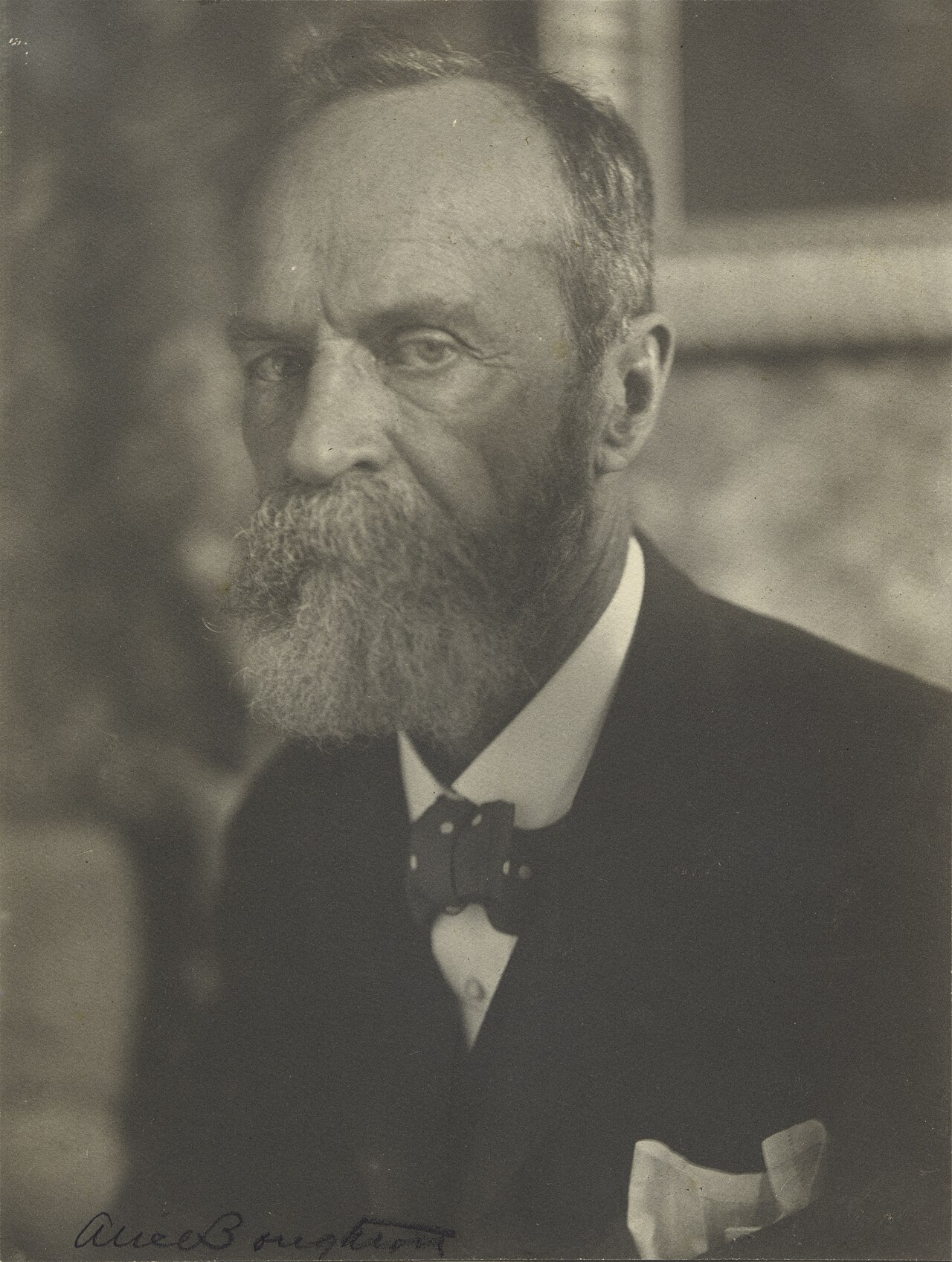
Pragmatism is America's philosophy: an idea is true as it works, meaning is found in consequences, and beliefs are instruments for navigating experience rather than mirrors of an ready-made world.
Pragmatism began in a Cambridge discussion club in the 1870s — Charles Sanders Peirce, William James, and friends — and became, through James's lectures, John Dewey's school and social philosophy, and Richard Rorty's later revival, the closest thing the United States has produced to a national metaphysics. Its maxim is a laboratory rule turned on all of thought: consider what effects a conception has, and you have the whole of the conception.
Ultimate Reality
Reality is not denied but re-described: the world is what inquiry, pursued indefinitely, would converge on (Peirce), a 'pluriverse' still in the making (James), in which human purposes are not intruders but participants. Truth happens to an idea, James wrote; it is made true by events, as a road is made by walking — a sentence his critics have been misreading, and his defenders glossing, ever since.
The Human Condition
The human problem is the quest for certainty in a world that offers habits instead. Dewey traced philosophy's errors to that quest: the desire for a spectator's guarantee, outside the risky business of doing and suffering. Creatures of habit in a precarious environment, we think when habits fail, and thinking is therefore an instrument — the school's founding demotion and promotion in one.
Knowledge and Truth
The pragmatic theory of inquiry replaces correspondence with consequences disciplined by community: beliefs are rules for action, doubt is the irritation that starts inquiry, and settlement of opinion is the only aim inquiry actually has. James extended the test to religion in The Will to Believe and the Varieties: where an option is live, forced, and momentous, and evidence cannot decide, the passional nature may lawfully choose.
Right and Wrong
Ethics is experimental social intelligence: goods are plural, principles are summaries of past experiments, and moral progress is the widening of sympathy through democratic deliberation. Dewey's democracy is less a constitution than an epistemology — the method of pooling experience — and Rorty completed the trajectory by grounding solidarity not in human nature but in the shared hope of suffering's decrease.
Human Destiny
Meliorism is the school's eschatology: the world is neither saved nor doomed but improvable, and salvation, in James's deliberately plain phrase, is a possibility that depends in part on our acts. There is no final vocabulary and no last inquiry; destiny is the indefinite continuation of the experiment by beings who know it is one.
The Conversation
Pragmatism asks the correspondence theories what their mirroring adds to the work beliefs do, and it asks the religions to submit their fruits as evidence — by their fruits being, for James, precisely the test. The absolutists answer that a truth that waits on outcomes is a hostage: some things, they insist, were true before they worked, and the pragmatist's smile in reply is itself a position in the argument.