

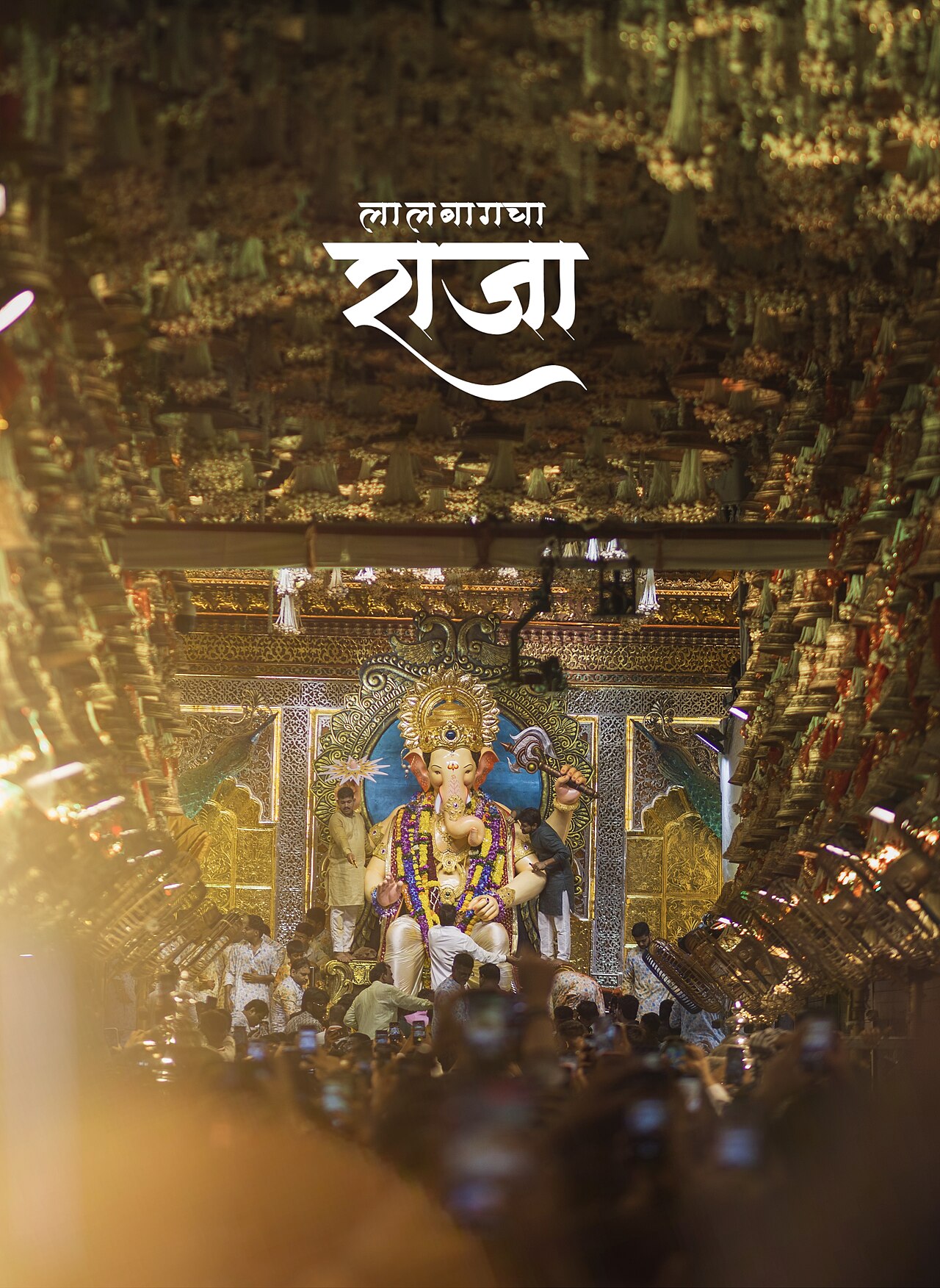
Touch, incense, lamplight, procession, and dissolution: religious art is made of matter because its worshippers are, and the senses are its medium as much as sight.
Tagged: Devotional Embodiment Materiality
An account of religious art that stays visual misses most of it. The murti is bathed, dressed, anointed, and fed; the icon is kissed and censed and carried through the streets; the Granth is fanned; the fire is fed by hand five times a day; the sand mandala is swept into a river. Religious art is handled, smelled, heard, and walked around, and its materials — marble that stays cool, bronze that takes a shine from a century of thumbs, clay that is meant to dissolve — are theological choices, not accidents of supply.
Embodiment explains the controversies as well. Iconoclasts did not smash arguments; they smashed things people touched in prayer, because the touch was the point at issue. The museum's glass case is a doctrinal intervention of its own, converting a handled presence into a viewed picture. Even the digital image participates: a livestreamed aarti and a phone-screen icon are the newest chapters of a very old negotiation between presence and representation.
The entries in this section record materials and handling wherever they are known — what a work is made of, how it is used, whether it may be touched, photographed, or approached at all — because on this site the matter is part of the meaning.
References
Related Across the Site
- A Gandhara Buddha Art Entry — The Buddha in human form from the workshops of Gandhara (1st–3rd century CE): Apollo's face, a Roman toga's folds, and the lakshanas of the Buddha — the image that changed Buddhist art forever.
- A Kufic Qur'an Folio Art Entry — A parchment leaf of an Abbasid Qur'an in angular Kufic script, its verse endings touched with gold: the page as the supreme religious image of an aniconic faith.
- Rublev's Trinity Art Entry — Andrei Rublev's icon of the three angels at Abraham's table (c. 1411), painted for the Trinity Lavra of St. Sergius — the supreme achievement of Orthodox icon painting and its theology made visible.
- The Ganesh Chaturthi Murti Art Entry — A clay Ganesh, modeled and painted by neighborhood artisans, worshipped in streets and homes for up to eleven days, then carried in procession and immersed: the murti as a guest who is honored and bid farewell.
- The Good Shepherd of the Catacombs Art Entry — A young shepherd carrying a lamb across his shoulders, painted and carved across the Roman catacombs: the earliest Christian image of Christ, chosen as a symbol before it was a portrait.
- The Sand Mandala Art Entry — Monks lay down a palace of the deities grain by grain in colored sand, contemplate it for days — and then sweep it away and pour it into running water.
- The Shiva Linga Art Entry — A polished stone shaft rising from its base, bathed daily in water, milk, and flowers: the aniconic murti of Shiva, worshipped not as a symbol of an absent god but as the god's own form.
- The Tibetan Thangka Art Entry — A portable scroll painting of a Buddha or deity in exact iconometric proportion — a meditation support, a teaching diagram, and a presence, rolled for the road and unrolled for the rite.