

May the divine be depicted?
One question, thirteen answers, each in the tradition's own recorded terms. The stance labels are the site's taxonomy terms; the sentences are each profile's own summary of its position. No tradition is represented here by a position it does not hold, and internally divided traditions are labeled as divided.
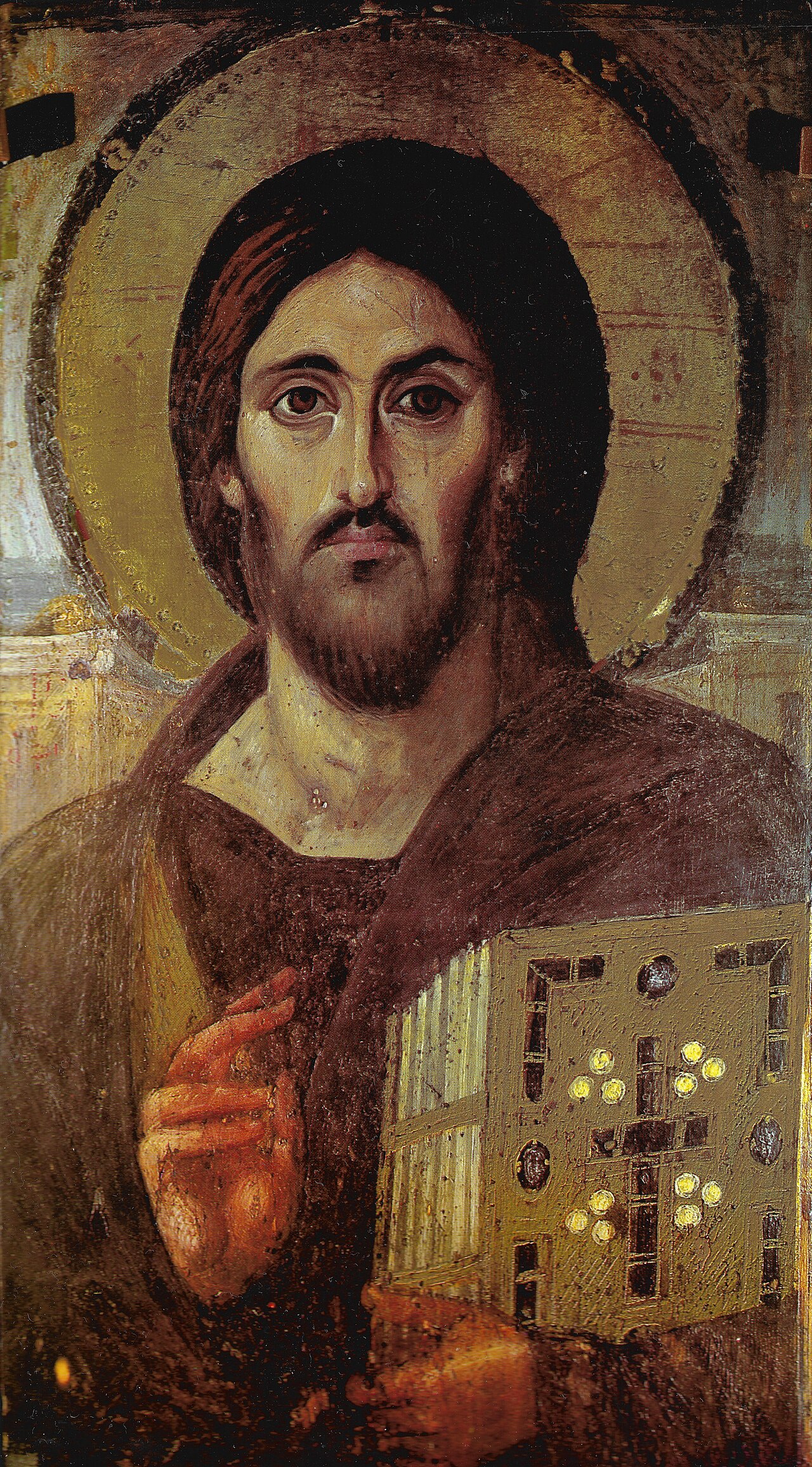
Christianity
No single stance: the tradition runs from Orthodox icon veneration to Reformed image removal, and every position between them argues from the incarnation or from the Second Commandment.
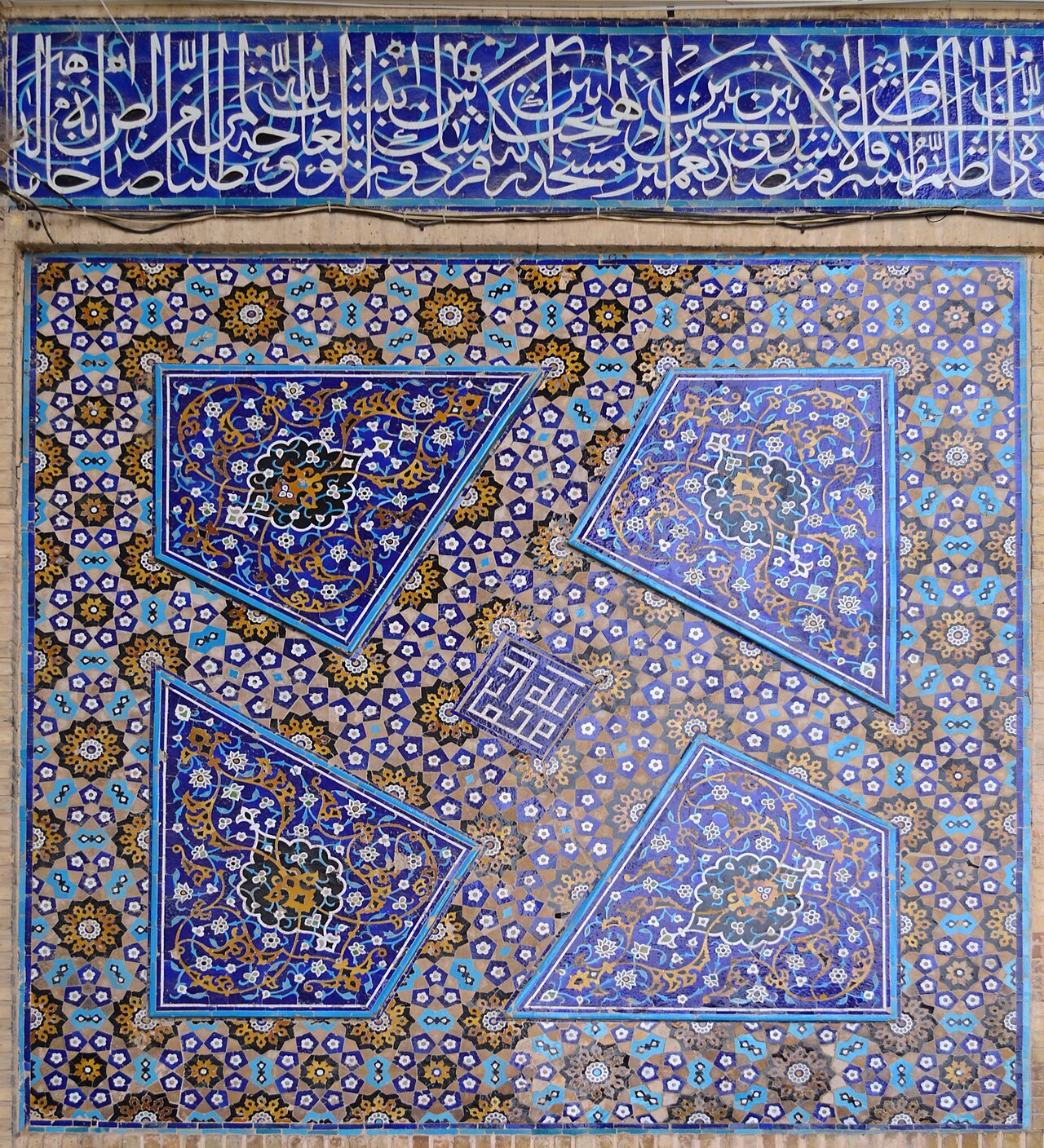
Islam
Figural depiction, above all of prophets, is avoided in religious contexts; the written word, geometry, and architecture carry the art, while figural painting flourishes in courtly and secular settings.
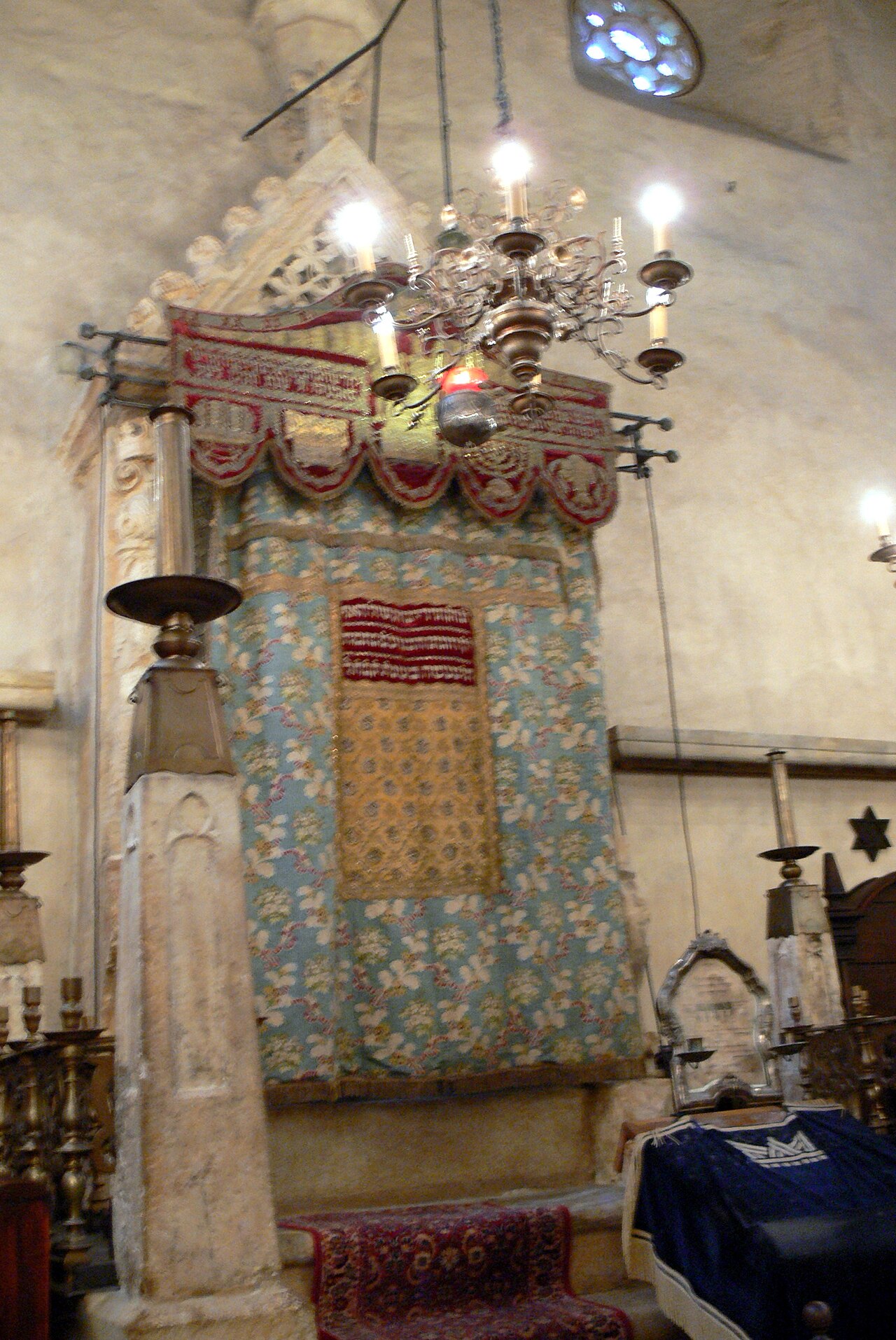
Judaism
Cult images are prohibited; art is not. Architecture, ceremonial objects, and illuminated manuscripts flourish within a principled restraint on the worship of images.
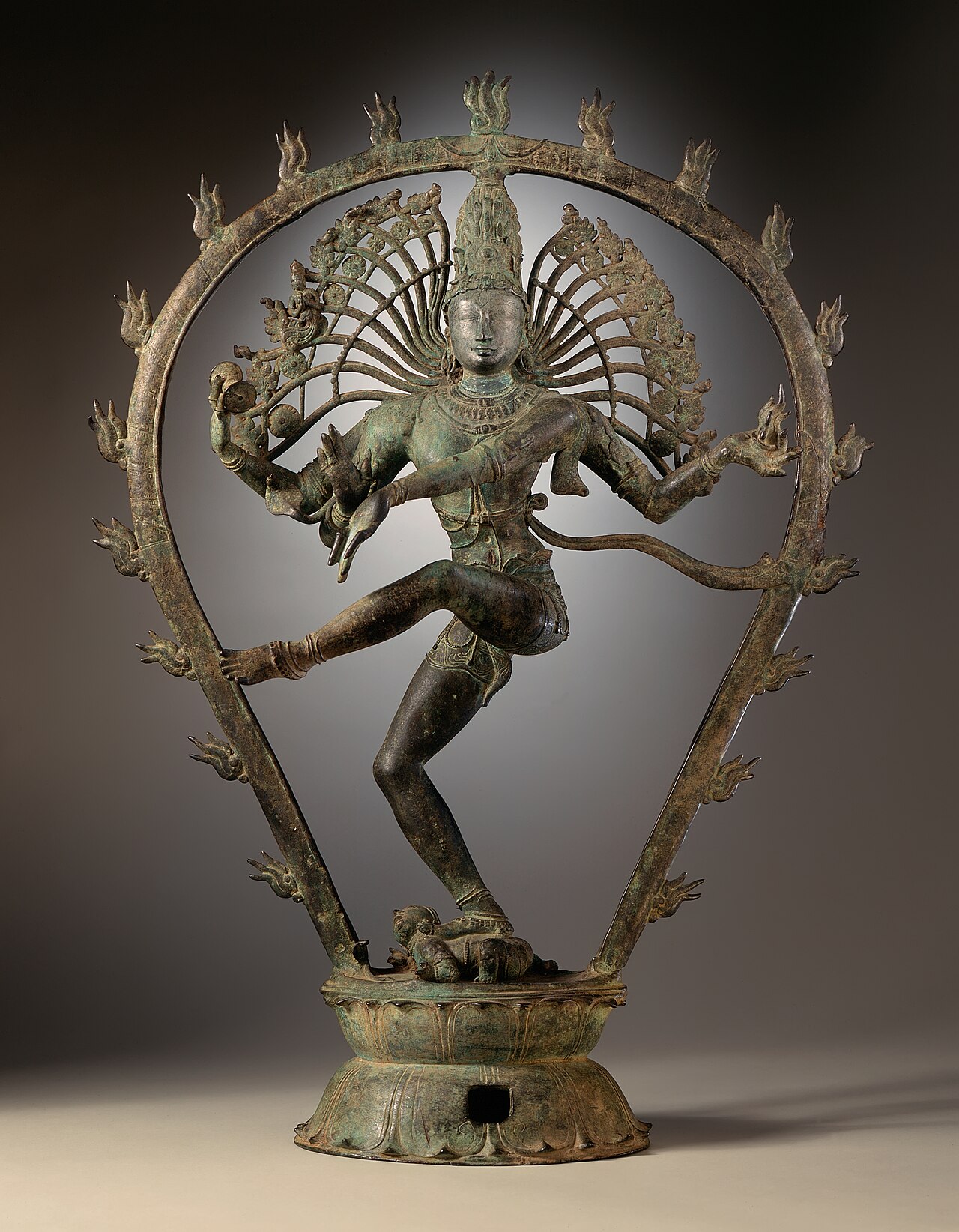
Hinduism
Images are consecrated and worshipped as supports of the deity's real presence; the iconic murti and the aniconic symbol are equally true forms, and an internal reform tradition disputes image worship itself.
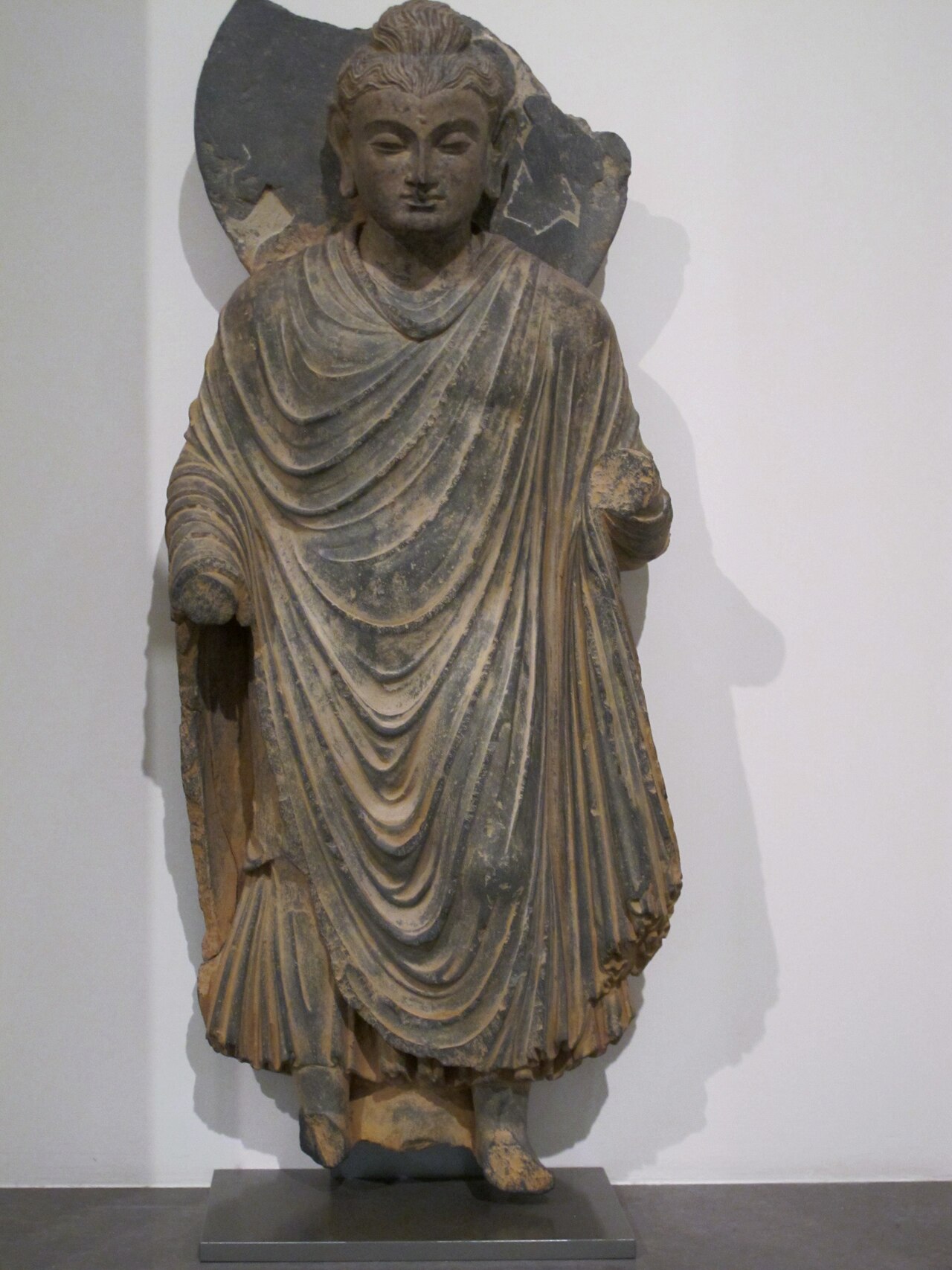
Buddhism
Early art represents the Buddha by symbol; the human image emerges around the first century CE and becomes universal. Whether the early phase was a deliberate aniconism is a live scholarly dispute, presented here on both sides.
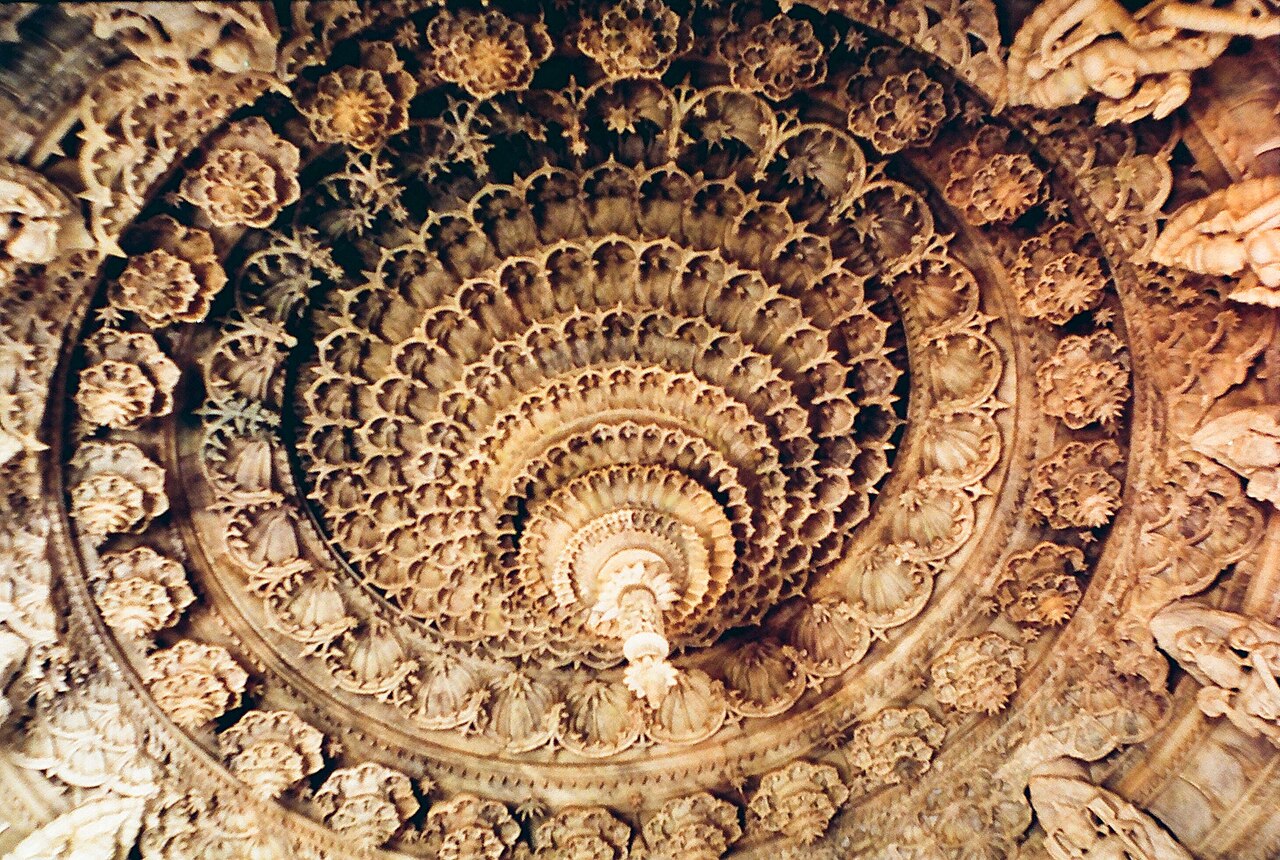
Jainism
Images of the Tirthankaras are made, anointed, and worshipped, but the aesthetic is serene detachment: no attachment, no violence, in white marble and precious stone.
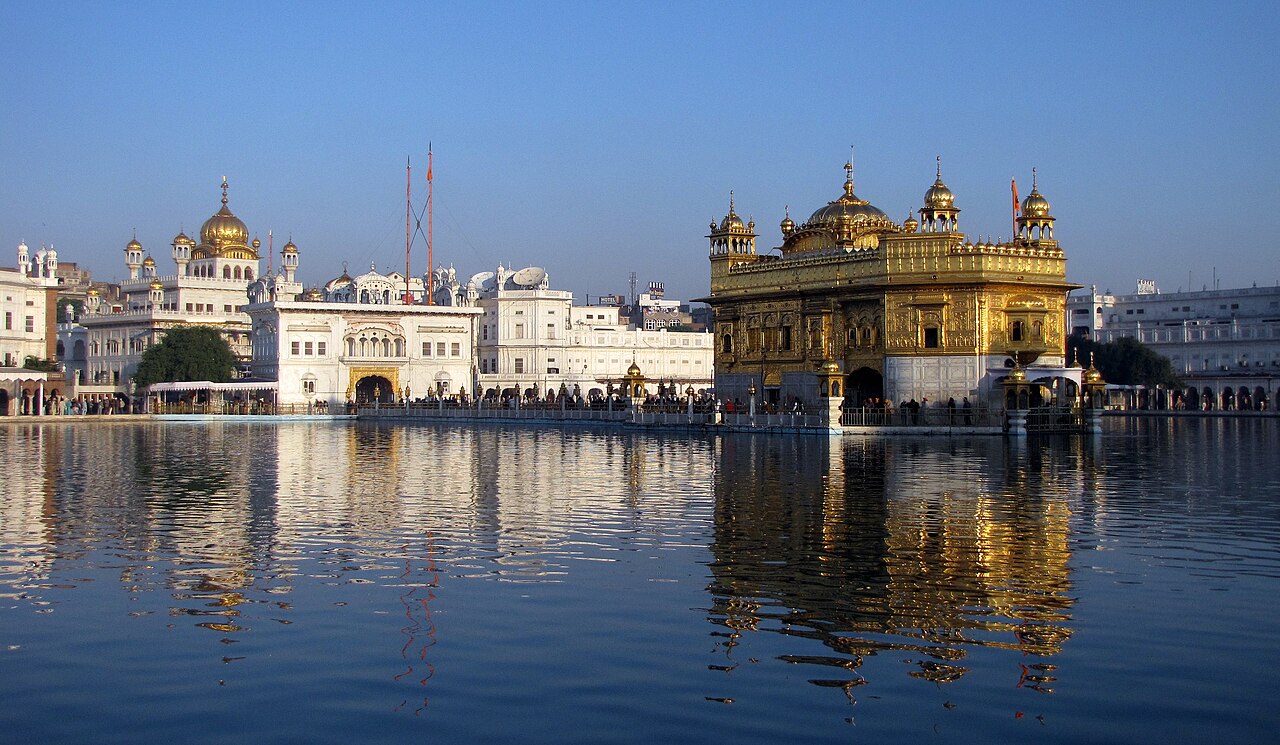
Sikhism
The Divine cannot be fashioned, and the Guru Granth Sahib — the word, not an image — is the living Guru. Portraits of the Gurus persist in popular devotion and are prohibited by the SGPC; both facts are recorded.
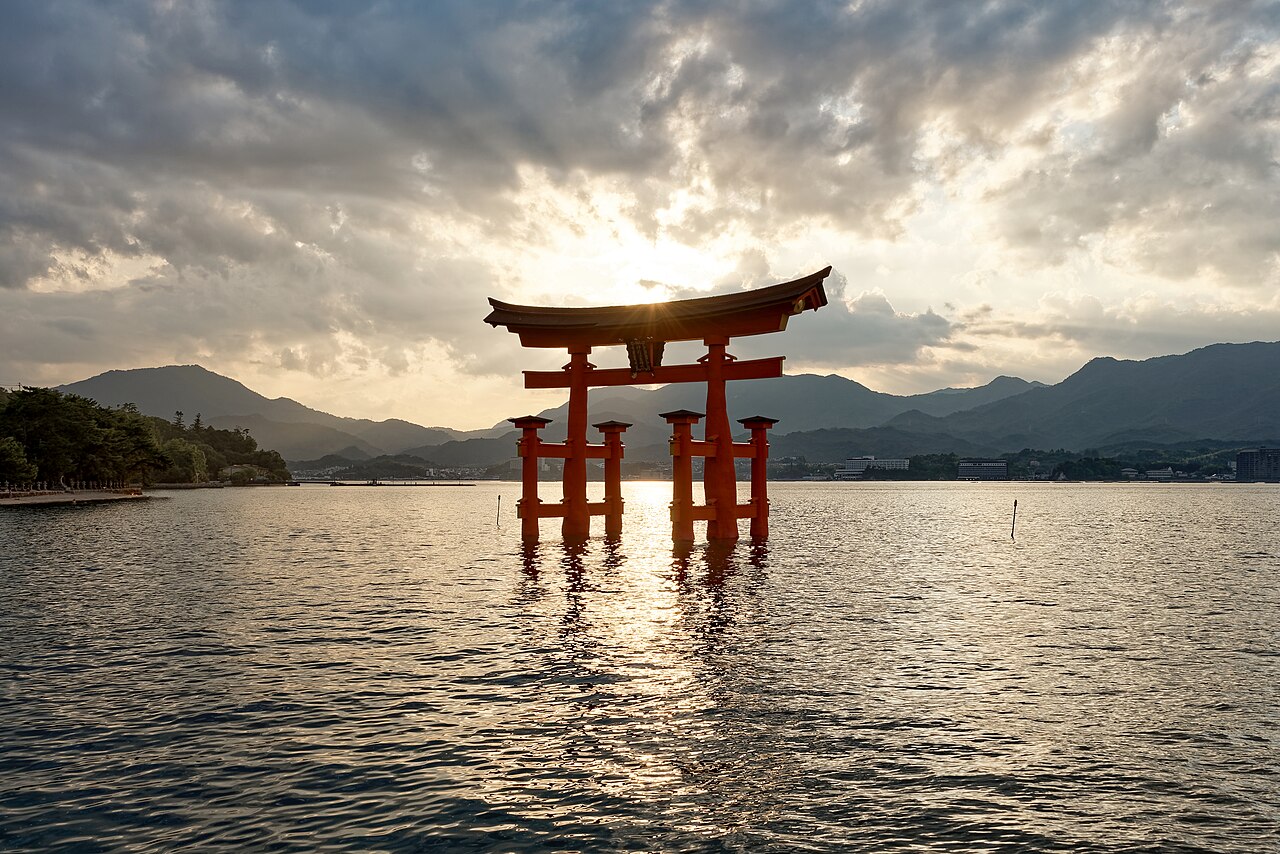
Shinto
Not aniconic in principle but in emphasis: the kami are present in objects and landscapes, not figures, and the shrine, the gate, and the marked tree carry the art.
Daoism and Confucianism
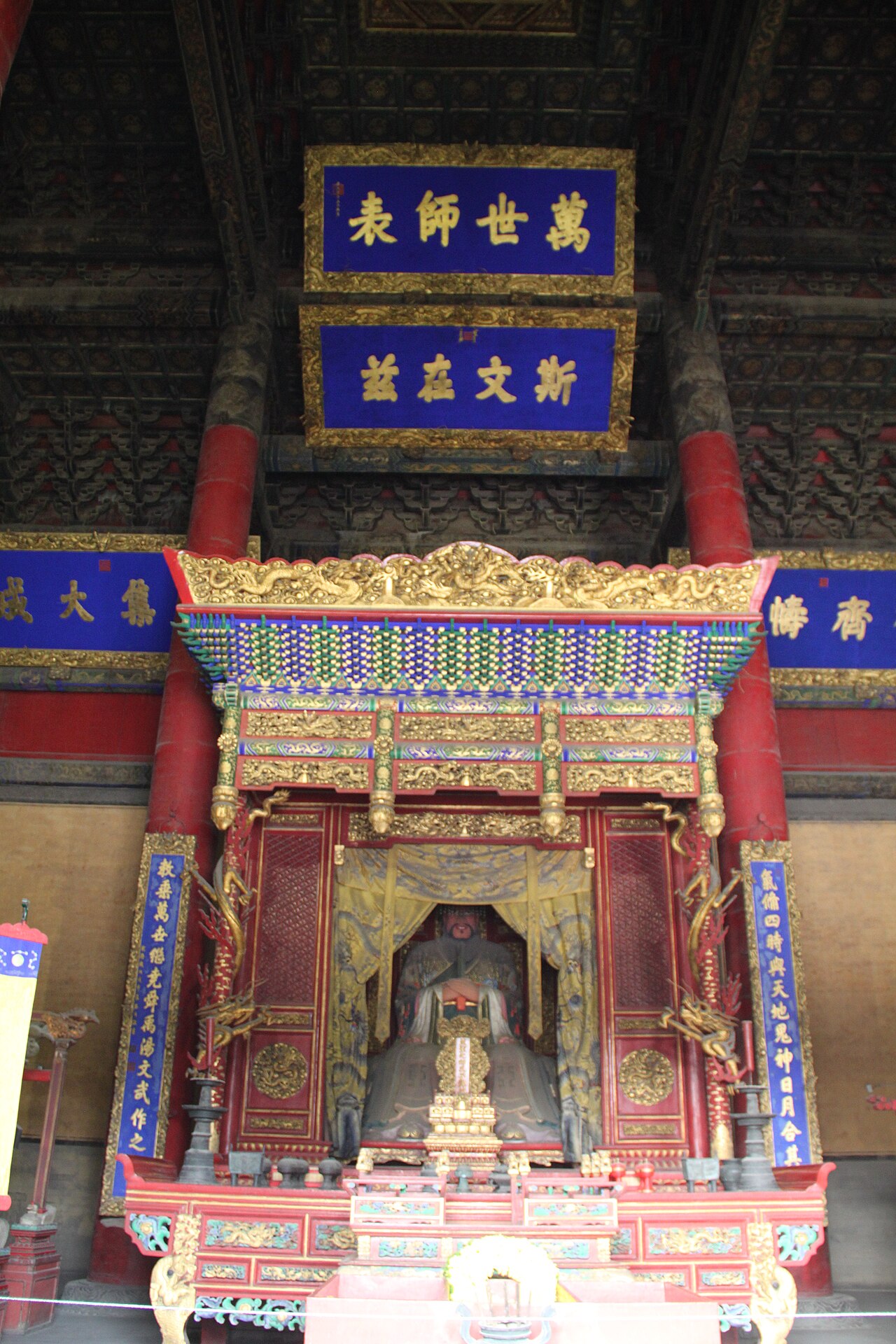
Daoist temples house a populated heaven of deities and immortals; Confucian temples honor the sage and the ancestors without a cult image at their center. The two share walls, workshops, and festivals across China.
Zoroastrianism
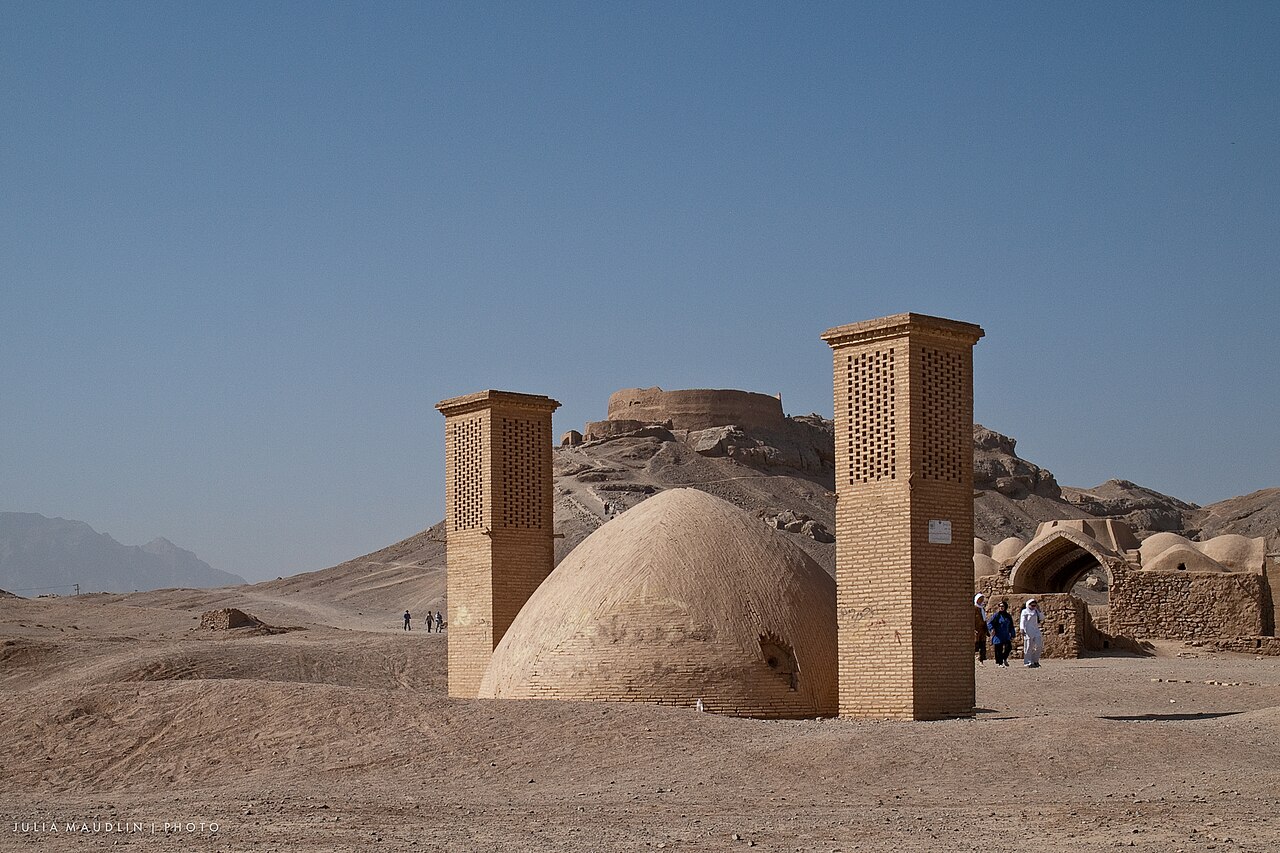
Ahura Mazda is not figured. He is represented by his creation and supremely by fire, tended in the fire temple; the fravahar stands as the tradition's symbol, not its God's portrait.
Bahá'í
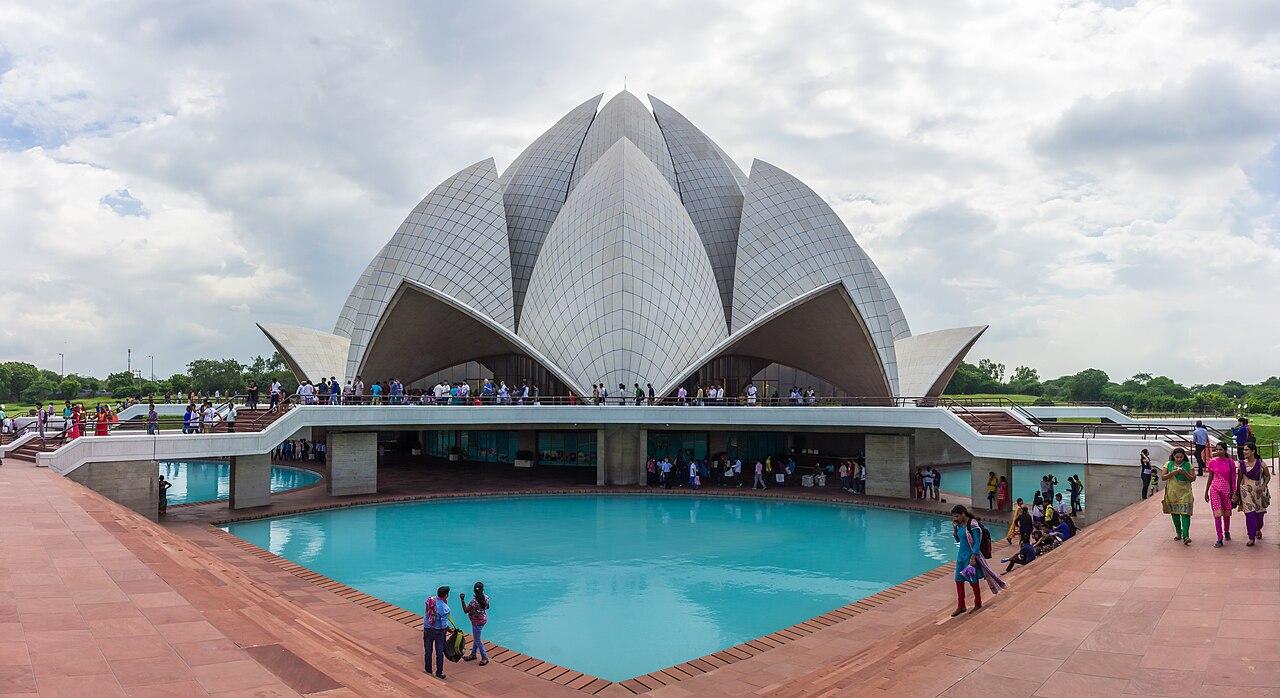
The Manifestations of God may not be depicted in any visual medium or in drama. The faith's art flourishes in calligraphy, in the architecture of its Houses of Worship, and in music, and photographs of the Central Figures are handled with reverence and restraint.
Indigenous and Traditional
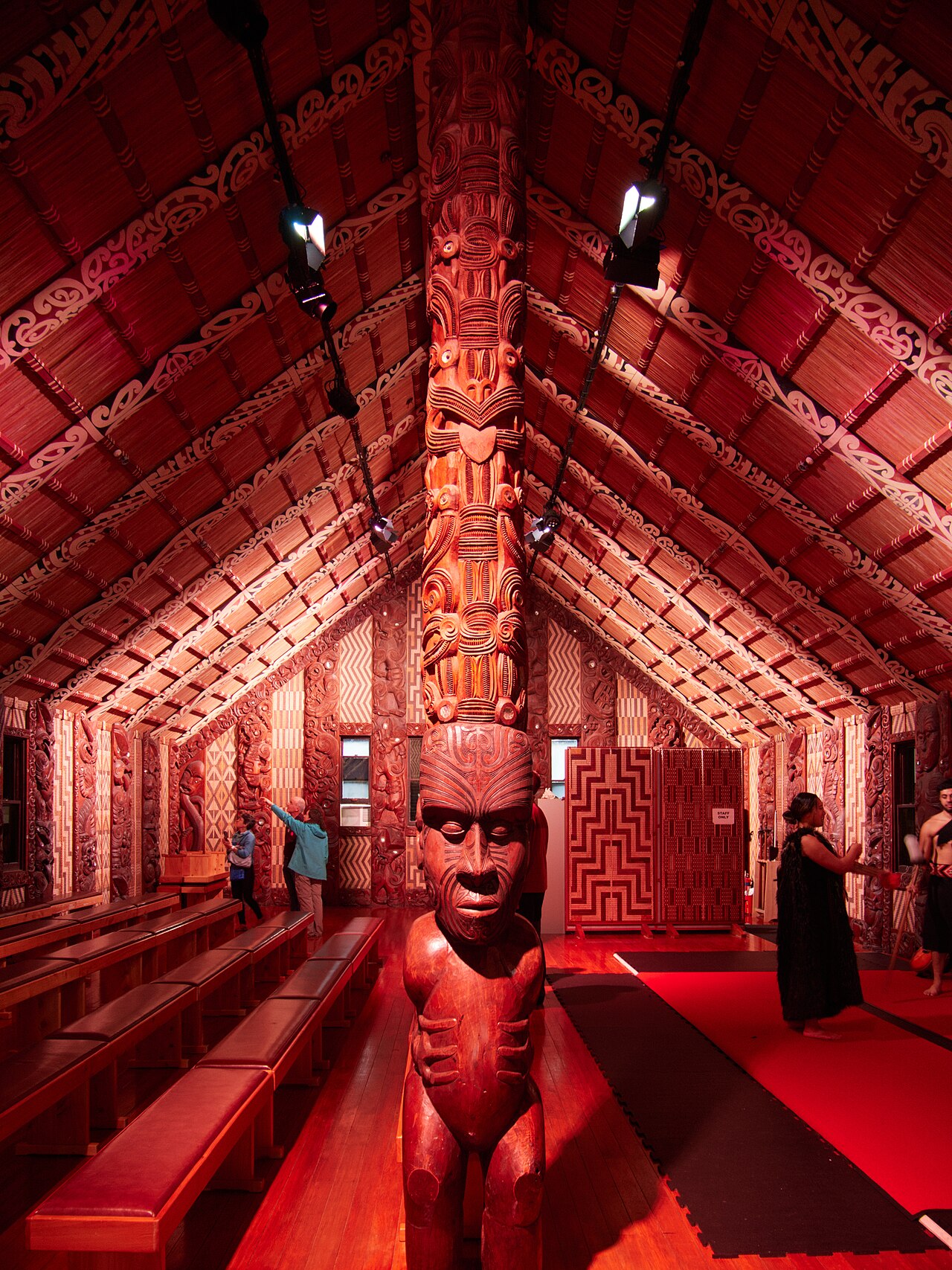
There is no single Indigenous stance; there are communities and their protocols. Some objects are public and celebrated, some are sacred and restricted, and the authority over which is which belongs to the community, not to the museum or the website.
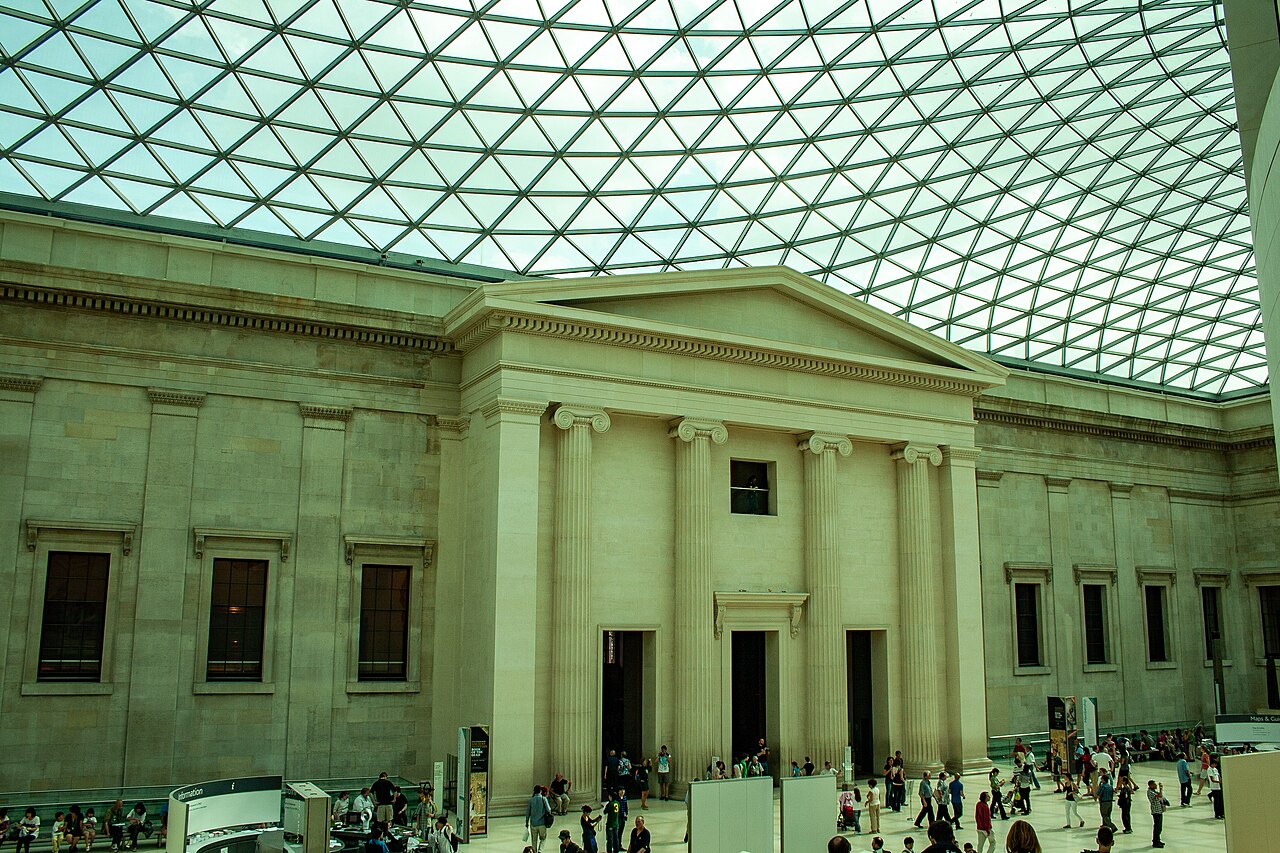
Non-Theistic and Secular
The sacred is relocated, not abolished: into human dignity, sustained attention, the memorial, and the museum, which secular visitors themselves treat as a temple of alternative spirituality.