Shinto

The Shinto timeline in the History of Worldviews.

Streams: All of Shinto Folk Shinto Jinja Shinto Yoshida Shinto Kokugaku State Shinto

Ancient Kami Worship

c. 300 BCE-250 CE

Yayoi period; kami veneration

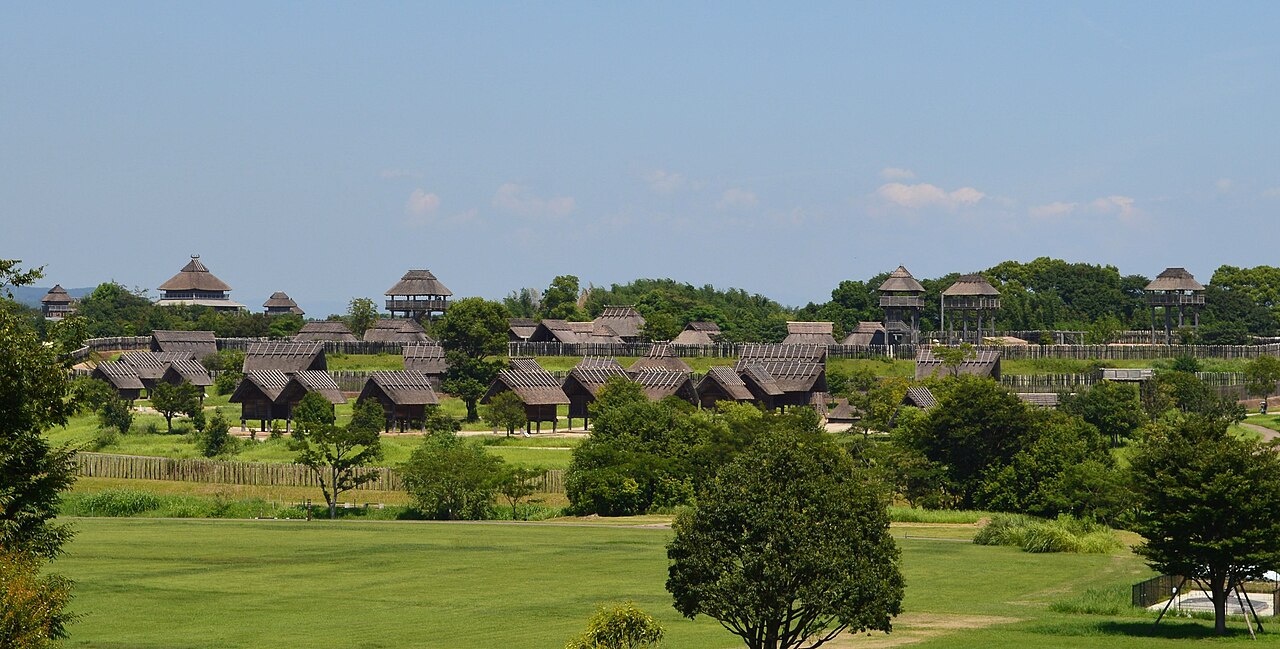
In the Yayoi centuries, as wet-rice farming spread through the archipelago, communities bound themselves to the kami of their places: spirits of mountains, groves, rice fields, and ancestors, honoured with offerings at marked ground long before shrine buildings existed. Ritual bronzes, sacred enclosures, and the great keyhole tombs that follow all carry the marks of this worship. There is no founder and no scripture here, only a people's sense that the world is inhabited and that the inhabitants are owed reverence.
The Japanese archipelago
538

Buddhism introduced to Japan

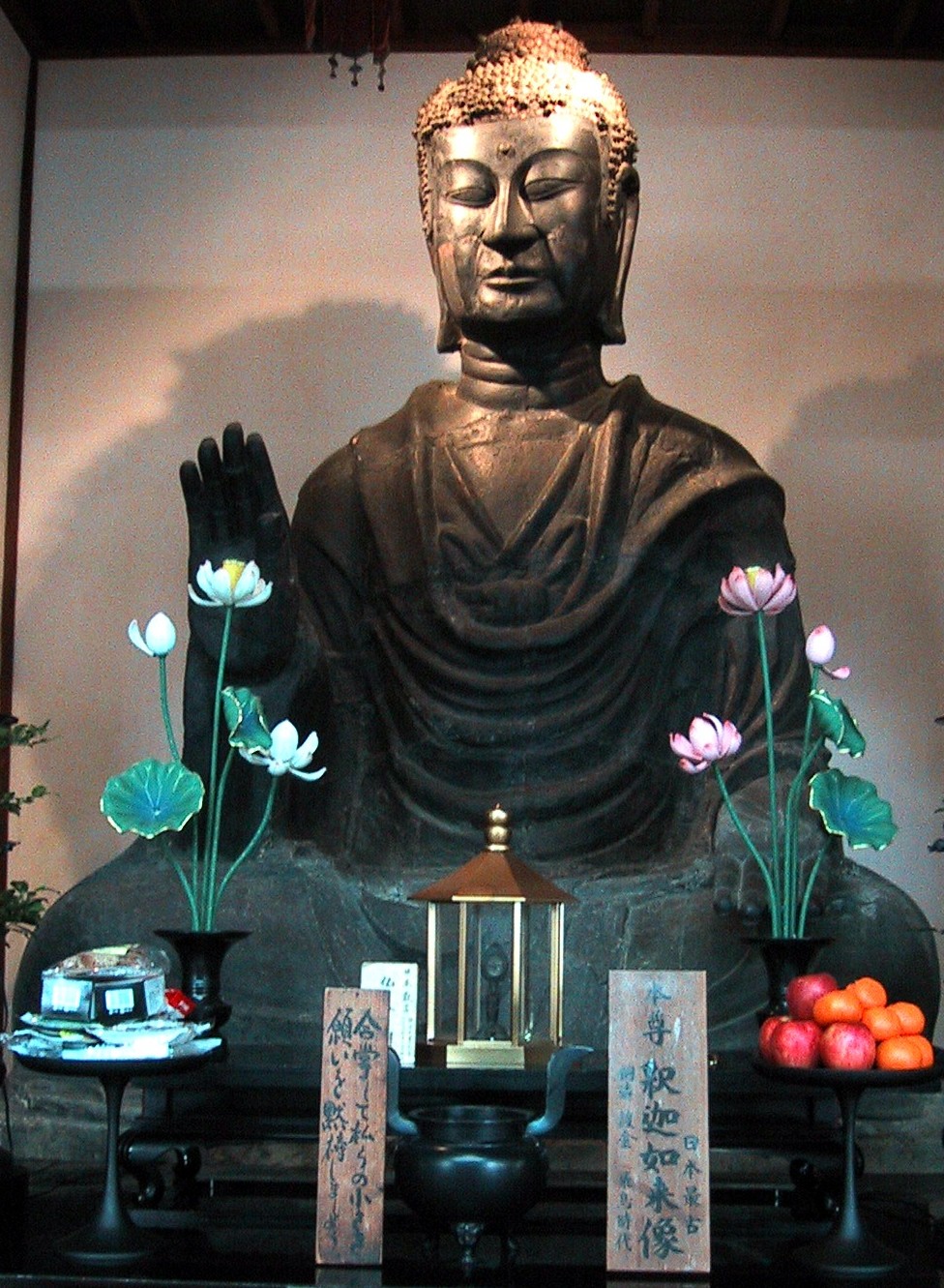
In 538, by the usual reckoning, the king of Baekje sent the Yamato court a statue of the Buddha, sutras, and a letter praising the teaching as the finest of doctrines. The court divided: the Mononobe and Nakatomi, guardians of the kami rites, warned that foreign gods would anger the native kami, while the Soga argued for adoption. The argument, settled by plague, politics, and time in Buddhism's favour, set the terms on which the kami and the buddhas would share Japan for the next thirteen centuries.

The Yamato court
701

Taihō Code; Jingikan established

The Taihō Code of 701, the great law code on the Chinese model, placed the Jingikan, the Council of Kami Affairs, at the head of the state, ranked in protocol above the Council of State itself. The Jingikan governed the court's rites, the great festivals, and the official shrines, and the code fixed the calendar of offerings by which the emperor served the kami on the realm's behalf. Kami worship thereby became an organ of the Japanese state at the moment the state itself was codified.

Fujiwara-kyō, the imperial capital
712

Kojiki completed

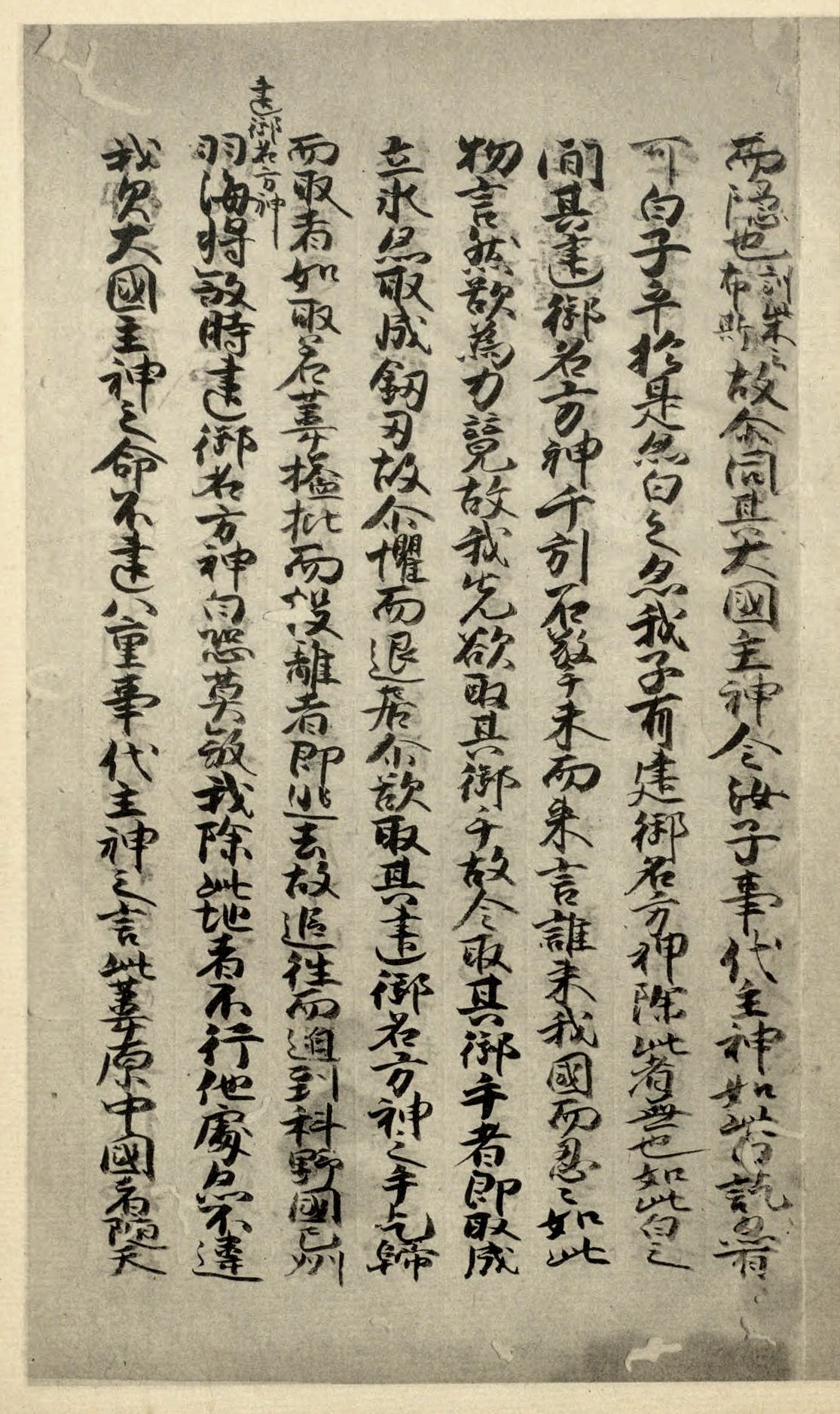
The Kojiki, the Record of Ancient Matters, was presented to the throne in 712. Recited by the court memorizer Hieda no Are and written down by Ō no Yasumaro, it tells of the age of the kami, of Izanagi and Izanami stirring the brine to form the islands, of Amaterasu the sun kami and her unruly brother Susanoo, and of the descent of her grandson to rule the land, down to the emperors of recorded time. It is the oldest surviving book of Japan and the charter myth of the imperial line.

Nara, the imperial capital
720

Nihon Shoki completed

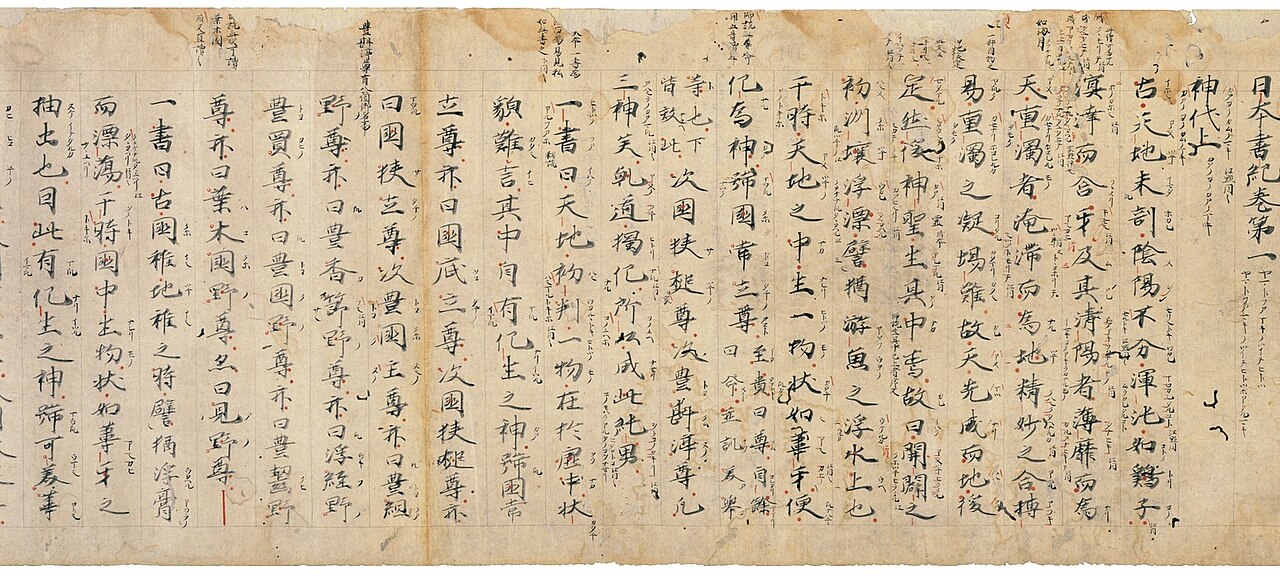
The Nihon Shoki, the Chronicles of Japan, followed the Kojiki in 720: thirty books in classical Chinese, written for the record and for foreign eyes, covering the same ground from the age of the kami to the reigning empress. Where the Kojiki gives one telling, the Nihon Shoki preserves variants side by side, noting where the accounts differ. Together the two books fixed the myths of the kami in writing, and every later account of the early shrines and the imperial descent works from them.

Nara, the imperial capital

The Heian Synthesis

794-1185

Heian; shinbutsu-shūgō

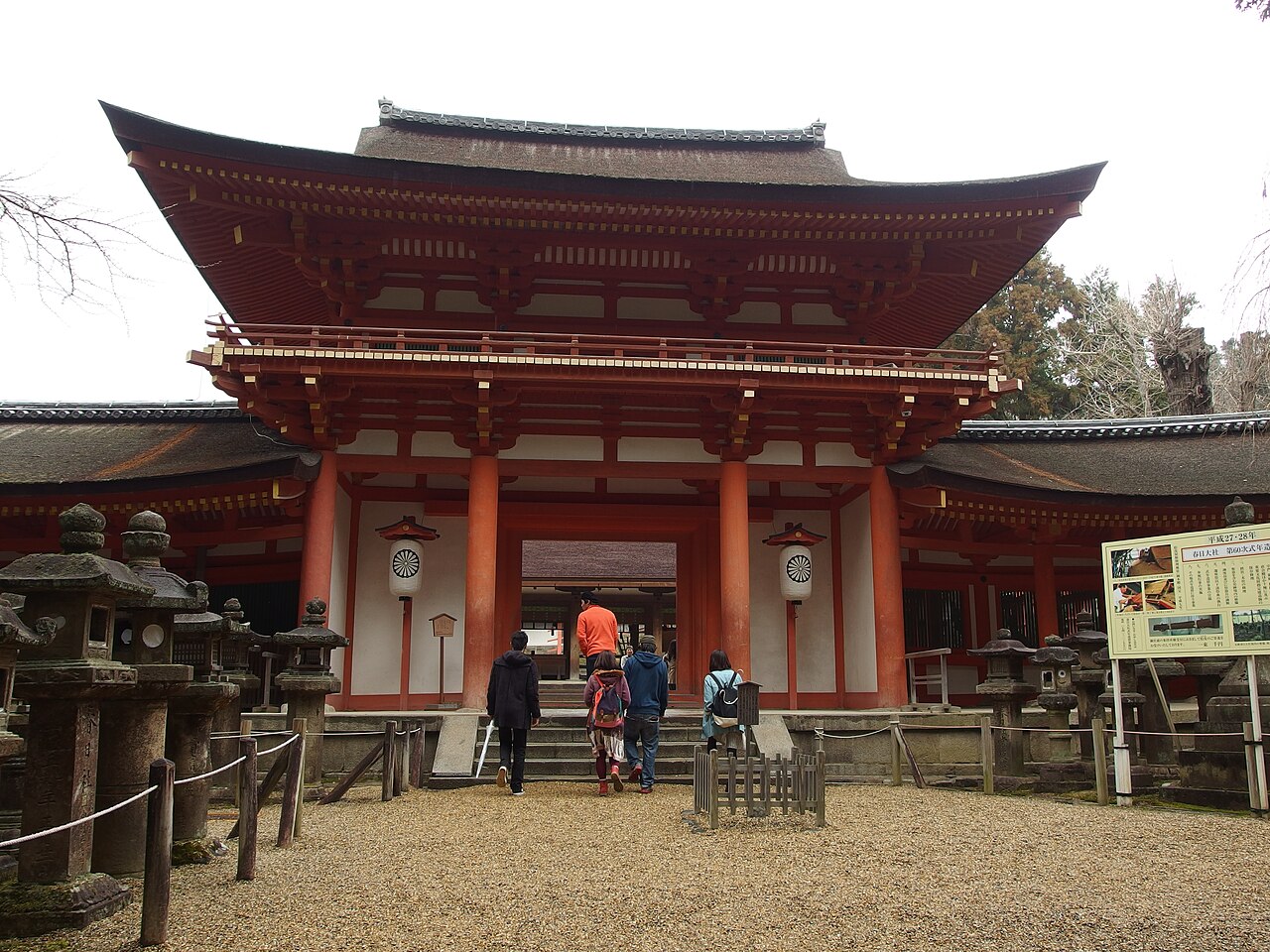
In the Heian centuries the kami and the buddhas were not rivals but partners. Shrines housed sutra readings, temples enshrined kami as their protectors, and the doctrine of honji suijaku taught that the kami are the local traces of universal buddhas, manifest in Japan to save its people. This fusion, shinbutsu-shūgō, was the ordinary religion of Japan for a thousand years: a villager saw no seam where later ages would insist on cutting one, and the great shrine-temples, like Kasuga with its temple Kōfukuji, embodied the union.

Heian-kyō

Medieval Schools

1435-1511

Yoshida Kanetomo

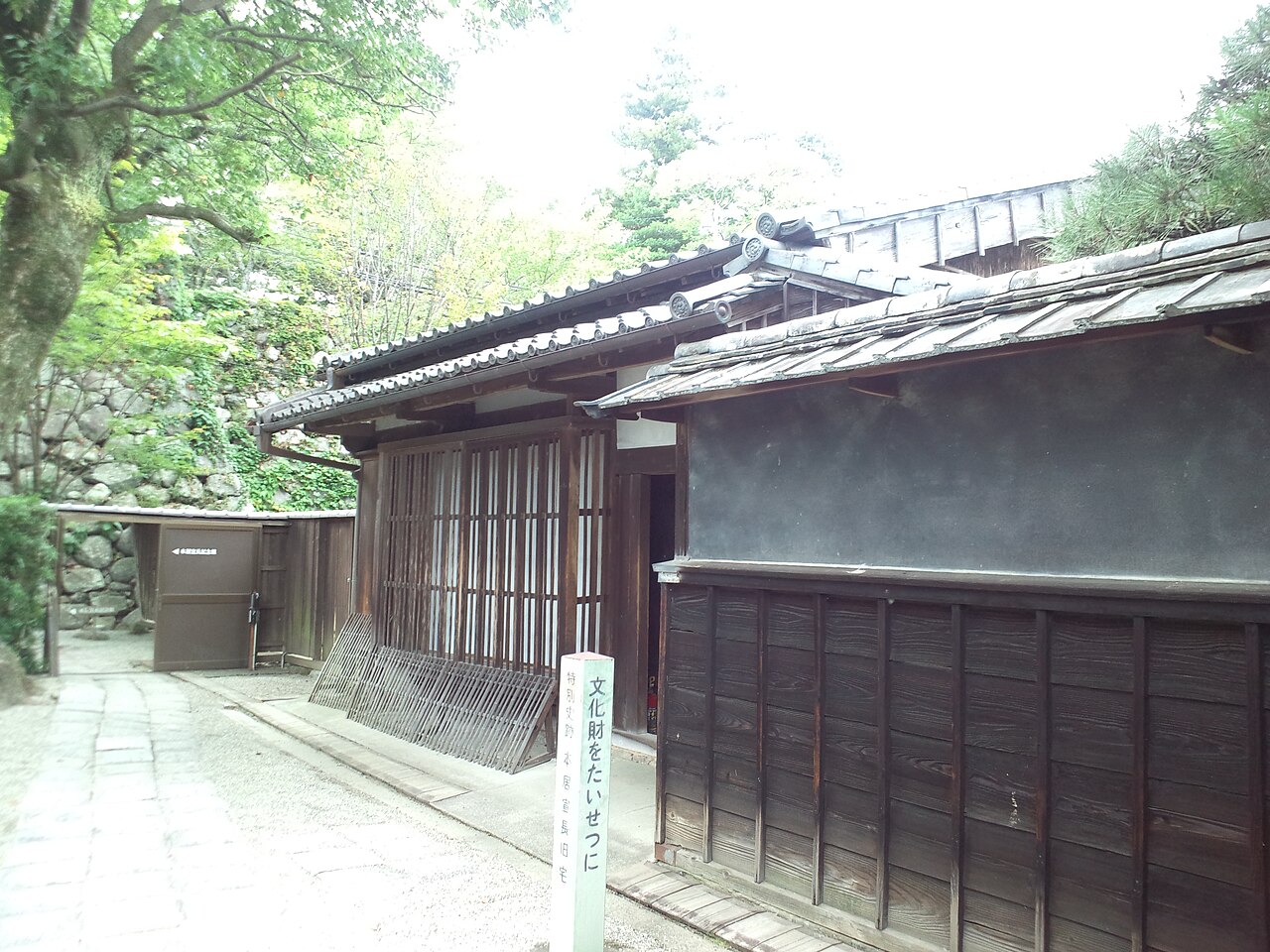
Yoshida Kanetomo, of the hereditary divination house that served the court, did something no one had done: he presented Shinto as a system with its own doctrines, lineage, and initiations, equal to Buddhism and Confucianism and prior to both. His One-and-Only Shinto inverted the old fusion, teaching that the kami are the original ground and the buddhas their traces. From his base at the Yoshida Shrine in Kyoto his house claimed authority over shrines across the country, licensing their priests for two centuries.

Kyoto

Edo and Kokugaku

1603-1868

Edo period

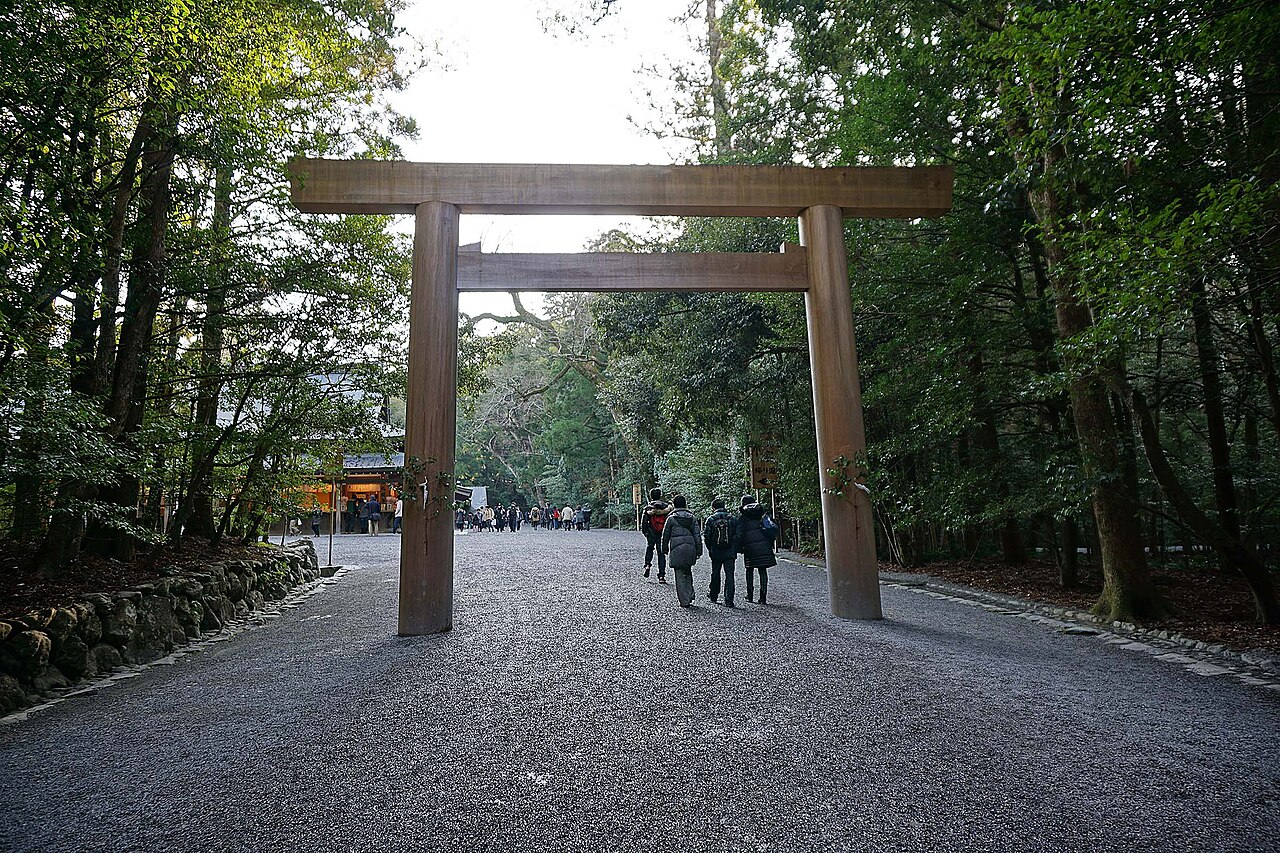
Under the Tokugawa shogunate the shrines lived inside a settled order. The shogunate issued regulations for shrines and priests in 1665, the Yoshida and Shirakawa houses competed to license the country's shrines, and the great cults drew mass pilgrimages: to Ise above all, where in peak years millions walked to the shrine of Amaterasu in carnival journeys the authorities could barely contain. Thinkers of the age, from Yamazaki Ansai to the Mito historians, gave the kami new philosophical and national meanings.

Edo
1730-1801

Motoori Norinaga

Motoori Norinaga, a physician of Matsusaka, spent thirty years on his Kojiki-den, a commentary in forty-four books that read the Kojiki against every Chinese and Buddhist overlay and recovered, he held, the pure Way of the Kami beneath: an order in which the emperors descend from Amaterasu and Japan's way needs no foreign doctrine. His National Learning, Kokugaku, taught readers to hear the ancient text's heart, and his students carried his reverence and his philology into the movements that remade Japan in the next century.

Matsusaka, Ise Province

Meiji and State Shinto

1868

Shinbutsu bunri

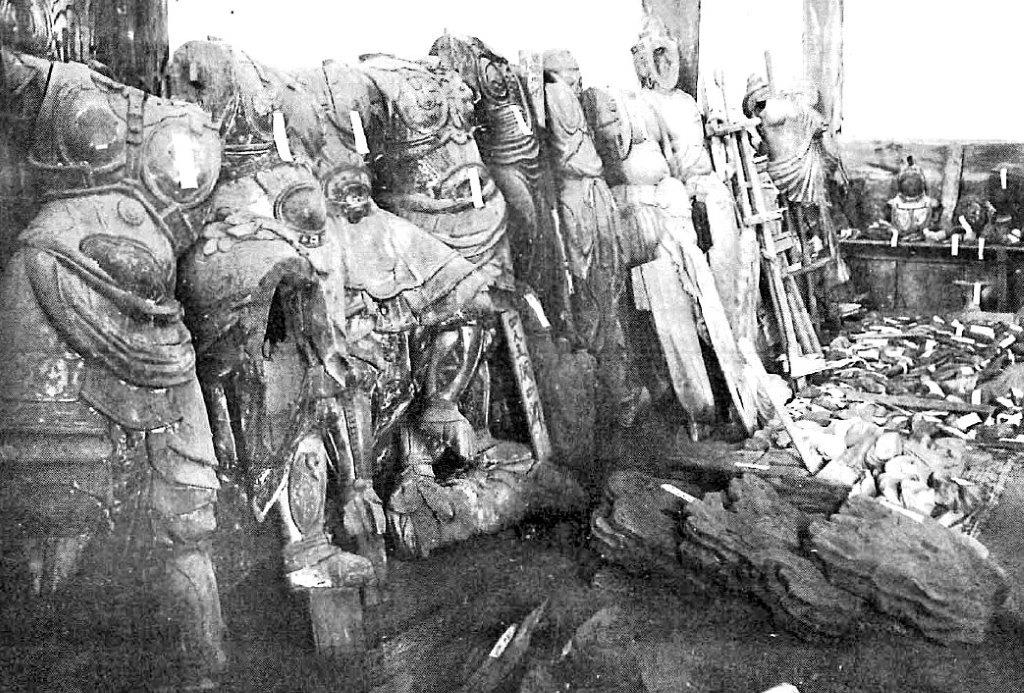
In the first months of the Meiji restoration the new government ordered the separation of the kami from the buddhas: shinbutsu bunri. Buddhist images were removed from shrines, shrine priests who were also monks were laicized, and a thousand years of fusion was undone by decree. In places the order lit a fuse: crowds and local officials destroyed temples, statues, and sutras in the haibutsu kishaku violence. The separation created "Shinto" as a distinct religion in law, at the cost of a heritage the country could not recover.

Japan
1868-1945

State Shinto

From 1868 to 1945 the Japanese state built the shrines into an apparatus of loyalty. Shrines were ranked, funded, and inspected by the state; schoolchildren bowed toward the imperial palace and the portrait of the emperor; the great shrines taught reverence for the imperial line descended from Amaterasu as a civic duty above religion, binding subjects of every faith. Historians call the system State Shinto: not a church but a machinery of sacred patriotism, with the shrines as its local organs in every village and city.

Japan
1871

Shrine registration system

In 1871 the government proclaimed a national ranking of shrines, from the imperial and national shrines at the top through prefectural and district grades down to the village shrine, and placed them all under state supervision. Registration made every shrine legible to the bureaucracy: its rank set its funding, its priests' standing, and its place in the ceremonial order. The system completed the separation's work, turning a landscape of local cults into a single administered hierarchy headed by Ise.

Japan
1889

Meiji Constitution

The Constitution of the Empire of Japan, promulgated in 1889, declared the emperor sacred and inviolable, of a line unbroken for ages eternal, and granted subjects a qualified freedom of religious belief within limits not prejudicial to peace and order. Together the two clauses held the settlement of the age: the imperial cult stood above religion as the state's sacred ground, while religions as such were tolerated beneath it. The Imperial Rescript on Education of the following year carried the same teaching into every school.

Tokyo

Postwar Jinja Shinto

1945

Shinto Directive

On 15 December 1945 the Allied occupation issued the Shinto Directive, abolishing every state support, supervision, and privilege of the shrines and barring the teaching of the imperial cult in schools. State Shinto ended by order, as it had been built by order. The shrines lost their funding and their public status in a day, and became what the postwar constitution would confirm them to be: private religious bodies, free of the state and cut off from it, to live on the offerings of their parishioners.

Tokyo
1951

Jinja Honchō established

The Association of Shinto Shrines, Jinja Honchō, was formed in 1946 from the shrine world's own wartime bodies to represent the shrines in their new private standing, and by 1951, as the occupation drew to its end, it stood established as the national body of some eighty thousand shrines. From its office near Yoyogi it trains and certifies priests, publishes the shrines' teaching, and speaks for Jinja Shinto to the state and the public, while each member shrine keeps its own rites, its own kami, and its own parishioners.

Tokyo
1990s-present

Shrine culture revival

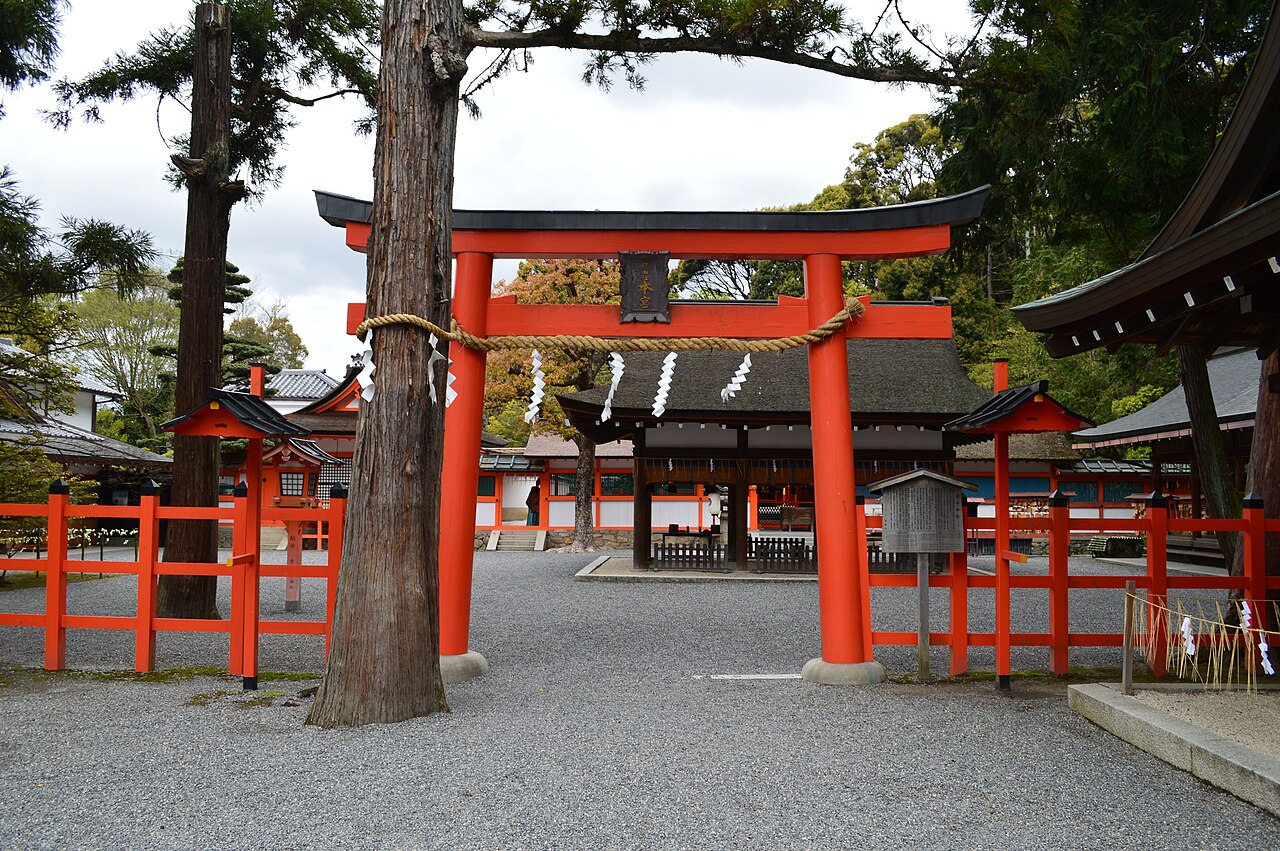
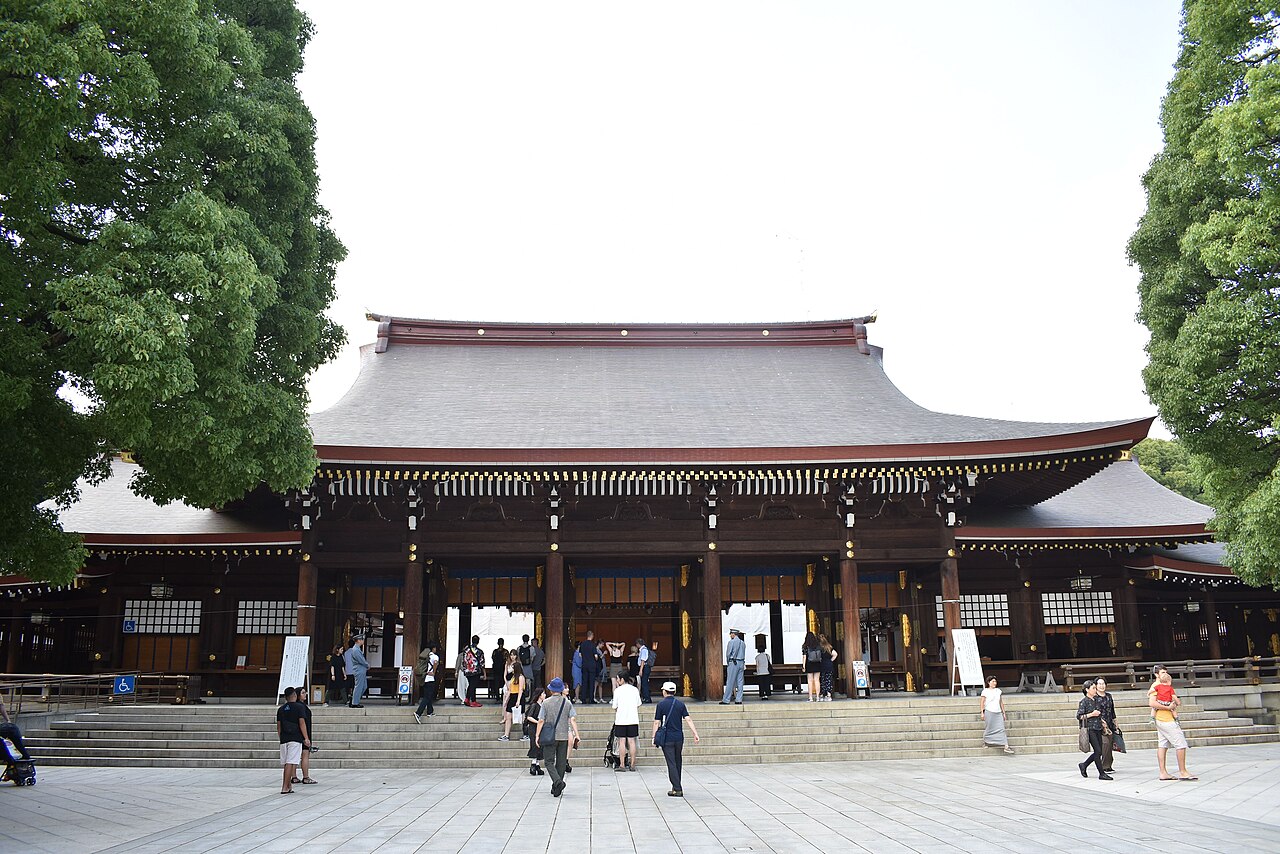
From the 1990s the shrines found new publics. Young visitors came in growing numbers for festivals, for the calligraphy of shrine stamps collected in goshuin books, for weddings and blessings in shrine form, and for the forests and festivals of local shrines newly valued as heritage. Jinja Honchō promoted the shrine as the heart of its community, and the rebuilding of shrine halls and the return of lapsed festivals marked the decade. The revival is cultural before it is doctrinal: the kami are honoured as the form of belonging itself.

Japan