

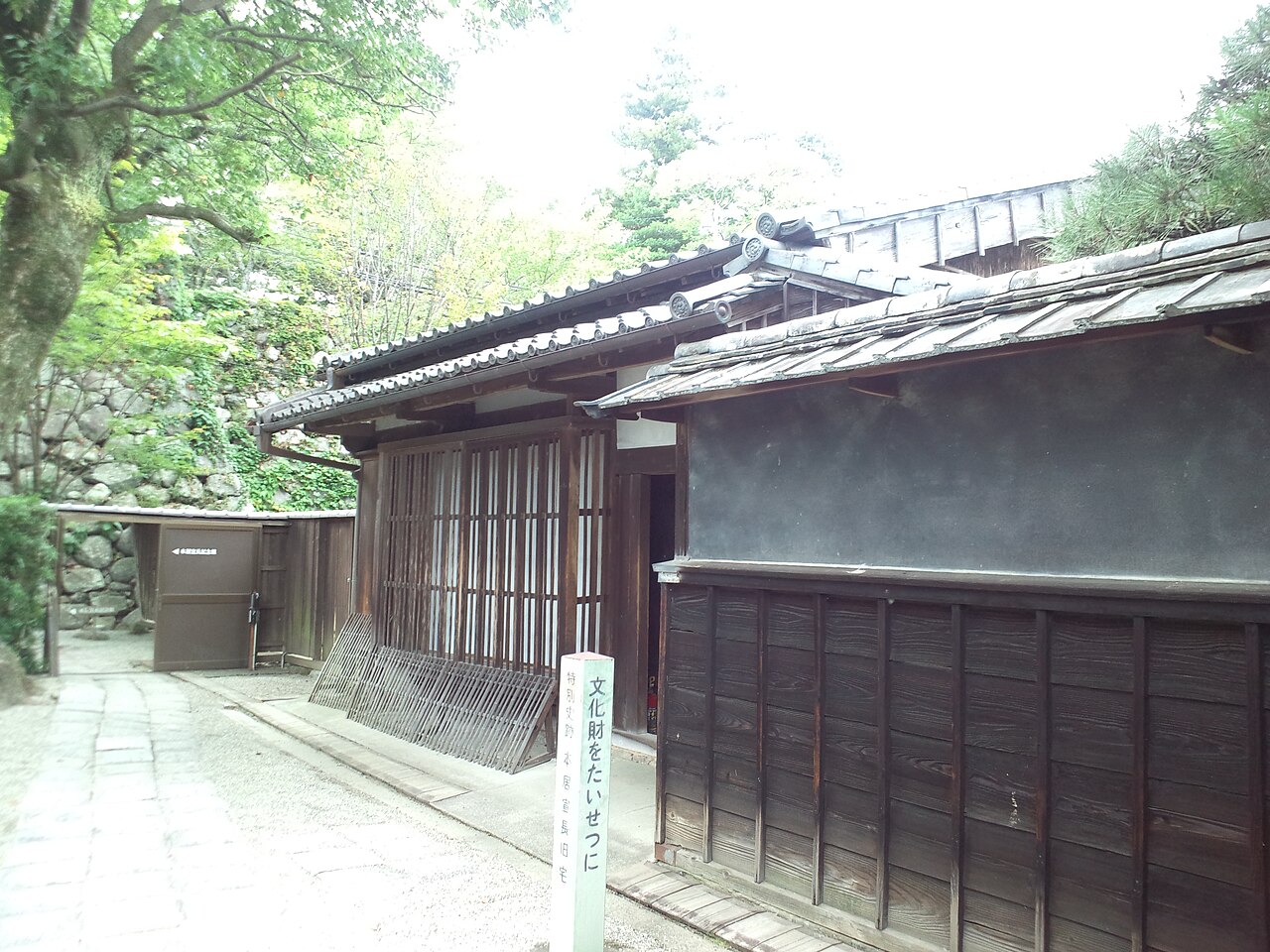
Motoori Norinaga, a physician of Matsusaka, spent thirty years on his Kojiki-den, a commentary in forty-four books that read the Kojiki against every Chinese and Buddhist overlay and recovered, he held, the pure Way of the Kami beneath: an order in which the emperors descend from Amaterasu and Japan's way needs no foreign doctrine. His National Learning, Kokugaku, taught readers to hear the ancient text's heart, and his students carried his reverence and his philology into the movements that remade Japan in the next century.
The Event
- Date
- 1730-1801 (exact)
- Also called
- the Kojiki-den
- Era
- Edo and Kokugaku; Standard periodization of Shinto history
- Location
- Matsusaka, Ise Province; today Matsusaka, Mie, Japan
- Traditions
- Shinto
- Streams
- Kokugaku
- Key figures
- Motoori Norinaga
- Key texts
- Kojiki-den
How the Tradition Tells It
Kokugaku divided against itself after Motoori: his student Hirata Atsutane carried the teaching toward a populist faith in the kami and the unseen world that Motoori's philology had not taught. What later ages call Motoori's legacy contains both the scholar's study and the movement that outran it.
Primary Sources
- Motoori Norinaga, Kojiki-den.
Secondary Sources
- Hardacre, Helen. Shinto: A History. Oxford University Press, 2017.
- Breen, John, and Mark Teeuwen. A New History of Shinto. Wiley-Blackwell, 2010.
Provenance: HIST-0909; confidence 0.95; accessed 2026-10-28.
Related on This Site
 Calendar Event
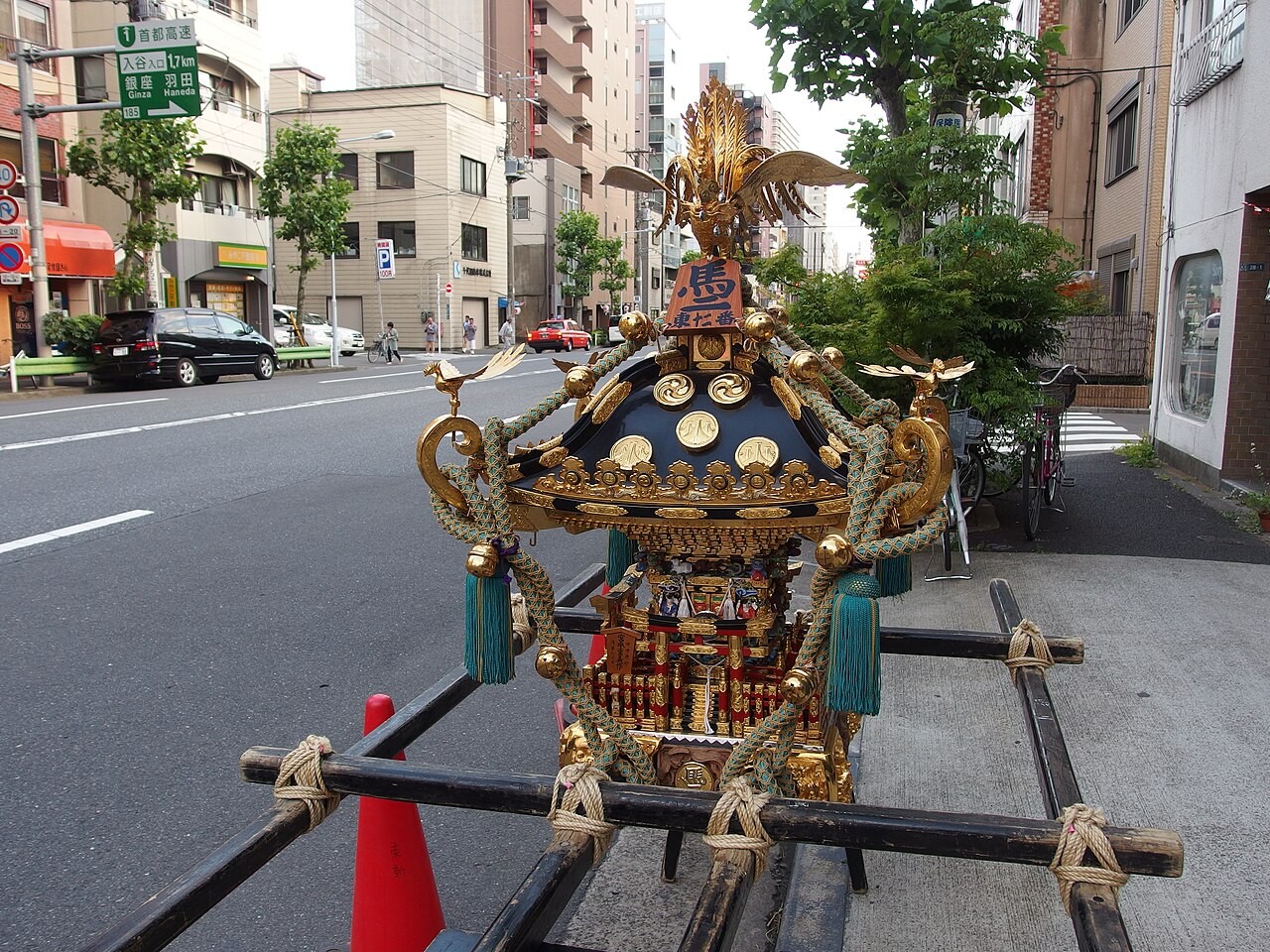
Sanja Matsuri
Tokyo's largest Shinto festival; Asakusa Shrine.
 Devotion
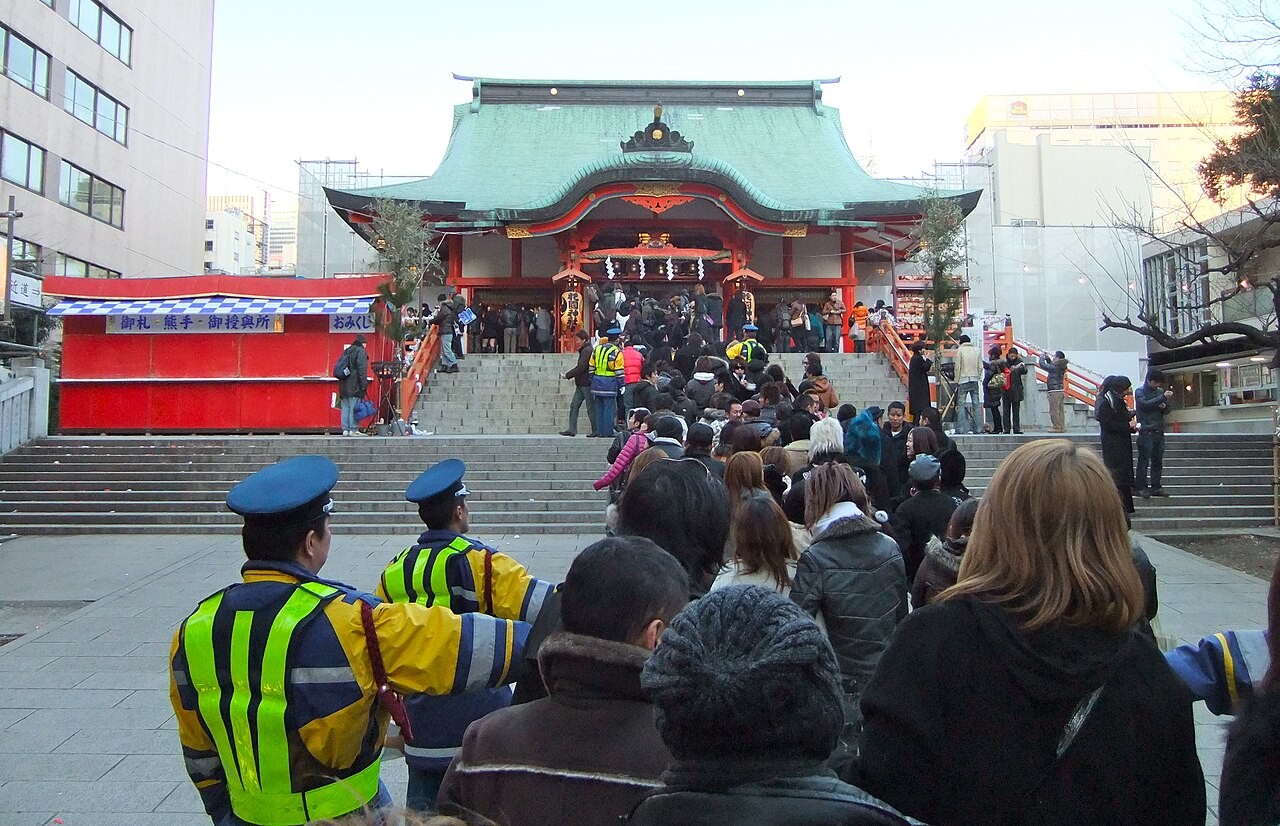
Jinja Mairi; Visiting the Shrine
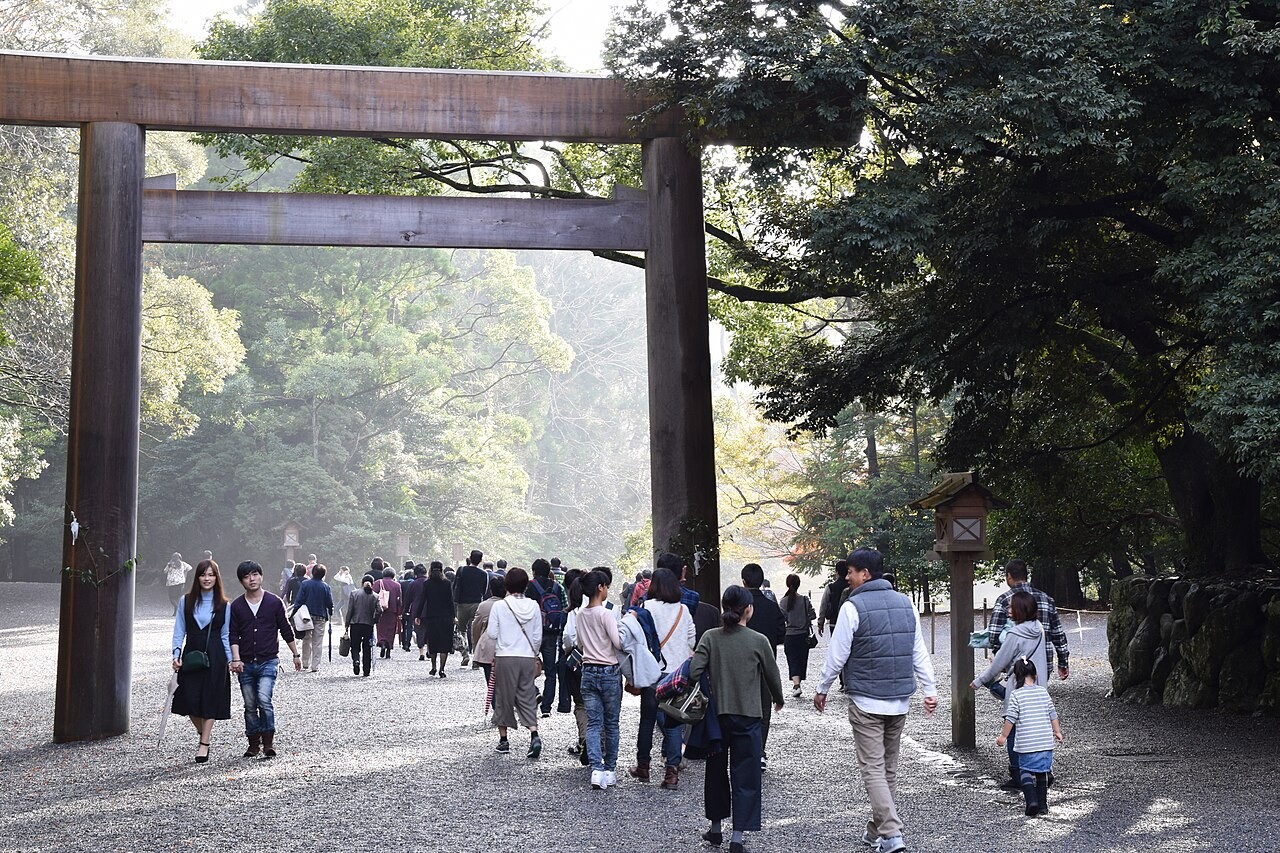
To visit a shrine is to call on the kami of the place: through the torii, up the gravel path, to the offering box, the bell, two bows, two claps, one bow.
 Devotion
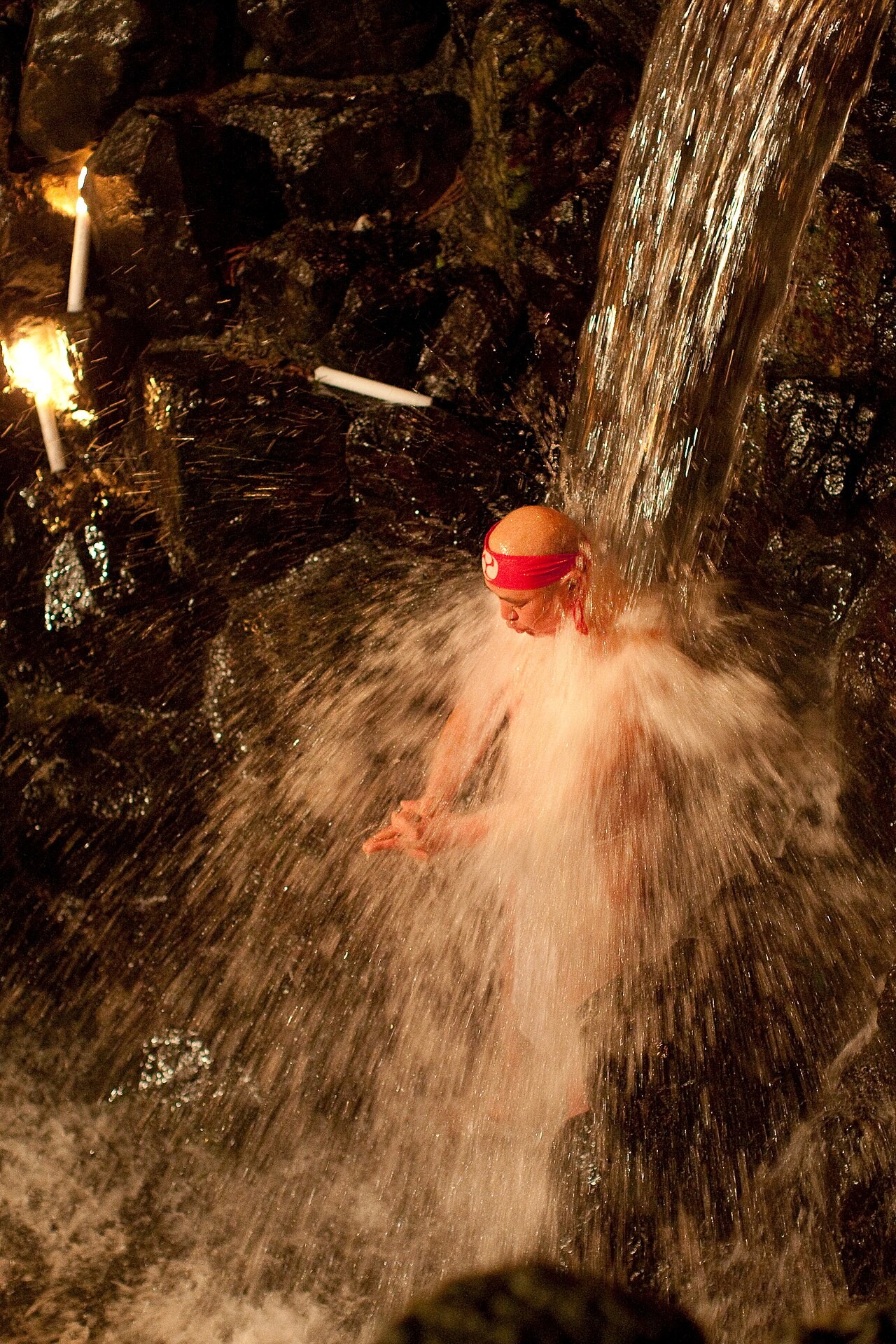
Misogi; Purification by Water
Standing under a waterfall, or in the sea or a river at dawn, the practitioner lets cold water carry away pollution: Shinto's most austere devotion.
 Devotion
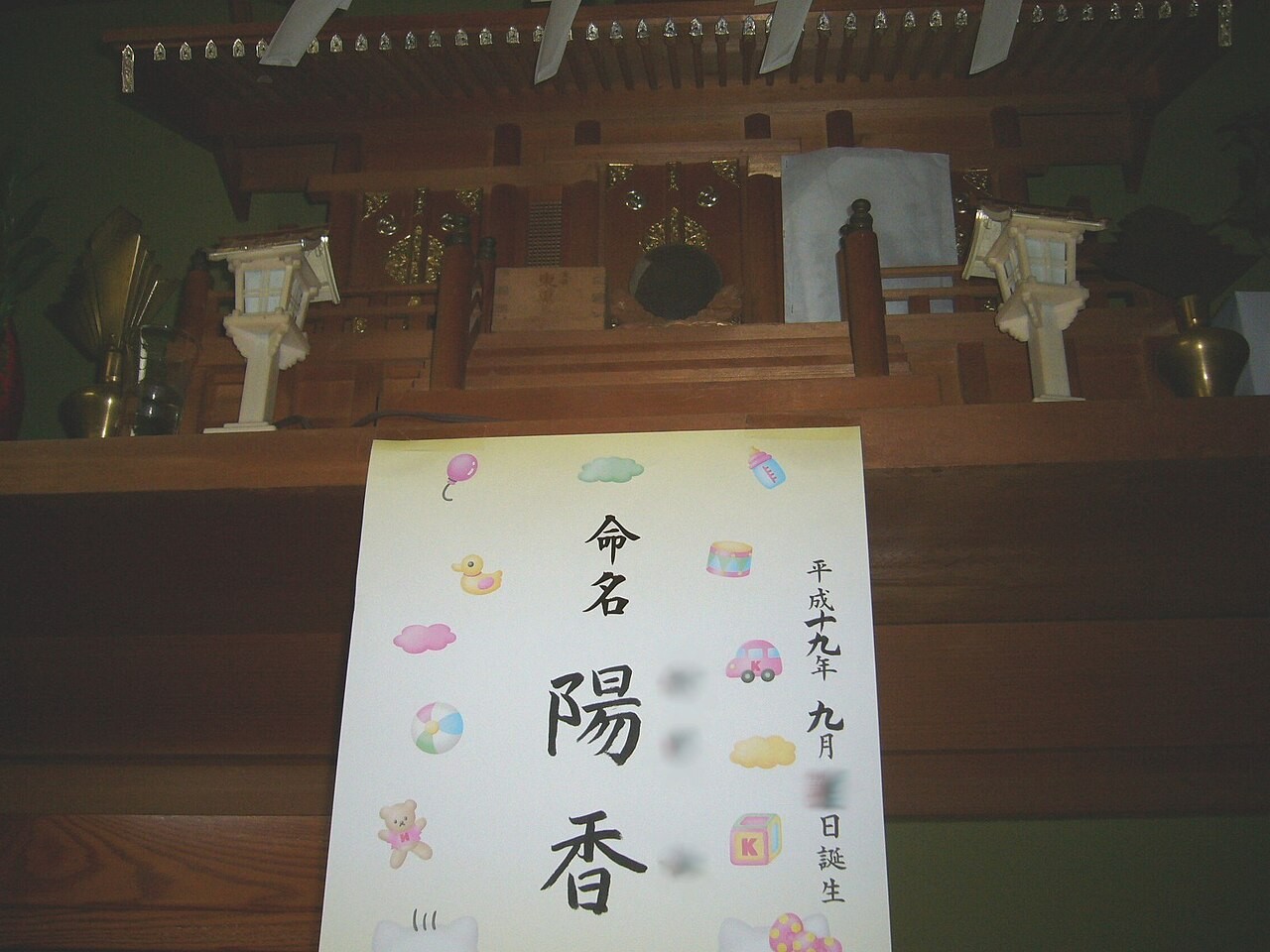
The Kamidana; Household Altar
High on a wall of the home sits a miniature shrine: each morning it receives fresh water, rice, salt, and a bowed head with two claps.
 Language
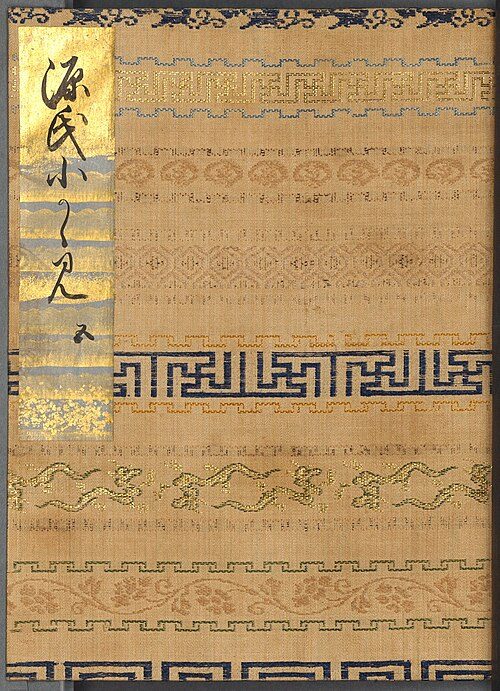
Classical Japanese
The classical written language of Japan, in which the norito prayers and the early chronicles are composed.
 Prayer or Creed
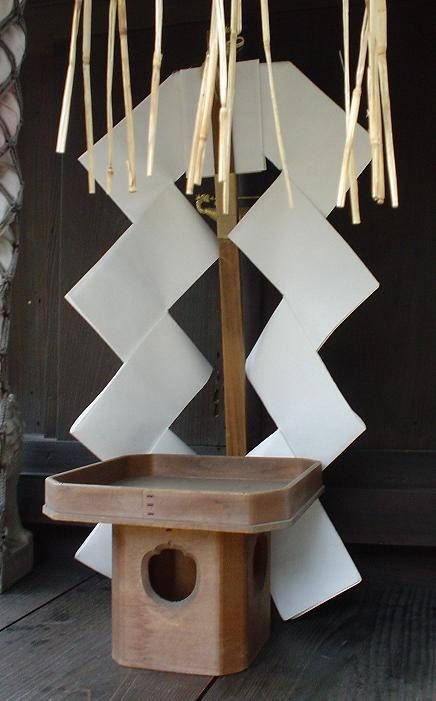
Norito
Formal ritual prayers in classical Japanese, recited by priests to the kami at shrine festivals and rites.
 Technology
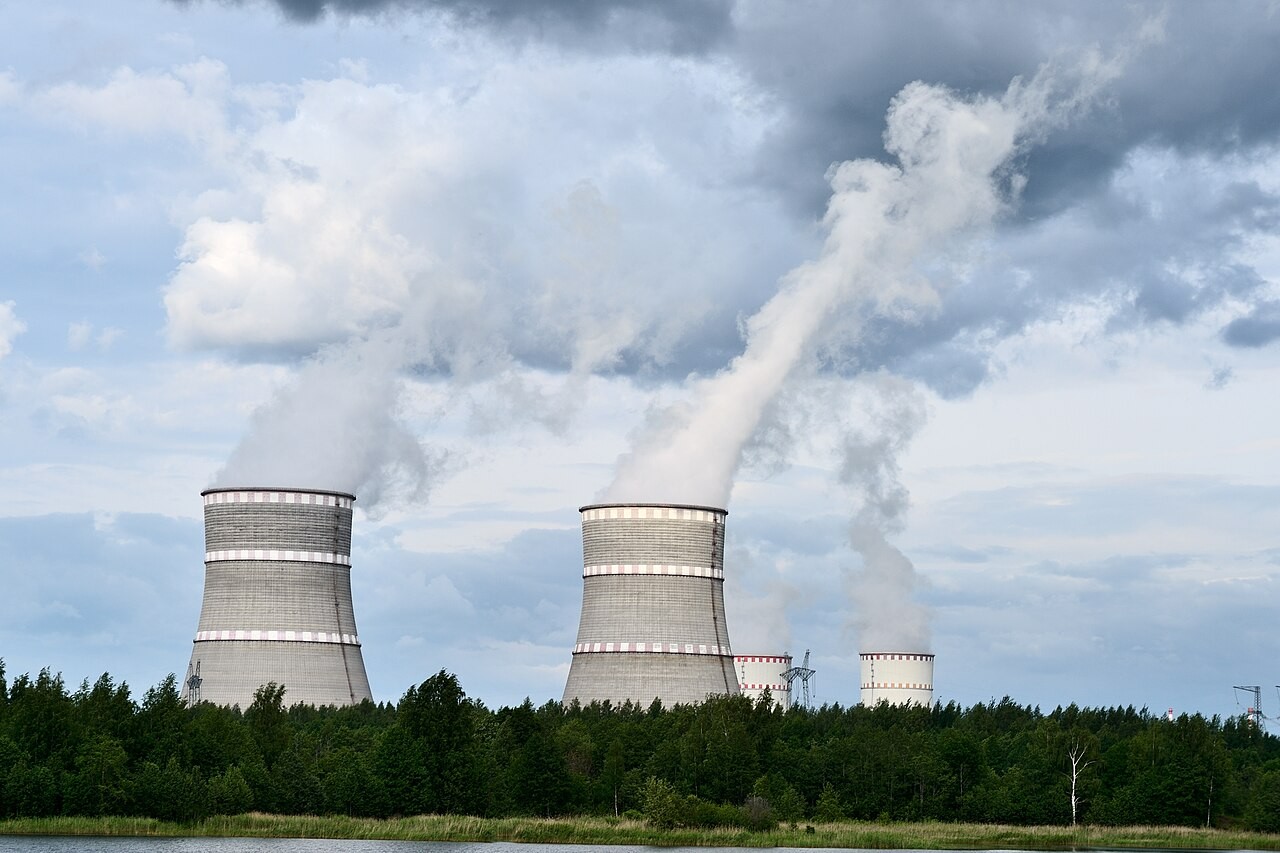
Nuclear power
The reactor judged apart from the bomb: prudence, waste, and descendants on one side of the ledger, decarbonization arithmetic on the other; and no magisterium with a binding word.
 Tradition & Science
Shinto
A tradition without a creed for science to contradict: kami in the landscape, a shrine rebuilt on schedule for thirteen centuries as a living school of craft, and modern flashpoints in nuclear pollution and the definition of death.