

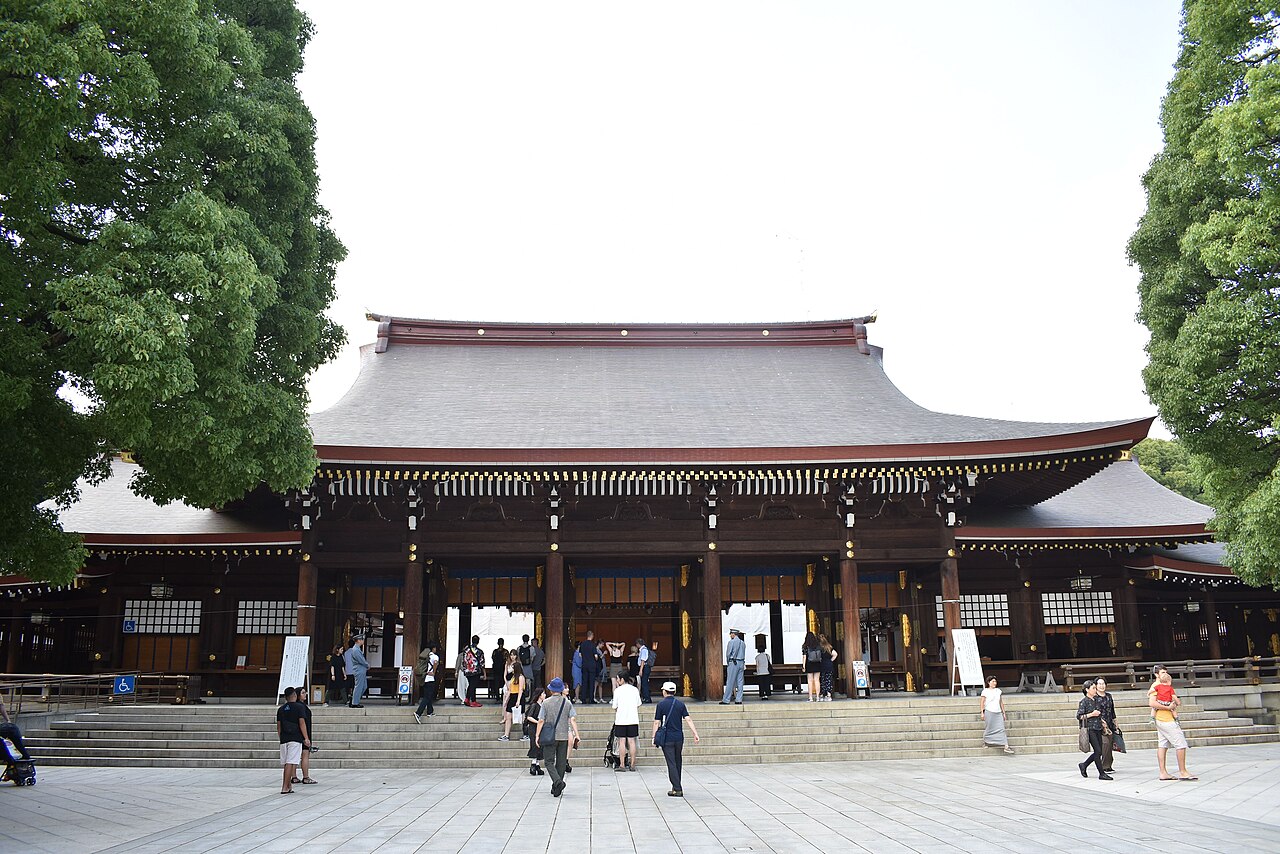
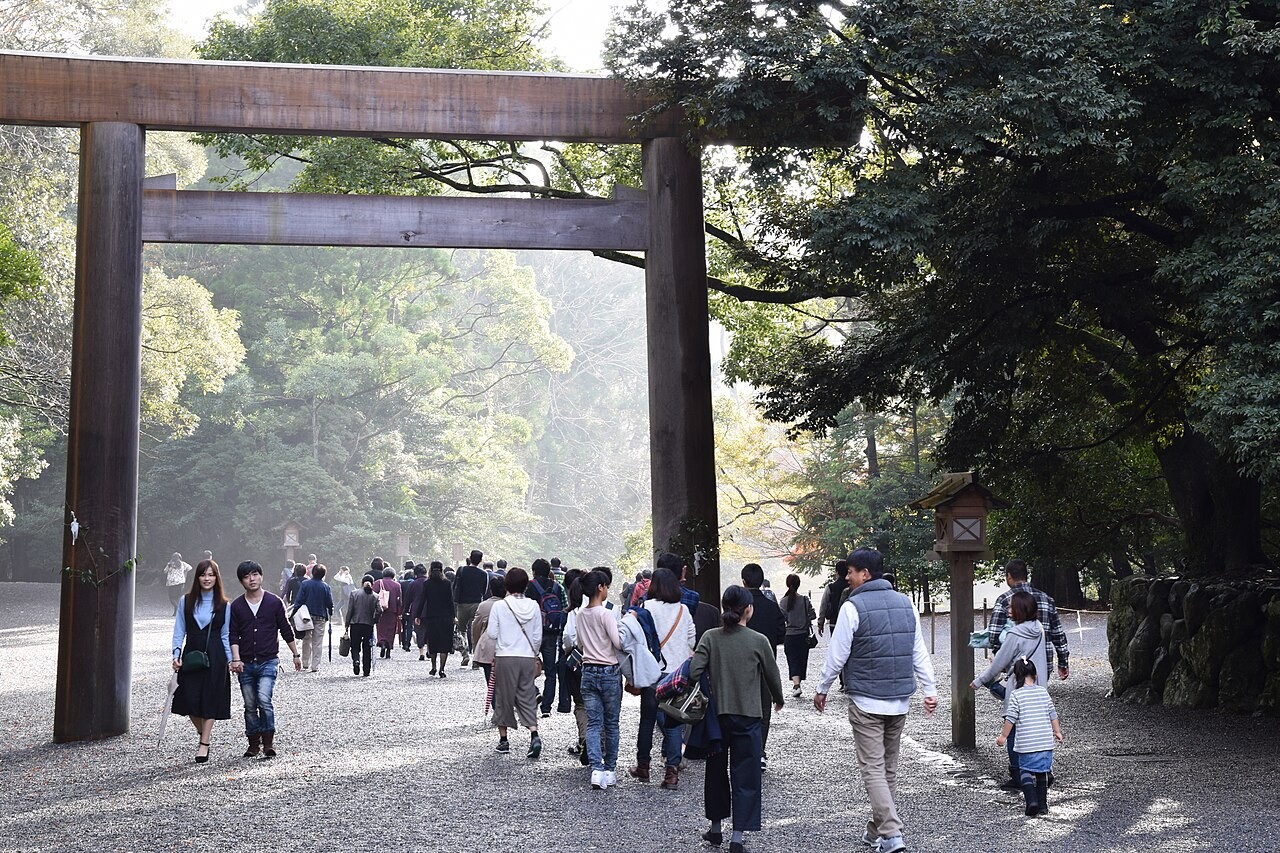
From 1868 to 1945 the Japanese state built the shrines into an apparatus of loyalty. Shrines were ranked, funded, and inspected by the state; schoolchildren bowed toward the imperial palace and the portrait of the emperor; the great shrines taught reverence for the imperial line descended from Amaterasu as a civic duty above religion, binding subjects of every faith. Historians call the system State Shinto: not a church but a machinery of sacred patriotism, with the shrines as its local organs in every village and city.
Tagged: Shinto State Shinto
The Event
- Date
- 1868-1945 (exact)
- Era
- Meiji and State Shinto; Standard periodization of Shinto history
- Location
- Japan; today Japan
- Traditions
- Shinto
- Streams
- State Shinto
How the Tradition Tells It
Scholars dispute the term itself: some hold that State Shinto names a real system of state ritual distinct from religion, others that shrine practice, imperial rites, and civic schooling were never one thing. The entry uses the term as the period's own machinery is usually described, while the dispute about its unity stands.
Connections
Primary Sources
- The records of the Bureau of Shrines.
Secondary Sources
- Hardacre, Helen. Shinto: A History. Oxford University Press, 2017.
- Breen, John, and Mark Teeuwen. A New History of Shinto. Wiley-Blackwell, 2010.
Provenance: HIST-0911; confidence 0.95; accessed 2026-10-28.
Related on This Site
 History Event
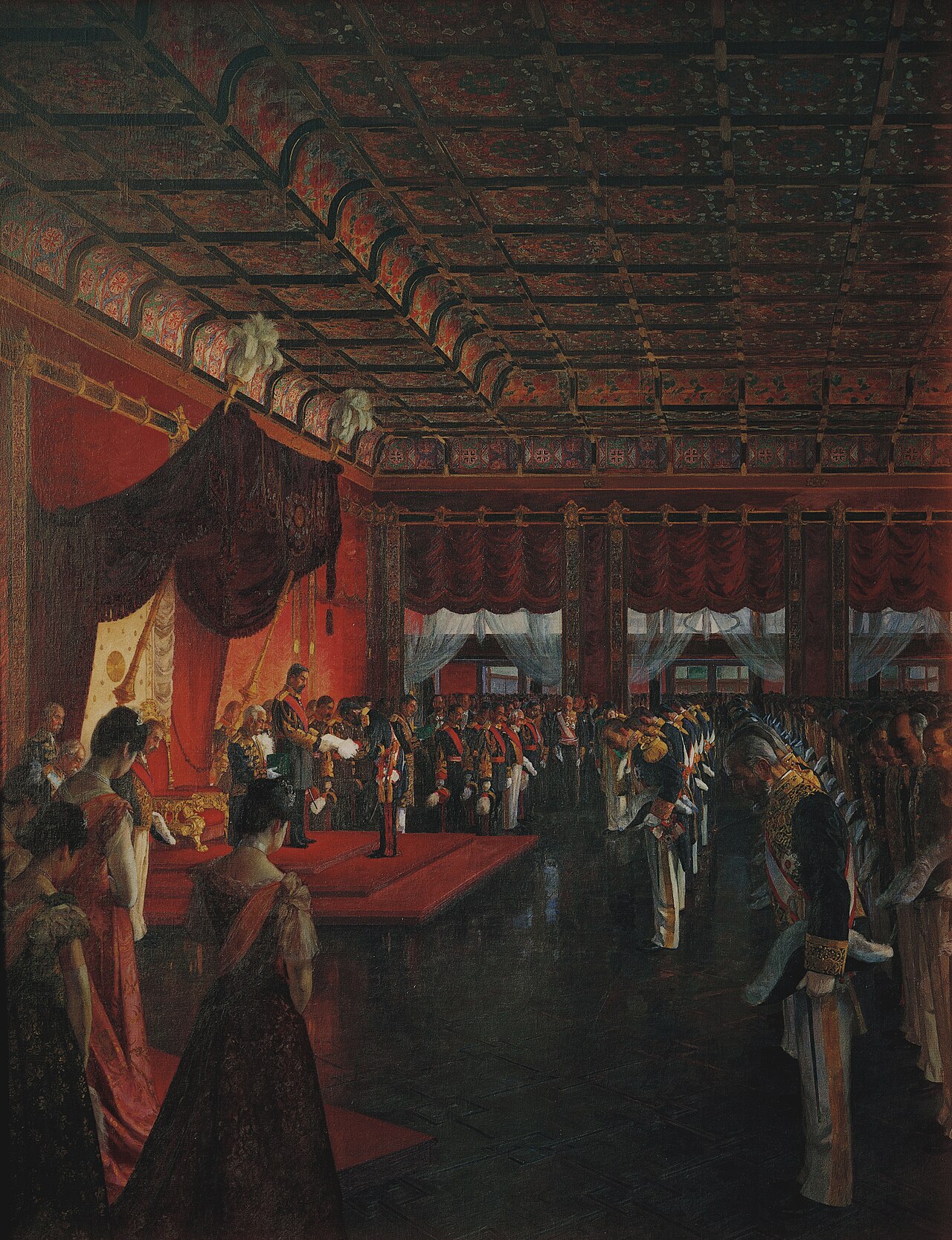
Meiji Constitution
1889
 History Event
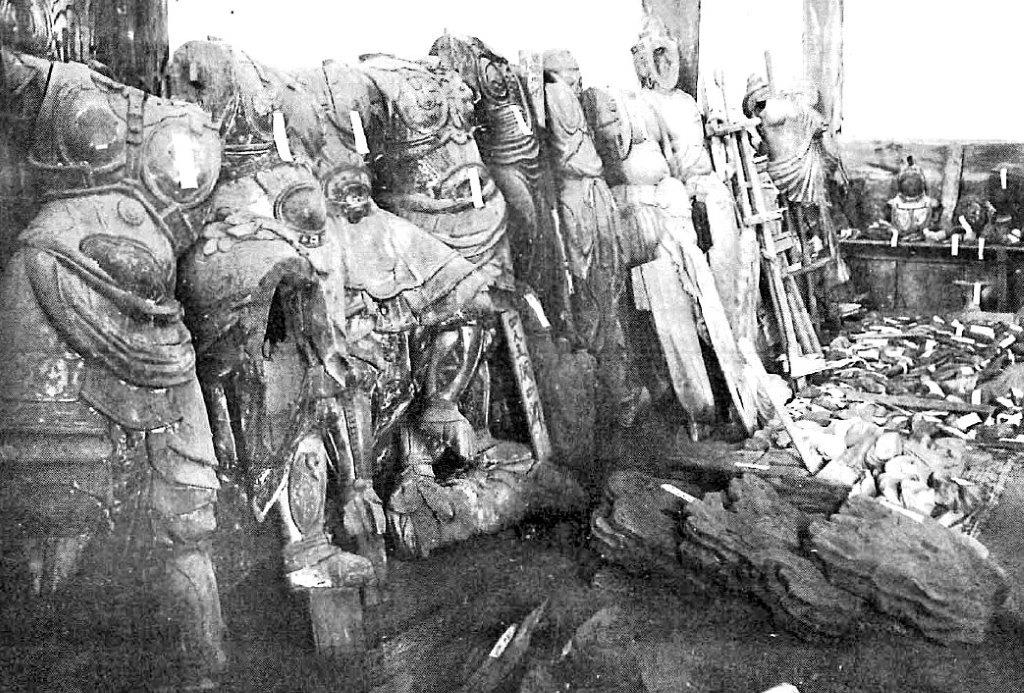
Shinbutsu bunri
1868
 History Event
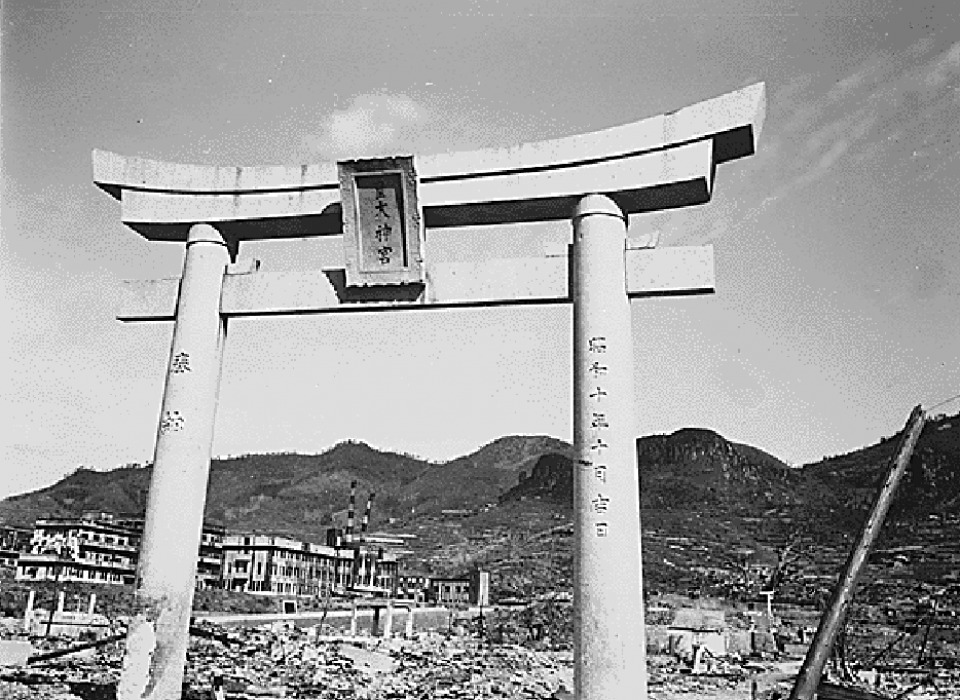
Shinto Directive
1945
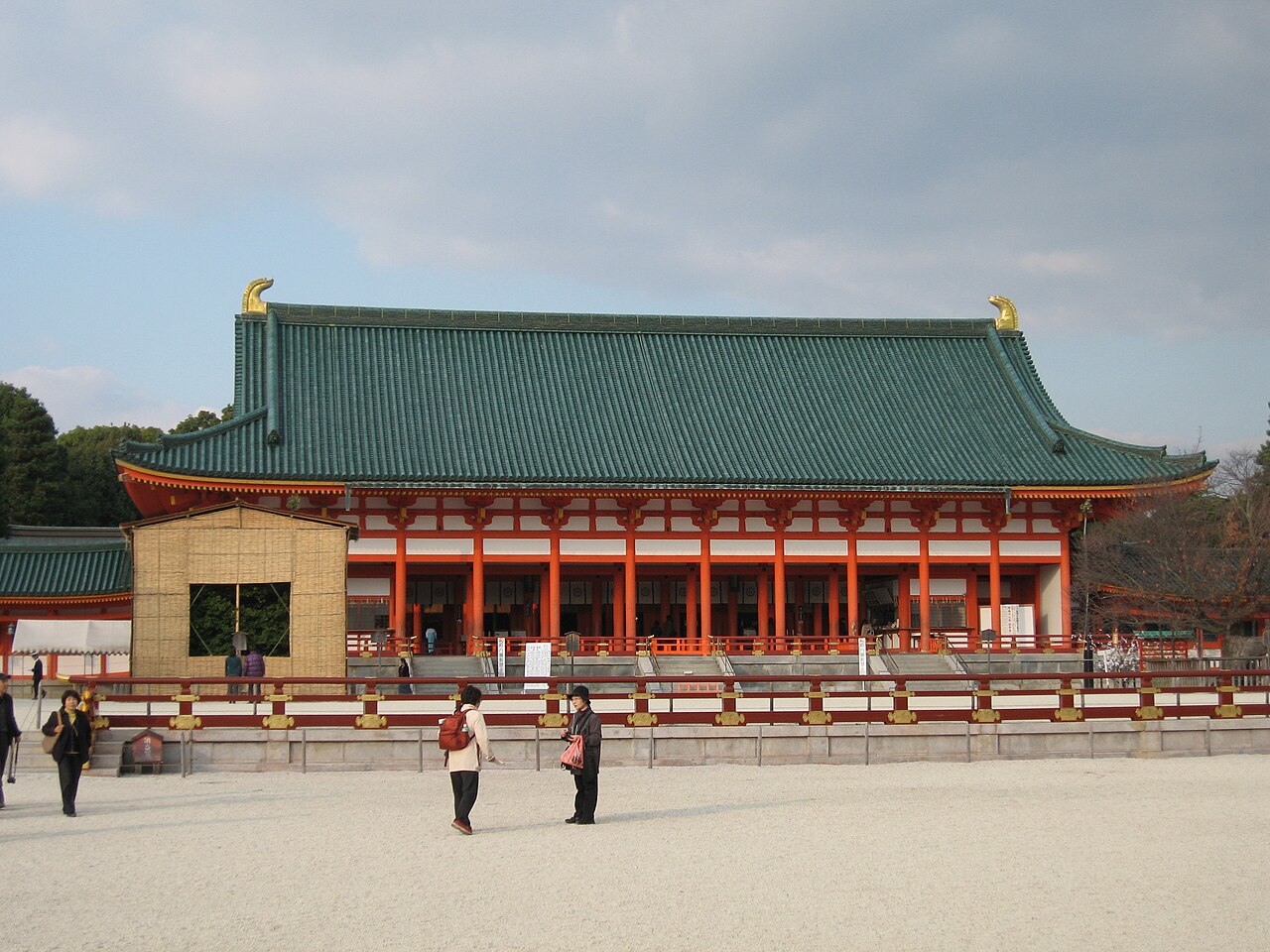 History Event
Shrine registration system
1871
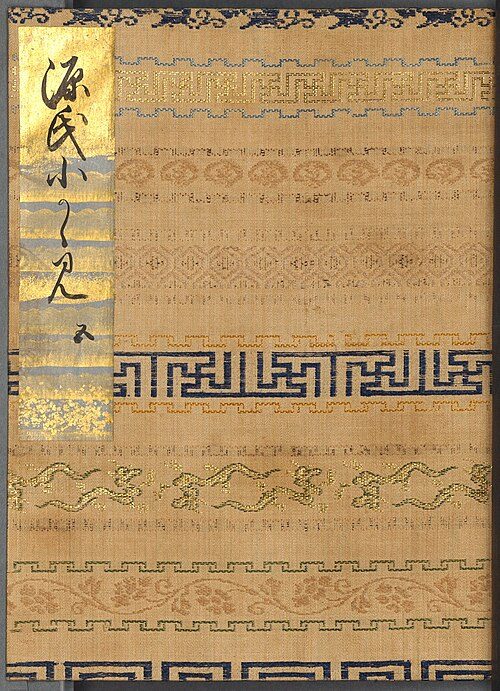 Language
Classical Japanese
The classical written language of Japan, in which the norito prayers and the early chronicles are composed.
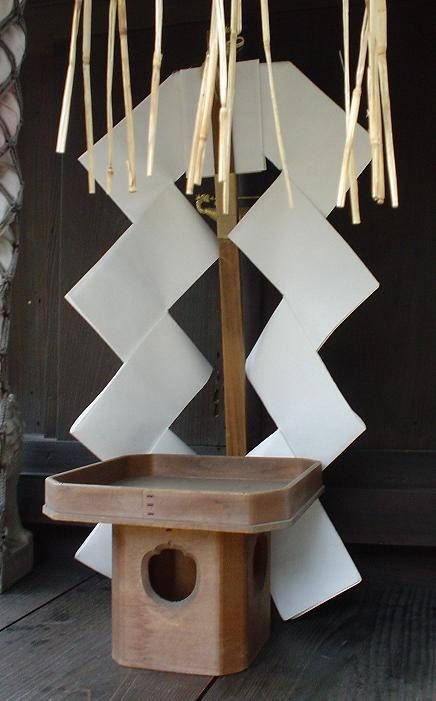 Prayer or Creed
Norito
Formal ritual prayers in classical Japanese, recited by priests to the kami at shrine festivals and rites.
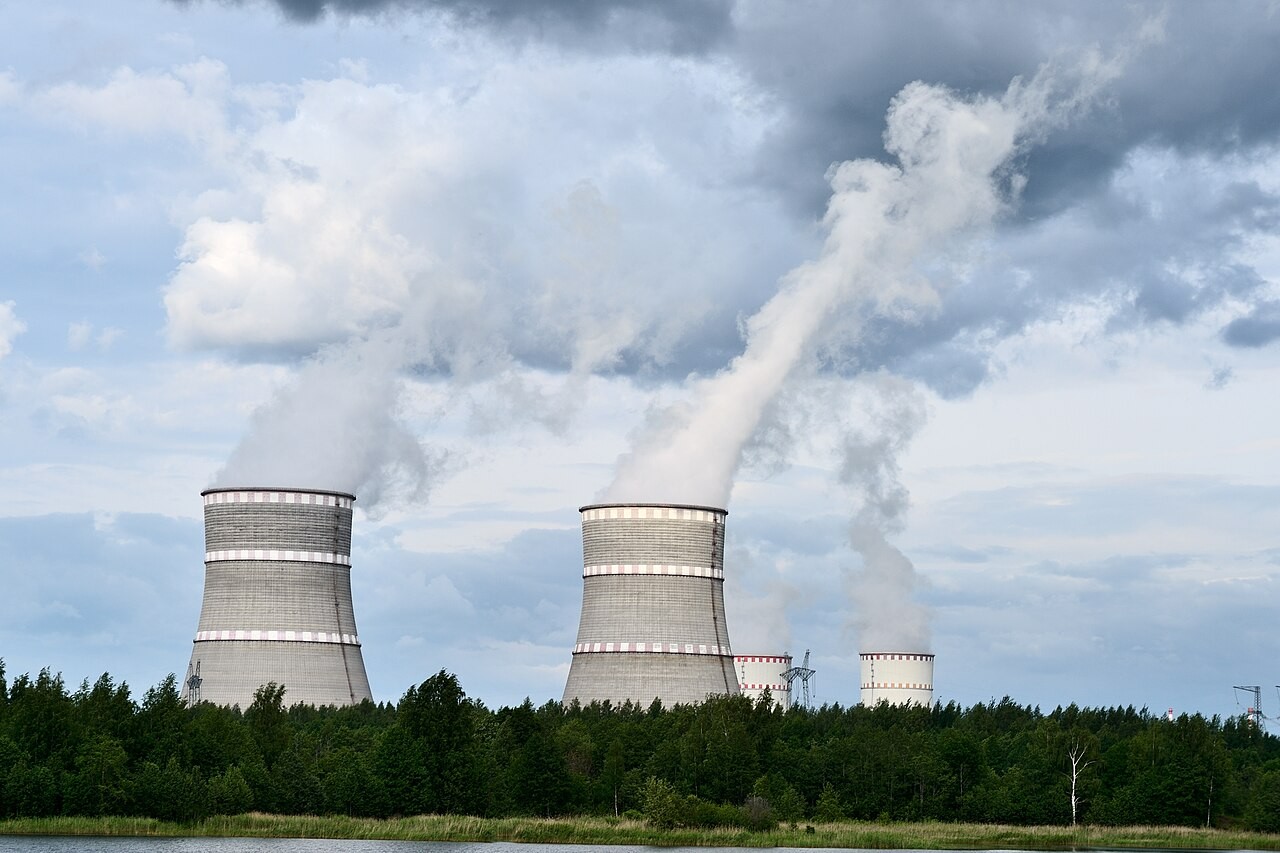 Technology
Nuclear power
The reactor judged apart from the bomb: prudence, waste, and descendants on one side of the ledger, decarbonization arithmetic on the other; and no magisterium with a binding word.
 Tradition & Science
Shinto
A tradition without a creed for science to contradict: kami in the landscape, a shrine rebuilt on schedule for thirteen centuries as a living school of craft, and modern flashpoints in nuclear pollution and the definition of death.