

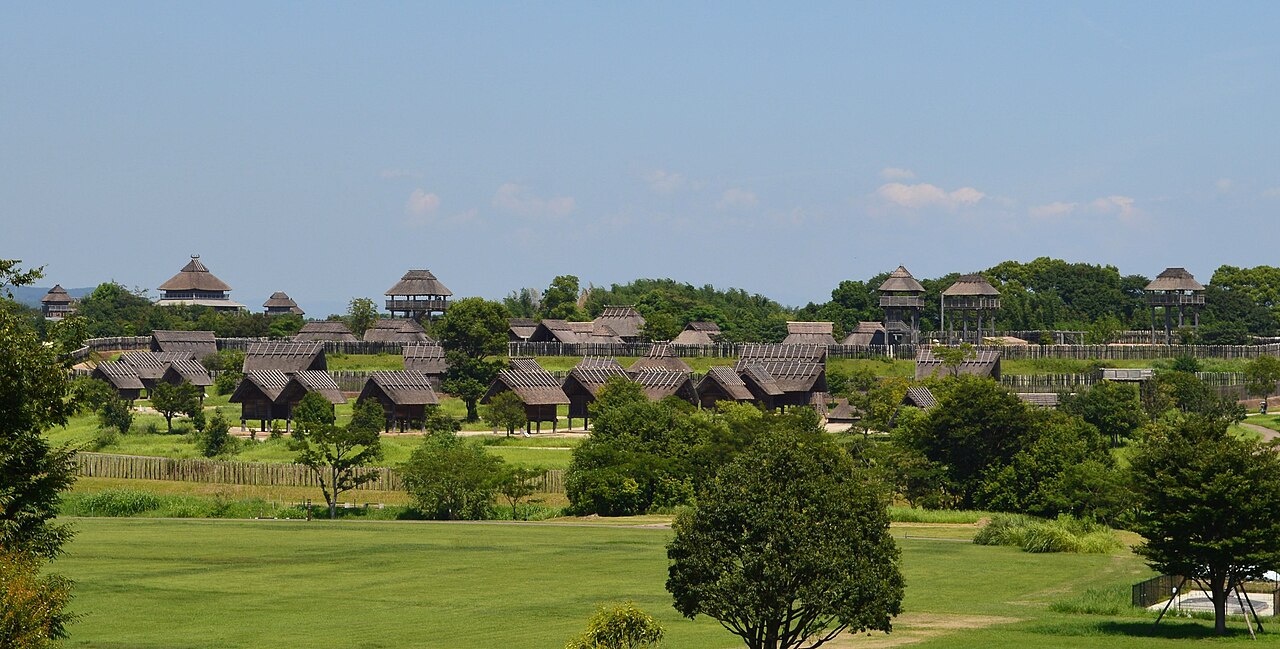
In the Yayoi centuries, as wet-rice farming spread through the archipelago, communities bound themselves to the kami of their places: spirits of mountains, groves, rice fields, and ancestors, honoured with offerings at marked ground long before shrine buildings existed. Ritual bronzes, sacred enclosures, and the great keyhole tombs that follow all carry the marks of this worship. There is no founder and no scripture here, only a people's sense that the world is inhabited and that the inhabitants are owed reverence.
Tagged: Folk Shinto Shinto
The Event
- Date
- c. 300 BCE-250 CE (approximate)
- Era
- Ancient Kami Worship; Standard periodization of Shinto history
- Location
- The Japanese archipelago; today Japan
- Traditions
- Shinto
- Streams
- Folk Shinto
How the Tradition Tells It
Nothing in the Yayoi record calls itself Shinto; the name and the self-conscious tradition are far later. The entry stands for the stratum the tradition itself claims as its root: local kami worship before states, texts, or shrines, continuous in folk practice to this day and never the whole of what Shinto became.
Primary Sources
- The Yayoi period archaeological record.
Secondary Sources
- Hardacre, Helen. Shinto: A History. Oxford University Press, 2017.
- Breen, John, and Mark Teeuwen. A New History of Shinto. Wiley-Blackwell, 2010.
Provenance: HIST-0901; confidence 0.85; accessed 2026-10-28.
Related on This Site
 Calendar Event
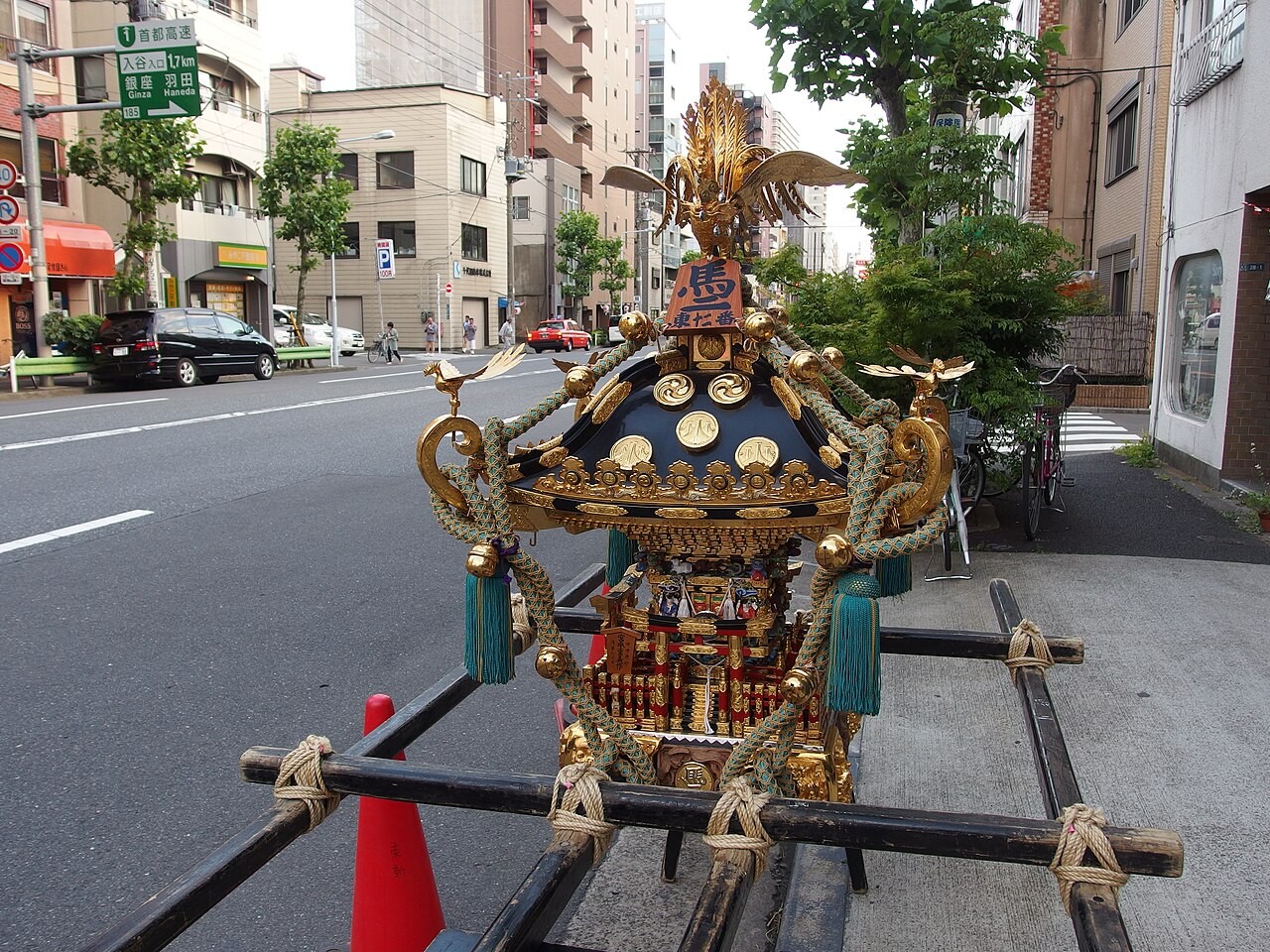
Sanja Matsuri
Tokyo's largest Shinto festival; Asakusa Shrine.
 Devotion
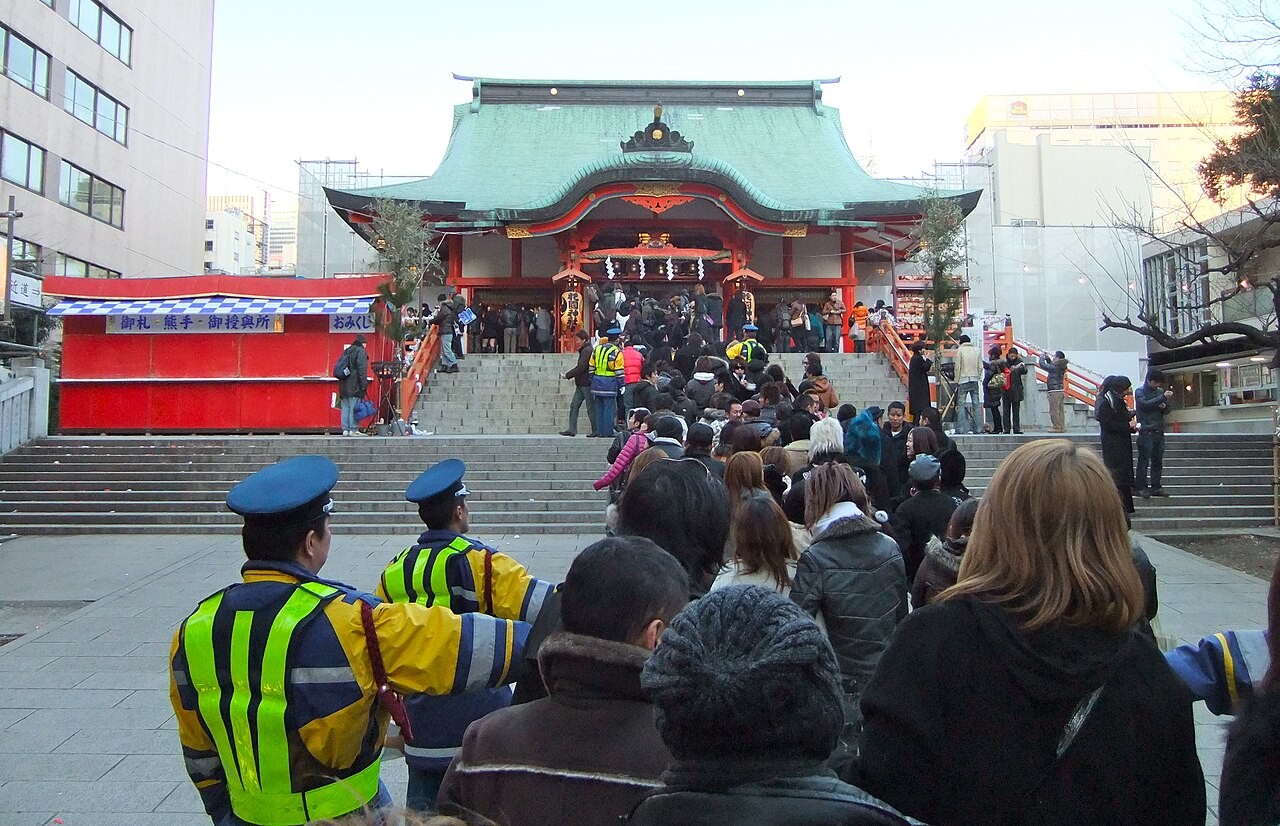
Jinja Mairi; Visiting the Shrine
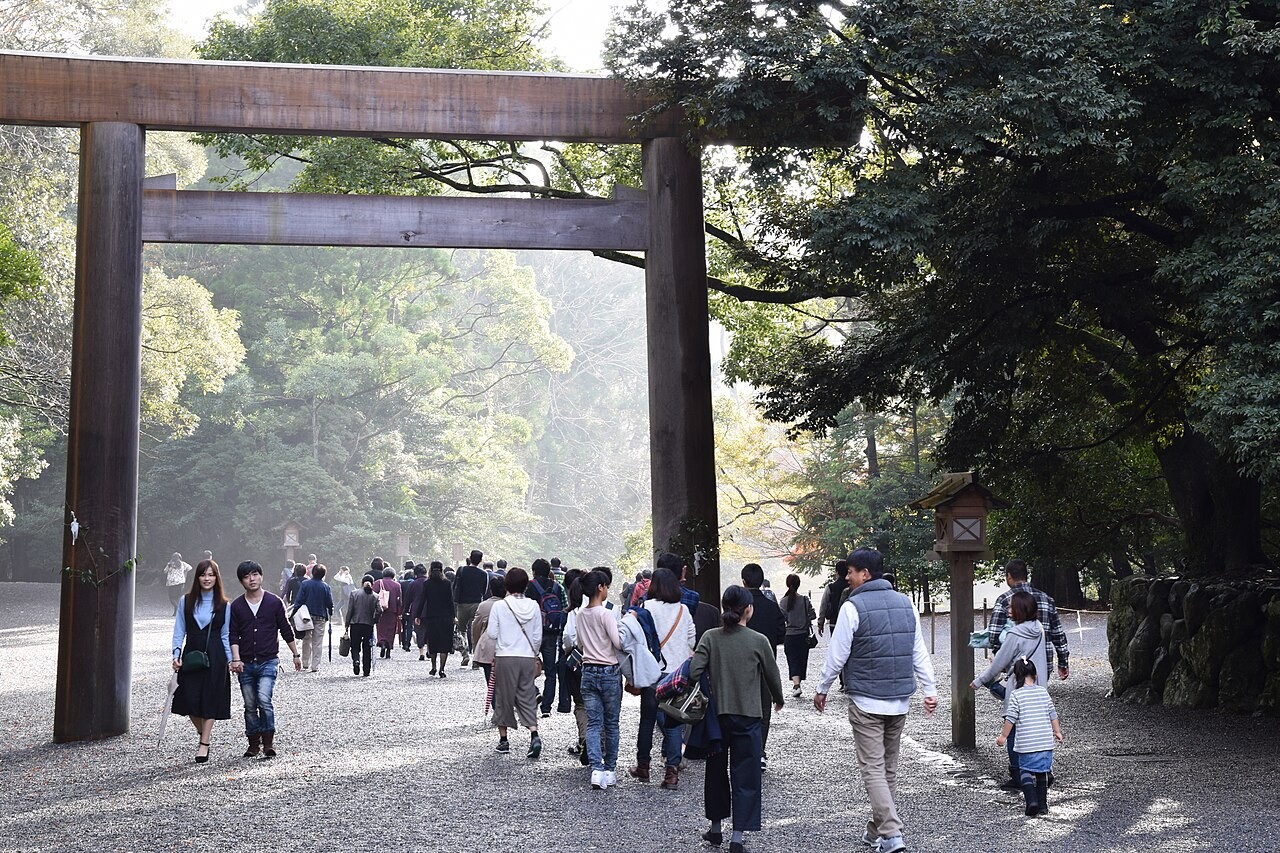
To visit a shrine is to call on the kami of the place: through the torii, up the gravel path, to the offering box, the bell, two bows, two claps, one bow.
 Devotion
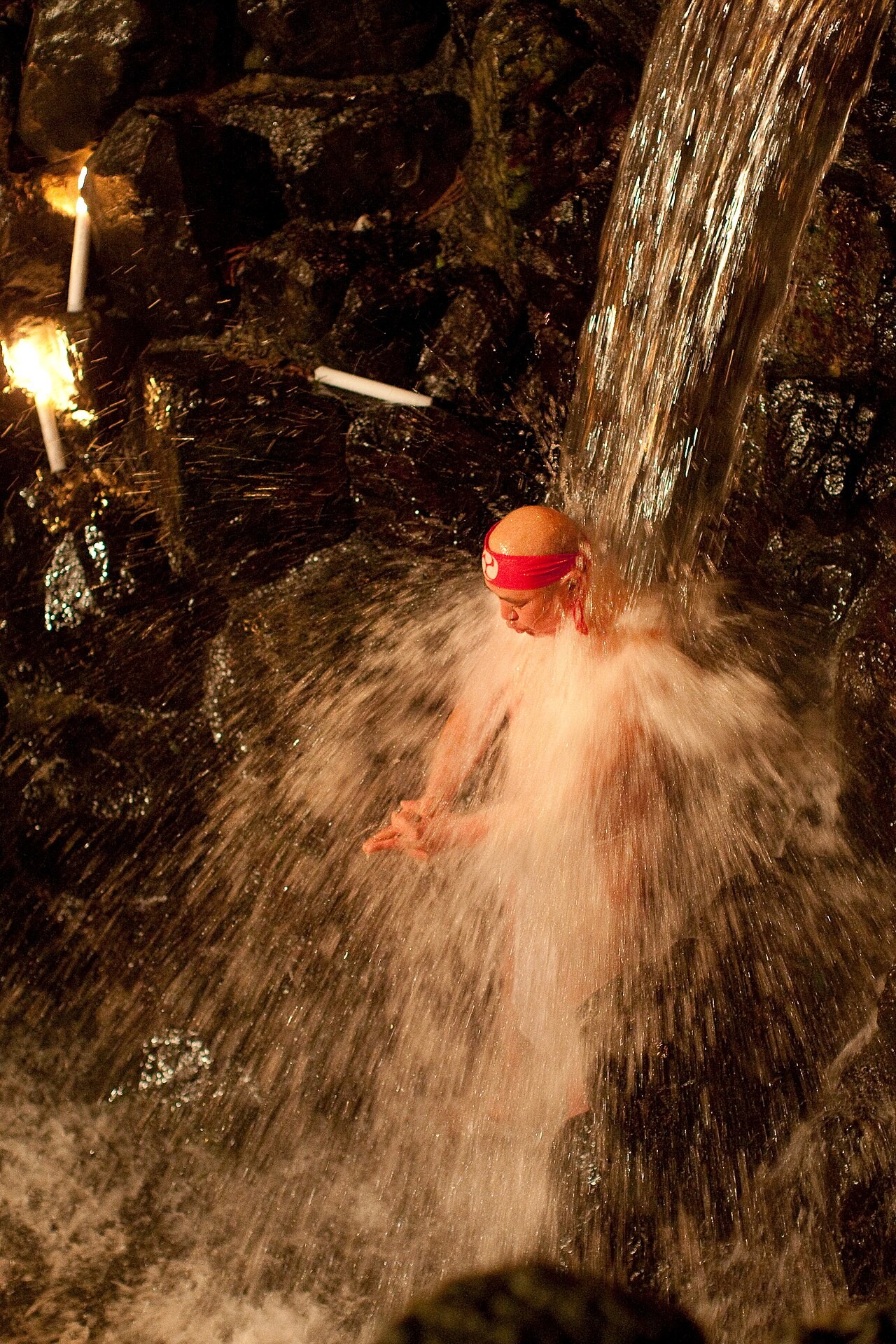
Misogi; Purification by Water
Standing under a waterfall, or in the sea or a river at dawn, the practitioner lets cold water carry away pollution: Shinto's most austere devotion.
 Devotion
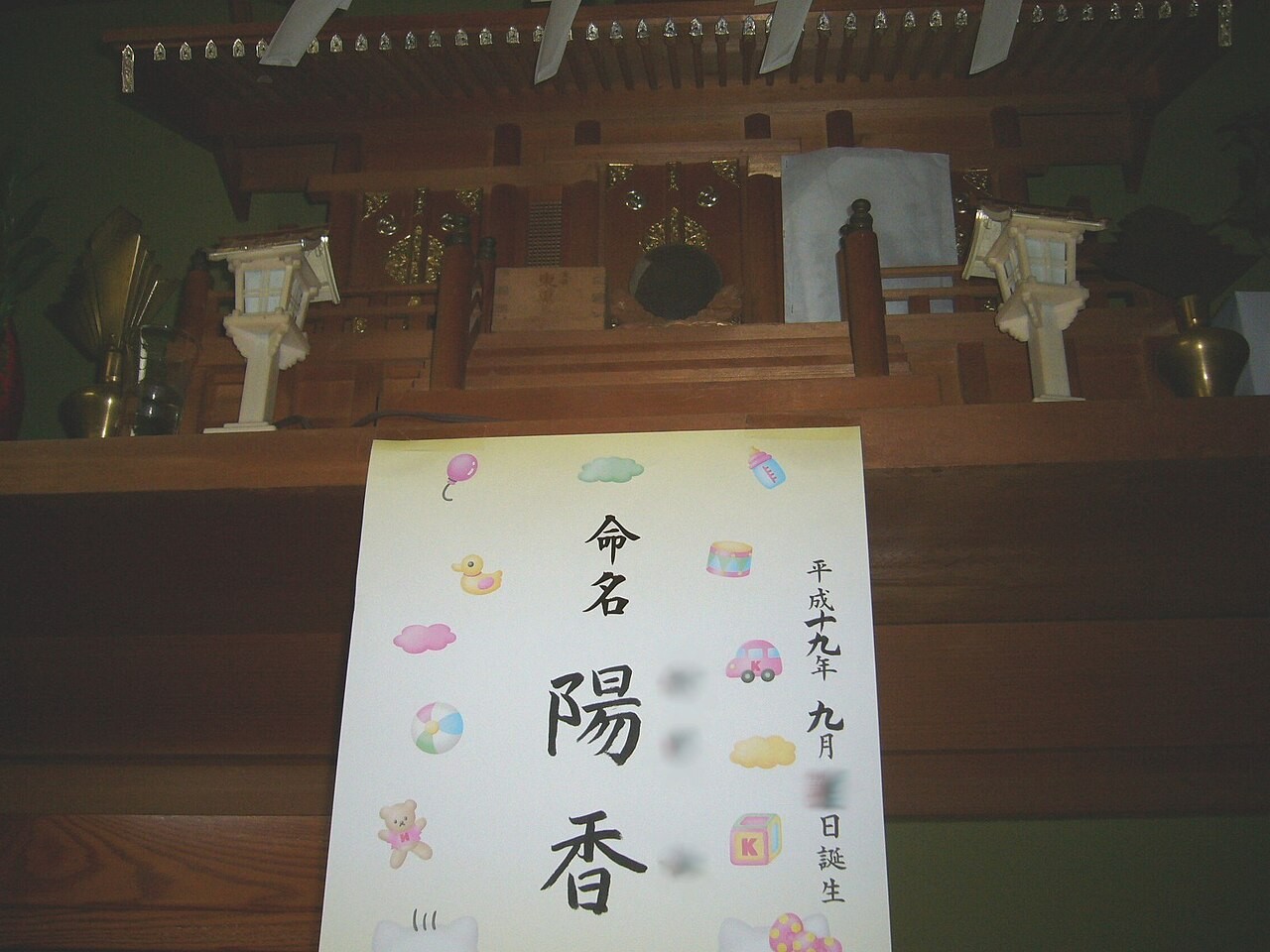
The Kamidana; Household Altar
High on a wall of the home sits a miniature shrine: each morning it receives fresh water, rice, salt, and a bowed head with two claps.
 Language
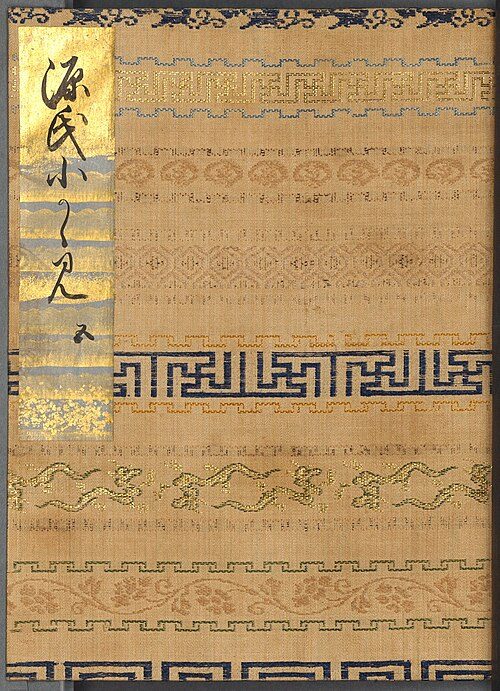
Classical Japanese
The classical written language of Japan, in which the norito prayers and the early chronicles are composed.
 Prayer or Creed
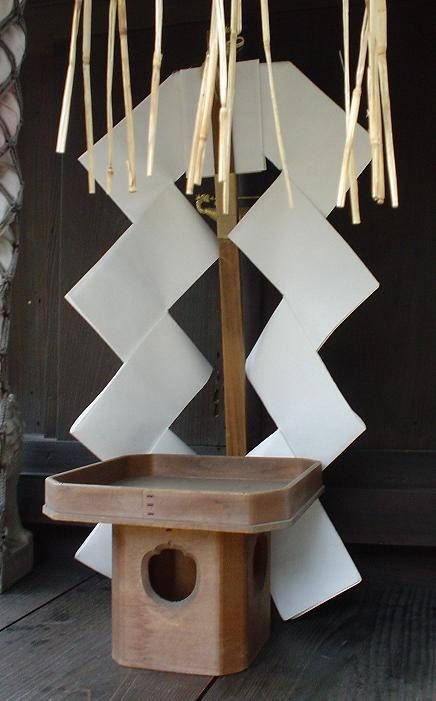
Norito
Formal ritual prayers in classical Japanese, recited by priests to the kami at shrine festivals and rites.
 Technology
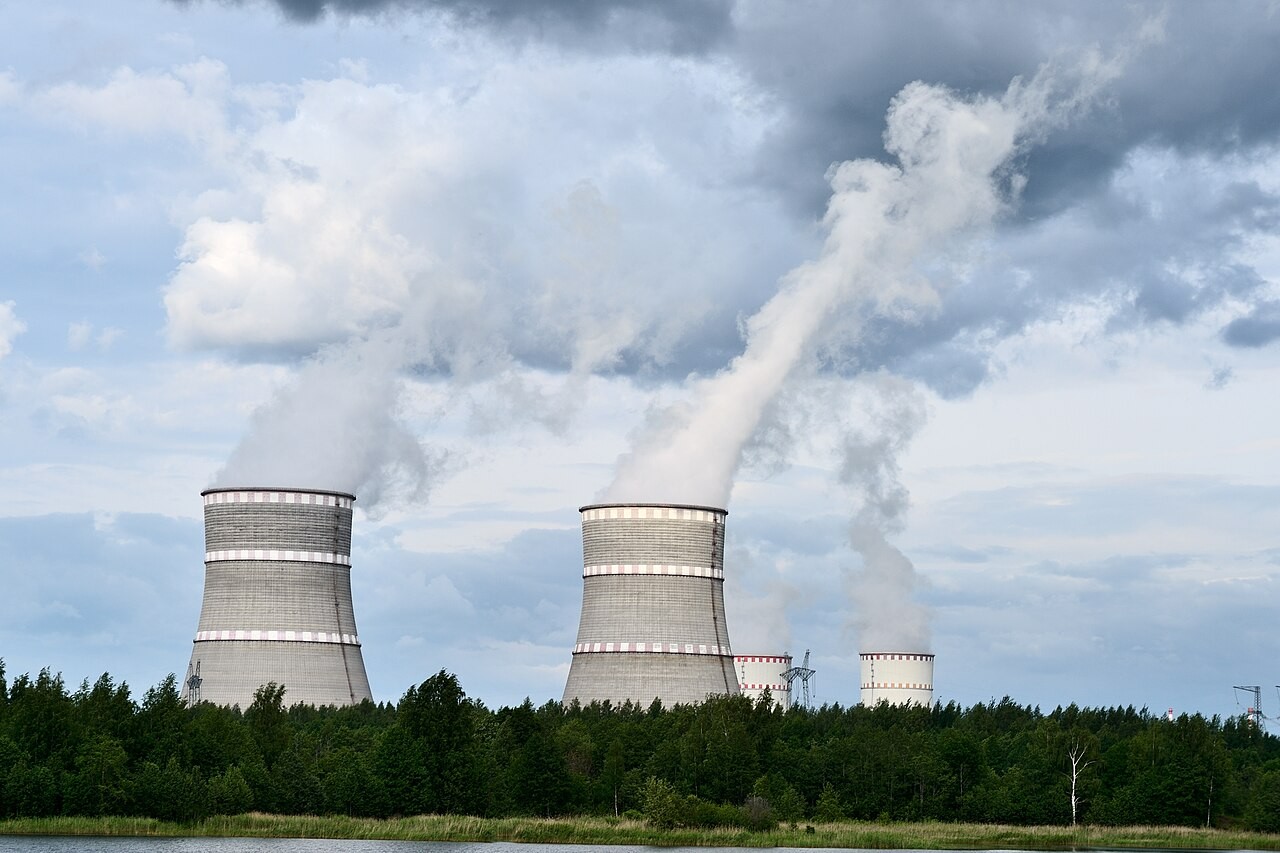
Nuclear power
The reactor judged apart from the bomb: prudence, waste, and descendants on one side of the ledger, decarbonization arithmetic on the other; and no magisterium with a binding word.
 Tradition & Science
Shinto
A tradition without a creed for science to contradict: kami in the landscape, a shrine rebuilt on schedule for thirteen centuries as a living school of craft, and modern flashpoints in nuclear pollution and the definition of death.