

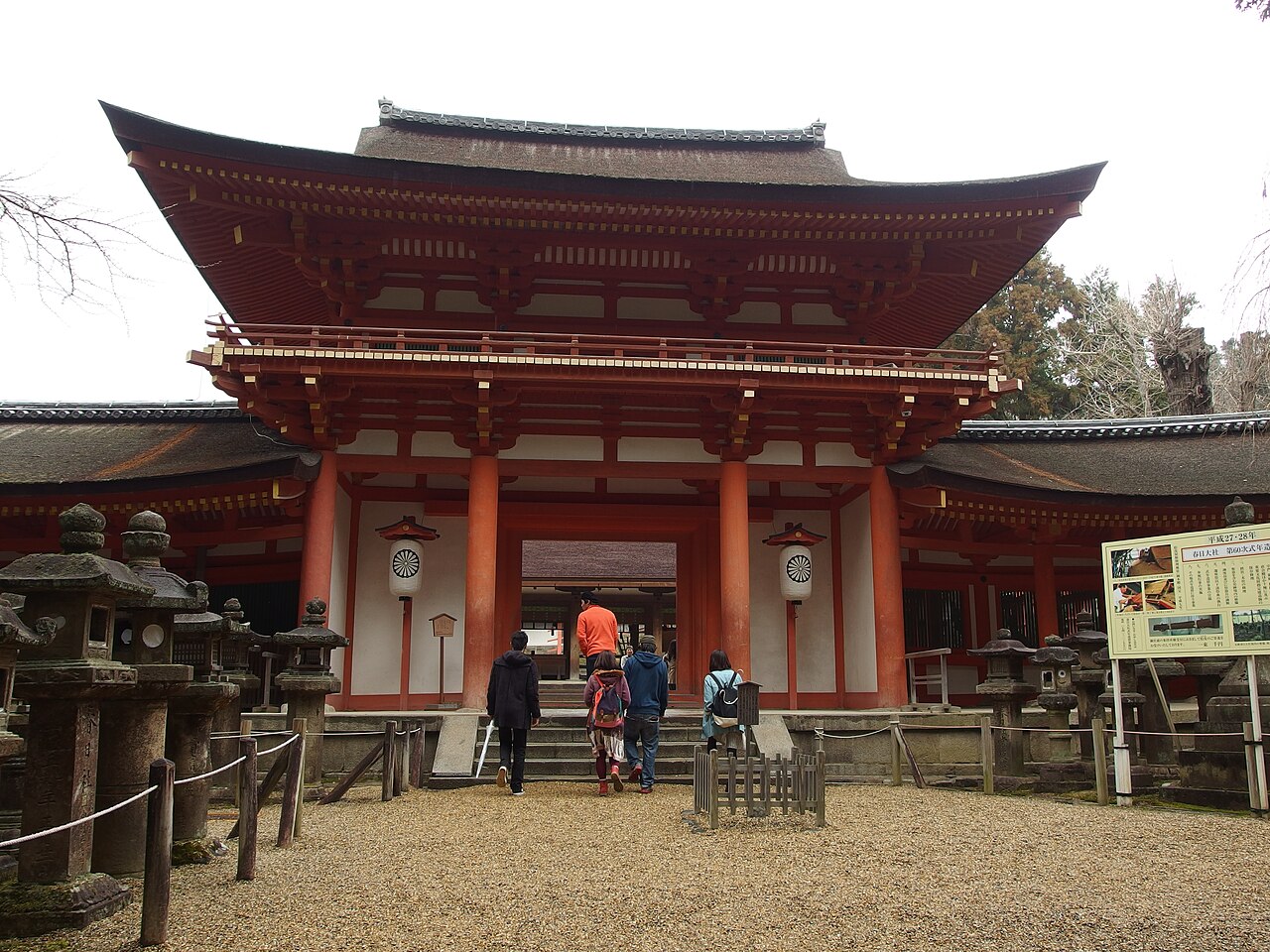
In the Heian centuries the kami and the buddhas were not rivals but partners. Shrines housed sutra readings, temples enshrined kami as their protectors, and the doctrine of honji suijaku taught that the kami are the local traces of universal buddhas, manifest in Japan to save its people. This fusion, shinbutsu-shūgō, was the ordinary religion of Japan for a thousand years: a villager saw no seam where later ages would insist on cutting one, and the great shrine-temples, like Kasuga with its temple Kōfukuji, embodied the union.
Tagged: Jinja Shinto Shinto
The Event
- Date
- 794-1185 (exact)
- Era
- The Heian Synthesis; Standard periodization of Shinto history
- Location
- Heian-kyō; today Kyoto, Japan
- Traditions
- Shinto
- Streams
- Jinja Shinto
- Key figures
- Kūkai
How the Tradition Tells It
The fusion was never total or uniform. Court and mountain centres elaborated the combinations; many local shrines simply carried on. And the age produced its own dissenters: the Ise priesthood guarded a kami teaching kept apart from the temples centuries before separation had a name.
Primary Sources
- The shrine-temple records of the Heian period.
Secondary Sources
- Teeuwen, Mark, and Fabio Rambelli. Buddhas and Kami in Japan: Honji Suijaku as a Combinatory Paradigm. RoutledgeCurzon, 2003.
- Grapard, Allan G. The Protocol of the Gods: A Study of the Kasuga Cult in Japanese History. University of California Press, 1992.
Provenance: HIST-0906; confidence 0.95; accessed 2026-10-28.
Related on This Site
 Art Entry
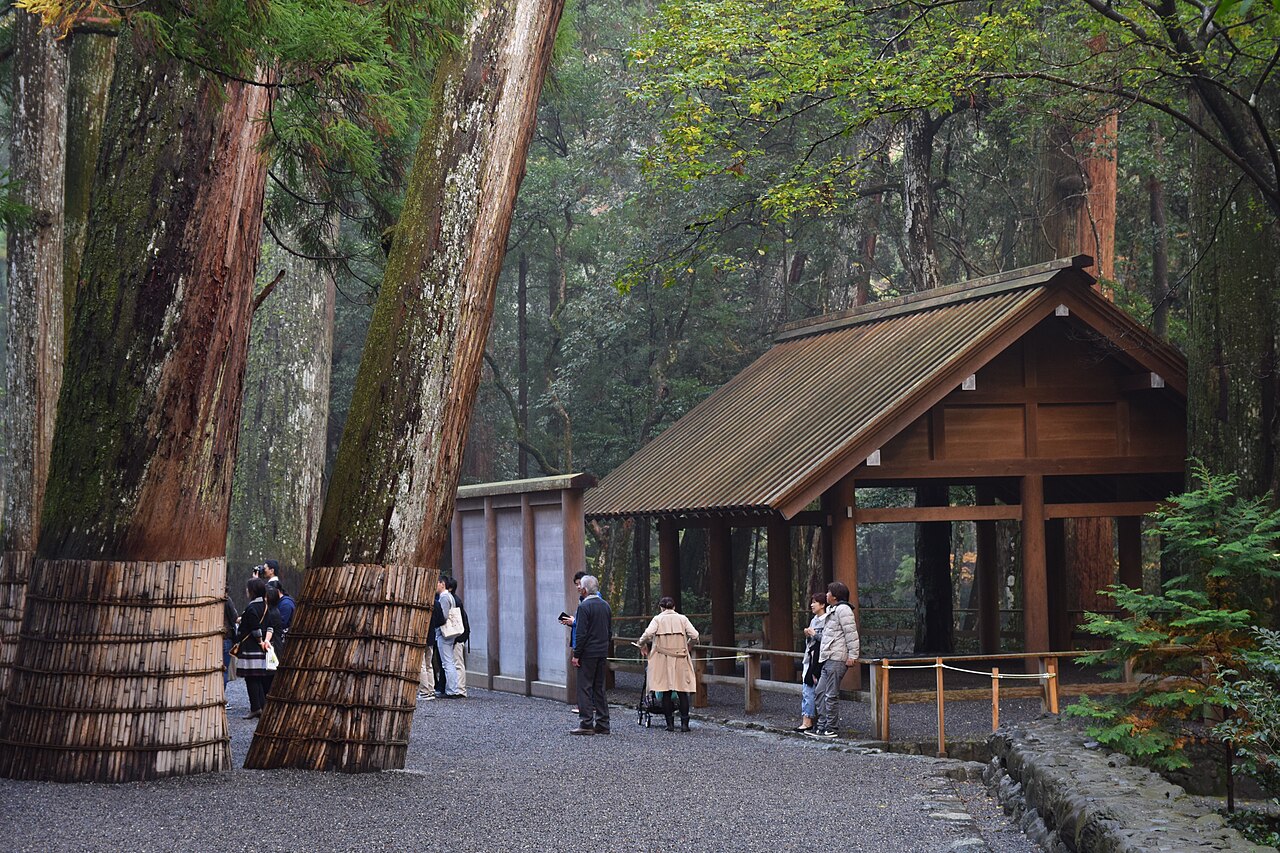
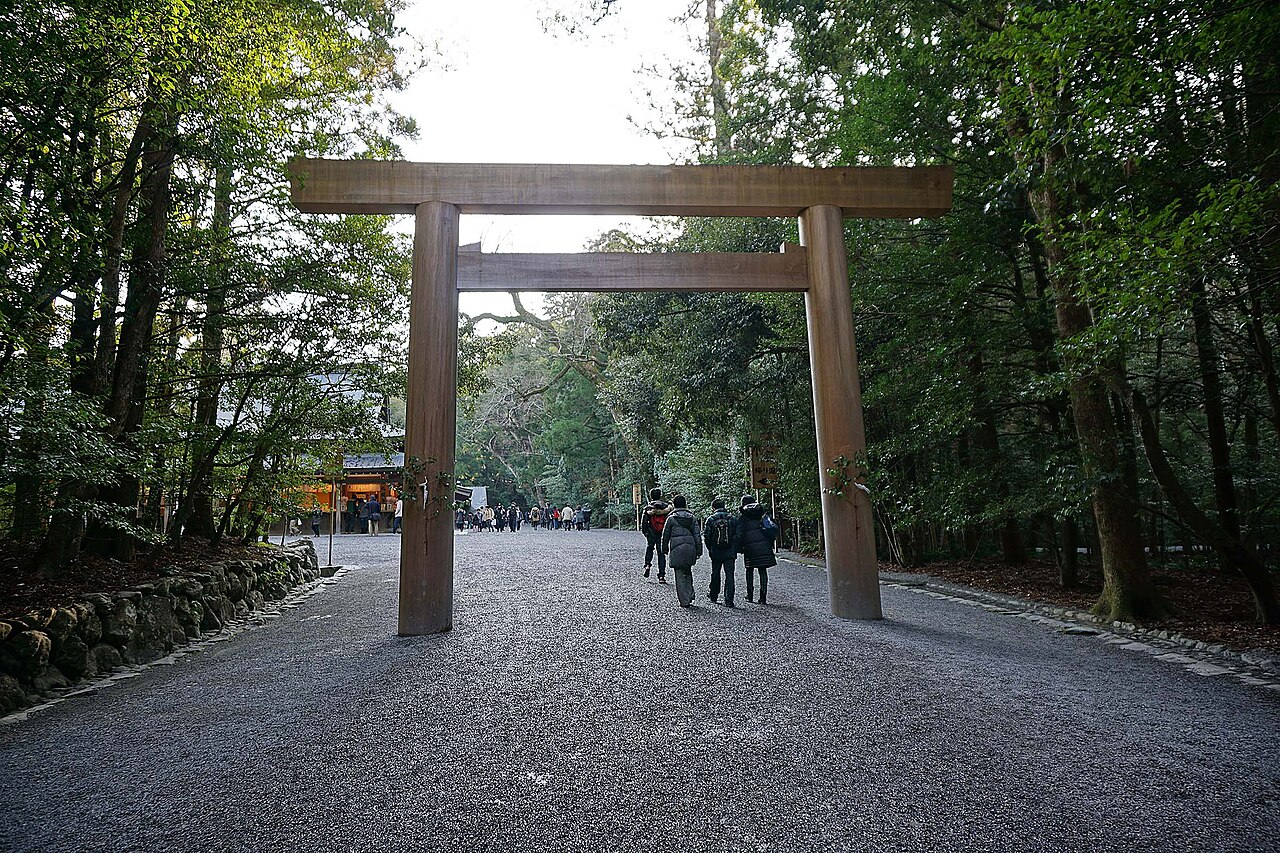
The Ise Grand Shrine
The most sacred shrine in Shinto is a plain cypress building that is torn down and rebuilt, identically, every twenty years; and has been for some thirteen centuries.
 Artist
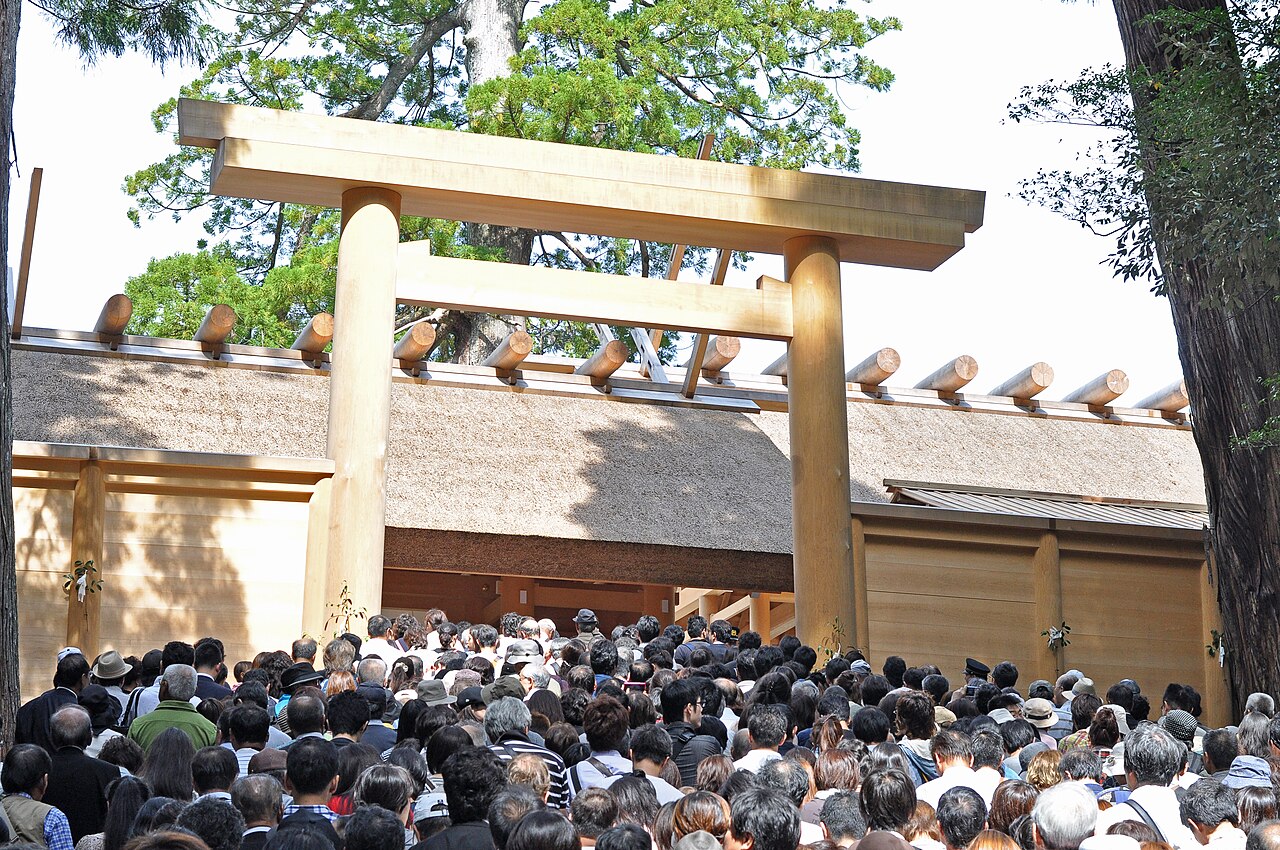
The Ise Carpenters (Miyadaiku)
The master shrine carpenters who rebuild Ise Jingu every twenty years with hand tools and unjoined cypress; a craft transmitted by being performed.
 History Event
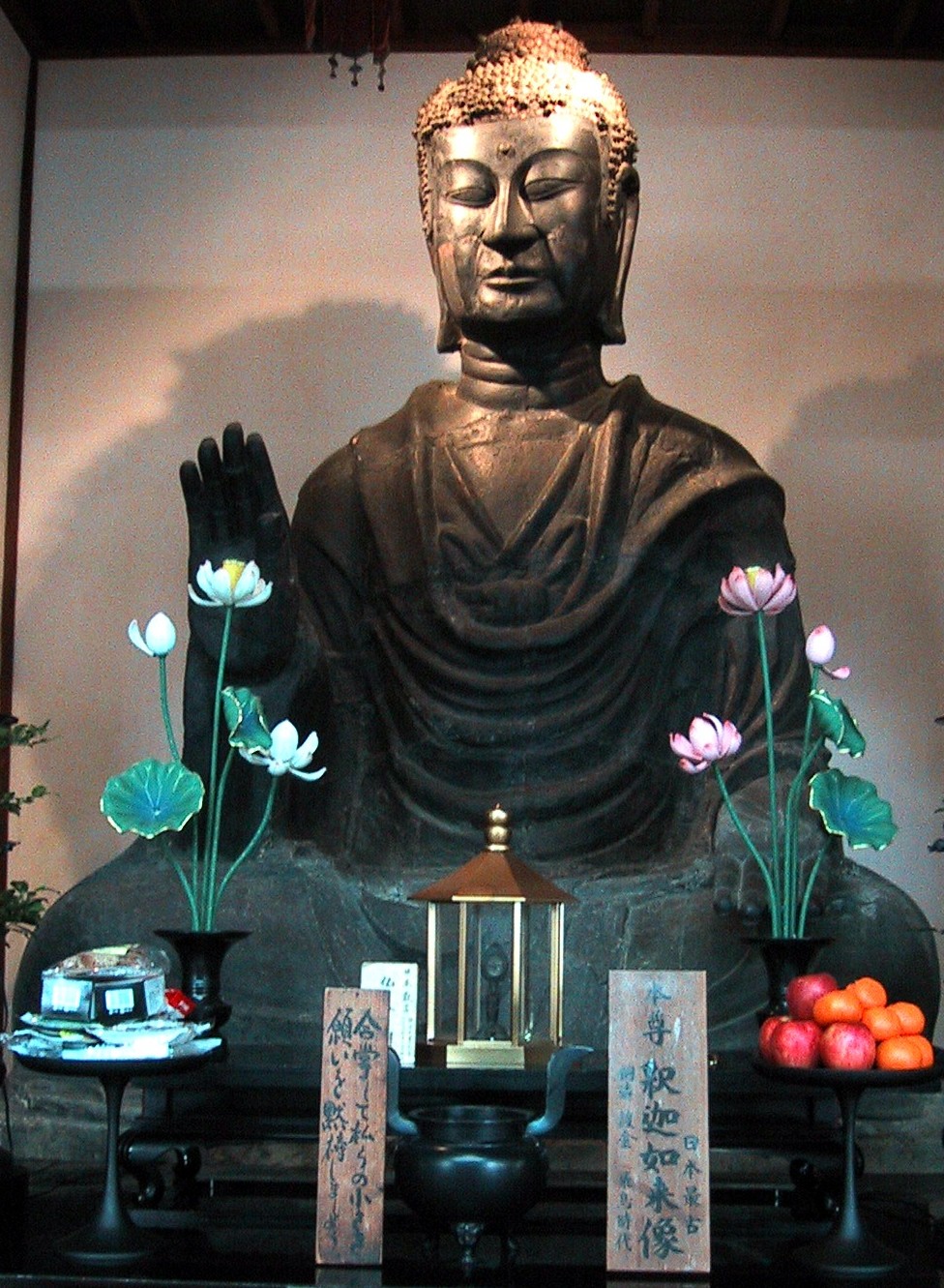
Buddhism introduced to Japan
538
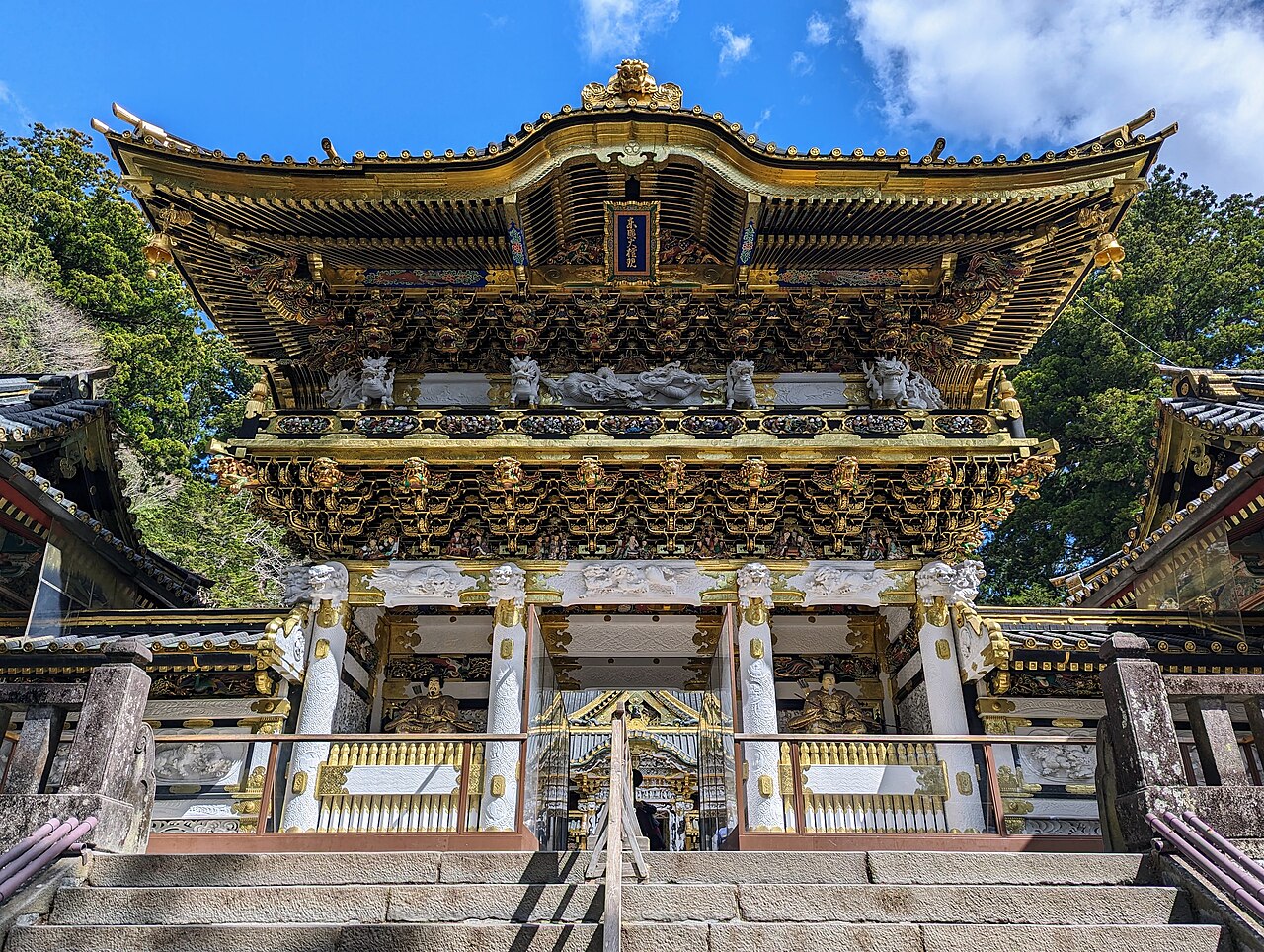 History Event
Edo period
1603-1868
 History Event
Kojiki completed
712
 History Event
Nihon Shoki completed
720
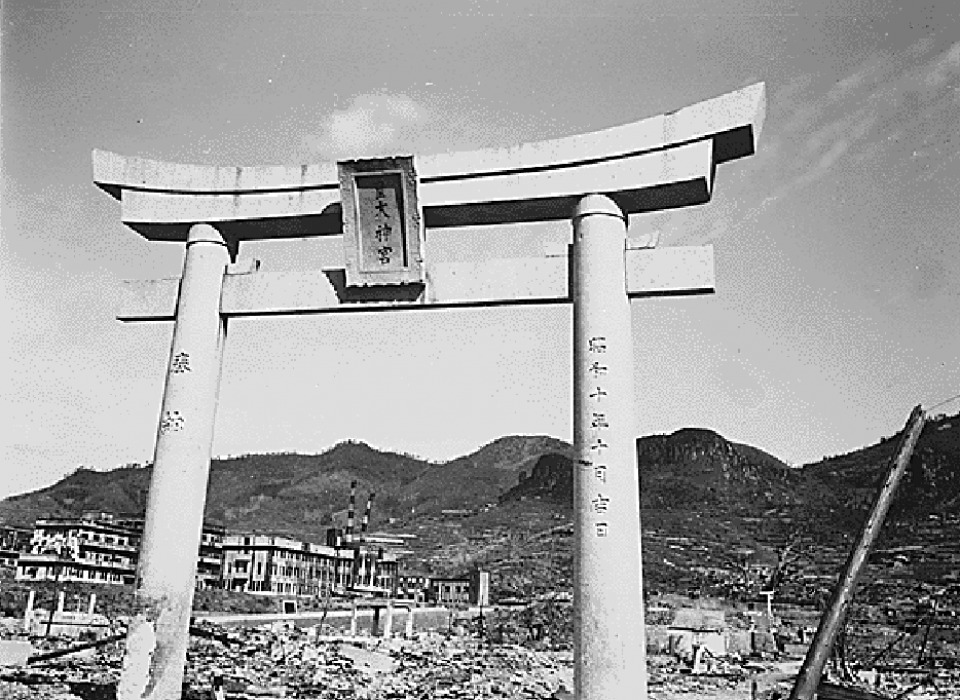 History Event
Shinto Directive
1945
 History Event
Taihō Code; Jingikan established
701