

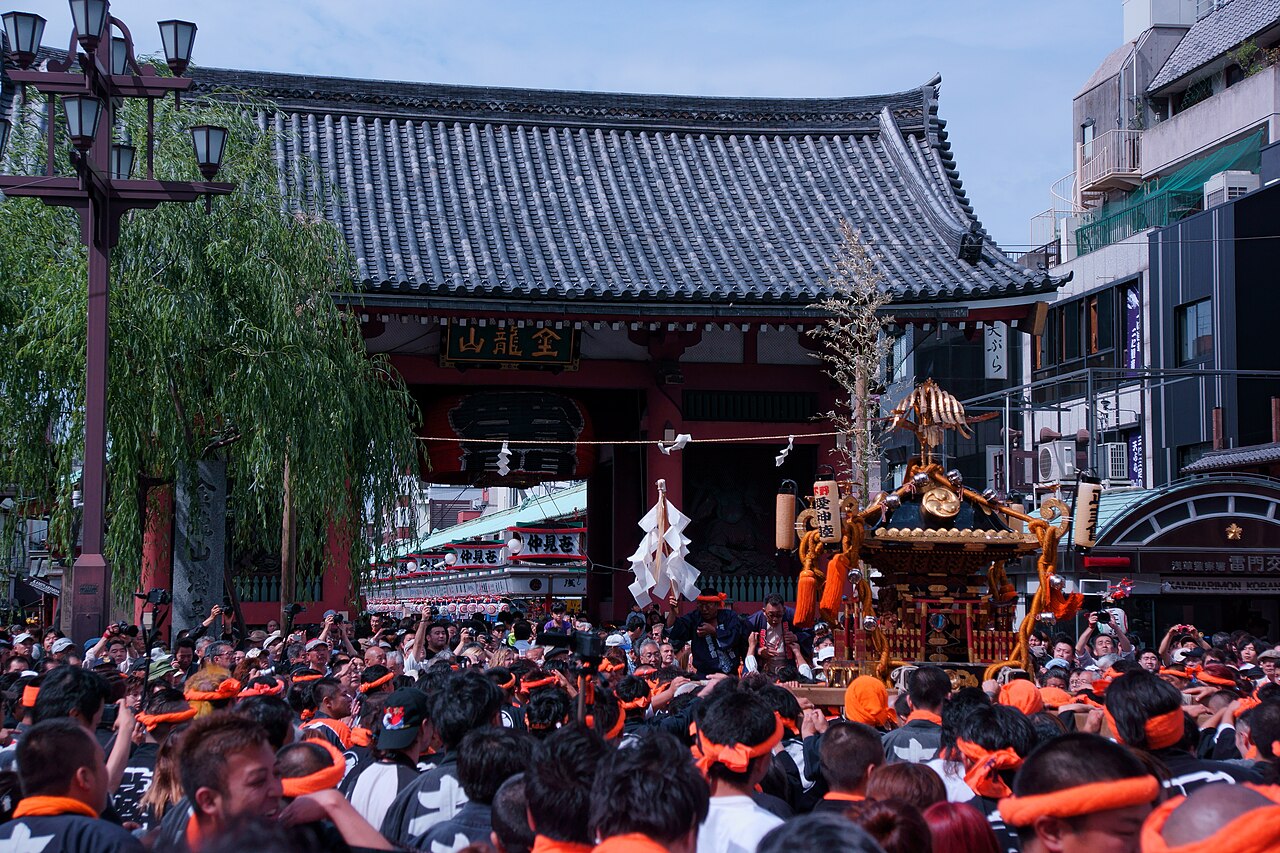
From the 1990s the shrines found new publics. Young visitors came in growing numbers for festivals, for the calligraphy of shrine stamps collected in goshuin books, for weddings and blessings in shrine form, and for the forests and festivals of local shrines newly valued as heritage. Jinja Honchō promoted the shrine as the heart of its community, and the rebuilding of shrine halls and the return of lapsed festivals marked the decade. The revival is cultural before it is doctrinal: the kami are honoured as the form of belonging itself.
Tagged: Revival Jinja Shinto Shinto
The Event
- Date
- 1990s-present (approximate)
- Era
- Postwar Jinja Shinto; Standard periodization of Shinto history
- Location
- Japan; today Japan
- Traditions
- Shinto
- Streams
- Jinja Shinto
Connections
Primary Sources
- The publications and shrine registers of Jinja Honchō.
Secondary Sources
- Hardacre, Helen. Shinto: A History. Oxford University Press, 2017.
- Breen, John, and Mark Teeuwen. A New History of Shinto. Wiley-Blackwell, 2010.
Provenance: HIST-0916; confidence 0.85; accessed 2026-10-28.
Related on This Site
 Art Entry
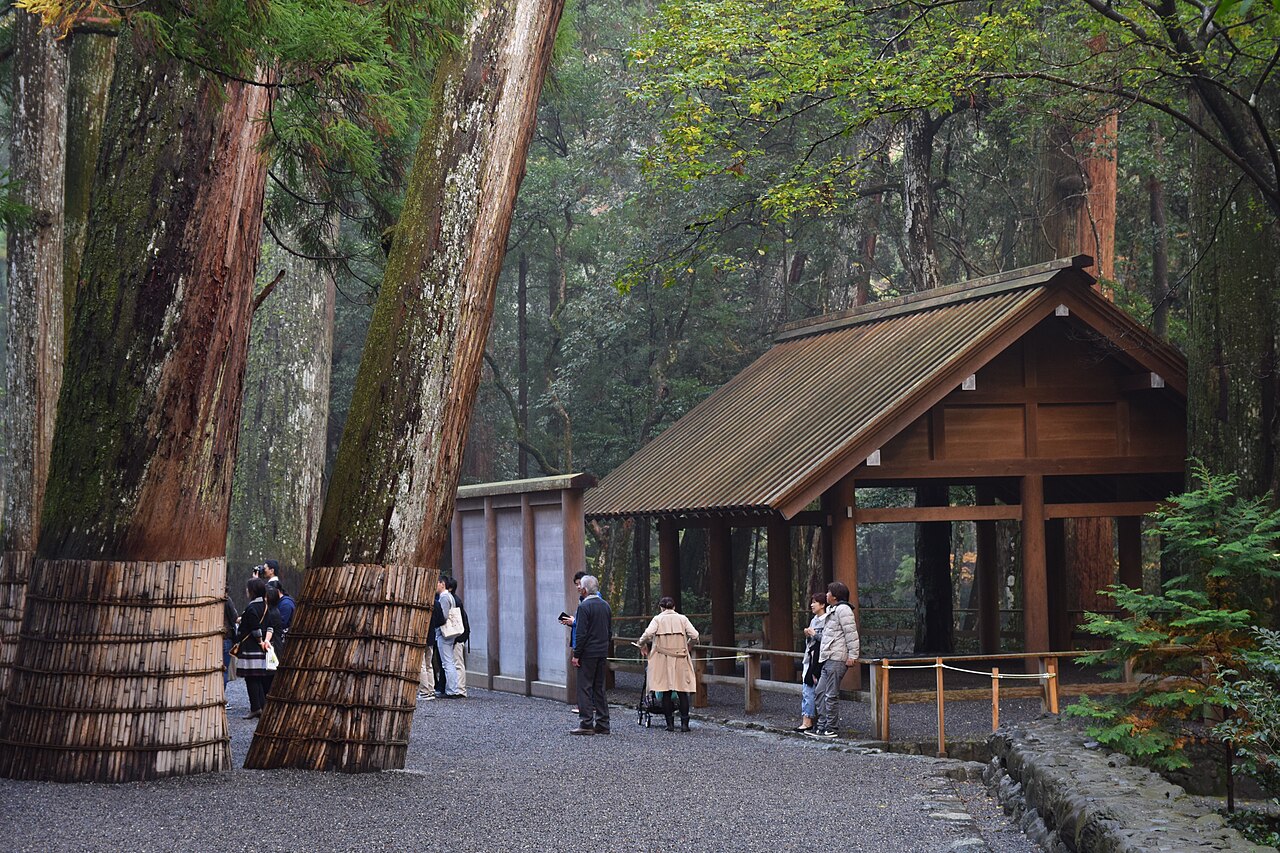
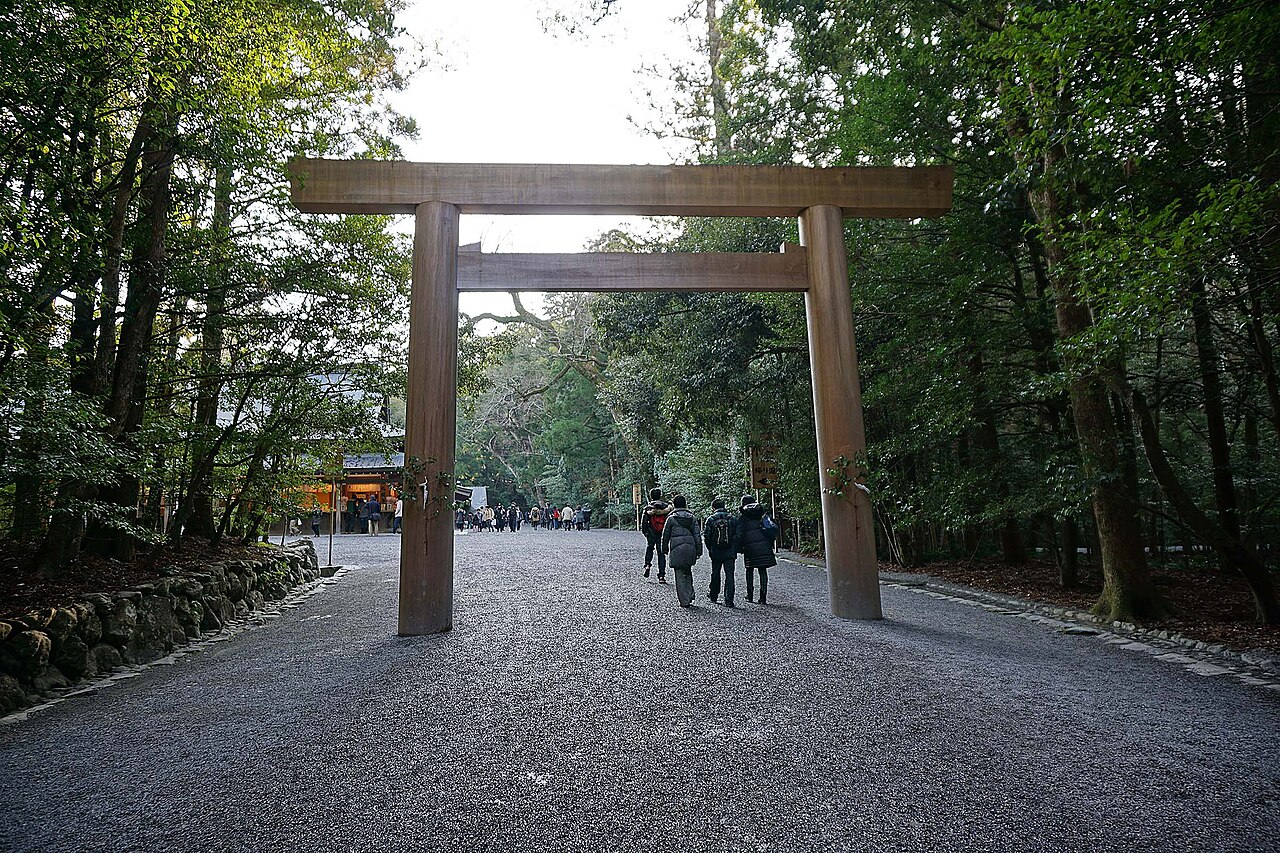
The Ise Grand Shrine
The most sacred shrine in Shinto is a plain cypress building that is torn down and rebuilt, identically, every twenty years; and has been for some thirteen centuries.
 Artist
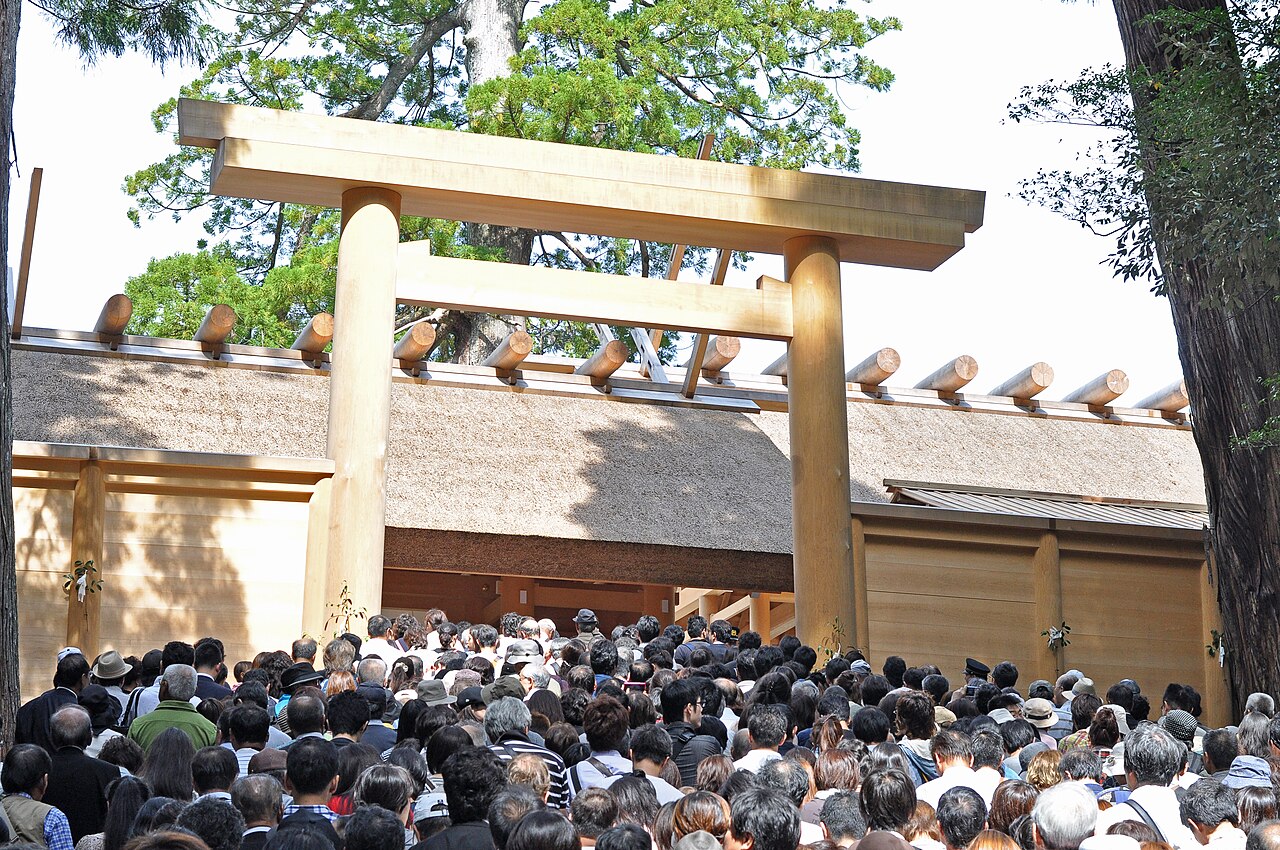
The Ise Carpenters (Miyadaiku)
The master shrine carpenters who rebuild Ise Jingu every twenty years with hand tools and unjoined cypress; a craft transmitted by being performed.
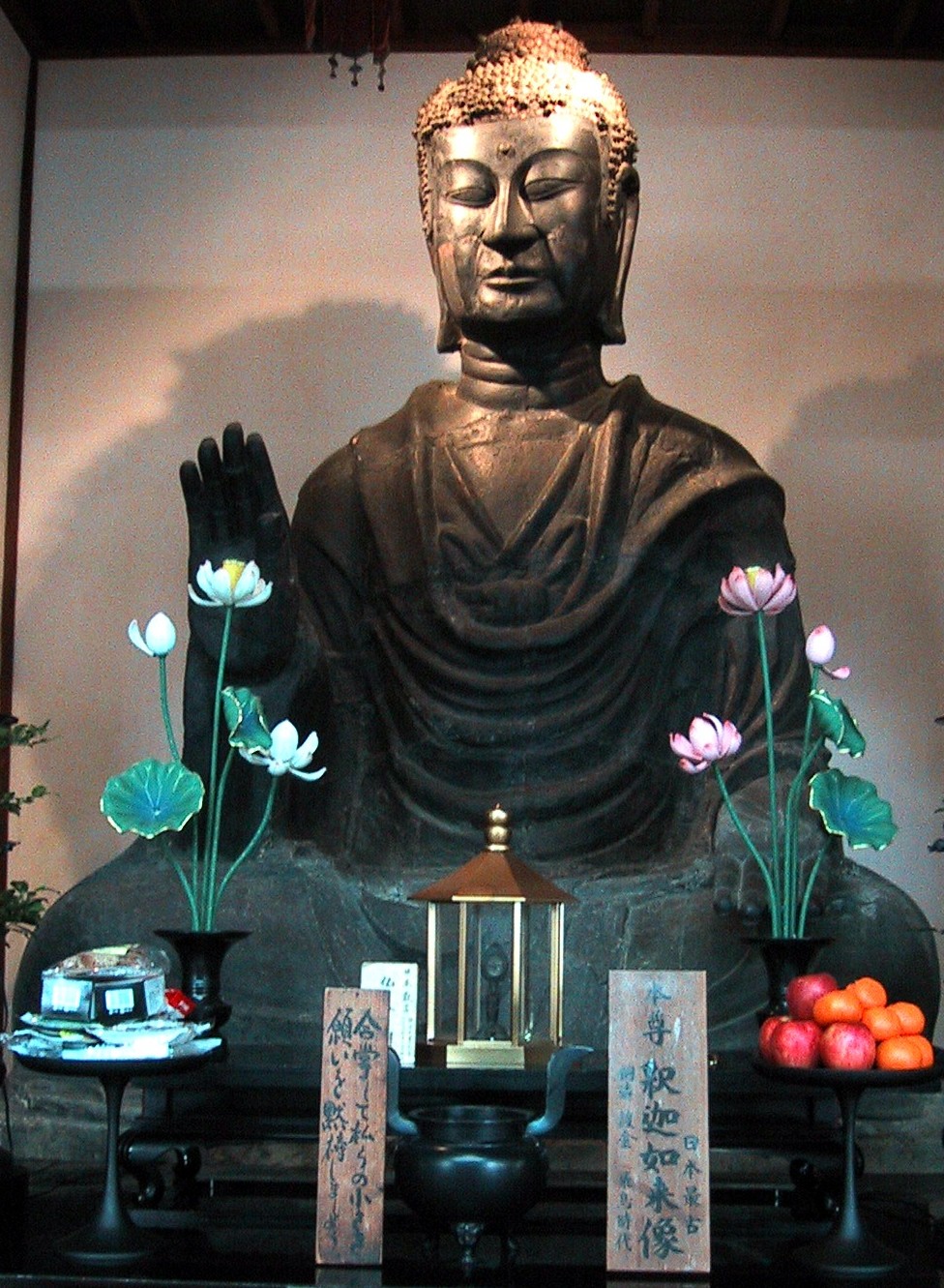 History Event
Buddhism introduced to Japan
538
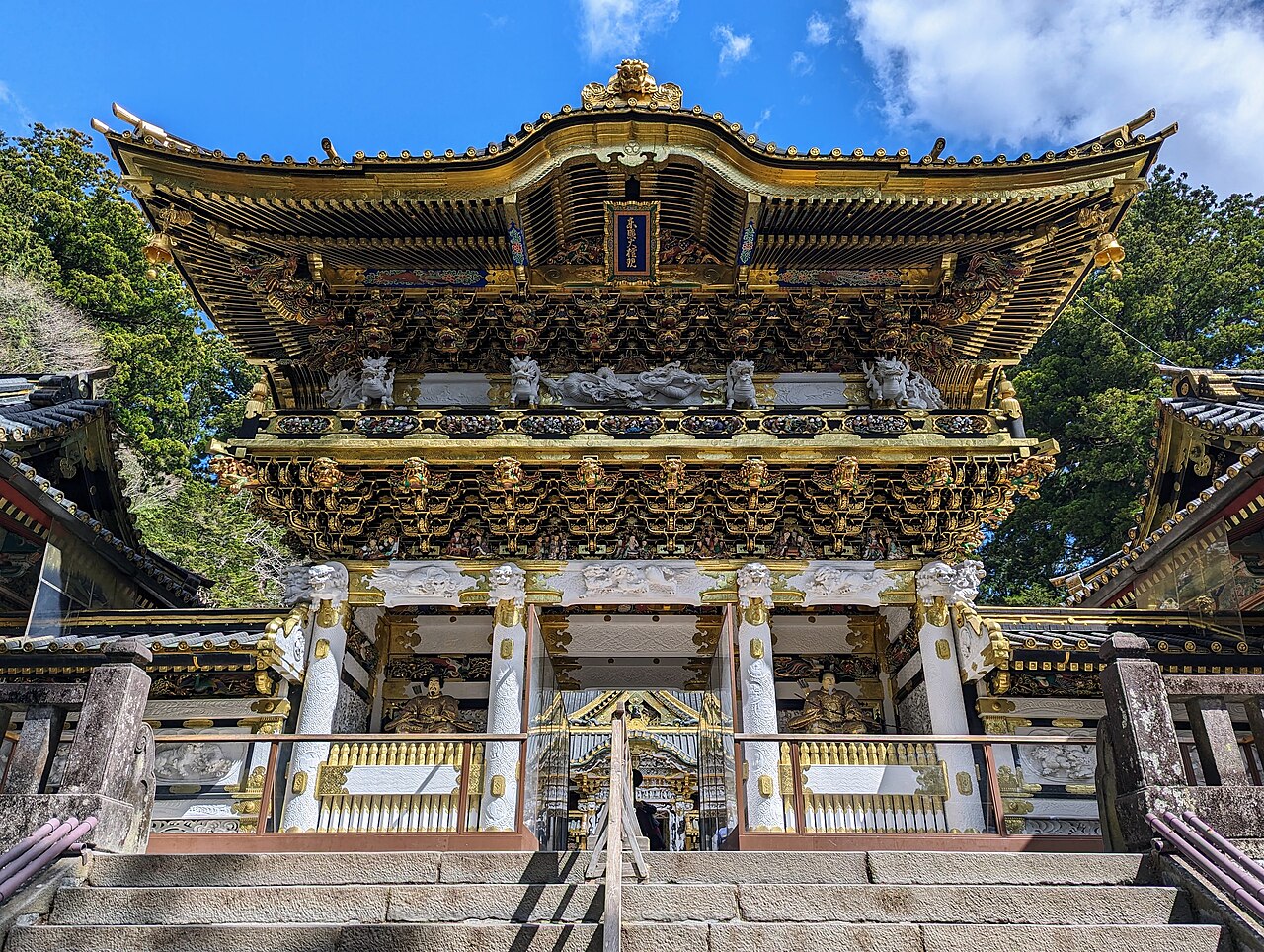 History Event
Edo period
1603-1868
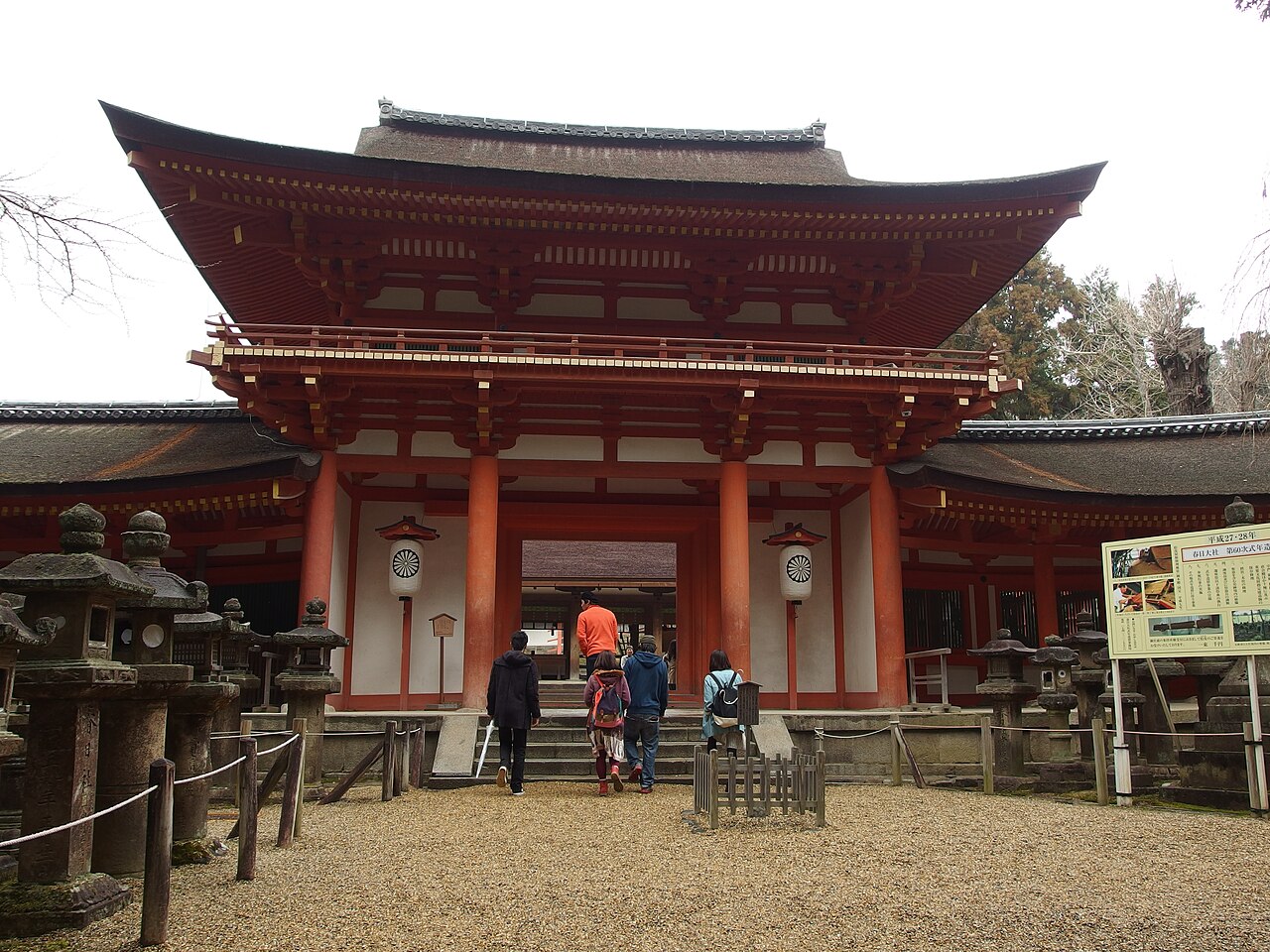 History Event
Heian; shinbutsu-shūgō
794-1185
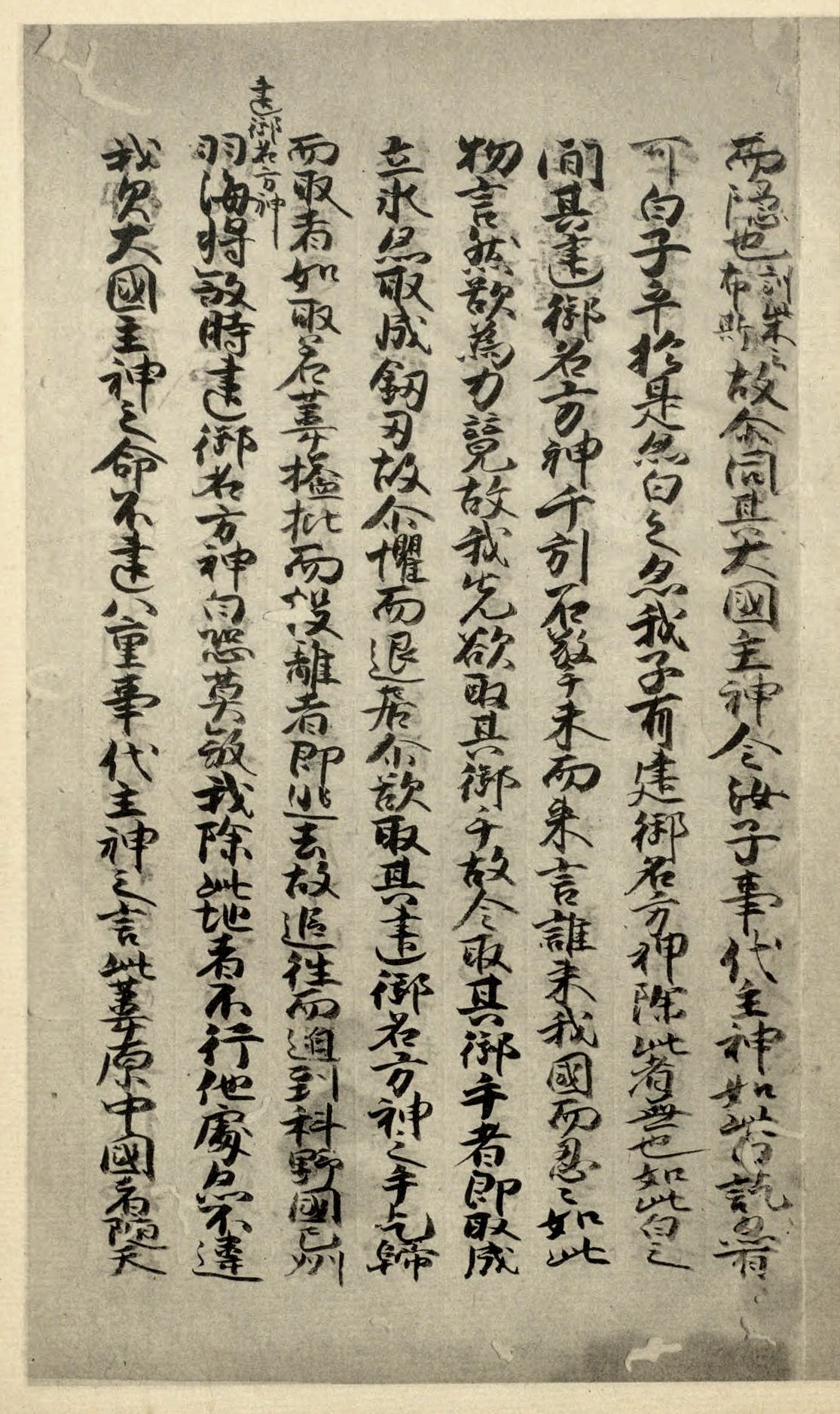 History Event
Kojiki completed
712
 History Event
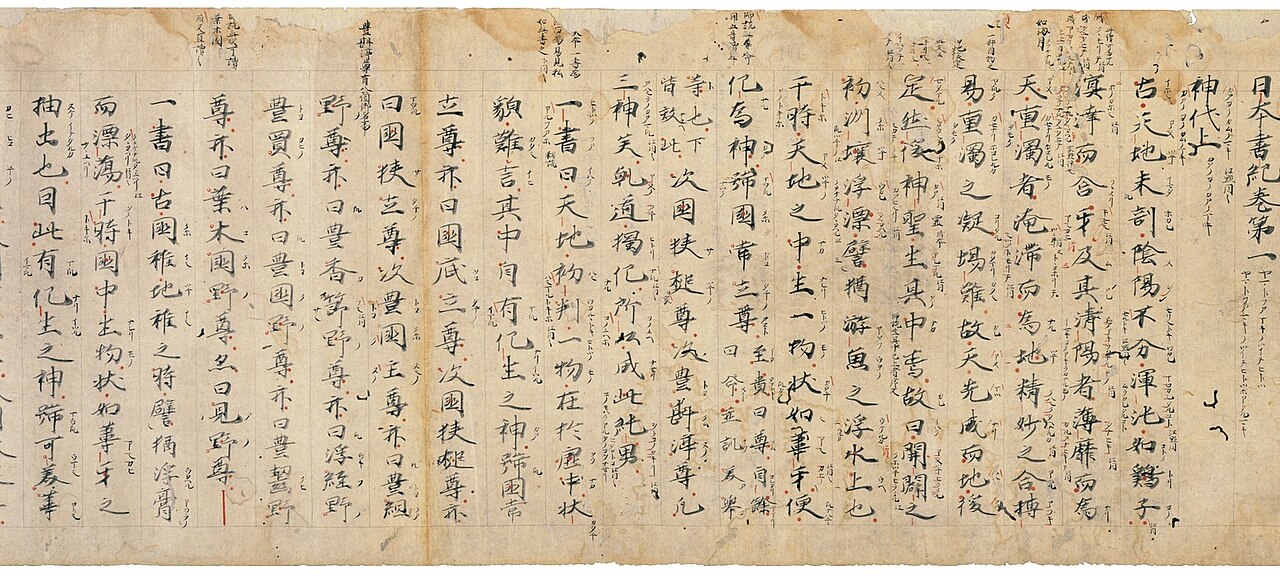
Nihon Shoki completed
720
 History Event
Taihō Code; Jingikan established
701