

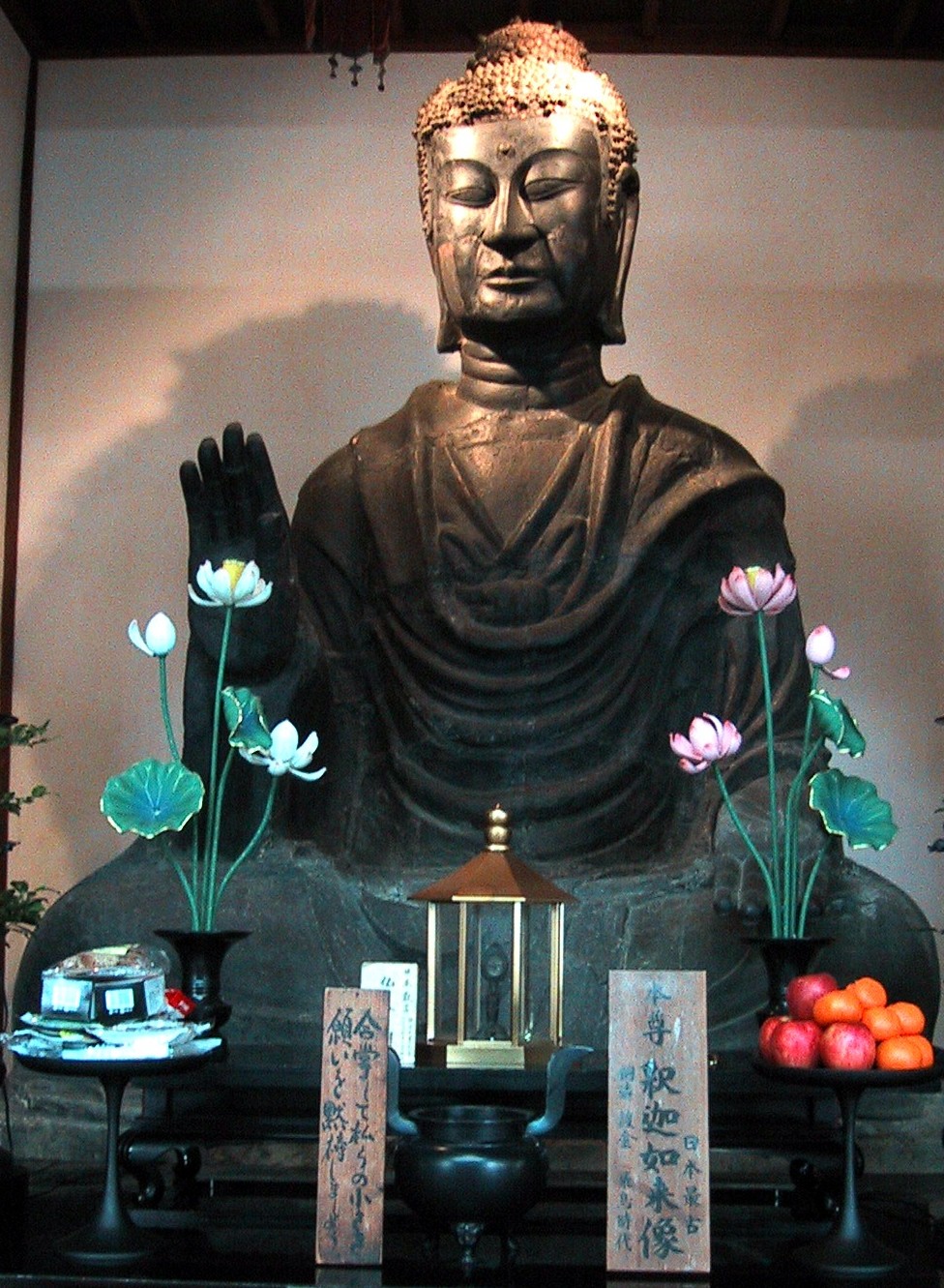
In 538, by the usual reckoning, the king of Baekje sent the Yamato court a statue of the Buddha, sutras, and a letter praising the teaching as the finest of doctrines. The court divided: the Mononobe and Nakatomi, guardians of the kami rites, warned that foreign gods would anger the native kami, while the Soga argued for adoption. The argument, settled by plague, politics, and time in Buddhism's favour, set the terms on which the kami and the buddhas would share Japan for the next thirteen centuries.
Tagged: Jinja Shinto Shinto
The Event
- Date
- 538 (exact)
- Era
- Ancient Kami Worship; Standard periodization of Shinto history
- Location
- The Yamato court; today Nara, Japan
- Traditions
- Shinto
- Streams
- Jinja Shinto
- Key figures
- King Seong of Baekje, Emperor Kinmei
- Key texts
- The Lotus Sutra
Primary Sources
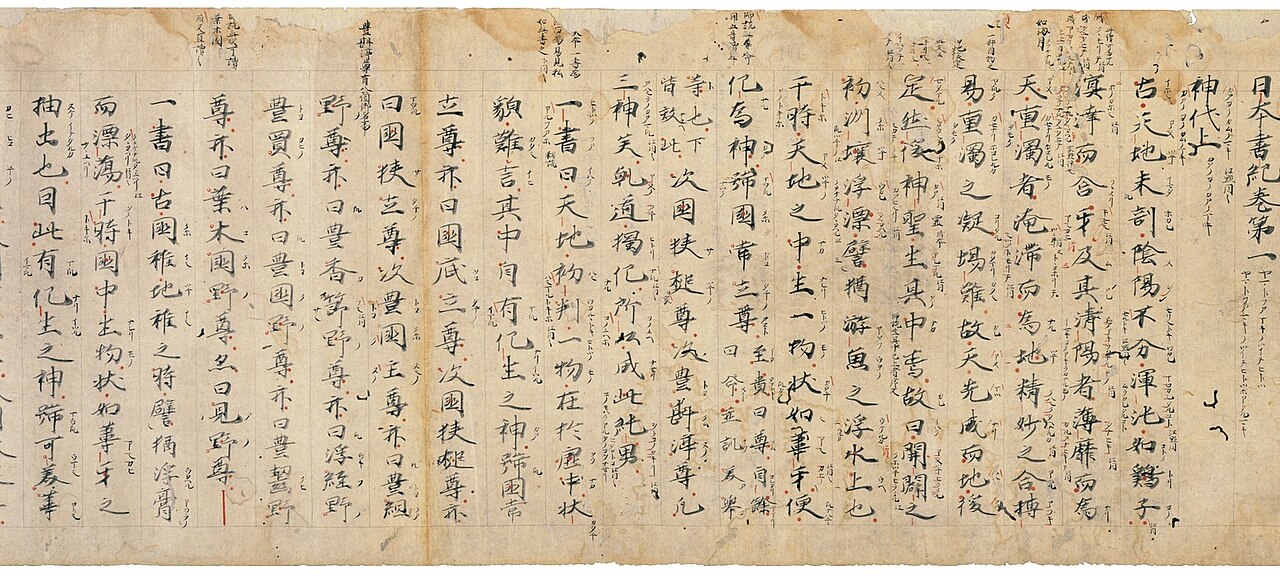
- The Nihon Shoki account of the introduction of Buddhism.
Secondary Sources
- Breen, John, and Mark Teeuwen. A New History of Shinto. Wiley-Blackwell, 2010.
- Hardacre, Helen. Shinto: A History. Oxford University Press, 2017.
Provenance: HIST-0902; confidence 0.95; accessed 2026-10-28.
Related on This Site
 Art Entry
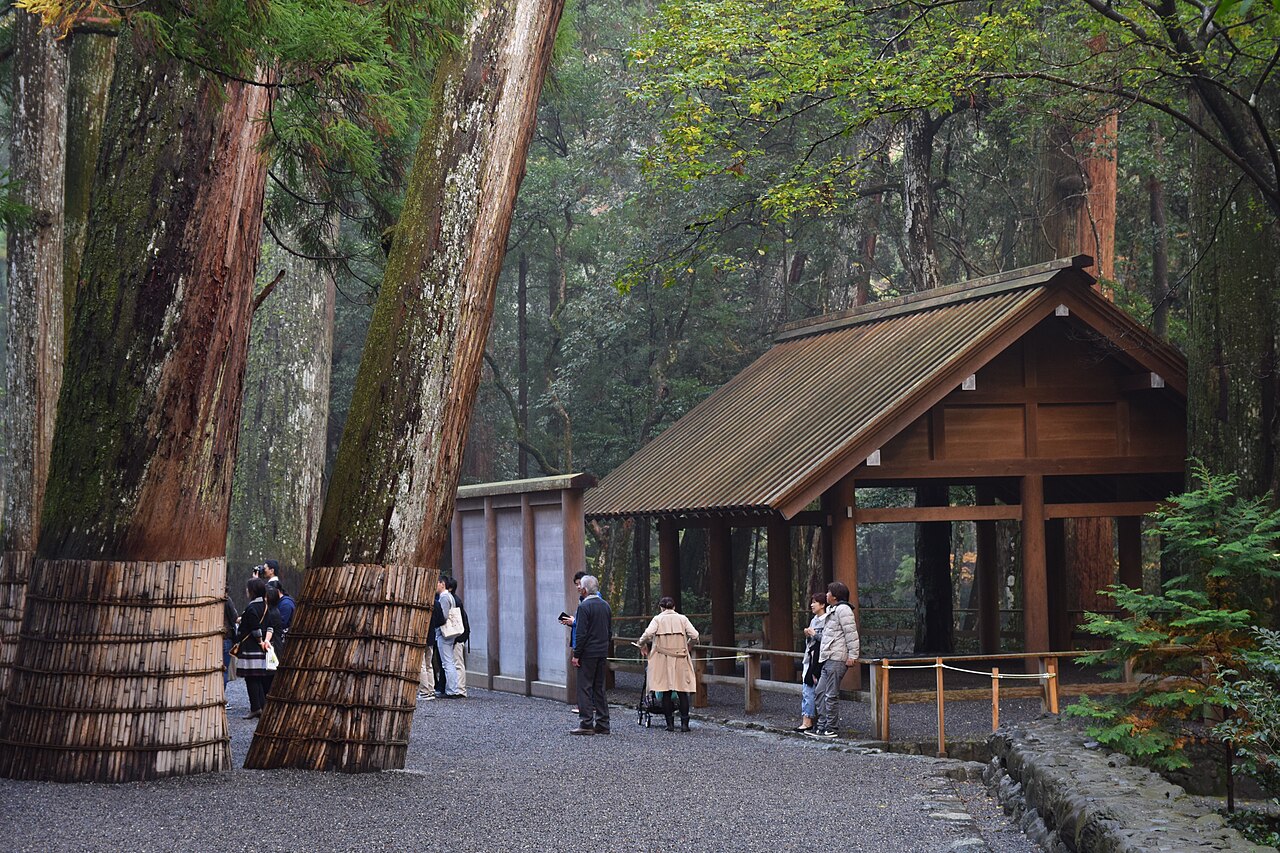
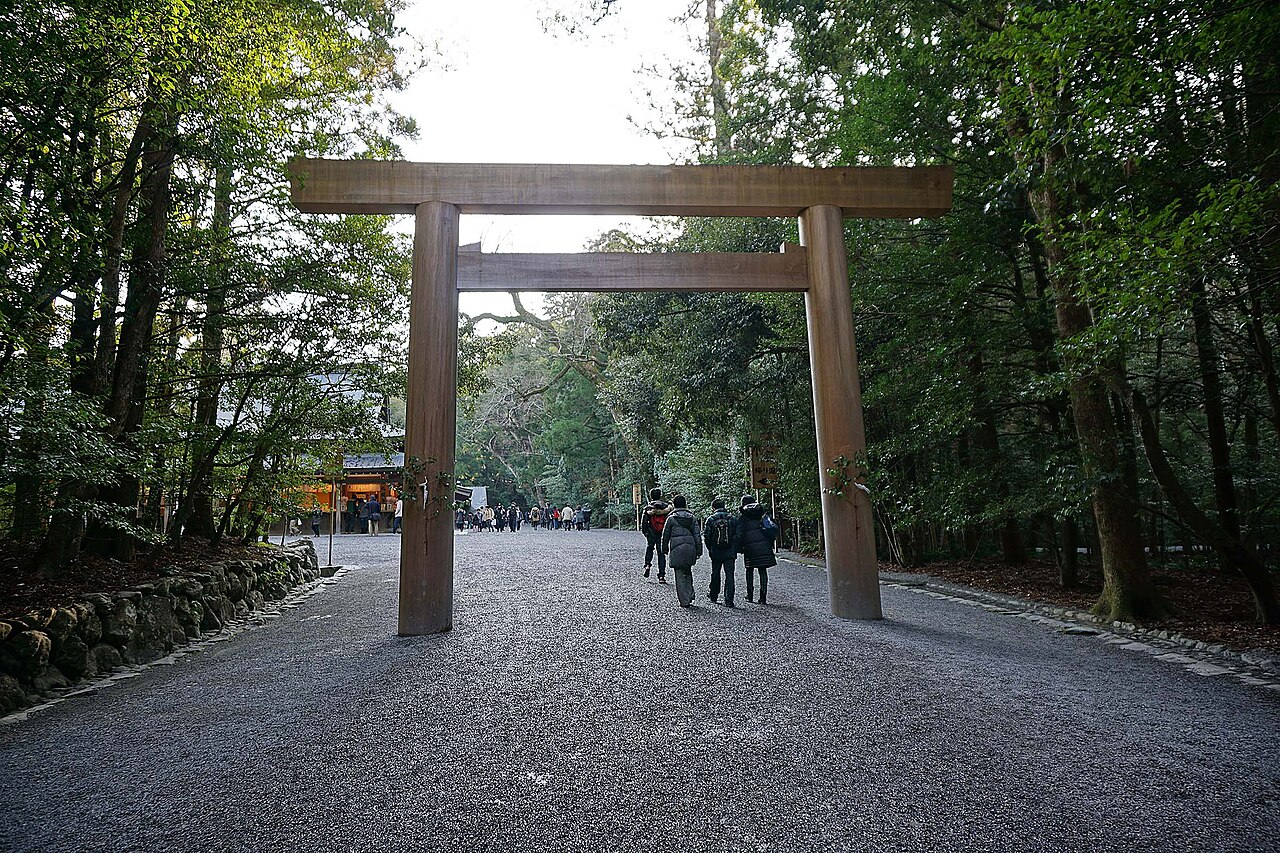
The Ise Grand Shrine
The most sacred shrine in Shinto is a plain cypress building that is torn down and rebuilt, identically, every twenty years; and has been for some thirteen centuries.
 Artist
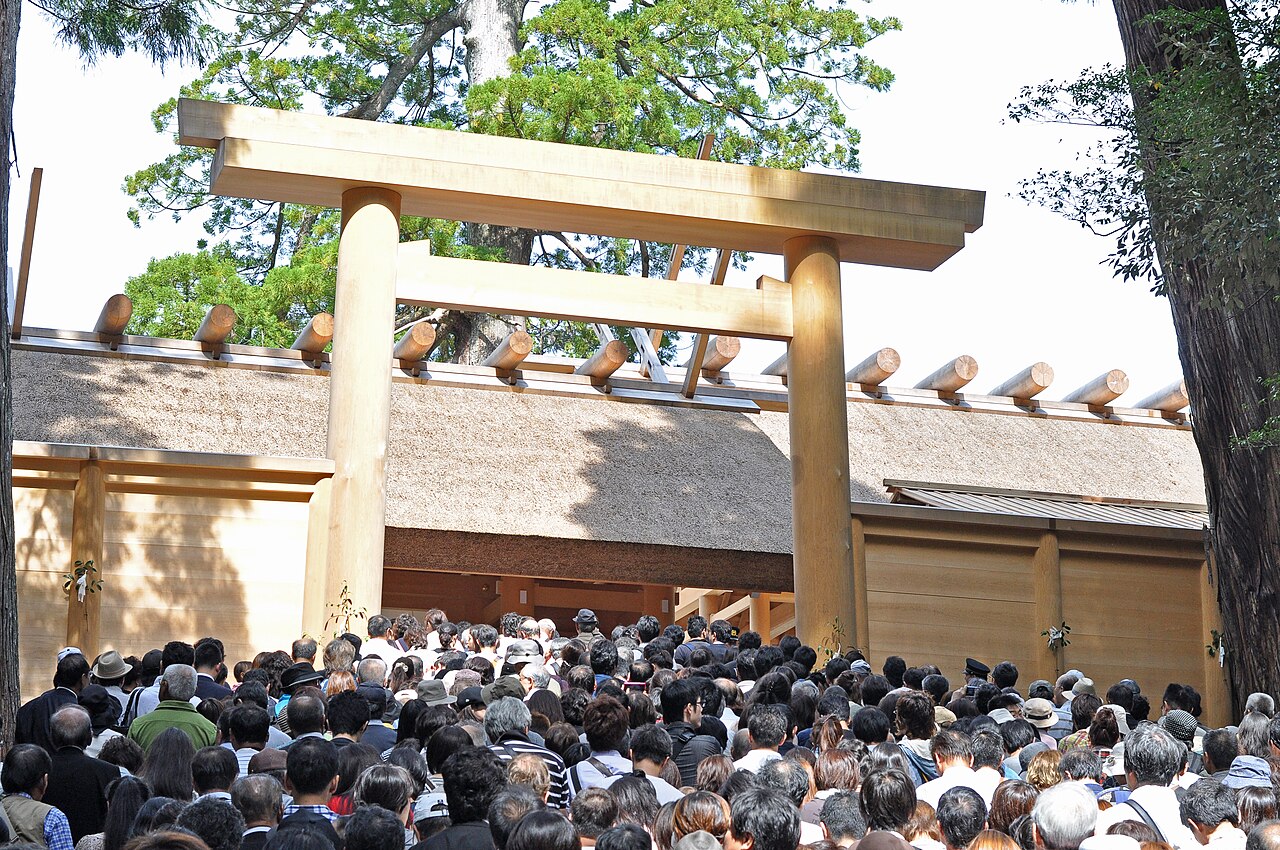
The Ise Carpenters (Miyadaiku)
The master shrine carpenters who rebuild Ise Jingu every twenty years with hand tools and unjoined cypress; a craft transmitted by being performed.
 History Event
Edo period
1603-1868
 History Event
Heian; shinbutsu-shūgō
794-1185
 History Event
Kojiki completed
712
 History Event
Nihon Shoki completed
720
 History Event
Shinto Directive
1945
 History Event
Taihō Code; Jingikan established
701