

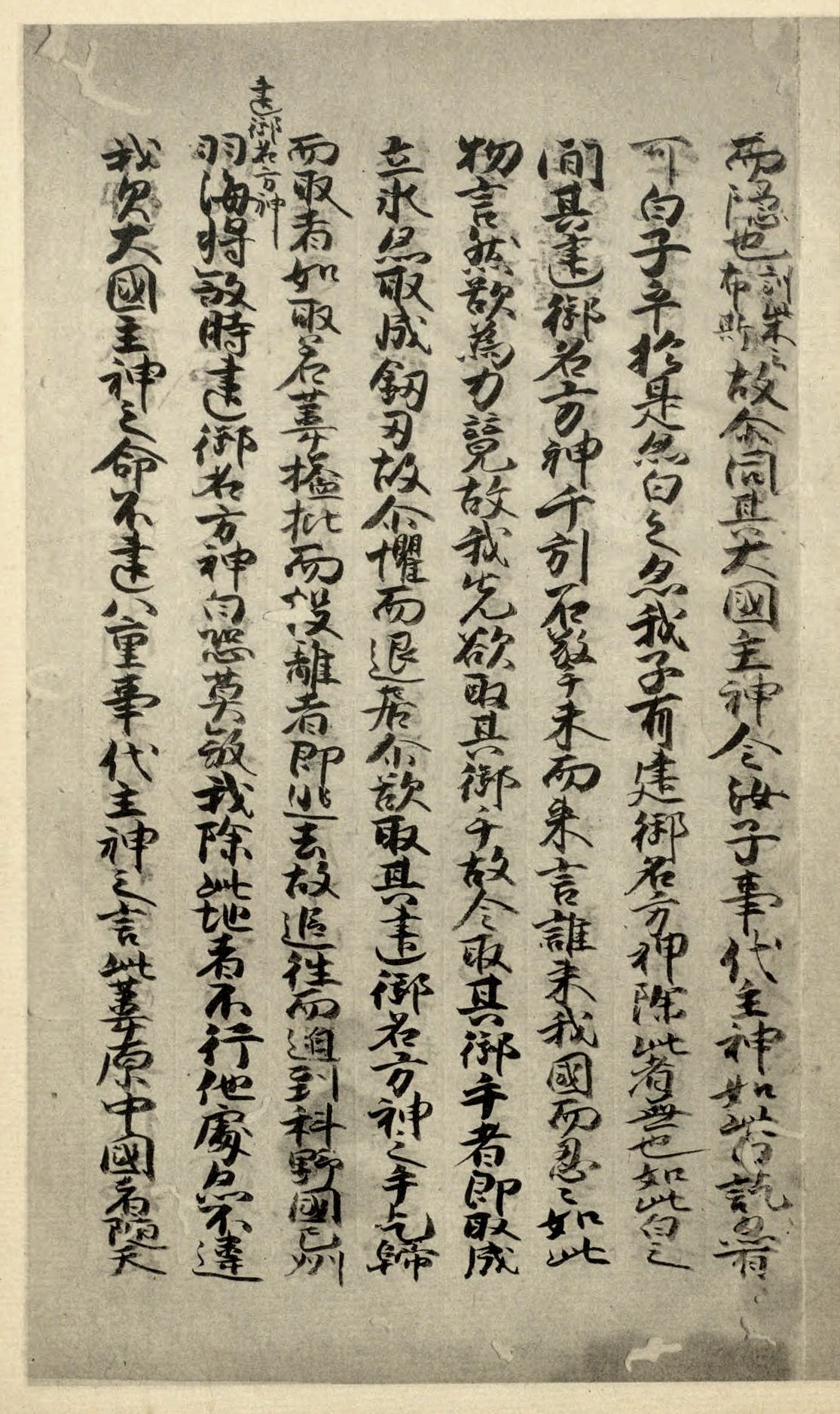
The Kojiki, the Record of Ancient Matters, was presented to the throne in 712. Recited by the court memorizer Hieda no Are and written down by Ō no Yasumaro, it tells of the age of the kami, of Izanagi and Izanami stirring the brine to form the islands, of Amaterasu the sun kami and her unruly brother Susanoo, and of the descent of her grandson to rule the land, down to the emperors of recorded time. It is the oldest surviving book of Japan and the charter myth of the imperial line.
Tagged: Jinja Shinto Shinto
The Event
- Date
- 712 (exact)
- Also called
- Records of Ancient Matters
- Era
- Ancient Kami Worship; Standard periodization of Shinto history
- Location
- Nara, the imperial capital; today Nara, Japan
- Traditions
- Shinto
- Streams
- Jinja Shinto
- Key figures
- Ō no Yasumaro, Empress Genmei
- Key texts
- Kojiki
Primary Sources
- The Kojiki (712).
Secondary Sources
- Hardacre, Helen. Shinto: A History. Oxford University Press, 2017.
- Breen, John, and Mark Teeuwen. A New History of Shinto. Wiley-Blackwell, 2010.
Provenance: HIST-0904; confidence 0.95; accessed 2026-10-28.
Related on This Site
 Art Entry
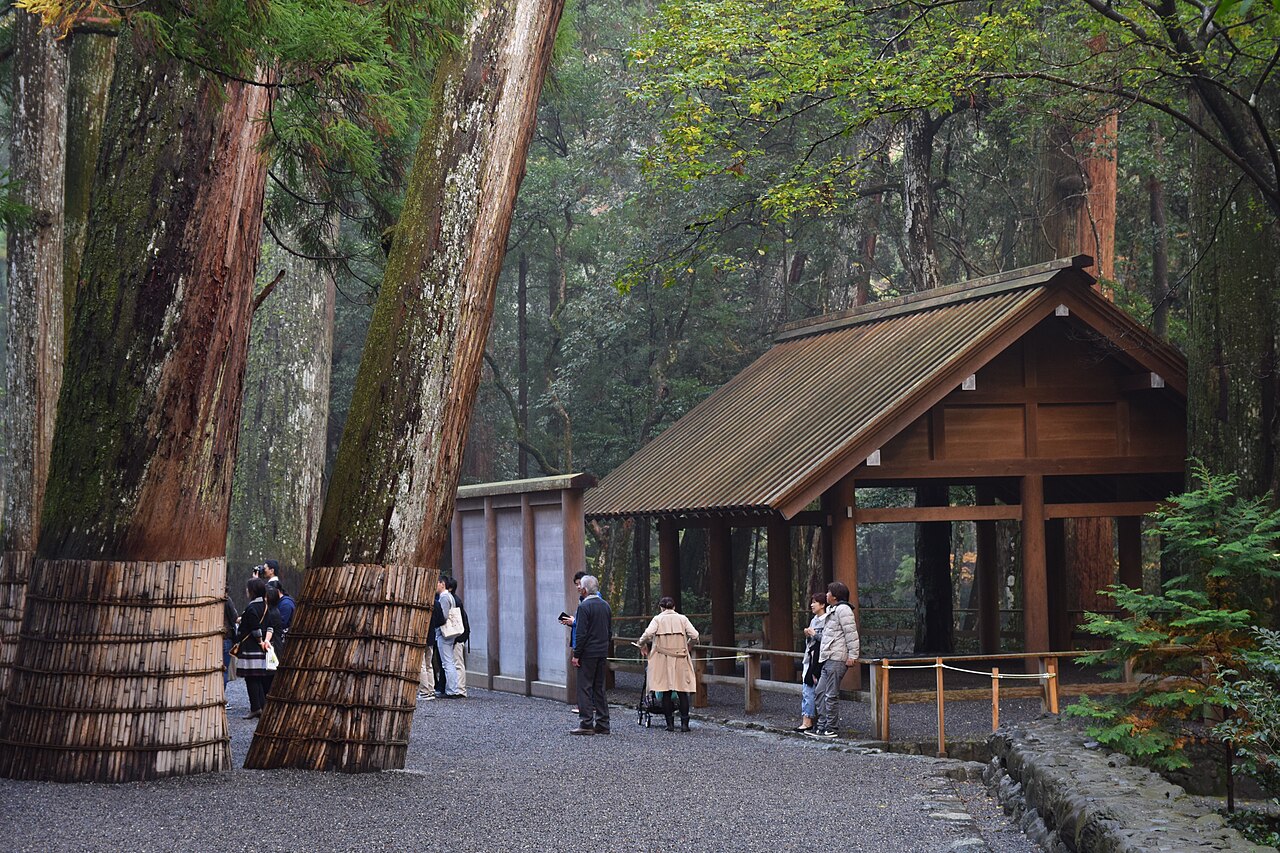
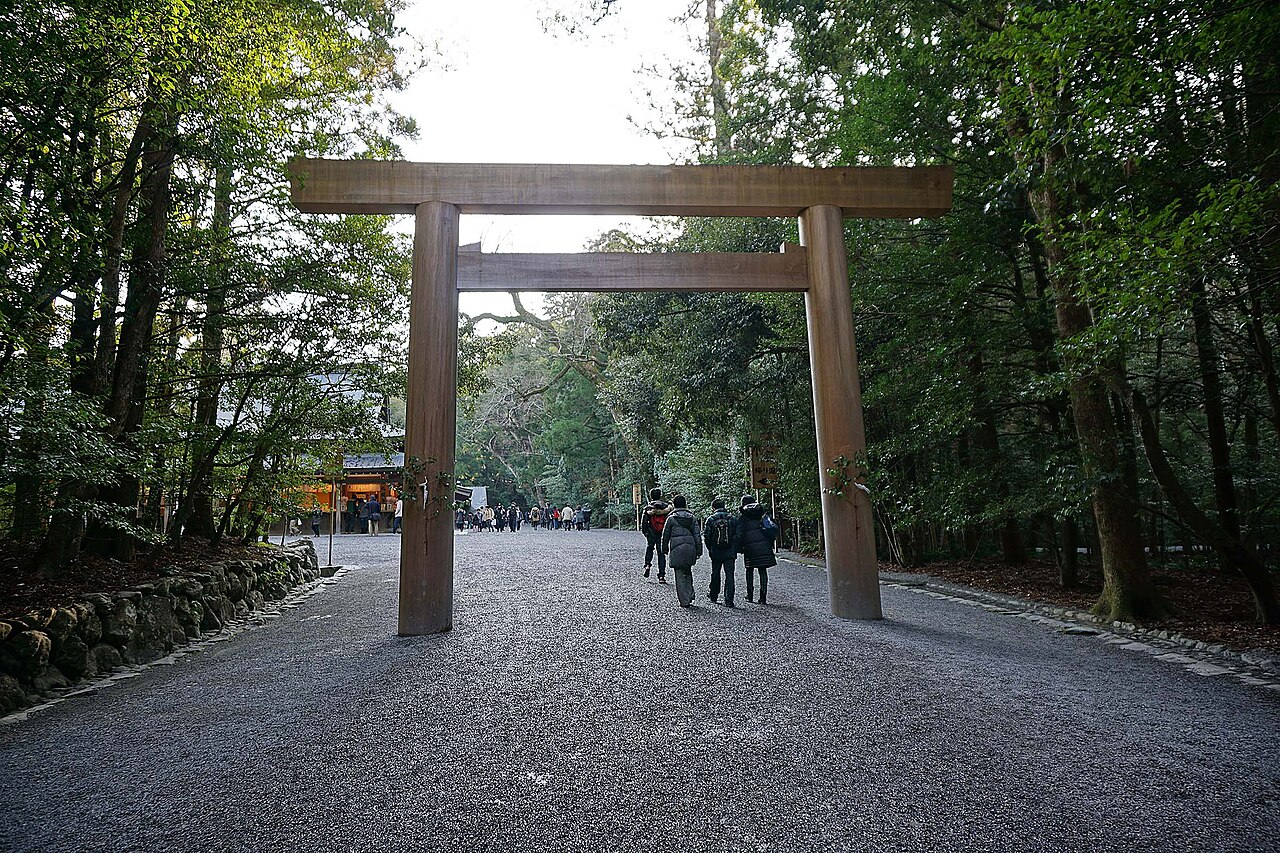
The Ise Grand Shrine
The most sacred shrine in Shinto is a plain cypress building that is torn down and rebuilt, identically, every twenty years; and has been for some thirteen centuries.
 Artist
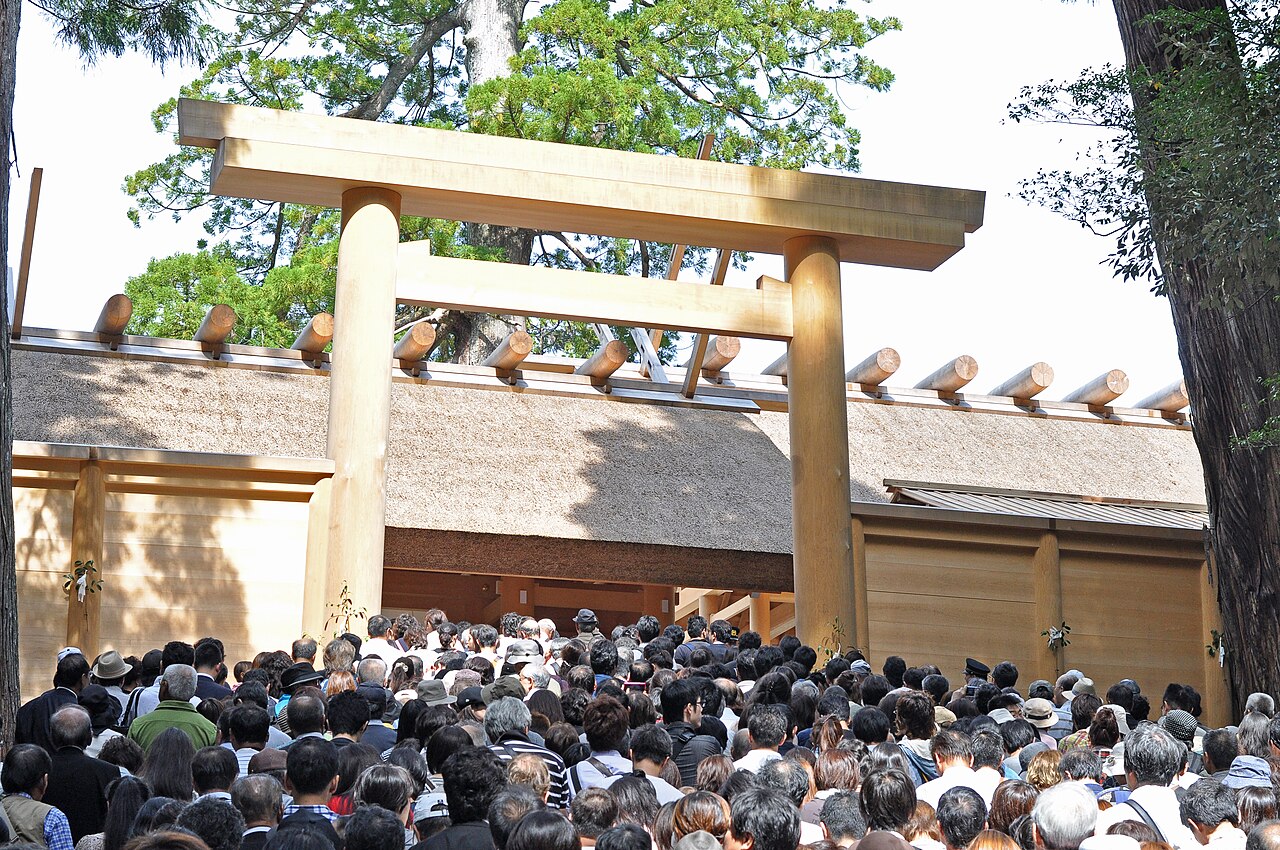
The Ise Carpenters (Miyadaiku)
The master shrine carpenters who rebuild Ise Jingu every twenty years with hand tools and unjoined cypress; a craft transmitted by being performed.
 History Event
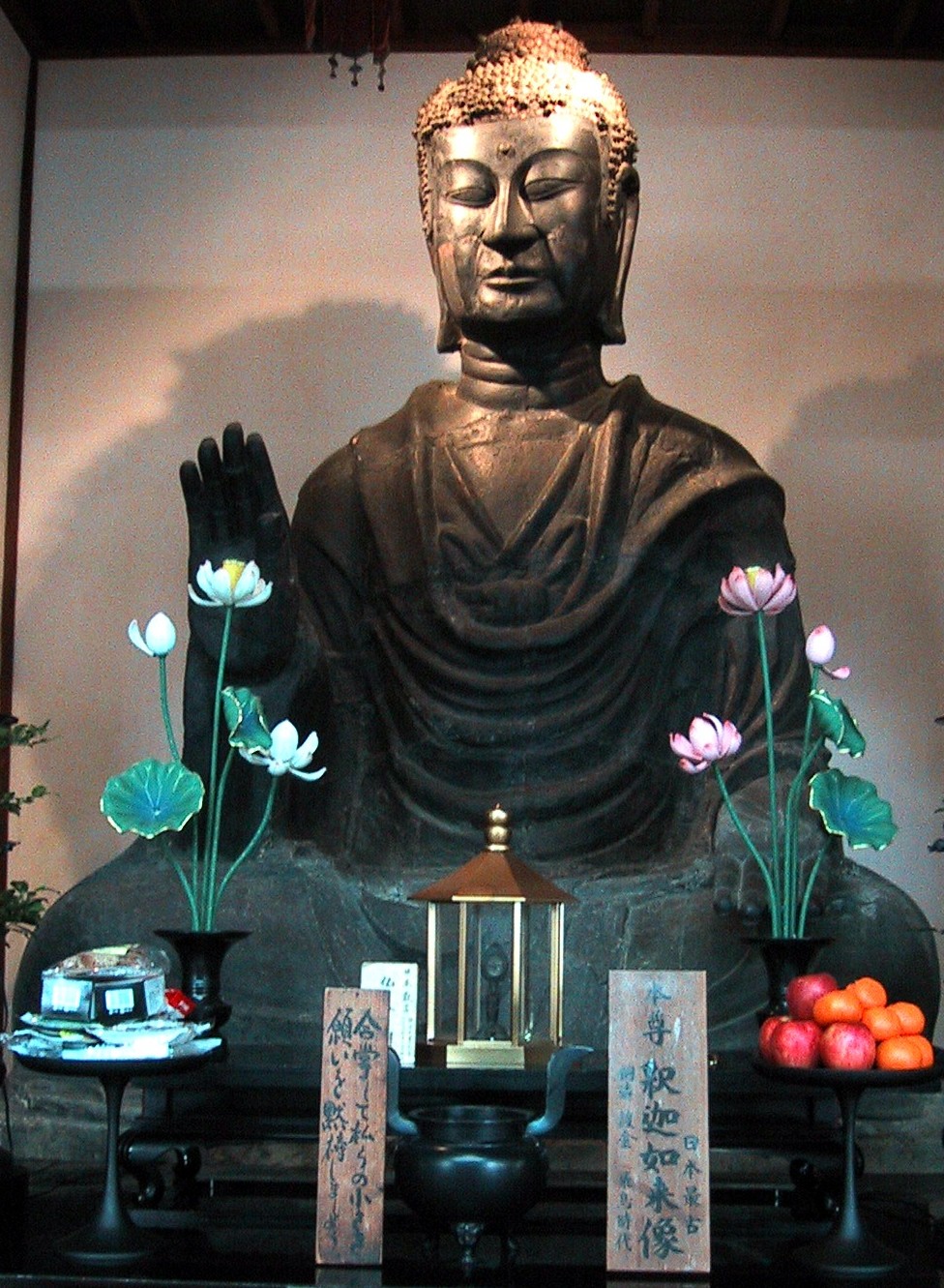
Buddhism introduced to Japan
538
 History Event
Edo period
1603-1868
 History Event
Heian; shinbutsu-shūgō
794-1185
 History Event
Nihon Shoki completed
720
 History Event
Shinto Directive
1945
 History Event
Taihō Code; Jingikan established
701