

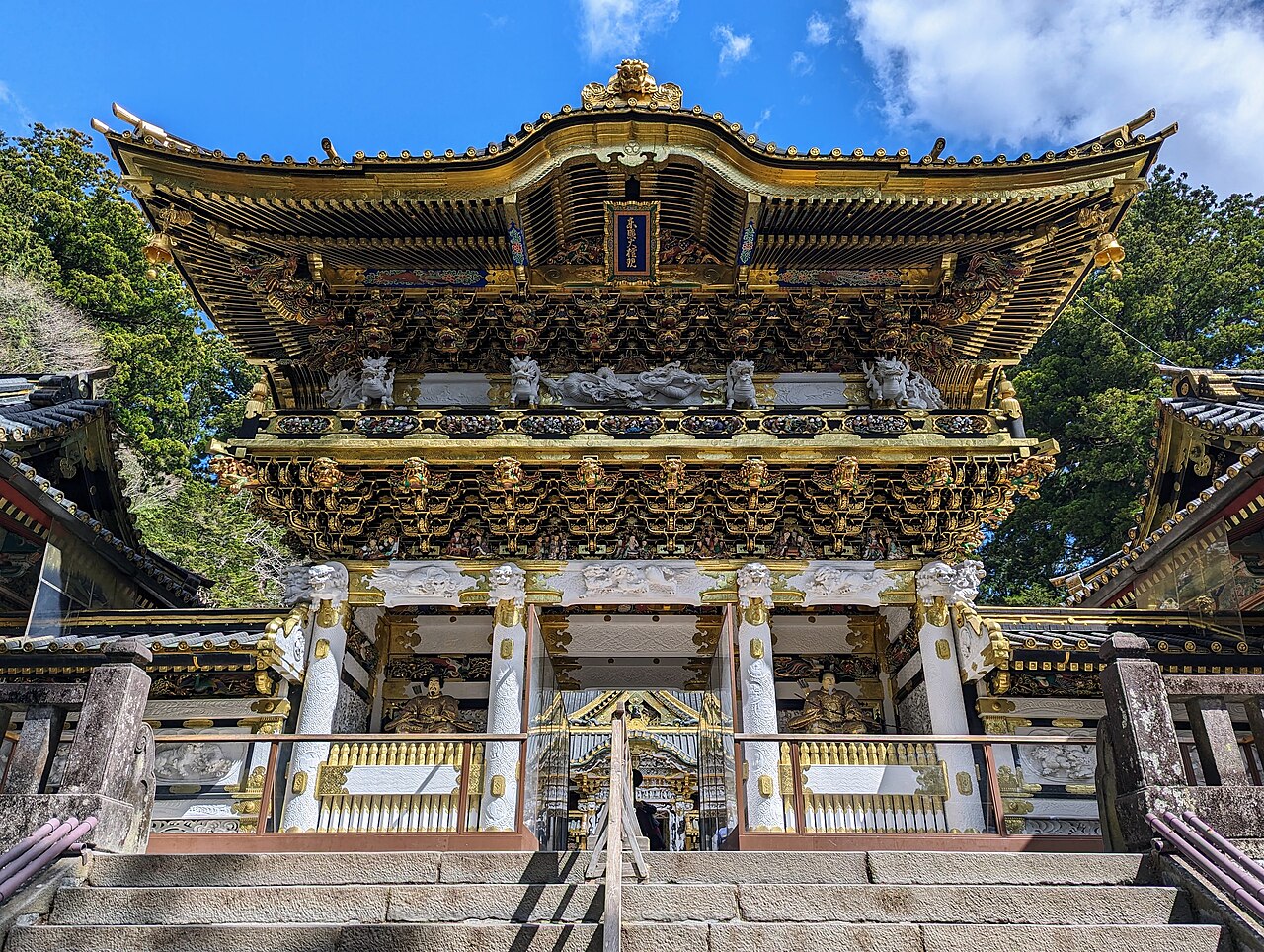
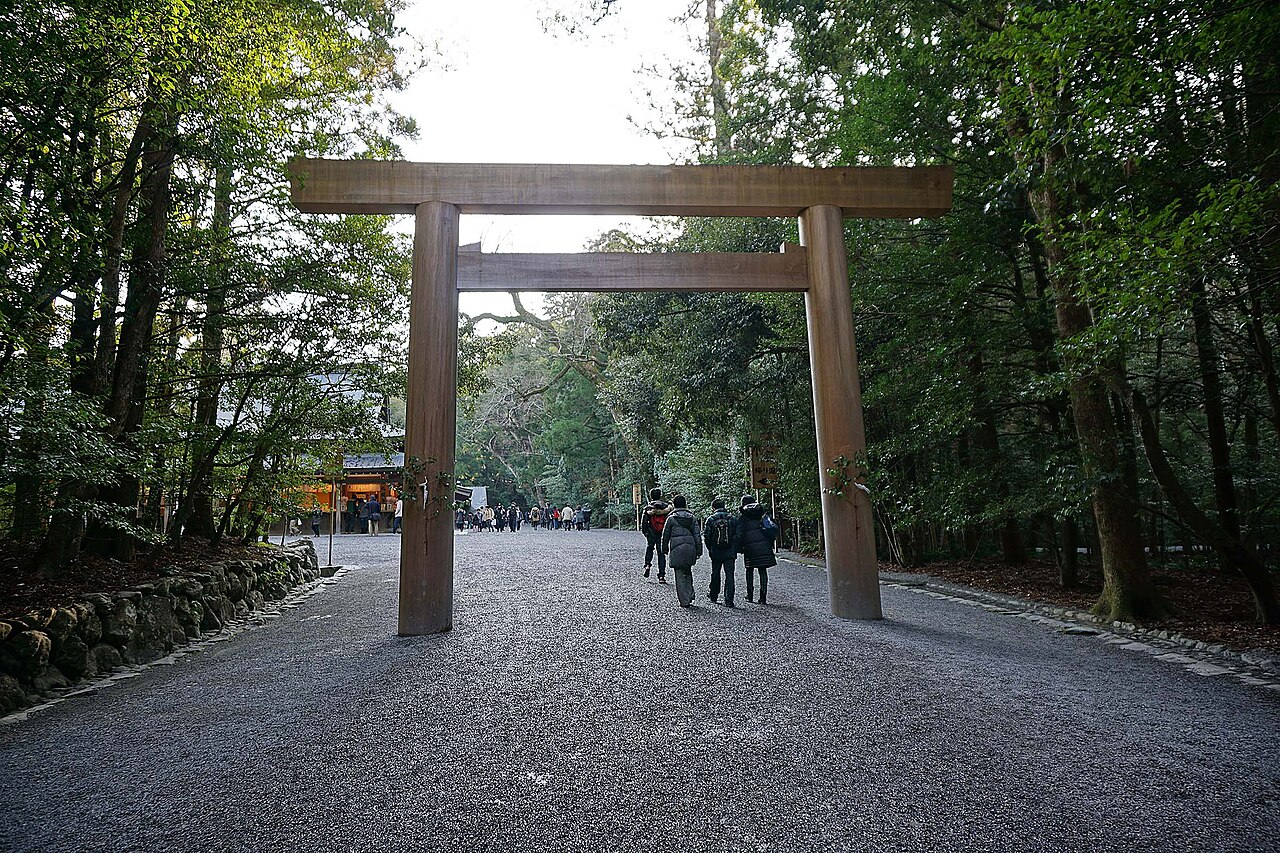
Under the Tokugawa shogunate the shrines lived inside a settled order. The shogunate issued regulations for shrines and priests in 1665, the Yoshida and Shirakawa houses competed to license the country's shrines, and the great cults drew mass pilgrimages: to Ise above all, where in peak years millions walked to the shrine of Amaterasu in carnival journeys the authorities could barely contain. Thinkers of the age, from Yamazaki Ansai to the Mito historians, gave the kami new philosophical and national meanings.
Tagged: Jinja Shinto Shinto
The Event
- Date
- 1603-1868 (exact)
- Era
- Edo and Kokugaku; Standard periodization of Shinto history
- Location
- Edo; today Tokyo, Japan
- Traditions
- Shinto
- Streams
- Jinja Shinto
- Key figures
- Tokugawa Ieyasu
Primary Sources
- The Tokugawa shrine regulations (1665).
Secondary Sources
- Hardacre, Helen. Shinto: A History. Oxford University Press, 2017.
- Breen, John, and Mark Teeuwen. A New History of Shinto. Wiley-Blackwell, 2010.
Provenance: HIST-0908; confidence 0.95; accessed 2026-10-28.
Related on This Site
 Art Entry
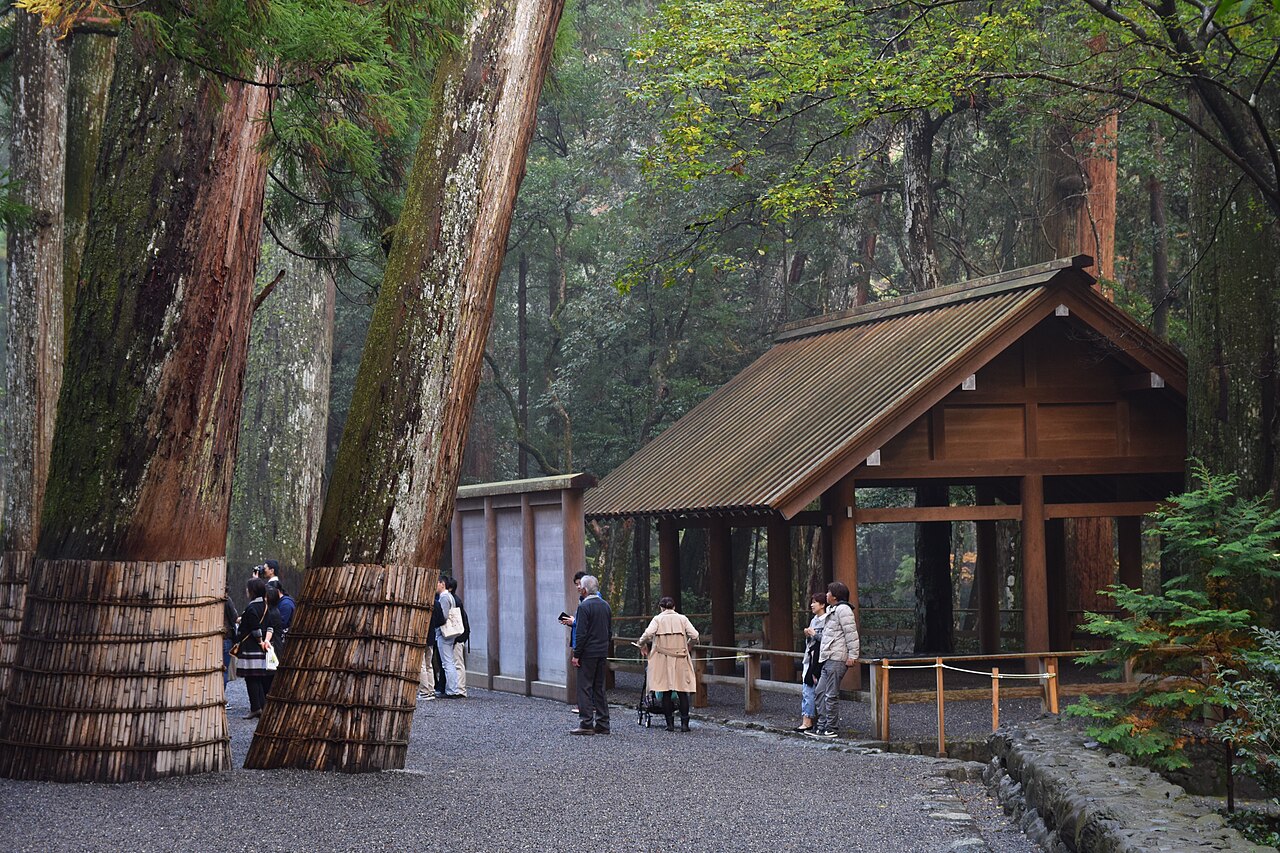
The Ise Grand Shrine
The most sacred shrine in Shinto is a plain cypress building that is torn down and rebuilt, identically, every twenty years; and has been for some thirteen centuries.
 Artist
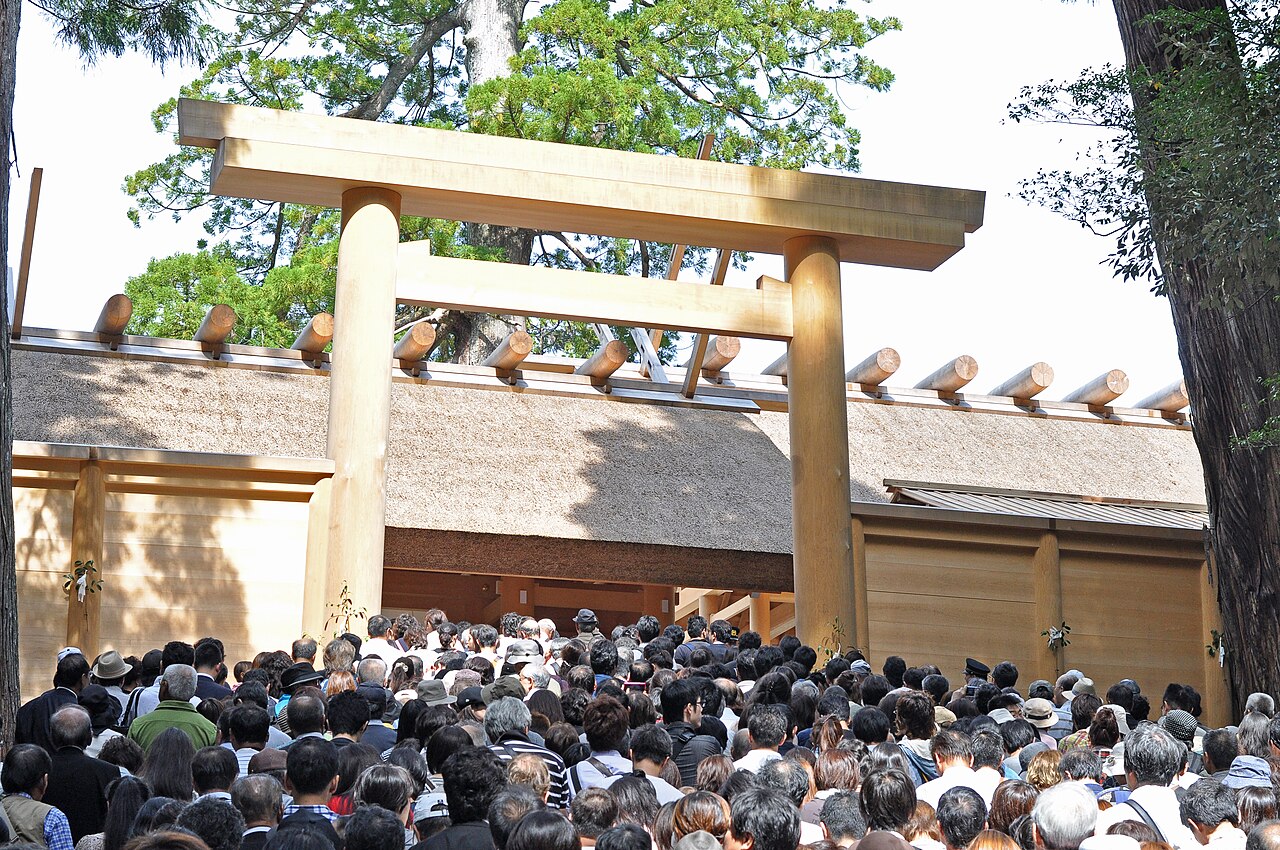
The Ise Carpenters (Miyadaiku)
The master shrine carpenters who rebuild Ise Jingu every twenty years with hand tools and unjoined cypress; a craft transmitted by being performed.
 History Event
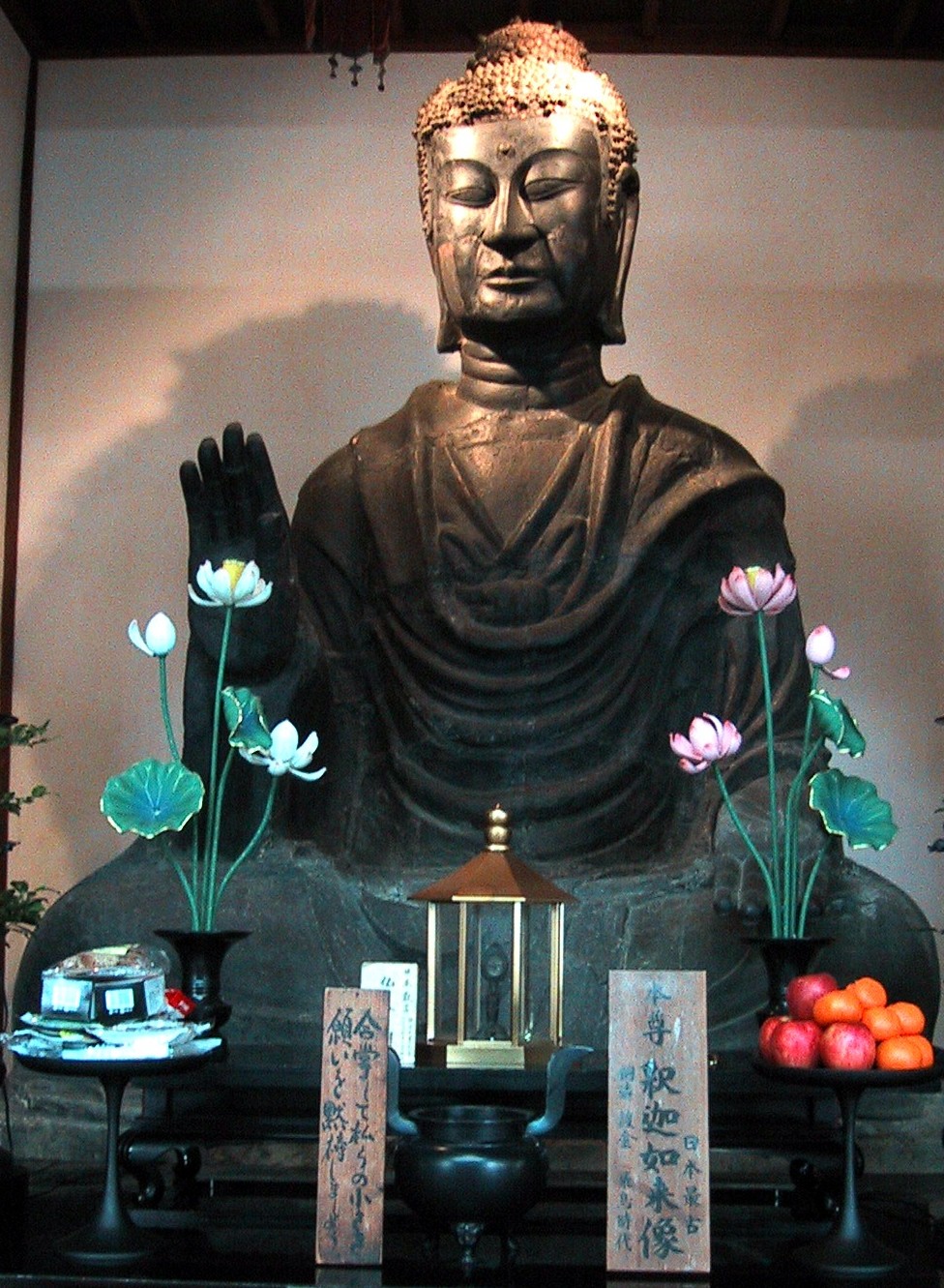
Buddhism introduced to Japan
538
 History Event
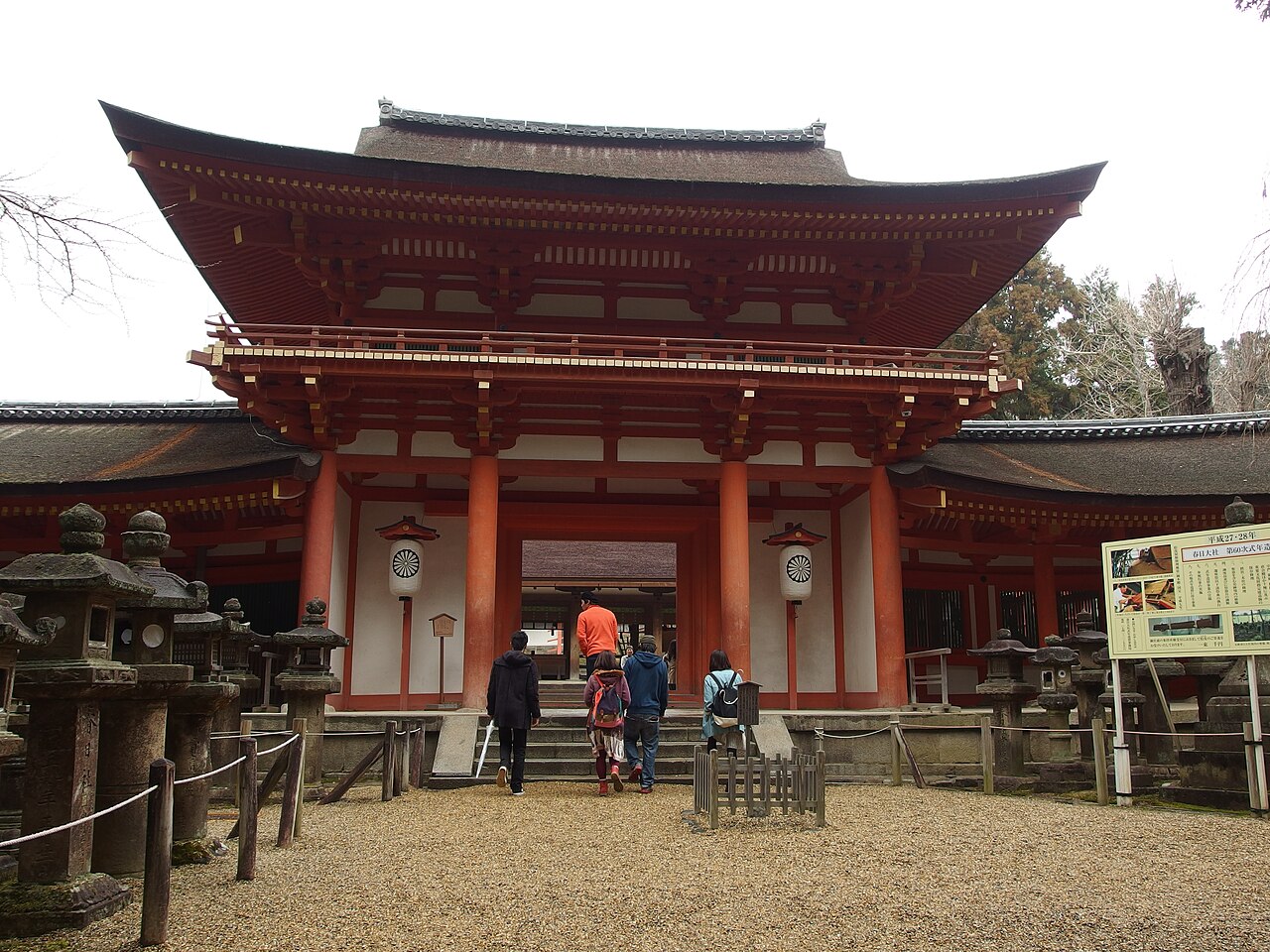
Heian; shinbutsu-shūgō
794-1185
 History Event
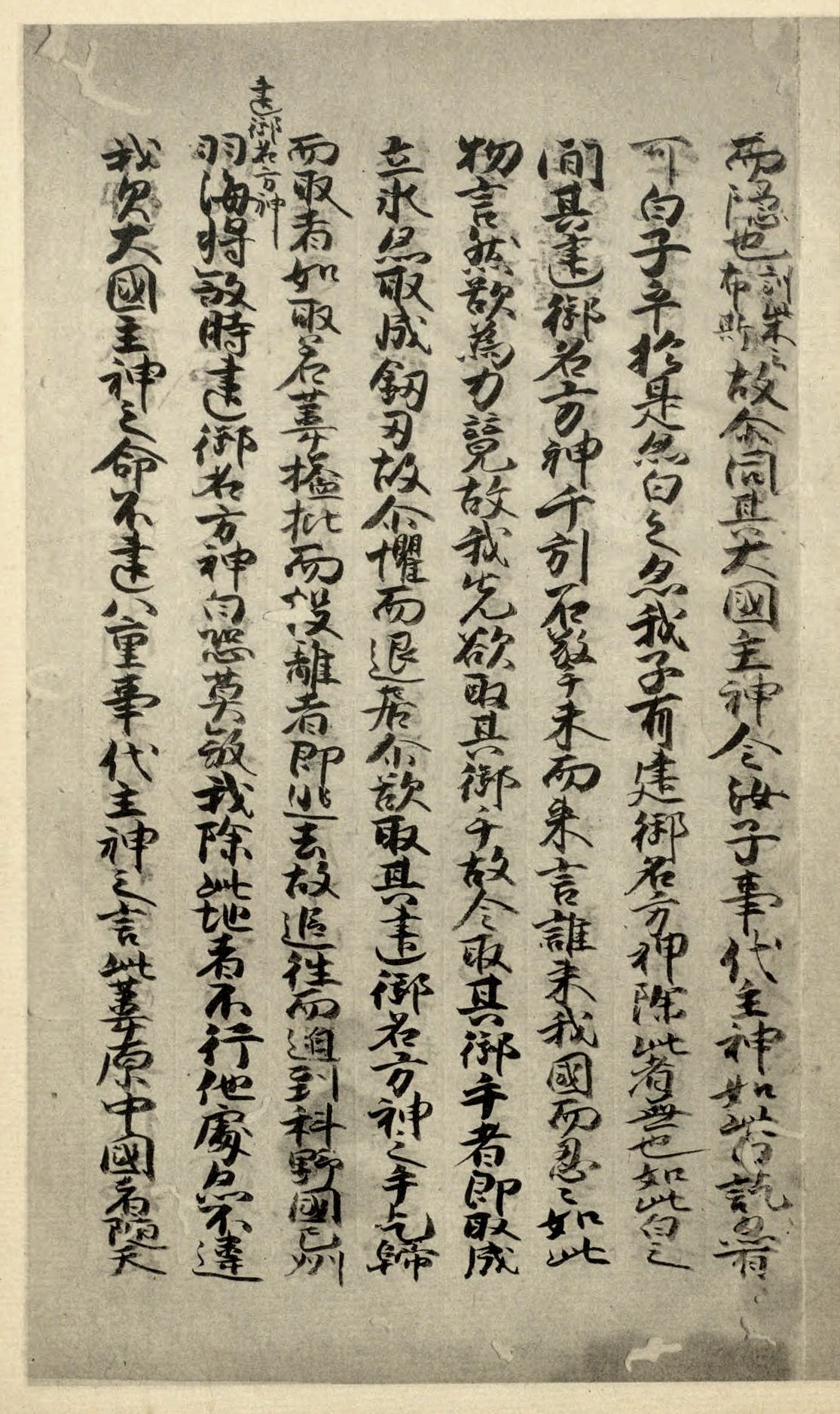
Kojiki completed
712
 History Event
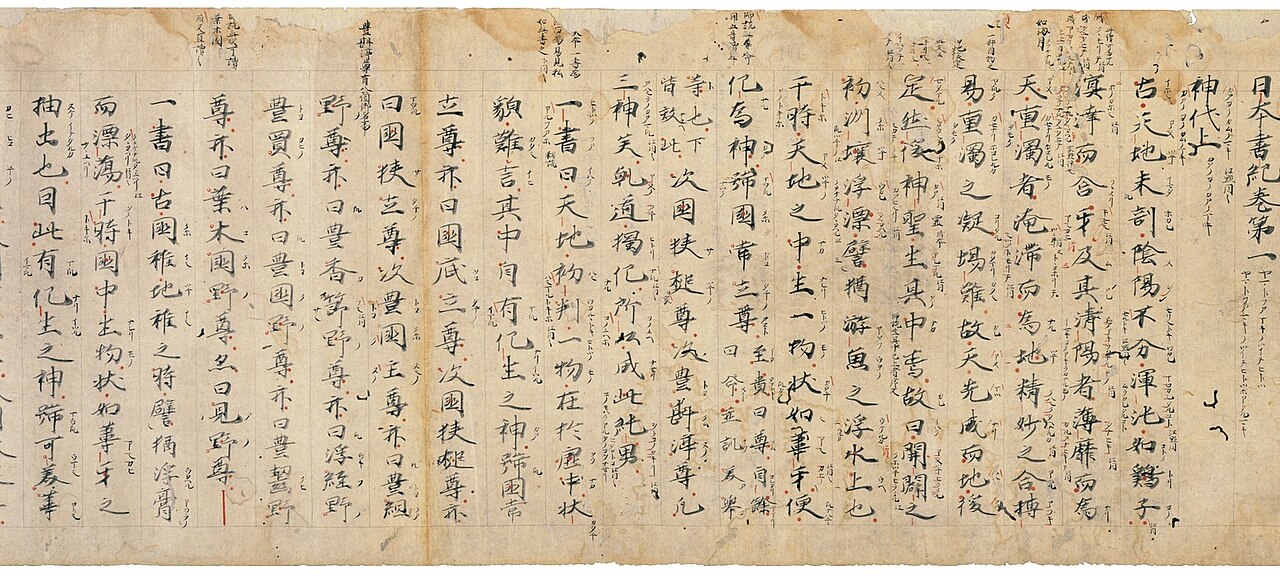
Nihon Shoki completed
720
 History Event
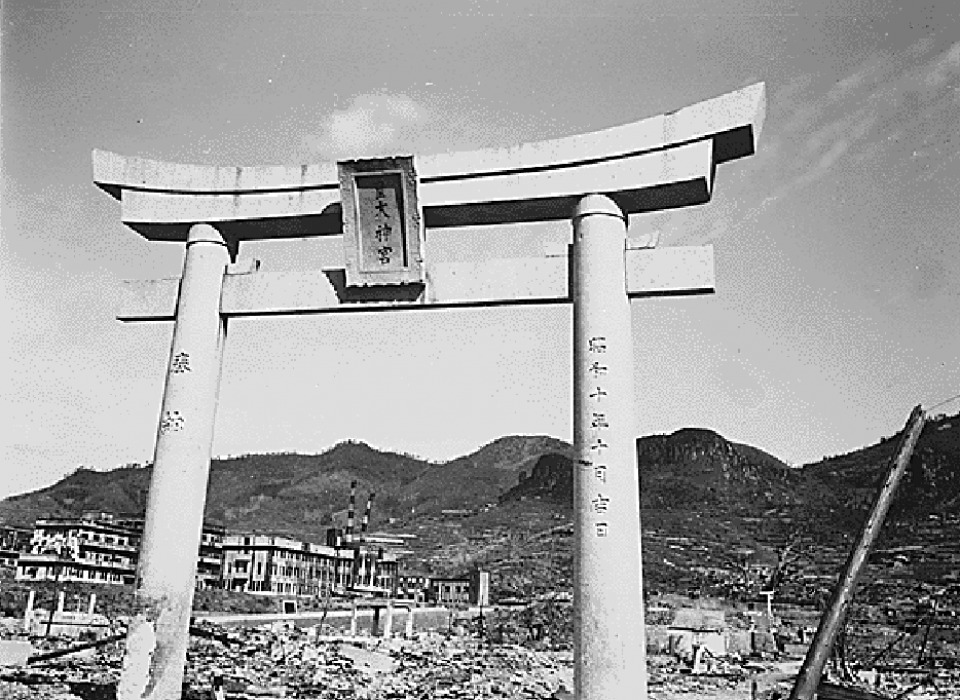
Shinto Directive
1945
 History Event
Taihō Code; Jingikan established
701