

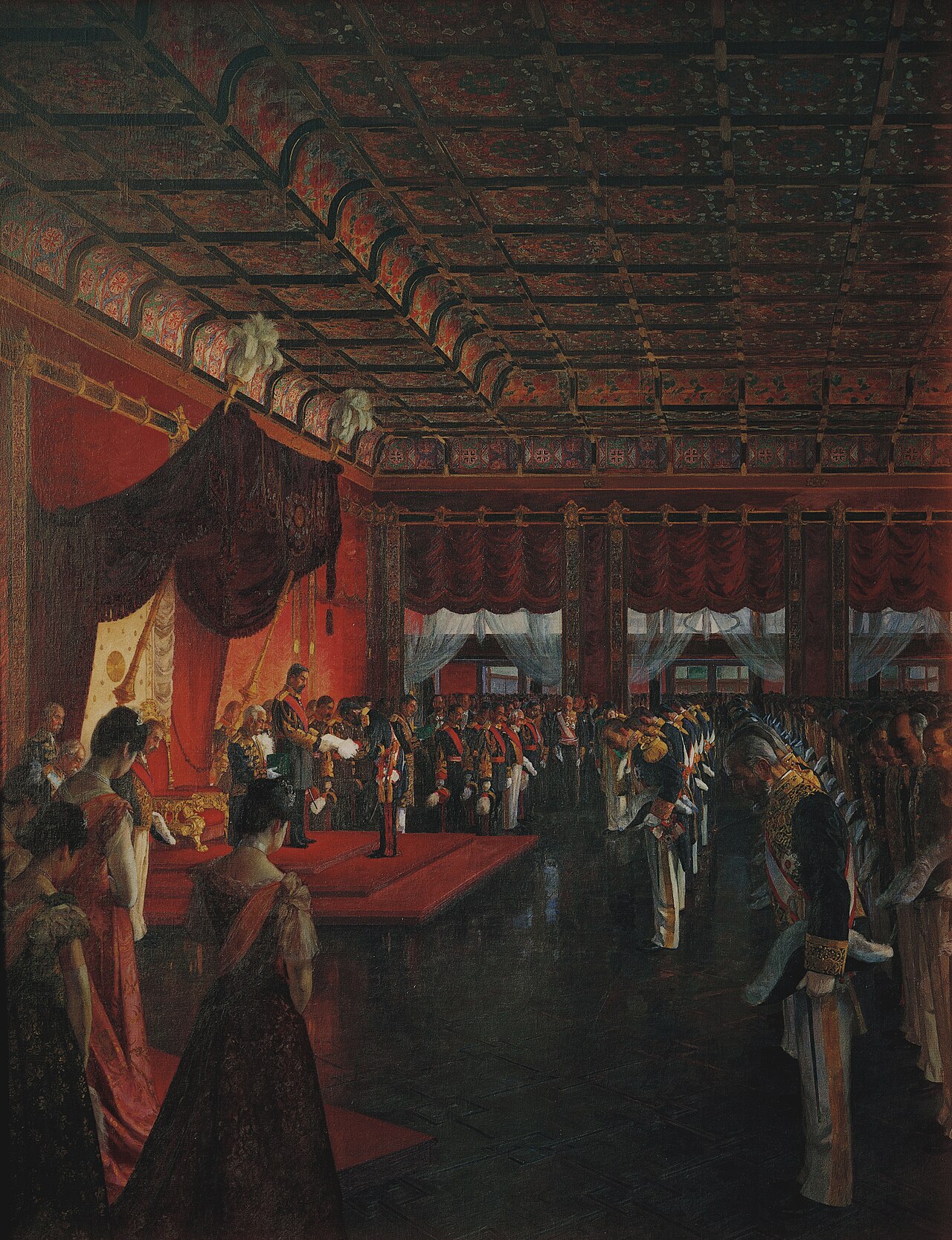
The Constitution of the Empire of Japan, promulgated in 1889, declared the emperor sacred and inviolable, of a line unbroken for ages eternal, and granted subjects a qualified freedom of religious belief within limits not prejudicial to peace and order. Together the two clauses held the settlement of the age: the imperial cult stood above religion as the state's sacred ground, while religions as such were tolerated beneath it. The Imperial Rescript on Education of the following year carried the same teaching into every school.
Tagged: Shinto State Shinto
The Event
- Date
- 1889 (exact)
- Era
- Meiji and State Shinto; Standard periodization of Shinto history
- Location
- Tokyo; today Tokyo, Japan
- Traditions
- Shinto
- Streams
- State Shinto
- Key figures
- Emperor Meiji, Itō Hirobumi
- Key texts
- Constitution of the Empire of Japan
Primary Sources
- The Constitution of the Empire of Japan (1889).
Secondary Sources
- Hardacre, Helen. Shinto: A History. Oxford University Press, 2017.
- Breen, John, and Mark Teeuwen. A New History of Shinto. Wiley-Blackwell, 2010.
Provenance: HIST-0913; confidence 0.95; accessed 2026-10-28.
Related on This Site
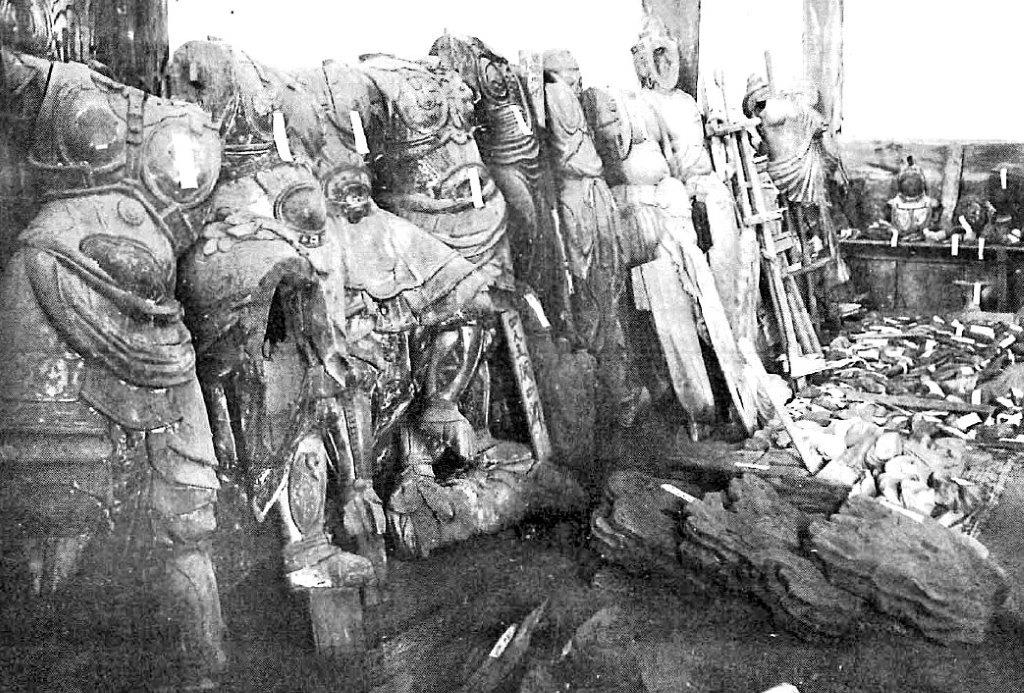 History Event
Shinbutsu bunri
1868
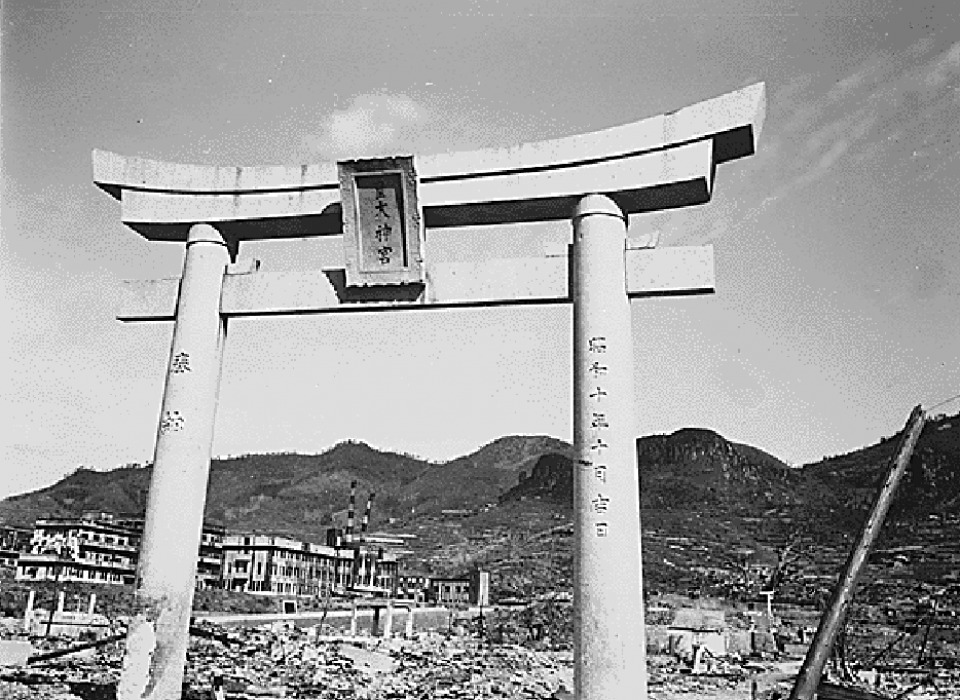 History Event
Shinto Directive
1945
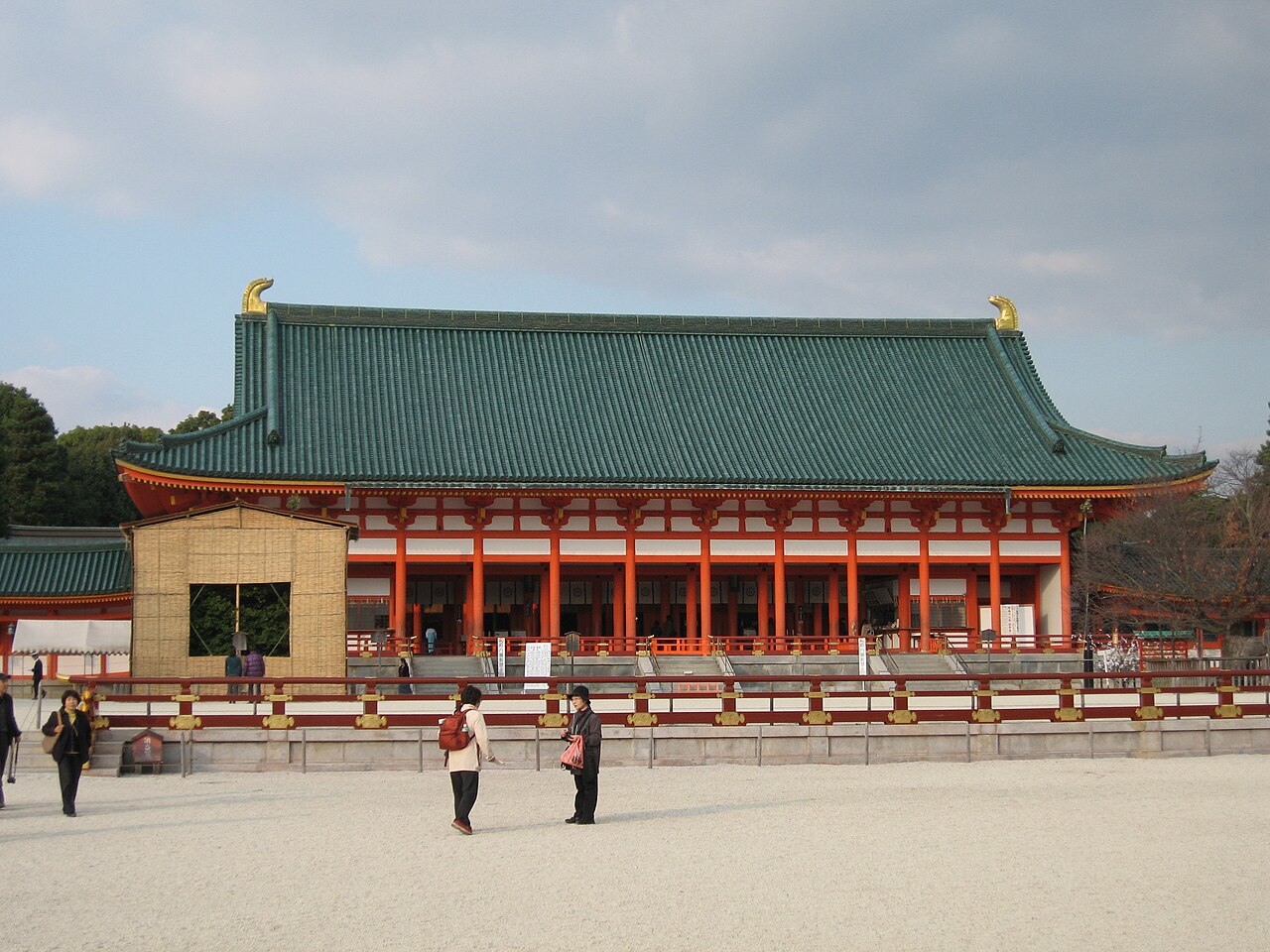 History Event
Shrine registration system
1871
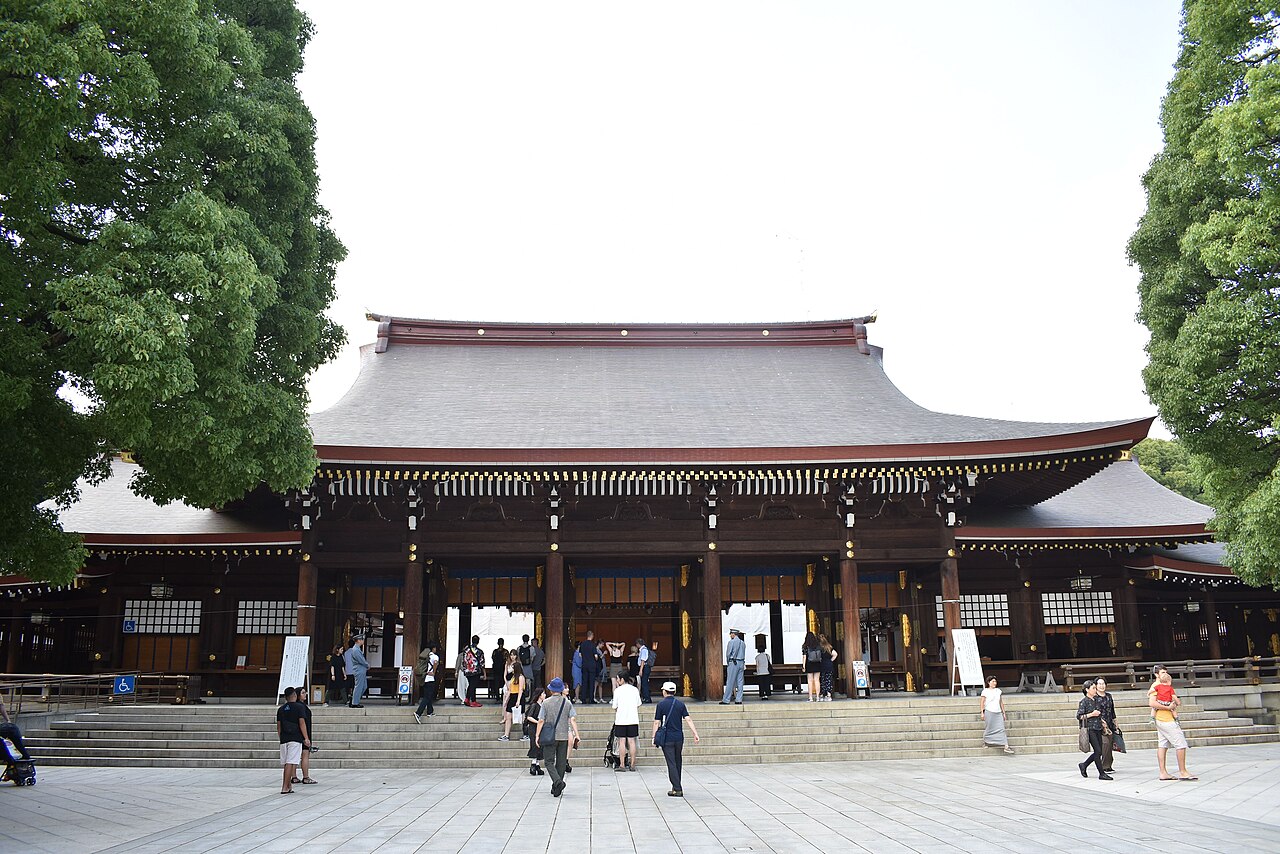 History Event
State Shinto
1868-1945
 Language
Classical Japanese
The classical written language of Japan, in which the norito prayers and the early chronicles are composed.
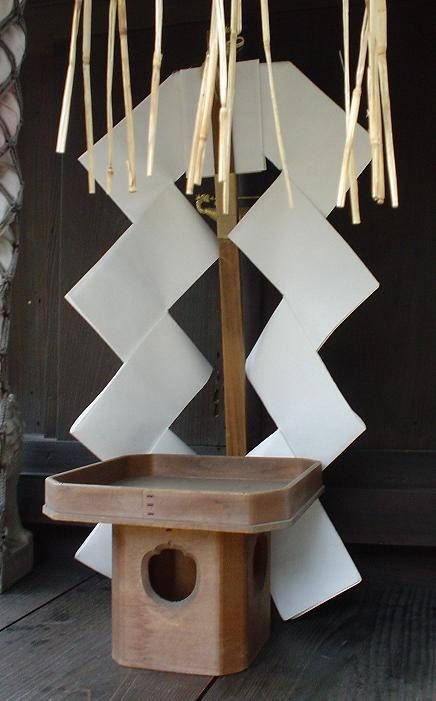 Prayer or Creed
Norito
Formal ritual prayers in classical Japanese, recited by priests to the kami at shrine festivals and rites.
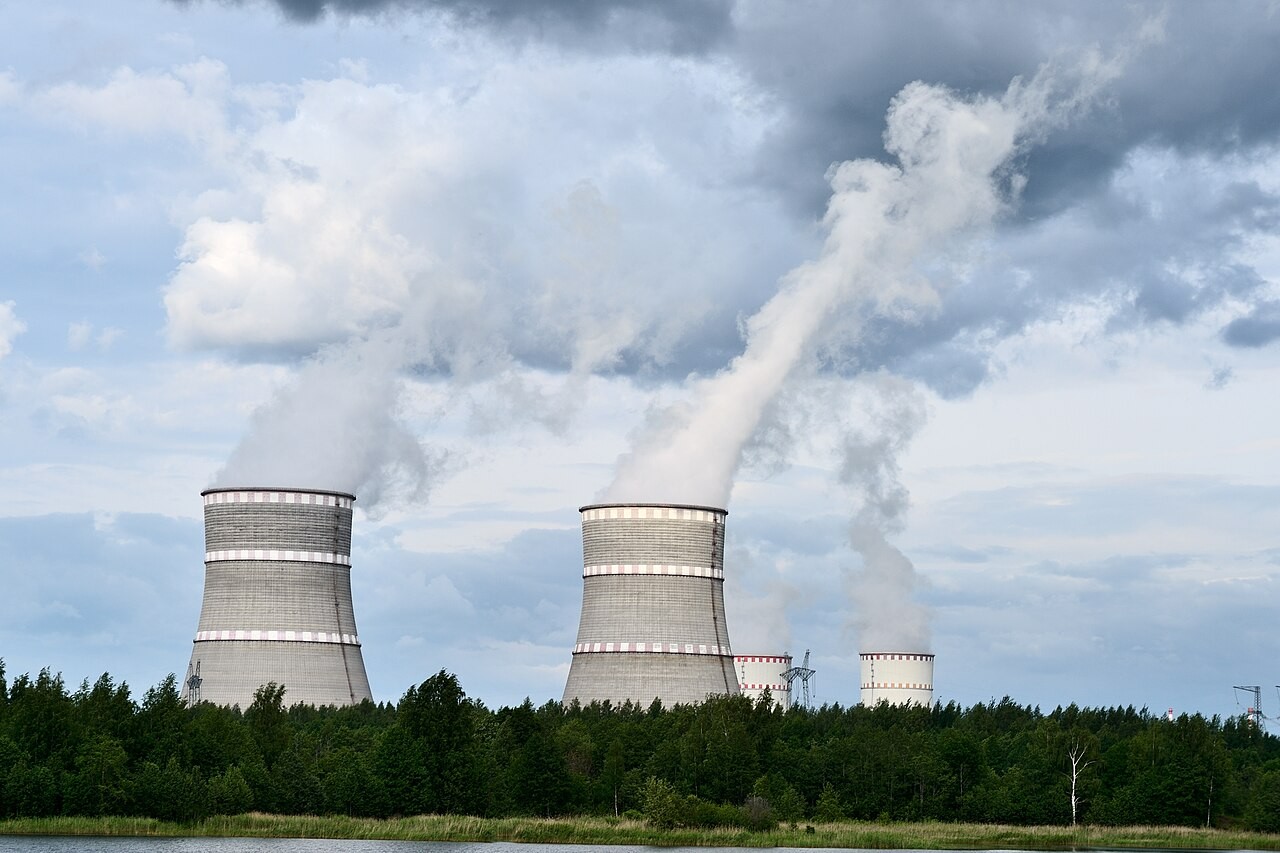 Technology
Nuclear power
The reactor judged apart from the bomb: prudence, waste, and descendants on one side of the ledger, decarbonization arithmetic on the other; and no magisterium with a binding word.
 Tradition & Science
Shinto
A tradition without a creed for science to contradict: kami in the landscape, a shrine rebuilt on schedule for thirteen centuries as a living school of craft, and modern flashpoints in nuclear pollution and the definition of death.