

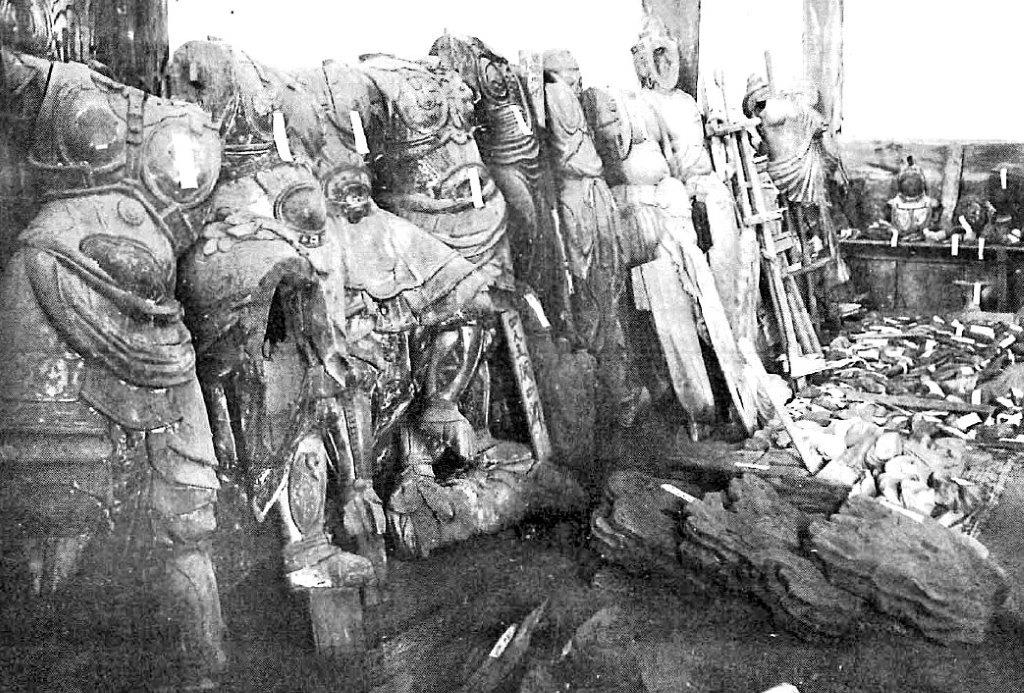
In the first months of the Meiji restoration the new government ordered the separation of the kami from the buddhas: shinbutsu bunri. Buddhist images were removed from shrines, shrine priests who were also monks were laicized, and a thousand years of fusion was undone by decree. In places the order lit a fuse: crowds and local officials destroyed temples, statues, and sutras in the haibutsu kishaku violence. The separation created "Shinto" as a distinct religion in law, at the cost of a heritage the country could not recover.
Tagged: Shinto State Shinto
The Event
- Date
- 1868 (exact)
- Also called
- the separation of Shinto and Buddhism
- Era
- Meiji and State Shinto; Standard periodization of Shinto history
- Location
- Japan; today Japan
- Traditions
- Shinto
- Streams
- State Shinto
- Key figures
- Emperor Meiji
How the Tradition Tells It
The separation fell very unevenly. Some districts saw temples burned and treasures destroyed; in others the edicts were applied on paper and neighbours went on worshipping together. The national decree is one event; its local histories are thousands.
Connections
Primary Sources
- The Meiji separation edicts of 1868.
Secondary Sources
- Breen, John, and Mark Teeuwen. A New History of Shinto. Wiley-Blackwell, 2010.
- Hardacre, Helen. Shinto: A History. Oxford University Press, 2017.
Provenance: HIST-0910; confidence 0.95; accessed 2026-10-28.
Related on This Site
 History Event
Meiji Constitution
1889
 History Event
Shinto Directive
1945
 History Event
Shrine registration system
1871
 History Event
State Shinto
1868-1945
 Language
Classical Japanese
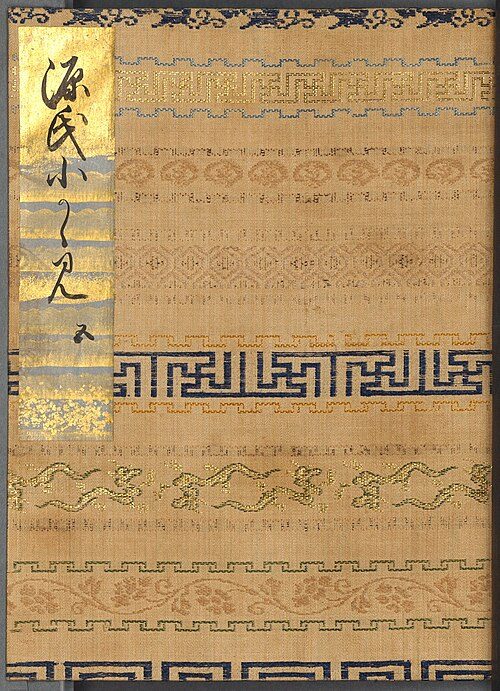
The classical written language of Japan, in which the norito prayers and the early chronicles are composed.
 Prayer or Creed
Norito
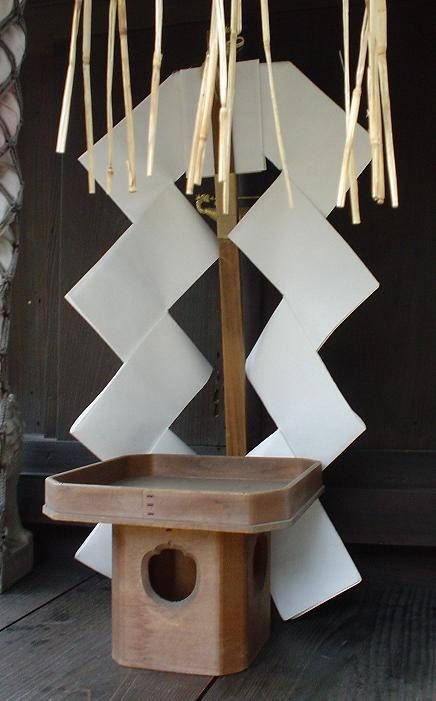
Formal ritual prayers in classical Japanese, recited by priests to the kami at shrine festivals and rites.
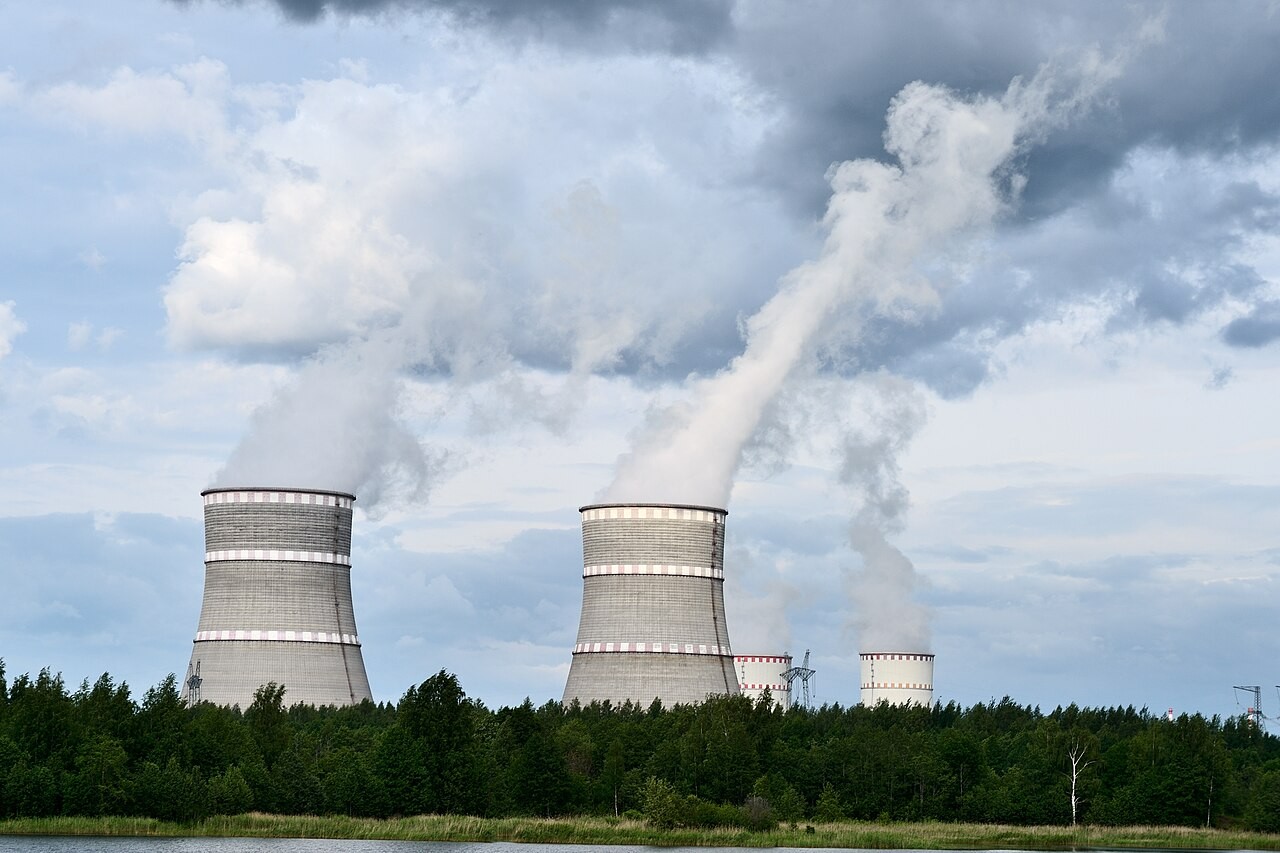 Technology
Nuclear power
The reactor judged apart from the bomb: prudence, waste, and descendants on one side of the ledger, decarbonization arithmetic on the other; and no magisterium with a binding word.
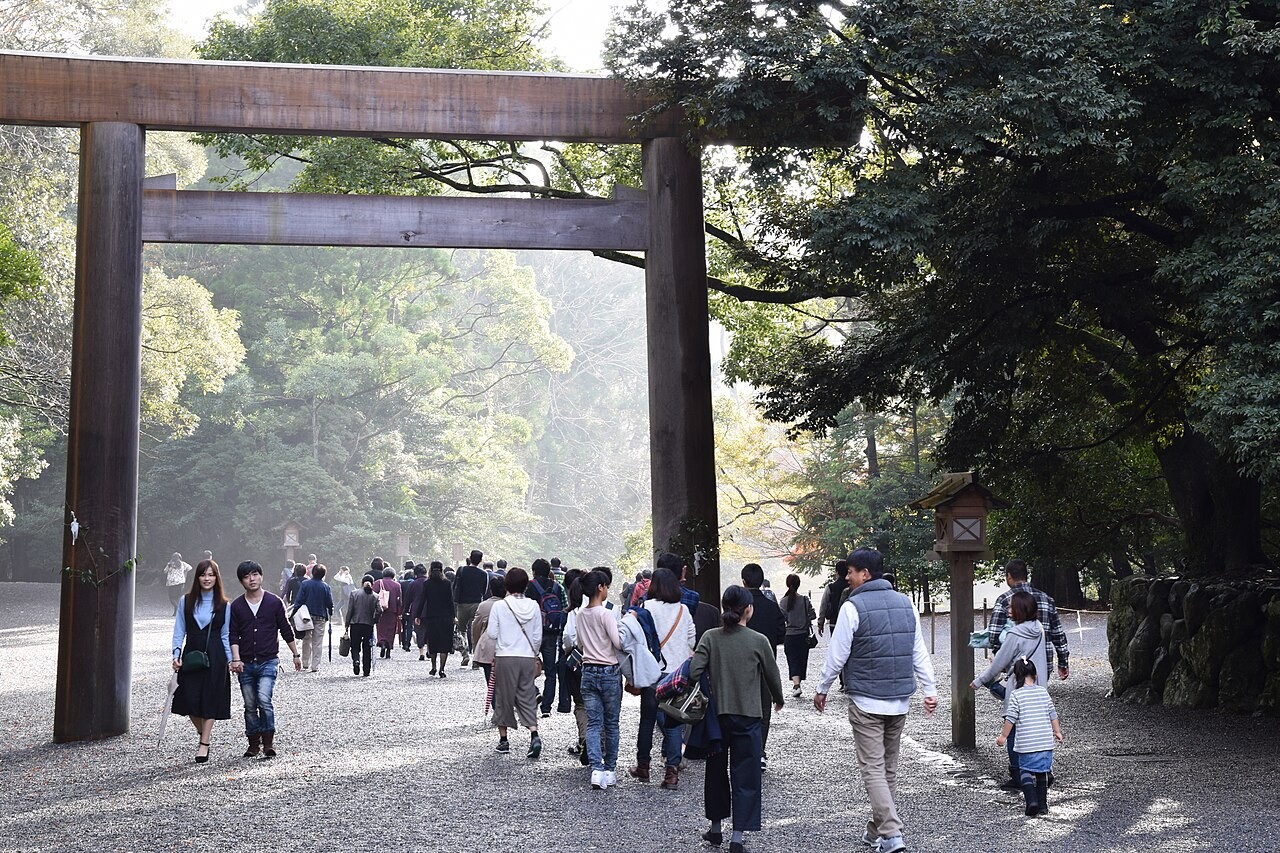 Tradition & Science
Shinto
A tradition without a creed for science to contradict: kami in the landscape, a shrine rebuilt on schedule for thirteen centuries as a living school of craft, and modern flashpoints in nuclear pollution and the definition of death.