

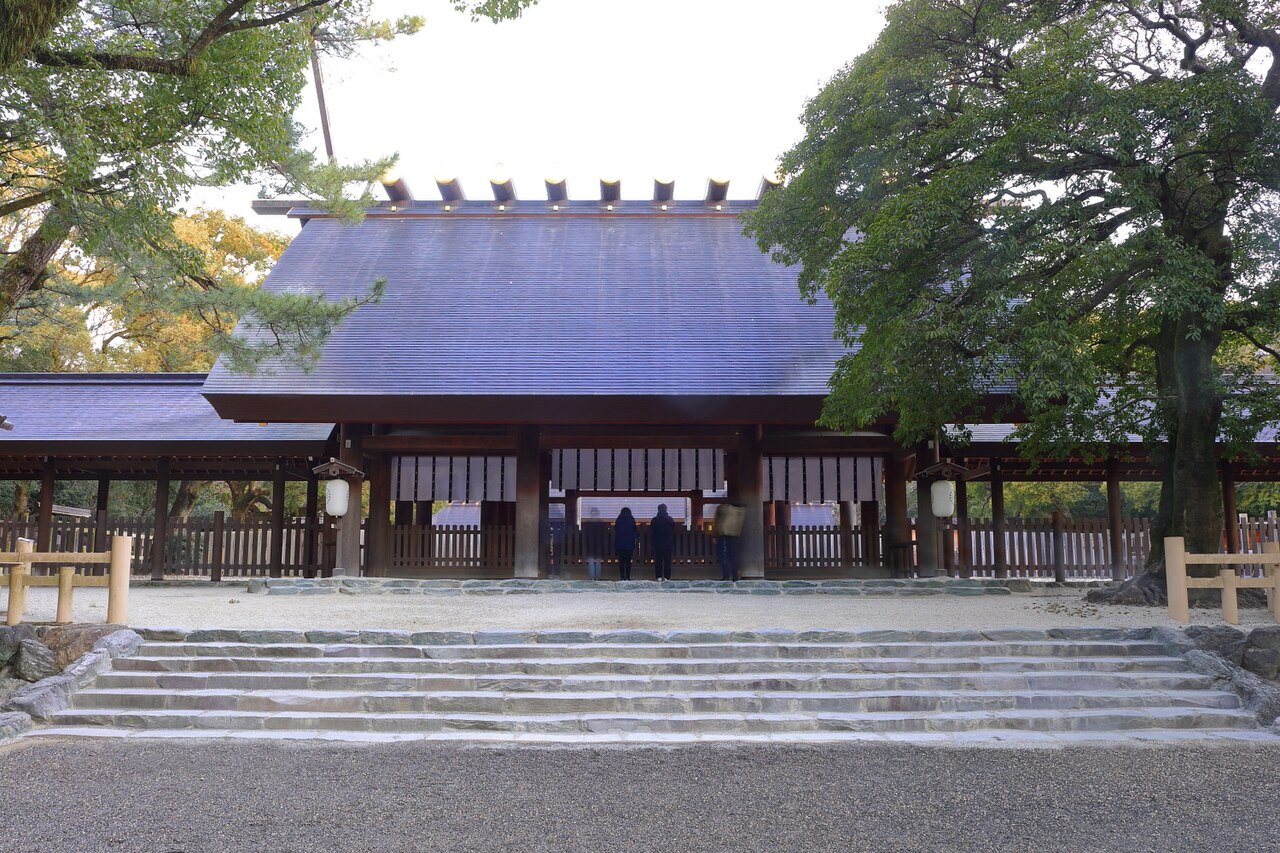
The Association of Shinto Shrines, Jinja Honchō, was formed in 1946 from the shrine world's own wartime bodies to represent the shrines in their new private standing, and by 1951, as the occupation drew to its end, it stood established as the national body of some eighty thousand shrines. From its office near Yoyogi it trains and certifies priests, publishes the shrines' teaching, and speaks for Jinja Shinto to the state and the public, while each member shrine keeps its own rites, its own kami, and its own parishioners.
Tagged: Jinja Shinto Shinto
The Event
- Date
- 1951 (exact)
- Also called
- Association of Shinto Shrines
- Era
- Postwar Jinja Shinto; Standard periodization of Shinto history
- Location
- Tokyo; today Tokyo, Japan
- Traditions
- Shinto
- Streams
- Jinja Shinto
How the Tradition Tells It
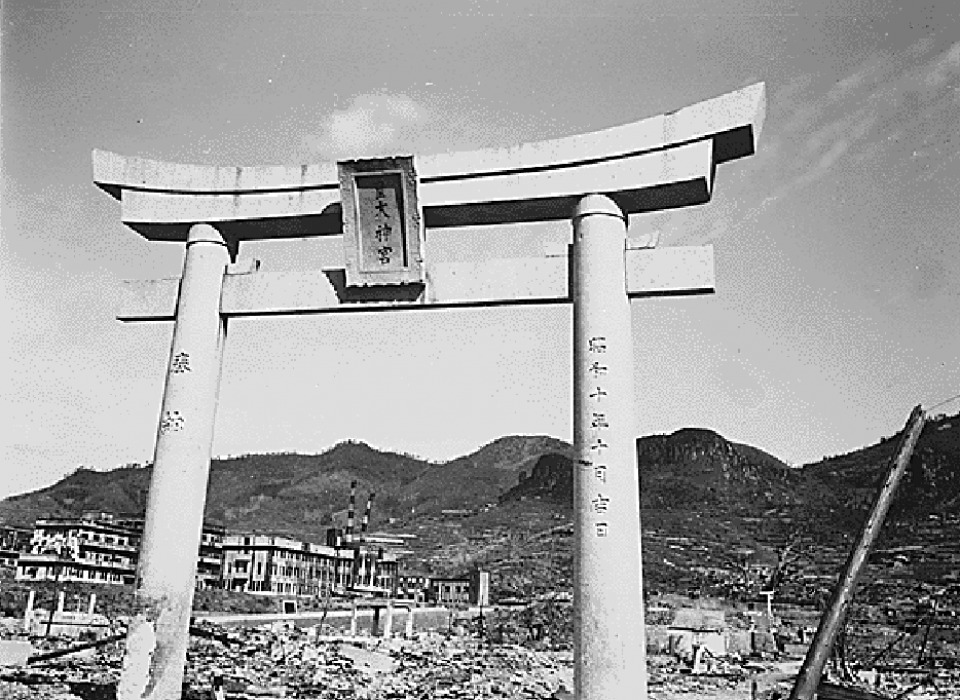
Jinja Honchō speaks for most shrines, not all. Great houses such as Fushimi Inari have stood outside it, the thirteen sects of Sect Shinto are separate bodies, and thousands of small shrines belong to no association at all. Its establishment is the centre of postwar Shinto, not its boundary.
Connections
Primary Sources
- The founding documents of Jinja Honchō.
Secondary Sources
- Hardacre, Helen. Shinto: A History. Oxford University Press, 2017.
- Breen, John, and Mark Teeuwen. A New History of Shinto. Wiley-Blackwell, 2010.
Provenance: HIST-0915; confidence 0.95; accessed 2026-10-28.
Related on This Site
 Art Entry
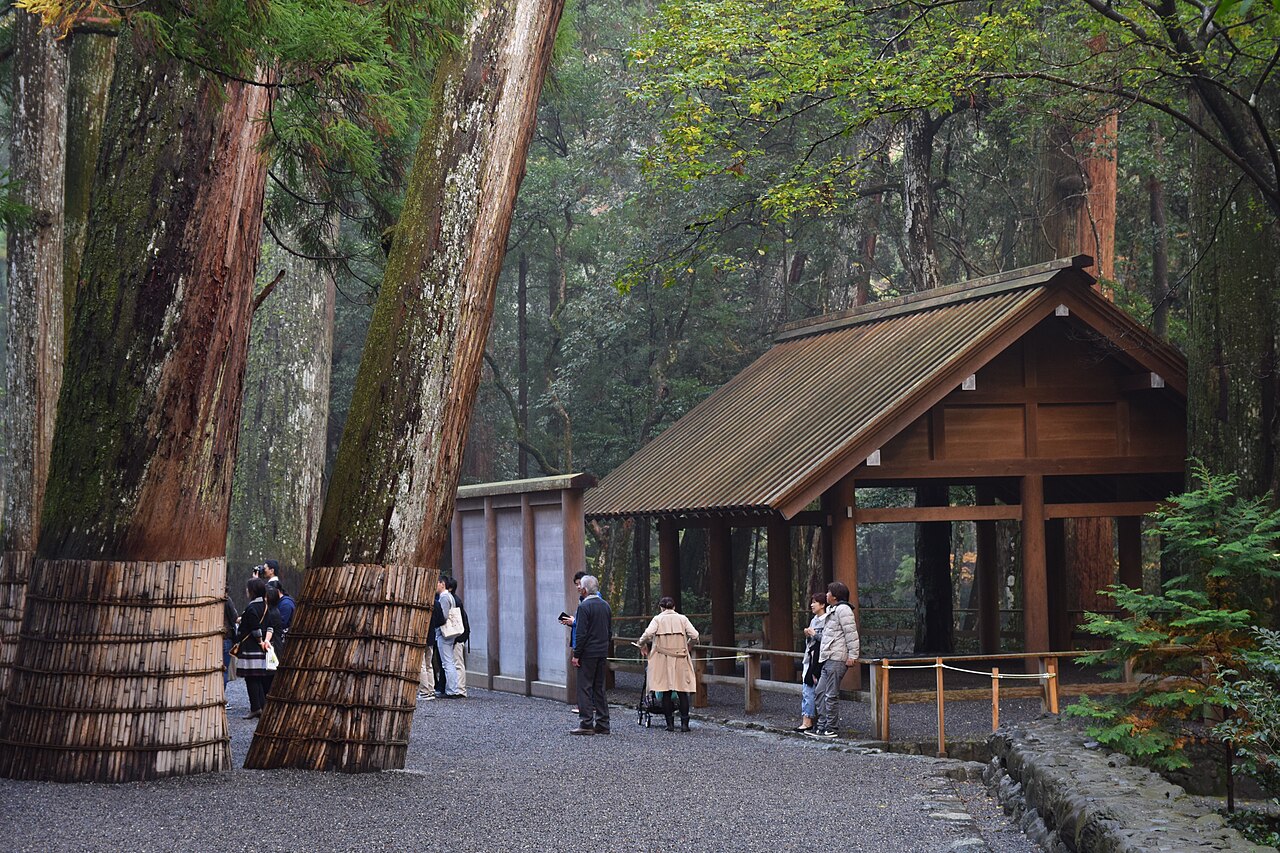
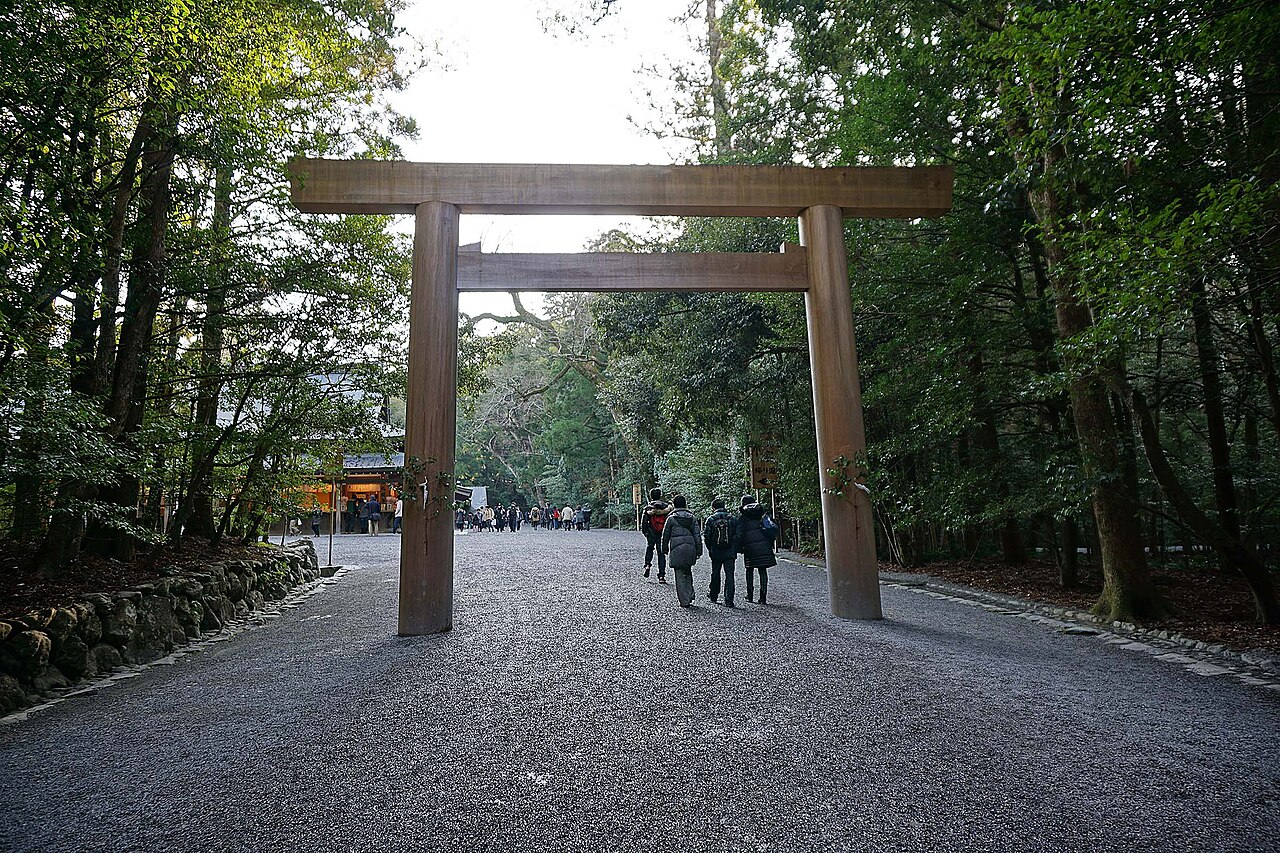
The Ise Grand Shrine
The most sacred shrine in Shinto is a plain cypress building that is torn down and rebuilt, identically, every twenty years; and has been for some thirteen centuries.
 Artist
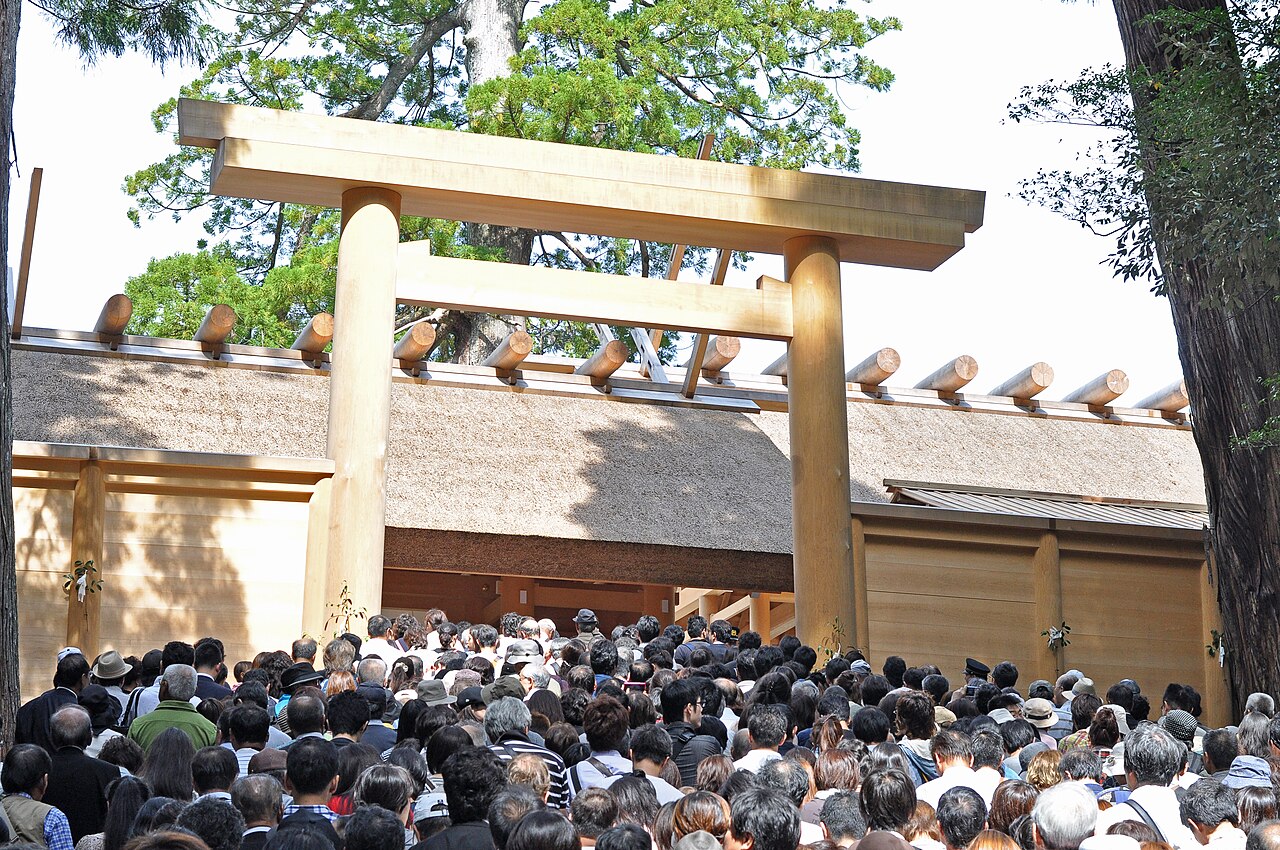
The Ise Carpenters (Miyadaiku)
The master shrine carpenters who rebuild Ise Jingu every twenty years with hand tools and unjoined cypress; a craft transmitted by being performed.
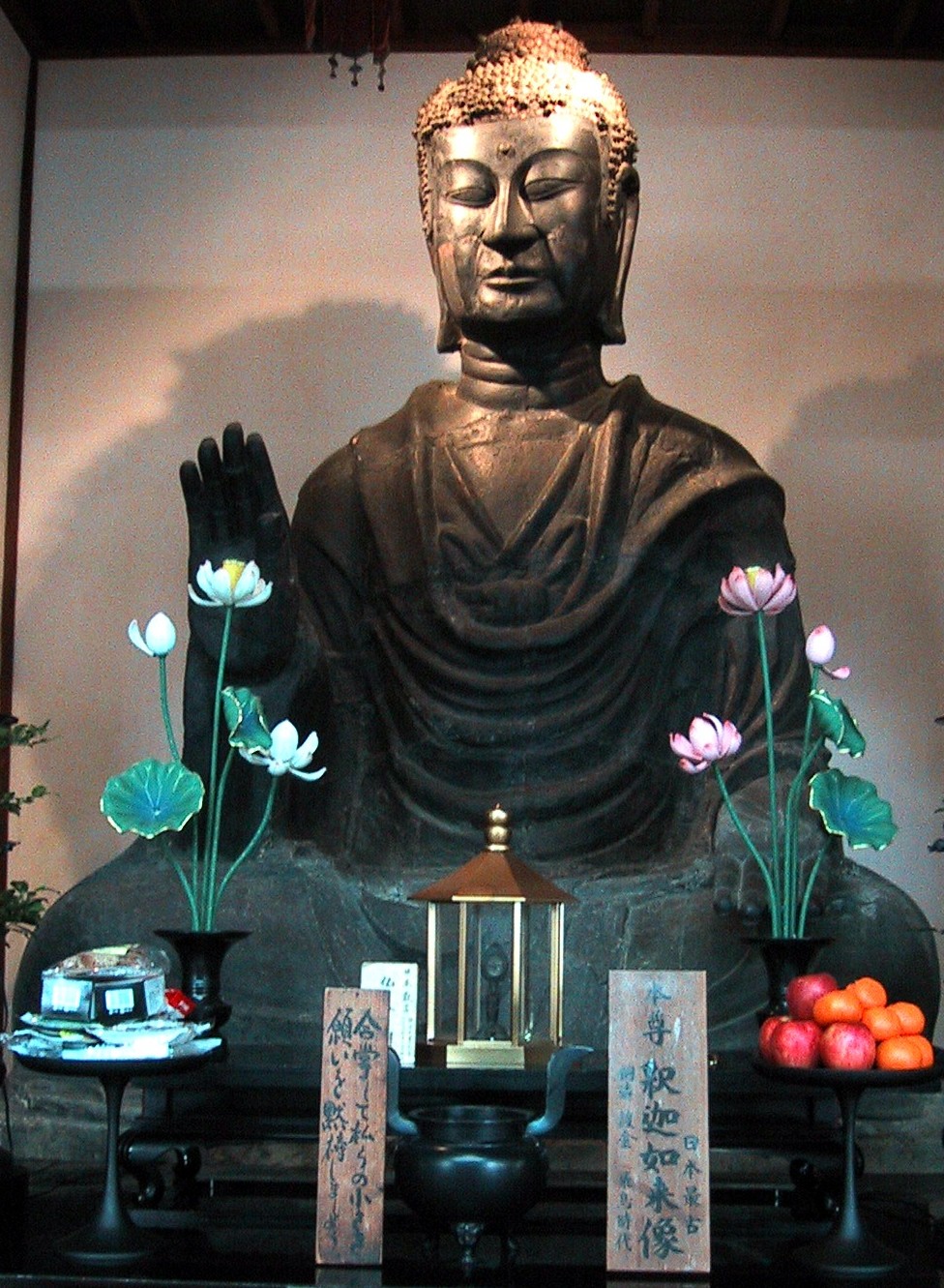 History Event
Buddhism introduced to Japan
538
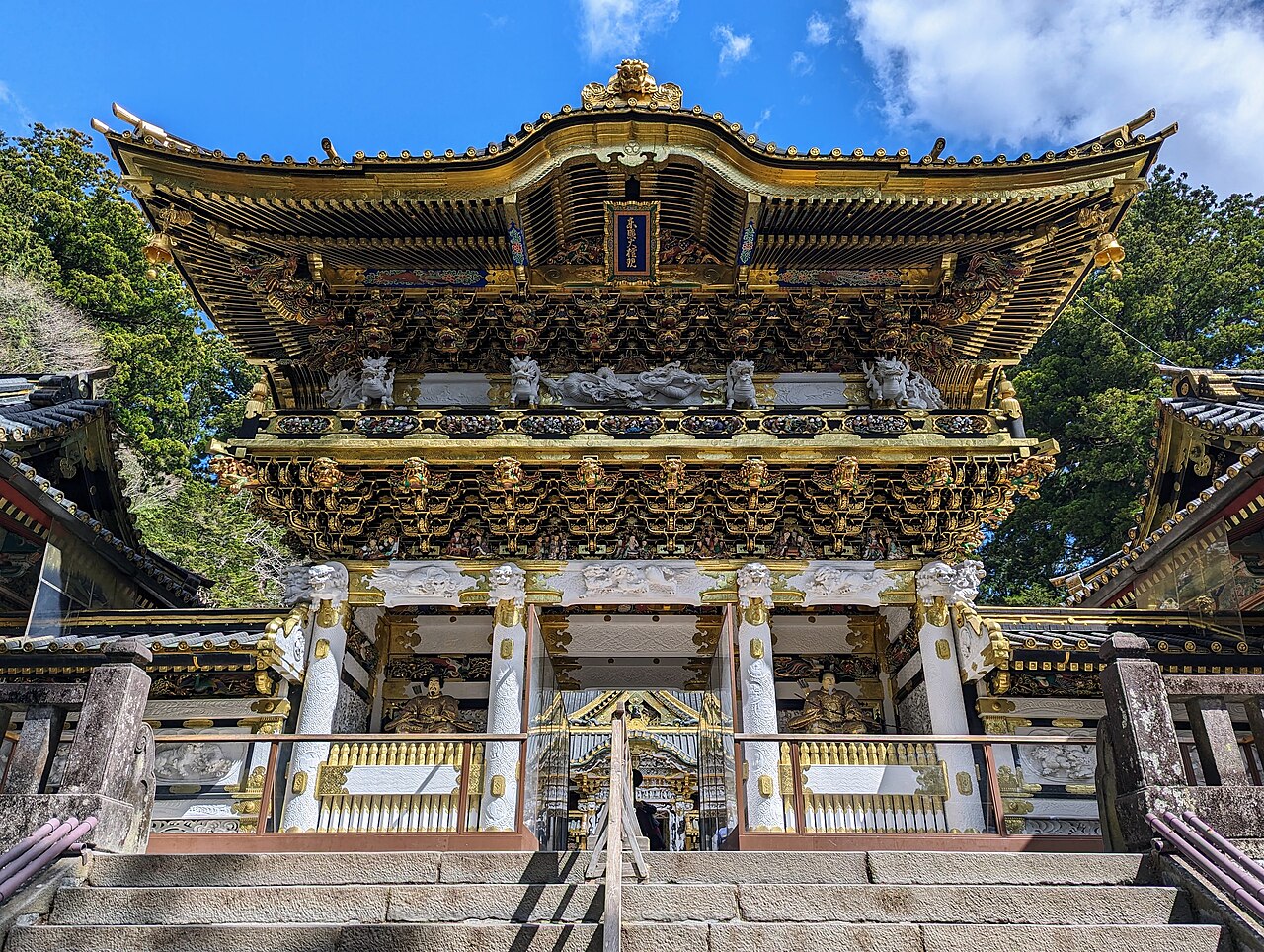 History Event
Edo period
1603-1868
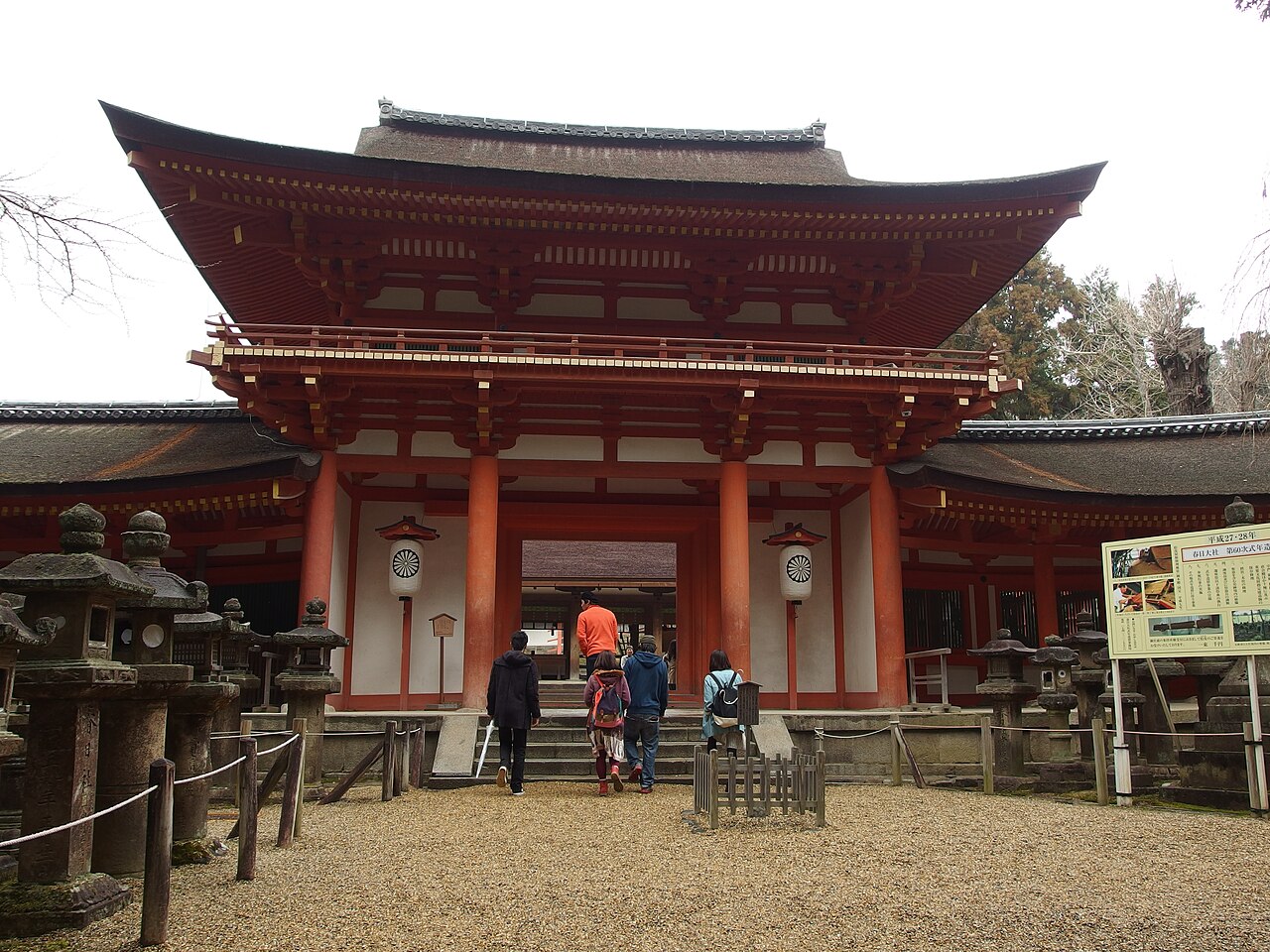 History Event
Heian; shinbutsu-shūgō
794-1185
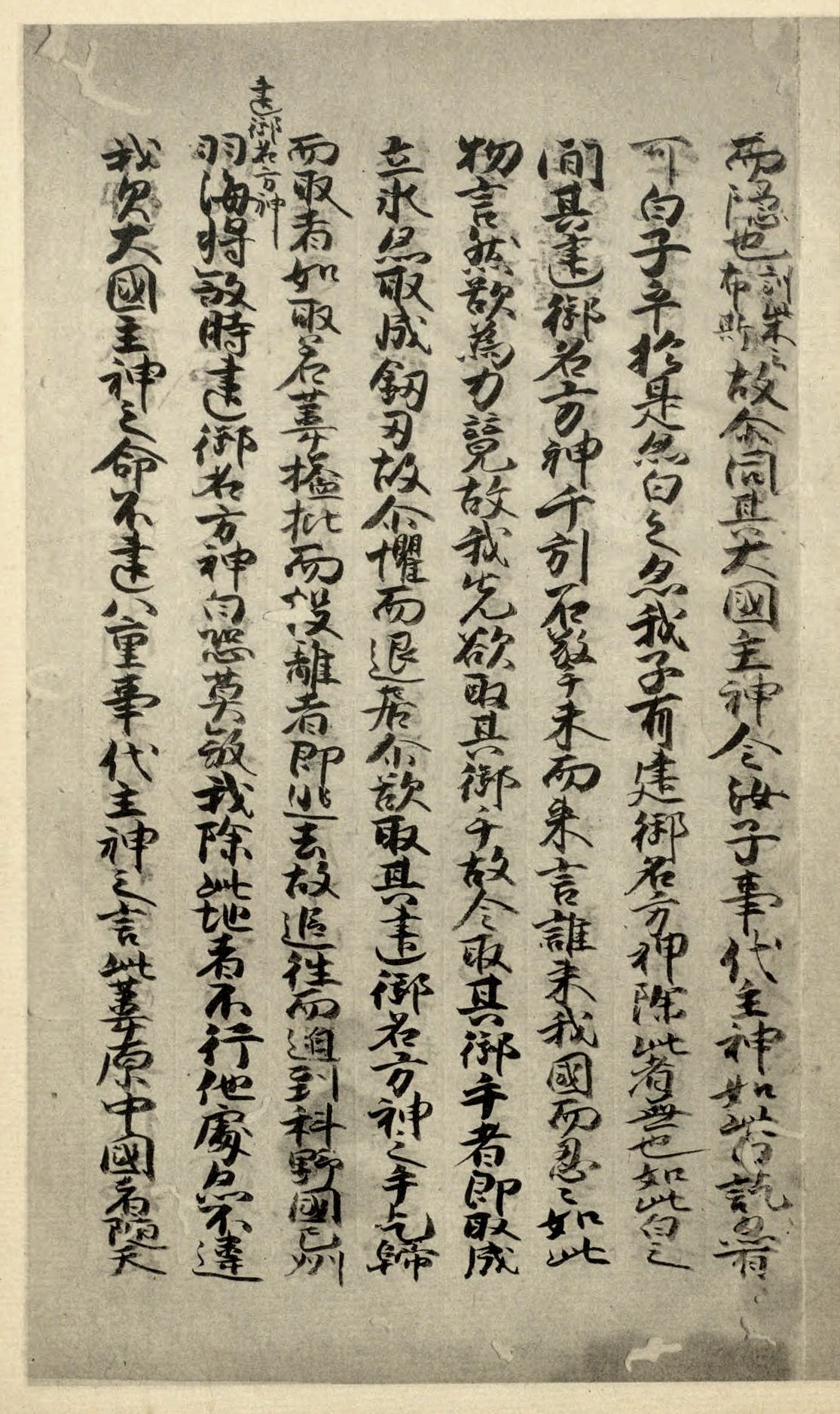 History Event
Kojiki completed
712
 History Event
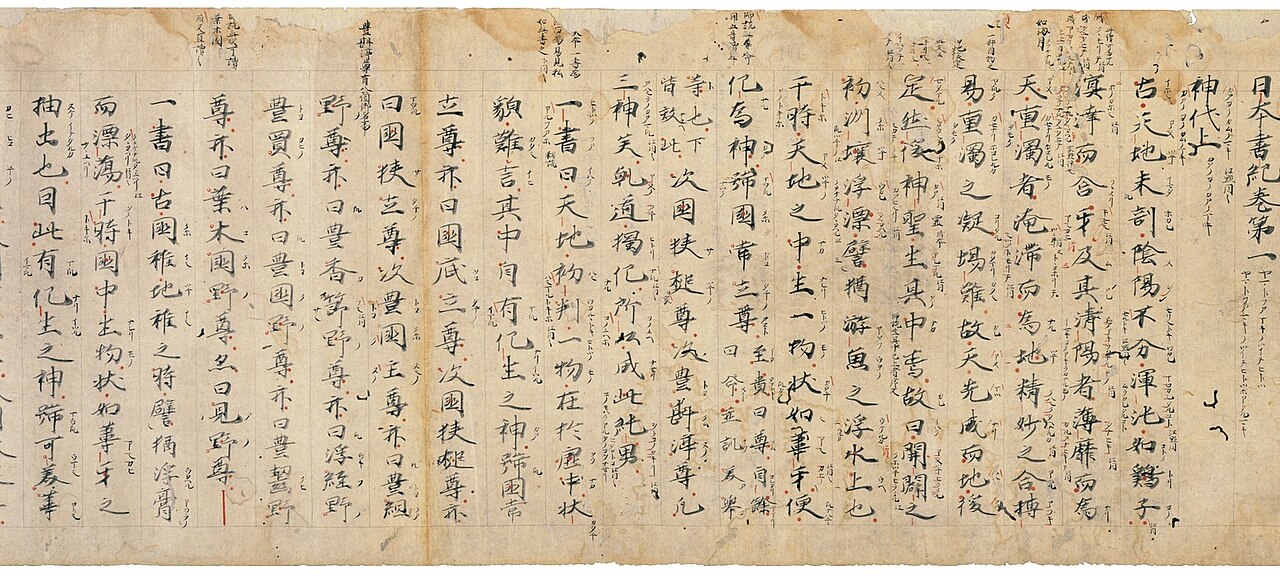
Nihon Shoki completed
720
 History Event
Taihō Code; Jingikan established
701