Shinto

The State Shinto stream of the Shinto timeline.

Streams: All of Shinto Folk Shinto Jinja Shinto Yoshida Shinto Kokugaku State Shinto

Meiji and State Shinto

1868

Shinbutsu bunri

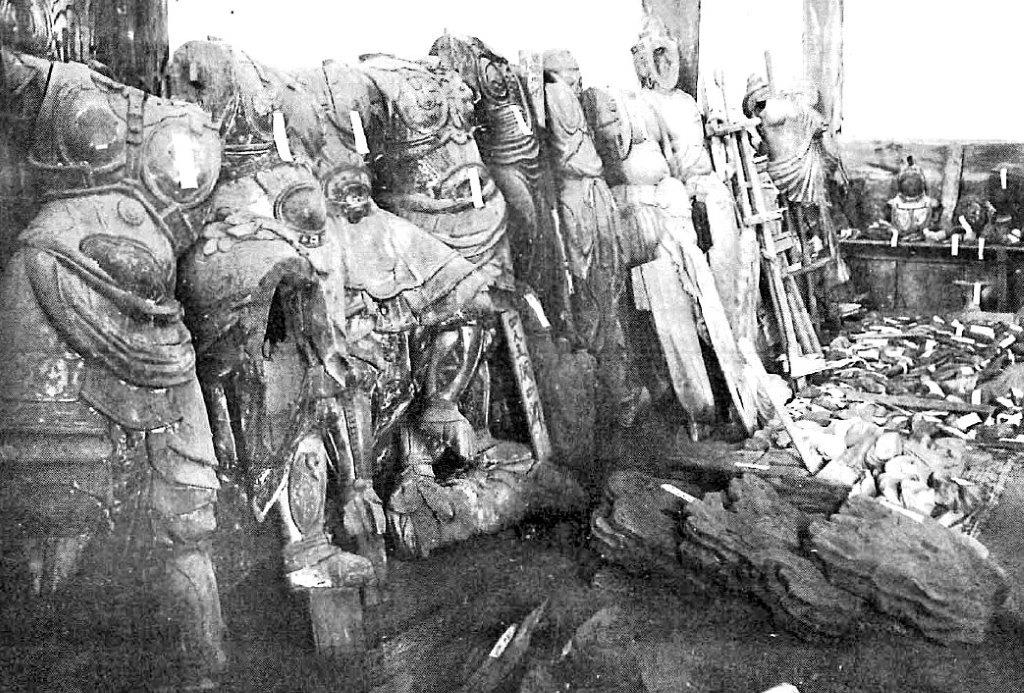
In the first months of the Meiji restoration the new government ordered the separation of the kami from the buddhas: shinbutsu bunri. Buddhist images were removed from shrines, shrine priests who were also monks were laicized, and a thousand years of fusion was undone by decree. In places the order lit a fuse: crowds and local officials destroyed temples, statues, and sutras in the haibutsu kishaku violence. The separation created "Shinto" as a distinct religion in law, at the cost of a heritage the country could not recover.
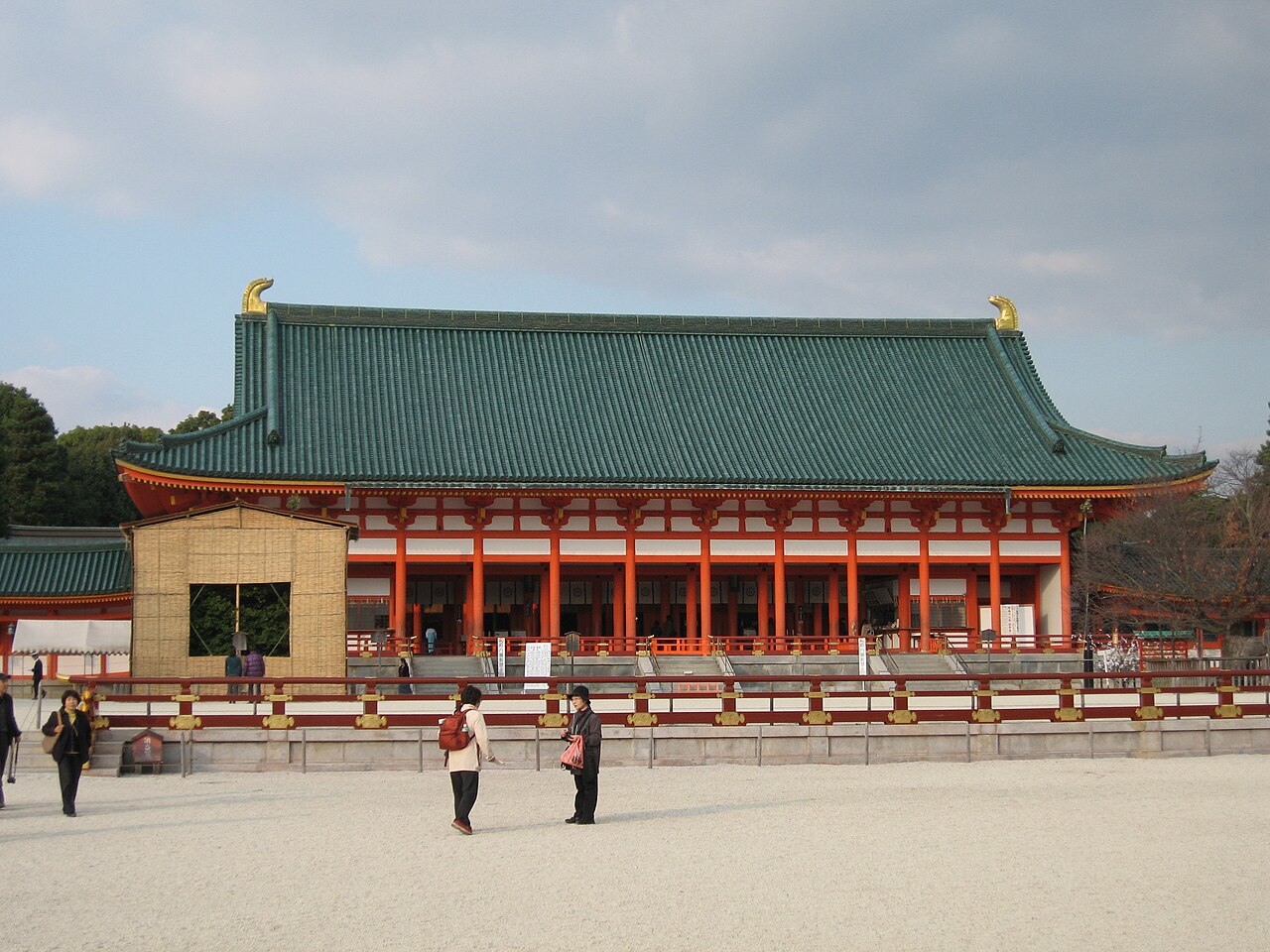
Japan
1868-1945

State Shinto

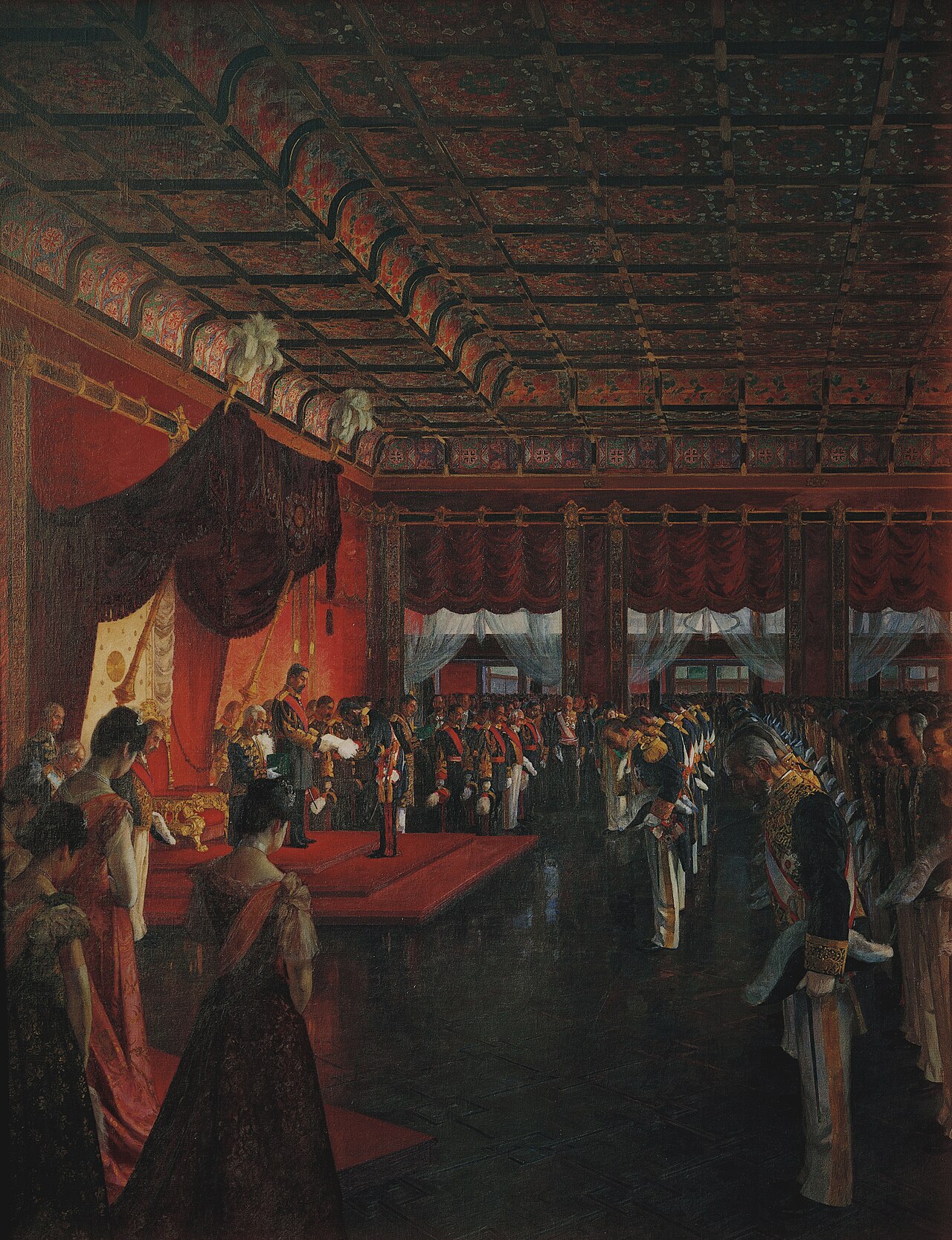
From 1868 to 1945 the Japanese state built the shrines into an apparatus of loyalty. Shrines were ranked, funded, and inspected by the state; schoolchildren bowed toward the imperial palace and the portrait of the emperor; the great shrines taught reverence for the imperial line descended from Amaterasu as a civic duty above religion, binding subjects of every faith. Historians call the system State Shinto: not a church but a machinery of sacred patriotism, with the shrines as its local organs in every village and city.

Japan
1871

Shrine registration system

In 1871 the government proclaimed a national ranking of shrines, from the imperial and national shrines at the top through prefectural and district grades down to the village shrine, and placed them all under state supervision. Registration made every shrine legible to the bureaucracy: its rank set its funding, its priests' standing, and its place in the ceremonial order. The system completed the separation's work, turning a landscape of local cults into a single administered hierarchy headed by Ise.

Japan
1889

Meiji Constitution

The Constitution of the Empire of Japan, promulgated in 1889, declared the emperor sacred and inviolable, of a line unbroken for ages eternal, and granted subjects a qualified freedom of religious belief within limits not prejudicial to peace and order. Together the two clauses held the settlement of the age: the imperial cult stood above religion as the state's sacred ground, while religions as such were tolerated beneath it. The Imperial Rescript on Education of the following year carried the same teaching into every school.

Tokyo

Postwar Jinja Shinto

1945

Shinto Directive

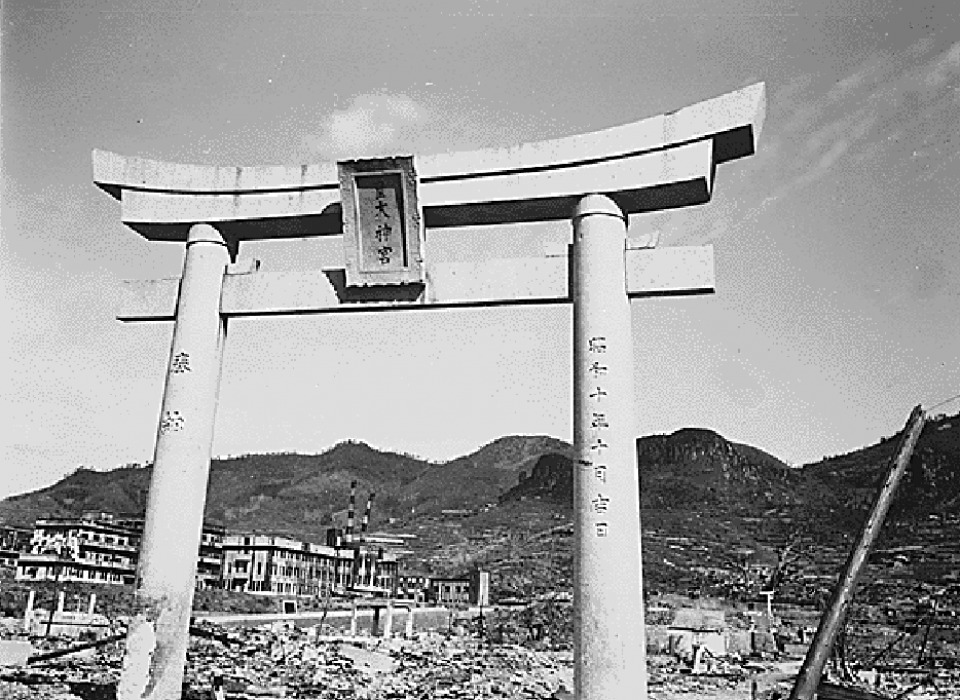
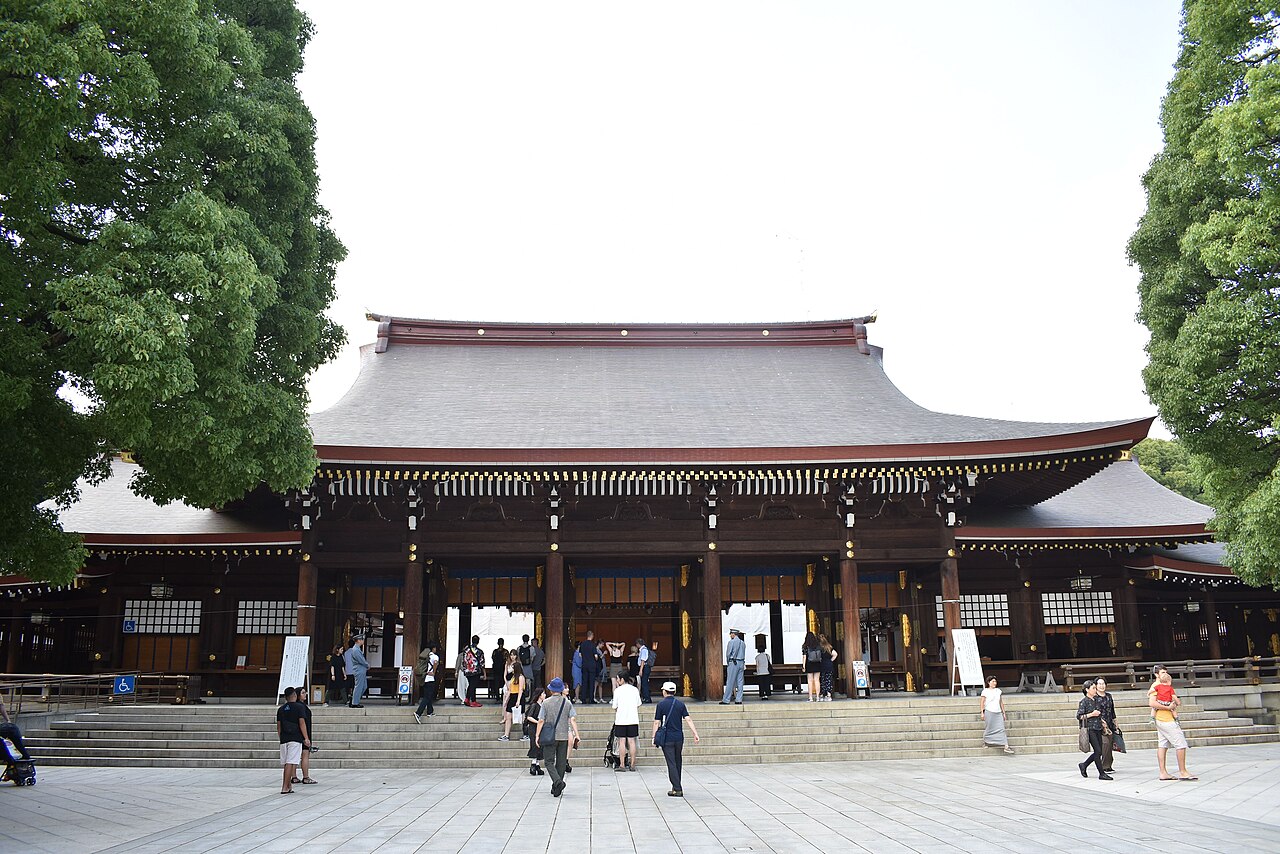
On 15 December 1945 the Allied occupation issued the Shinto Directive, abolishing every state support, supervision, and privilege of the shrines and barring the teaching of the imperial cult in schools. State Shinto ended by order, as it had been built by order. The shrines lost their funding and their public status in a day, and became what the postwar constitution would confirm them to be: private religious bodies, free of the state and cut off from it, to live on the offerings of their parishioners.

Tokyo