Sikhism

The Sikhism timeline in the History of Worldviews.

Streams: All of Sikhism Sahajdhari The Khalsa Panth Nirankari Namdhari Sikh Diaspora

The Guru Period

1469

Birth of Guru Nanak

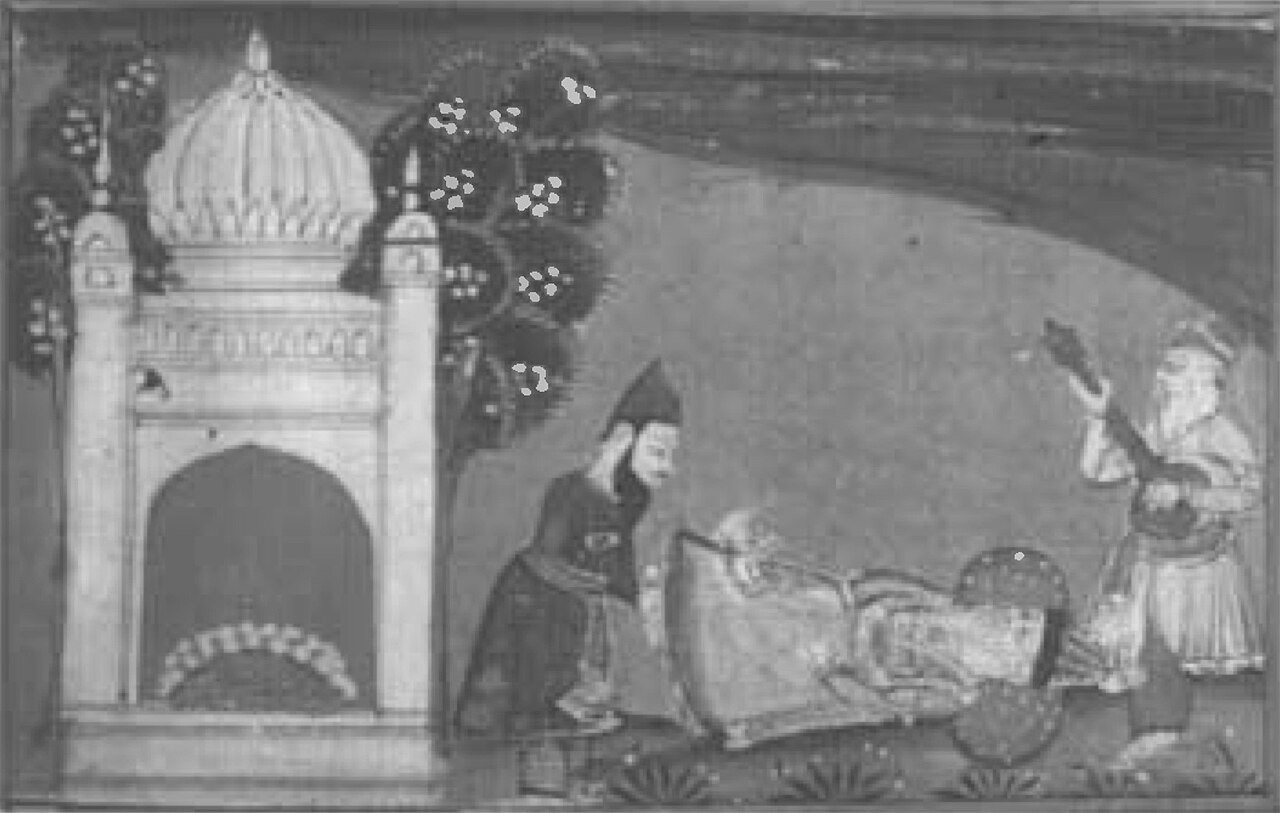
Nanak is born at Talwandi, the village later renamed Nankana Sahib in his honor; after his awakening at Sultanpur Lodhi he teaches that there is no Hindu and no Muslim, only the one God known by the Name, and gathers the first Sikh community around his hymns.
Talwandi
c. 1500–1520

Guru Nanak's travels

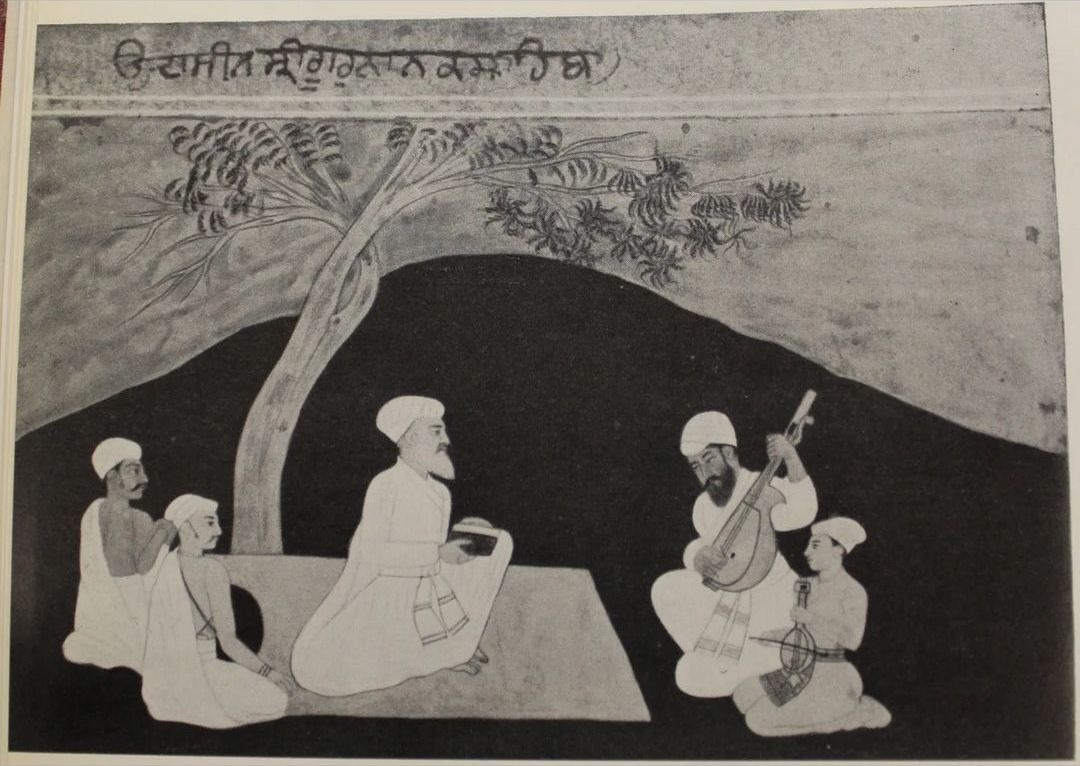
In the traditional accounts, Nanak travels in four great journeys across India and beyond, to Hindu and Muslim holy places from Assam to Mecca and Baghdad, debating ascetics and rulers and singing his hymns; he returns to found the town of Kartarpur, where the community lives by work, sharing, and remembrance of the Name.

Kartarpur
1539

Guru Angad

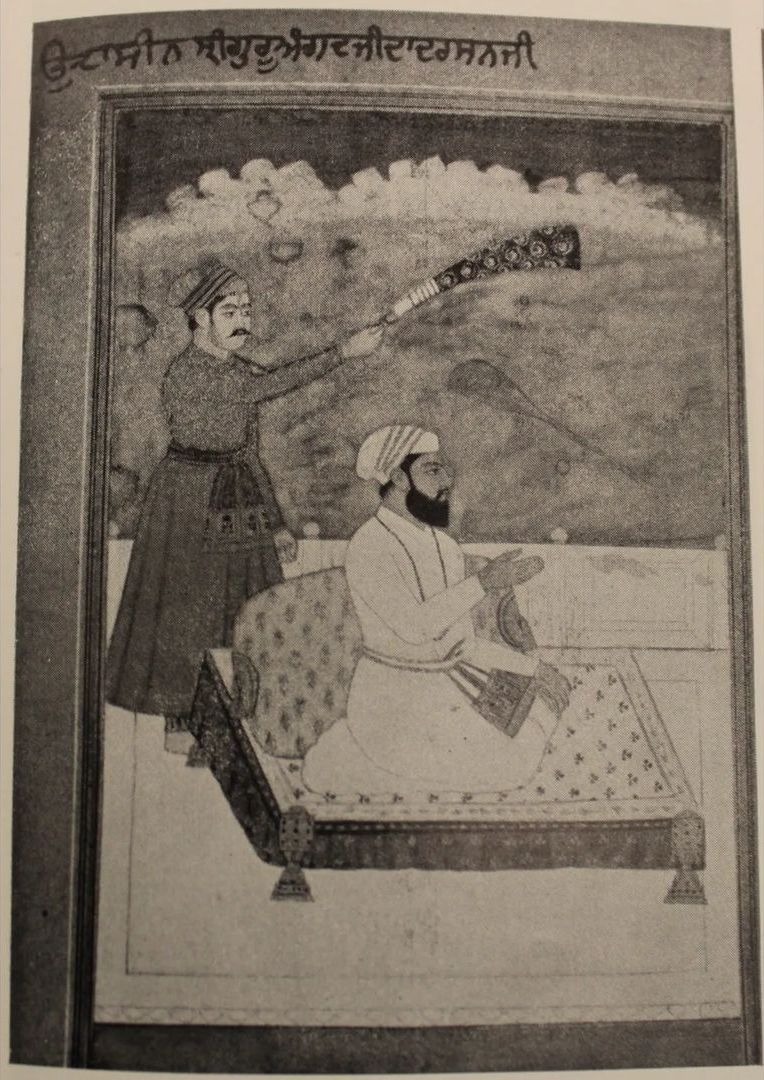
Nanak names his disciple Lehna as Angad, the second Guru, passing over his own sons; Angad consolidates the community at Khadur Sahib and is credited with standardizing and spreading the Gurmukhi script in which the Sikh scripture is written.

Khadur Sahib
1552

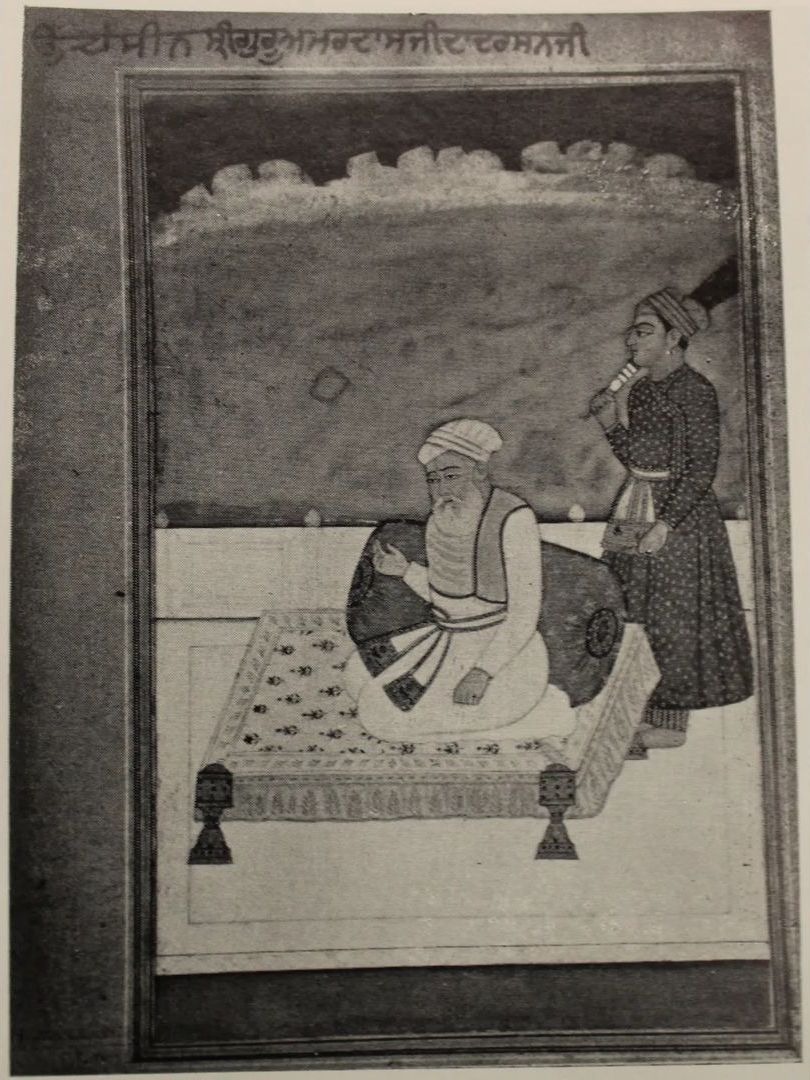
Guru Amar Das

Amar Das becomes the third Guru and builds the community's institutions at Goindwal: the pilgrimage well with its eighty-four steps, the strengthening of the langar where all eat together without distinction of caste, and the sending of preachers across the Punjab.

Goindwal
1574

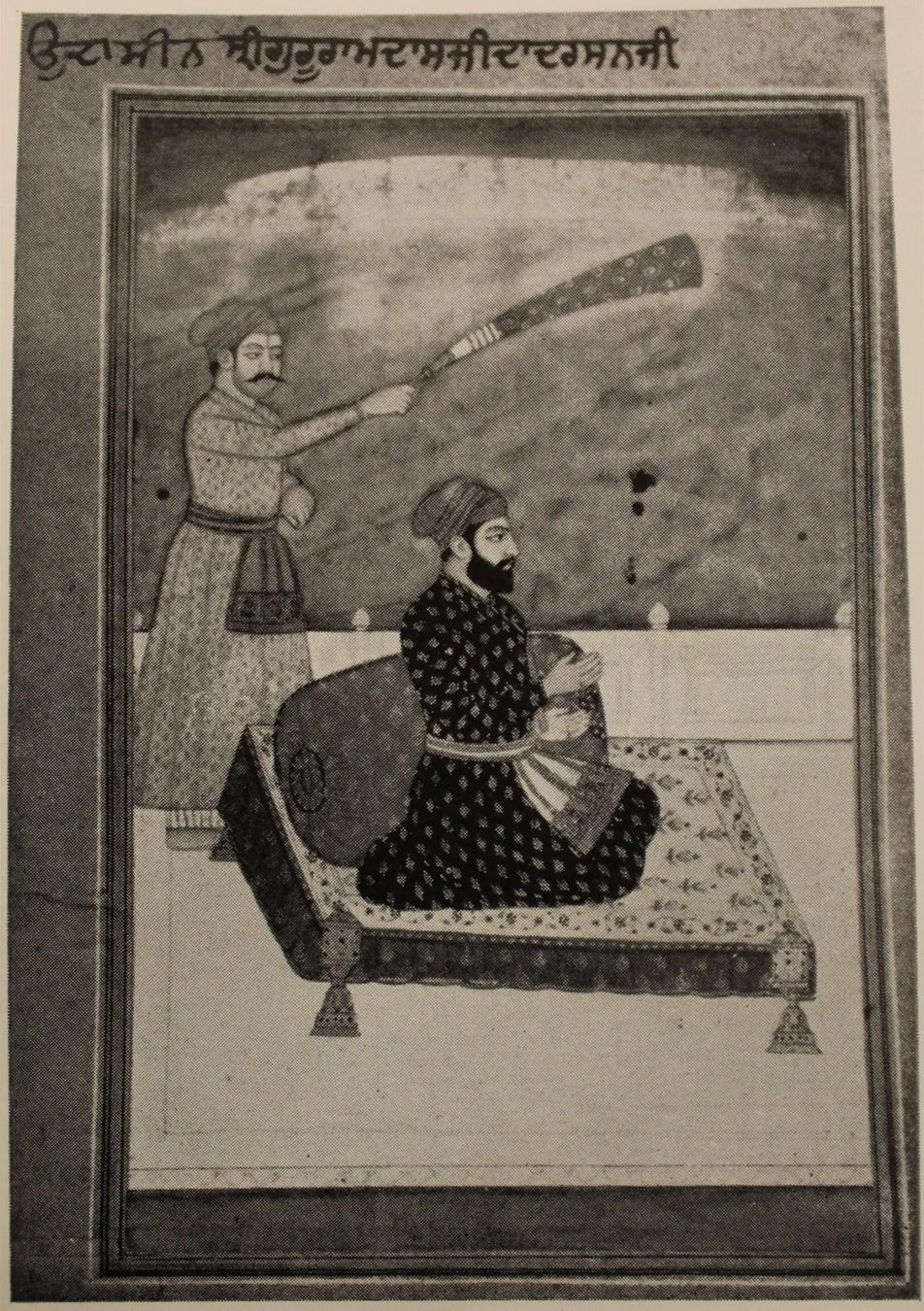
Guru Ram Das

Ram Das, the fourth Guru, founds the town first called Ramdaspur and later Amritsar, around the pool of nectar that gives the city its name; the town becomes the Sikh community's center, and the masand system carries its teaching and offerings across the region.

Amritsar
1581

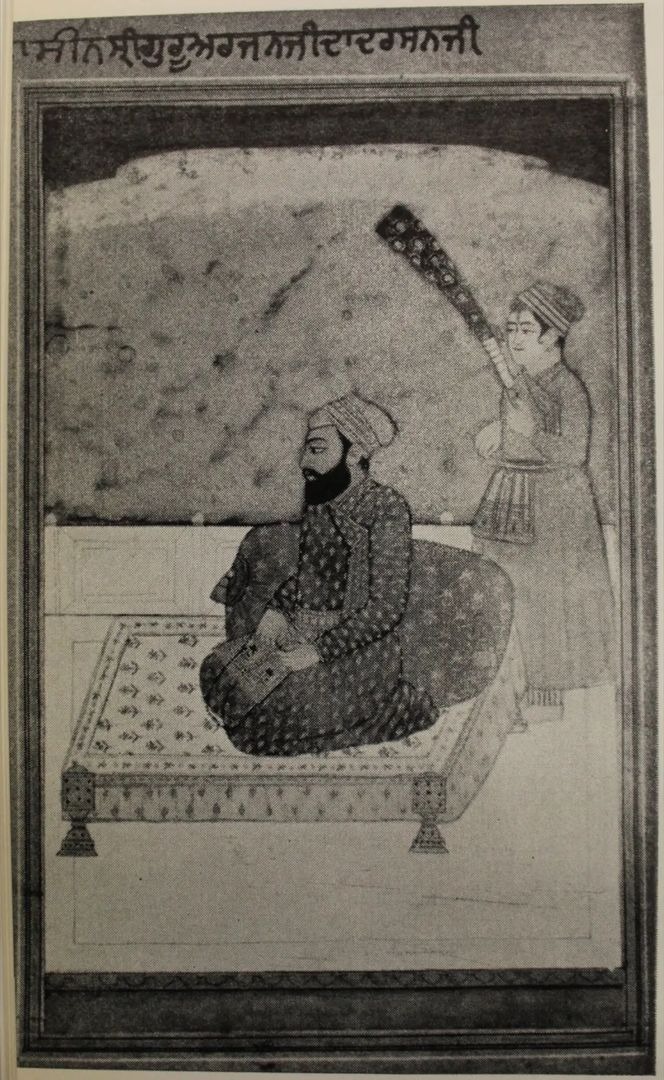
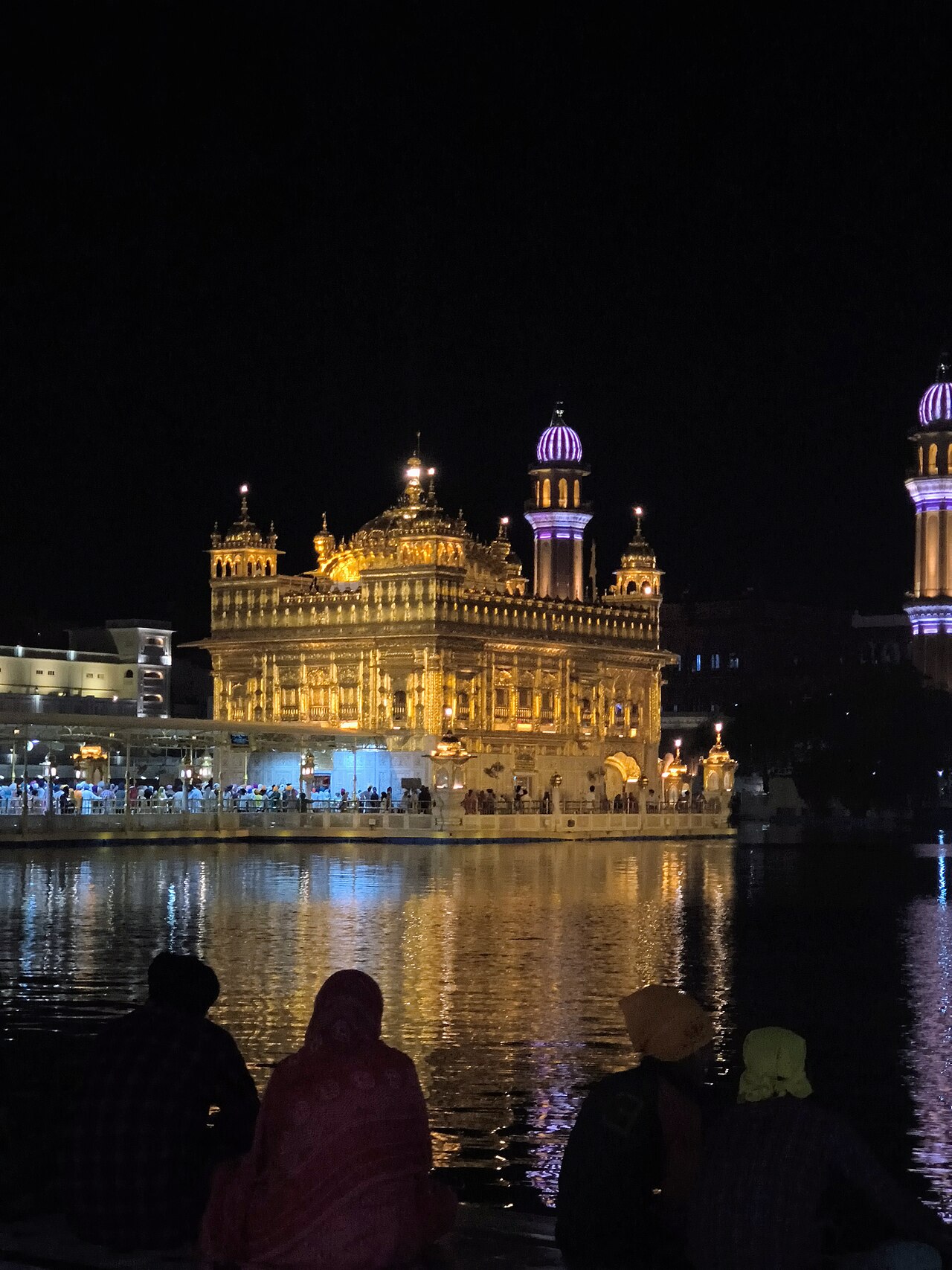
Guru Arjan

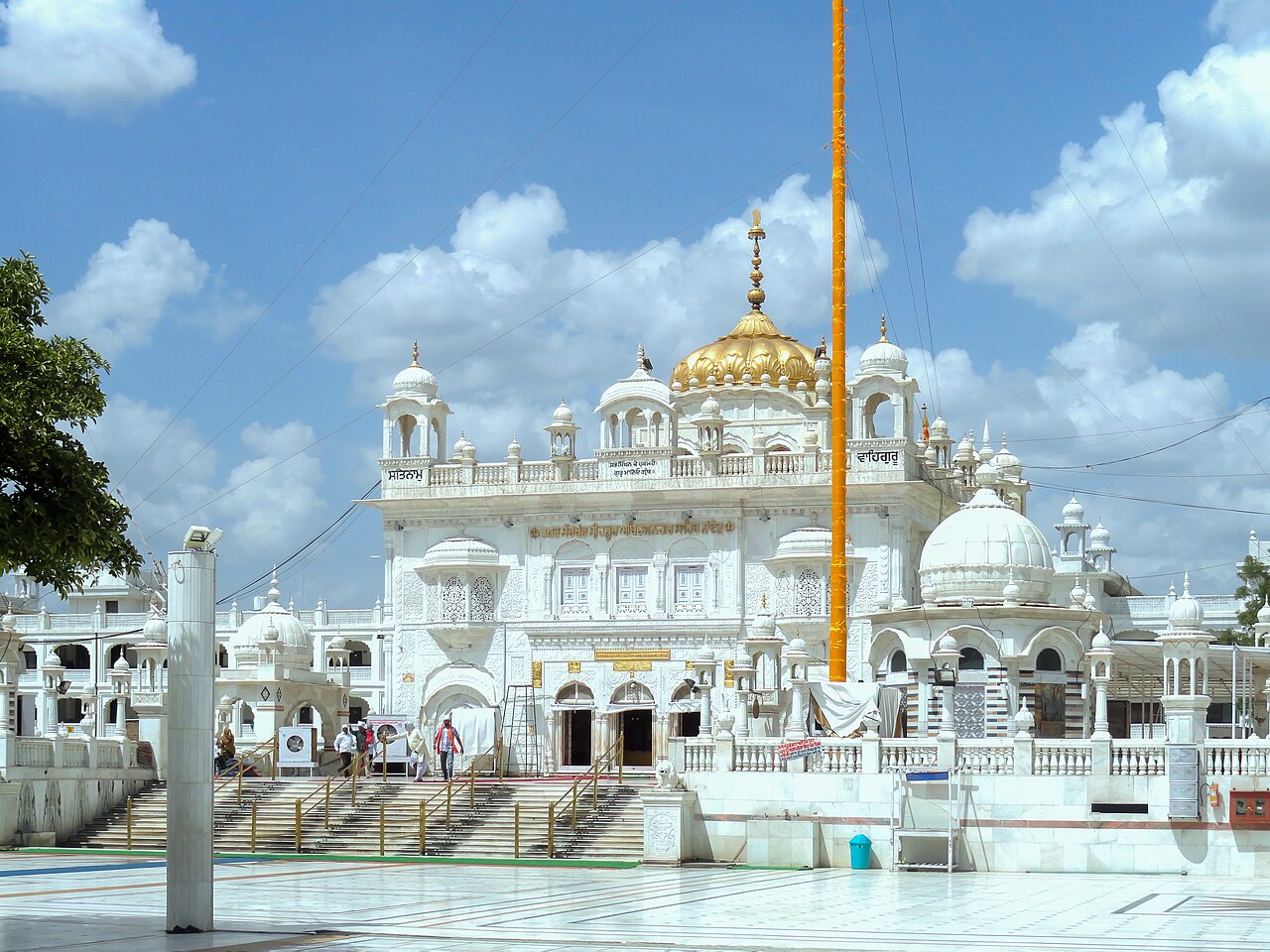
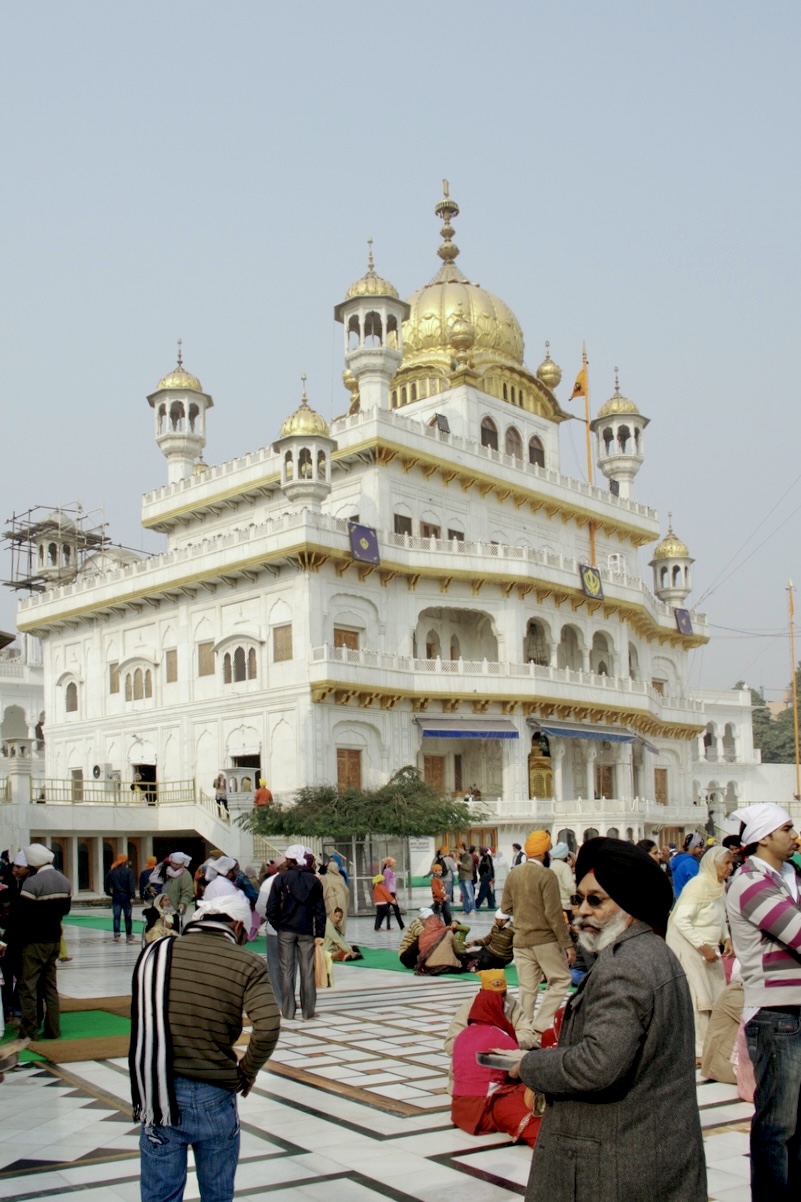
Arjan, the fifth Guru and the first born to the office, raises the Harimandir, the Golden Temple, in the middle of Amritsar's pool, set lower than the town around it and open on four sides to all comers; under him the community grows into a settled religious society.

Amritsar
1604

Adi Granth compiled

Guru Arjan compiles the Adi Granth, the first Sikh scripture, setting the hymns of the first five Gurus beside those of Hindu and Muslim saints such as Kabir and Farid, and installs it in the Harimandir with Baba Buddha as its first reader; the book becomes the community's center.

Amritsar
1606

Martyrdom of Guru Arjan

The Mughal emperor Jahangir has Guru Arjan arrested and put to death at Lahore, on charges the Sikh tradition reads as persecution of a growing rival center; Arjan becomes the first martyred Guru, and his death turns the community toward arms under his son.

Lahore
1606

Guru Hargobind

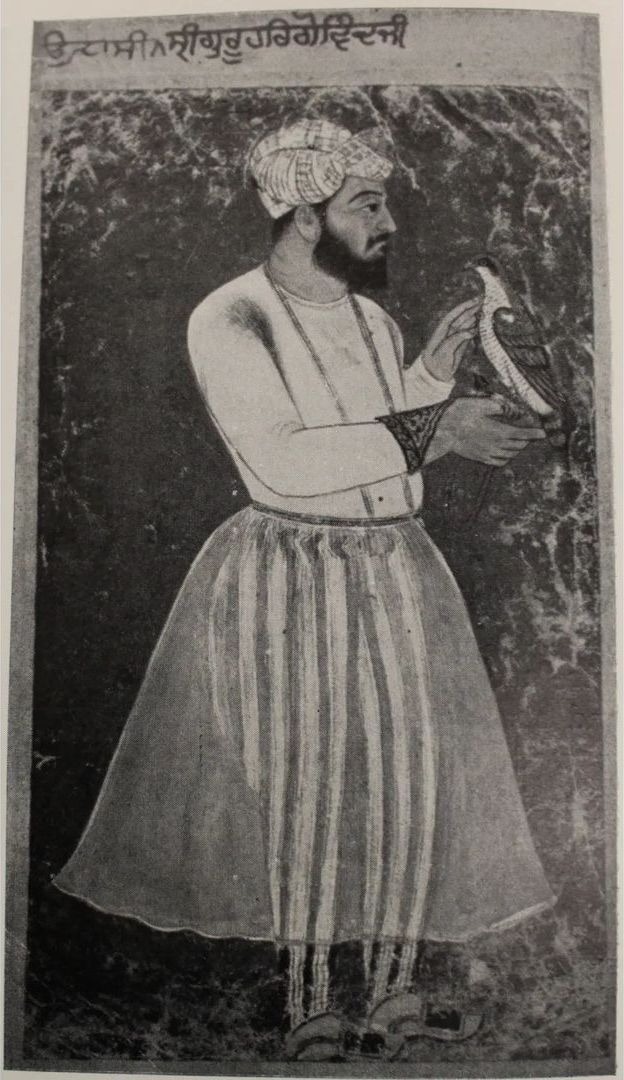
Hargobind succeeds his father wearing two swords, of miri and piri, temporal and spiritual authority together, and builds the Akal Takht, the throne of the Timeless One, facing the Harimandir; the sixth Guru keeps a court and an army, and the community takes its martial form.

Amritsar
1644

Guru Har Rai

Har Rai, the seventh Guru, keeps his grandfather's army but avoids battle, and is remembered for his care of the wounded of both sides in the Mughal succession war and for herbal medicine dispensed at Kiratpur; his reign holds the community together in a quieter key.

Kiratpur
1661

Guru Har Krishan

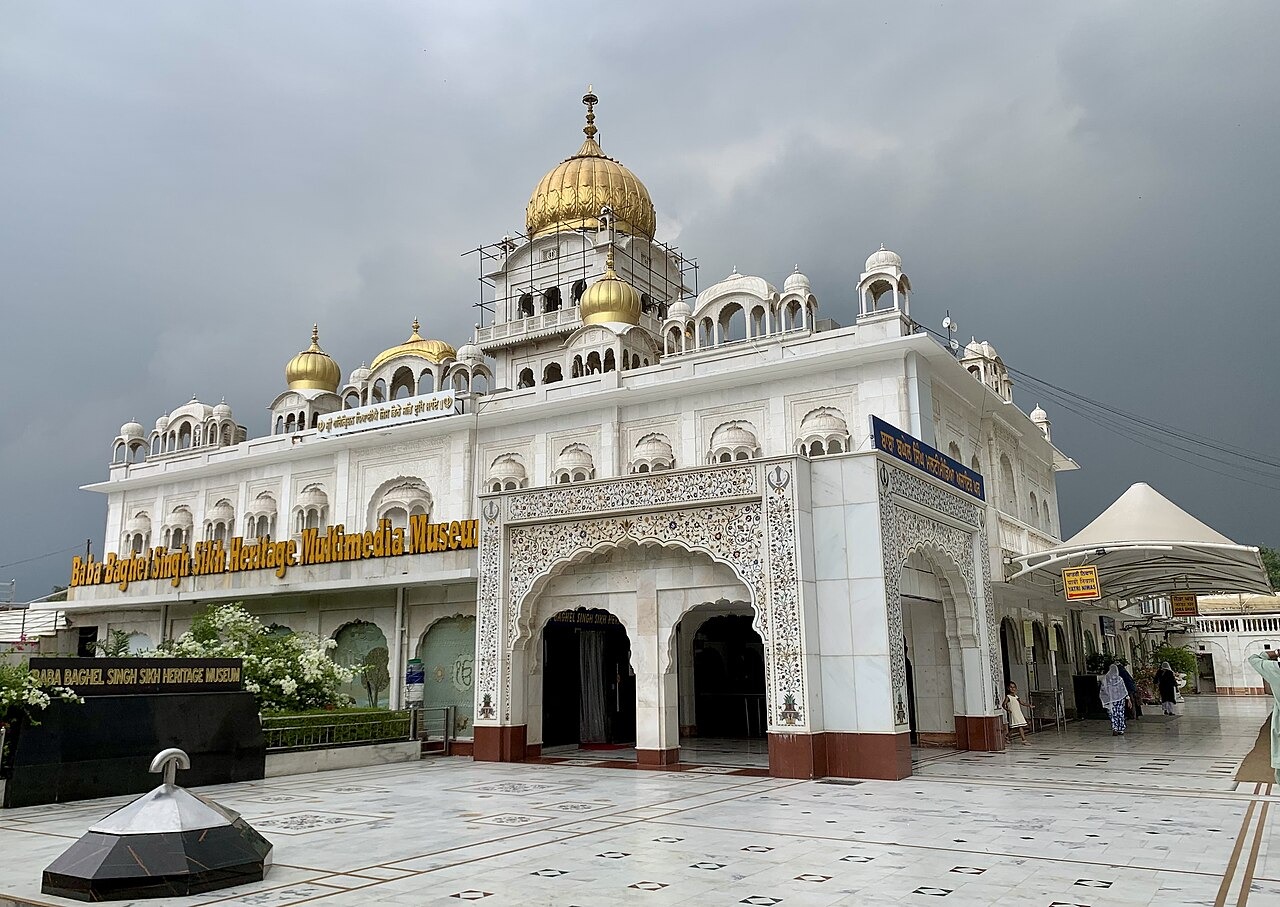
Har Krishan becomes Guru at five years old, the youngest of the line, and dies of smallpox at Delhi three years later while serving the city's sick in an epidemic; the gurdwara Bangla Sahib stands where he stayed, and his last words point to the next Guru at Bakala.

Delhi
1664

Guru Tegh Bahadur

Tegh Bahadur, the youngest son of Hargobind, is found at Bakala and proclaimed the ninth Guru; a poet and traveler, he founds Anandpur in the Shivalik foothills and preaches across the Punjab and into Assam and Bengal before the crisis that ends his life.

Anandpur
1675

Martyrdom of Guru Tegh Bahadur

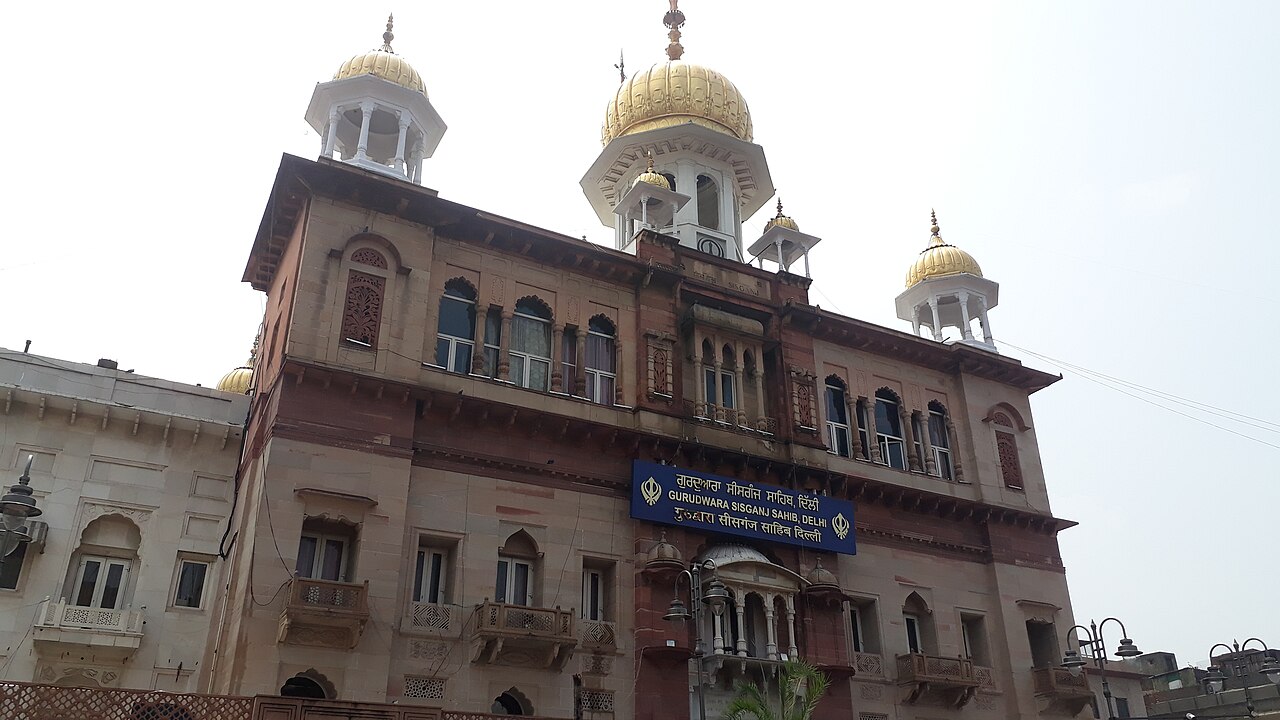
The emperor Aurangzeb has Guru Tegh Bahadur executed at Delhi, after the Guru interceded, in the Sikh account, for Kashmiri Hindus resisting forced conversion; he is remembered as the shield of India, and his martyrdom for another faith's freedom stands at the center of Sikh memory.

Delhi
1675

Guru Gobind Singh

Gobind Rai, nine years old, points to his father's severed head's resting place and is proclaimed the tenth Guru; from Anandpur he builds the community into a sovereign body, fighting hill rajas and Mughal forces, and prepares the transformation he completes in 1699.

Anandpur
1699

Founding of the Khalsa

At the Vaisakhi gathering at Anandpur, Guru Gobind Singh calls for heads, initiates the five beloved ones who offer theirs with amrit stirred by a double-edged sword, and then kneels to receive the same initiation from them; the Khalsa, the order of the pure with its five Ks and its discipline, is born, and the community's center of gravity shifts from the Guru's person to the order and the book.

Anandpur Sahib
1708

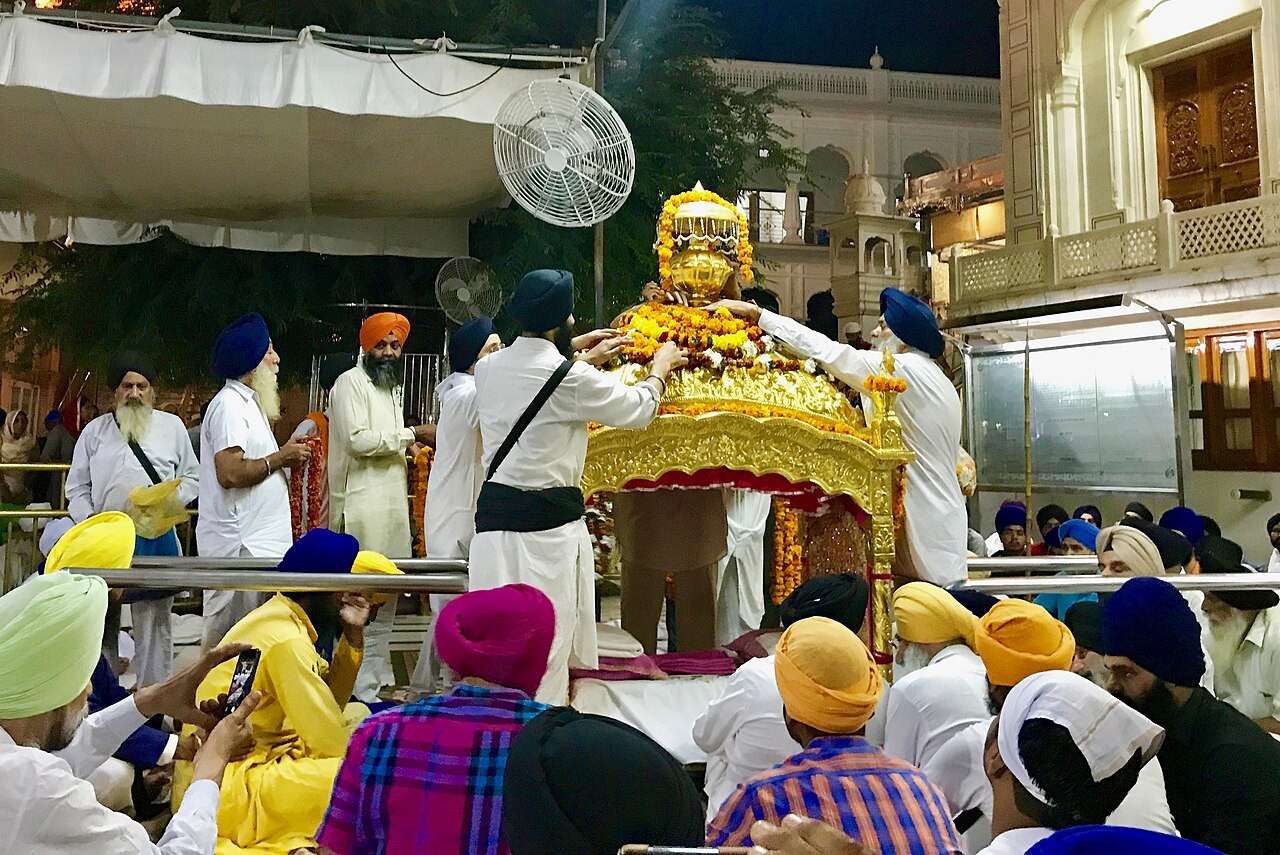
Guru Granth Sahib installed as eternal Guru

Dying at Nanded without a human successor, Guru Gobind Singh ends the line of personal Gurus and installs the Granth Sahib as the community's eternal Guru; Sikh authority rests ever after in the scripture and the corporate body of the Khalsa, and no living Guru follows him in the mainstream tradition.

Nanded

Empire and Annexation

1710

Banda Singh Bahadur's conquest of Sirhind

Banda Singh Bahadur, sent north by Guru Gobind Singh, storms Sirhind and avenges the execution of the Guru's young sons, striking coinage in the Gurus' names and abolishing the zamindari system in the lands he takes; his rising is the Khalsa's first taste of rule, ended by his capture and execution in 1716.

Sirhind
1799–1849

Sikh Empire under Ranjit Singh

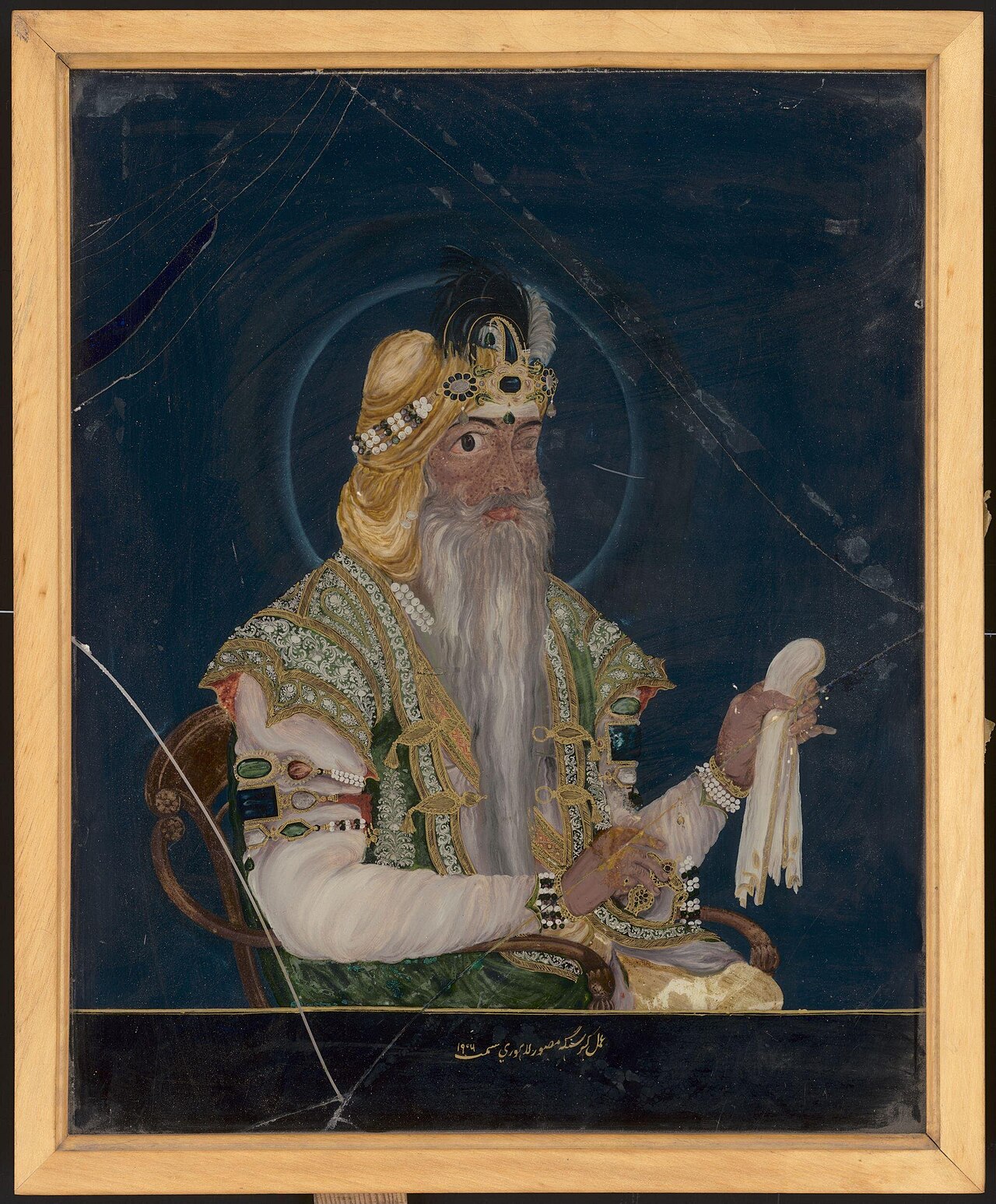
Ranjit Singh takes Lahore in 1799, is proclaimed Maharaja in 1801, and builds the Sikh Empire across the Punjab and beyond, ruling a majority non-Sikh population with a famously mixed court and army; his kingdom is the community's sovereign high point, and it dissolves within a decade of his death in 1839.

Lahore
1849

Annexation of the Punjab

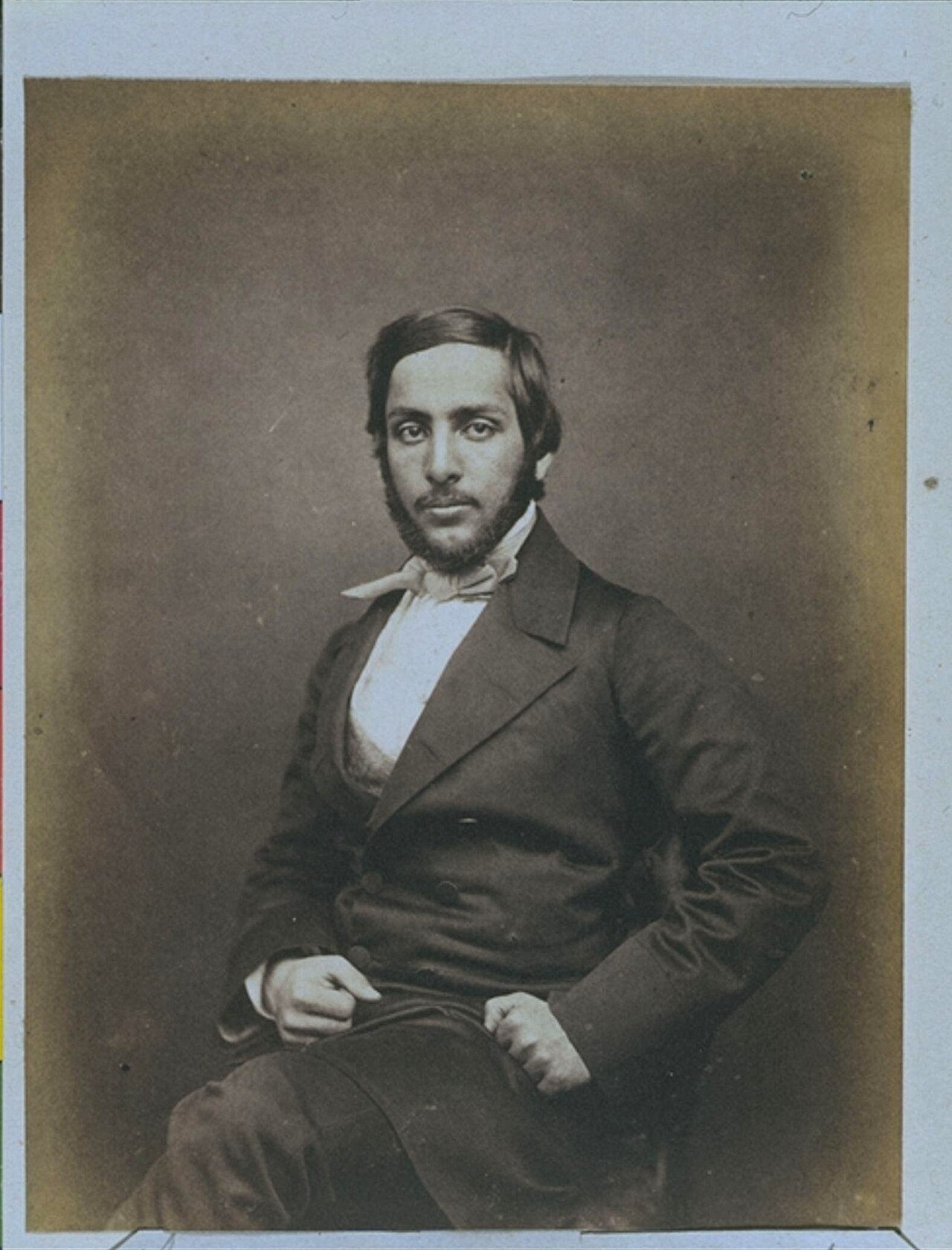
After two Anglo-Sikh wars, the East India Company annexes the Punjab in 1849, deposes the child Maharaja Duleep Singh, and takes the Koh-i-Noor; Sikh sovereignty ends for a century, though Sikh soldiers become a mainstay of the British Indian Army.

Lahore

Reform and Colonial

1851

Baba Dayal Singh founds the Nirankari movement

Baba Dayal Singh of Rawalpindi calls Sikhs back to the worship of the formless God, Nirankar, and away from image worship, Brahmin priests, and the marriage and funeral customs he judged Hindu accretions; the Nirankari Darbar he founds becomes the first of the Punjab's Sikh reform movements.

Rawalpindi
1857

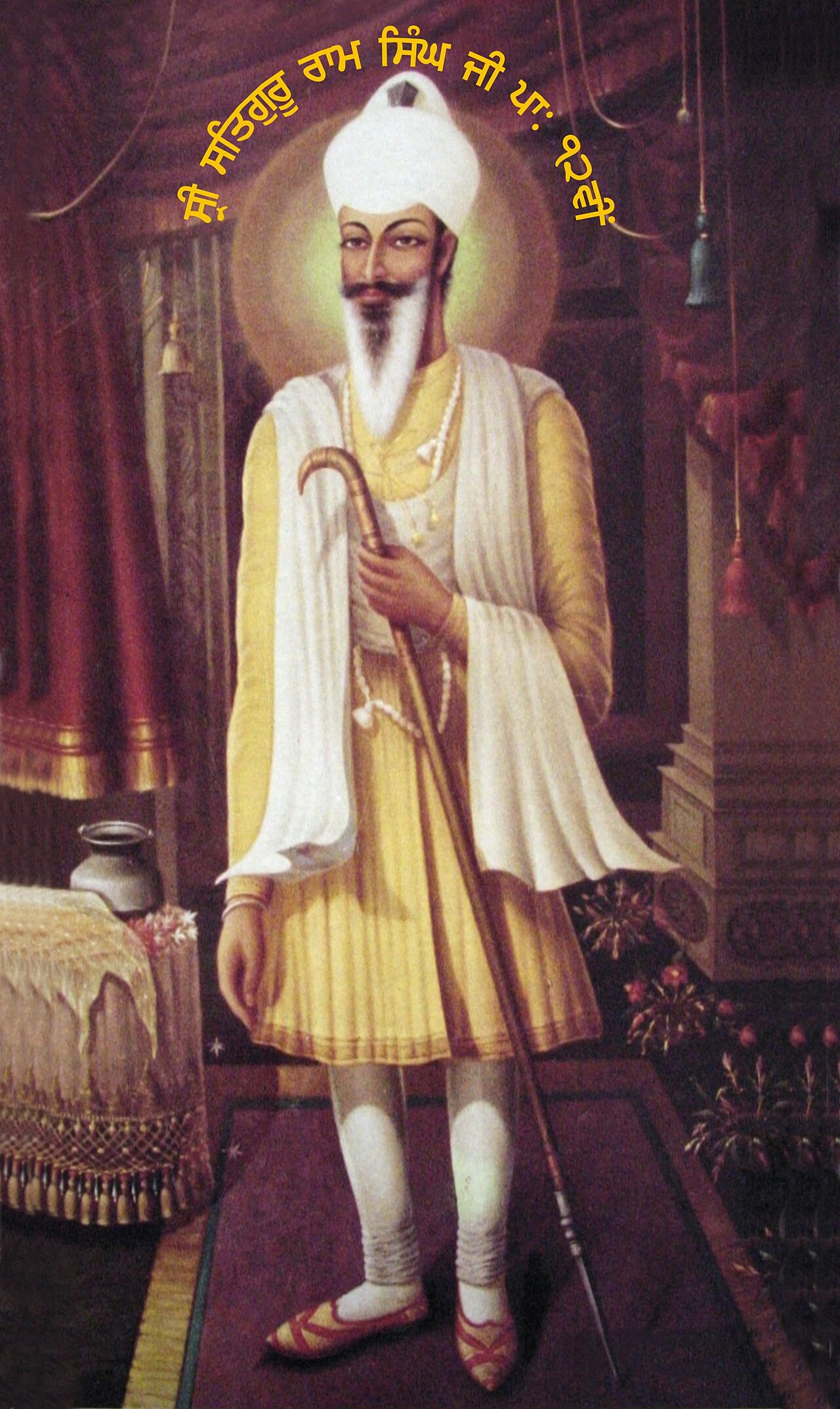
Baba Ram Singh and the Namdhari movement

Baba Ram Singh gathers his followers at Bhaini Sahib and founds the movement later called Namdhari, or Kuka, for its ecstatic cries in worship; his Sikhs wear white homespun, reject colonial goods, courts, and posts, and keep a parallel administration of their own, an early rehearsal of non-cooperation.

Bhaini Sahib
1872

The Kuka outbreak and the Malerkotla executions

Namdhari Sikhs, enraged by cow slaughter licensed at Malerkotla, attack the town and kill officials; the British answer without trial, blowing forty-nine prisoners from guns at Malerkotla and hanging more, a severity even the colonial government later disowned; the movement passes into Sikh memory as martyrdom.

Malerkotla
1872

Baba Ram Singh exiled to Burma

In the outbreak's aftermath the British deport Baba Ram Singh, though he had disowned the violence, first within India and then to Burma, where he remains under surveillance for the rest of his life; his followers keep faith with his expected return, and the movement endures without him.

Rangoon
1873

Singh Sabha movement

Sikhs of Amritsar found the first Singh Sabha in answer to Christian missions, Hindu reform movements, and the fear that Sikh identity was dissolving into Hindu practice; the movement's schools, newspapers, and scholarship define modern Sikh identity and campaign, over decades, for the community's control of its own gurdwaras.

Amritsar
1885

Death of Baba Ram Singh in exile

Baba Ram Singh dies at Mergui in Burma, still a state prisoner thirteen years after his deportation; the Namdhari tradition holds that he did not die but withdrew, and expects him still, one of the points where the movement's faith and the record part ways, each stated here as its holders state it.

Mergui
1911

The first gurdwara in London

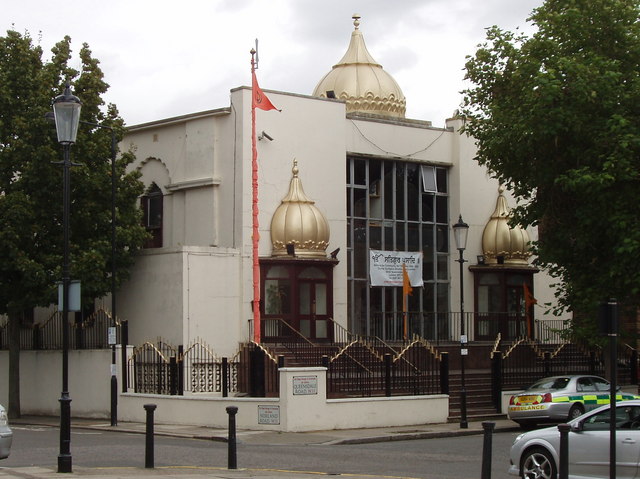
The Khalsa Jatha of the British Isles opens a gurdwara in Shepherd's Bush, the first in Britain, serving Sikh students, soldiers, and peddlers in the imperial capital; the small congregation is the seed of British Sikh life, which grows after the Second World War into one of the diaspora's largest communities.

Shepherd's Bush
1913

The Ghadar Party founded in San Francisco

Sikh and other Indian migrants on North America's Pacific coast found the Ghadar Party in San Francisco and publish its newspaper in Punjabi and Urdu, calling for the overthrow of British rule in India; thousands sail home in 1914 to raise the rising that the Punjab authorities crush, and its martyrs enter Sikh memory.

San Francisco
1914

The Komagata Maru incident

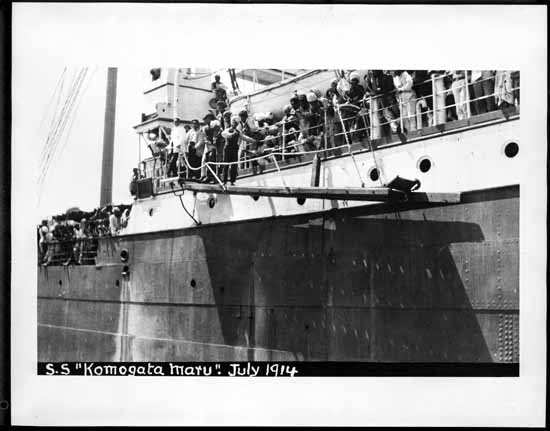
The steamship Komagata Maru, chartered by Gurdit Singh with three hundred seventy-six mostly Sikh passengers, is held for two months in Vancouver harbor under Canada's exclusion rules and forced back to India, where police fire on the returnees at Budge Budge; the incident becomes the diaspora's emblem of imperial exclusion and a spur to the Ghadar cause.

Vancouver
1919

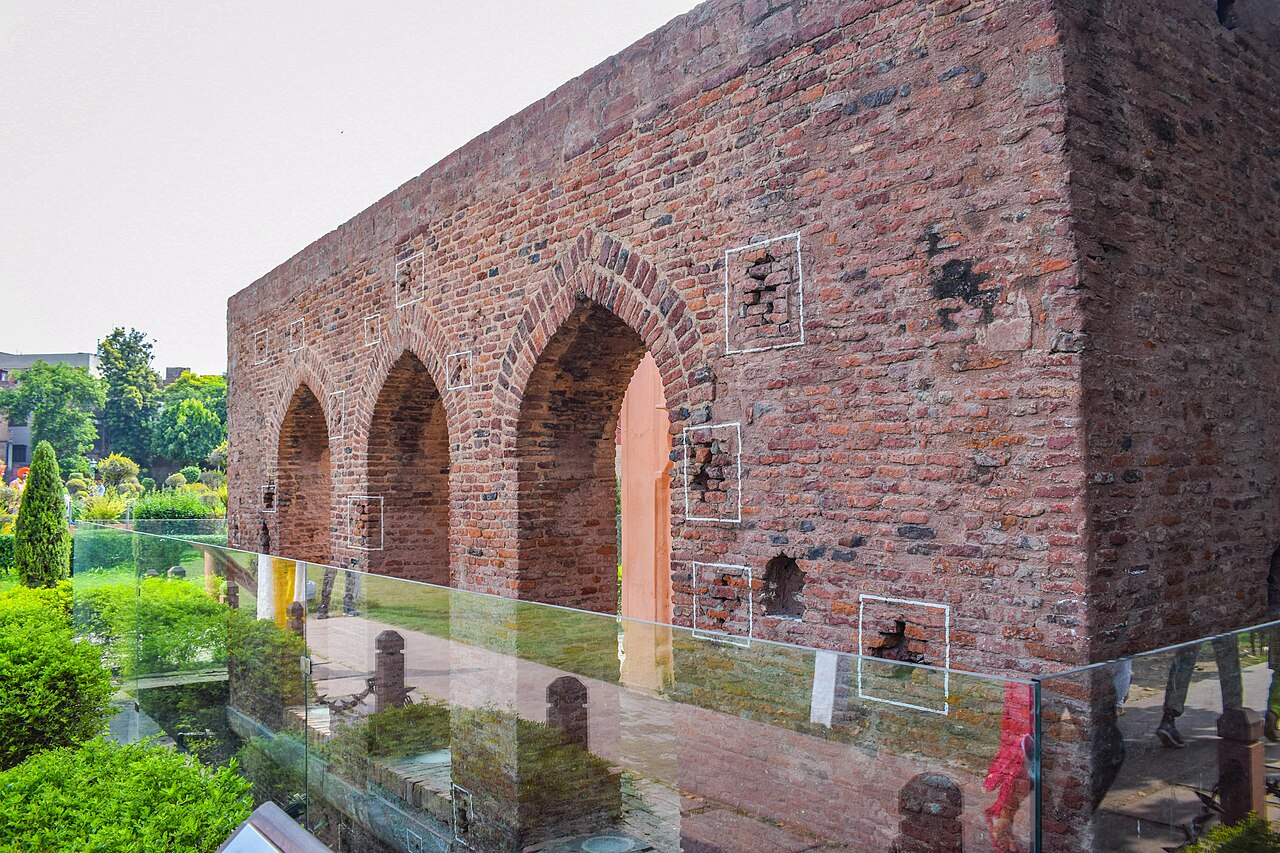
Jallianwala Bagh massacre

British troops under General Dyer fire without warning on an unarmed crowd gathered in Amritsar's Jallianwala Bagh, beside the Golden Temple, killing hundreds by the official count and more by Indian reckoning; the massacre turns Punjab opinion, Sikh opinion above all, decisively against the Raj.

Amritsar
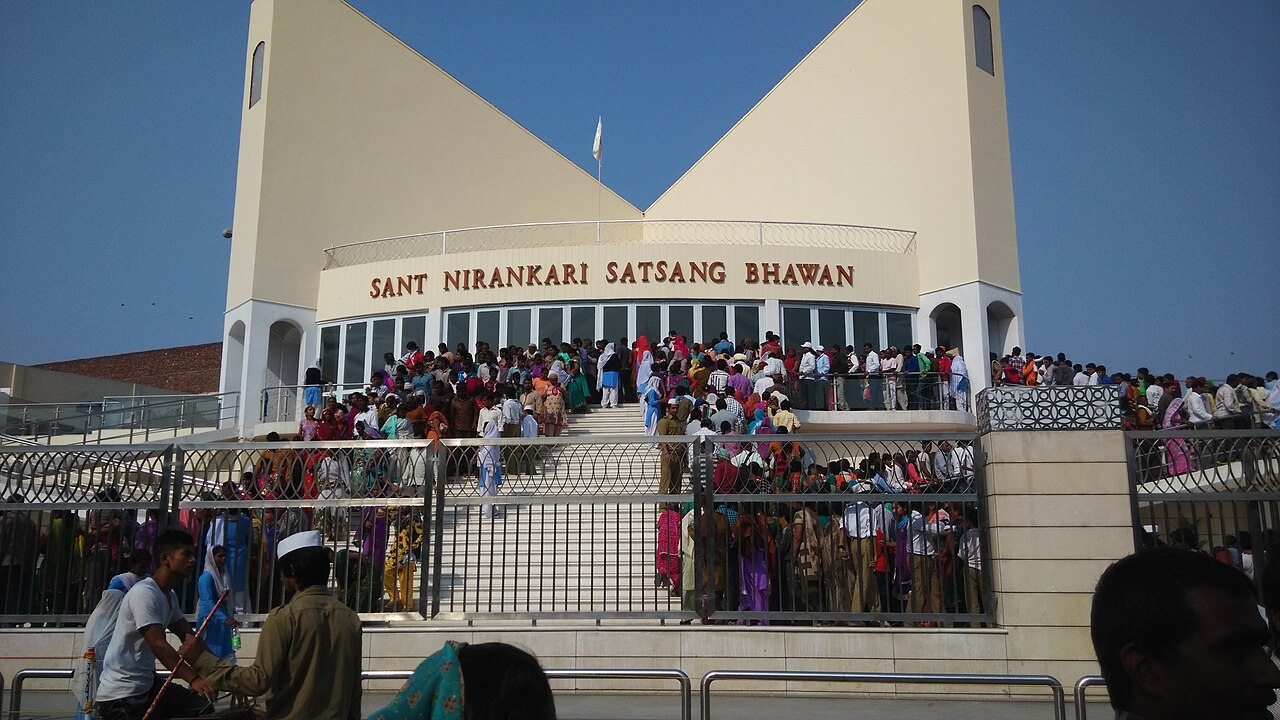
1929

The Sant Nirankari Mission founded

Baba Buta Singh gathers followers at Peshawar and begins the movement that becomes the Sant Nirankari Mission, carried forward by Baba Avtar Singh from 1943; the Mission teaches devotion to a living guru, which sets it apart from the original Nirankari Darbar and, in time, brings it into conflict with the Khalsa mainstream.

Peshawar
1947

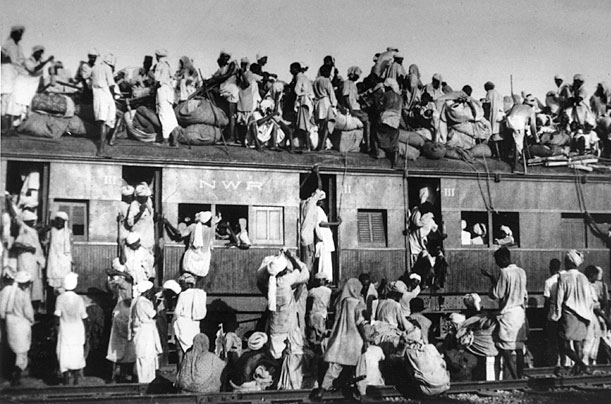
Partition in the Punjab

The partition of India cuts the Punjab in two, and its Sikhs, caught between the new states and targeted in the west, flee east in one of the century's great migrations, leaving Nankana Sahib and the western shrines behind; perhaps two million Sikhs are displaced, and the community's center settles permanently in Indian Punjab.

The Punjab

Modern

1978

The Amritsar clash of 1978

On Vaisakhi day, Sikhs protesting a Sant Nirankari gathering in Amritsar march on the venue and are fired on; thirteen Sikhs are killed, and their martyrdom becomes a rallying point of the gathering Punjab crisis and a root of the militancy that follows in the next decade.

Amritsar
1980

Assassination of Baba Gurbachan Singh

Gunmen kill Baba Gurbachan Singh, the head of the Sant Nirankari Mission, in Delhi; the killing, widely attributed to Sikh militants, deepens the feud opened at Amritsar in 1978 and marks the turn of the Punjab conflict toward assassination and armed militancy.

Delhi
1984

Operation Blue Star; anti-Sikh riots

The Indian Army storms the Golden Temple complex in Operation Blue Star to dislodge Jarnail Singh Bhindranwale and his armed followers, killing many pilgrims on a holy day and destroying the Akal Takht; in November, after Indira Gandhi's assassination by her Sikh bodyguards, organized mobs kill thousands of Sikhs in Delhi and other cities, the twin traumas that define modern Sikh memory.

Amritsar and Delhi
2012

The Oak Creek gurdwara shooting

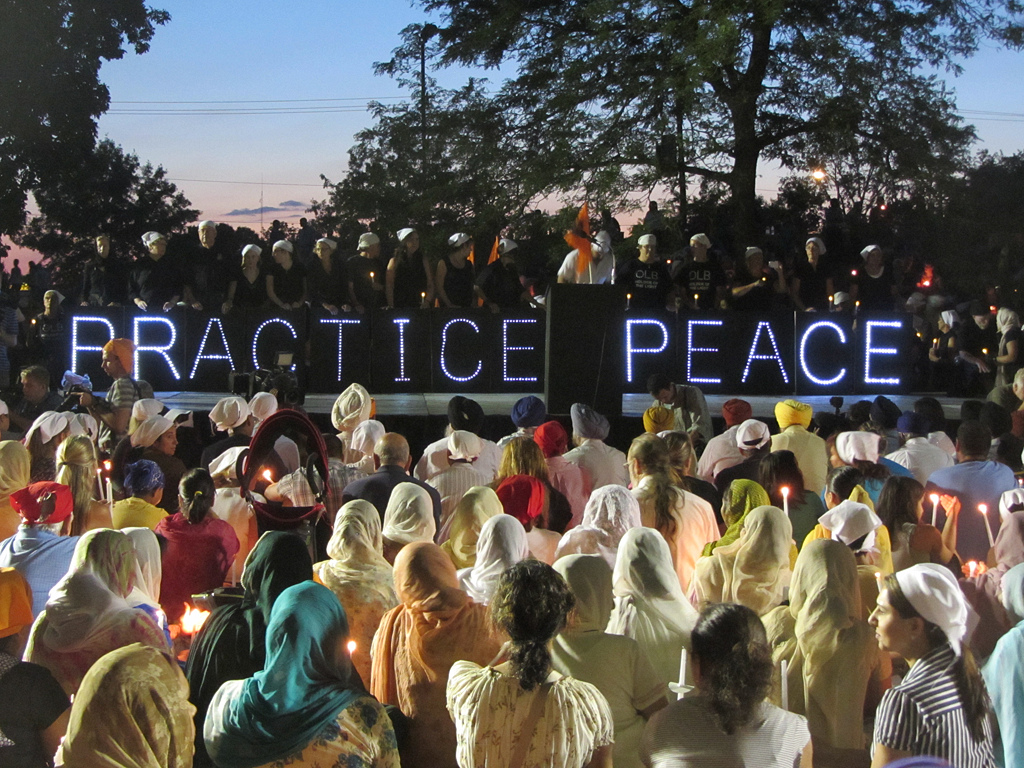
A white supremacist gunman attacks the Sikh Temple of Wisconsin in Oak Creek during Sunday preparations, killing six worshippers and wounding others, including the police officer who confronts him; the congregation's answer, chardi kala, ever-rising spirits, carries the diaspora's story of faith under attack into American memory.

Oak Creek