Sikhism

The The Khalsa Panth stream of the Sikhism timeline.

Streams: All of Sikhism Sahajdhari The Khalsa Panth Nirankari Namdhari Sikh Diaspora

The Guru Period

1604

Adi Granth compiled

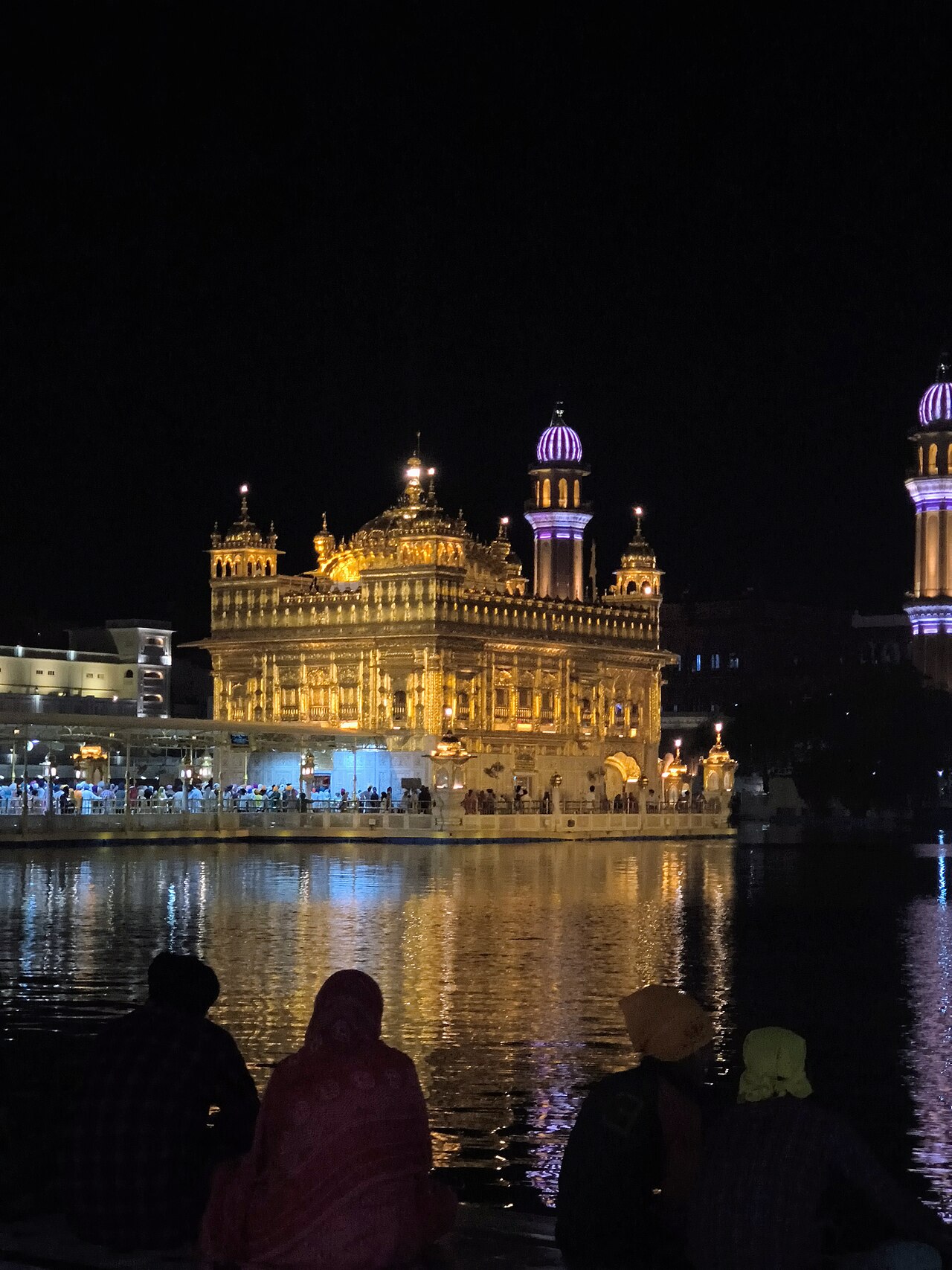
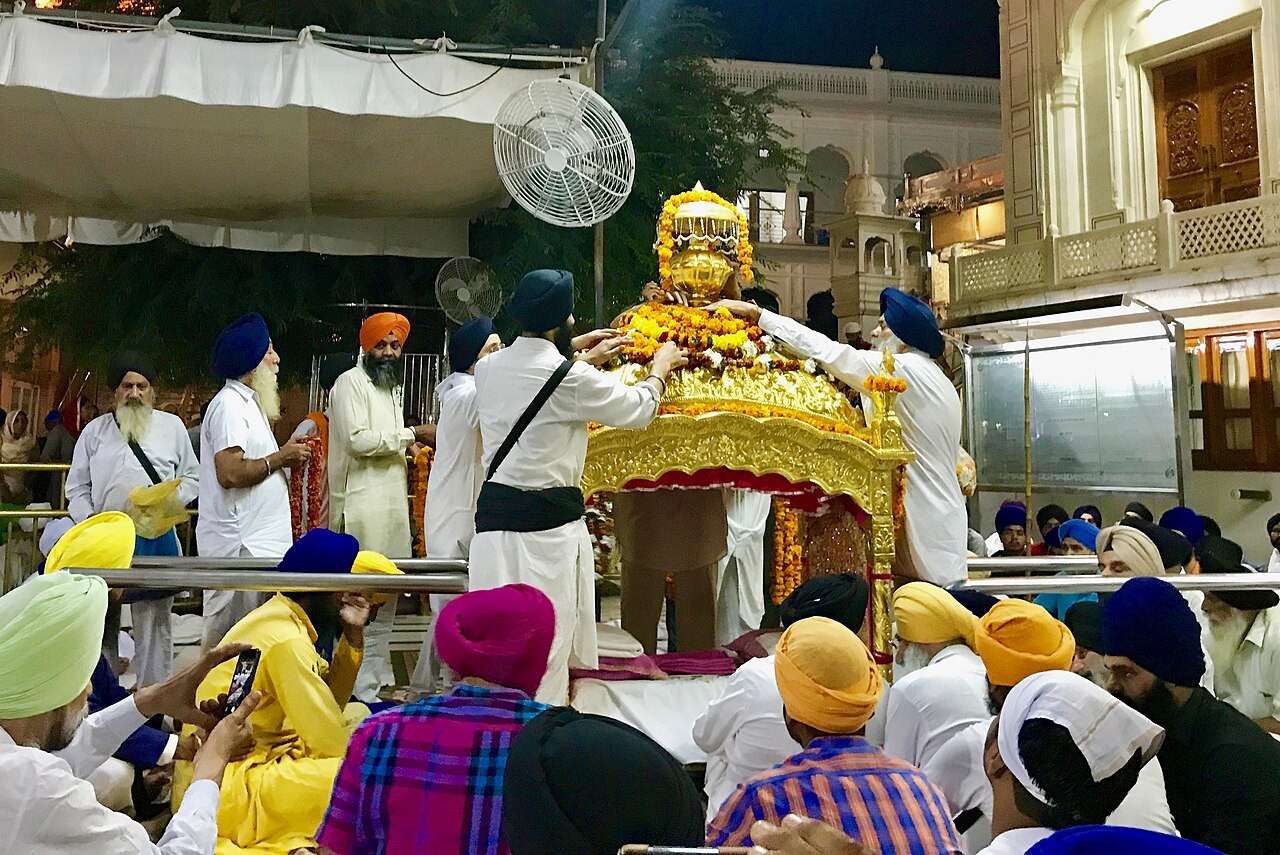
Guru Arjan compiles the Adi Granth, the first Sikh scripture, setting the hymns of the first five Gurus beside those of Hindu and Muslim saints such as Kabir and Farid, and installs it in the Harimandir with Baba Buddha as its first reader; the book becomes the community's center.
Amritsar
1606

Guru Hargobind

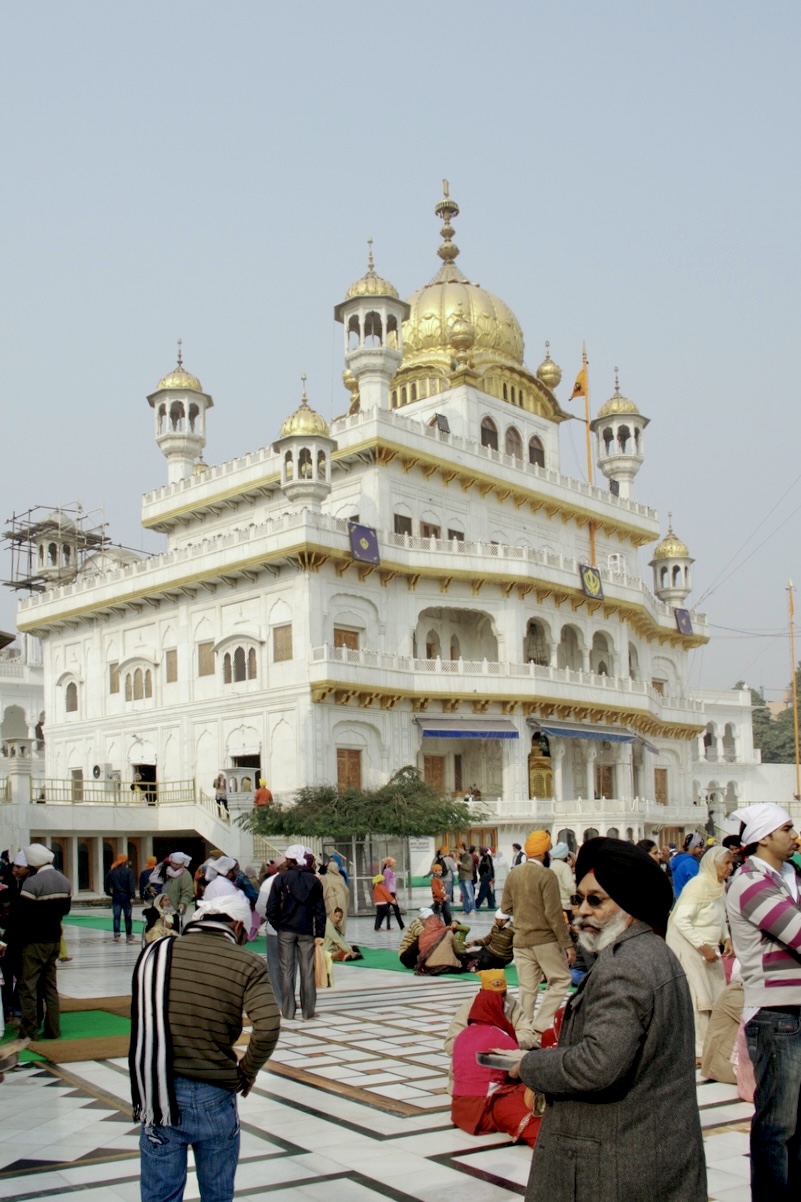
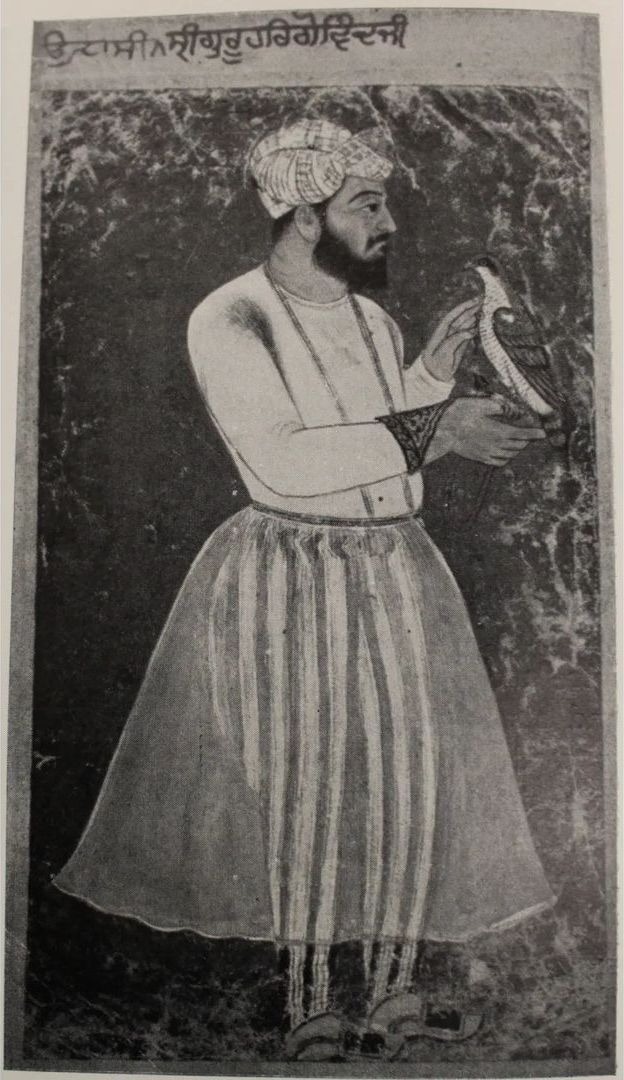
Hargobind succeeds his father wearing two swords, of miri and piri, temporal and spiritual authority together, and builds the Akal Takht, the throne of the Timeless One, facing the Harimandir; the sixth Guru keeps a court and an army, and the community takes its martial form.

Amritsar
1675

Martyrdom of Guru Tegh Bahadur

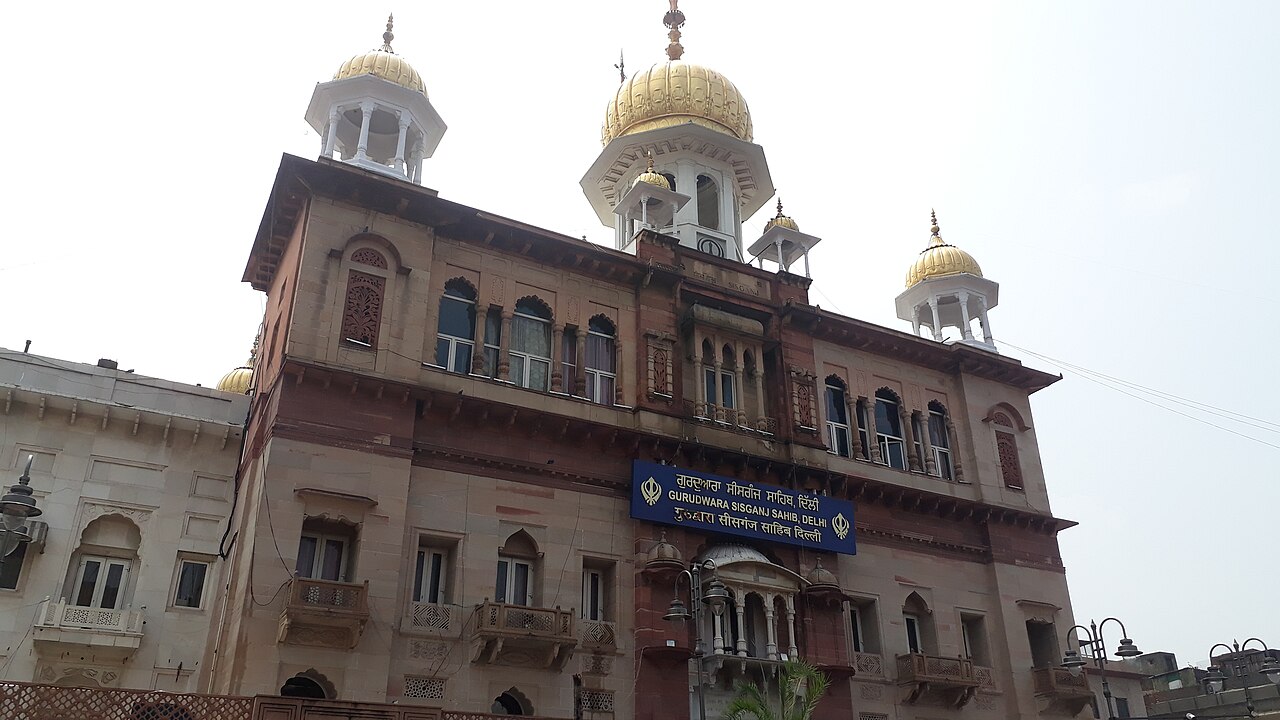
The emperor Aurangzeb has Guru Tegh Bahadur executed at Delhi, after the Guru interceded, in the Sikh account, for Kashmiri Hindus resisting forced conversion; he is remembered as the shield of India, and his martyrdom for another faith's freedom stands at the center of Sikh memory.

Delhi
1675

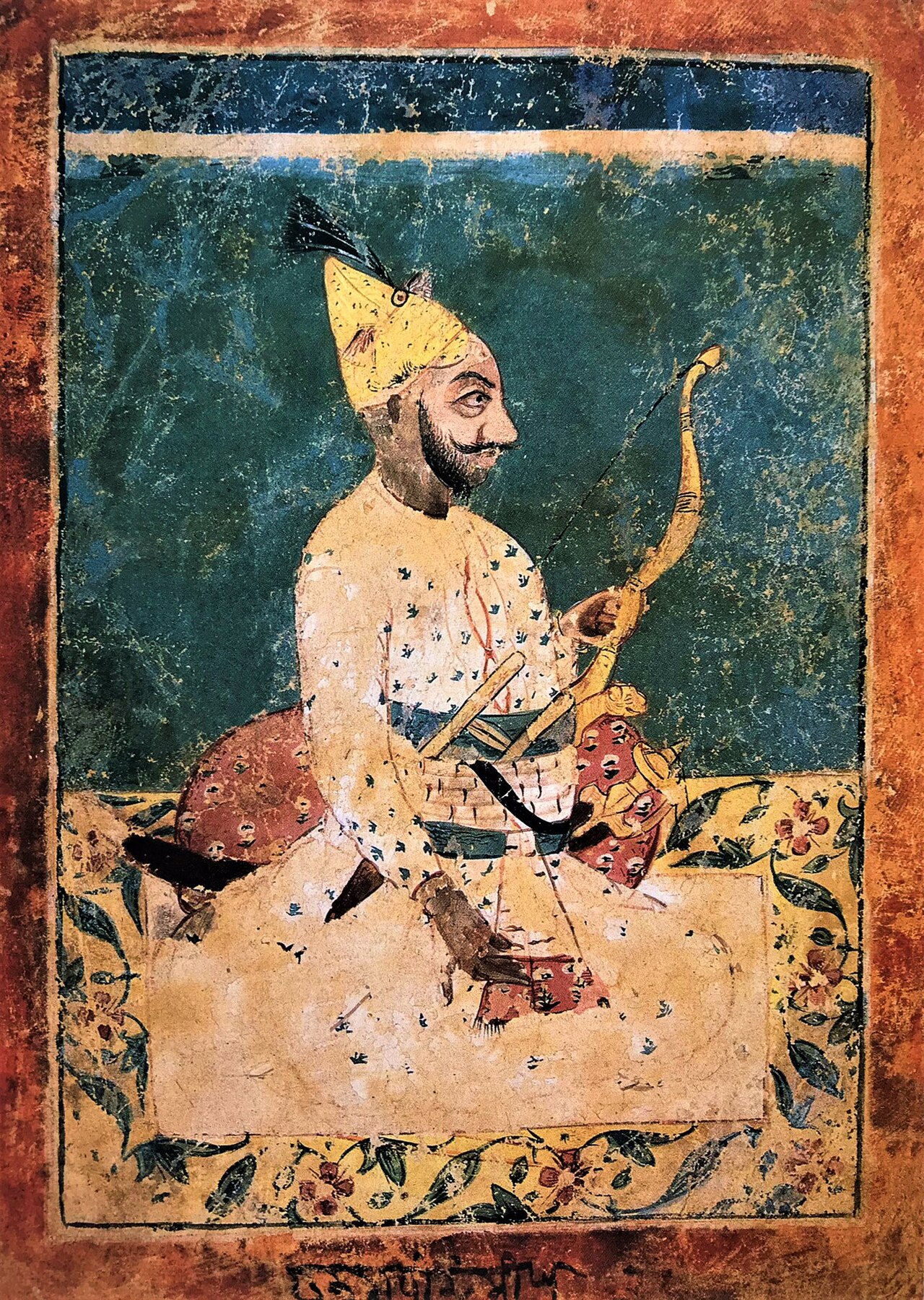
Guru Gobind Singh

Gobind Rai, nine years old, points to his father's severed head's resting place and is proclaimed the tenth Guru; from Anandpur he builds the community into a sovereign body, fighting hill rajas and Mughal forces, and prepares the transformation he completes in 1699.

Anandpur
1699

Founding of the Khalsa

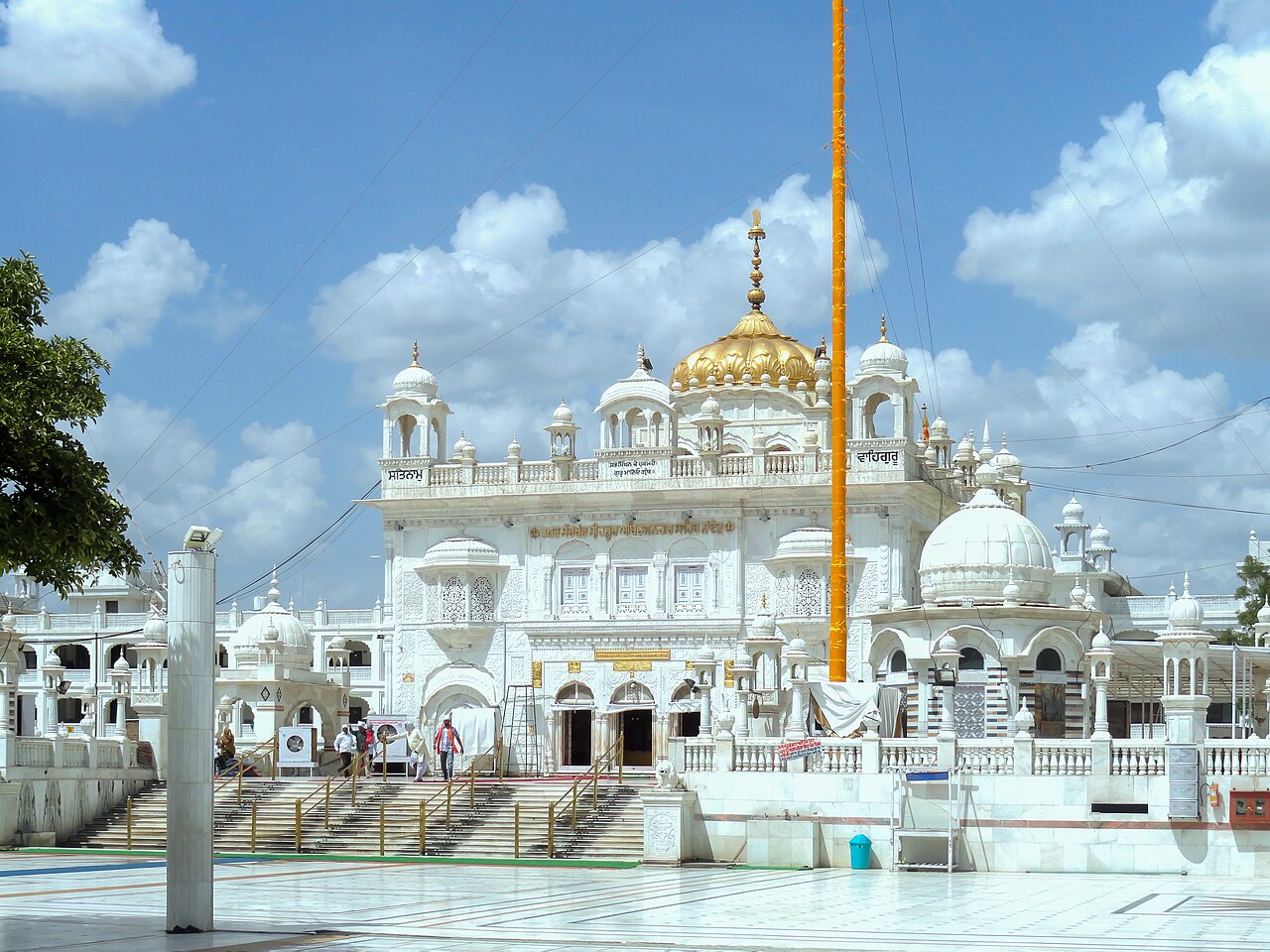
At the Vaisakhi gathering at Anandpur, Guru Gobind Singh calls for heads, initiates the five beloved ones who offer theirs with amrit stirred by a double-edged sword, and then kneels to receive the same initiation from them; the Khalsa, the order of the pure with its five Ks and its discipline, is born, and the community's center of gravity shifts from the Guru's person to the order and the book.

Anandpur Sahib
1708

Guru Granth Sahib installed as eternal Guru

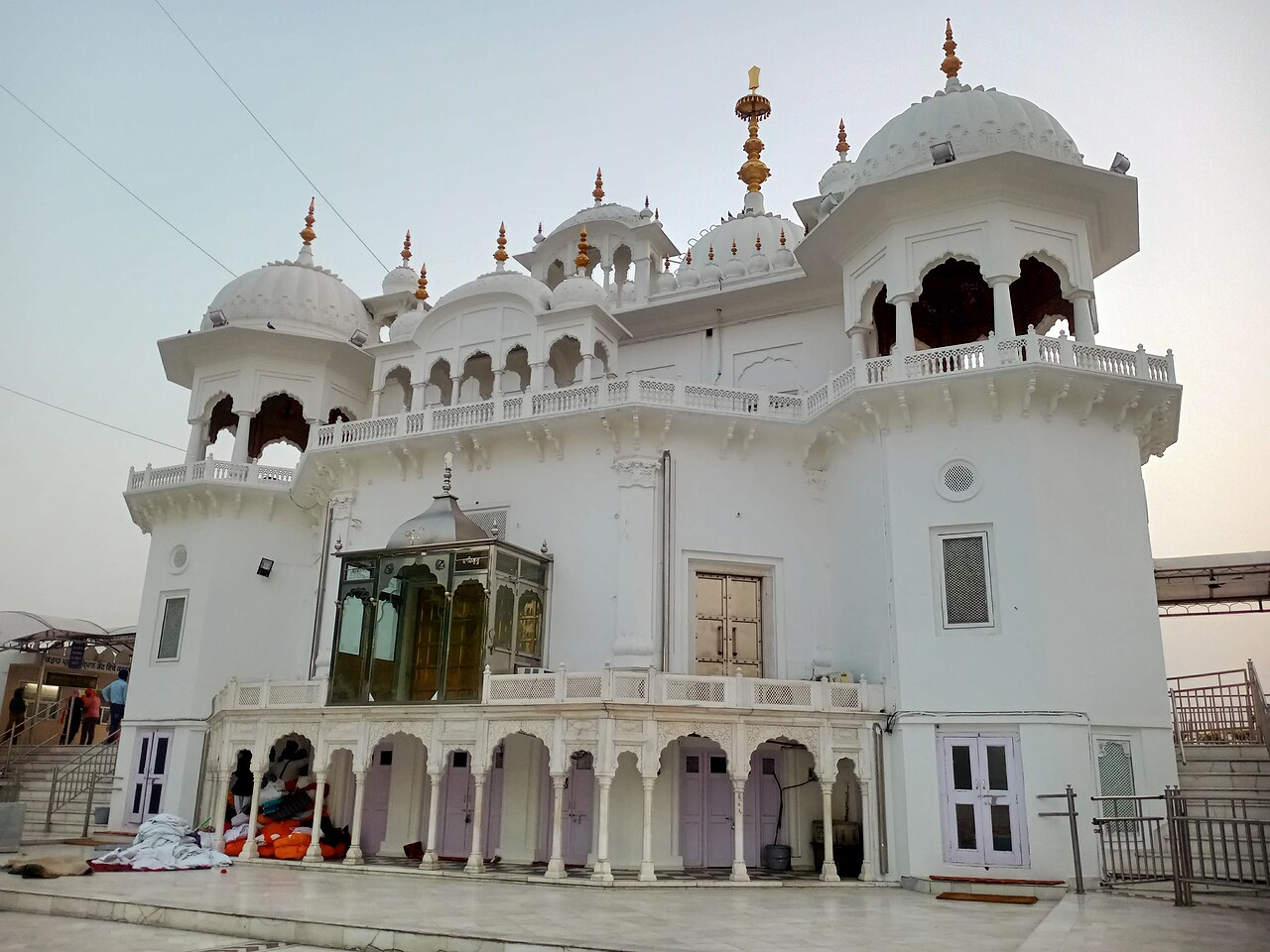
Dying at Nanded without a human successor, Guru Gobind Singh ends the line of personal Gurus and installs the Granth Sahib as the community's eternal Guru; Sikh authority rests ever after in the scripture and the corporate body of the Khalsa, and no living Guru follows him in the mainstream tradition.

Nanded

Empire and Annexation

1710

Banda Singh Bahadur's conquest of Sirhind

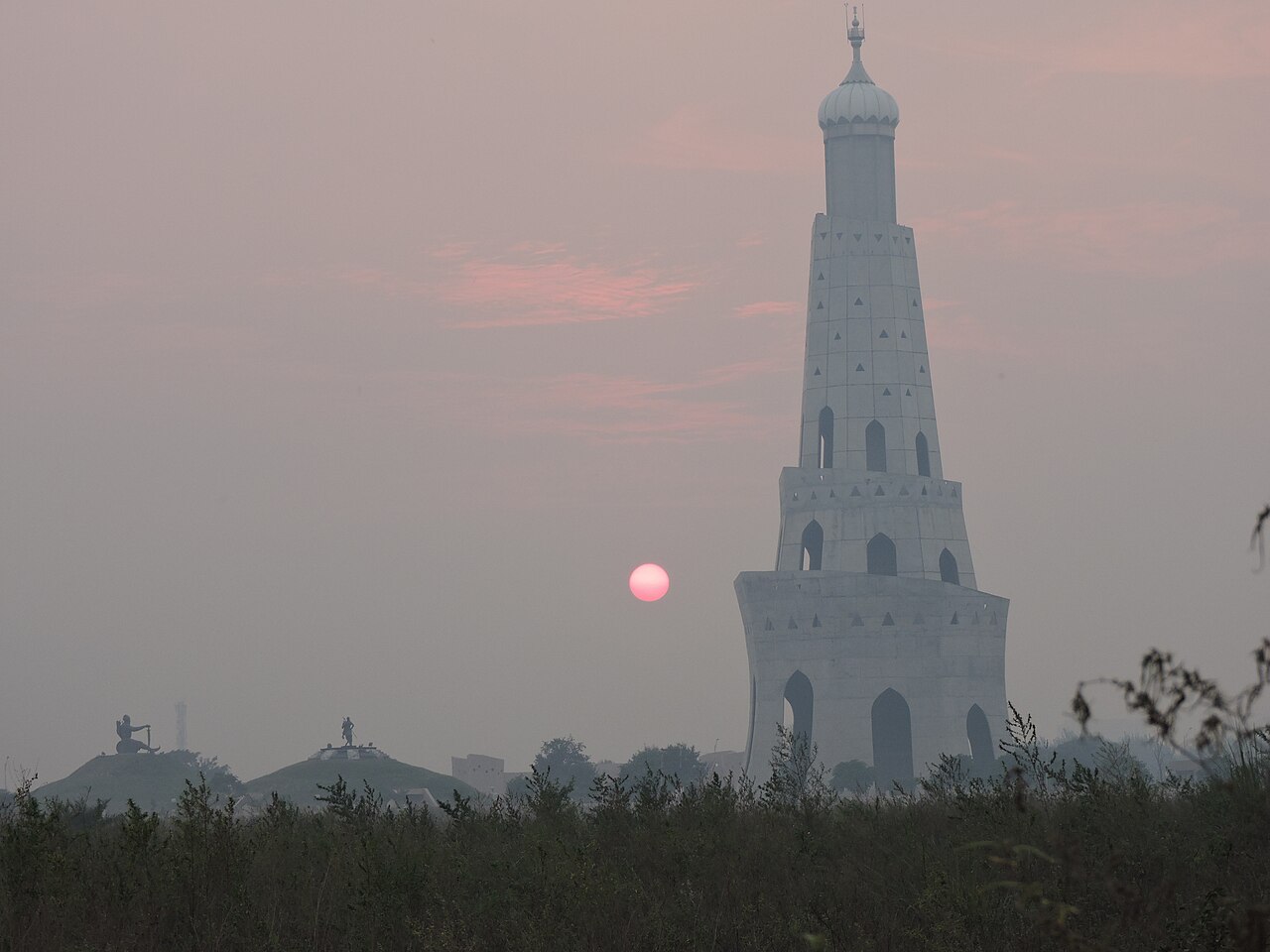
Banda Singh Bahadur, sent north by Guru Gobind Singh, storms Sirhind and avenges the execution of the Guru's young sons, striking coinage in the Gurus' names and abolishing the zamindari system in the lands he takes; his rising is the Khalsa's first taste of rule, ended by his capture and execution in 1716.

Sirhind
1799–1849

Sikh Empire under Ranjit Singh

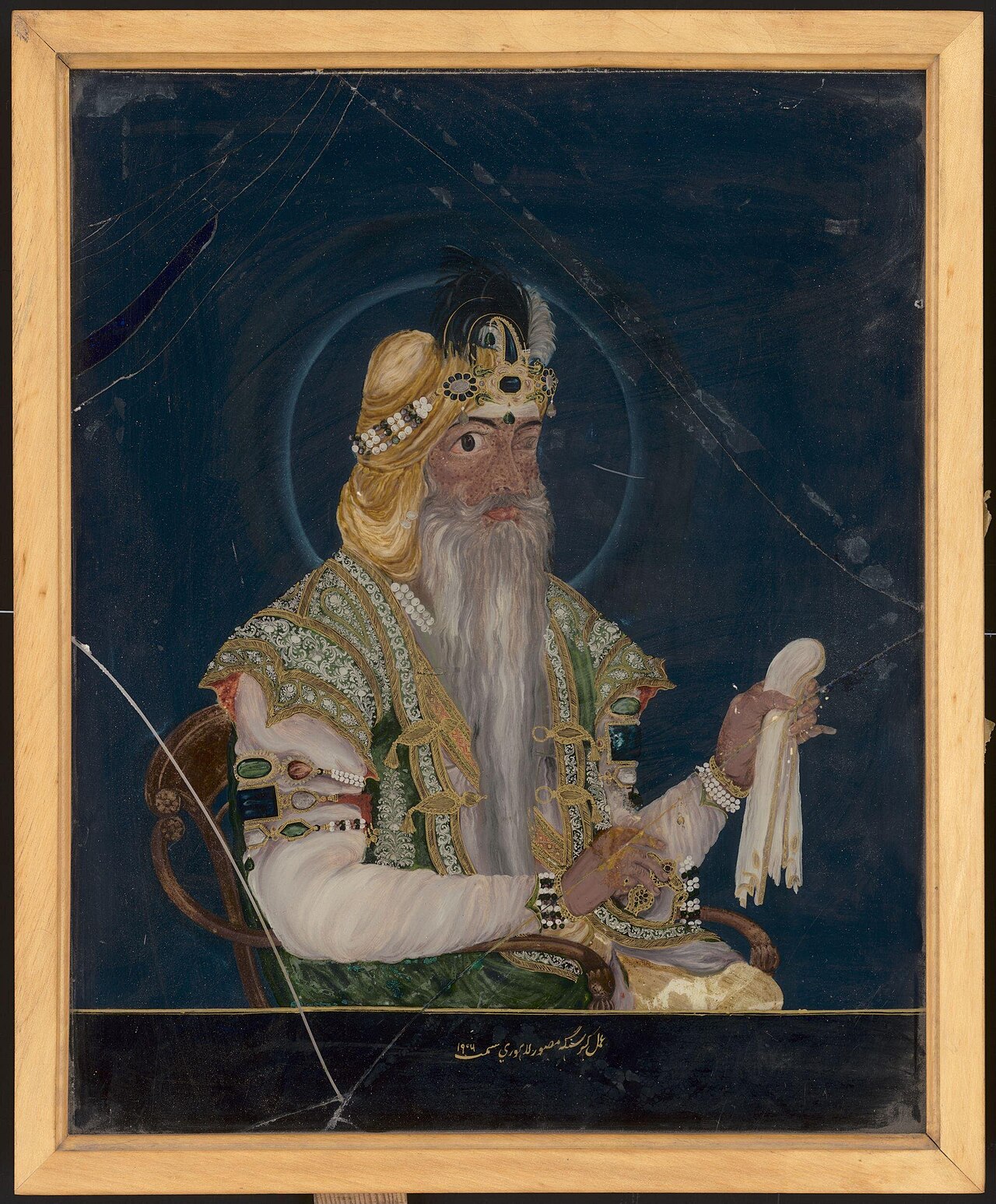
Ranjit Singh takes Lahore in 1799, is proclaimed Maharaja in 1801, and builds the Sikh Empire across the Punjab and beyond, ruling a majority non-Sikh population with a famously mixed court and army; his kingdom is the community's sovereign high point, and it dissolves within a decade of his death in 1839.

Lahore
1849

Annexation of the Punjab

After two Anglo-Sikh wars, the East India Company annexes the Punjab in 1849, deposes the child Maharaja Duleep Singh, and takes the Koh-i-Noor; Sikh sovereignty ends for a century, though Sikh soldiers become a mainstay of the British Indian Army.

Lahore

Reform and Colonial

1873

Singh Sabha movement

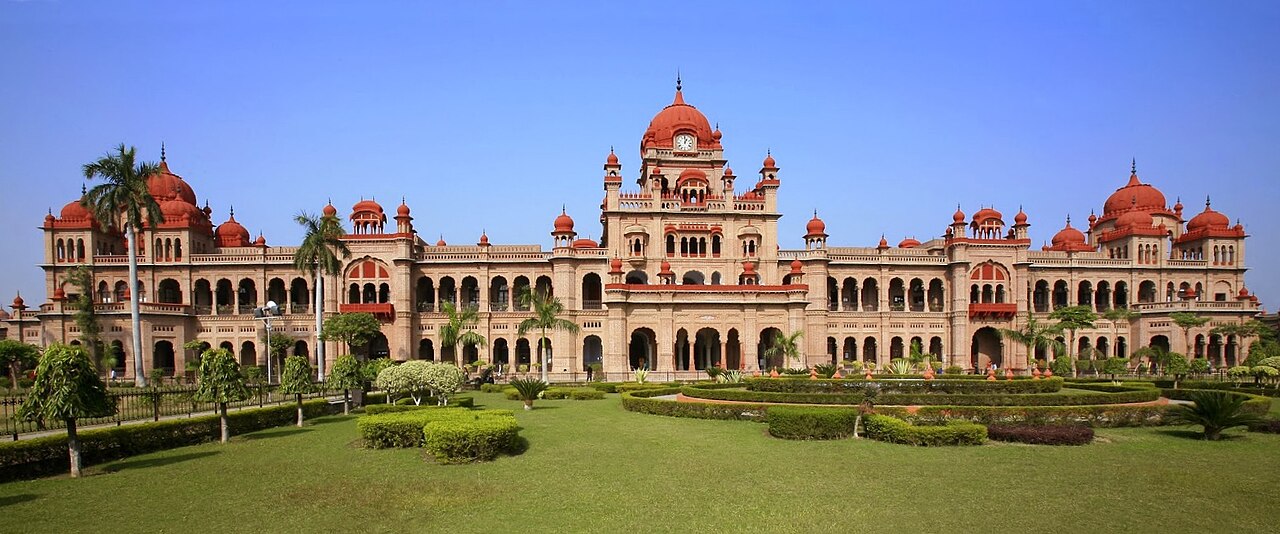
Sikhs of Amritsar found the first Singh Sabha in answer to Christian missions, Hindu reform movements, and the fear that Sikh identity was dissolving into Hindu practice; the movement's schools, newspapers, and scholarship define modern Sikh identity and campaign, over decades, for the community's control of its own gurdwaras.

Amritsar
1919

Jallianwala Bagh massacre

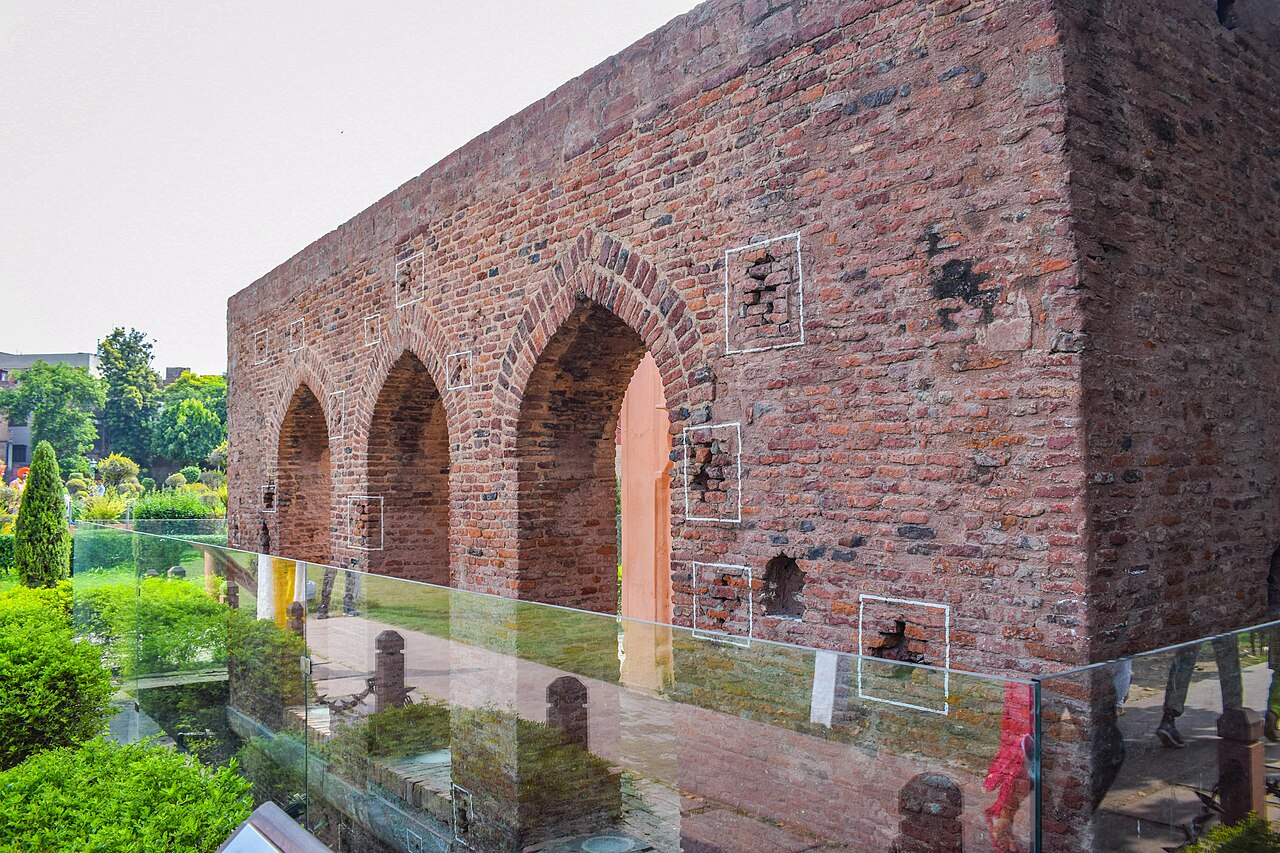
British troops under General Dyer fire without warning on an unarmed crowd gathered in Amritsar's Jallianwala Bagh, beside the Golden Temple, killing hundreds by the official count and more by Indian reckoning; the massacre turns Punjab opinion, Sikh opinion above all, decisively against the Raj.

Amritsar
1947

Partition in the Punjab

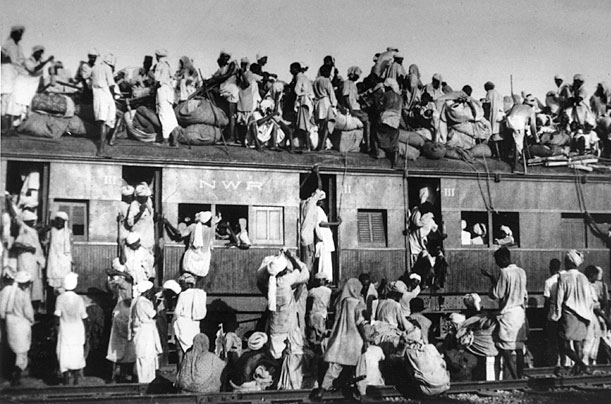
The partition of India cuts the Punjab in two, and its Sikhs, caught between the new states and targeted in the west, flee east in one of the century's great migrations, leaving Nankana Sahib and the western shrines behind; perhaps two million Sikhs are displaced, and the community's center settles permanently in Indian Punjab.

The Punjab

Modern

1978

The Amritsar clash of 1978

On Vaisakhi day, Sikhs protesting a Sant Nirankari gathering in Amritsar march on the venue and are fired on; thirteen Sikhs are killed, and their martyrdom becomes a rallying point of the gathering Punjab crisis and a root of the militancy that follows in the next decade.

Amritsar
1984

Operation Blue Star; anti-Sikh riots

The Indian Army storms the Golden Temple complex in Operation Blue Star to dislodge Jarnail Singh Bhindranwale and his armed followers, killing many pilgrims on a holy day and destroying the Akal Takht; in November, after Indira Gandhi's assassination by her Sikh bodyguards, organized mobs kill thousands of Sikhs in Delhi and other cities, the twin traumas that define modern Sikh memory.

Amritsar and Delhi