Sikhism

The Sahajdhari stream of the Sikhism timeline.

Streams: All of Sikhism Sahajdhari The Khalsa Panth Nirankari Namdhari Sikh Diaspora

The Guru Period

1469

Birth of Guru Nanak

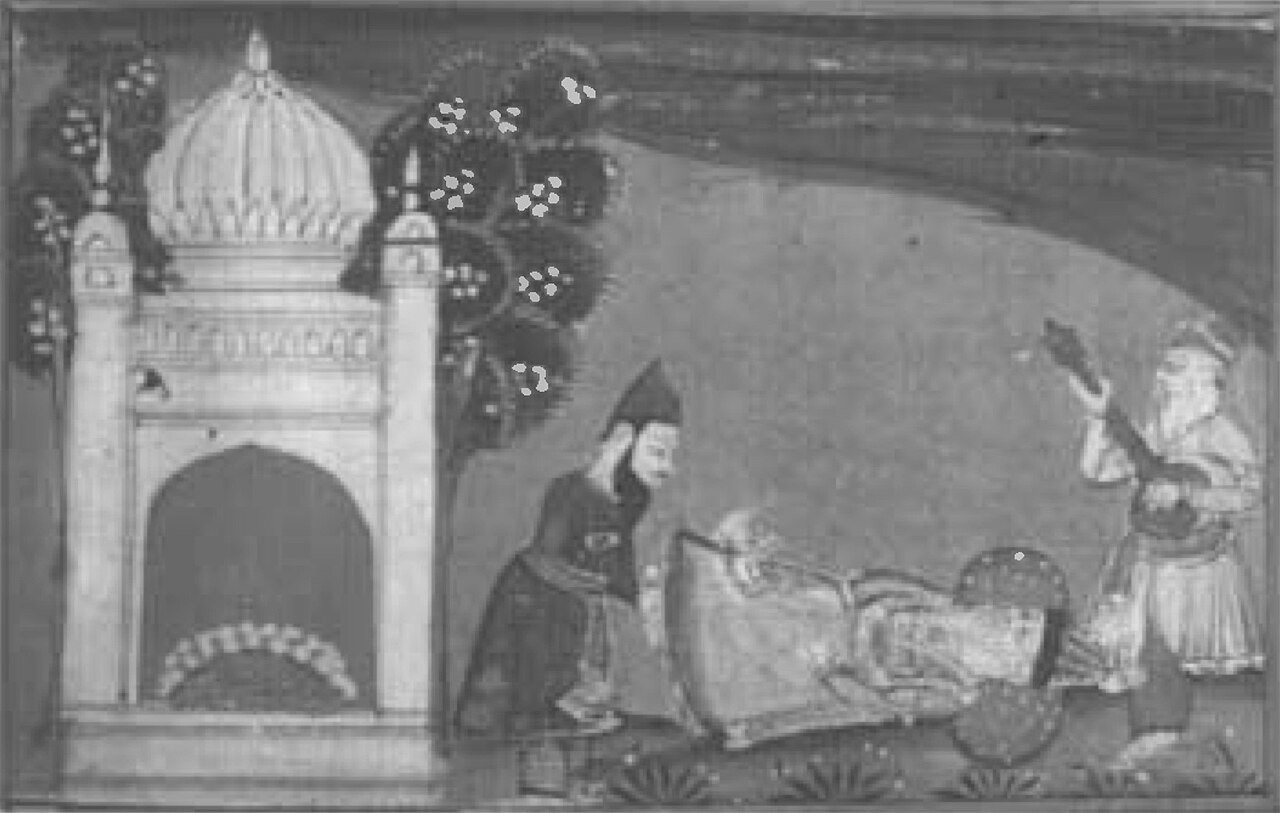
Nanak is born at Talwandi, the village later renamed Nankana Sahib in his honor; after his awakening at Sultanpur Lodhi he teaches that there is no Hindu and no Muslim, only the one God known by the Name, and gathers the first Sikh community around his hymns.
Talwandi
c. 1500–1520

Guru Nanak's travels

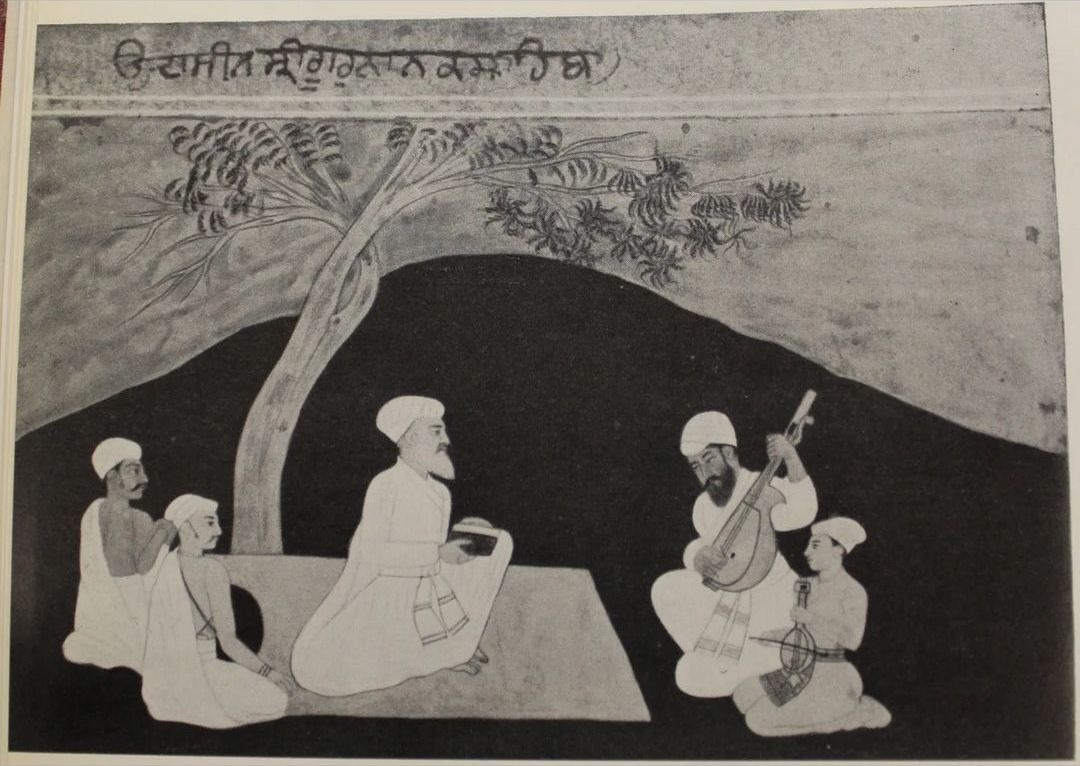
In the traditional accounts, Nanak travels in four great journeys across India and beyond, to Hindu and Muslim holy places from Assam to Mecca and Baghdad, debating ascetics and rulers and singing his hymns; he returns to found the town of Kartarpur, where the community lives by work, sharing, and remembrance of the Name.

Kartarpur
1539

Guru Angad

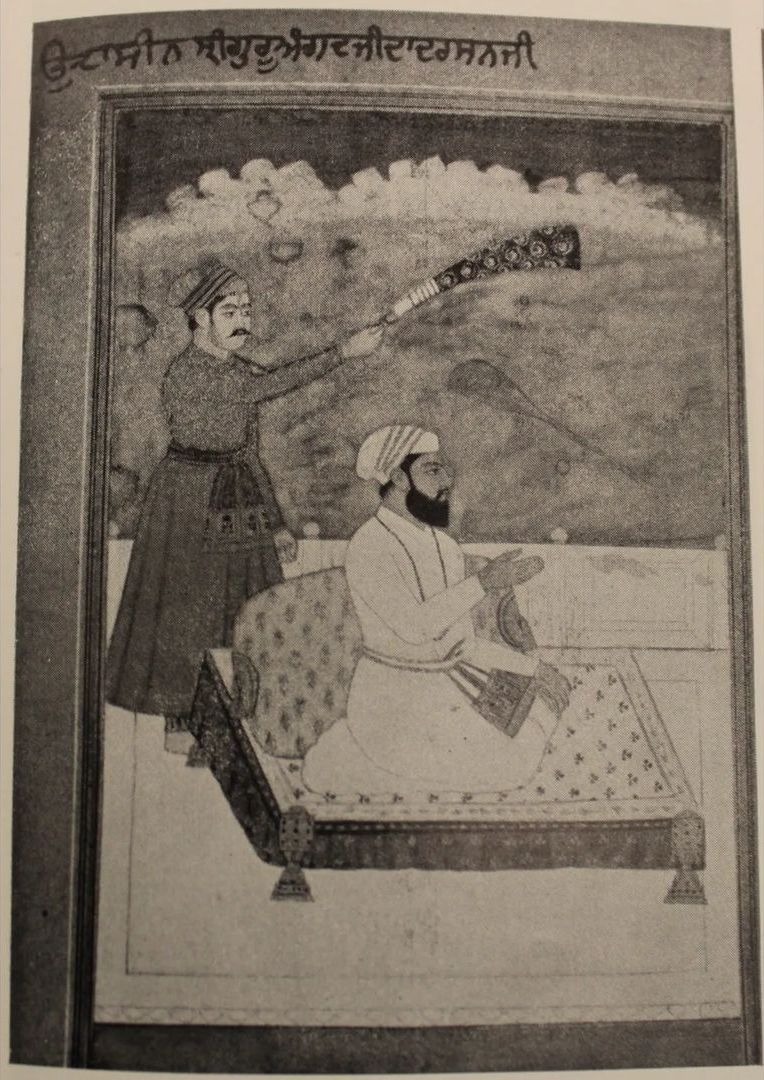
Nanak names his disciple Lehna as Angad, the second Guru, passing over his own sons; Angad consolidates the community at Khadur Sahib and is credited with standardizing and spreading the Gurmukhi script in which the Sikh scripture is written.

Khadur Sahib
1552

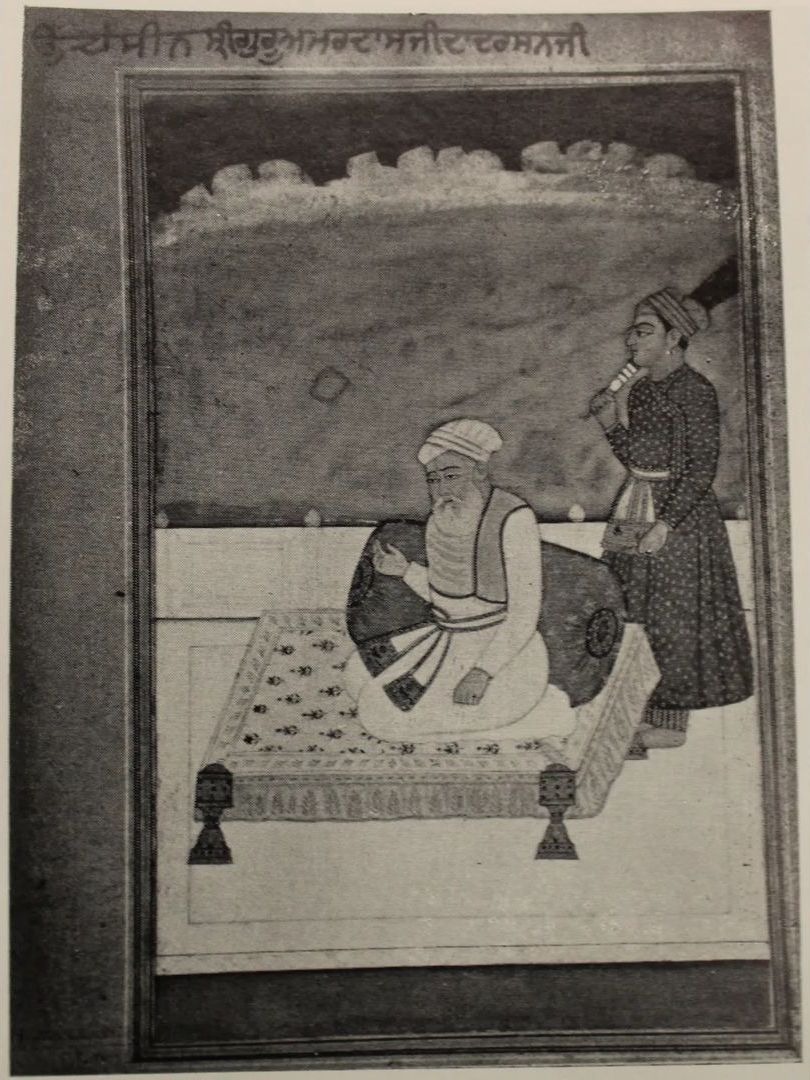
Guru Amar Das

Amar Das becomes the third Guru and builds the community's institutions at Goindwal: the pilgrimage well with its eighty-four steps, the strengthening of the langar where all eat together without distinction of caste, and the sending of preachers across the Punjab.

Goindwal
1574

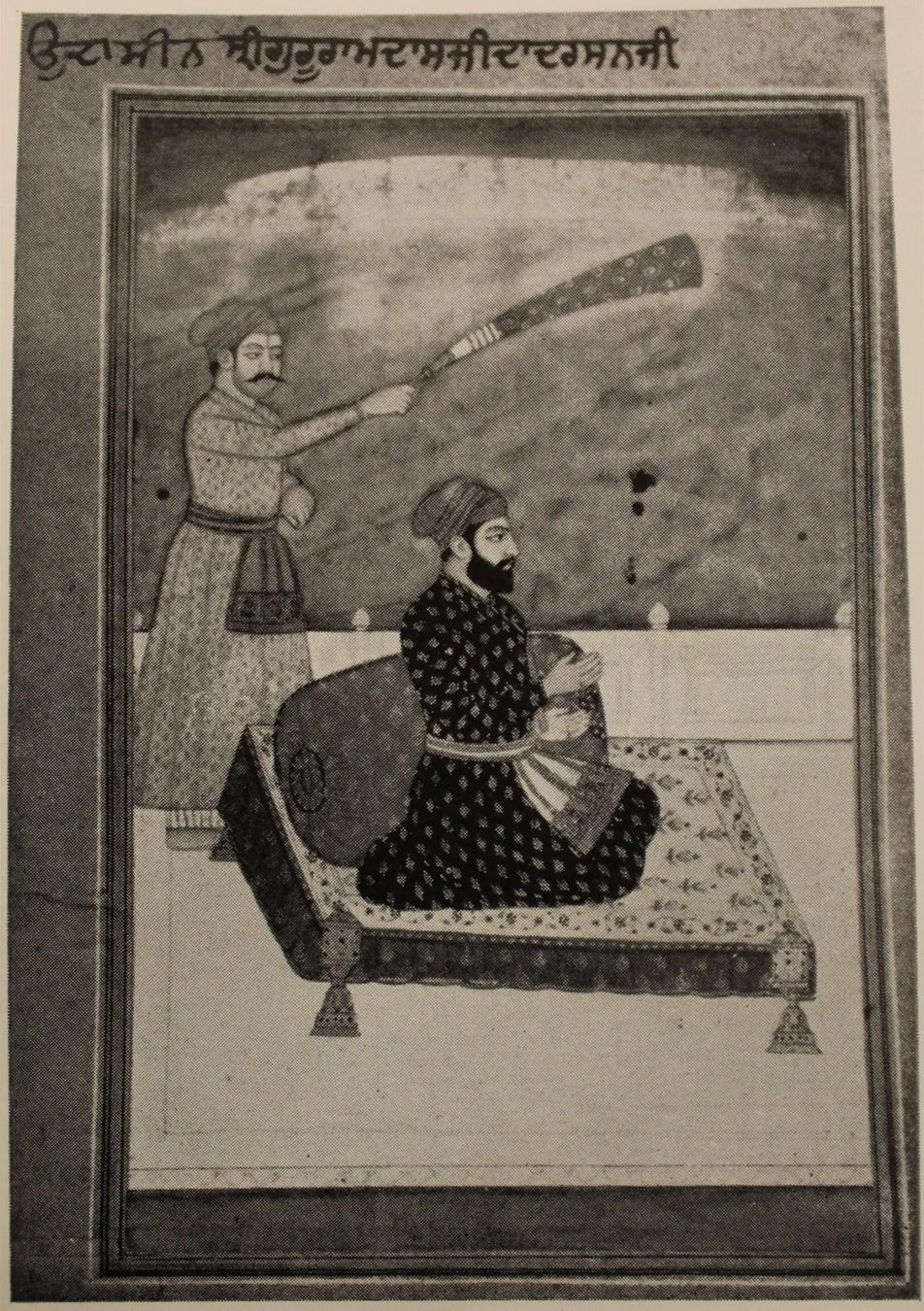
Guru Ram Das

Ram Das, the fourth Guru, founds the town first called Ramdaspur and later Amritsar, around the pool of nectar that gives the city its name; the town becomes the Sikh community's center, and the masand system carries its teaching and offerings across the region.

Amritsar
1581

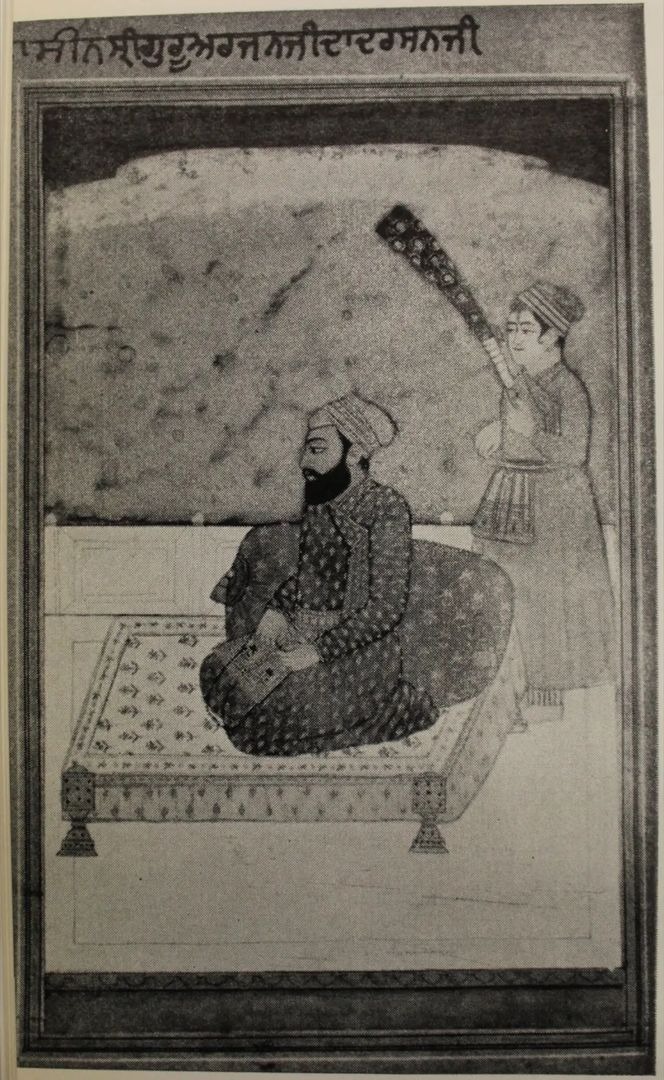
Guru Arjan

Arjan, the fifth Guru and the first born to the office, raises the Harimandir, the Golden Temple, in the middle of Amritsar's pool, set lower than the town around it and open on four sides to all comers; under him the community grows into a settled religious society.

Amritsar
1604

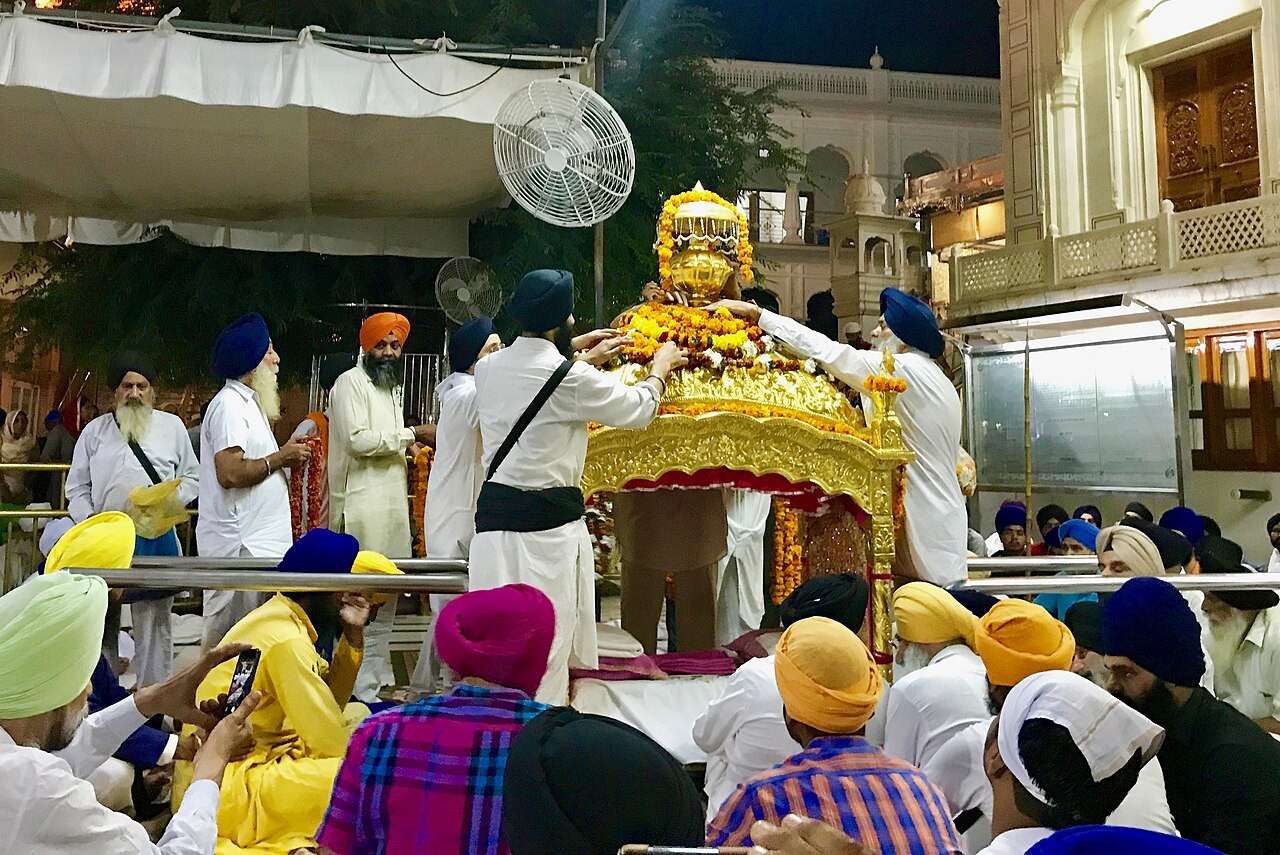
Adi Granth compiled

Guru Arjan compiles the Adi Granth, the first Sikh scripture, setting the hymns of the first five Gurus beside those of Hindu and Muslim saints such as Kabir and Farid, and installs it in the Harimandir with Baba Buddha as its first reader; the book becomes the community's center.

Amritsar
1606

Martyrdom of Guru Arjan

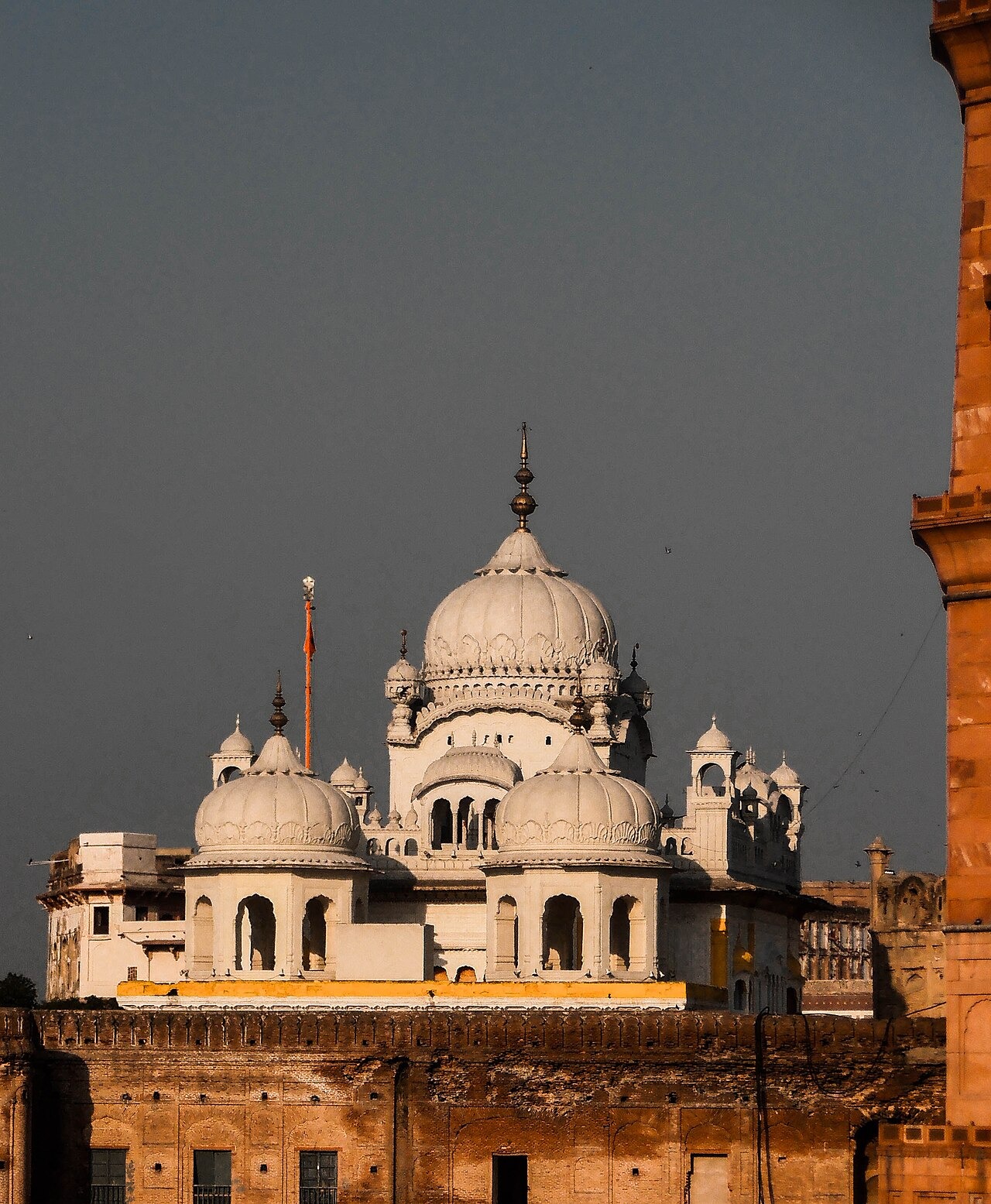
The Mughal emperor Jahangir has Guru Arjan arrested and put to death at Lahore, on charges the Sikh tradition reads as persecution of a growing rival center; Arjan becomes the first martyred Guru, and his death turns the community toward arms under his son.

Lahore
1606

Guru Hargobind

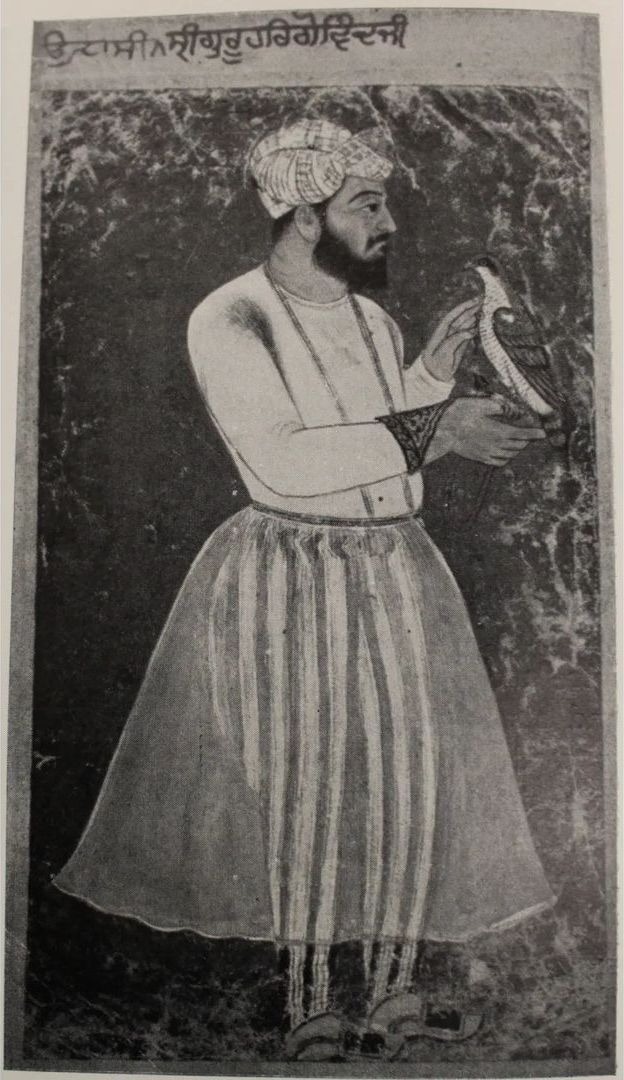
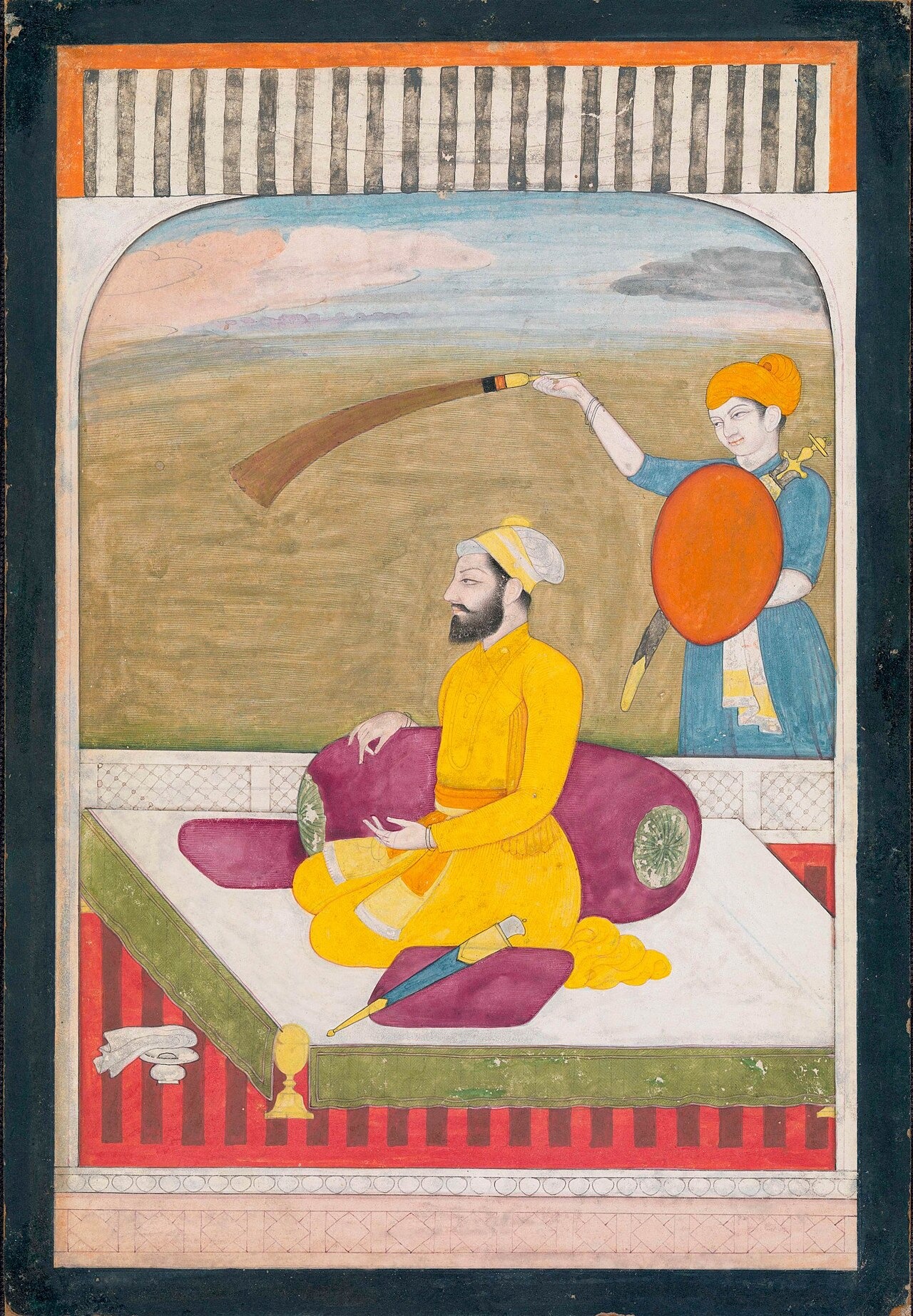
Hargobind succeeds his father wearing two swords, of miri and piri, temporal and spiritual authority together, and builds the Akal Takht, the throne of the Timeless One, facing the Harimandir; the sixth Guru keeps a court and an army, and the community takes its martial form.

Amritsar
1644

Guru Har Rai

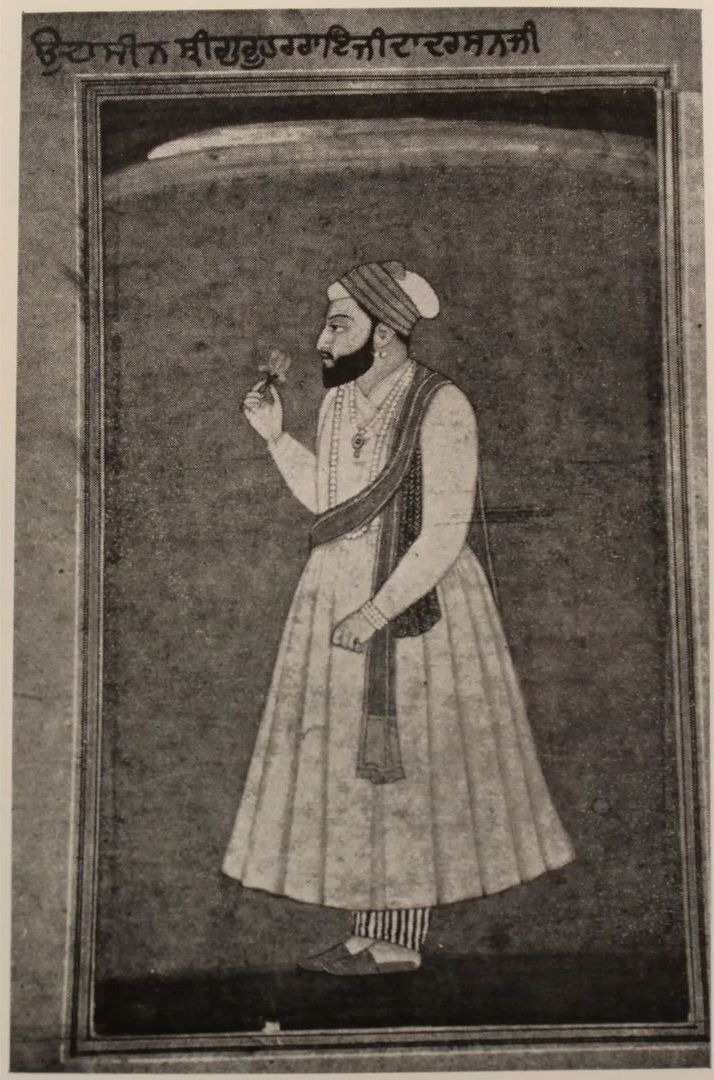
Har Rai, the seventh Guru, keeps his grandfather's army but avoids battle, and is remembered for his care of the wounded of both sides in the Mughal succession war and for herbal medicine dispensed at Kiratpur; his reign holds the community together in a quieter key.

Kiratpur
1661

Guru Har Krishan

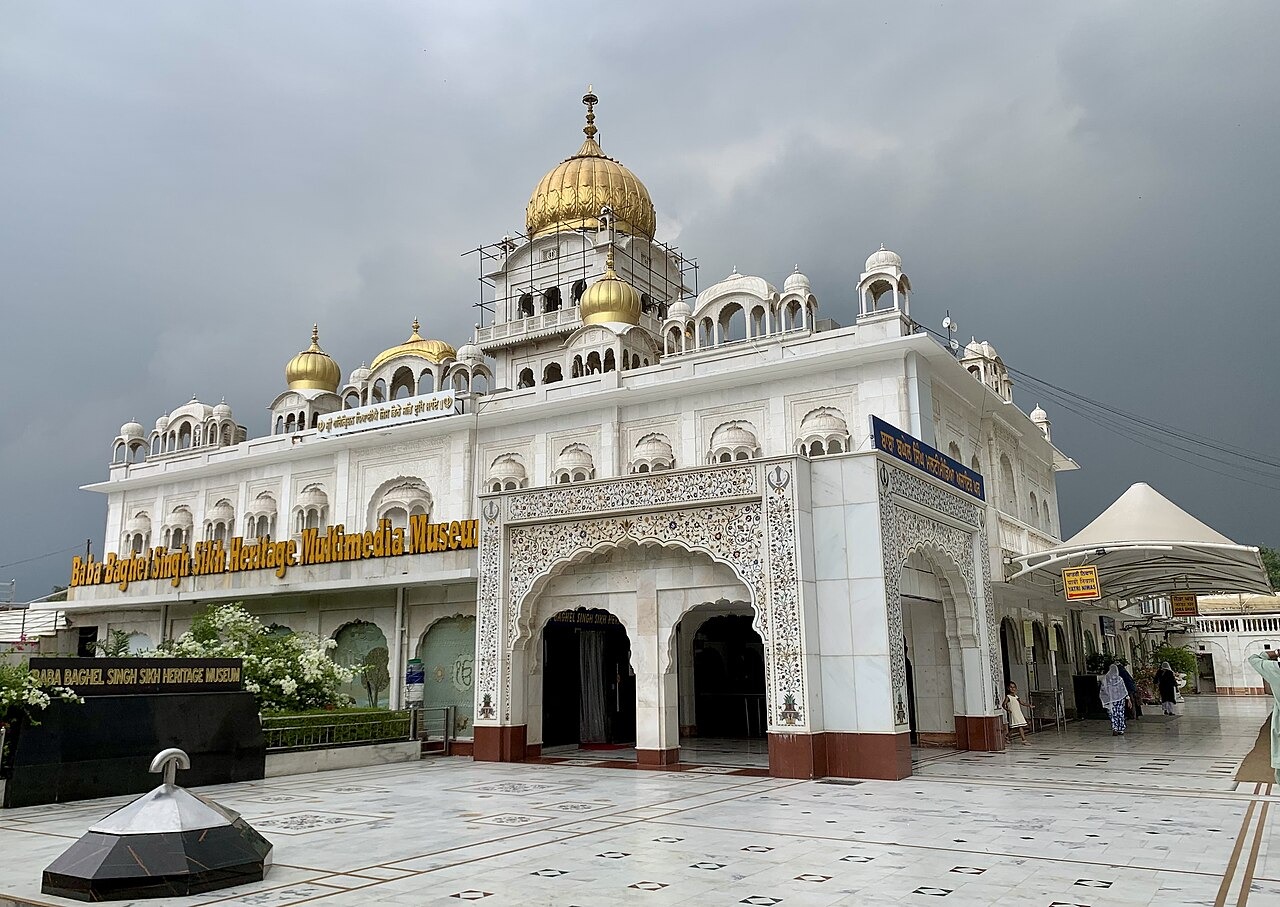
Har Krishan becomes Guru at five years old, the youngest of the line, and dies of smallpox at Delhi three years later while serving the city's sick in an epidemic; the gurdwara Bangla Sahib stands where he stayed, and his last words point to the next Guru at Bakala.

Delhi
1664

Guru Tegh Bahadur

Tegh Bahadur, the youngest son of Hargobind, is found at Bakala and proclaimed the ninth Guru; a poet and traveler, he founds Anandpur in the Shivalik foothills and preaches across the Punjab and into Assam and Bengal before the crisis that ends his life.

Anandpur
1675

Martyrdom of Guru Tegh Bahadur

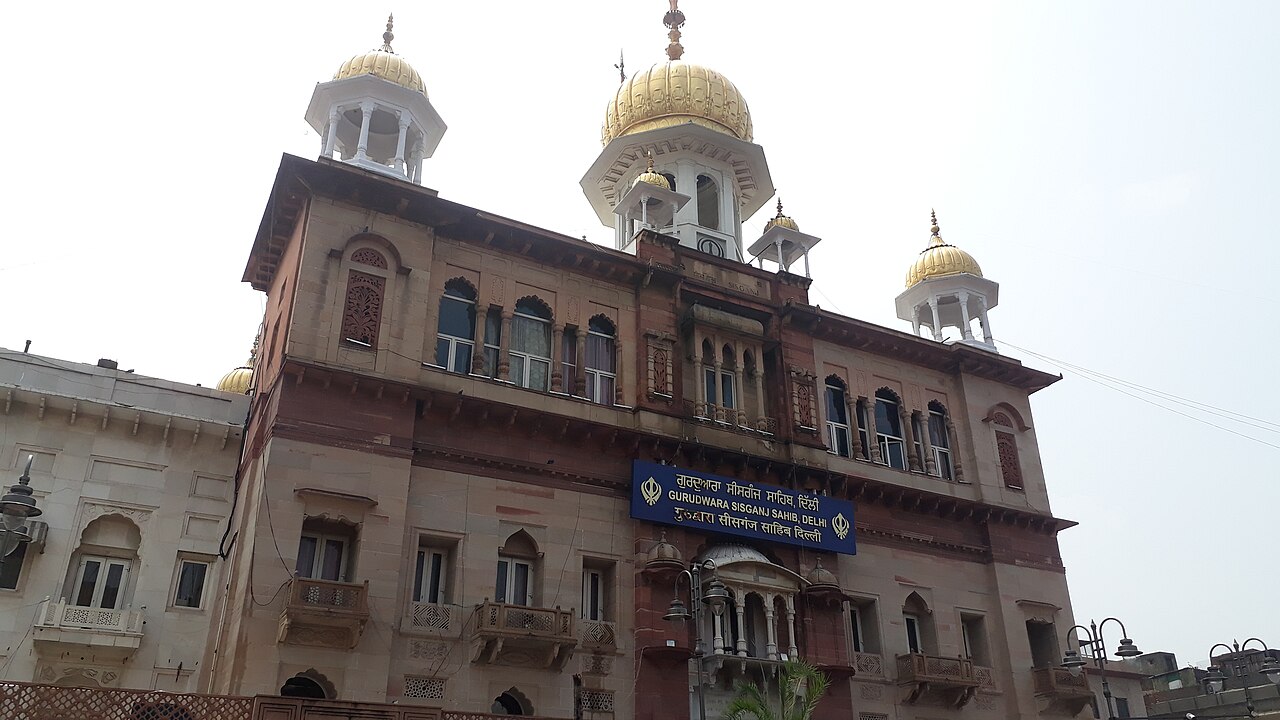
The emperor Aurangzeb has Guru Tegh Bahadur executed at Delhi, after the Guru interceded, in the Sikh account, for Kashmiri Hindus resisting forced conversion; he is remembered as the shield of India, and his martyrdom for another faith's freedom stands at the center of Sikh memory.

Delhi

Reform and Colonial

1873

Singh Sabha movement

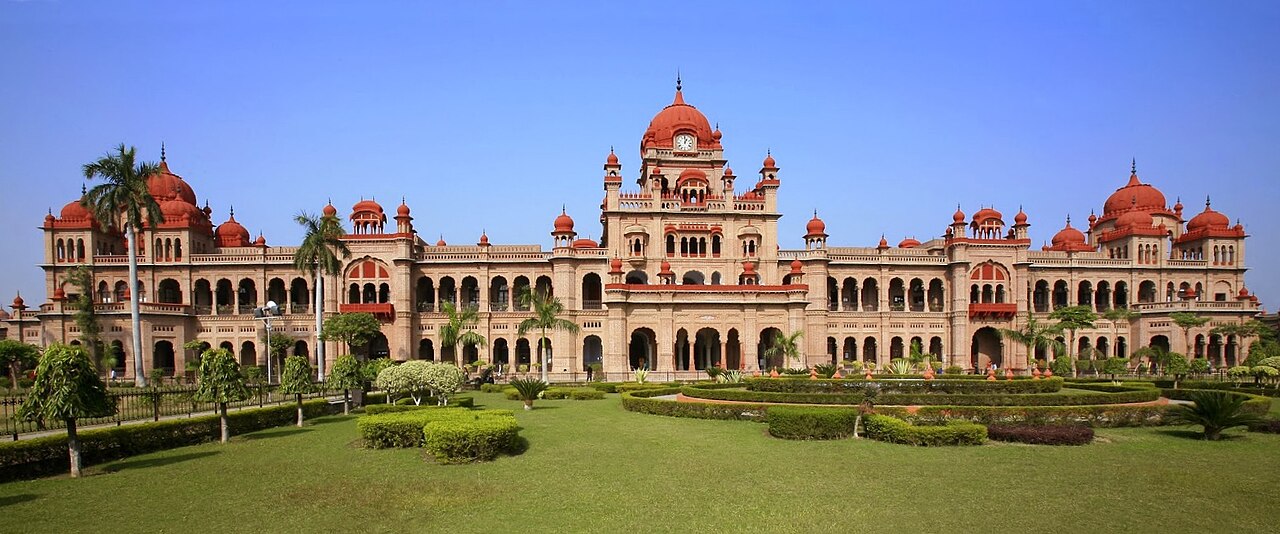
Sikhs of Amritsar found the first Singh Sabha in answer to Christian missions, Hindu reform movements, and the fear that Sikh identity was dissolving into Hindu practice; the movement's schools, newspapers, and scholarship define modern Sikh identity and campaign, over decades, for the community's control of its own gurdwaras.

Amritsar
1919

Jallianwala Bagh massacre

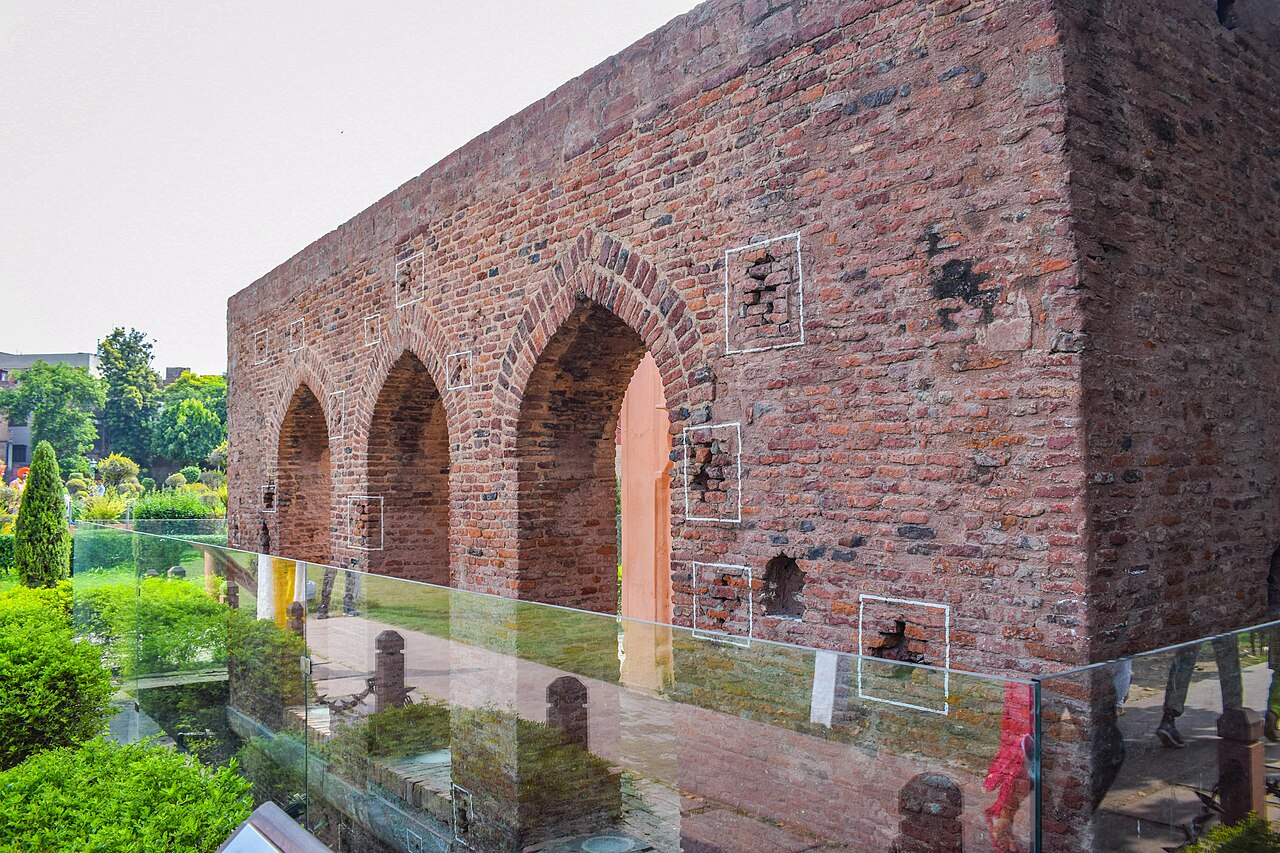
British troops under General Dyer fire without warning on an unarmed crowd gathered in Amritsar's Jallianwala Bagh, beside the Golden Temple, killing hundreds by the official count and more by Indian reckoning; the massacre turns Punjab opinion, Sikh opinion above all, decisively against the Raj.

Amritsar