Daoism

The Daoism timeline in the History of Worldviews.

Streams: All of Daoism Philosophical Daoism Celestial Masters and Zhengyi Shangqing Lingbao Quanzhen

The Early Masters

c. 369-286 BCE

Zhuangzi

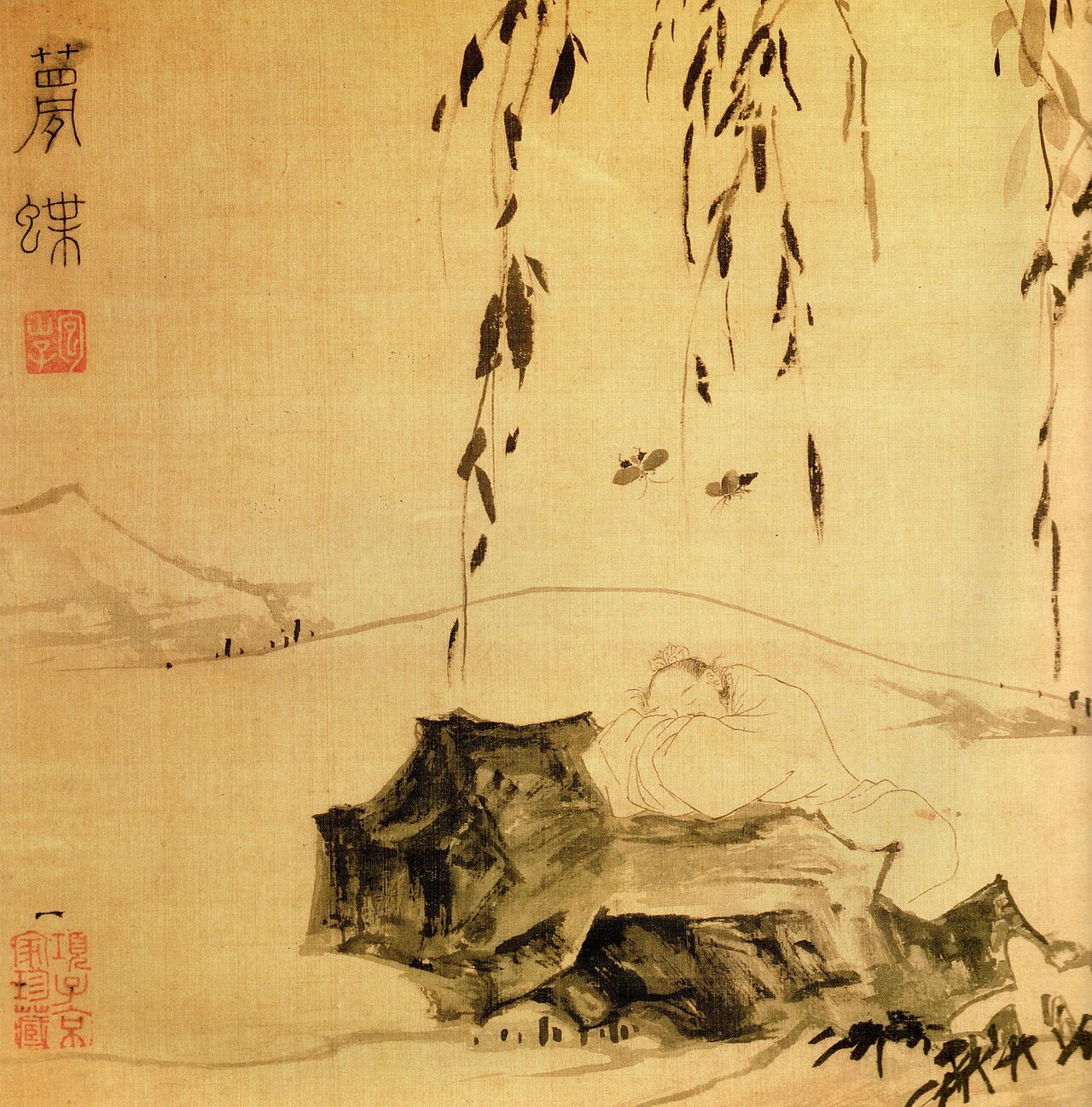
Zhuangzi, Zhuang Zhou of Meng, carried the teaching of the Dao into parable and paradox. His book tells of a man who dreamed he was a butterfly and woke unsure which of them was dreaming, of a useless tree that survives because no one can use it, and of Cook Ding, whose blade never dulls because it moves where there is no resistance. Where Laozi addressed rulers, Zhuangzi addressed the captive mind, and his chapters became the tradition's book of freedom.
Meng, in the state of Song
c. 4th-3rd century BCE

Laozi (traditional)

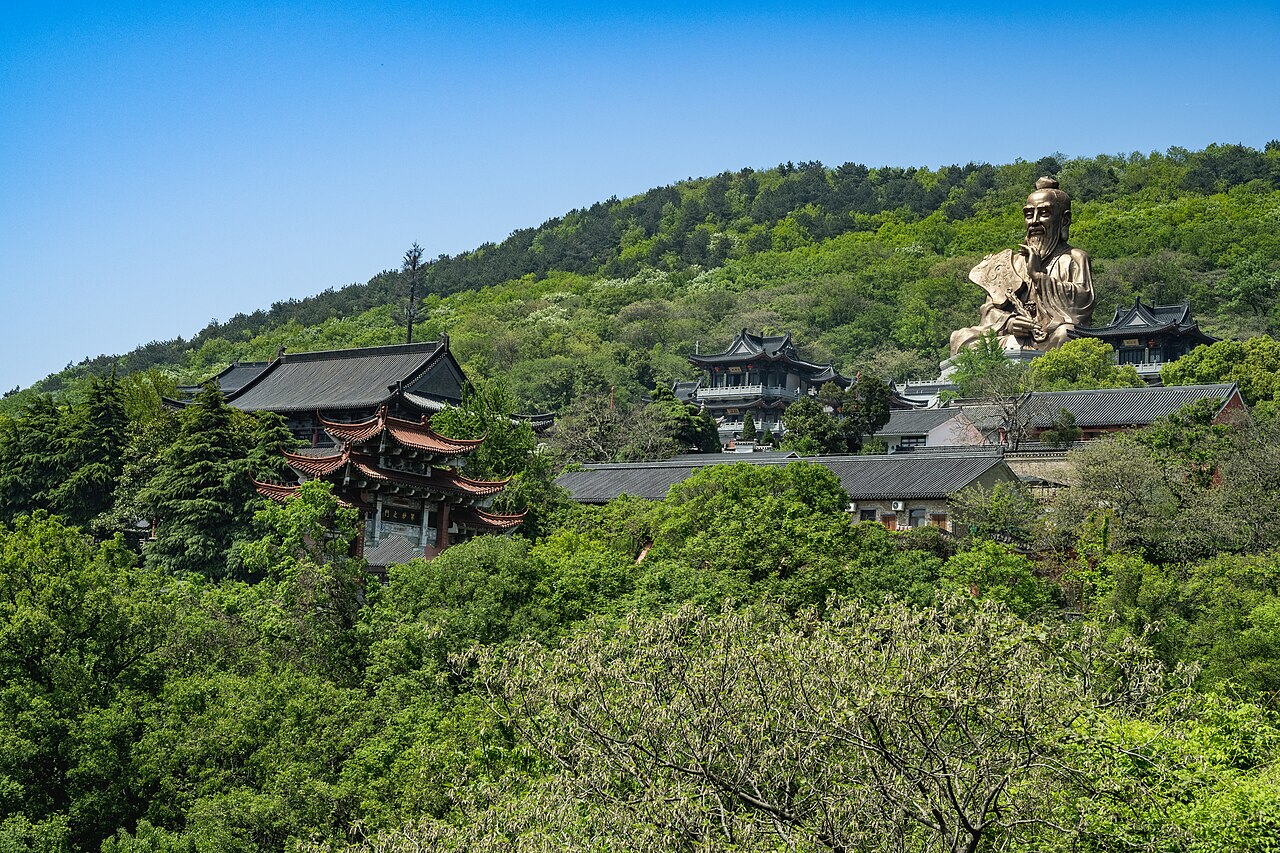
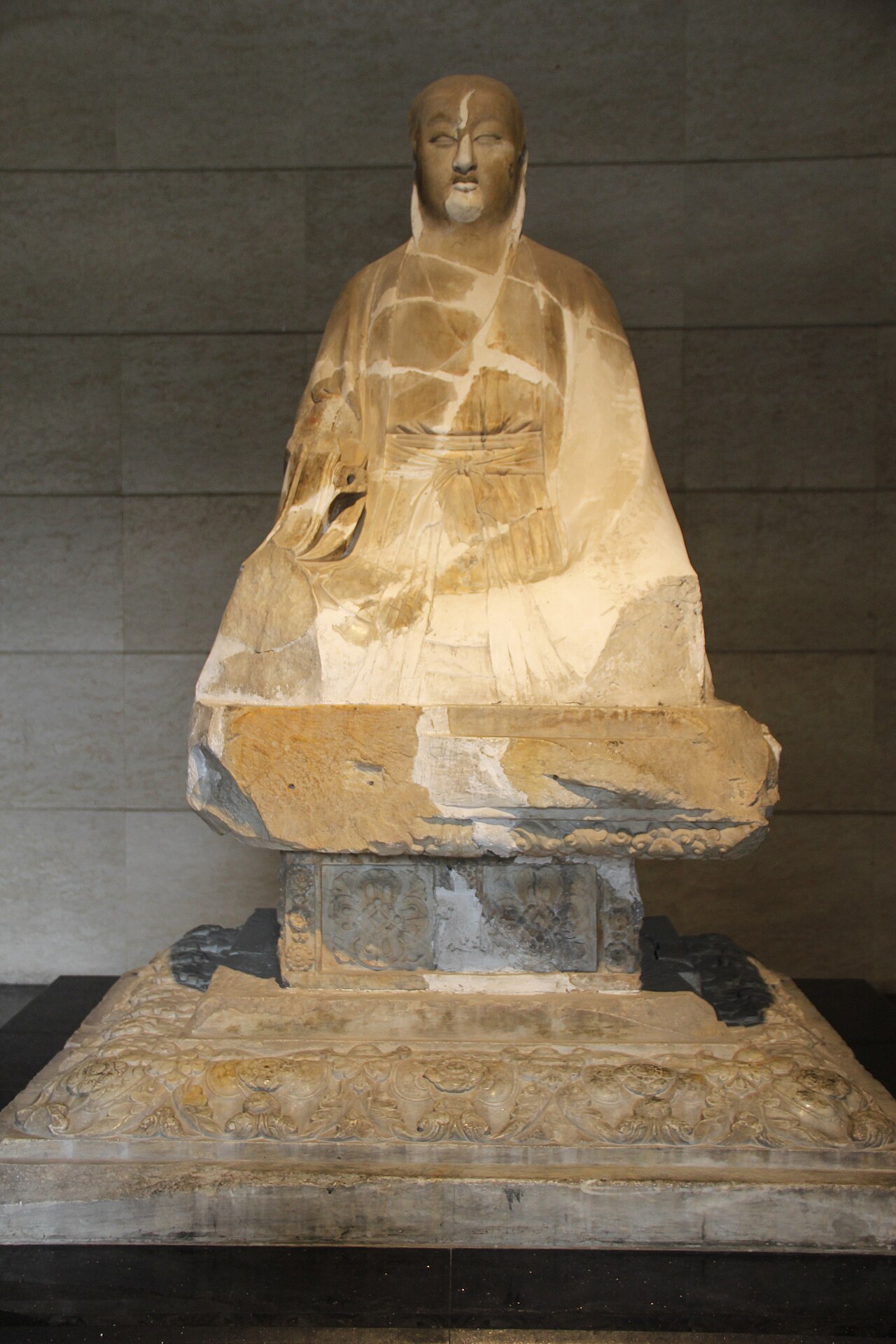
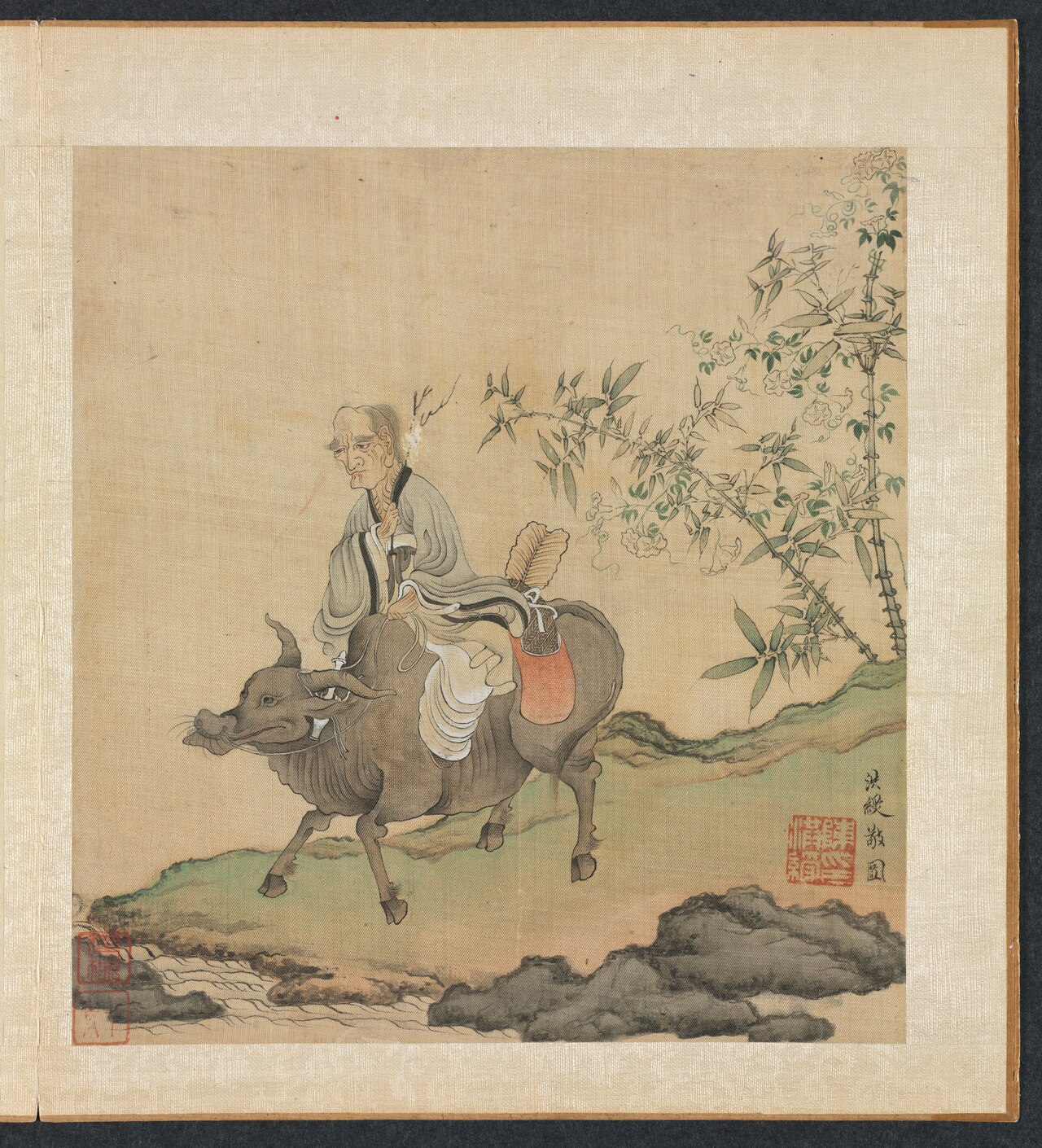
Laozi, the Old Master, is the traditional author of the Daodejing, the short book of eighty-one chapters that teaches rule by non-action and a world ordered by the Dao rather than by force. Tradition makes him an archivist of the Zhou court who, disgusted with its decline, rode west on an ox and wrote the book at the border pass at a gatekeeper's request. The text itself reads as the work of many hands across the fourth and third centuries.

The state of Chu

The Celestial Masters

142 CE

Zhang Daoling; Celestial Masters

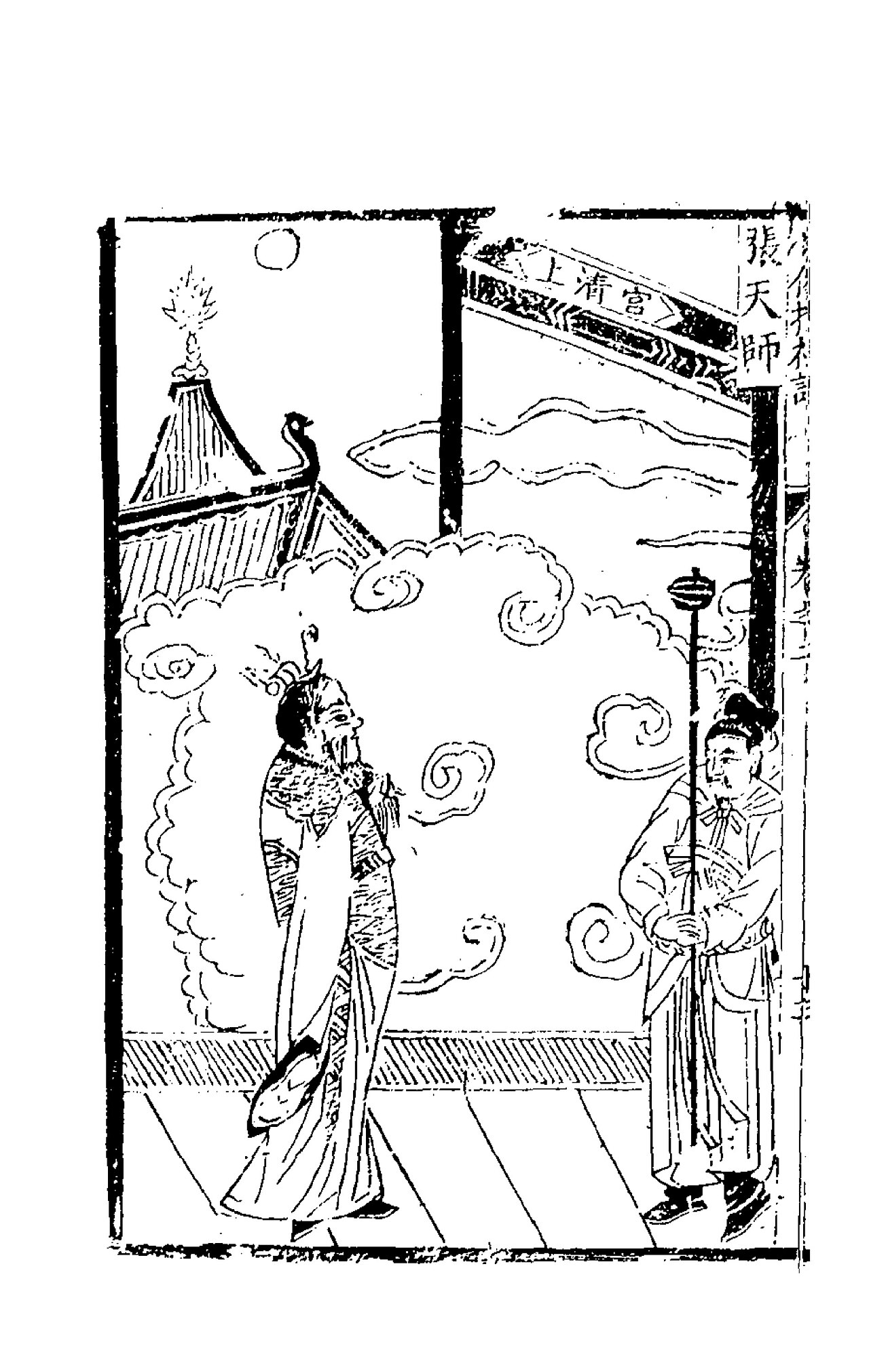
In 142, by the church's account, the deified Laozi appeared to Zhang Daoling on Mount Heming and named him Celestial Master of a new covenant. The Way of the Celestial Masters that followed was the first organized Daoist church: parishes led by libationers, registers of households, healing by confession and talisman water, and a household levy of five pecks of rice that gave the movement its other name. Its priestly line, the Zhang family, continues today.

Mount Heming, Sichuan
166 CE

Laozi deified

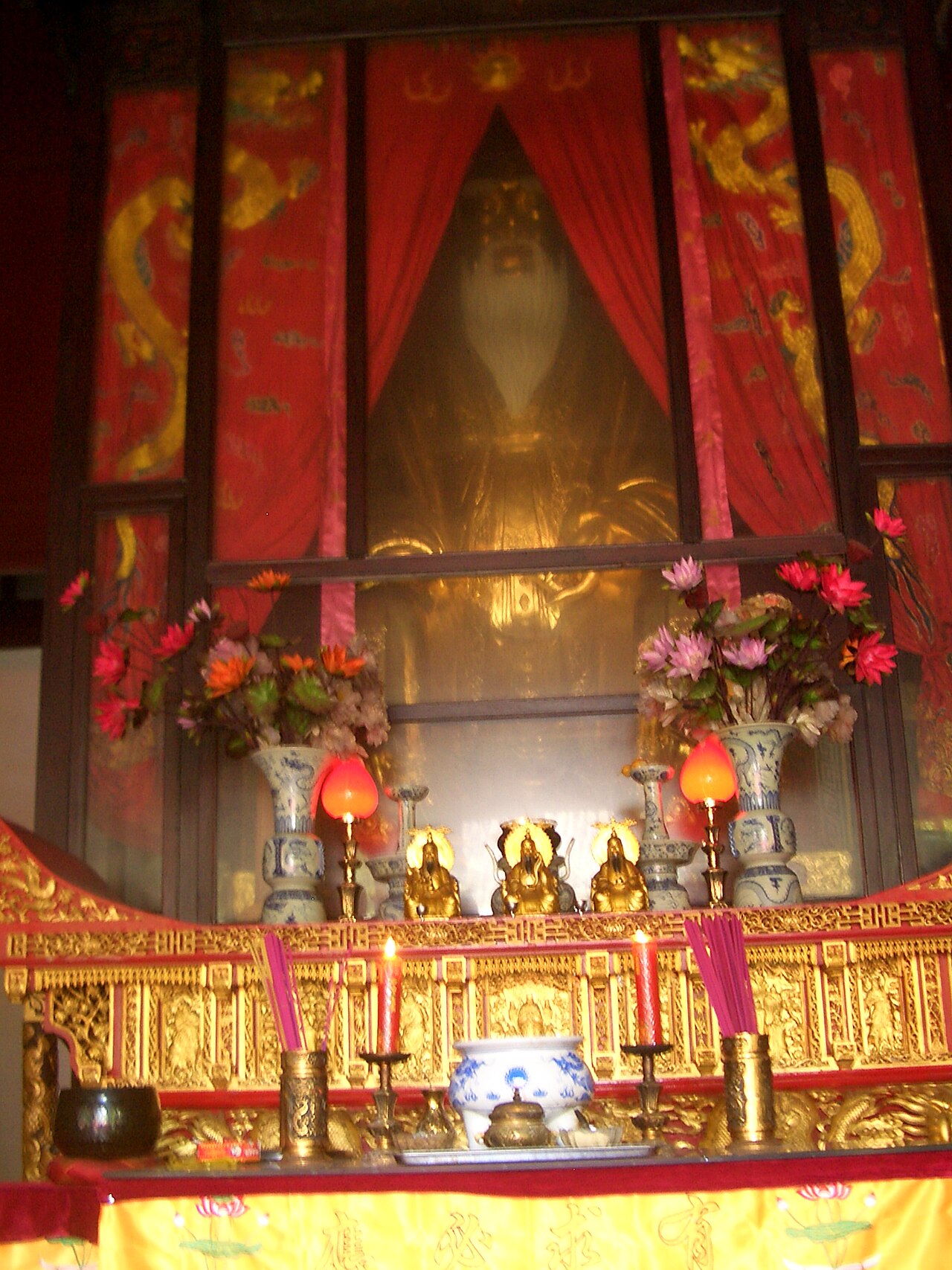
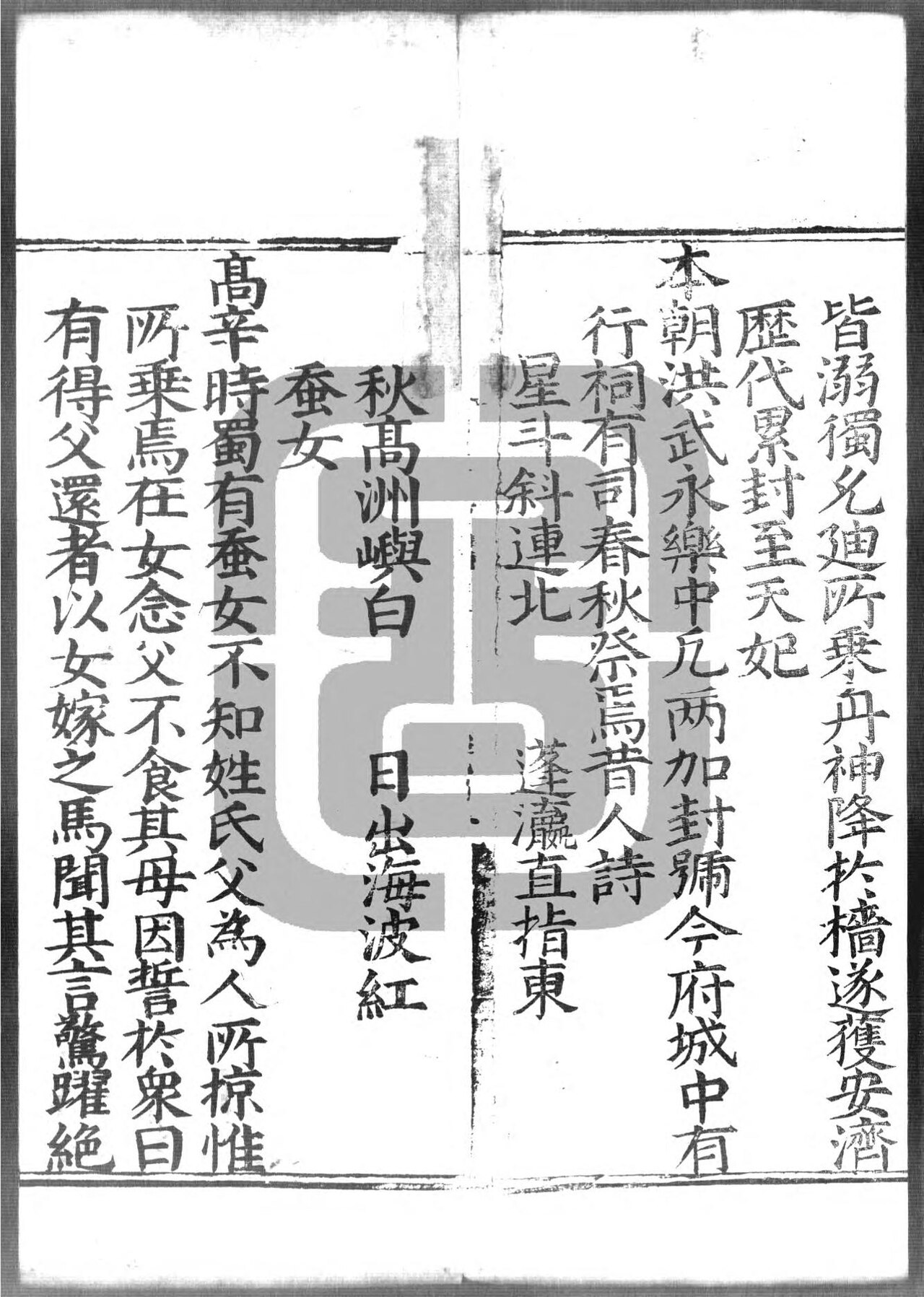
In 166 the emperor Huan offered sacrifice to Laozi in the palace and sent officials to sacrifice at the sage's birthplace, treating the author of the Daodejing as a god of the state. The Celestial Masters church already worshipped him as Lord Lao, Most High, the Dao embodied in a person who reveals saving teaching age by age. The court's recognition fixed the pattern of Chinese Daoism: a founder who is not only remembered but enthroned, and a scripture that is his continuing speech.

Luoyang, the Han capital

The Medieval Schools

4th century

Shangqing revealed

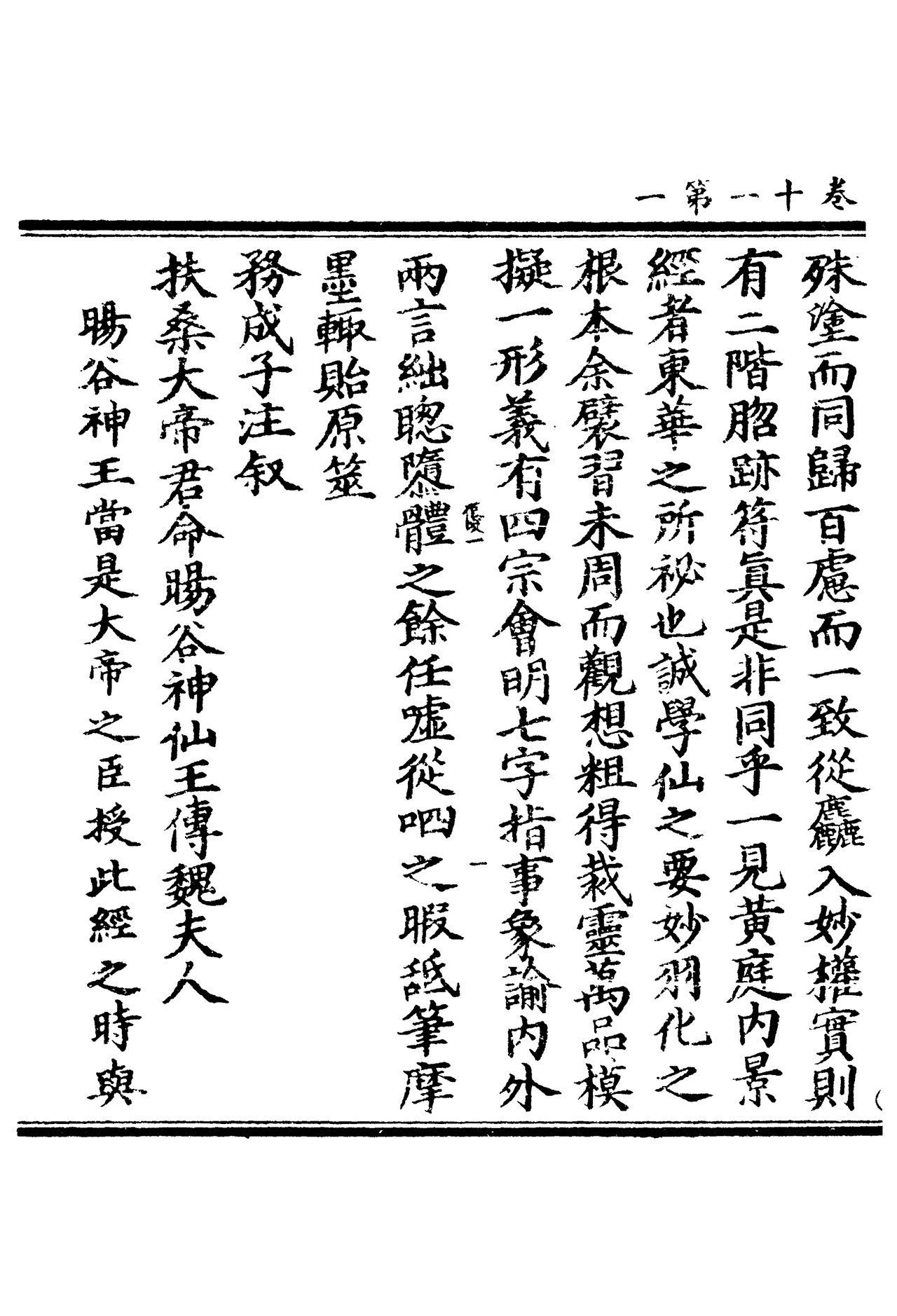
Between 364 and 370, on Mount Mao, the Perfected Ones of the heaven of Highest Clarity (Shangqing) descended in night visions to the medium Yang Xi and dictated scriptures for the brothers Xu Mi and Xu Hui. The revelations, which named the departed matriarch Wei Huacun among their sources, offered visualization of the gods within the body, journeys among the stars, and an aristocratic path of salvation that displaced the Celestial Masters at the southern court and made Maoshan the tradition's holy mountain.

Mount Mao (Maoshan), Jiangsu
397-402

Lingbao scriptures

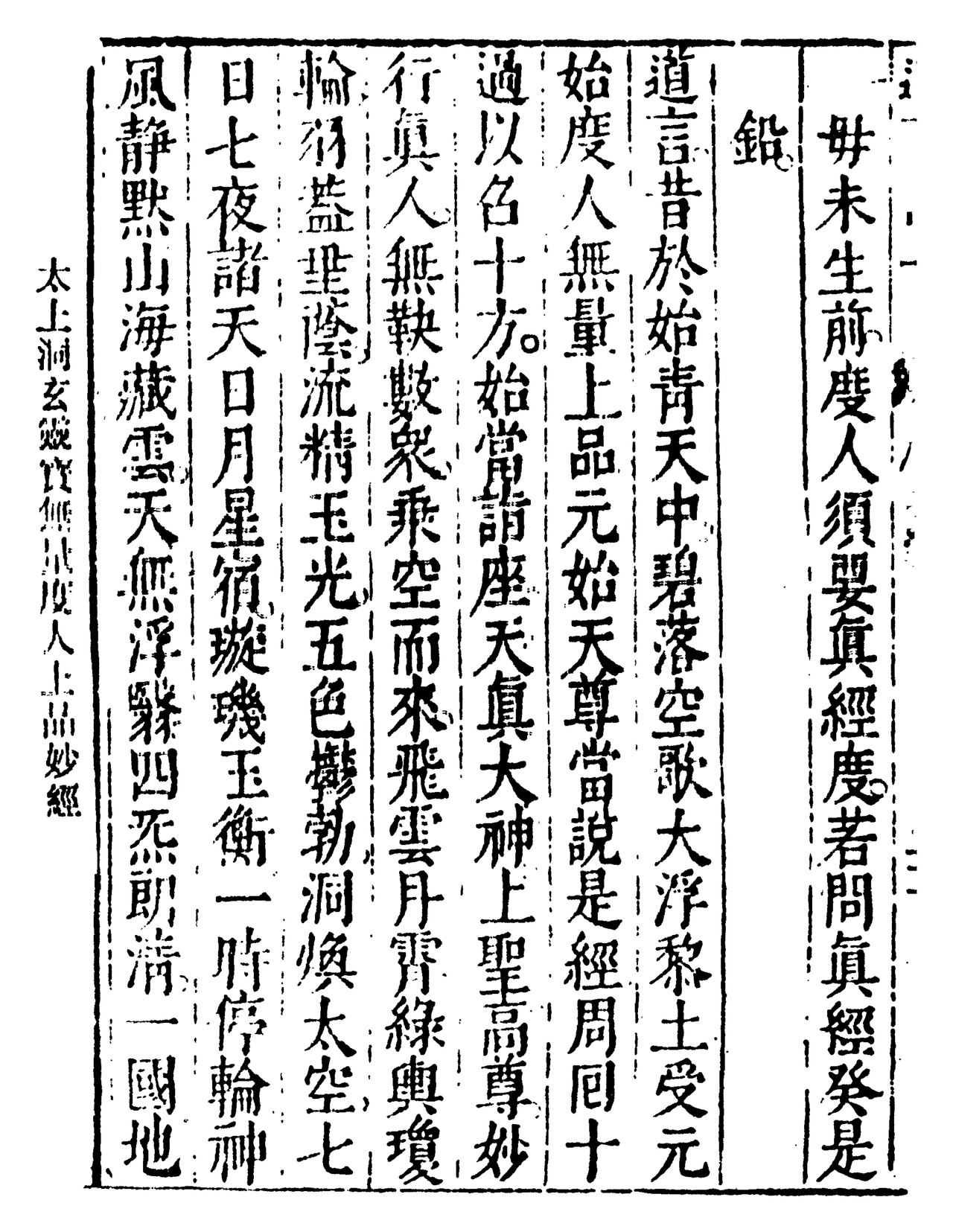
Around the turn of the fifth century Ge Chaofu, heir of the alchemical Ge family, composed the scriptures of Numinous Treasure (Lingbao), and they spread faster than any Daoist text before them. The Lingbao corpus took in the Buddhist cosmology of world ages and rebirth and turned Daoism toward universal salvation: great communal retreats, confession, and rites for the dead that promised deliverance not for one adept but for ancestors and strangers alike. Its liturgy still shapes Daoist ritual.

Jiangnan
5th century

First Daozang compiled

Lu Xiujing, the great systematizer of the southern churches, gathered the scriptures of the Three Caverns, the Shangqing, Lingbao, and Dongshen corpora, and around 471 presented the court with a catalogue of the whole: the first Daozang, the first attempt to fix Daoism as a canon with boundaries. His ordering of the caverns still structures the canon today, and his editing of the Lingbao liturgy made him the father of its ritual order.

Jiankang, the Liu Song capital

Tang Imperial Daoism

666

Laozi canonized as Tang imperial ancestor

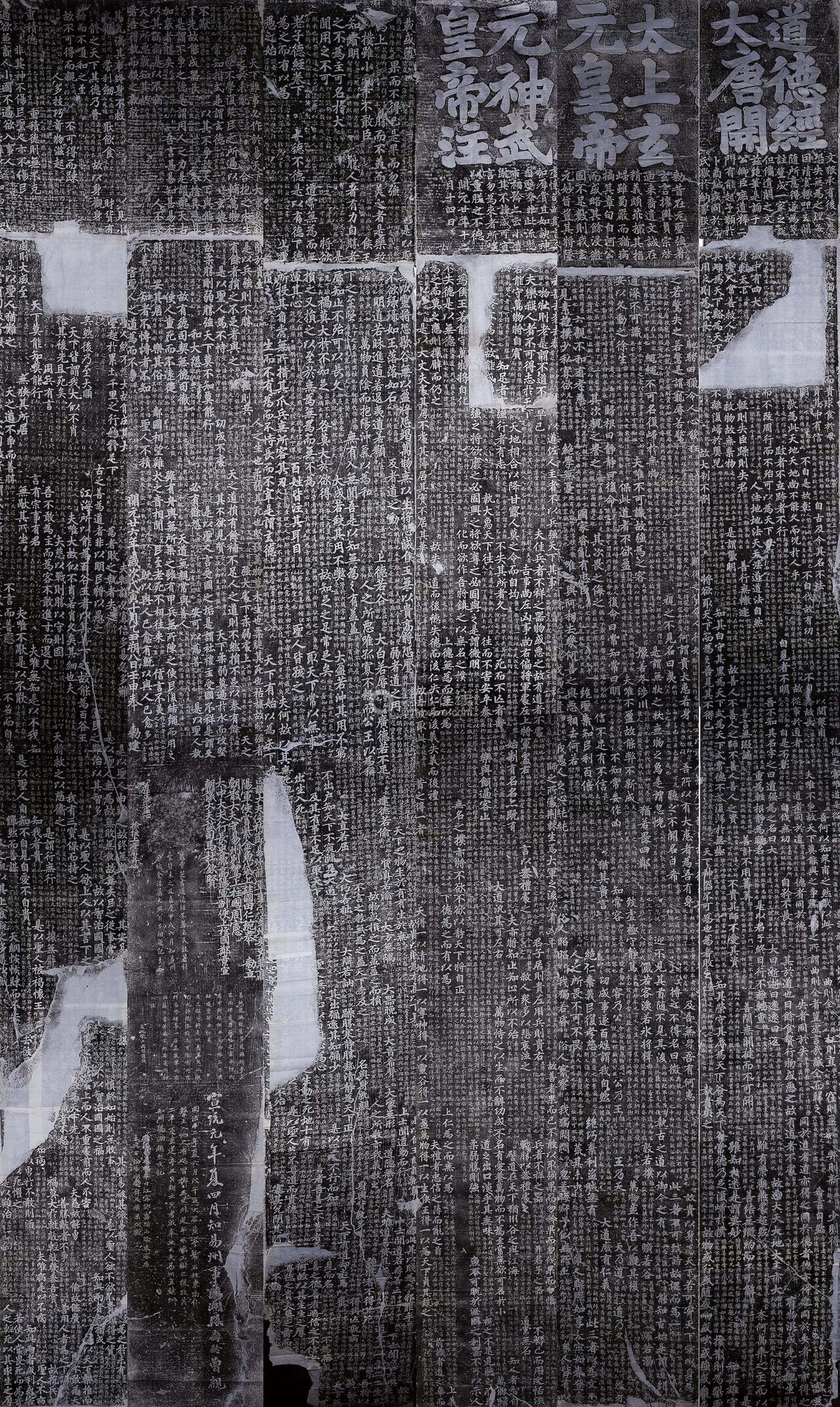
The Tang imperial house, surnamed Li like the sage's own traditional family name, claimed descent from Laozi, and in 666 the emperor Gaozong canonized him with the title Supreme Emperor of Mysterious Origin. The founder of Daoism thereby became the ancestor of China's ruling house, the Daodejing became an examination text, and Daoist priests stood before Buddhist monks in the court's order of precedence for as long as the dynasty lasted.

Chang'an, the Tang capital
748

Daozang catalogued

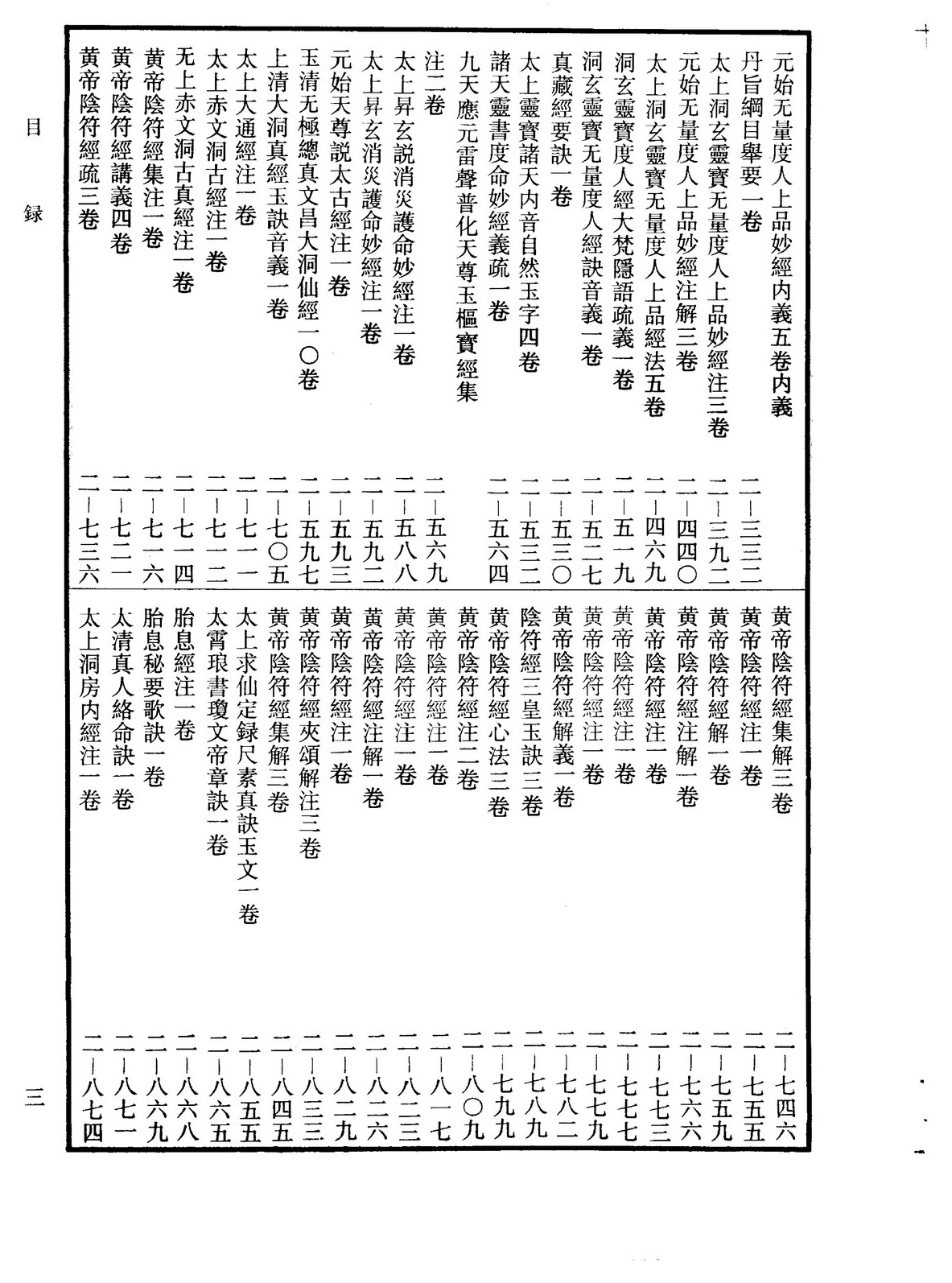
Under the emperor Xuanzong, the most devoted of the Tang rulers, teams of priests gathered Daoist writings from across the empire, collated them against the imperial library's copies, and issued the Kaiyuan Daozang, a canon of some seven thousand scrolls copied by hand for the great temples. Catalogued by 748, it was the first Daoist canon produced as an imperial edition, and its table of contents governed every canon after it until printing.

Chang'an, the Tang capital

Song and Jin: Quanzhen

1113-1170

Wang Chongyang

Wang Chongyang, a former soldier and minor official who failed his age's tests of success, met two immortals in a wine shop in Ganhe in 1159, by his school's account, and received secret instructions. He withdrew to the Zhongnan mountains, lived for a time in a grave mound he called the Tomb of the Living Dead, and emerged to preach a discipline that joined Daoist inner alchemy to Chan meditation and Confucian ethics. His seven disciples, the Seven Perfected, carried his order across north China.

The Zhongnan mountains, Shaanxi
12th century

Quanzhen founded

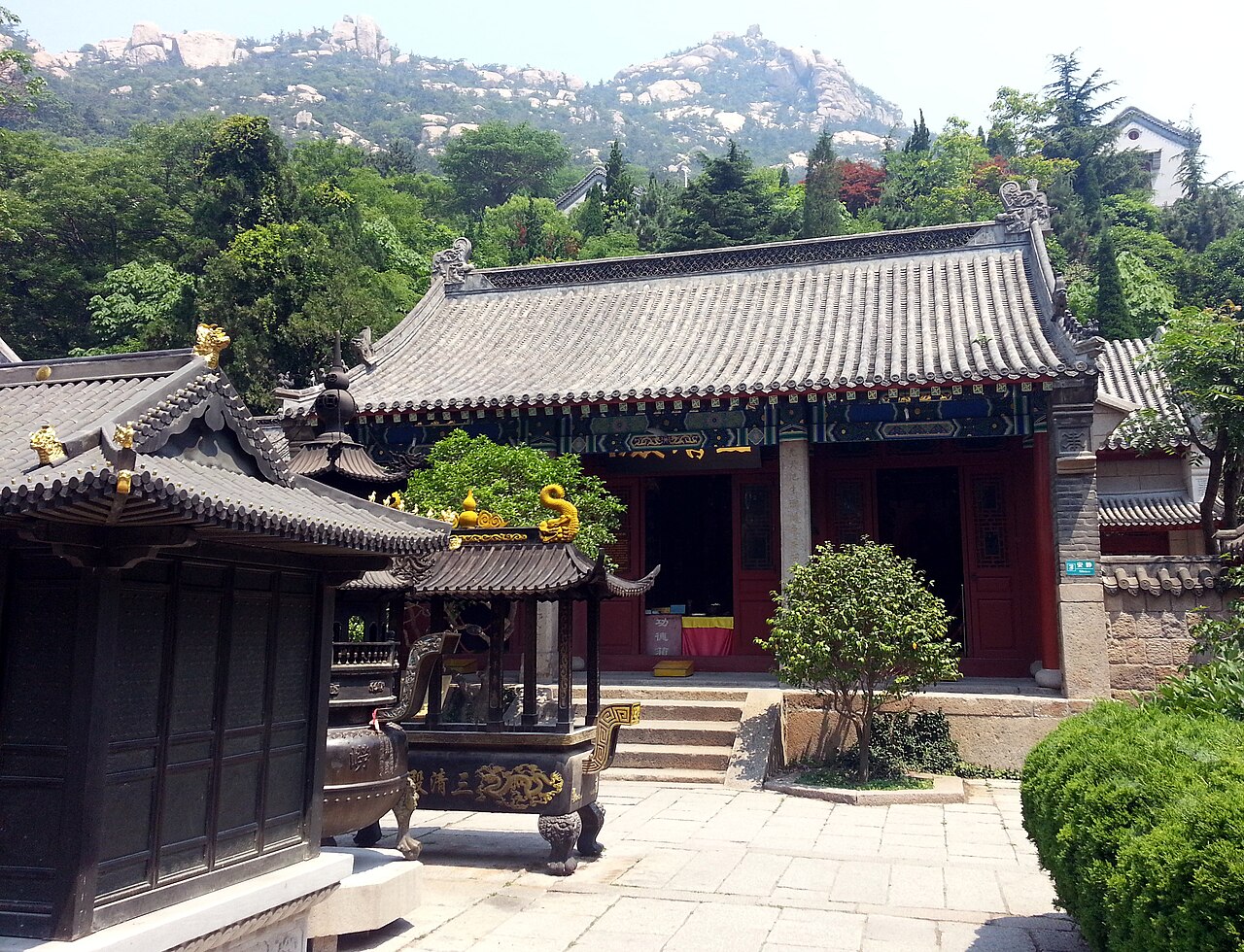
In 1167 Wang Chongyang travelled east to Shandong, took the name Quanzhen, Complete Perfection, for his teaching, and gathered the disciples who made it an order: celibate monks and nuns under a rule, living in monasteries, practising inner alchemy as a communal discipline rather than a hermit's art. Under the Jin and then the Yuan, Quanzhen became the dominant form of Daoism in north China, and its monasteries, headed by the White Cloud Temple in Beijing, lead the tradition's monastic life today.

Ninghai, Shandong
1222

Qiu Chuji meets Genghis Khan

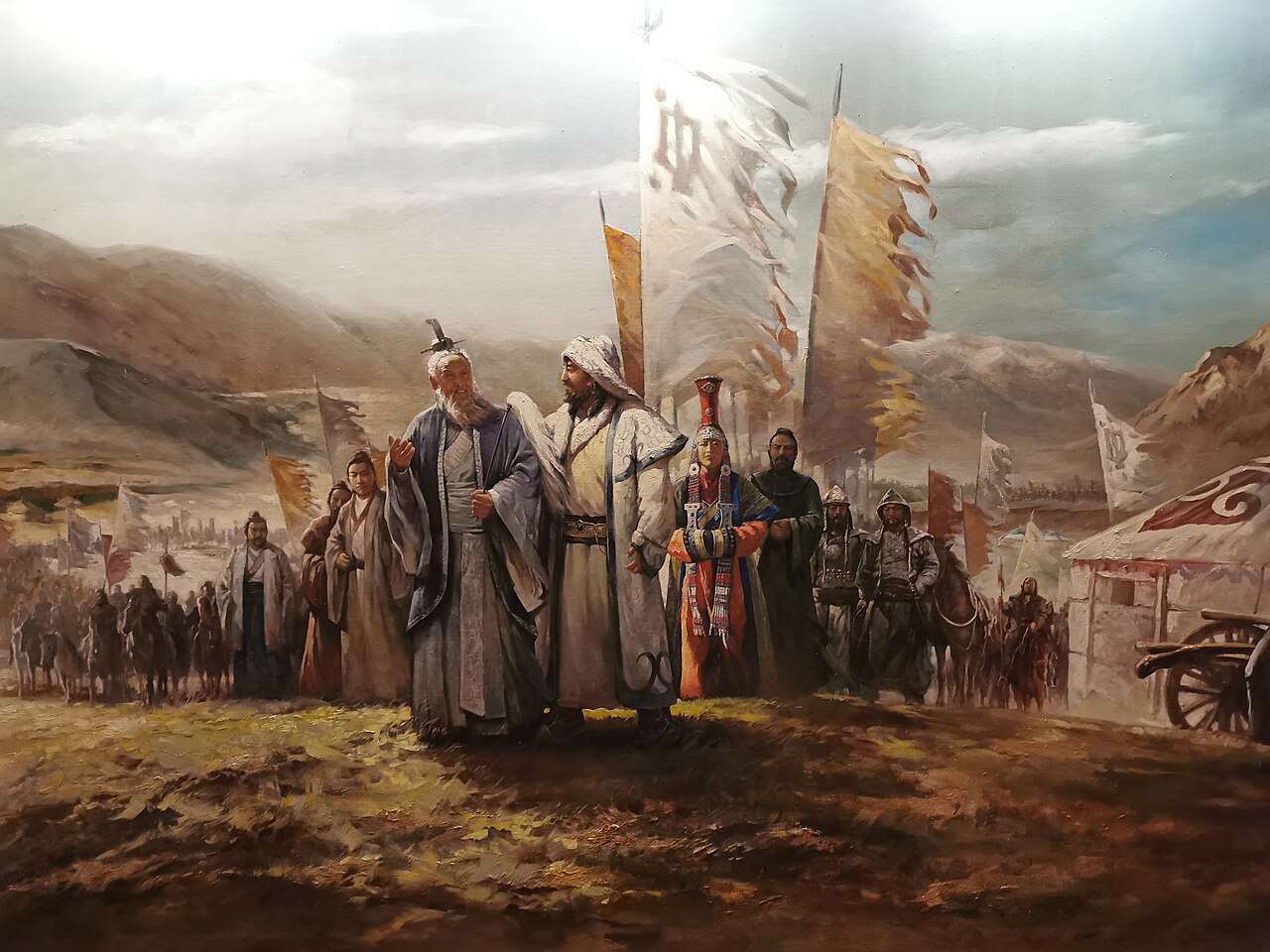
Summoned by Genghis Khan, the seventy-four-year-old Qiu Chuji, called Changchun, travelled three years from Shandong across Central Asia to the conqueror's camp in the Hindu Kush. The Khan asked for a medicine of immortality; Qiu answered that there is no such medicine, only a way of guarding life, and counselled him to curb killing and desire. His disciple's record of the journey is a classic of travel writing, and the Khan's grant of tax exemption to Quanzhen clergy made the order rich and saved many lives in the conquest's aftermath.

The Hindu Kush

The Ming Canons

1406-1408

Yongle Daozang

In 1406 the Yongle emperor commissioned a new edition of the Daoist canon and placed the forty-third Celestial Master, Zhang Yuchu, at the head of the work. The compilation outlasted both men: completed and printed under the Zhengtong emperor in 1445, the Zhengtong Daozang gathered some 5,300 scrolls, and because the woodblocks survived at the White Cloud Temple, this Ming canon, and no earlier one, is the Daozang the tradition still reads.

Nanjing, the Ming capital
1607

Wanli Daozang

In 1607 the Wanli emperor ordered a supplement to the canon: fifty-six further works, scriptures revealed and composed since the Zhengtong edition, gathered and printed as the canon's continuation. The Zhengtong Daozang with its Wanli supplement is the last imperial edition and the standard canon of the tradition, reprinted in the 1920s and again in the 1980s and now read in modern punctuated editions.

Beijing, the Ming capital

Suppression and Revival

1966-1976

Cultural Revolution suppression

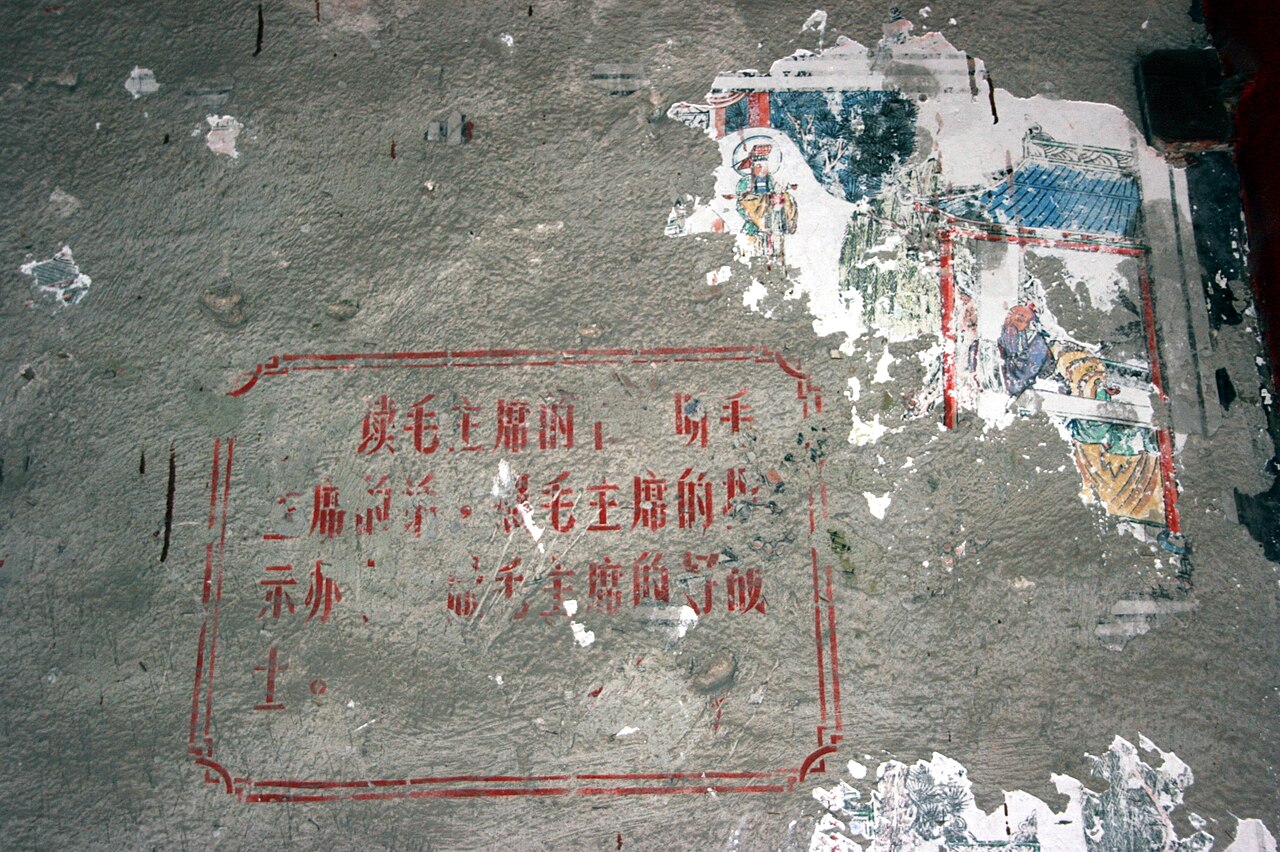
In the Cultural Revolution the campaign against the Four Olds fell on Daoism as on every religion in China. Temples were closed, looted, or turned to other uses, statues and scriptures were destroyed, and priests and monks were laicized, denounced, and sent to labour in the countryside. The White Cloud Temple in Beijing survived as an emptied shell while its community was dispersed. A tradition carried by temples and ordination lines for eighteen centuries came within a decade of being broken.

China
1980s

Post-Mao revival

After 1979 the temples began to reopen. The China Taoist Association resumed its work, the White Cloud Temple was restored as the tradition's national centre, ordinations of Quanzhen monks and Celestial Master priests restarted, and the Ming canon was reprinted for a new generation of readers. Village temples rebuilt their festivals from memory and surviving elders, and Daoism recovered a public life in China that a decade earlier had seemed extinguished.

Beijing