

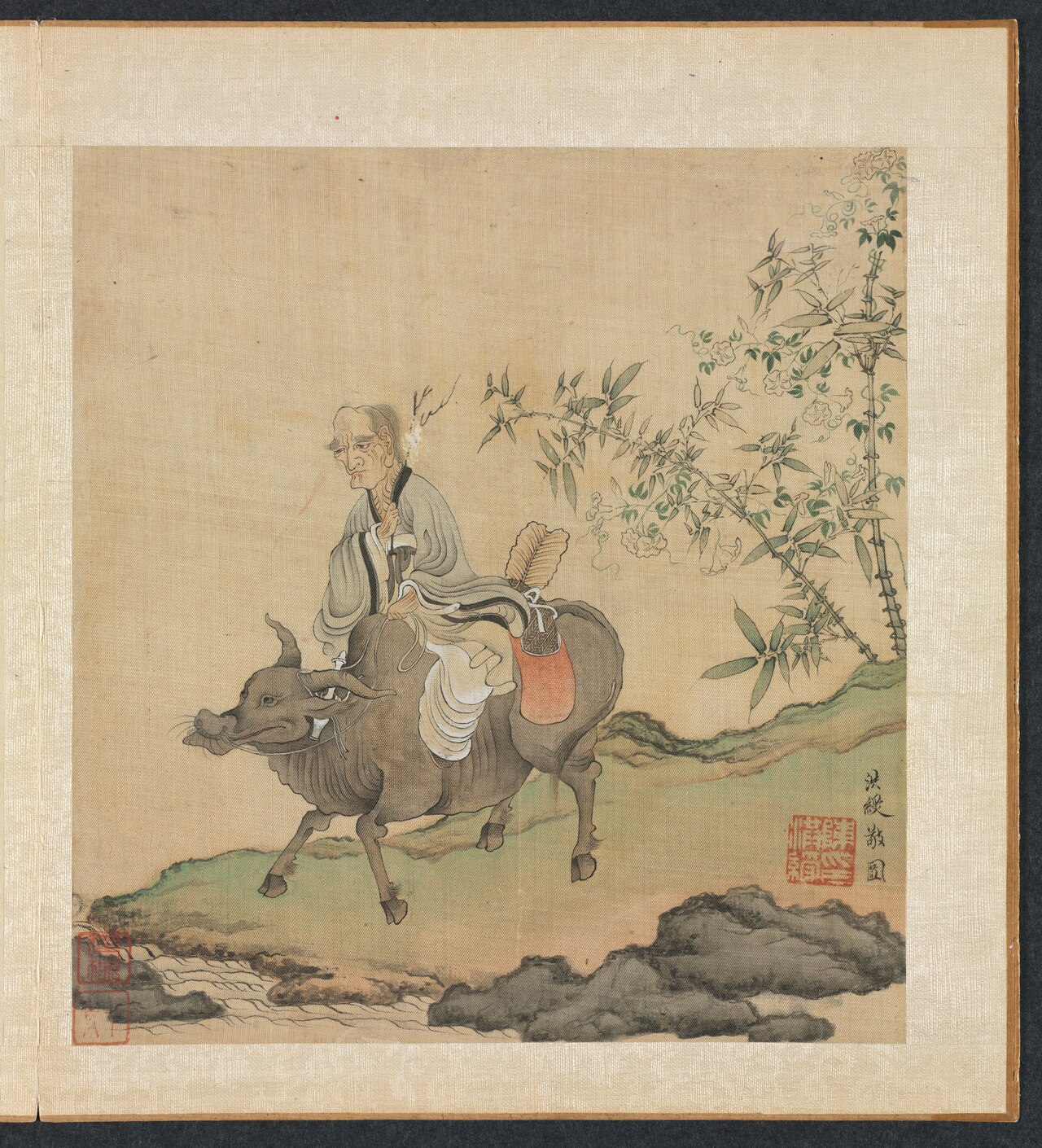
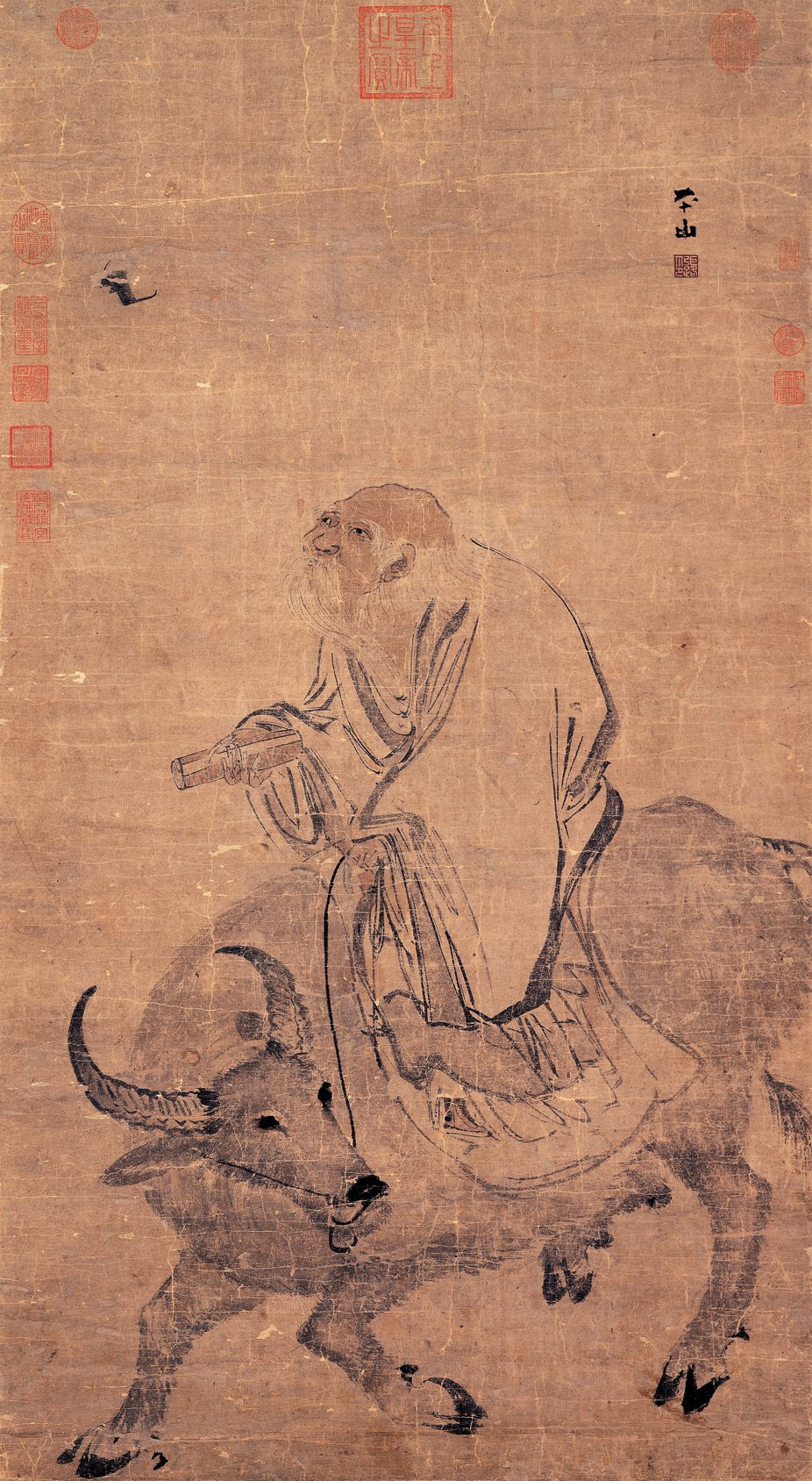
Laozi, the Old Master, is the traditional author of the Daodejing, the short book of eighty-one chapters that teaches rule by non-action and a world ordered by the Dao rather than by force. Tradition makes him an archivist of the Zhou court who, disgusted with its decline, rode west on an ox and wrote the book at the border pass at a gatekeeper's request. The text itself reads as the work of many hands across the fourth and third centuries.
Tagged: Daoism Philosophical Daoism
The Event
- Date
- c. 4th-3rd century BCE (traditional)
- Also called
- Lao Tzu, the Old Master
- Era
- The Early Masters; Standard periodization of Daoist history
- Location
- The state of Chu; today Hubei, China
- Traditions
- Daoism
- Streams
- Philosophical Daoism
- Key figures
- Laozi
- Key texts
- Daodejing
How the Tradition Tells It
The tradition receives Laozi as one man and the Daodejing as his book. Historical scholarship reads the text as a compilation gathered across the fourth and third centuries BCE, and the archivist who rode west may be a figure assembled around a name. The entry stands at traditional precision for that reason; the teaching the book carries is not in dispute.
Primary Sources
- The Daodejing (Tao Te Ching) of Laozi.
Secondary Sources
- Kirkland, Russell. Taoism: The Enduring Tradition. Routledge, 2004.
- Robinet, Isabelle. Taoism: Growth of a Religion. Translated by Phyllis Brooks, Stanford University Press, 1997.
Provenance: HIST-0801; confidence 0.8; accessed 2026-10-28.
Related on This Site
 Art Entry
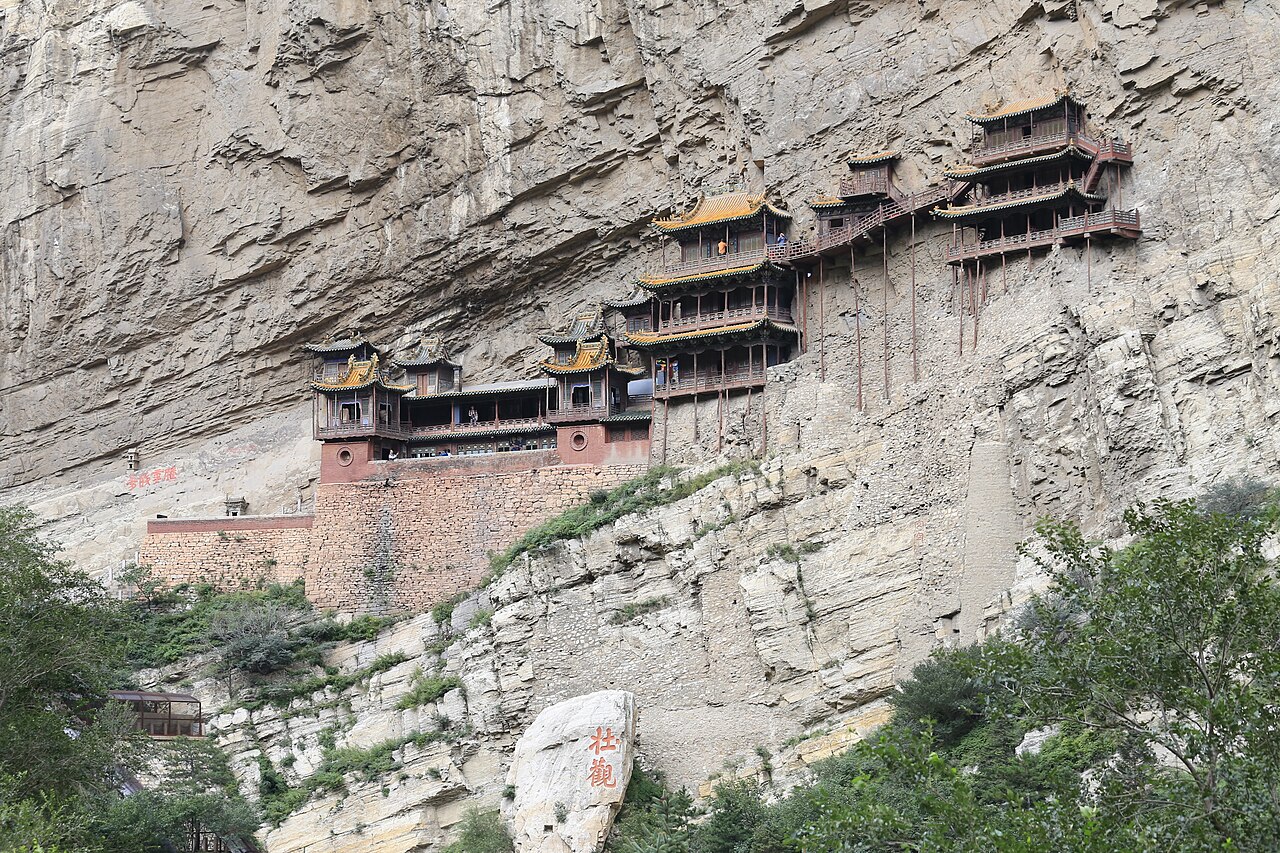
The Hanging Temple
A monastery of forty halls pinned to a cliff face on Mount Heng, holding altars to Confucius, Laozi, and the Buddha under one roof; the Three Teachings in a single building.
 Art Entry
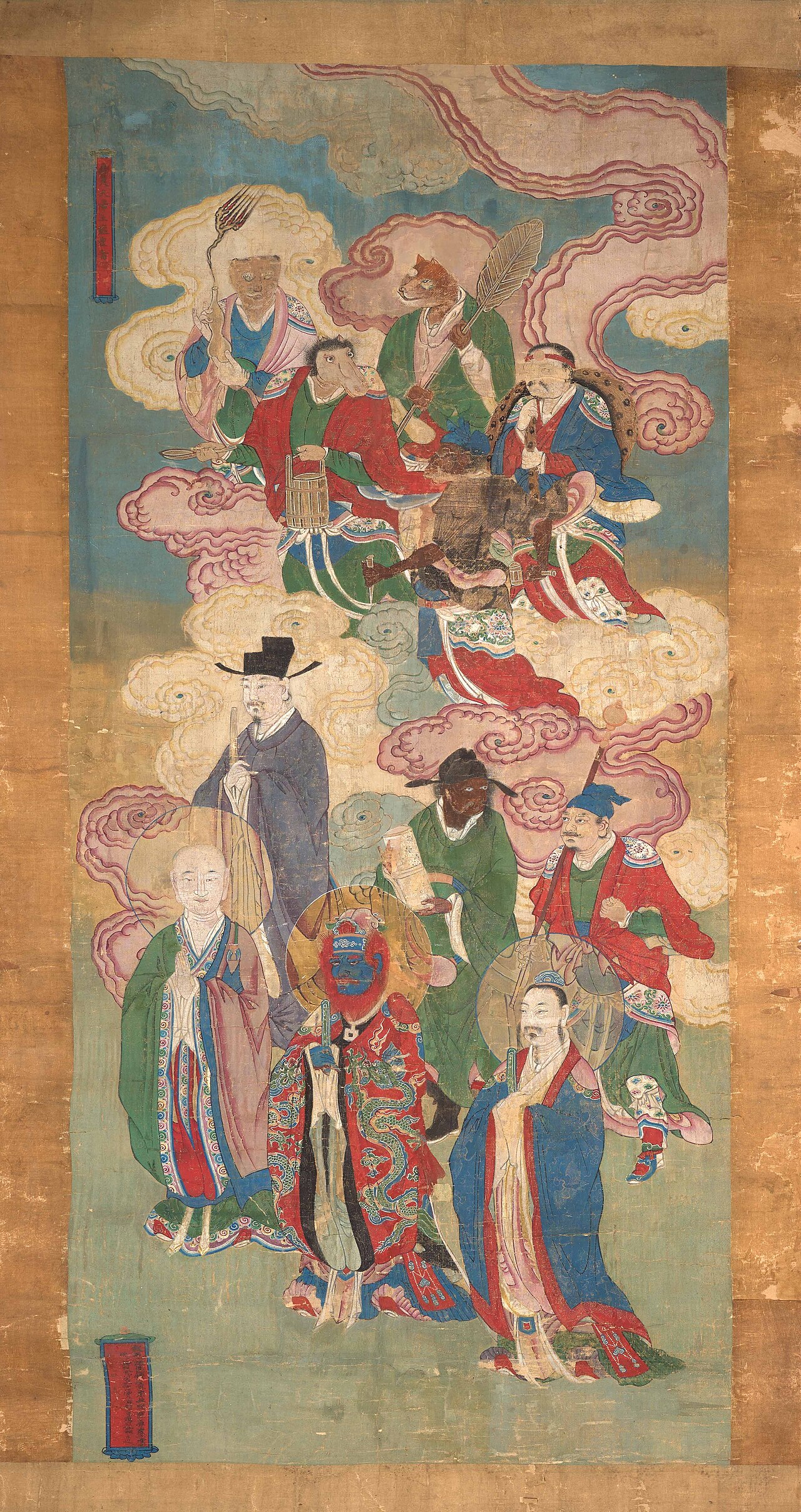
The Shuilu (Water-Land) Paintings
Sets of hanging scrolls that assemble the whole cosmos; Buddhas, Daoist gods, ancestors, and the hungry dead; for the Water-Land rite, Chinese religion's most inclusive ceremony of deliverance.
 Art Tradition
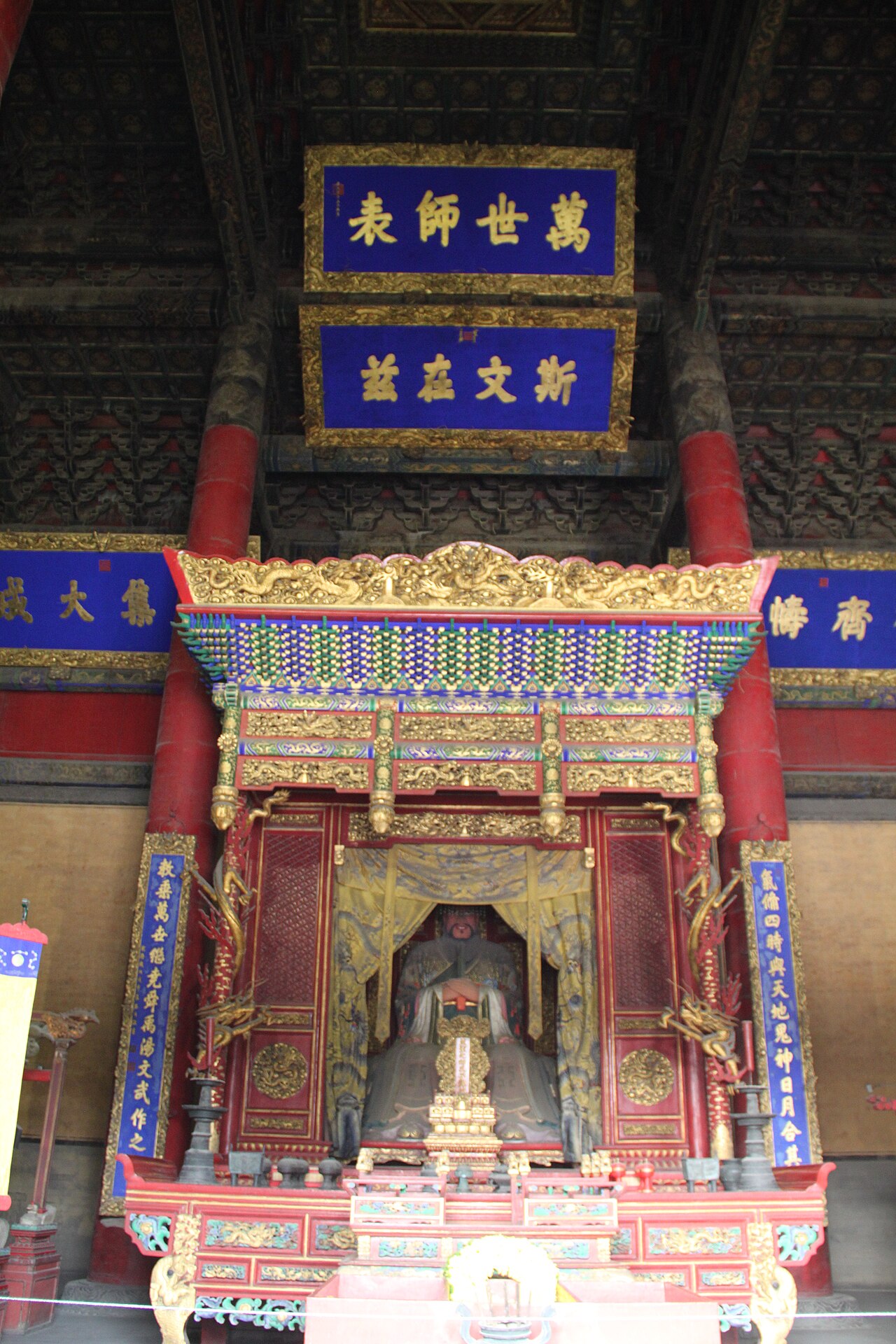
Daoism and Confucianism
Temple imagery, ritual painting, ancestor tablets, and the syncretism of the three teachings.
 Artist
Wu Daozi
The Tang muralist whose temple walls made crowds gasp; the sage of painting in Chinese tradition, whose work survives in copies and in legend.
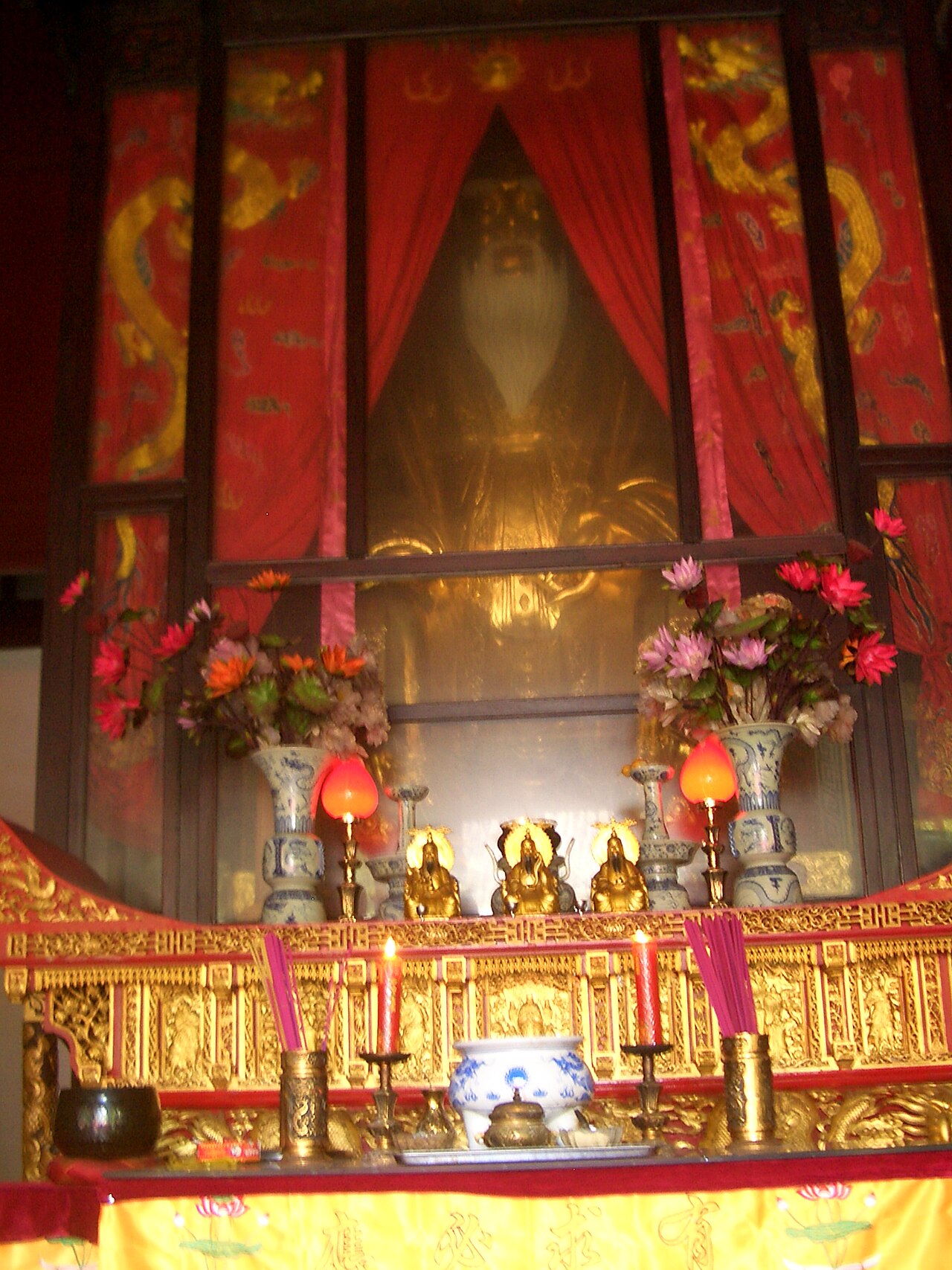 History Event
Laozi deified
166 CE
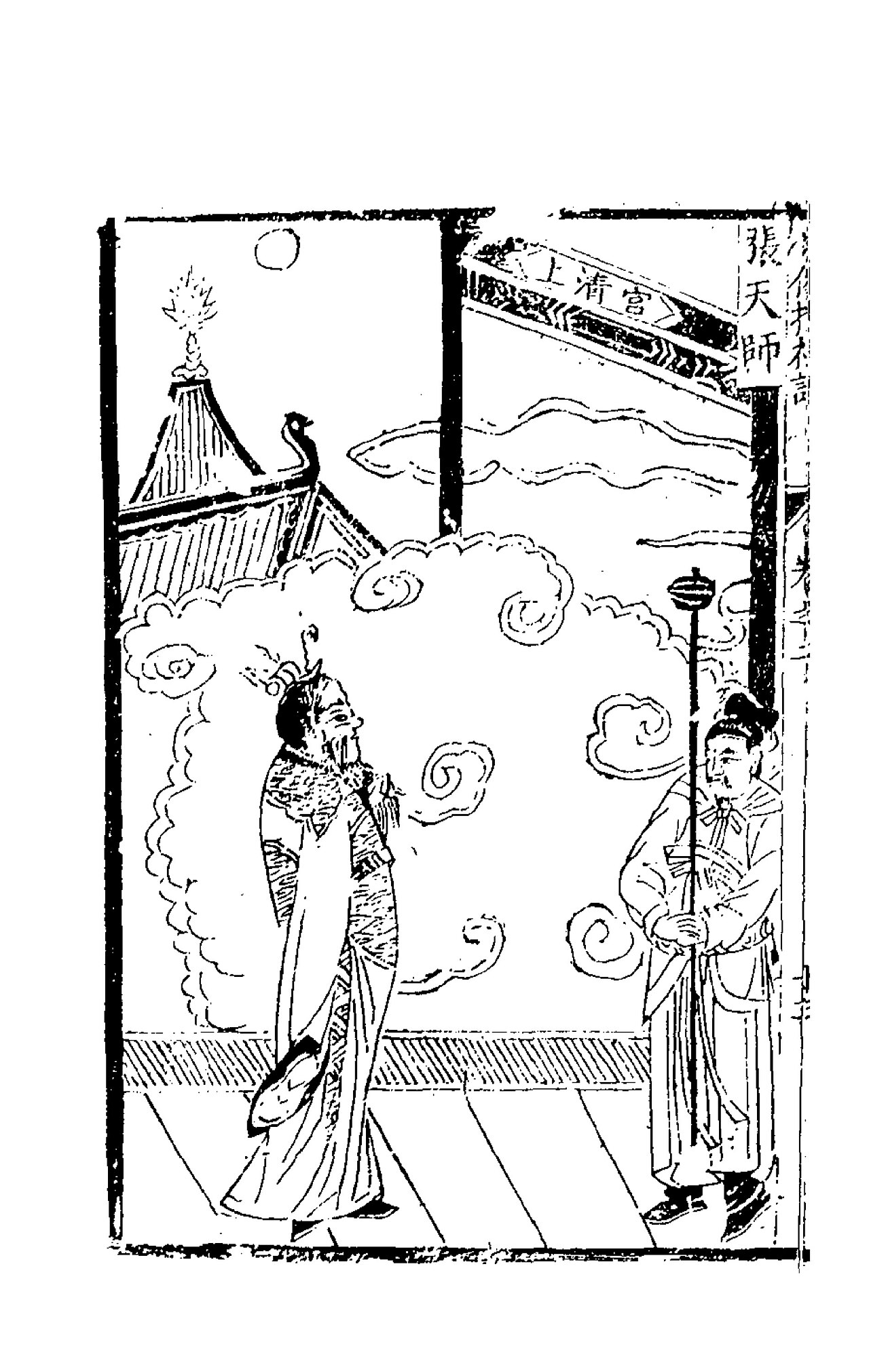 History Event
Zhang Daoling; Celestial Masters
142 CE
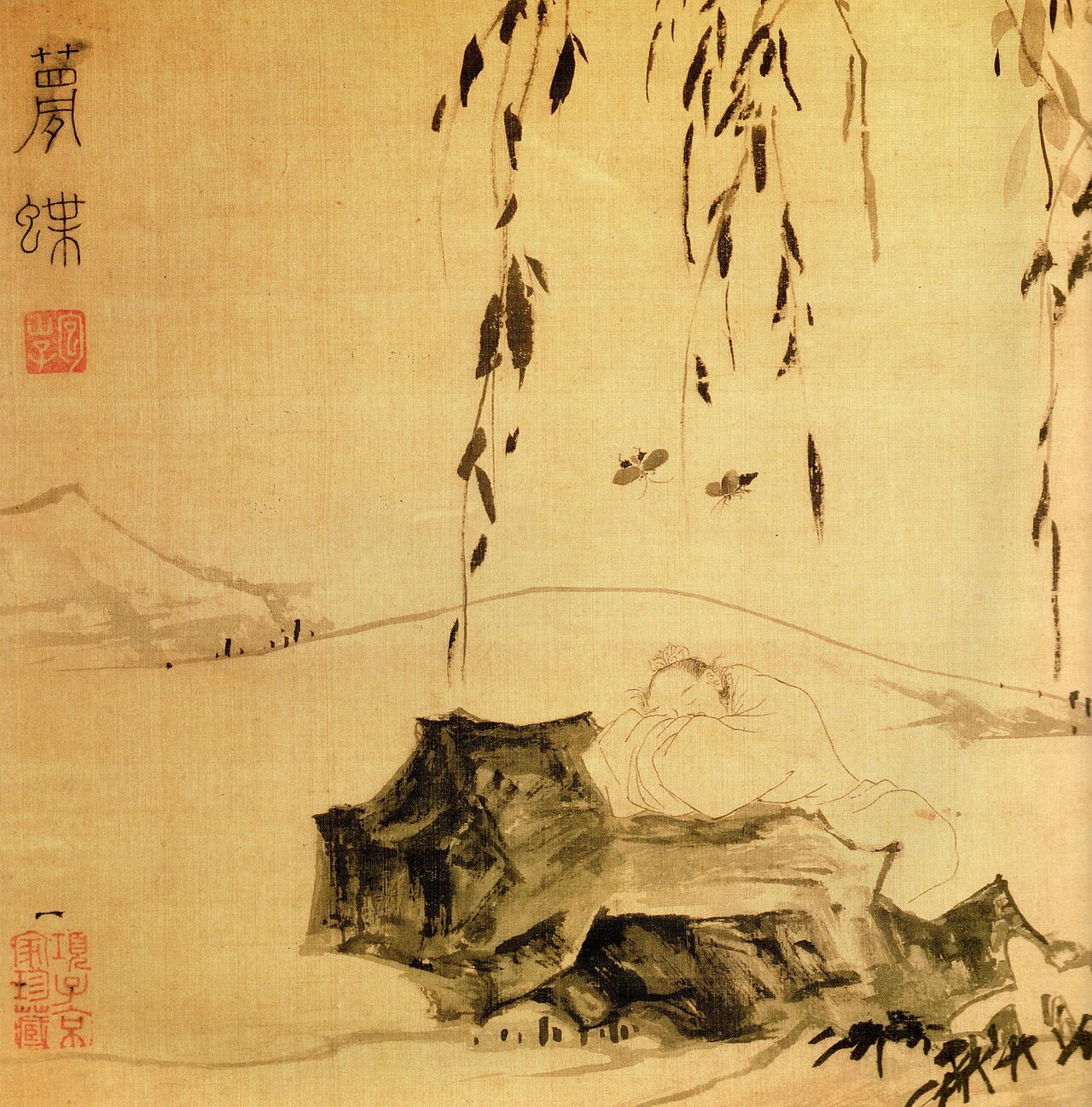 History Event
Zhuangzi
c. 369-286 BCE
 World View
Taoism
Taoism teaches that a nameless Way, the Tao, orders all things; wisdom is to stop forcing and live in harmony with its flow.