

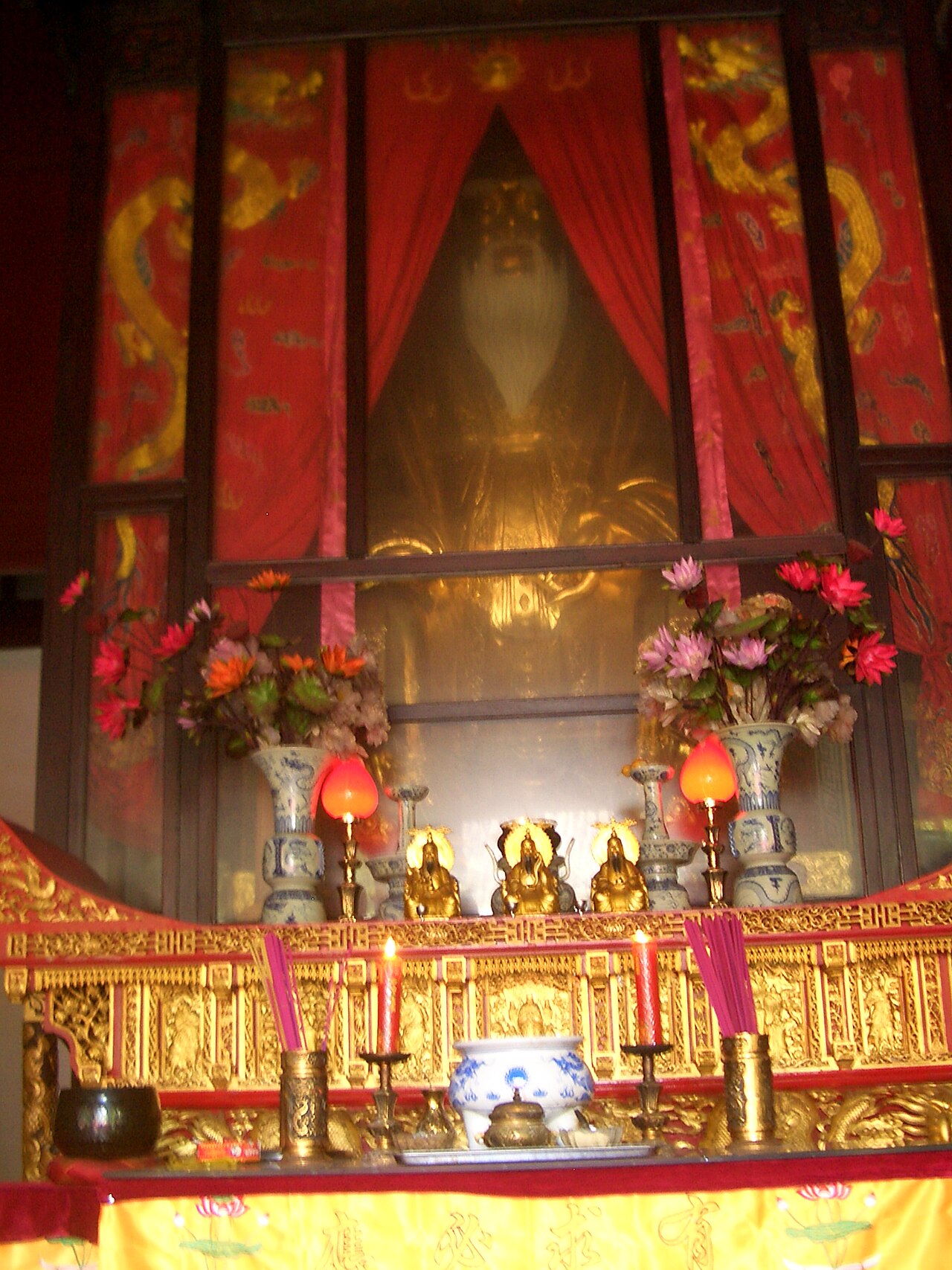
In 166 the emperor Huan offered sacrifice to Laozi in the palace and sent officials to sacrifice at the sage's birthplace, treating the author of the Daodejing as a god of the state. The Celestial Masters church already worshipped him as Lord Lao, Most High, the Dao embodied in a person who reveals saving teaching age by age. The court's recognition fixed the pattern of Chinese Daoism: a founder who is not only remembered but enthroned, and a scripture that is his continuing speech.
Tagged: Celestial Masters and Zhengyi Daoism
The Event
- Date
- 166 CE (exact)
- Era
- The Celestial Masters; Standard periodization of Daoist history
- Location
- Luoyang, the Han capital; today Luoyang, Henan, China
- Traditions
- Daoism
- Streams
- Celestial Masters and Zhengyi
- Key figures
- Emperor Huan of Han, Laozi
- Key texts
- Daodejing
Connections
Primary Sources
- The Book of the Later Han (Hou Hanshu).
Secondary Sources
- Robinet, Isabelle. Taoism: Growth of a Religion. Translated by Phyllis Brooks, Stanford University Press, 1997.
- Kirkland, Russell. Taoism: The Enduring Tradition. Routledge, 2004.
Provenance: HIST-0804; confidence 0.95; accessed 2026-10-28.
Related on This Site
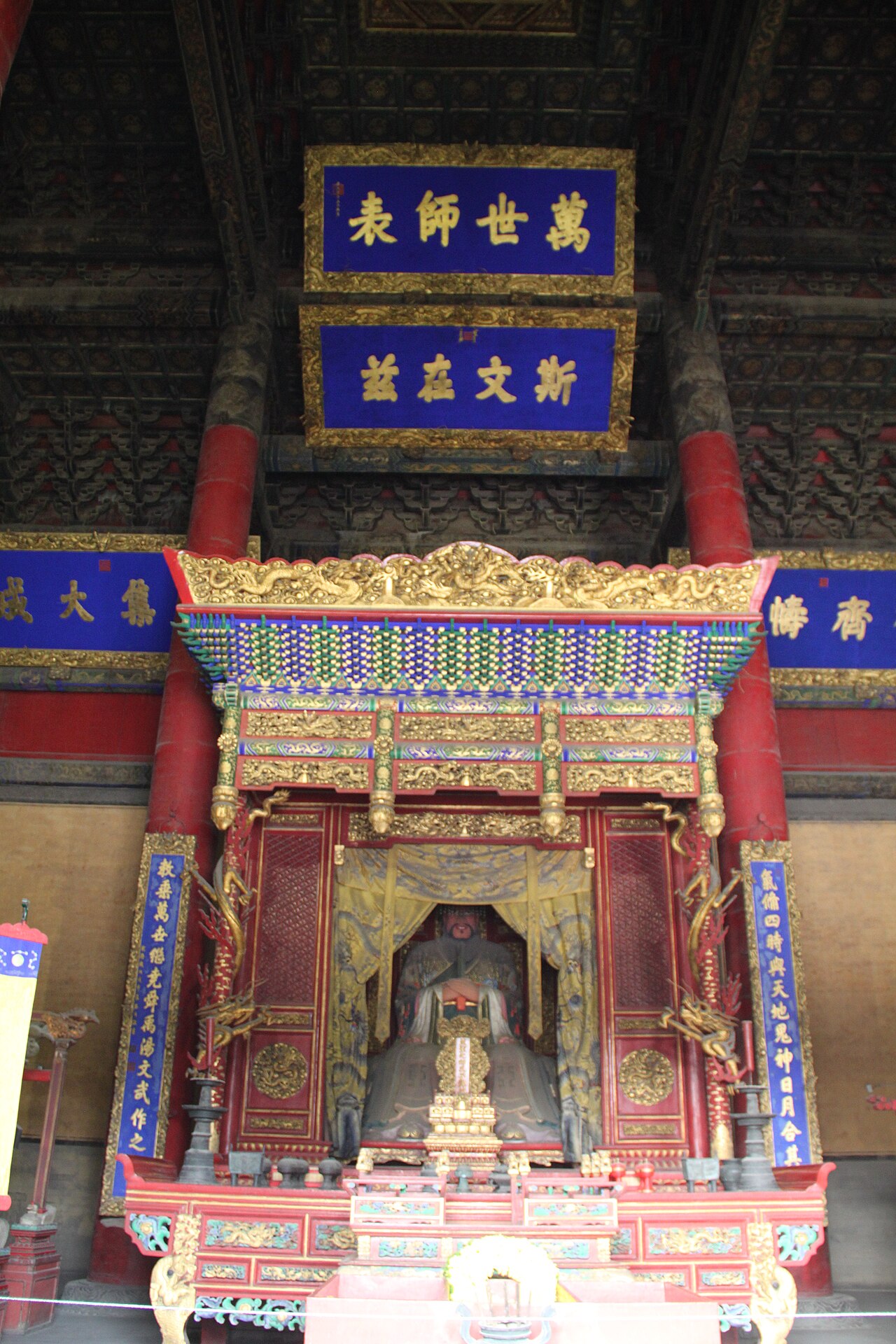 Art Tradition
Daoism and Confucianism
Temple imagery, ritual painting, ancestor tablets, and the syncretism of the three teachings.
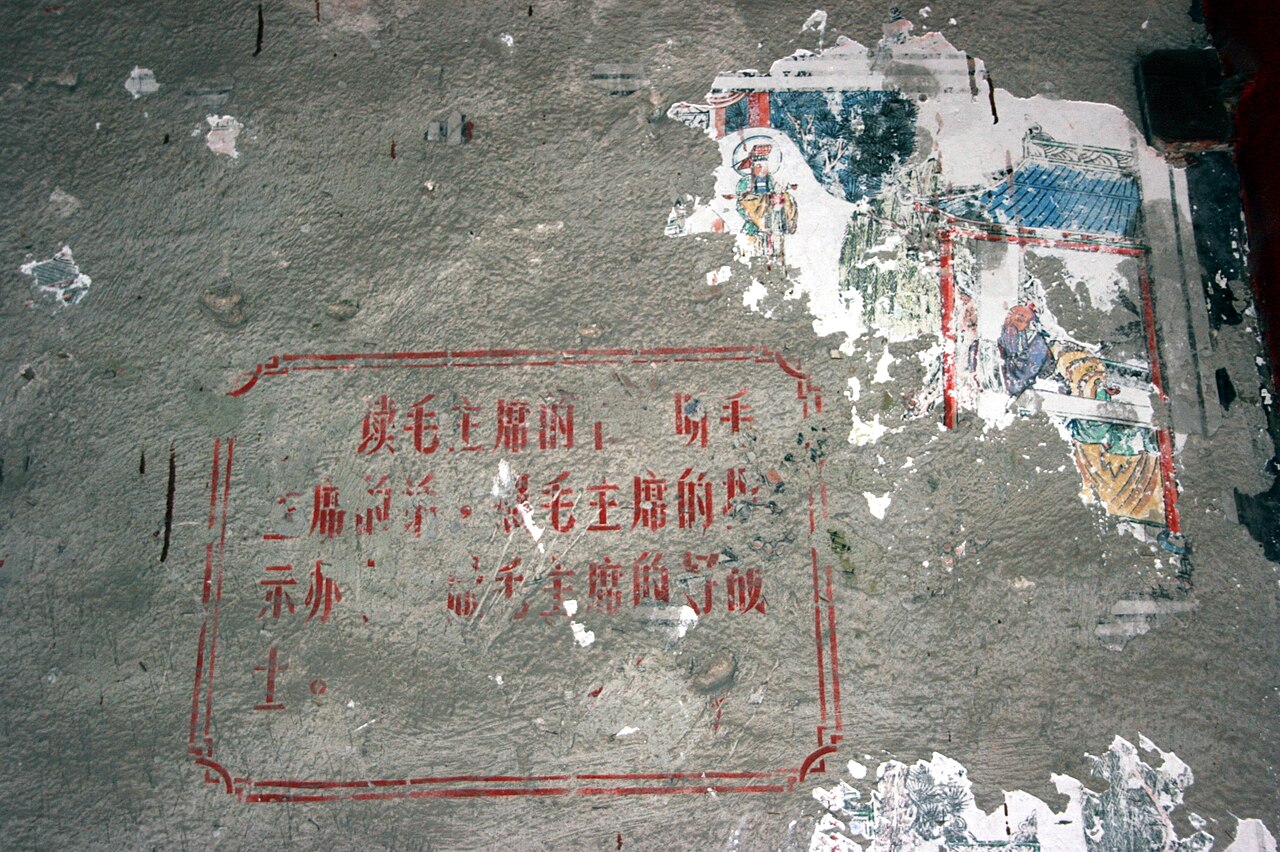 History Event
Cultural Revolution suppression
1966-1976
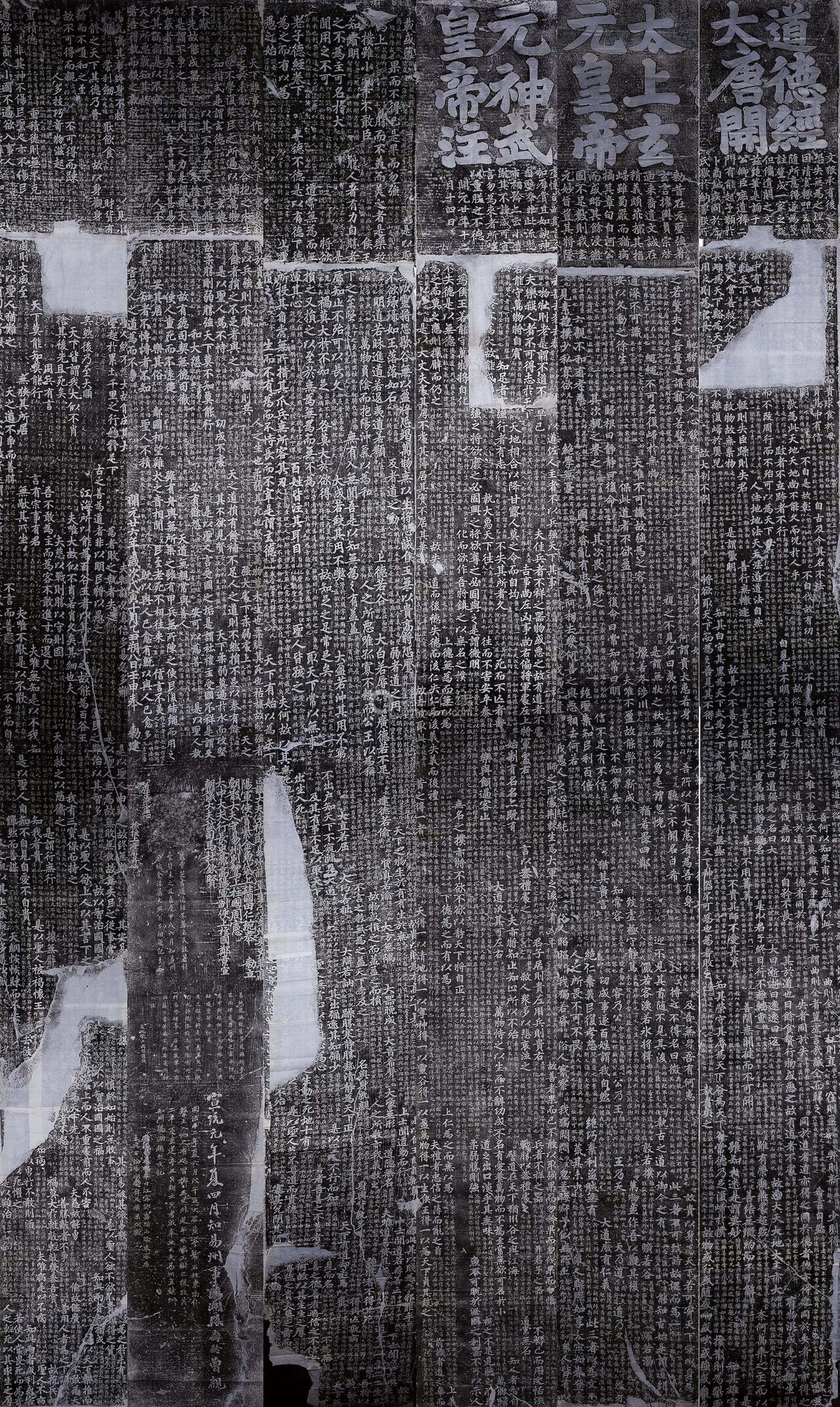 History Event
Daozang catalogued
748
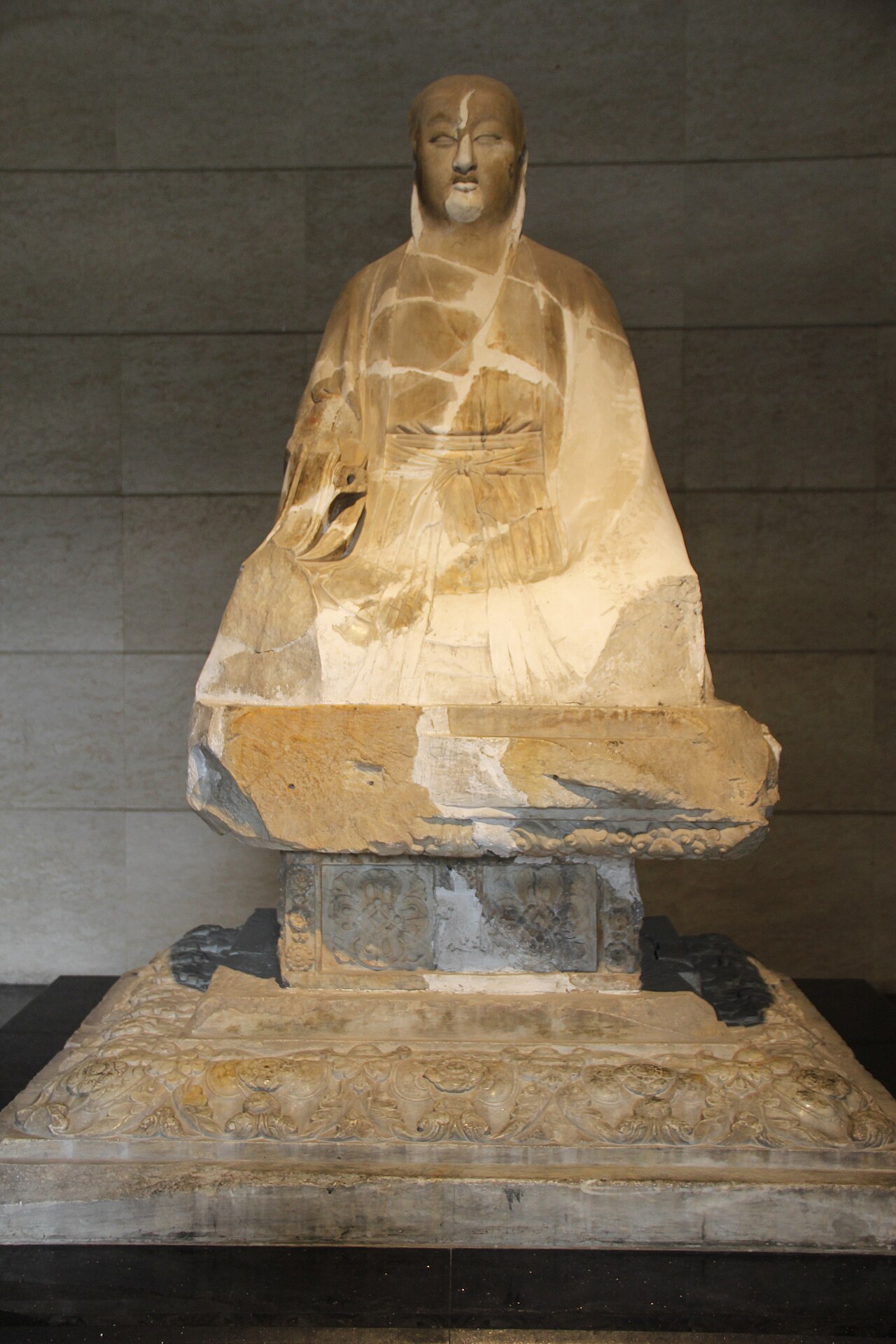 History Event
Laozi canonized as Tang imperial ancestor
666
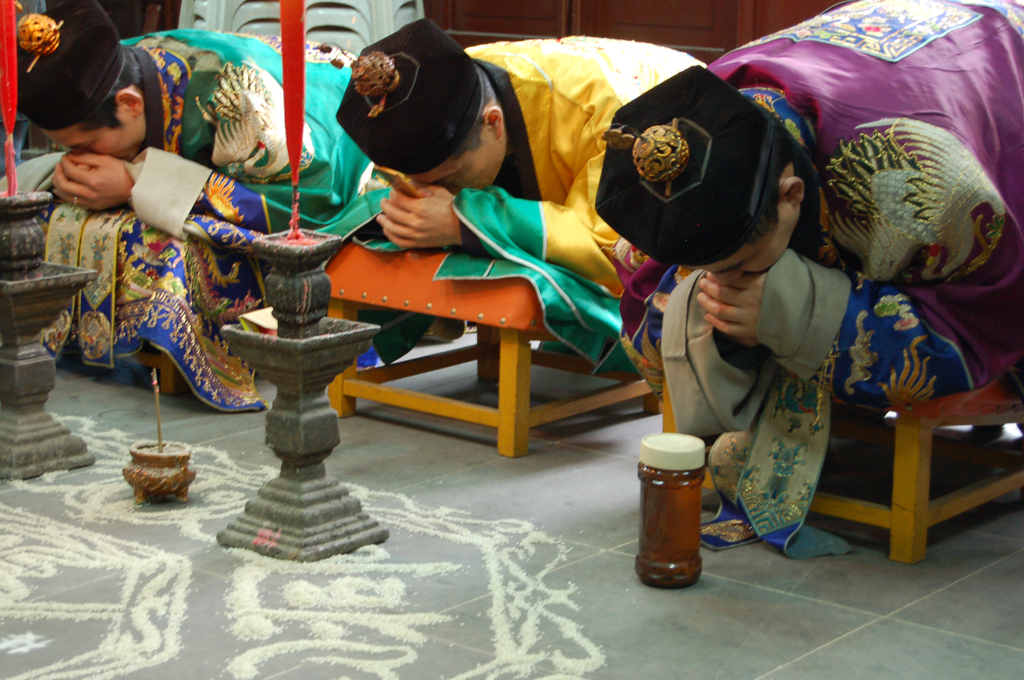 History Event
Post-Mao revival
1980s
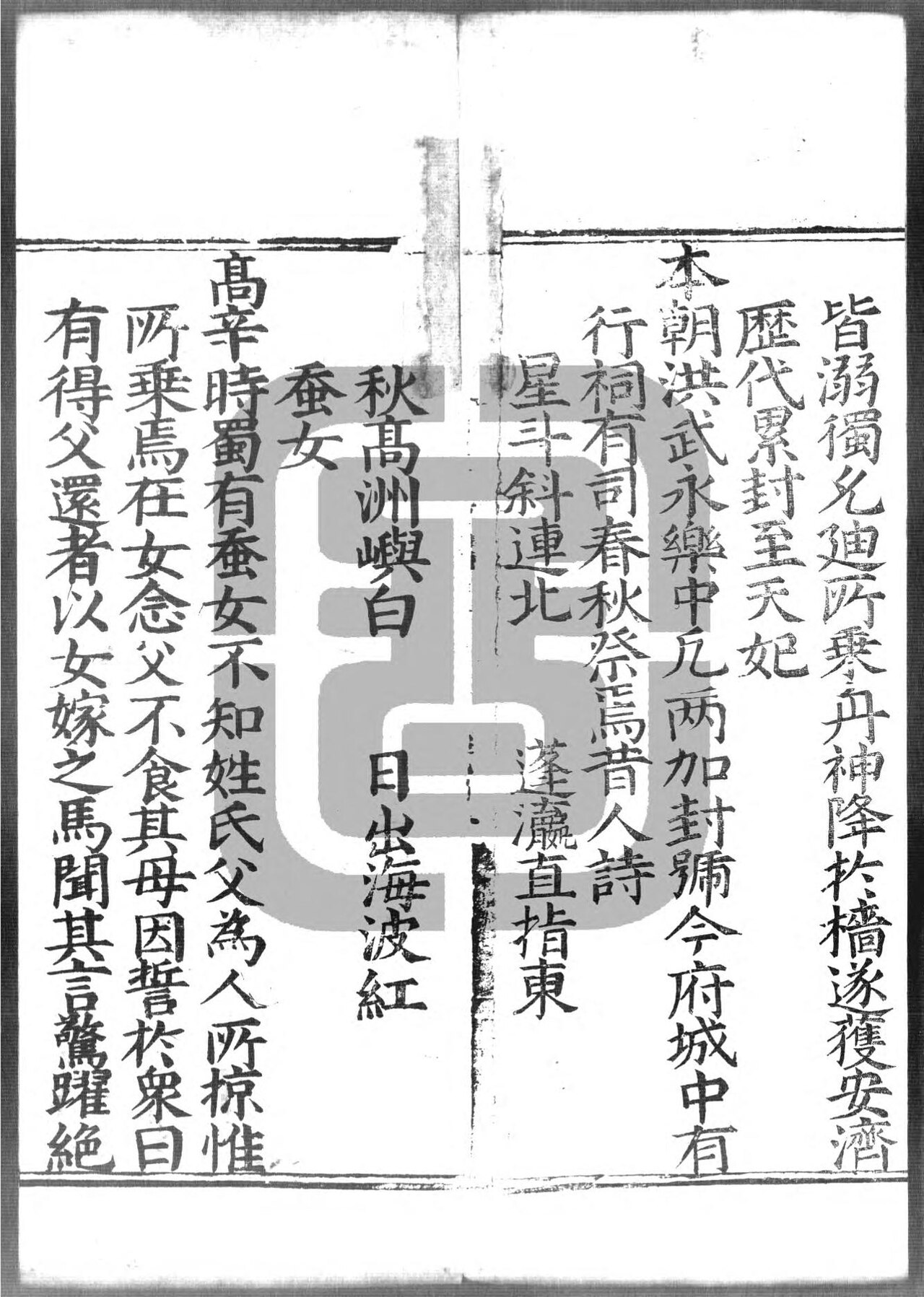 History Event
Wanli Daozang
1607
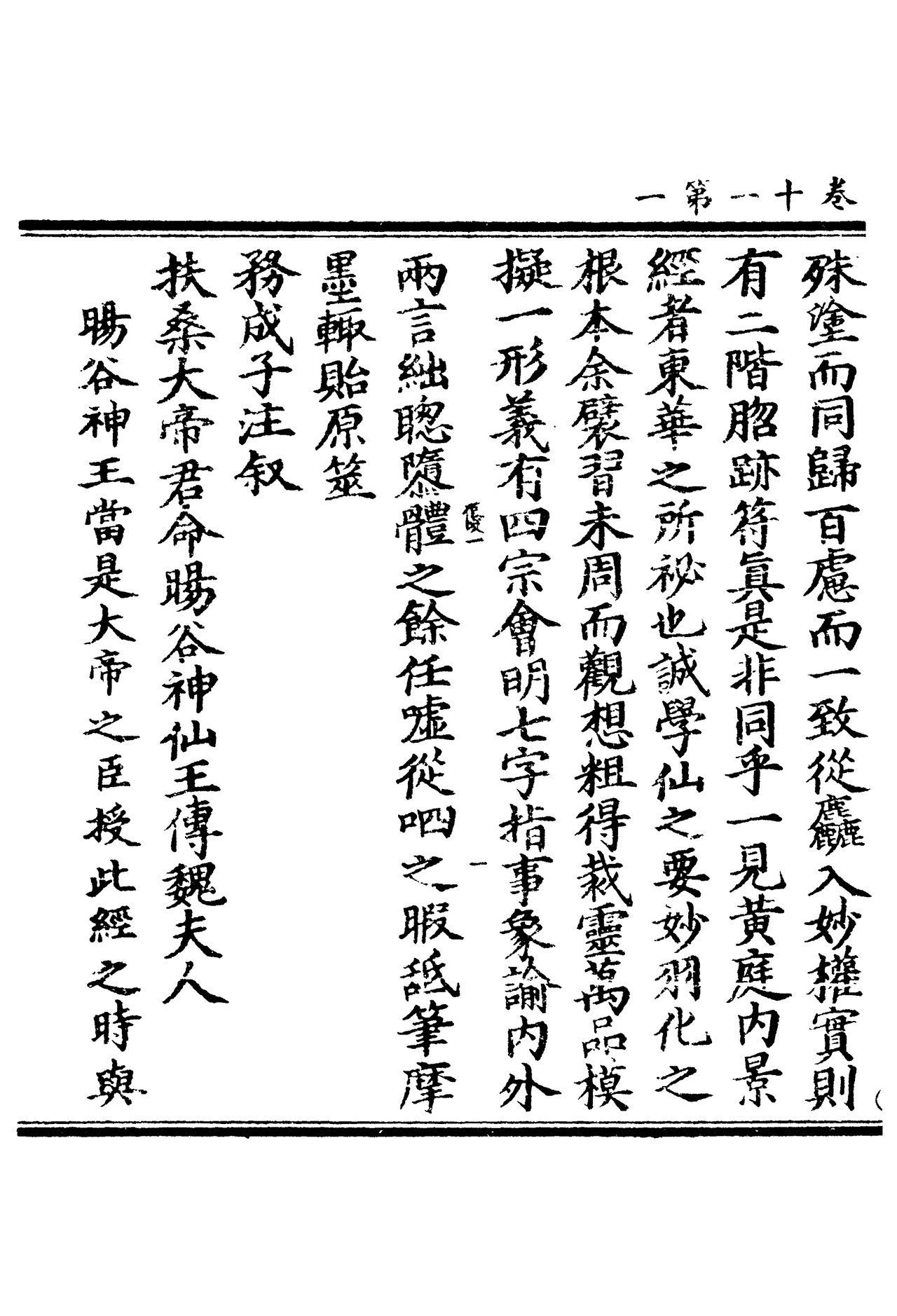 History Event
Yongle Daozang
1406-1408
 History Event
Zhang Daoling; Celestial Masters
142 CE