Daoism

The Quanzhen stream of the Daoism timeline.

Streams: All of Daoism Philosophical Daoism Celestial Masters and Zhengyi Shangqing Lingbao Quanzhen

Song and Jin: Quanzhen

1113-1170

Wang Chongyang

Wang Chongyang, a former soldier and minor official who failed his age's tests of success, met two immortals in a wine shop in Ganhe in 1159, by his school's account, and received secret instructions. He withdrew to the Zhongnan mountains, lived for a time in a grave mound he called the Tomb of the Living Dead, and emerged to preach a discipline that joined Daoist inner alchemy to Chan meditation and Confucian ethics. His seven disciples, the Seven Perfected, carried his order across north China.
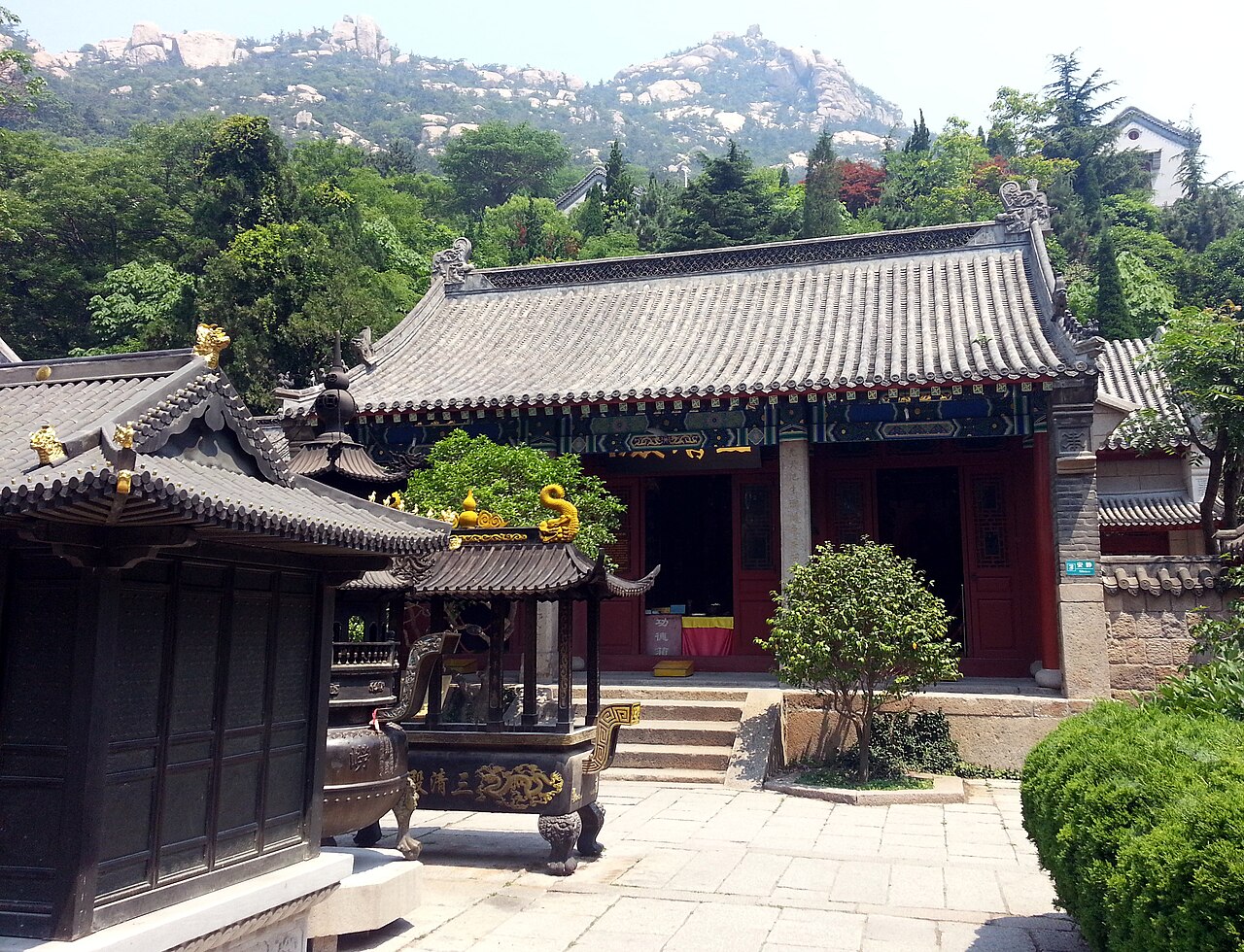
The Zhongnan mountains, Shaanxi
12th century

Quanzhen founded

In 1167 Wang Chongyang travelled east to Shandong, took the name Quanzhen, Complete Perfection, for his teaching, and gathered the disciples who made it an order: celibate monks and nuns under a rule, living in monasteries, practising inner alchemy as a communal discipline rather than a hermit's art. Under the Jin and then the Yuan, Quanzhen became the dominant form of Daoism in north China, and its monasteries, headed by the White Cloud Temple in Beijing, lead the tradition's monastic life today.

Ninghai, Shandong
1222

Qiu Chuji meets Genghis Khan

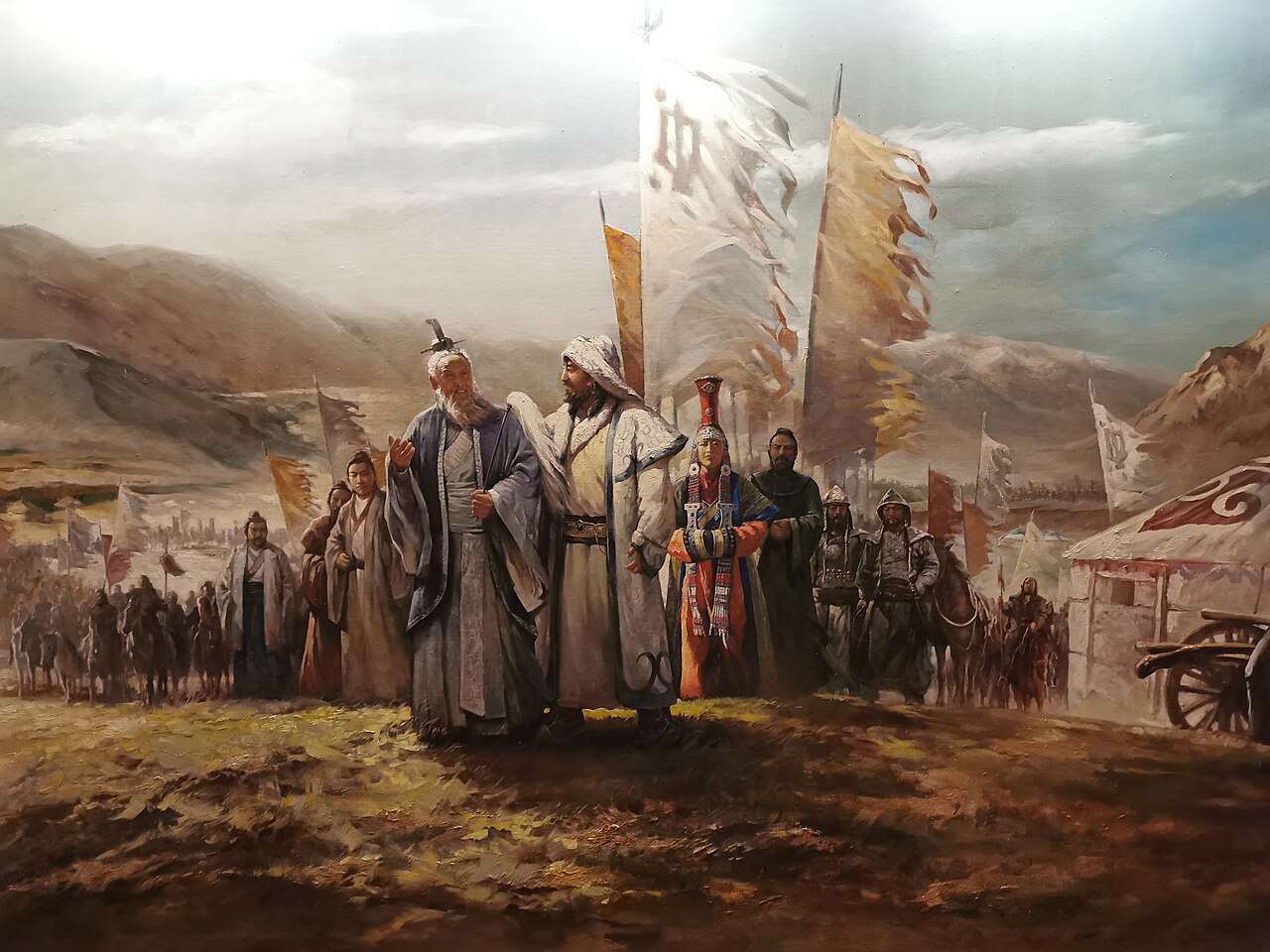
Summoned by Genghis Khan, the seventy-four-year-old Qiu Chuji, called Changchun, travelled three years from Shandong across Central Asia to the conqueror's camp in the Hindu Kush. The Khan asked for a medicine of immortality; Qiu answered that there is no such medicine, only a way of guarding life, and counselled him to curb killing and desire. His disciple's record of the journey is a classic of travel writing, and the Khan's grant of tax exemption to Quanzhen clergy made the order rich and saved many lives in the conquest's aftermath.

The Hindu Kush

Suppression and Revival

1966-1976

Cultural Revolution suppression

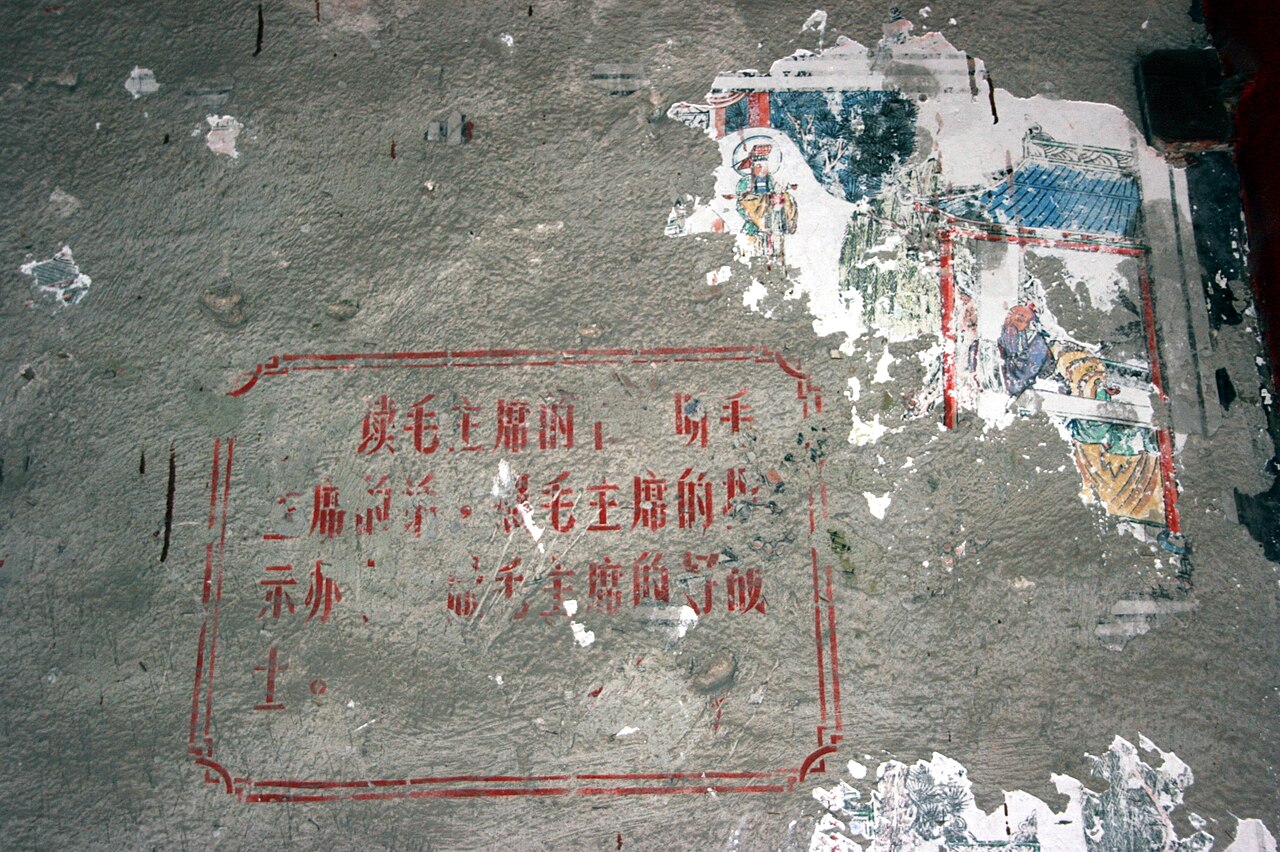
In the Cultural Revolution the campaign against the Four Olds fell on Daoism as on every religion in China. Temples were closed, looted, or turned to other uses, statues and scriptures were destroyed, and priests and monks were laicized, denounced, and sent to labour in the countryside. The White Cloud Temple in Beijing survived as an emptied shell while its community was dispersed. A tradition carried by temples and ordination lines for eighteen centuries came within a decade of being broken.

China
1980s

Post-Mao revival

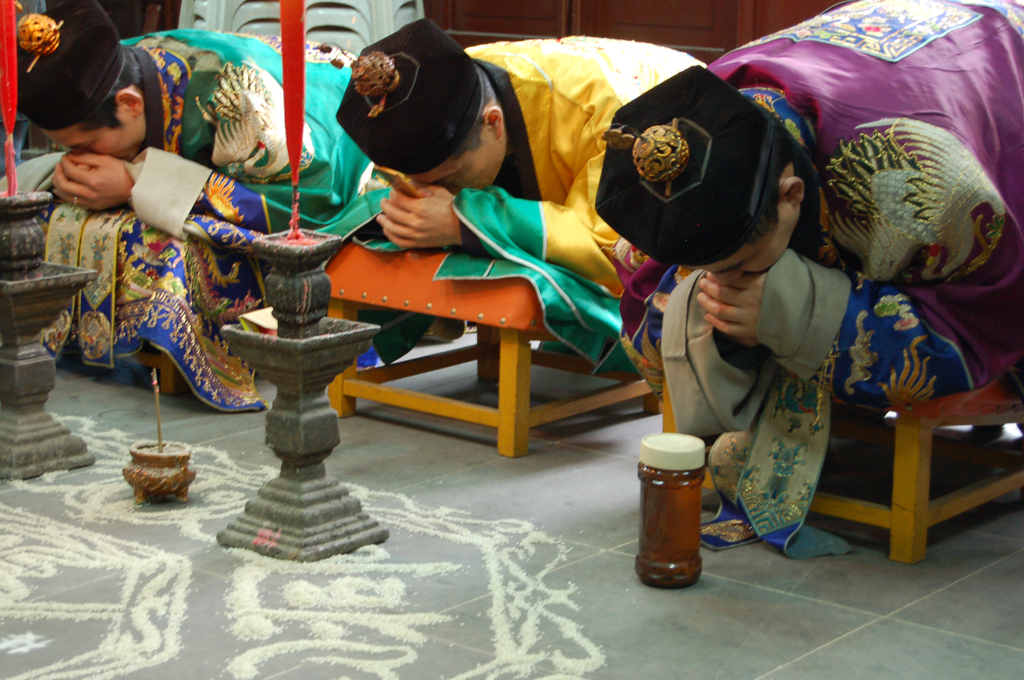
After 1979 the temples began to reopen. The China Taoist Association resumed its work, the White Cloud Temple was restored as the tradition's national centre, ordinations of Quanzhen monks and Celestial Master priests restarted, and the Ming canon was reprinted for a new generation of readers. Village temples rebuilt their festivals from memory and surviving elders, and Daoism recovered a public life in China that a decade earlier had seemed extinguished.

Beijing