Daoism

The Celestial Masters and Zhengyi stream of the Daoism timeline.

Streams: All of Daoism Philosophical Daoism Celestial Masters and Zhengyi Shangqing Lingbao Quanzhen

The Celestial Masters

142 CE

Zhang Daoling; Celestial Masters

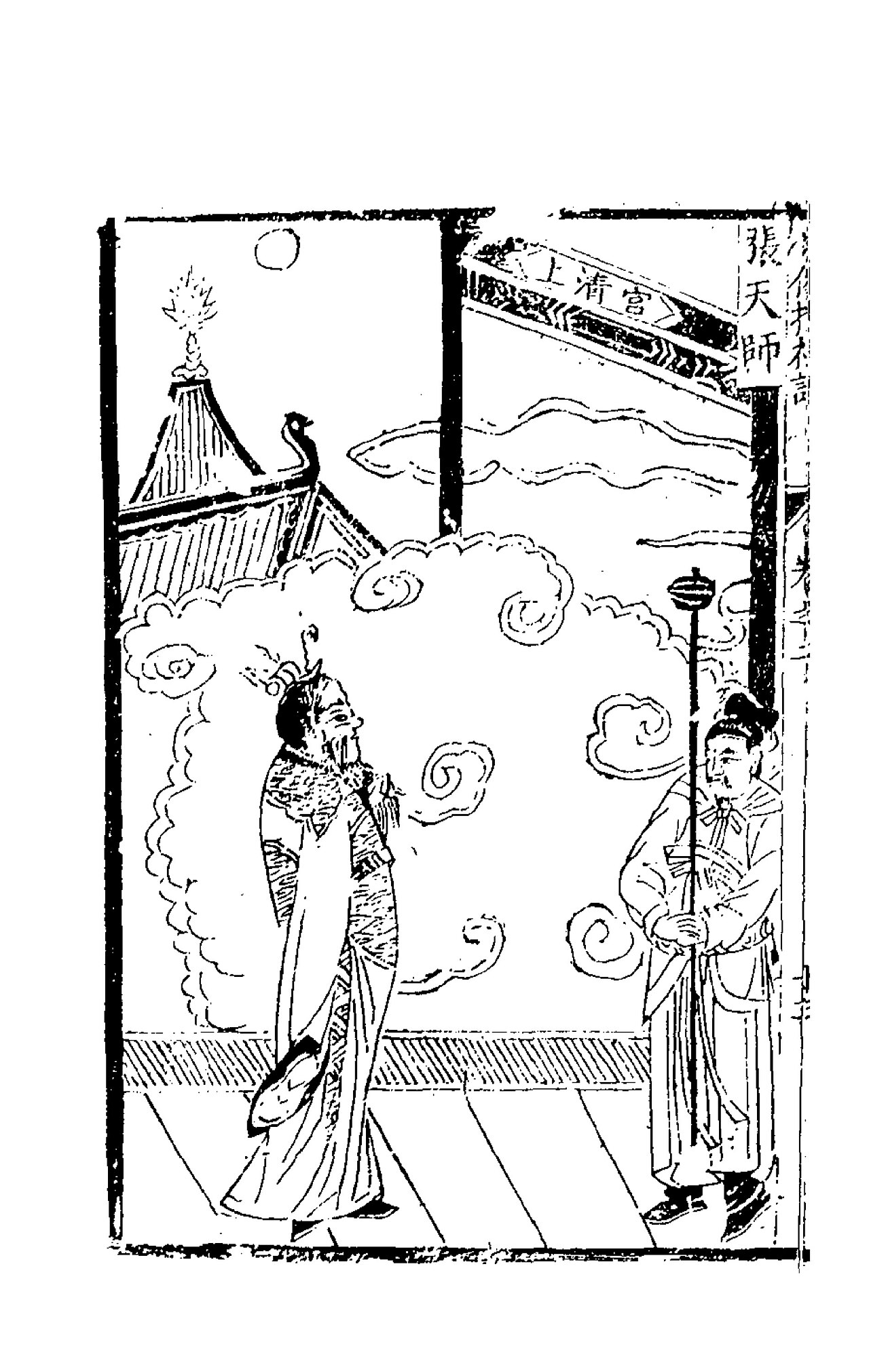
In 142, by the church's account, the deified Laozi appeared to Zhang Daoling on Mount Heming and named him Celestial Master of a new covenant. The Way of the Celestial Masters that followed was the first organized Daoist church: parishes led by libationers, registers of households, healing by confession and talisman water, and a household levy of five pecks of rice that gave the movement its other name. Its priestly line, the Zhang family, continues today.
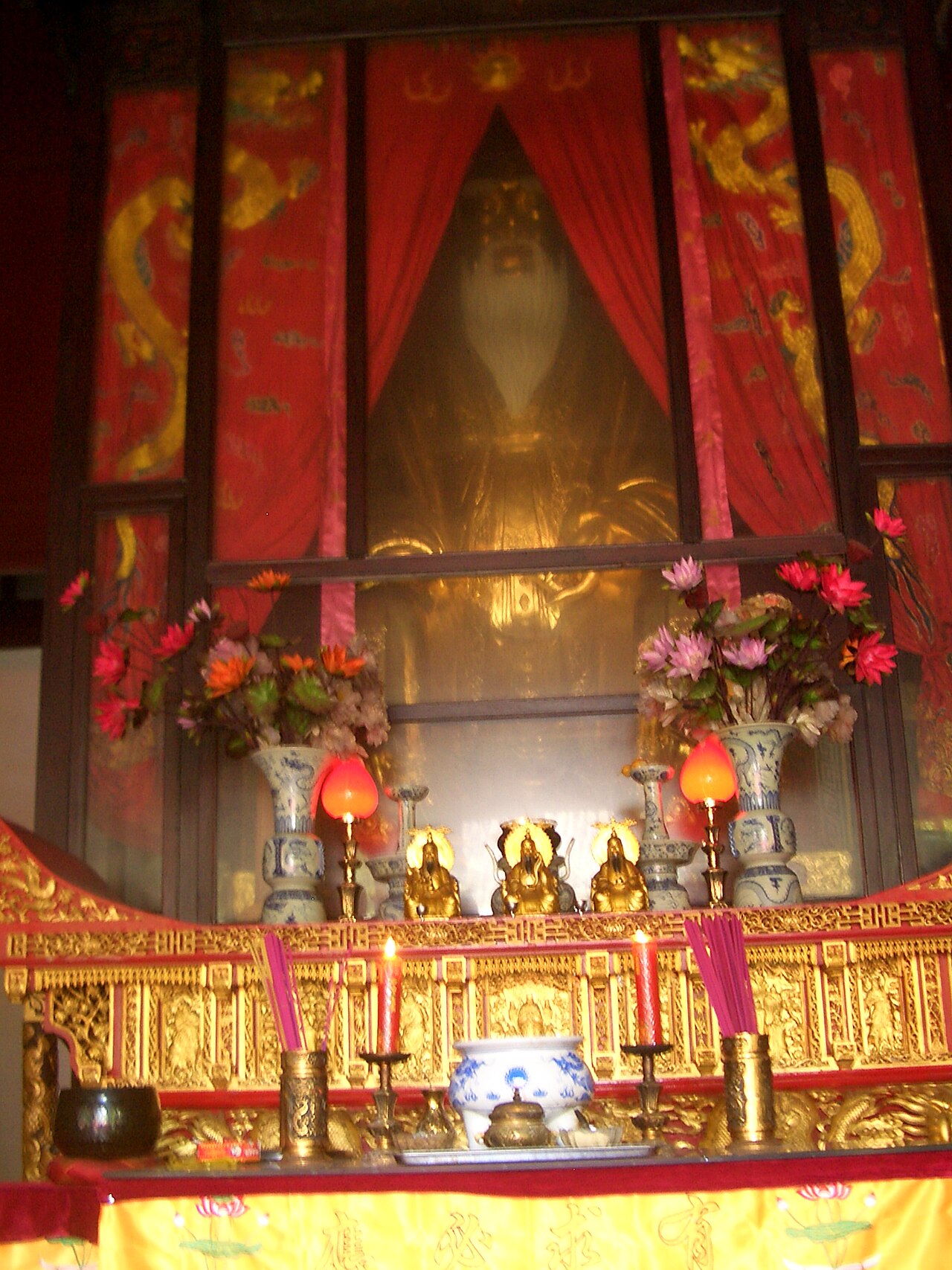
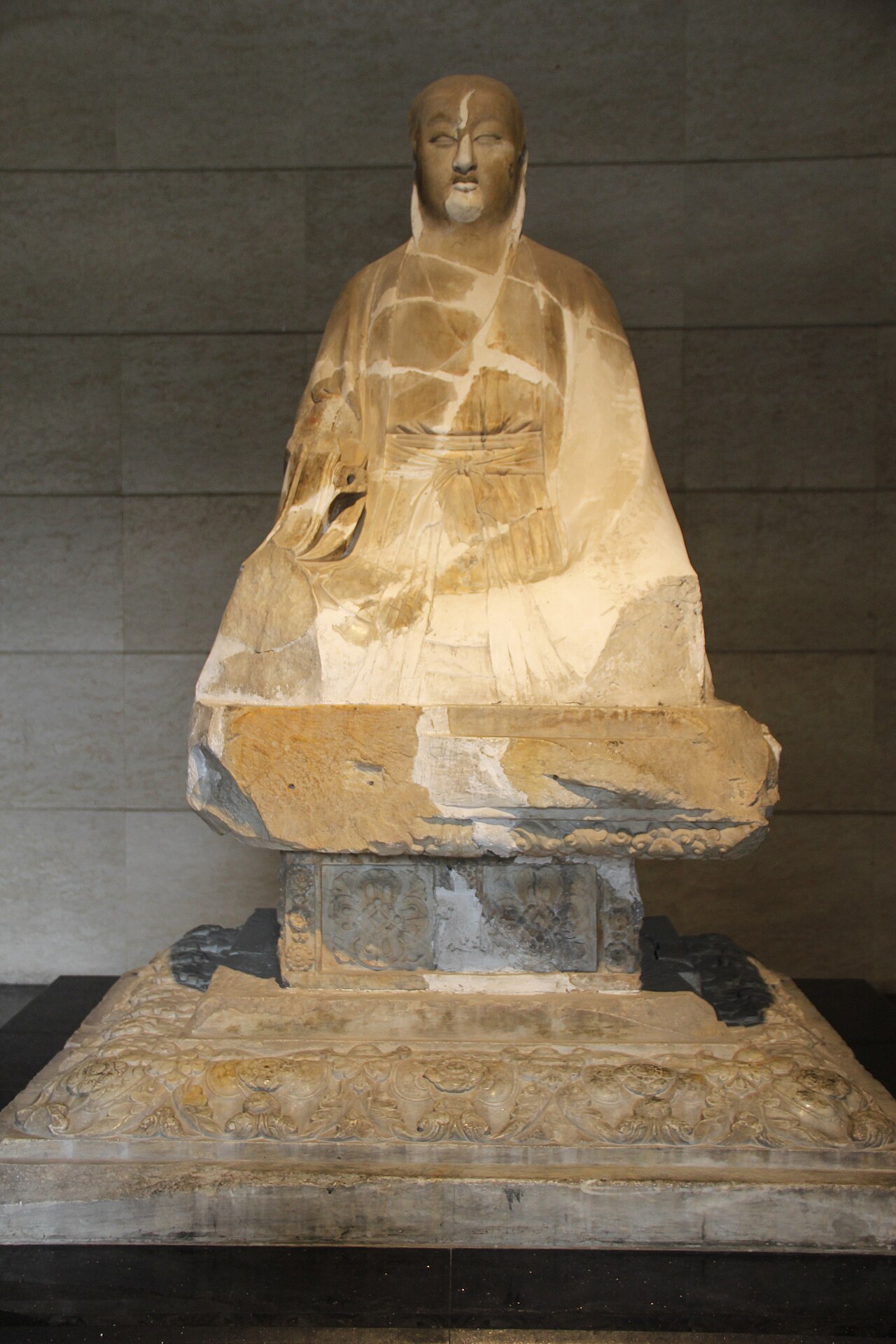
Mount Heming, Sichuan
166 CE

Laozi deified

In 166 the emperor Huan offered sacrifice to Laozi in the palace and sent officials to sacrifice at the sage's birthplace, treating the author of the Daodejing as a god of the state. The Celestial Masters church already worshipped him as Lord Lao, Most High, the Dao embodied in a person who reveals saving teaching age by age. The court's recognition fixed the pattern of Chinese Daoism: a founder who is not only remembered but enthroned, and a scripture that is his continuing speech.

Luoyang, the Han capital

Tang Imperial Daoism

666

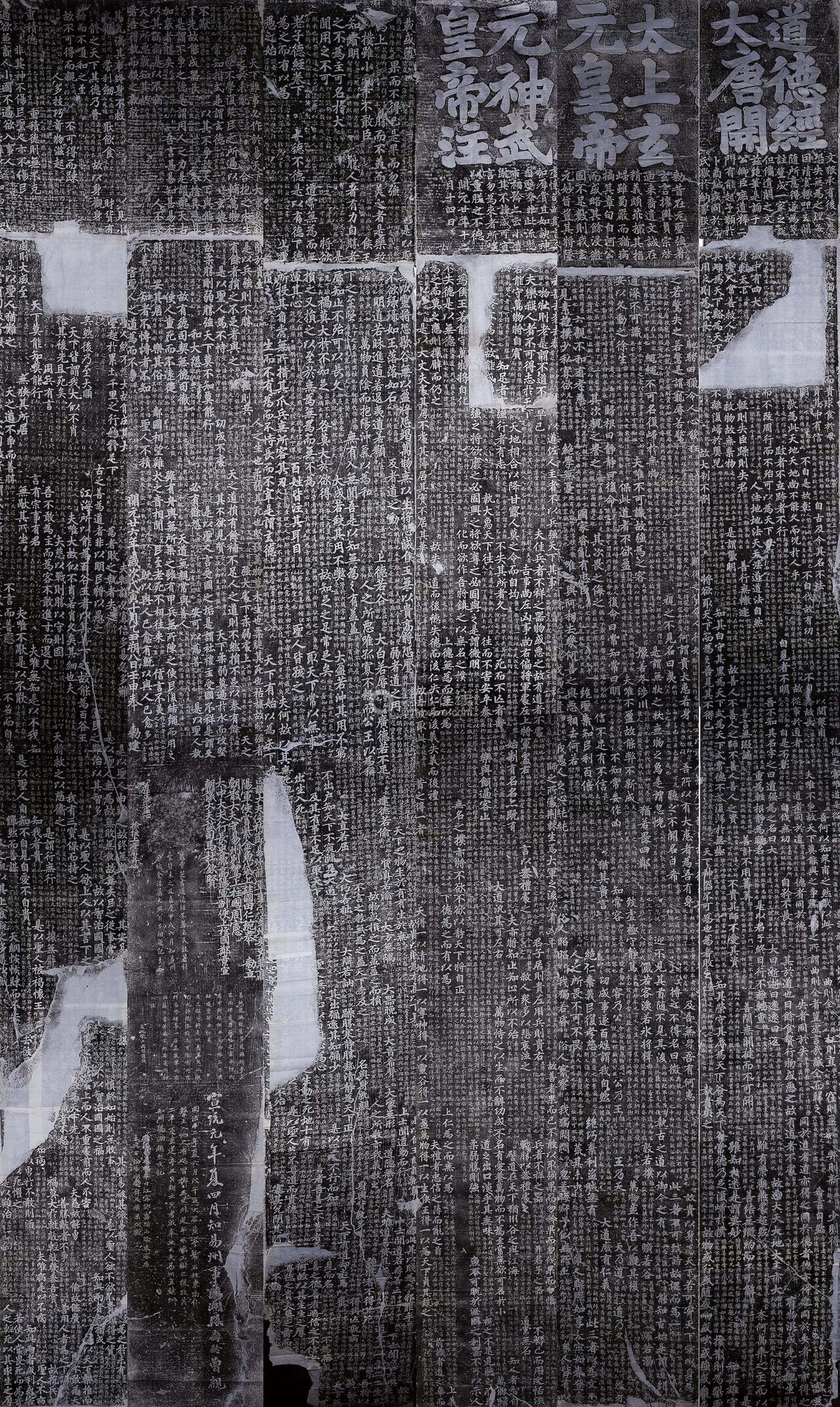
Laozi canonized as Tang imperial ancestor

The Tang imperial house, surnamed Li like the sage's own traditional family name, claimed descent from Laozi, and in 666 the emperor Gaozong canonized him with the title Supreme Emperor of Mysterious Origin. The founder of Daoism thereby became the ancestor of China's ruling house, the Daodejing became an examination text, and Daoist priests stood before Buddhist monks in the court's order of precedence for as long as the dynasty lasted.

Chang'an, the Tang capital
748

Daozang catalogued

Under the emperor Xuanzong, the most devoted of the Tang rulers, teams of priests gathered Daoist writings from across the empire, collated them against the imperial library's copies, and issued the Kaiyuan Daozang, a canon of some seven thousand scrolls copied by hand for the great temples. Catalogued by 748, it was the first Daoist canon produced as an imperial edition, and its table of contents governed every canon after it until printing.

Chang'an, the Tang capital

The Ming Canons

1406-1408

Yongle Daozang

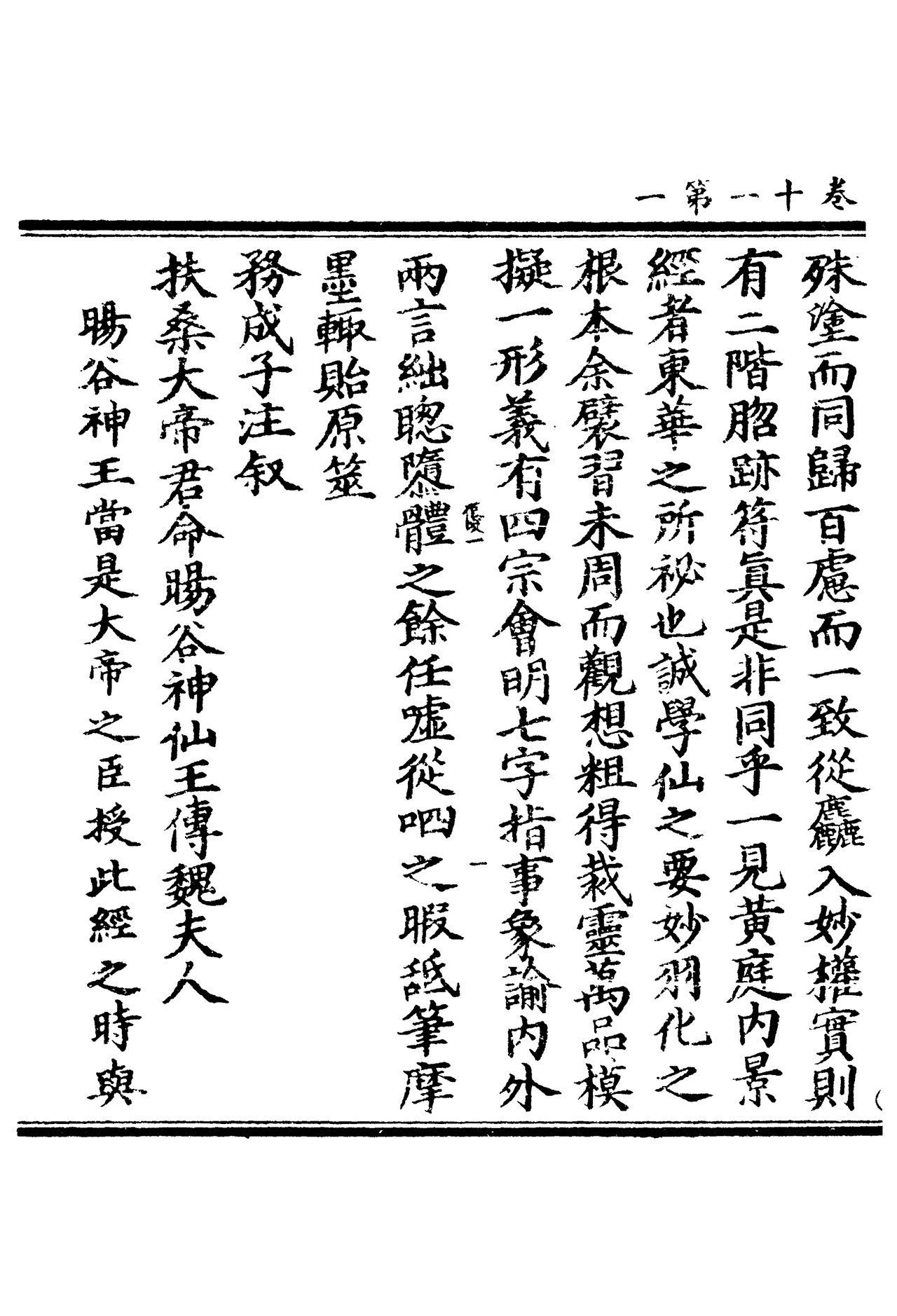
In 1406 the Yongle emperor commissioned a new edition of the Daoist canon and placed the forty-third Celestial Master, Zhang Yuchu, at the head of the work. The compilation outlasted both men: completed and printed under the Zhengtong emperor in 1445, the Zhengtong Daozang gathered some 5,300 scrolls, and because the woodblocks survived at the White Cloud Temple, this Ming canon, and no earlier one, is the Daozang the tradition still reads.

Nanjing, the Ming capital
1607

Wanli Daozang

In 1607 the Wanli emperor ordered a supplement to the canon: fifty-six further works, scriptures revealed and composed since the Zhengtong edition, gathered and printed as the canon's continuation. The Zhengtong Daozang with its Wanli supplement is the last imperial edition and the standard canon of the tradition, reprinted in the 1920s and again in the 1980s and now read in modern punctuated editions.

Beijing, the Ming capital

Suppression and Revival

1966-1976

Cultural Revolution suppression

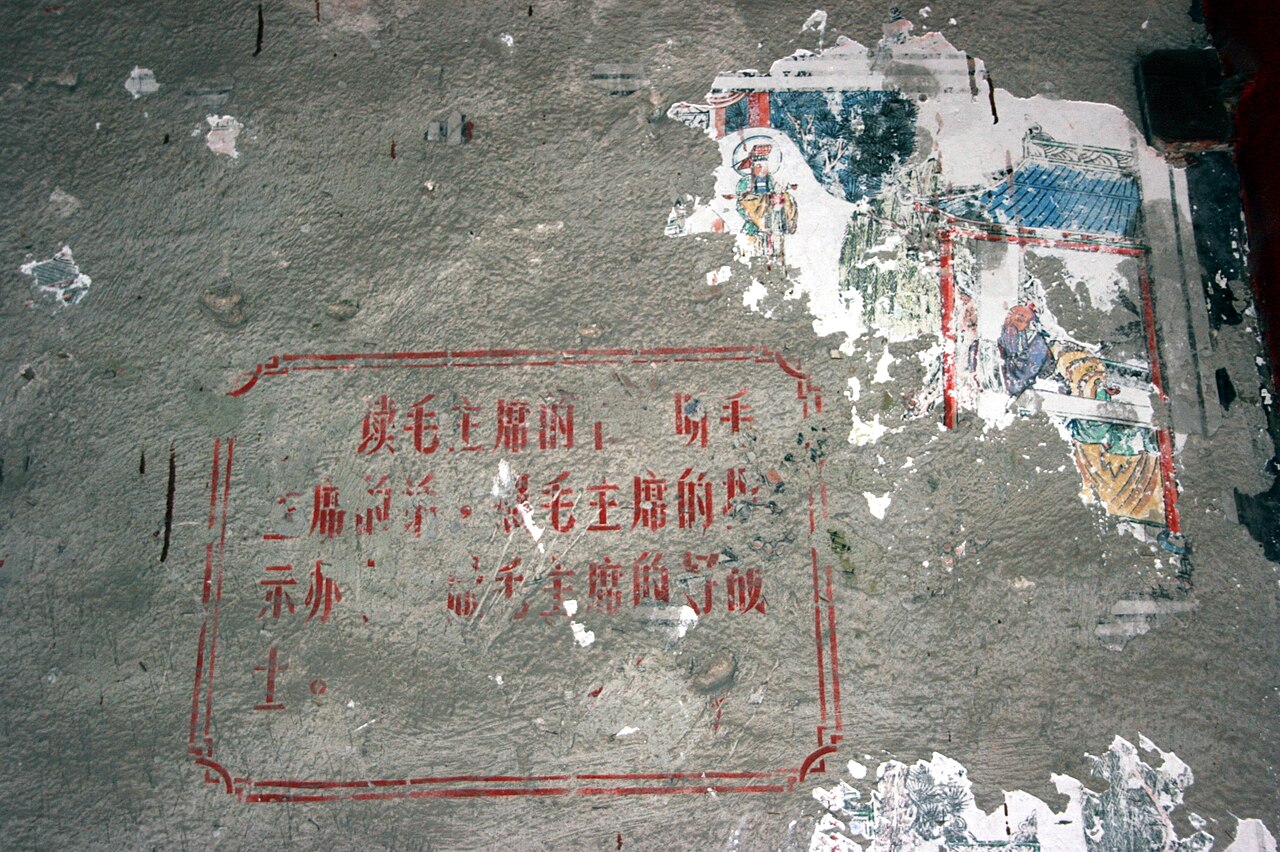
In the Cultural Revolution the campaign against the Four Olds fell on Daoism as on every religion in China. Temples were closed, looted, or turned to other uses, statues and scriptures were destroyed, and priests and monks were laicized, denounced, and sent to labour in the countryside. The White Cloud Temple in Beijing survived as an emptied shell while its community was dispersed. A tradition carried by temples and ordination lines for eighteen centuries came within a decade of being broken.

China
1980s

Post-Mao revival

After 1979 the temples began to reopen. The China Taoist Association resumed its work, the White Cloud Temple was restored as the tradition's national centre, ordinations of Quanzhen monks and Celestial Master priests restarted, and the Ming canon was reprinted for a new generation of readers. Village temples rebuilt their festivals from memory and surviving elders, and Daoism recovered a public life in China that a decade earlier had seemed extinguished.

Beijing