

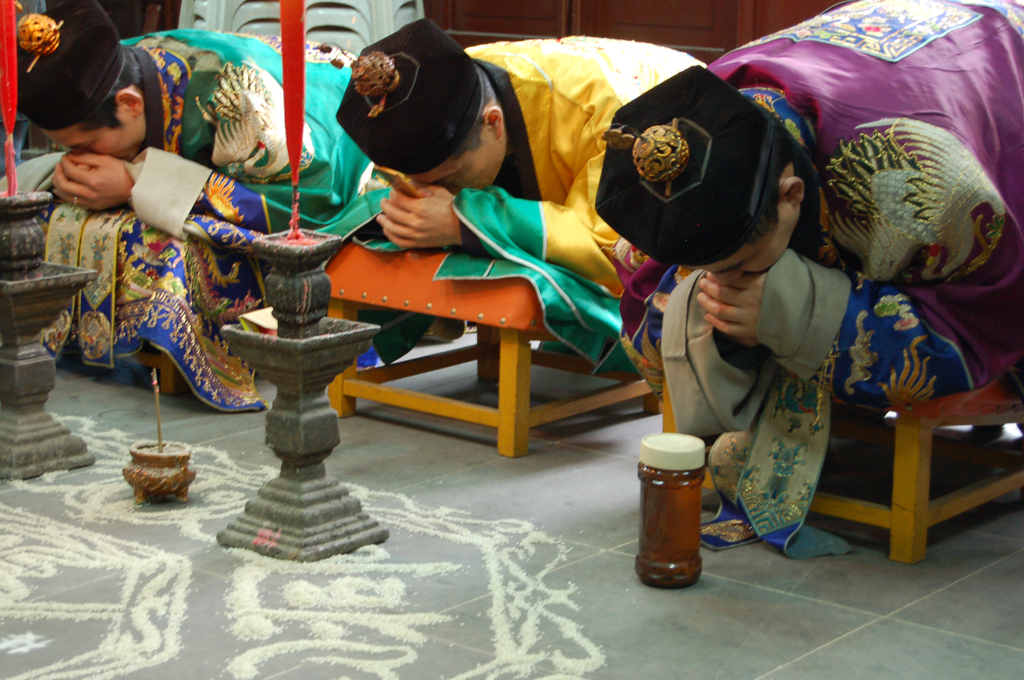
After 1979 the temples began to reopen. The China Taoist Association resumed its work, the White Cloud Temple was restored as the tradition's national centre, ordinations of Quanzhen monks and Celestial Master priests restarted, and the Ming canon was reprinted for a new generation of readers. Village temples rebuilt their festivals from memory and surviving elders, and Daoism recovered a public life in China that a decade earlier had seemed extinguished.
Tagged: Revival Celestial Masters and Zhengyi Daoism Quanzhen
The Event
- Date
- 1980s (approximate)
- Era
- Suppression and Revival; Standard periodization of Daoist history
- Location
- Beijing; today Beijing, China
- Traditions
- Daoism
- Streams
- Celestial Masters and Zhengyi, Quanzhen
- Key texts
- Zhengtong Daozang
How the Tradition Tells It
The revival runs on two tracks that do not always meet: the state-recognized orders, Quanzhen monastic and Zhengyi household priesthood, restored their institutions, while much of the tradition's recovery happened in village temples and local cults outside those structures. What counts as the tradition's centre depends on which track a community stands on.
Connections
Primary Sources
- The reprinted Zhengtong Daozang of the 1980s.
Secondary Sources
- Kirkland, Russell. Taoism: The Enduring Tradition. Routledge, 2004.
- Schipper, Kristofer. The Taoist Body. Translated by Karen C. Duval, University of California Press, 1993.
Provenance: HIST-0816; confidence 0.85; accessed 2026-10-28.
Related on This Site
 History Event
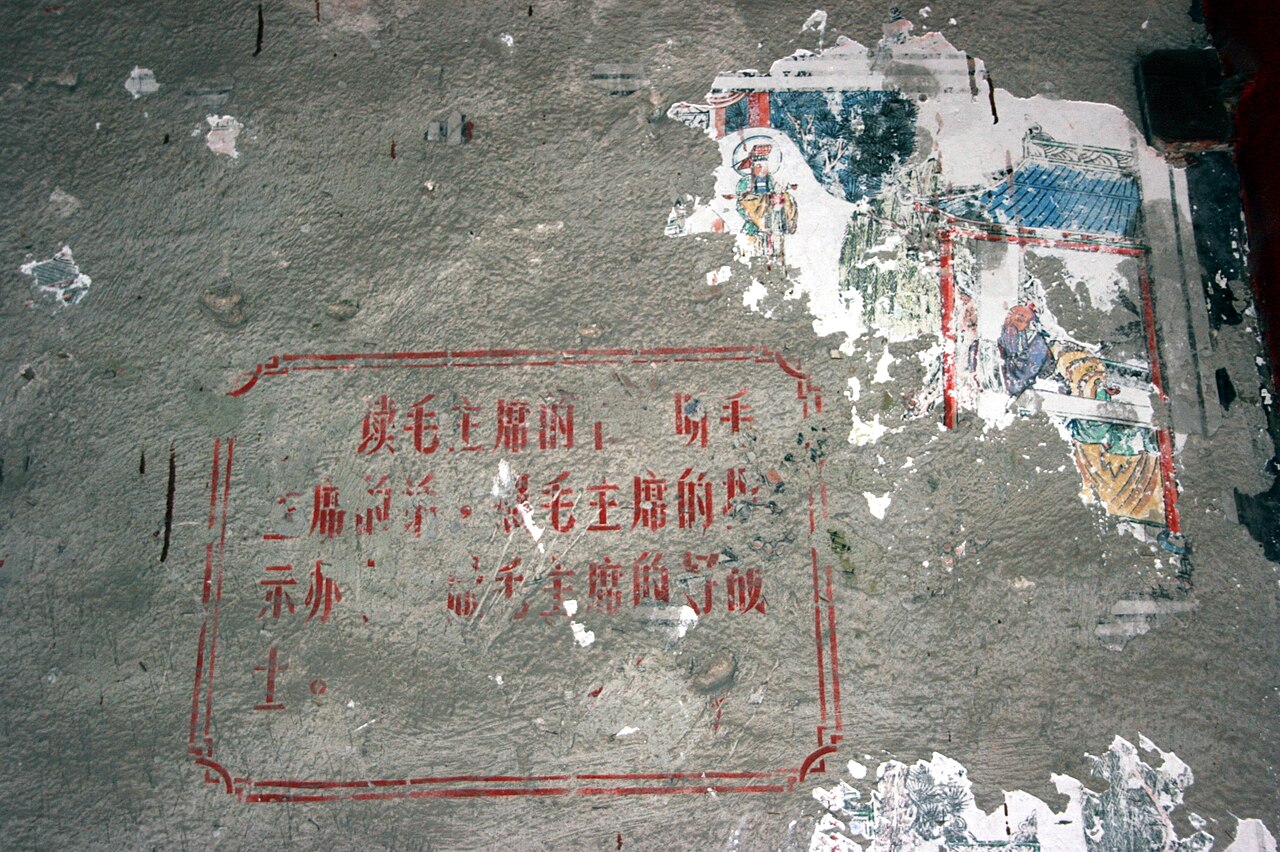
Cultural Revolution suppression
1966-1976
 History Event
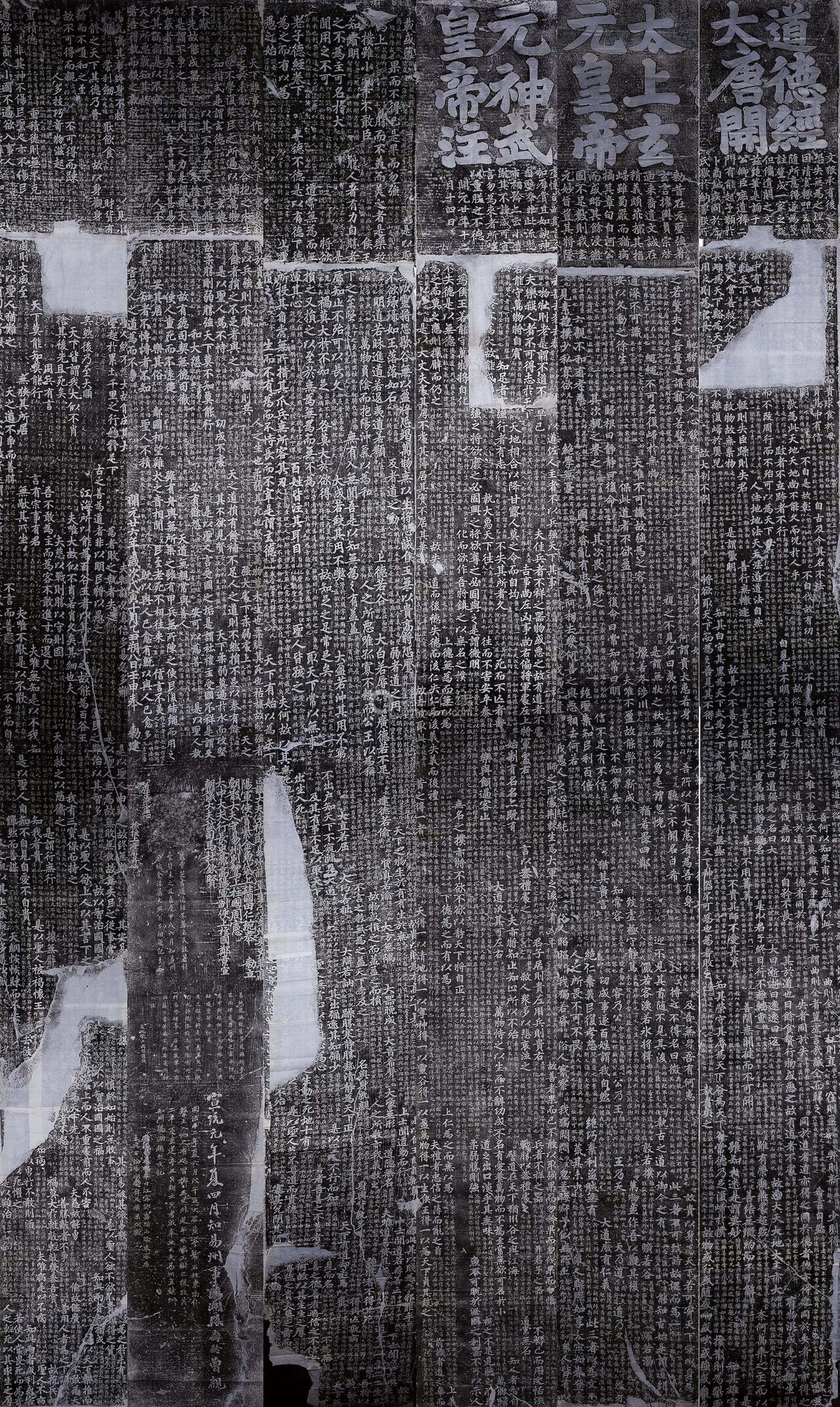
Daozang catalogued
748
 History Event
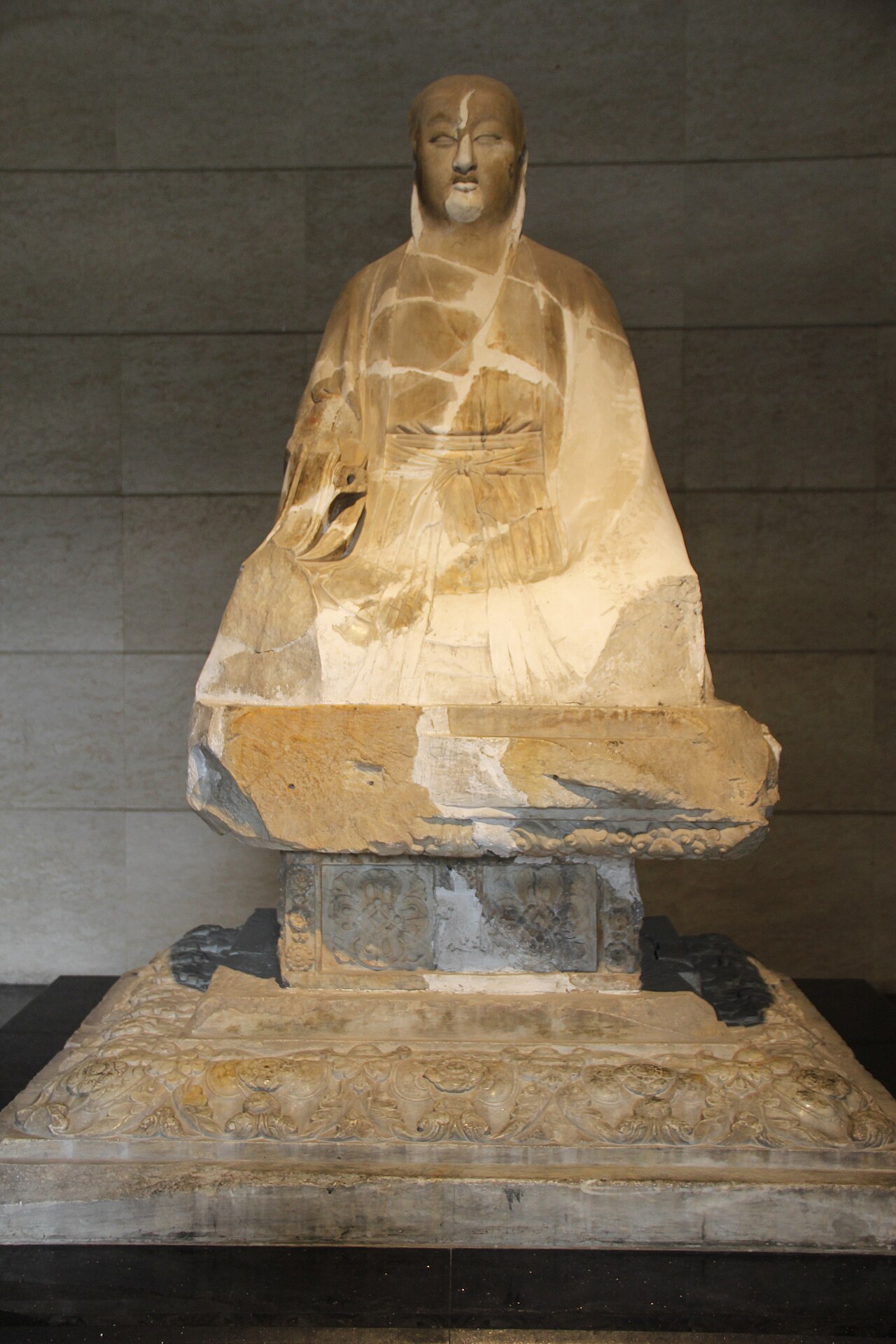
Laozi canonized as Tang imperial ancestor
666
 History Event
Laozi deified
166 CE
 History Event
Qiu Chuji meets Genghis Khan
1222
 History Event
Quanzhen founded
12th century
 History Event
Wang Chongyang
1113-1170
 History Event
Zhang Daoling; Celestial Masters
142 CE