
January 1, 2025
Mary, Mother of God
The octave day of Christmas, honouring Mary as Mother of God, the Theotokos.
Search pages, essays, world views, libraries, and topics. Type at least two characters.
 CCWV.LIFE
Support This Site
Accounts of what is real, each set out in its own terms and each with its own page.
All World Views Does God Exist?The observances of the world views, with their dates for 2025 and 2026. Every date was verified against an authoritative source. Where a tradition keeps more than one reckoning, each reckoning stands on its own line and the two are never merged. Lunar dates are subject to local sighting and calendar variation.
 October 31, 2026
Reformation Day
 November 1, 2026
All Saints' Day
 November 2, 2026
All Souls' Day
 November 8, 2026
Mahavir Nirvan (Diwali)
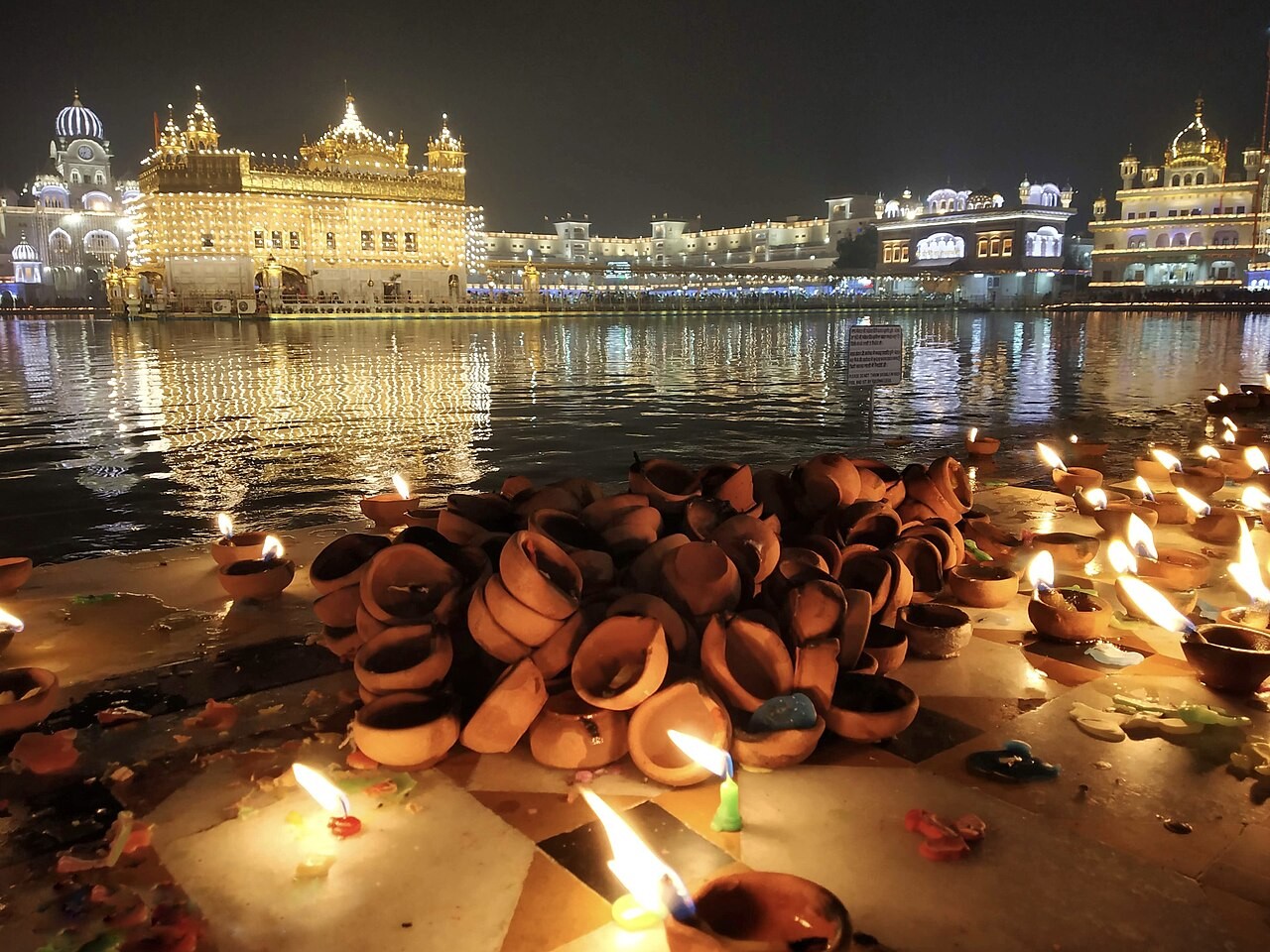 November 8, 2026
Bandi Chhor Divas
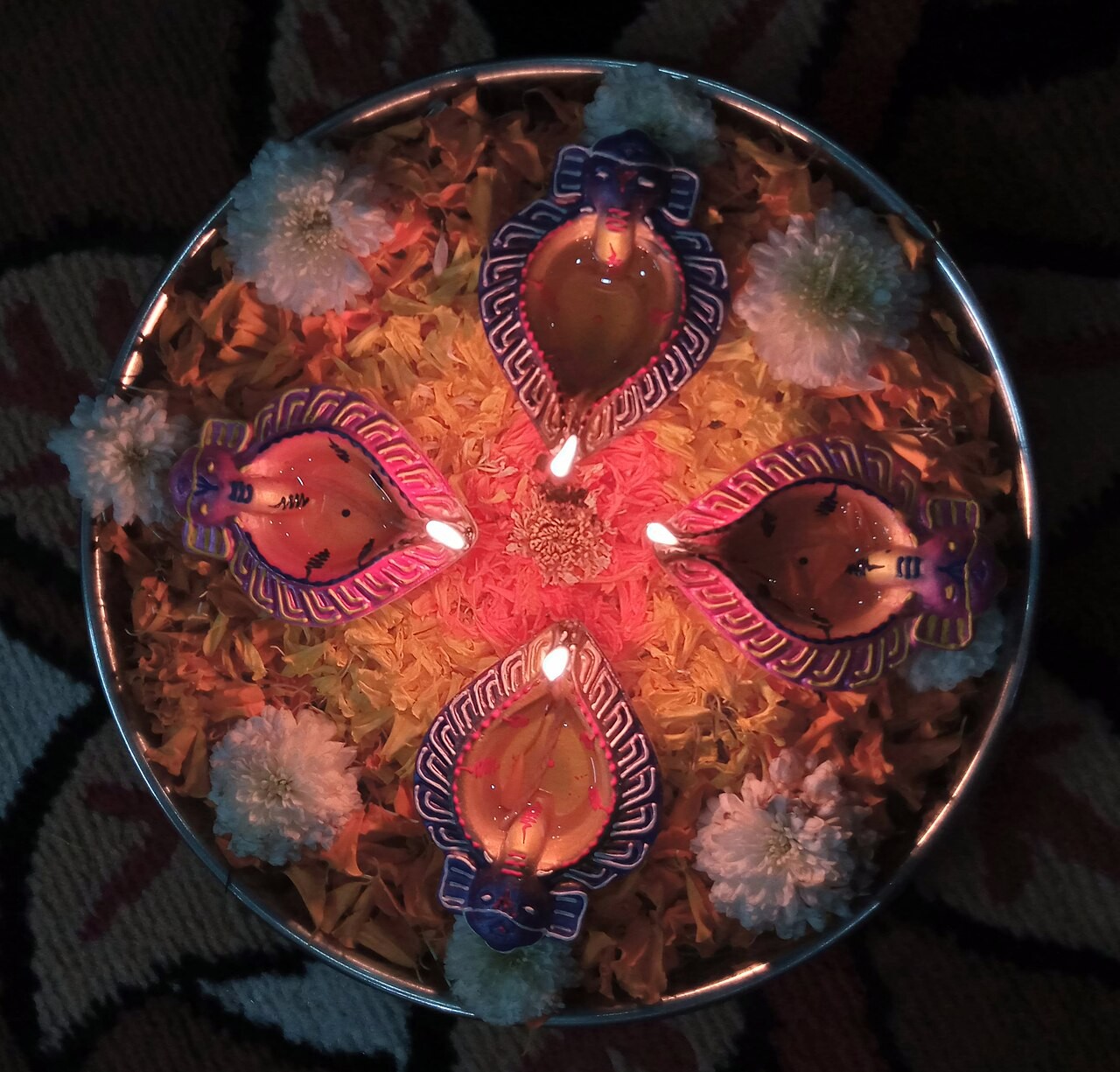 November 8, 2026
Diwali (Deepavali)
 November 10, 2026
Birth of the Bab (Twin Birthdays, first day)
 November 11, 2026
Birth of Baha'u'llah (Twin Birthdays, second day)
Subscribe: the full calendar (ICS) · Baha'i · Buddhism · Christianity · Hinduism · Indigenous and Traditional · Islam · Jainism · Judaism · Secular and Interfaith · Shinto · Sikhism · Zoroastrianism · Download CSV
The octave day of Christmas, honouring Mary as Mother of God, the Theotokos.
Christ made manifest to the Gentiles; the Magi.
Some provinces transfer it to the nearest Sunday.
Baptism of Christ; blessing of waters.
The Nativity kept on the Julian calendar.
Dec 25 on the Julian calendar.
The baptism of Jesus in the Jordan, which closes the Christmas season.
Baptism of Christ; blessing of waters.
Candlemas, when the infant Christ is presented in the Temple and candles are blessed as a sign of his light.
The Meeting of the Lord, when Simeon receives the infant Christ in the Temple, kept on February 2.
The Meeting of the Lord, when Simeon receives the infant Christ in the Temple, kept on February 2.
Beginning of Lent; imposition of ashes.
The first Sunday of Lent, given to Christ's temptation in the wilderness.
The first Sunday of Great Lent, celebrating the restoration of the icons in 843.
The second Sunday of Lent, when the Transfiguration is set before the Church on the road to the cross.
The third Sunday of Lent, a call to repentance and fruitfulness at the season's midpoint.
The angel's announcement to Mary that she would bear the Son of God, nine months before Christmas.
The angel's announcement to the Theotokos, kept on March 25 on the Revised Julian calendar.
Laetare Sunday, the fourth Sunday of Lent, when rose may be worn and the season's austerity lightens.
The fifth Sunday of Lent, opening Passiontide as the season turns toward the cross.
The angel's announcement to the Theotokos, kept on March 25 on the Revised Julian calendar.
The triumphal entry into Jerusalem.
Christ's entry into Jerusalem, opening Orthodox Holy Week.
The Last Supper and the washing of the feet, kept with the service of the Twelve Gospels.
Last Supper; foot washing; institution of the Eucharist.
Commemoration of the Crucifixion.
The crucifixion and burial of Christ, when the epitaphios is carried in funeral procession.
The day of waiting at the tomb, before the Easter Vigil opens the Resurrection feast.
Christ in the tomb and his descent into Hades, kept in silence until the midnight Paschal service.
Celebration of the Resurrection.
The Resurrection; the feast of feasts.
In 2025 Pascha coincided with Western Easter.
The week after Pascha, one continuous feast of the resurrection with the royal doors standing open.
The close of the Easter octave, telling of Thomas's confession and kept also as Divine Mercy Sunday.
Christ's ascension into heaven.
Christ's ascent into heaven on the fortieth day after Pascha, one of the twelve great feasts.
Christ's ascension into heaven.
Descent of the Holy Spirit.
Descent of the Holy Spirit; birthday of the Church.
All the saints commemorated as the fruit of Pentecost, closing the Paschal season.
Sunday devoted to the doctrine of the Trinity.
The feast of the Body and Blood of Christ, giving thanks for his real presence in the Eucharist.
The feast of the Body and Blood of Christ, giving thanks for his real presence in the Eucharist.
The birthday of John the Baptist, the forerunner who prepared the way for Christ.
The feast of the Sacred Heart, honouring the pierced and burning heart of Christ as the sign of his love.
The joint feast of Peter and Paul, the apostles of Rome, martyred under Nero.
Christ transfigured in glory on the mountain, with Moses and Elijah, before Peter, James, and John.
Christ in glory on Mount Tabor, one of the twelve great feasts, kept on August 6.
Mary taken up body and soul into heaven, the Western counterpart of the Eastern Dormition.
The falling asleep of Mary, the Theotokos.
Christ in glory on Mount Tabor, one of the twelve great feasts, kept on August 6.
The falling asleep of Mary, the Theotokos.
The birth of Mary to Joachim and Anna, the first great feast of the Orthodox church year.
The feast of the cross as glory, recalling the dedication of the Holy Sepulchre and the showing of the true cross.
The finding and lifting up of the true cross, kept as a great feast and a strict fast on September 14.
The birth of Mary to Joachim and Anna, the first great feast of the Orthodox church year.
The finding and lifting up of the true cross, kept as a great feast and a strict fast on September 14.
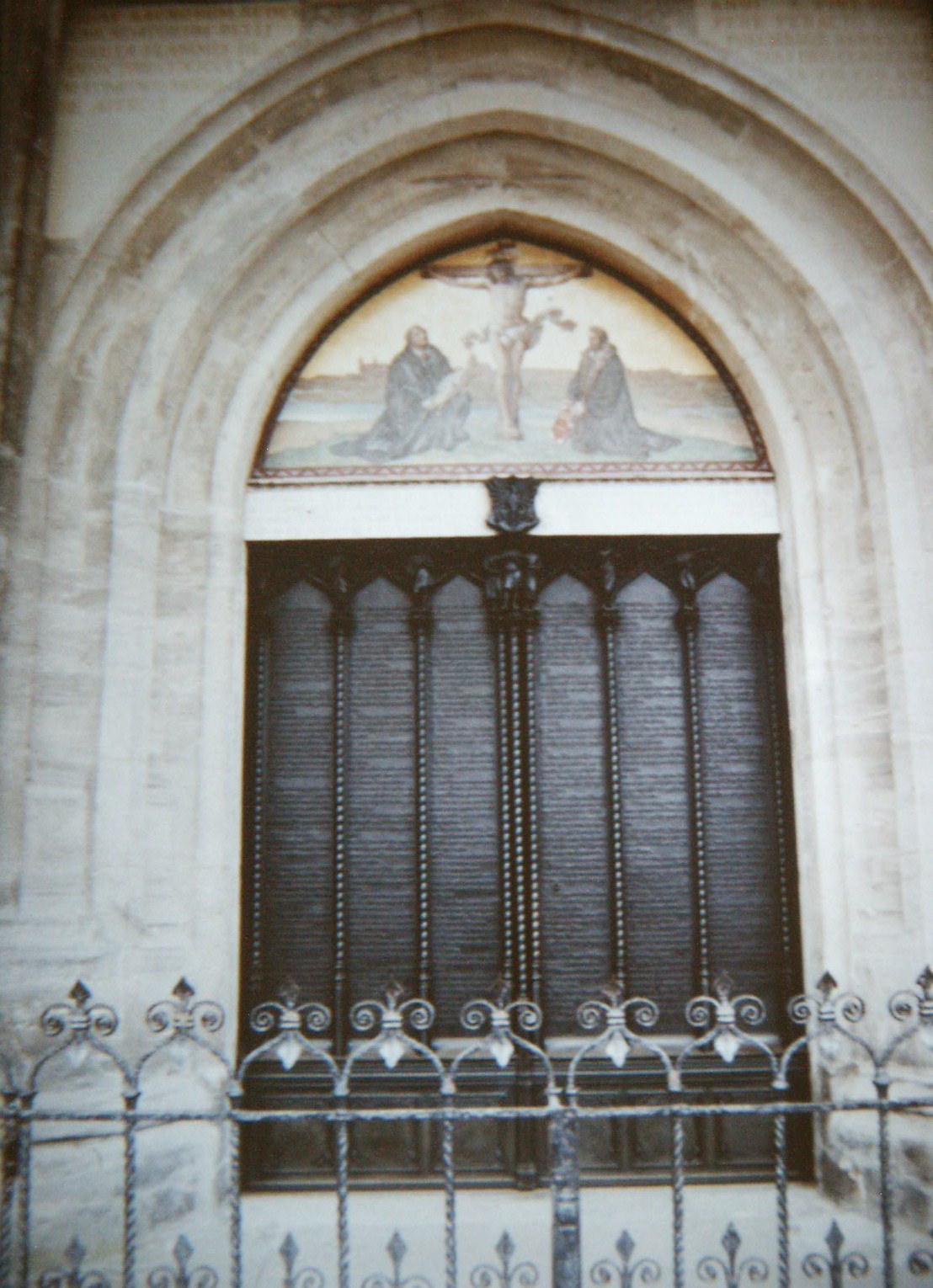
The Protestant commemoration of Luther's theses at Wittenberg in 1517, opening the Reformation.
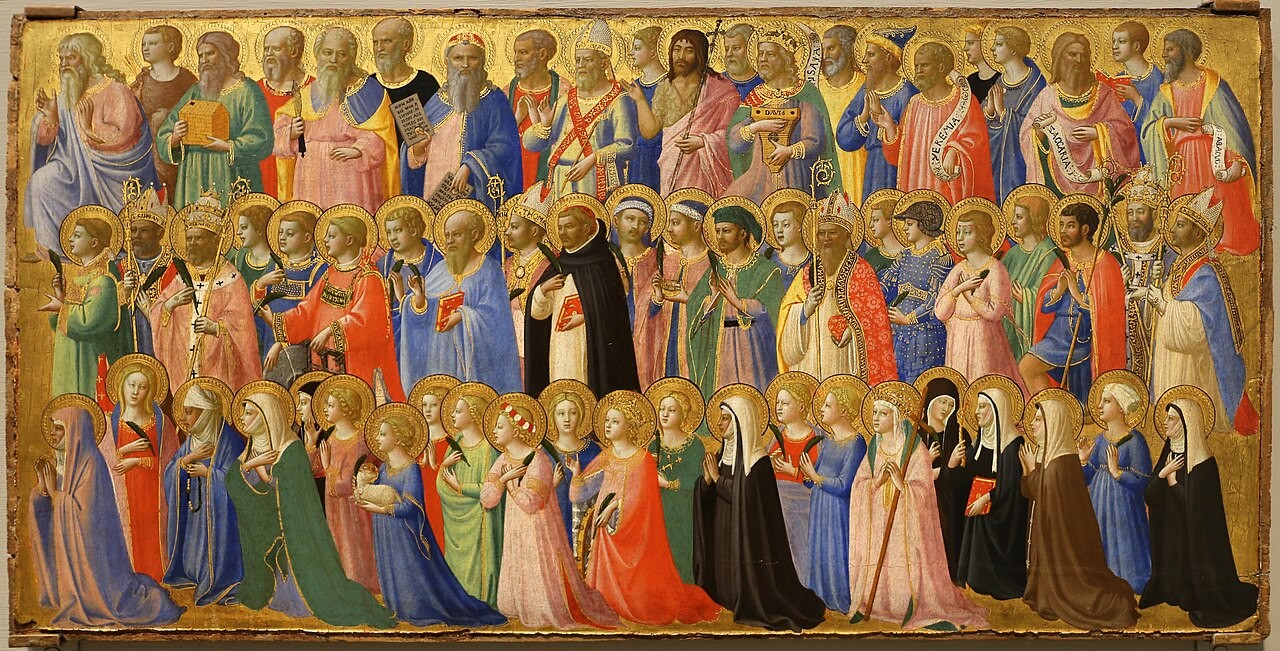
Commemoration of all the saints.
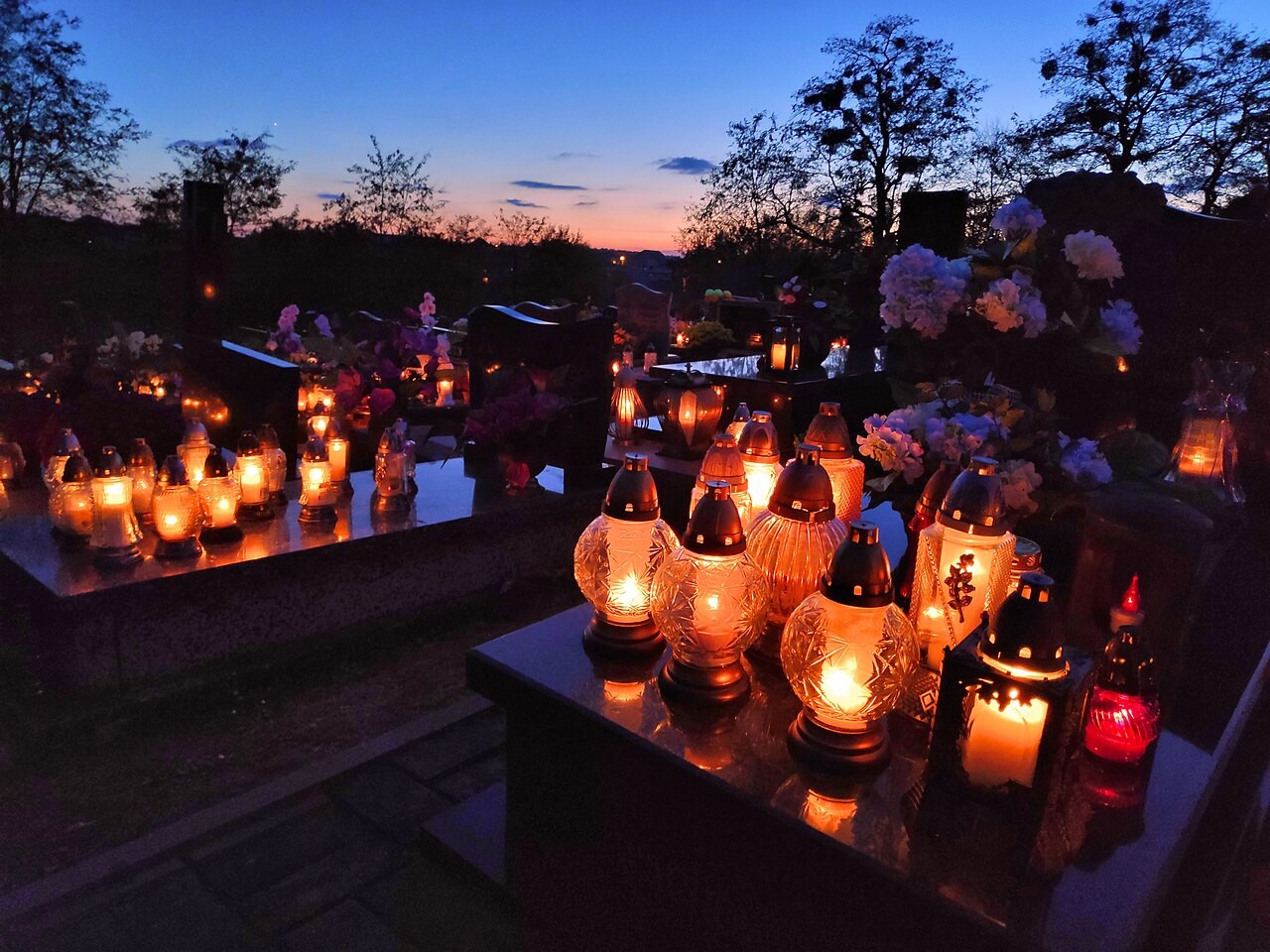
The commemoration of all the faithful departed, kept with prayer for the dead on November 2.
Mary brought to the Temple as a child and dedicated to God, one of the twelve great feasts.
Close of the liturgical year; Christ's reign.
Four weeks of preparation for Christmas, opening the liturgical year.
Mary brought to the Temple as a child and dedicated to God, one of the twelve great feasts.
The Entry into the Temple on the Julian reckoning.
The second Sunday of Advent, when the call of John the Baptist is heard and a second candle is lit.
Mary conceived without original sin, kept nine months before her nativity.
Gaudete Sunday, the joyful third Sunday of Advent, when the rose candle is lit.
The last Sunday of Advent, given to Mary and the nearness of the Nativity, with all four candles lit.
The vigil of the Nativity, when candlelit services open the feast of Christmas.
Celebration of the Incarnation of Christ.
The Nativity kept on the Julian calendar.
The commemoration of Stephen, the first martyr, on the day after Christmas.
The feast of Jesus, Mary, and Joseph, kept on the Sunday after Christmas.
The octave day of Christmas, honouring Mary as Mother of God, the Theotokos.
Christ made manifest to the Gentiles; the Magi.
Some provinces transfer it to the nearest Sunday.
Baptism of Christ; blessing of waters.
The Nativity kept on the Julian calendar.
Dec 25 on the Julian calendar.
The baptism of Jesus in the Jordan, which closes the Christmas season.
Baptism of Christ; blessing of waters.
Candlemas, when the infant Christ is presented in the Temple and candles are blessed as a sign of his light.
The Meeting of the Lord, when Simeon receives the infant Christ in the Temple, kept on February 2.
The Meeting of the Lord, when Simeon receives the infant Christ in the Temple, kept on February 2.
Beginning of Lent; imposition of ashes.
The first Sunday of Lent, given to Christ's temptation in the wilderness.
The second Sunday of Lent, when the Transfiguration is set before the Church on the road to the cross.
The first Sunday of Great Lent, celebrating the restoration of the icons in 843.
The third Sunday of Lent, a call to repentance and fruitfulness at the season's midpoint.
Laetare Sunday, the fourth Sunday of Lent, when rose may be worn and the season's austerity lightens.
The fifth Sunday of Lent, opening Passiontide as the season turns toward the cross.
The angel's announcement to Mary that she would bear the Son of God, nine months before Christmas.
The angel's announcement to the Theotokos, kept on March 25 on the Revised Julian calendar.
The triumphal entry into Jerusalem.
Last Supper; foot washing; institution of the Eucharist.
Commemoration of the Crucifixion.
The day of waiting at the tomb, before the Easter Vigil opens the Resurrection feast.
Celebration of the Resurrection.
Christ's entry into Jerusalem, opening Orthodox Holy Week.
The angel's announcement to the Theotokos, kept on March 25 on the Revised Julian calendar.
The Last Supper and the washing of the feet, kept with the service of the Twelve Gospels.
The crucifixion and burial of Christ, when the epitaphios is carried in funeral procession.
Christ in the tomb and his descent into Hades, kept in silence until the midnight Paschal service.
The close of the Easter octave, telling of Thomas's confession and kept also as Divine Mercy Sunday.
The Resurrection; the feast of feasts.
The week after Pascha, one continuous feast of the resurrection with the royal doors standing open.
Christ's ascension into heaven.
Christ's ascension into heaven.
Christ's ascent into heaven on the fortieth day after Pascha, one of the twelve great feasts.
Descent of the Holy Spirit; birthday of the Church.
Descent of the Holy Spirit.
Sunday devoted to the doctrine of the Trinity.
The feast of the Body and Blood of Christ, giving thanks for his real presence in the Eucharist.
All the saints commemorated as the fruit of Pentecost, closing the Paschal season.
The feast of the Body and Blood of Christ, giving thanks for his real presence in the Eucharist.
The feast of the Sacred Heart, honouring the pierced and burning heart of Christ as the sign of his love.
The birthday of John the Baptist, the forerunner who prepared the way for Christ.
The joint feast of Peter and Paul, the apostles of Rome, martyred under Nero.
Christ transfigured in glory on the mountain, with Moses and Elijah, before Peter, James, and John.
Christ in glory on Mount Tabor, one of the twelve great feasts, kept on August 6.
Mary taken up body and soul into heaven, the Western counterpart of the Eastern Dormition.
The falling asleep of Mary, the Theotokos.
Christ in glory on Mount Tabor, one of the twelve great feasts, kept on August 6.
The falling asleep of Mary, the Theotokos.
The birth of Mary to Joachim and Anna, the first great feast of the Orthodox church year.
The feast of the cross as glory, recalling the dedication of the Holy Sepulchre and the showing of the true cross.
The finding and lifting up of the true cross, kept as a great feast and a strict fast on September 14.
The birth of Mary to Joachim and Anna, the first great feast of the Orthodox church year.
The finding and lifting up of the true cross, kept as a great feast and a strict fast on September 14.
The Protestant commemoration of Luther's theses at Wittenberg in 1517, opening the Reformation.
Commemoration of all the saints.
The commemoration of all the faithful departed, kept with prayer for the dead on November 2.
Mary brought to the Temple as a child and dedicated to God, one of the twelve great feasts.
Close of the liturgical year; Christ's reign.
Four weeks of preparation for Christmas, opening the liturgical year.
Mary brought to the Temple as a child and dedicated to God, one of the twelve great feasts.
The Entry into the Temple on the Julian reckoning.
The second Sunday of Advent, when the call of John the Baptist is heard and a second candle is lit.
Mary conceived without original sin, kept nine months before her nativity.
Gaudete Sunday, the joyful third Sunday of Advent, when the rose candle is lit.
The last Sunday of Advent, given to Mary and the nearness of the Nativity, with all four candles lit.
The vigil of the Nativity, when candlelit services open the feast of Christmas.
Celebration of the Incarnation of Christ.
The Nativity kept on the Julian calendar.
The commemoration of Stephen, the first martyr, on the day after Christmas.
The feast of Jesus, Mary, and Joseph, kept on the Sunday after Christmas.
The octave day of Christmas, honouring Mary as Mother of God, the Theotokos.
Christ made manifest to the Gentiles; the Magi.
Some provinces transfer it to the nearest Sunday.
Baptism of Christ; blessing of waters.
The Nativity kept on the Julian calendar.
Dec 25 on the Julian calendar.
The baptism of Jesus in the Jordan, which closes the Christmas season.
Baptism of Christ; blessing of waters.
Candlemas, when the infant Christ is presented in the Temple and candles are blessed as a sign of his light.
The Meeting of the Lord, when Simeon receives the infant Christ in the Temple, kept on February 2.
Beginning of Lent; imposition of ashes.
The first Sunday of Lent, given to Christ's temptation in the wilderness.
The Meeting of the Lord, when Simeon receives the infant Christ in the Temple, kept on February 2.
The second Sunday of Lent, when the Transfiguration is set before the Church on the road to the cross.
The third Sunday of Lent, a call to repentance and fruitfulness at the season's midpoint.
Laetare Sunday, the fourth Sunday of Lent, when rose may be worn and the season's austerity lightens.
The fifth Sunday of Lent, opening Passiontide as the season turns toward the cross.
The triumphal entry into Jerusalem.
The first Sunday of Great Lent, celebrating the restoration of the icons in 843.
The angel's announcement to Mary that she would bear the Son of God, nine months before Christmas.
The angel's announcement to the Theotokos, kept on March 25 on the Revised Julian calendar.
Last Supper; foot washing; institution of the Eucharist.
Commemoration of the Crucifixion.
The day of waiting at the tomb, before the Easter Vigil opens the Resurrection feast.
Celebration of the Resurrection.
The close of the Easter octave, telling of Thomas's confession and kept also as Divine Mercy Sunday.
The angel's announcement to the Theotokos, kept on March 25 on the Revised Julian calendar.
Christ's entry into Jerusalem, opening Orthodox Holy Week.
The Last Supper and the washing of the feet, kept with the service of the Twelve Gospels.
The crucifixion and burial of Christ, when the epitaphios is carried in funeral procession.
Christ in the tomb and his descent into Hades, kept in silence until the midnight Paschal service.
The Resurrection; the feast of feasts.
The week after Pascha, one continuous feast of the resurrection with the royal doors standing open.
Christ's ascension into heaven.
Christ's ascension into heaven.
Descent of the Holy Spirit; birthday of the Church.
Sunday devoted to the doctrine of the Trinity.
The feast of the Body and Blood of Christ, giving thanks for his real presence in the Eucharist.
The feast of the Body and Blood of Christ, giving thanks for his real presence in the Eucharist.
The feast of the Sacred Heart, honouring the pierced and burning heart of Christ as the sign of his love.
Christ's ascent into heaven on the fortieth day after Pascha, one of the twelve great feasts.
Descent of the Holy Spirit.
The birthday of John the Baptist, the forerunner who prepared the way for Christ.
All the saints commemorated as the fruit of Pentecost, closing the Paschal season.
The joint feast of Peter and Paul, the apostles of Rome, martyred under Nero.
Christ transfigured in glory on the mountain, with Moses and Elijah, before Peter, James, and John.
Christ in glory on Mount Tabor, one of the twelve great feasts, kept on August 6.
Mary taken up body and soul into heaven, the Western counterpart of the Eastern Dormition.
The falling asleep of Mary, the Theotokos.
Christ in glory on Mount Tabor, one of the twelve great feasts, kept on August 6.
The falling asleep of Mary, the Theotokos.
The birth of Mary to Joachim and Anna, the first great feast of the Orthodox church year.
The feast of the cross as glory, recalling the dedication of the Holy Sepulchre and the showing of the true cross.
The finding and lifting up of the true cross, kept as a great feast and a strict fast on September 14.
The birth of Mary to Joachim and Anna, the first great feast of the Orthodox church year.
The finding and lifting up of the true cross, kept as a great feast and a strict fast on September 14.
The Protestant commemoration of Luther's theses at Wittenberg in 1517, opening the Reformation.
Commemoration of all the saints.
The commemoration of all the faithful departed, kept with prayer for the dead on November 2.
Close of the liturgical year; Christ's reign.
Mary brought to the Temple as a child and dedicated to God, one of the twelve great feasts.
Four weeks of preparation for Christmas, opening the liturgical year.
Mary brought to the Temple as a child and dedicated to God, one of the twelve great feasts.
The Entry into the Temple on the Julian reckoning.
The second Sunday of Advent, when the call of John the Baptist is heard and a second candle is lit.
Mary conceived without original sin, kept nine months before her nativity.
Gaudete Sunday, the joyful third Sunday of Advent, when the rose candle is lit.
The last Sunday of Advent, given to Mary and the nearness of the Nativity, with all four candles lit.
The vigil of the Nativity, when candlelit services open the feast of Christmas.
Celebration of the Incarnation of Christ.
The Nativity kept on the Julian calendar.
The feast of Jesus, Mary, and Joseph, kept on the Sunday after Christmas.
The commemoration of Stephen, the first martyr, on the day after Christmas.
60 of 133 observances shown. Dates verified October 28, 2026; lunar dates remain subject to local sighting.