Zoroastrianism

The Iranian Zoroastrian stream of the Zoroastrianism timeline.

Streams: All of Zoroastrianism Iranian Zoroastrian Parsi Zoroastrian Diaspora

Prophetic Age

c. 1500-1000 BCE

Zarathustra

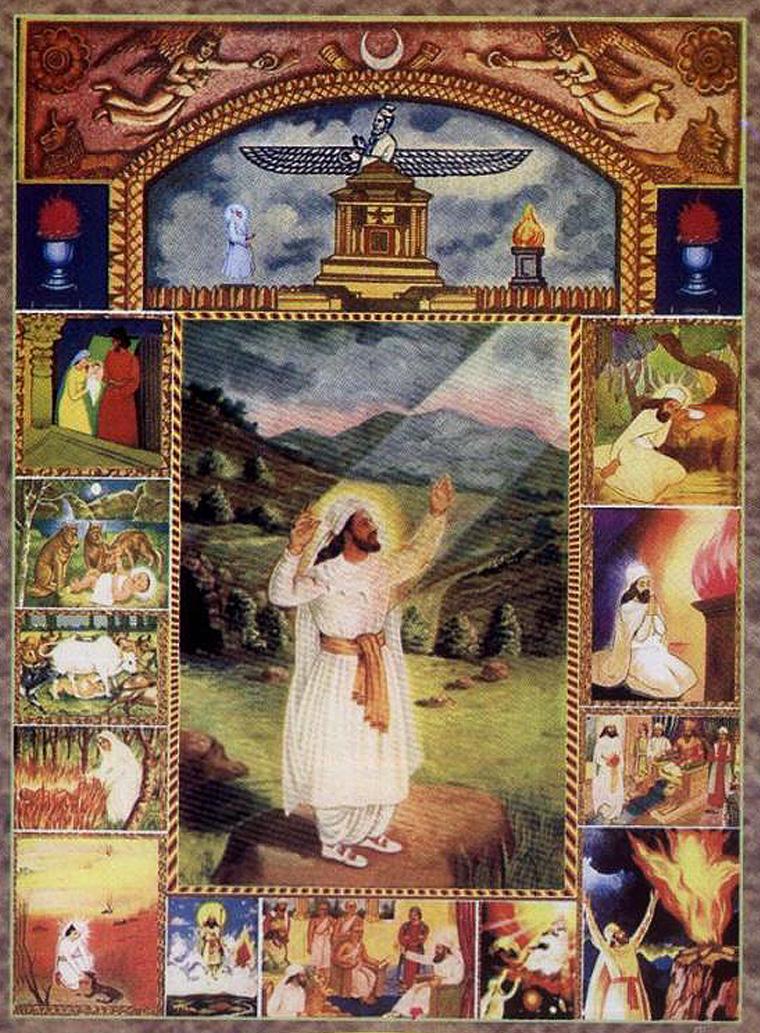
Zarathustra (Zoroaster), priest and prophet, receives the revelation of Ahura Mazda and composes the Gathas, the hymns at the core of the Avesta. His teaching sets the enduring frame of the faith: one wise lord, the choice between truth (asha) and the lie, fire as the symbol of truth, and the renovation of the world at the end of time.
Eastern Iran or Central Asia
c. 1000-600 BCE

Avesta composed

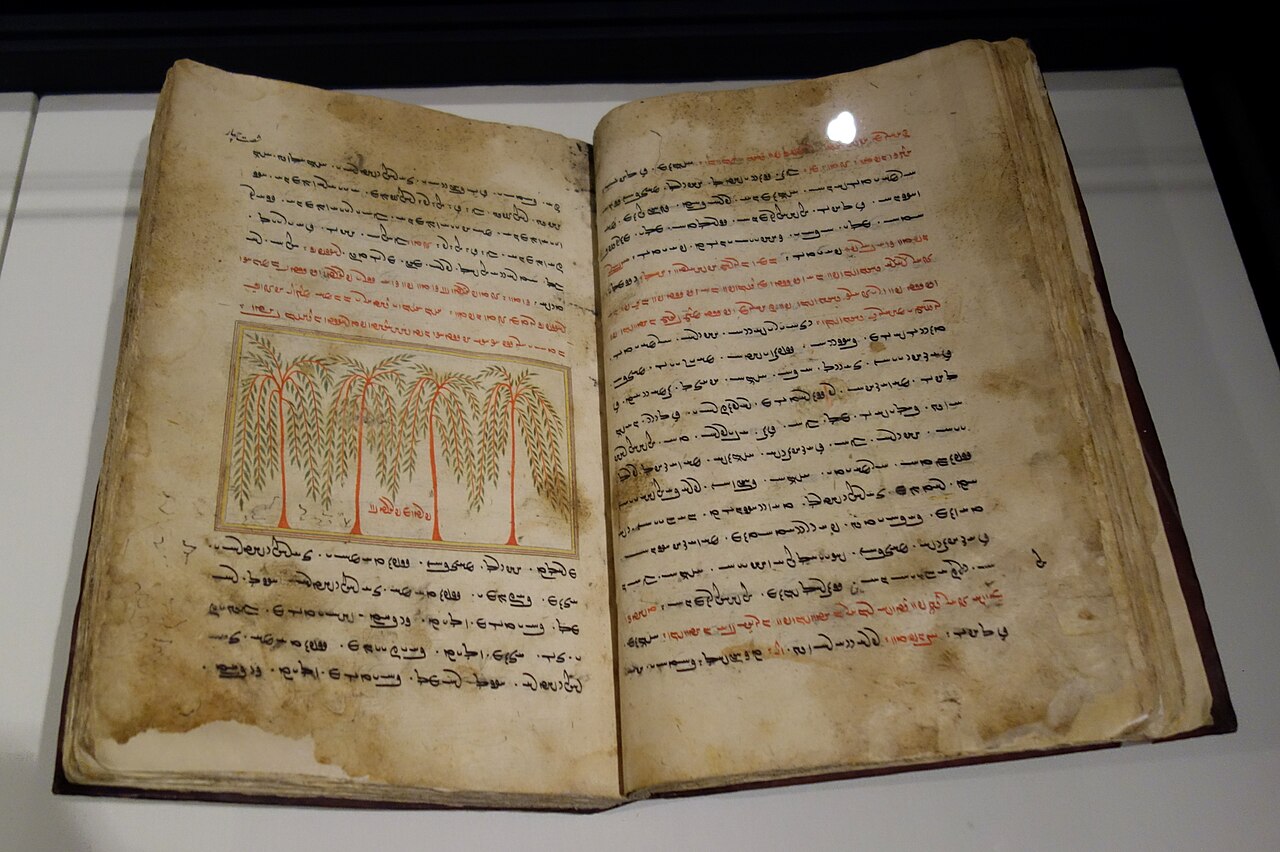
The Avesta, the scripture of the faith, takes shape over centuries: the Old Avestan Gathas and Yasna Haptanghaiti attributed to Zarathustra's circle, and the Younger Avestan hymns, laws, and liturgies composed after him and transmitted orally by priests until they were written down in the Sasanian age.

Iranian world

Achaemenid Age

559-530 BCE

Cyrus the Great

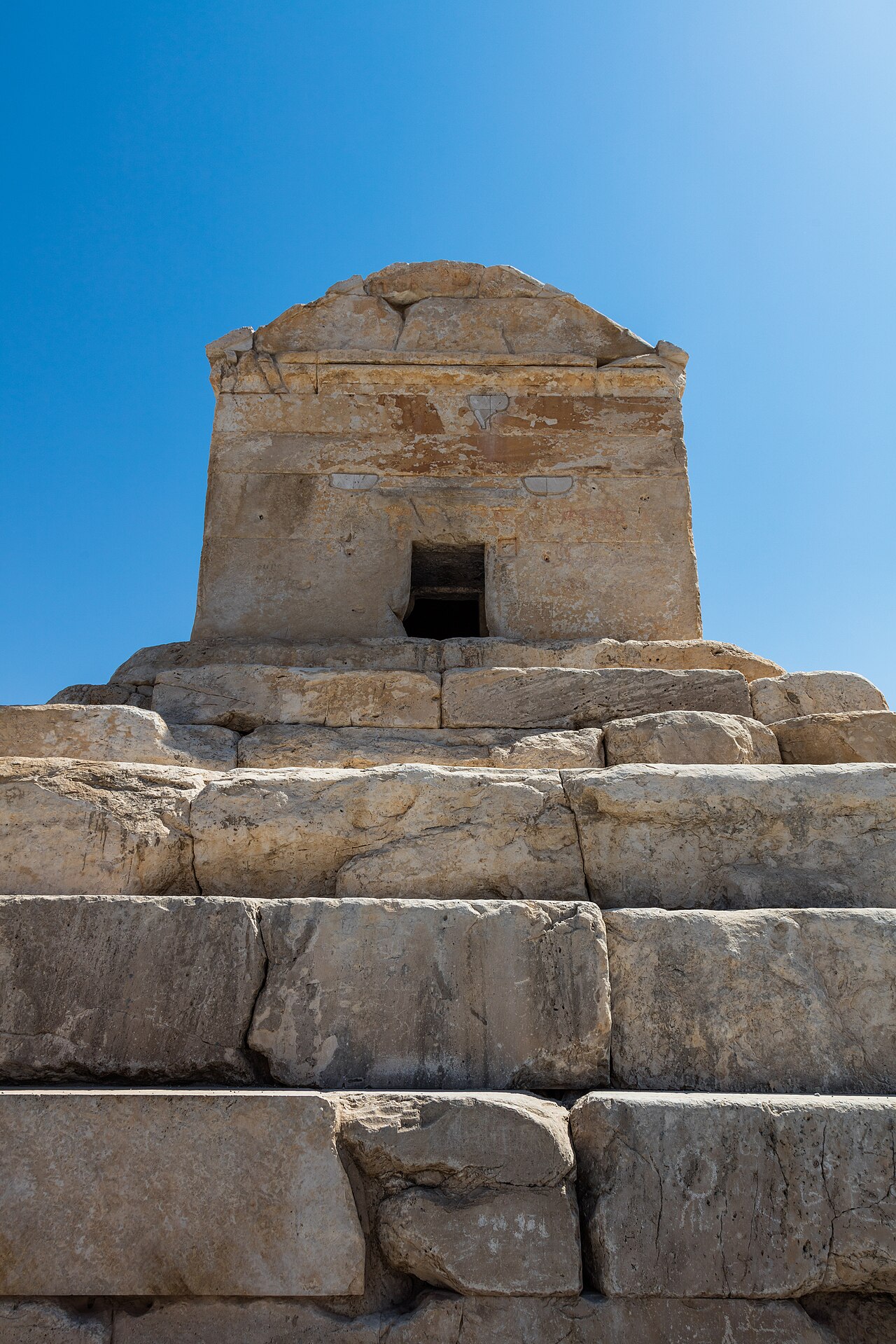
Cyrus founds the Achaemenian Empire. His inscriptions and the Hebrew Bible's portrait of him as the Lord's anointed (Isaiah 45) tie the first Persian empire to the faith's royal horizon, and the empire's rule carries Iranian religion from Central Asia to Egypt.

Pasargadae, Persia
522-486 BCE

Darius I

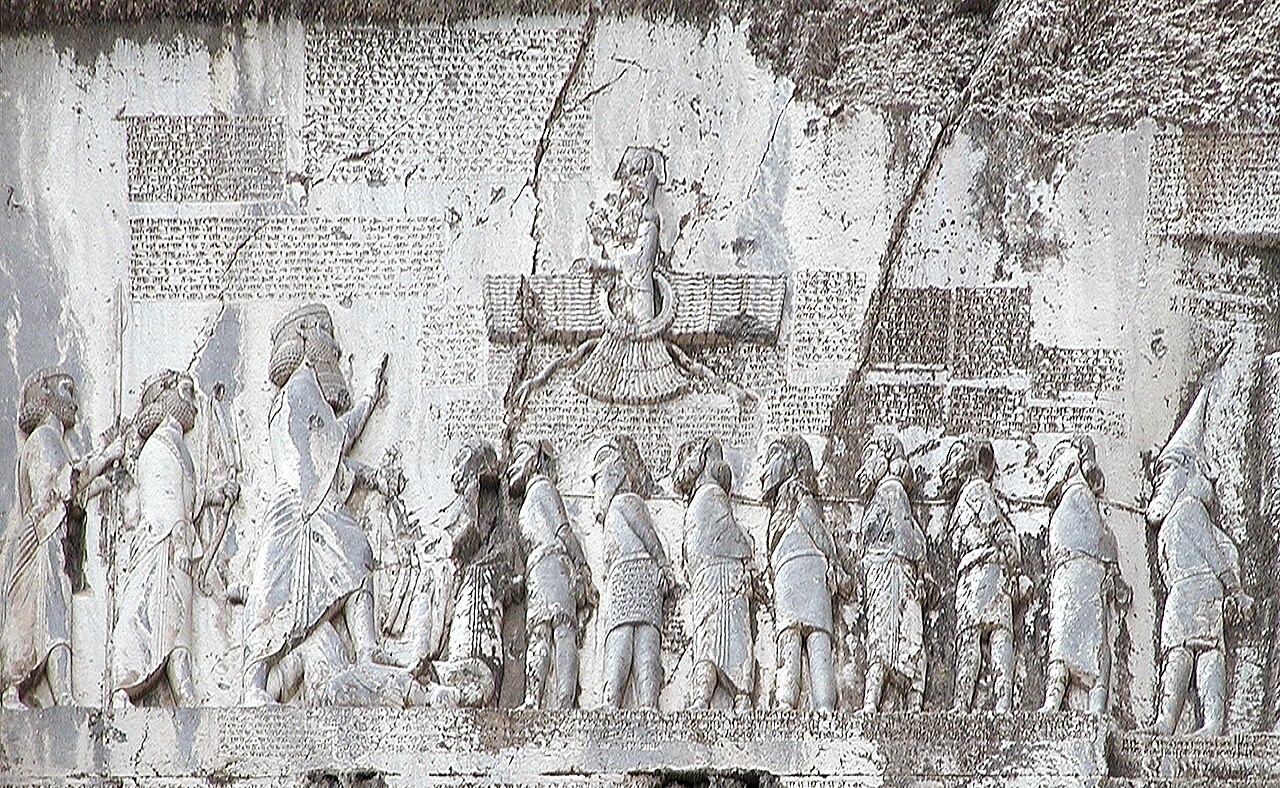
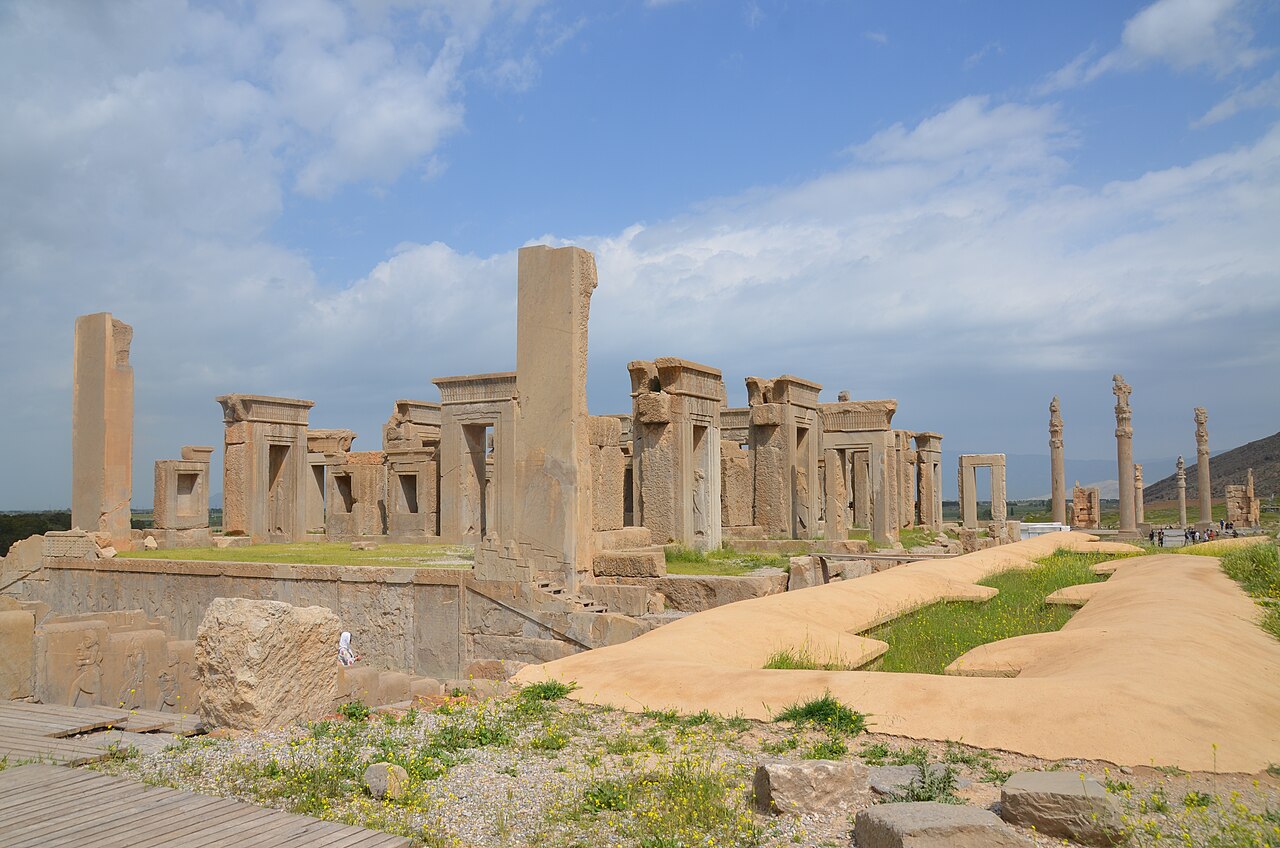
Darius I's great inscription at Behistun proclaims that he rules by the favor of Auramazda and sets truth against the lie in the prophet's own terms. Under Darius and his successors the empire is administered in Auramazda's name, and magi serve at court.

Persepolis and Behistun

Parthian Age

c. 247 BCE-224 CE

Parthian Empire

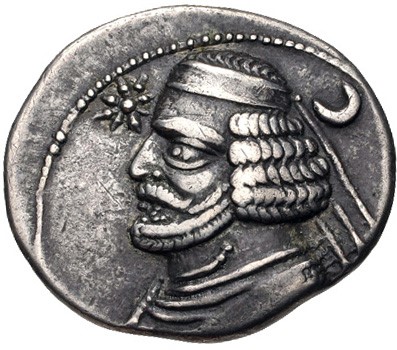
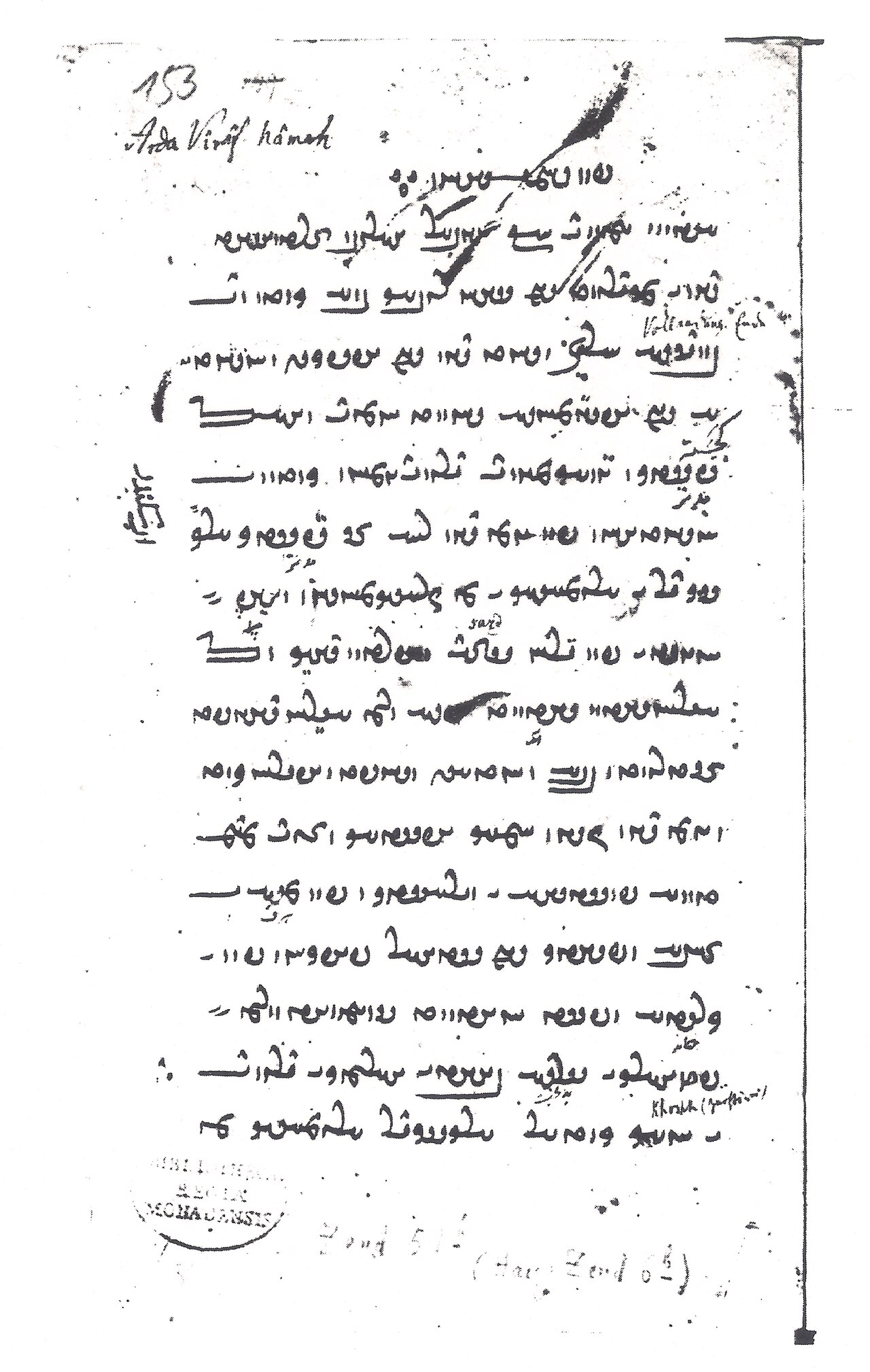
Under the Arsacid (Parthian) kings, Iranian religion lives without a single orthodox center: fire temples and priestly schools preserve the oral Avesta, Zurvanite speculation grows, and tradition credits the Arsacid king Vologases with ordering the collection of the scattered Avestan texts.

Parthia and Mesopotamia

Sasanian Age

224-651

Sasanian Empire

The Sasanian kings make Zoroastrianism the religion of state: a ranked priesthood, fire temples in every district, and an orthodoxy defined in the Pahlavi books. The empire's four centuries are the faith's classical age, and its fall in 651 opens the long minority centuries.

Ctesiphon, Persia
c. 226-241

Ardashir I

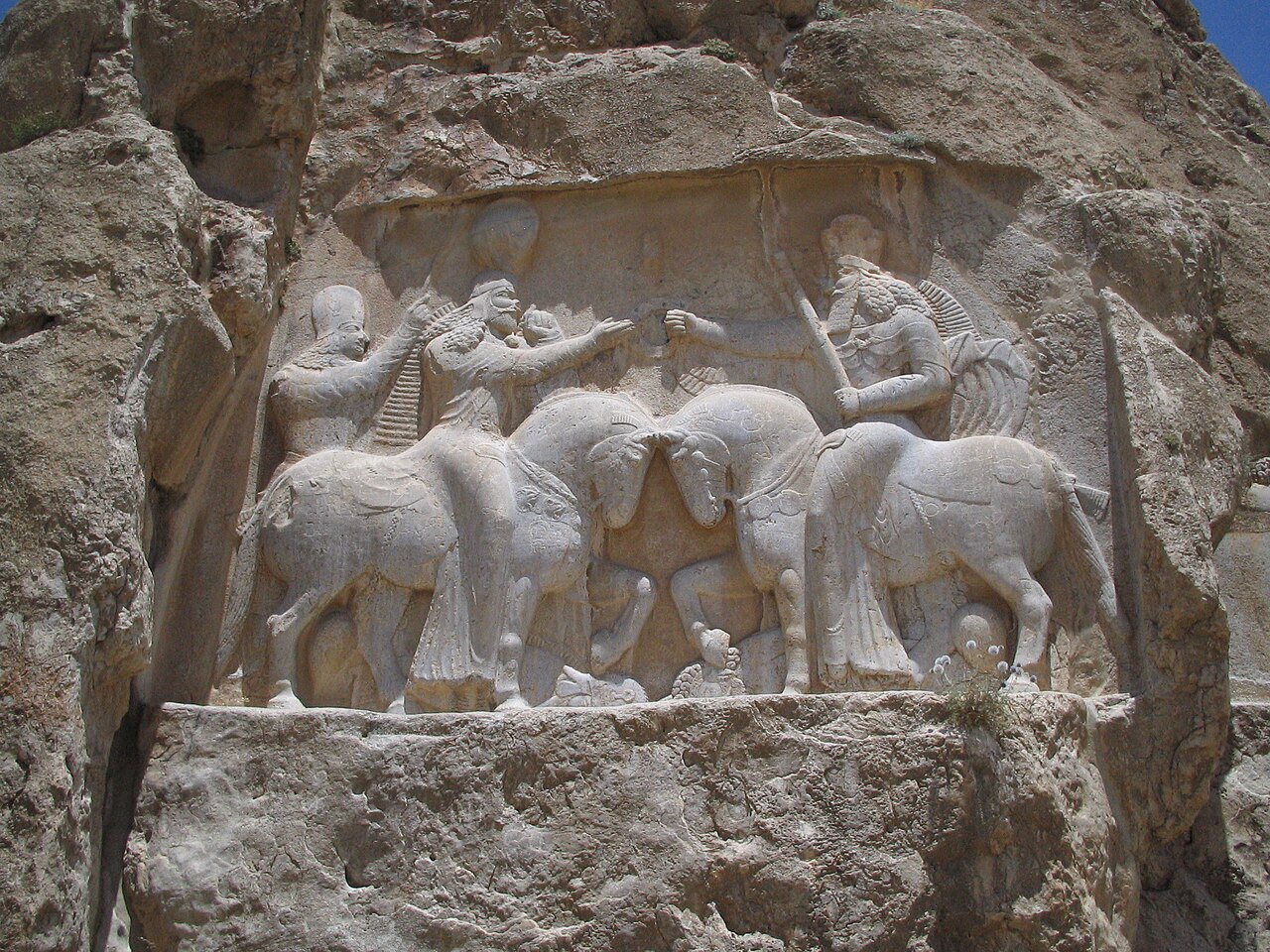
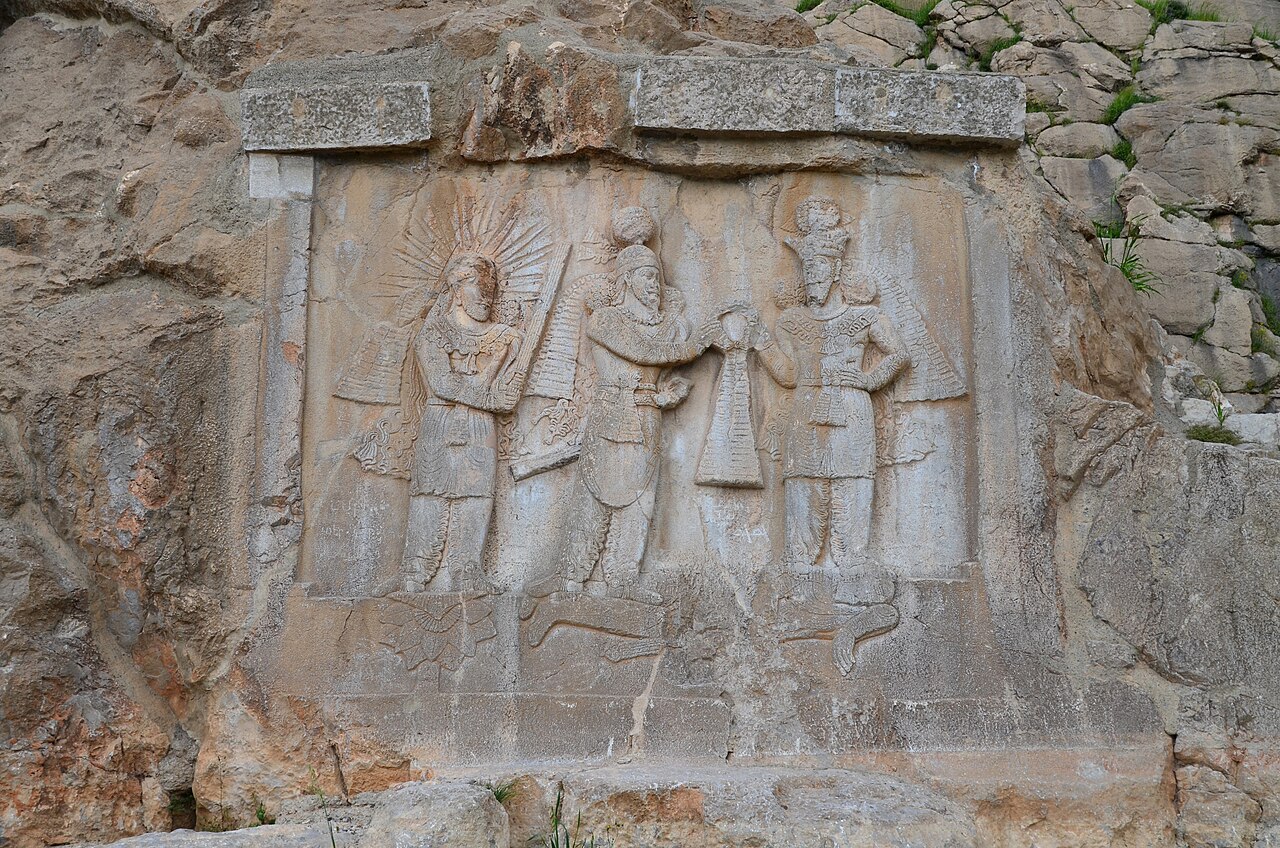
Ardashir I, founder of the Sasanian house, rises from Persis with the priest Tansar at his side and binds throne and altar together: the new empire is founded, in the tradition's phrase, on religion and kingship as brothers. The great fires, including Adur Farnbag, are enthroned under his house.

Persis
c. 309-379

Shapur II; Avesta codification

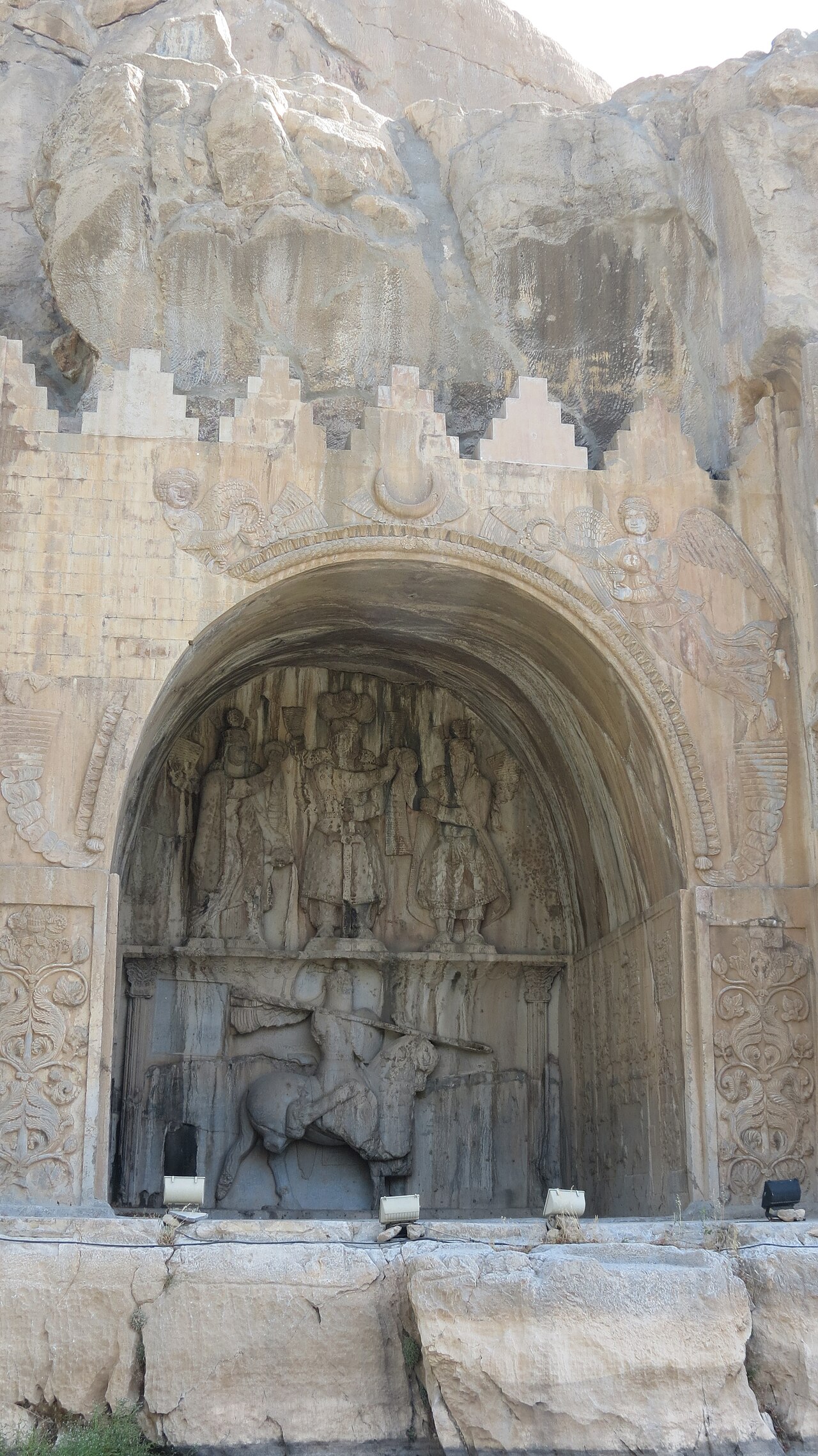
Under Shapur II the high priest Adurbad i Mahraspandan is credited with fixing the Avesta's canon, undergoing the ordeal of molten metal to defend the text. The written Avesta, in its specially invented script, dates to this Sasanian codification tradition.

Ctesiphon, Persia
6th century

Denkard; Bundahishn

The great Pahlavi compendia take shape: the Denkard, the acts of the religion, a vast apology and summary of the faith, and the Bundahishn, the primal creation, setting out the cosmology of Ohrmazd and Ahriman. Compiled in the ninth and tenth centuries from Sasanian materials, they preserve the classical system in Middle Persian.

Persia

Early Islamic Centuries

651

Arab conquest of Persia

The Arab Muslim armies defeat the Sasanians, and Yazdegerd III, the last king, is killed in 651. Persia passes under Muslim rule; over the following centuries most Iranians convert to Islam, and the Zoroastrians who hold their faith become a minority in their own land. The date here follows the table; the Denkard and Bundahishn were compiled after this conquest from older materials.

Persia

Modern and Diaspora

1979

Iranian Revolution

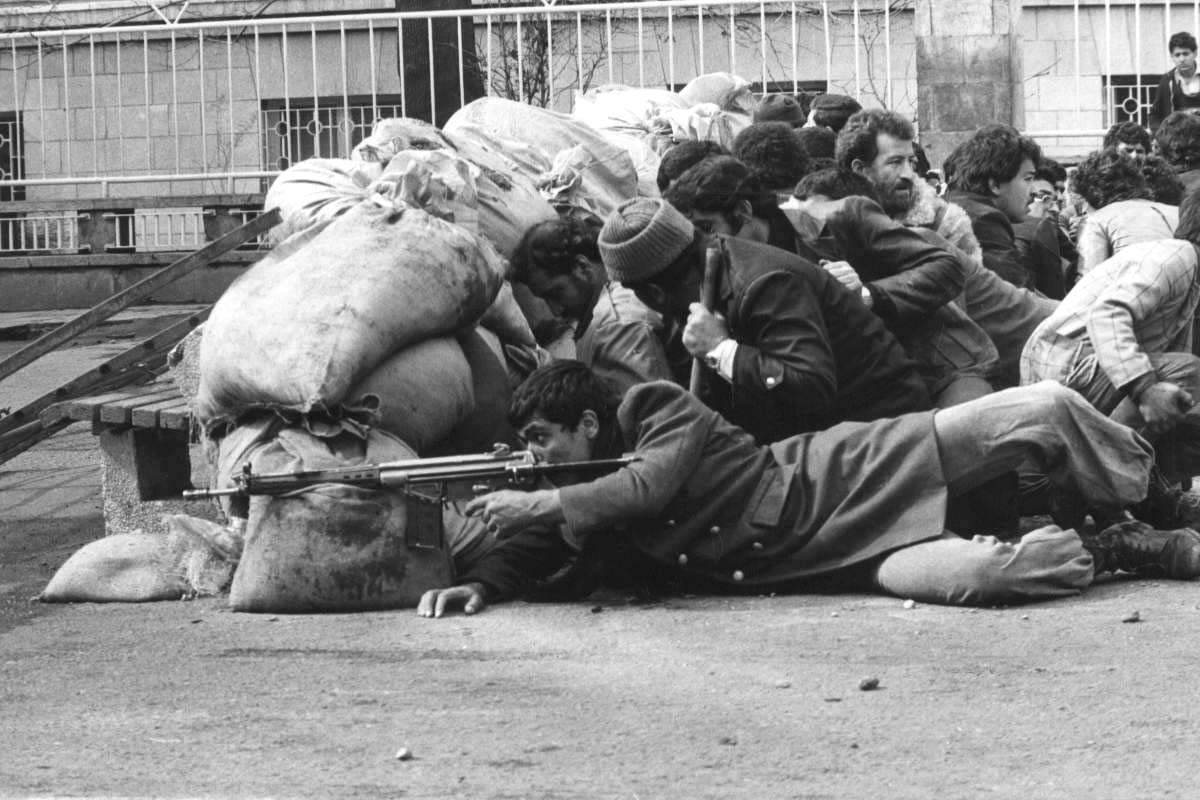
The Islamic Republic proclaimed in 1979 recognizes the Zoroastrians of Iran as a protected religious minority with a reserved seat in the Majlis, under a constitution that also subordinates them in law. Many Iranian Zoroastrians emigrate in the revolution's aftermath, swelling the diaspora.

Tehran
2000s

Demographic decline

Worldwide the community counts perhaps 110,000 to 120,000 souls and shrinks in its historic homelands: India's Parsi census fell from 114,890 in 1941 to 57,264 in 2011, and Iran's community ages under emigration. The decline drives the modern debates over conversion, the children of mixed marriages, and the counts themselves.

Worldwide