Zoroastrianism

The Parsi stream of the Zoroastrianism timeline.

Streams: All of Zoroastrianism Iranian Zoroastrian Parsi Zoroastrian Diaspora

Early Islamic Centuries

c. 785

Parsi migration to Gujarat

Zoroastrian refugees from Iran reach Gujarat on India's west coast, where the local ruler, in the later account of the Qissa-i Sanjan, grants them settlement at Sanjan on conditions of peace. Their descendants are the Parsis, and India becomes the faith's second homeland.
Sanjan, Gujarat

Parsi India

1578

Akbar's toleration edict

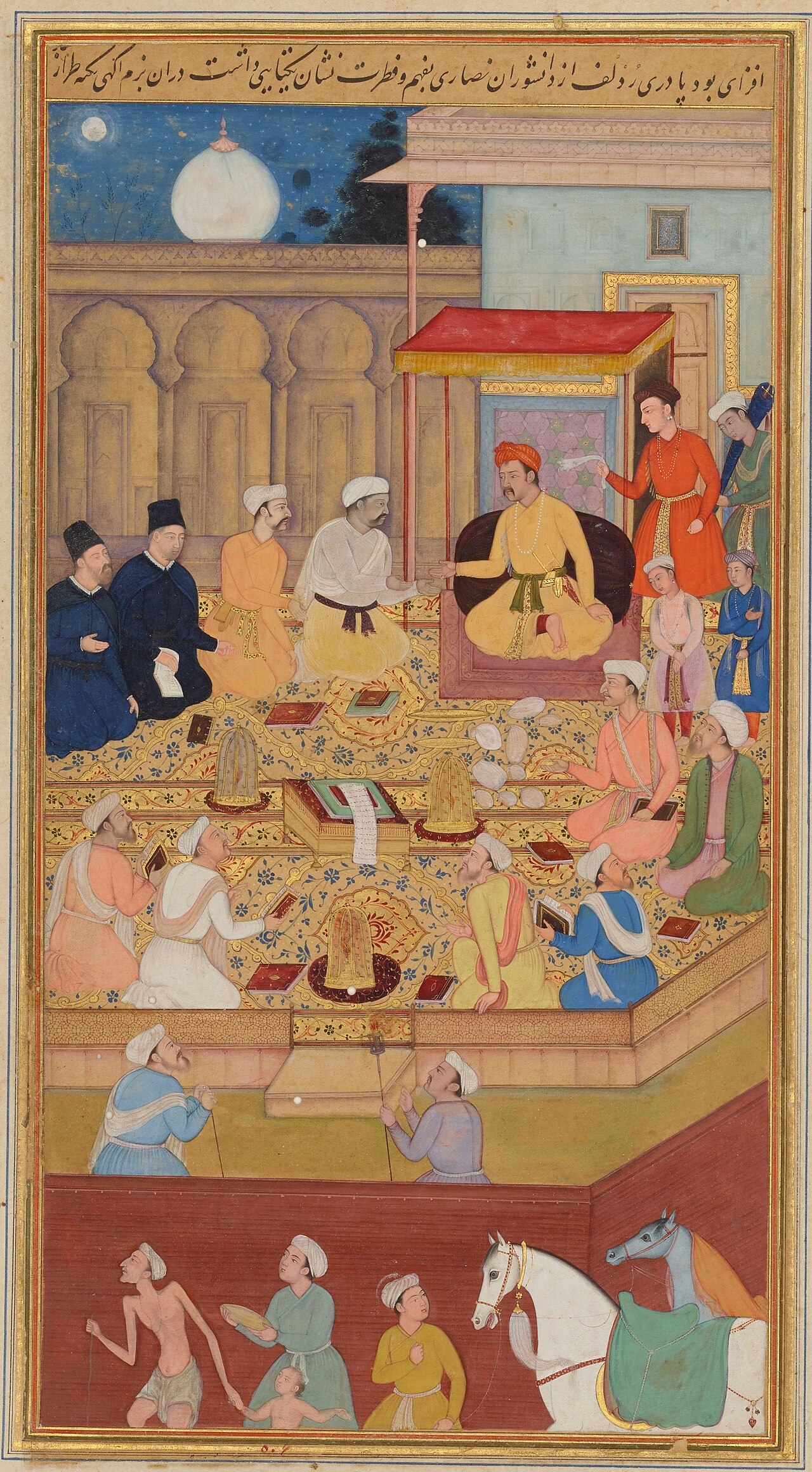
The Mughal emperor Akbar receives the Parsi priest Meherji Rana at court (from 1578) and, in the climate of his policy of universal peace, Parsi practice is honored at the imperial court; tradition holds that a sacred fire was kept burning there. The encounter secures Parsi standing in Mughal India.

Fatehpur Sikri
1670s-1680s

Parsi-British encounters

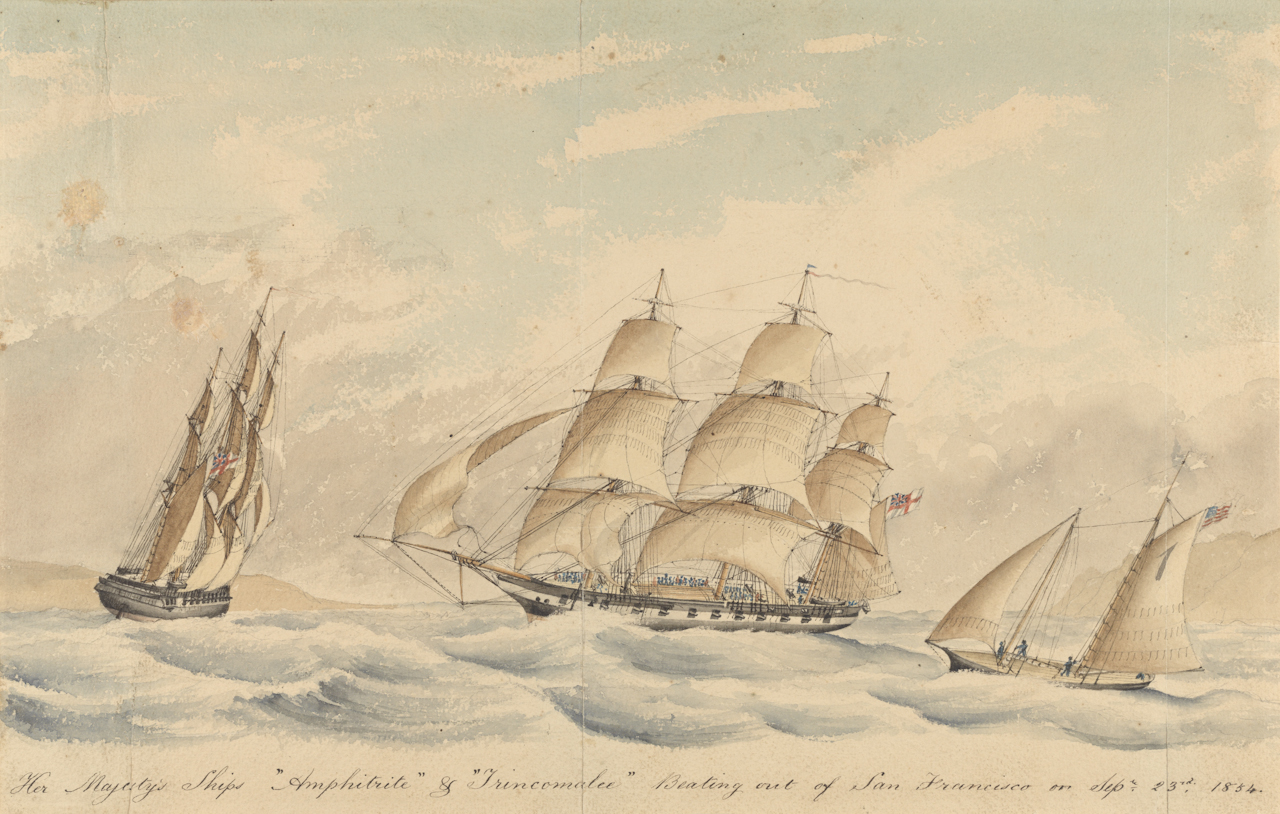
From the 1670s and 1680s the English East India Company draws Parsi shipbuilders, brokers, and merchants into Bombay's rise; Parsi families such as the Wadias become the company's master builders, and the community's long partnership with British India begins.

Bombay
1740s

Kadmi-Shenshai calendar split

Contact with the Zoroastrians of Iran in the early eighteenth century reveals that the Indian and Iranian calendars differ by a month. The Parsis split over which reckoning to keep: the Kadmis adopt the Iranian alignment, while the Shenshais hold the traditional Indian calendar. The two calendars, and later the Fasli, divide Parsi religious dates to this day.

Bombay and Surat
19th century

Parsi prominence in colonial India

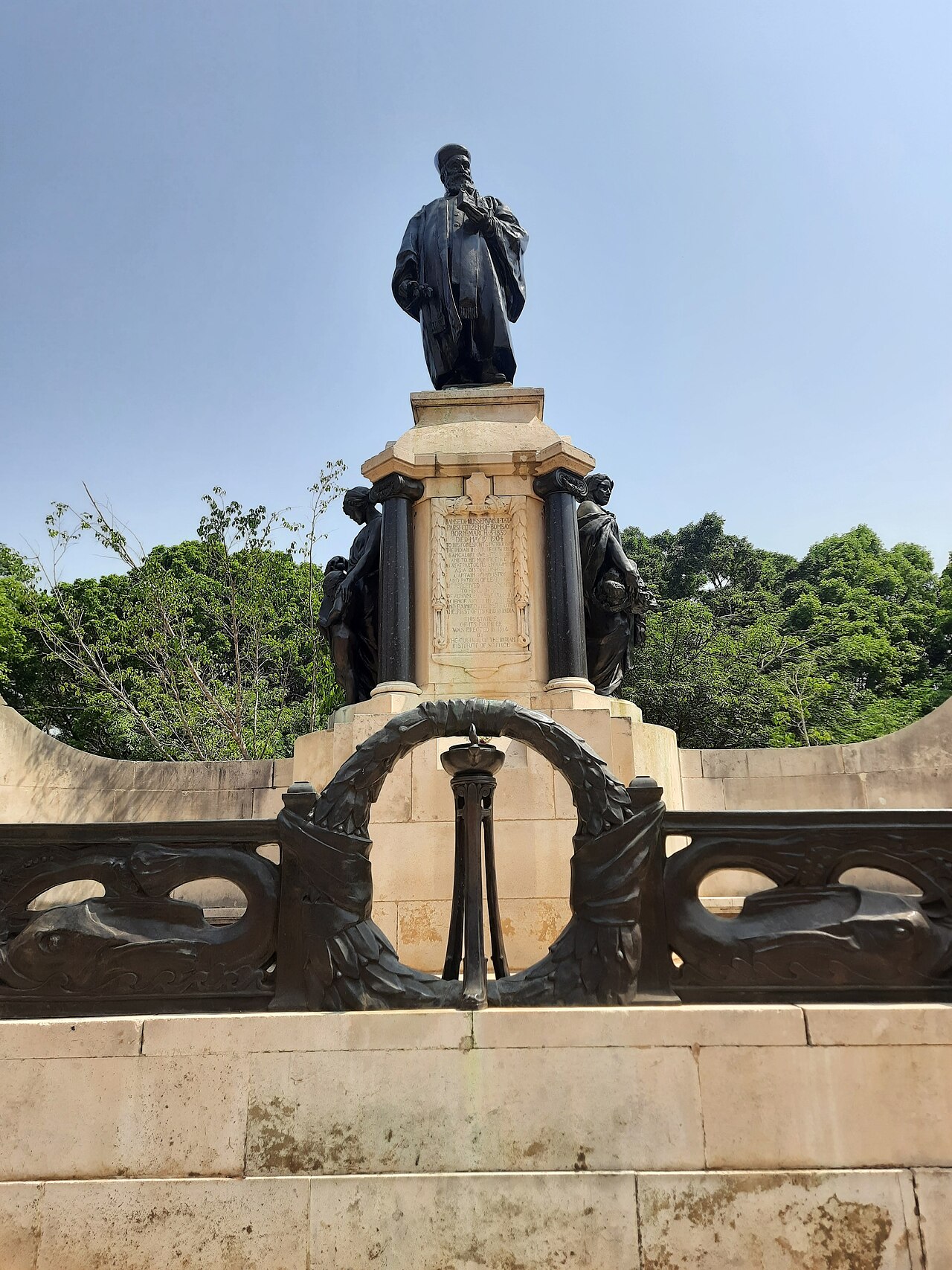
In the nineteenth century Parsis stand at the front of Indian commerce, industry, and public life: Jamsetji Tata founds the Tata enterprises, Dadabhai Naoroji carries Indian representation to the British Parliament, and Parsi philanthropy builds schools, hospitals, and the Bombay skyline.

Bombay

Modern and Diaspora

1906

Fasli calendar introduced

In 1906 the scholar Kharshedji Rustomji Cama and the Zarthosthi Fasli Sal Mandal promote the Fasli calendar in Bombay, realigning the year to the seasons and to the Iranian reckoning so that Navroz falls at the spring equinox. The three living variants, Shenshai, Kadmi, and Fasli, fix the New Year on different days, and the choice of calendar remains a marker of community identity.

Bombay
2000s

Demographic decline

Worldwide the community counts perhaps 110,000 to 120,000 souls and shrinks in its historic homelands: India's Parsi census fell from 114,890 in 1941 to 57,264 in 2011, and Iran's community ages under emigration. The decline drives the modern debates over conversion, the children of mixed marriages, and the counts themselves.

Worldwide