

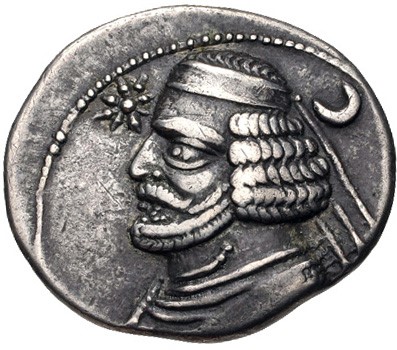
Under the Arsacid (Parthian) kings, Iranian religion lives without a single orthodox center: fire temples and priestly schools preserve the oral Avesta, Zurvanite speculation grows, and tradition credits the Arsacid king Vologases with ordering the collection of the scattered Avestan texts.
Tagged: Iranian Zoroastrian Zoroastrianism
The Event
- Date
- c. 247 BCE-224 CE (exact)
- Also called
- Arsacid Empire
- Era
- Parthian Age; Standard periodization of Zoroastrian history
- Location
- Parthia and Mesopotamia; today Iran and Iraq
- Traditions
- Zoroastrianism
- Streams
- Iranian Zoroastrian
Primary Sources
- Strabo, Geography.
Secondary Sources
- Boyce, Mary. Zoroastrians: Their Religious Beliefs and Practices. London: Routledge, 1979.
- Choksy, Jamsheed K. Conflict and Cooperation: Zoroastrian Subalterns and Muslim Elites in Medieval Iranian Society. New York: Columbia University Press, 1997.
- Encyclopaedia Iranica, entries on the Avesta, the Sasanians, and the Parsi calendar disputes.
- Hinnells, John R. The Zoroastrian Diaspora: Religion and Migration. Oxford: Oxford University Press, 2005.
- Rose, Jenny. Zoroastrianism: An Introduction. London: I.B. Tauris, 2011.
Provenance: HIST-1005; confidence 0.95; accessed 2026-10-28.
Related on This Site
 History Event
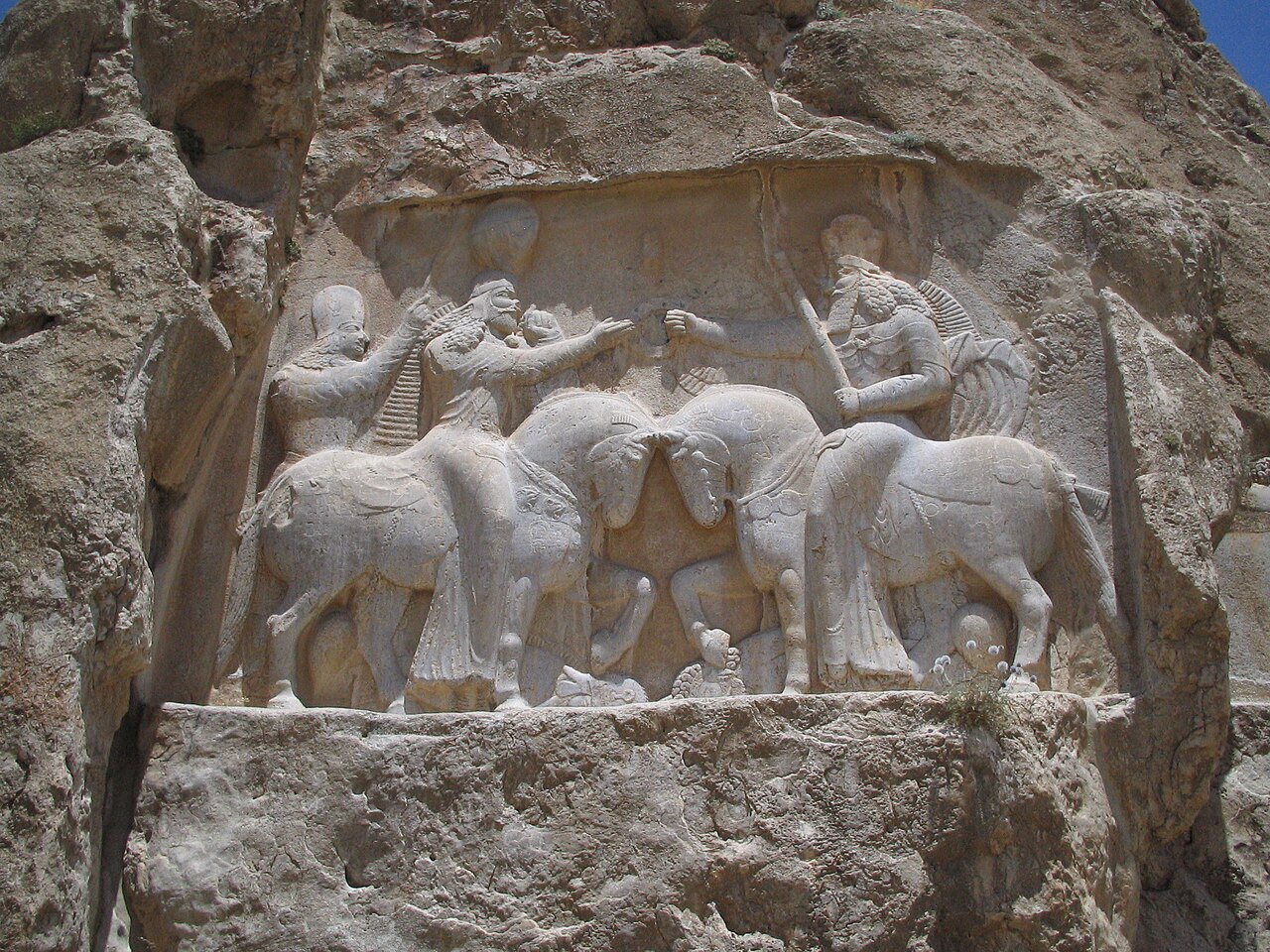
Ardashir I
c. 226-241
 History Event
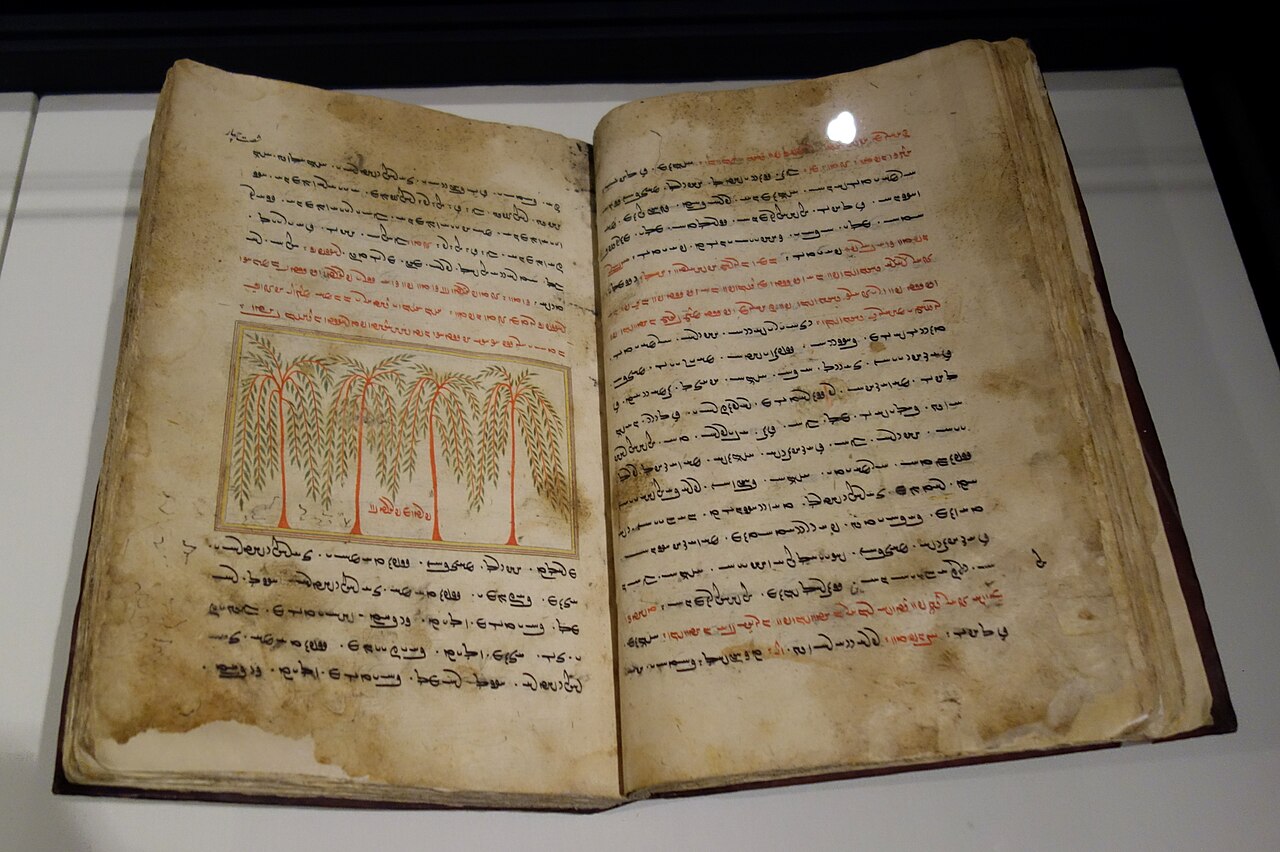
Avesta composed
c. 1000-600 BCE
 History Event
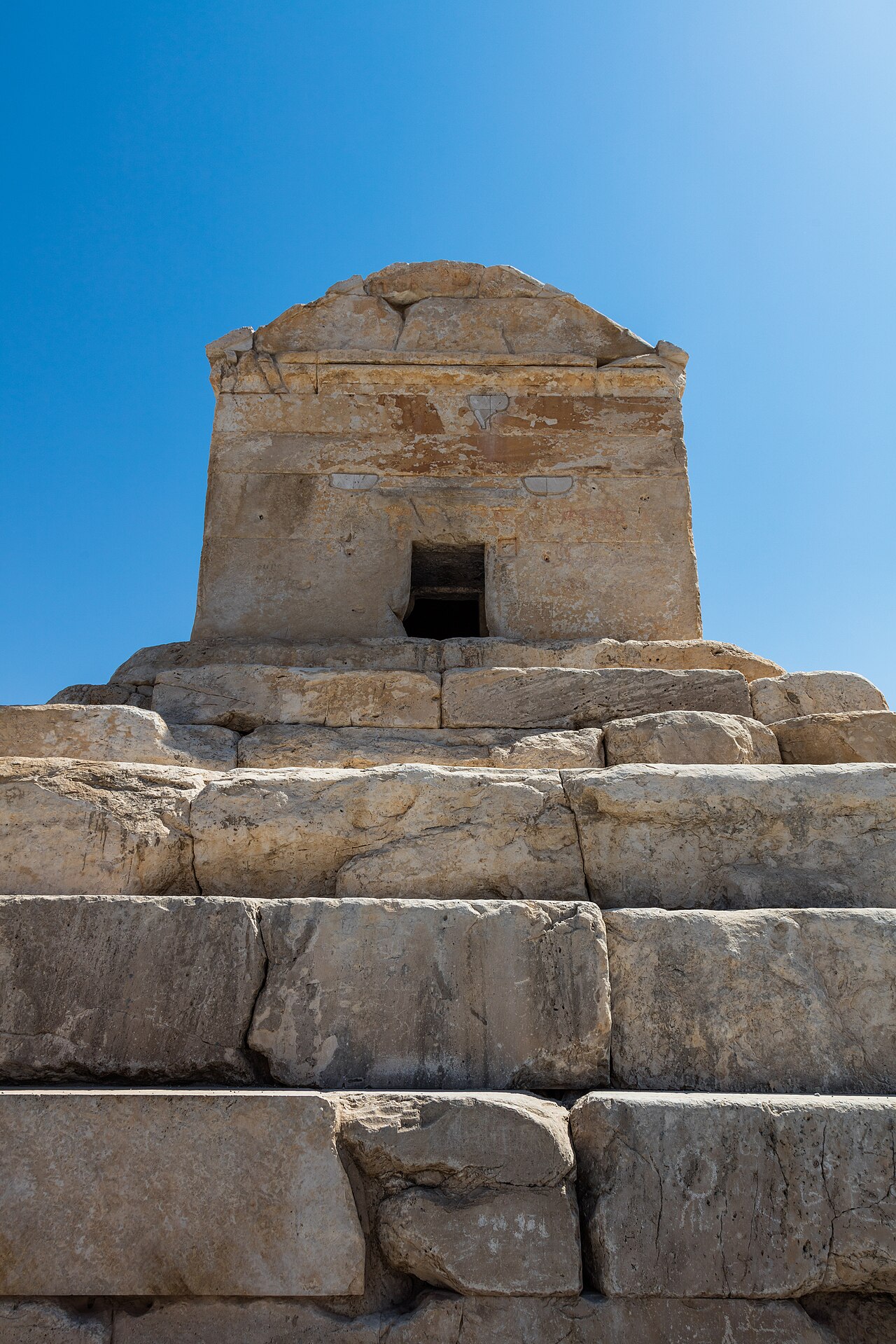
Cyrus the Great
559-530 BCE
 History Event
Darius I
522-486 BCE
 History Event
Demographic decline
2000s
 History Event
Iranian Revolution
1979
 History Event
Sasanian Empire
224-651
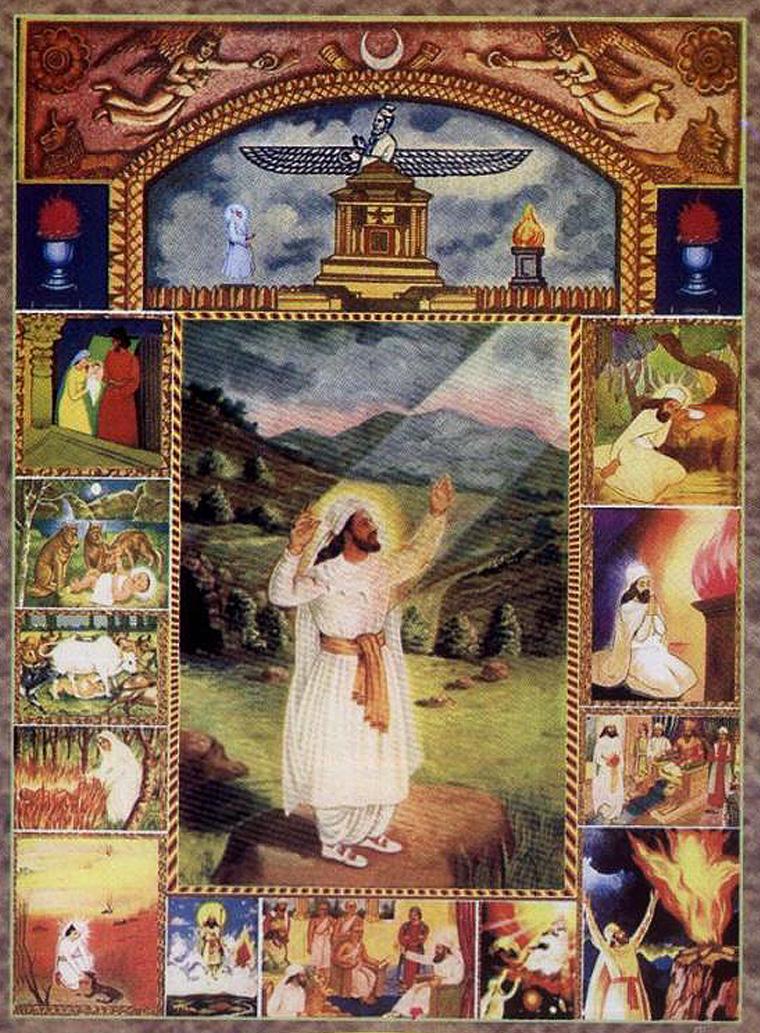 History Event
Zarathustra
c. 1500-1000 BCE