

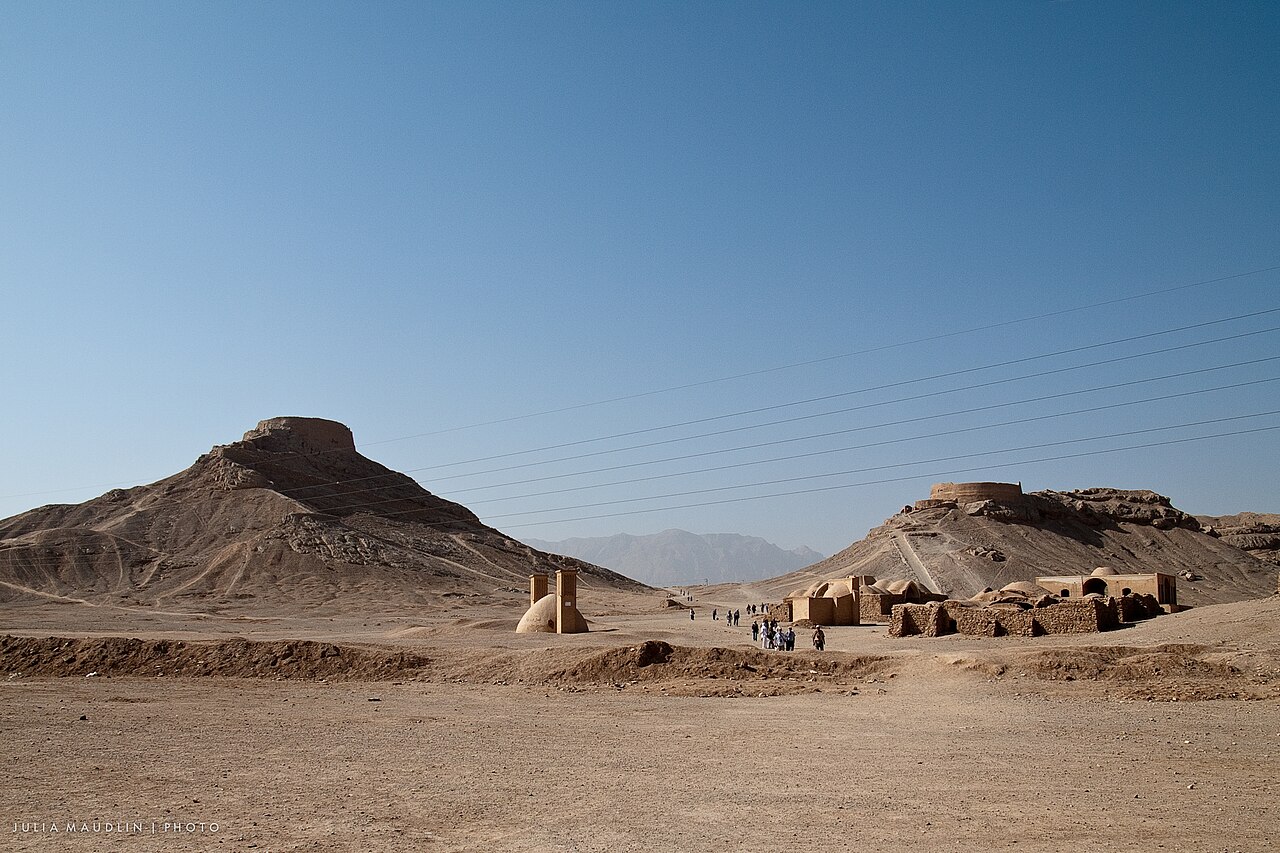
Worldwide the community counts perhaps 110,000 to 120,000 souls and shrinks in its historic homelands: India's Parsi census fell from 114,890 in 1941 to 57,264 in 2011, and Iran's community ages under emigration. The decline drives the modern debates over conversion, the children of mixed marriages, and the counts themselves.
Tagged: Iranian Zoroastrian Parsi Zoroastrian Diaspora Zoroastrianism
The Event
- Date
- 2000s (approximate)
- Era
- Modern and Diaspora; Standard periodization of Zoroastrian history
- Location
- Worldwide; today Worldwide
- Traditions
- Zoroastrianism
- Streams
- Iranian Zoroastrian, Parsi, Zoroastrian Diaspora
How the Tradition Tells It
The counts are contested: Iranian figures vary between official censuses and community estimates, and diaspora counts turn on who is counted, which is itself the community's live dispute over conversion and mixed marriages.
Connections
Primary Sources
- The tradition's own record of the event.
Secondary Sources
- Boyce, Mary. Zoroastrians: Their Religious Beliefs and Practices. London: Routledge, 1979.
- Choksy, Jamsheed K. Conflict and Cooperation: Zoroastrian Subalterns and Muslim Elites in Medieval Iranian Society. New York: Columbia University Press, 1997.
- Encyclopaedia Iranica, entries on the Avesta, the Sasanians, and the Parsi calendar disputes.
- Hinnells, John R. The Zoroastrian Diaspora: Religion and Migration. Oxford: Oxford University Press, 2005.
- Rose, Jenny. Zoroastrianism: An Introduction. London: I.B. Tauris, 2011.
Provenance: HIST-1016; confidence 0.85; accessed 2026-10-28.
Related on This Site
 History Event
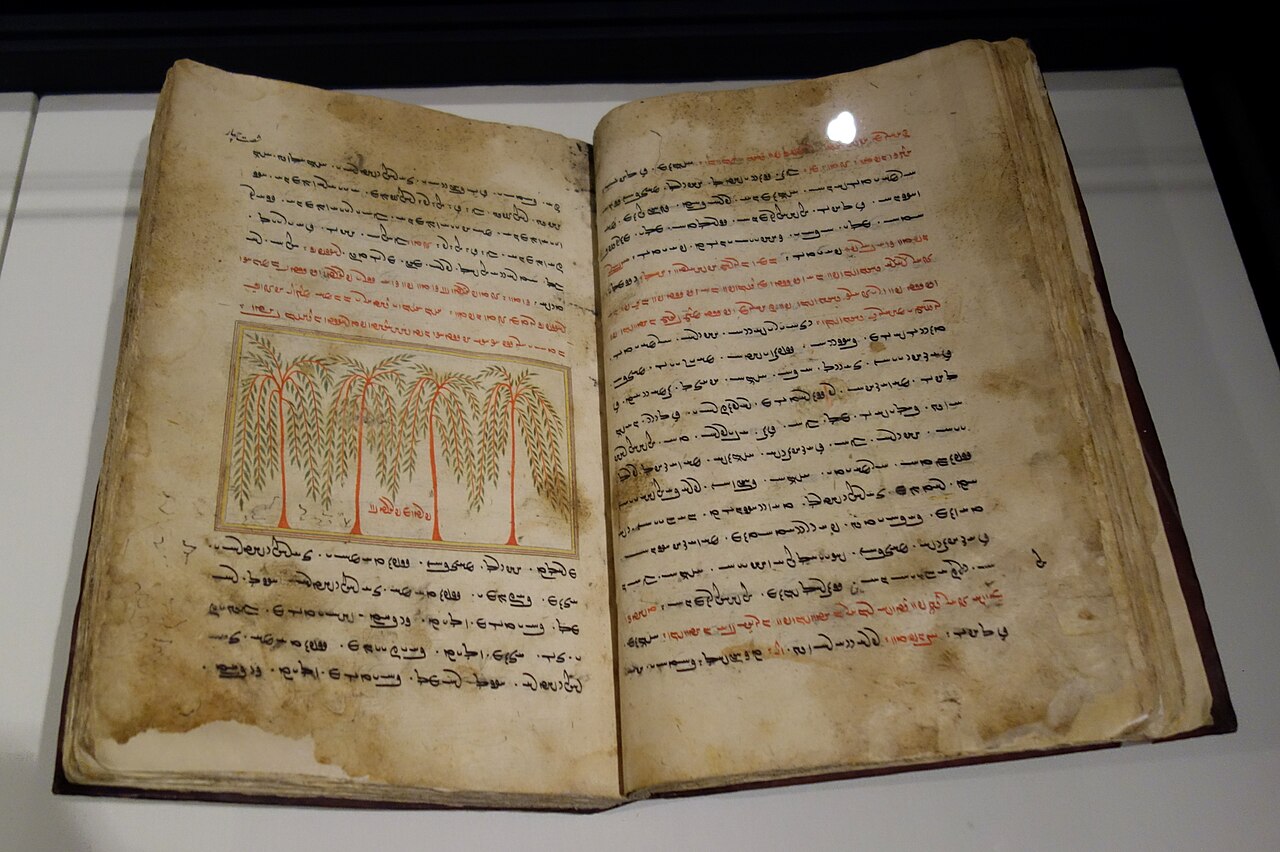
Avesta composed
c. 1000-600 BCE
 History Event
Fasli calendar introduced
1906
 History Event
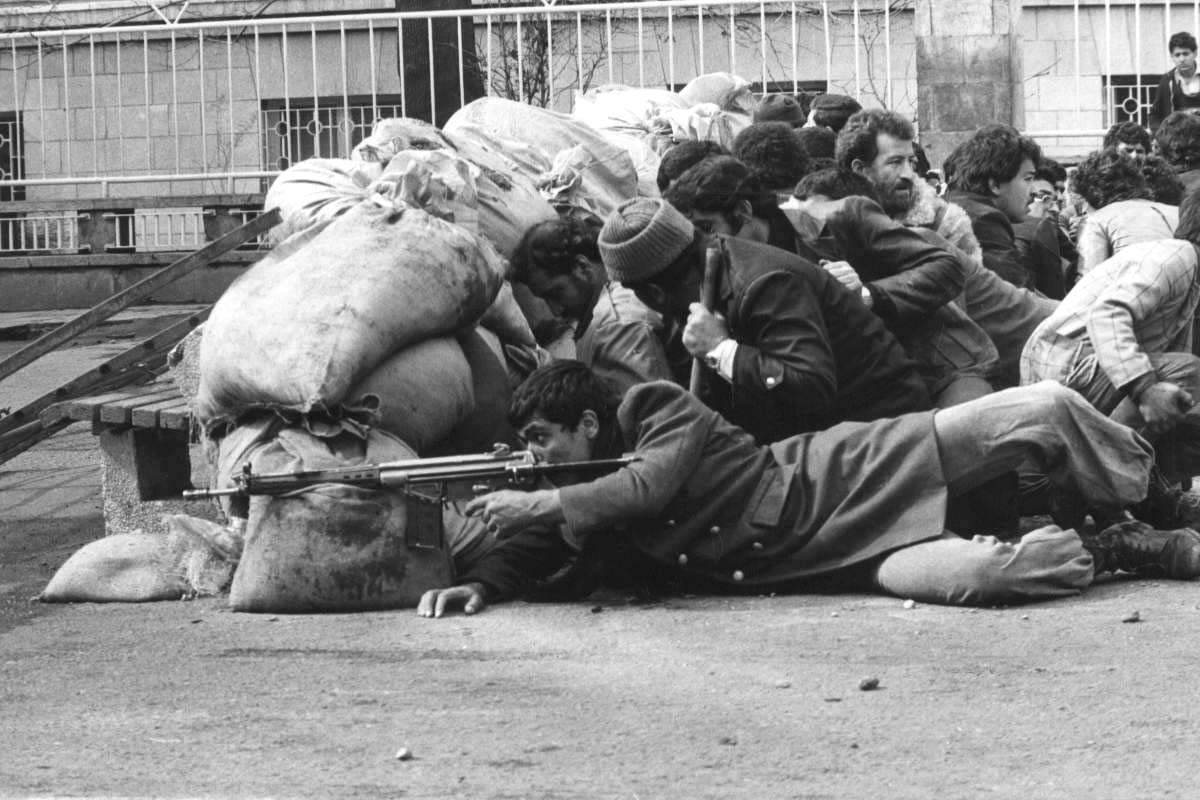
Iranian Revolution
1979
 History Event
Parsi prominence in colonial India
19th century
 History Event
The Guiv dar-e-mehers in North America
1983
 History Event
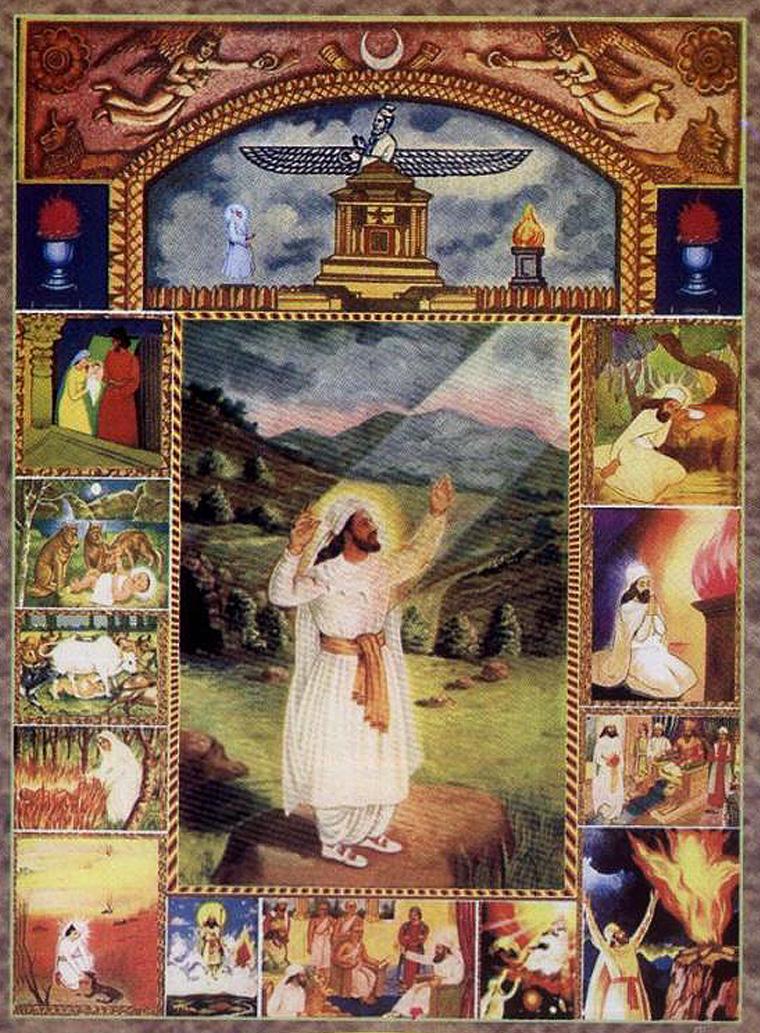
Zarathustra
c. 1500-1000 BCE
 History Event
Zoroastrian Trust Funds of Europe founded
1861
 History Event
Zoroastrians settle in North America
c. 1865