

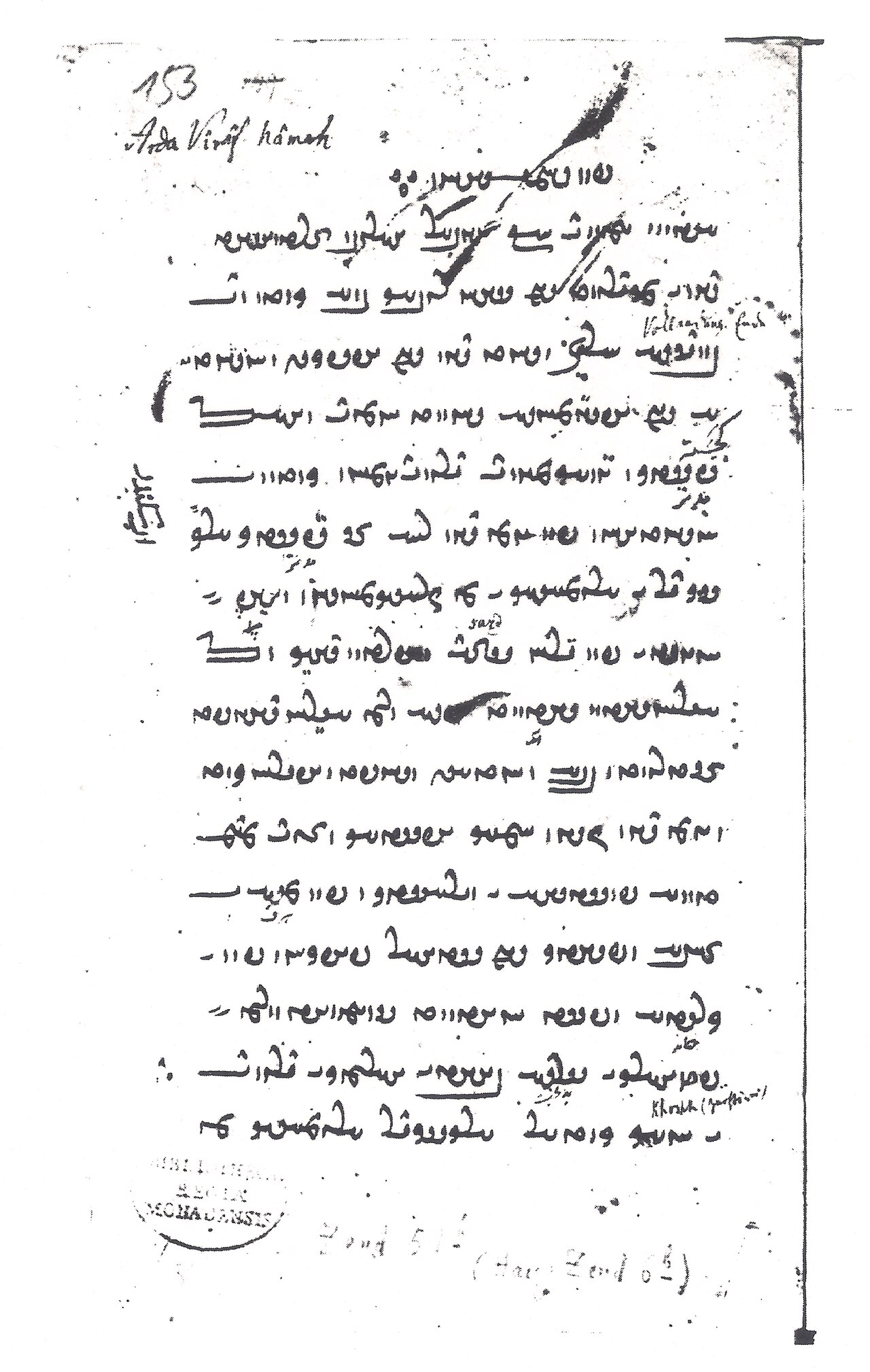
The great Pahlavi compendia take shape: the Denkard, the acts of the religion, a vast apology and summary of the faith, and the Bundahishn, the primal creation, setting out the cosmology of Ohrmazd and Ahriman. Compiled in the ninth and tenth centuries from Sasanian materials, they preserve the classical system in Middle Persian.
Tagged: Iranian Zoroastrian Zoroastrianism
The Event
- Date
- 6th century (approximate)
- Also called
- The Pahlavi books
- Era
- Sasanian Age; Standard periodization of Zoroastrian history
- Location
- Persia; today Iran
- Traditions
- Zoroastrianism
- Streams
- Iranian Zoroastrian
- Key texts
- Denkard, Bundahishn
How the Tradition Tells It
The table dates these compendia to the sixth century, the age of their Sasanian sources; the books as they stand were compiled in the ninth and tenth centuries, after the conquest, and both dates belong to the record.
Connections
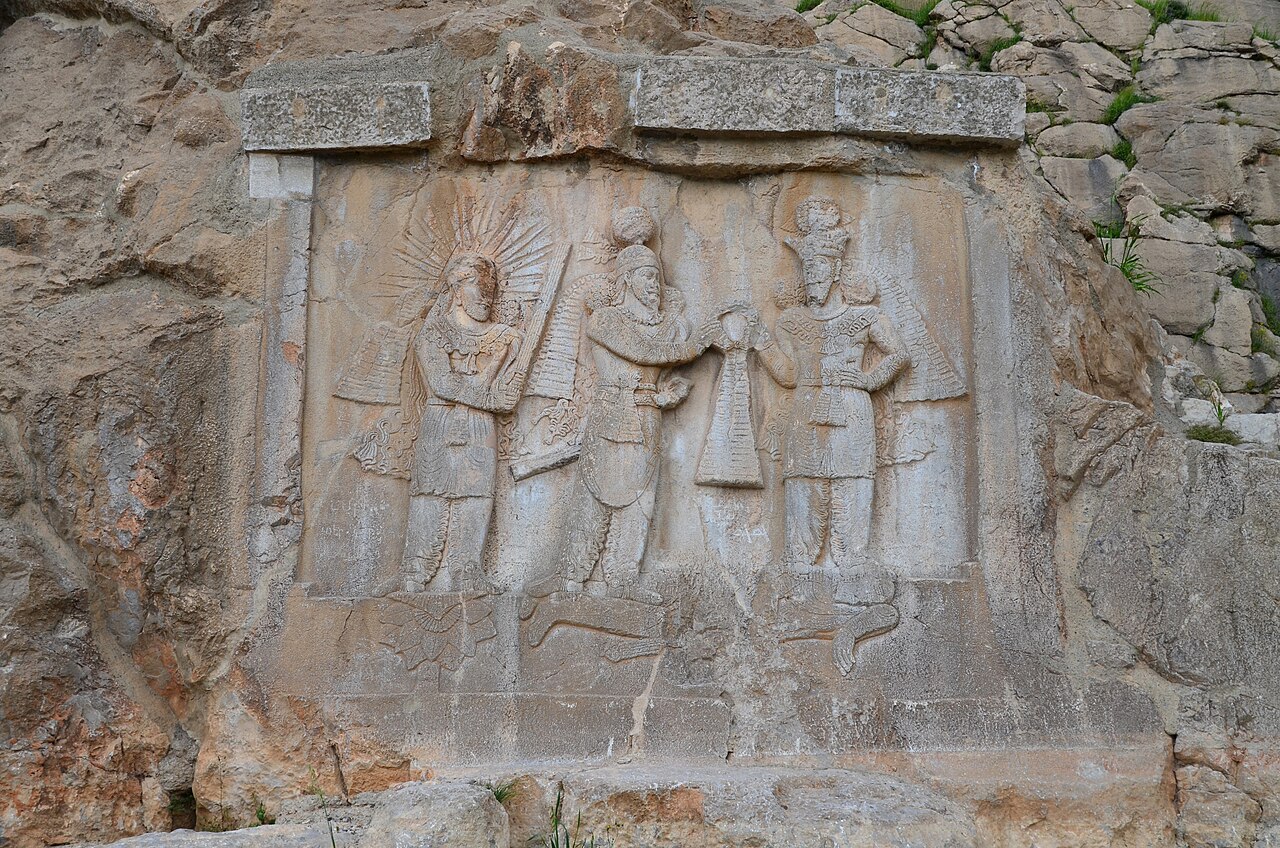
Primary Sources
- Denkard.
- Bundahishn.
Secondary Sources
- Boyce, Mary. Zoroastrians: Their Religious Beliefs and Practices. London: Routledge, 1979.
- Choksy, Jamsheed K. Conflict and Cooperation: Zoroastrian Subalterns and Muslim Elites in Medieval Iranian Society. New York: Columbia University Press, 1997.
- Encyclopaedia Iranica, entries on the Avesta, the Sasanians, and the Parsi calendar disputes.
- Hinnells, John R. The Zoroastrian Diaspora: Religion and Migration. Oxford: Oxford University Press, 2005.
- Rose, Jenny. Zoroastrianism: An Introduction. London: I.B. Tauris, 2011.
Provenance: HIST-1009; confidence 0.85; accessed 2026-10-28.
Related on This Site
 History Event
Avesta composed
c. 1000-600 BCE
 History Event
Cyrus the Great
559-530 BCE
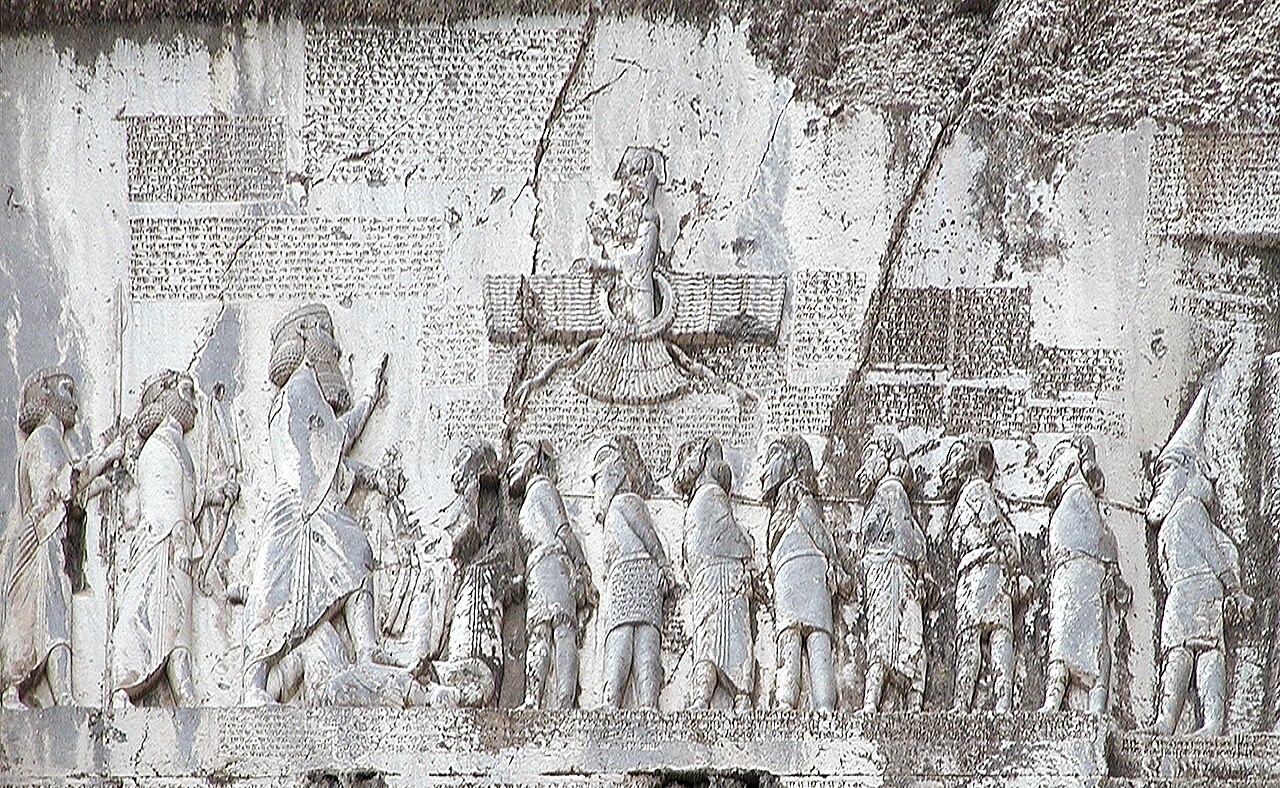 History Event
Darius I
522-486 BCE
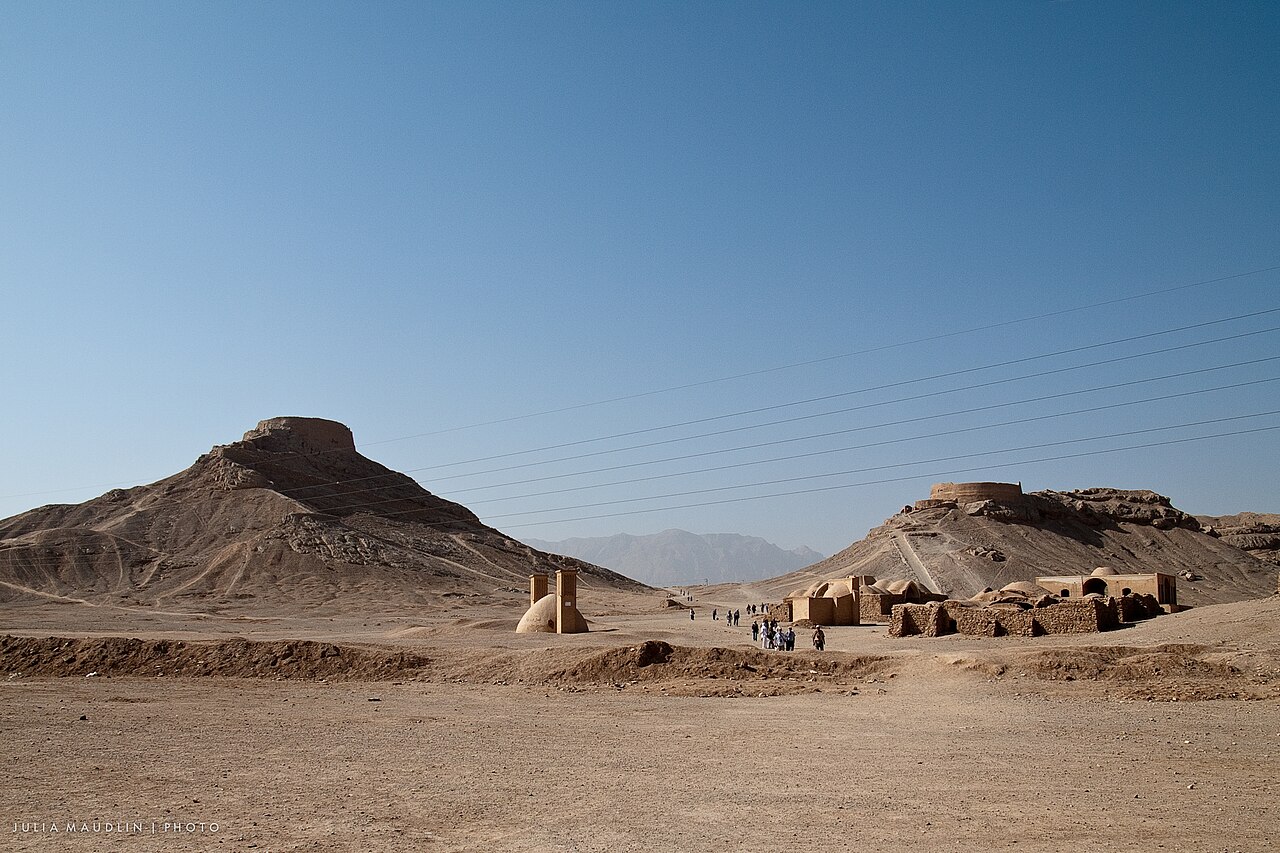 History Event
Demographic decline
2000s
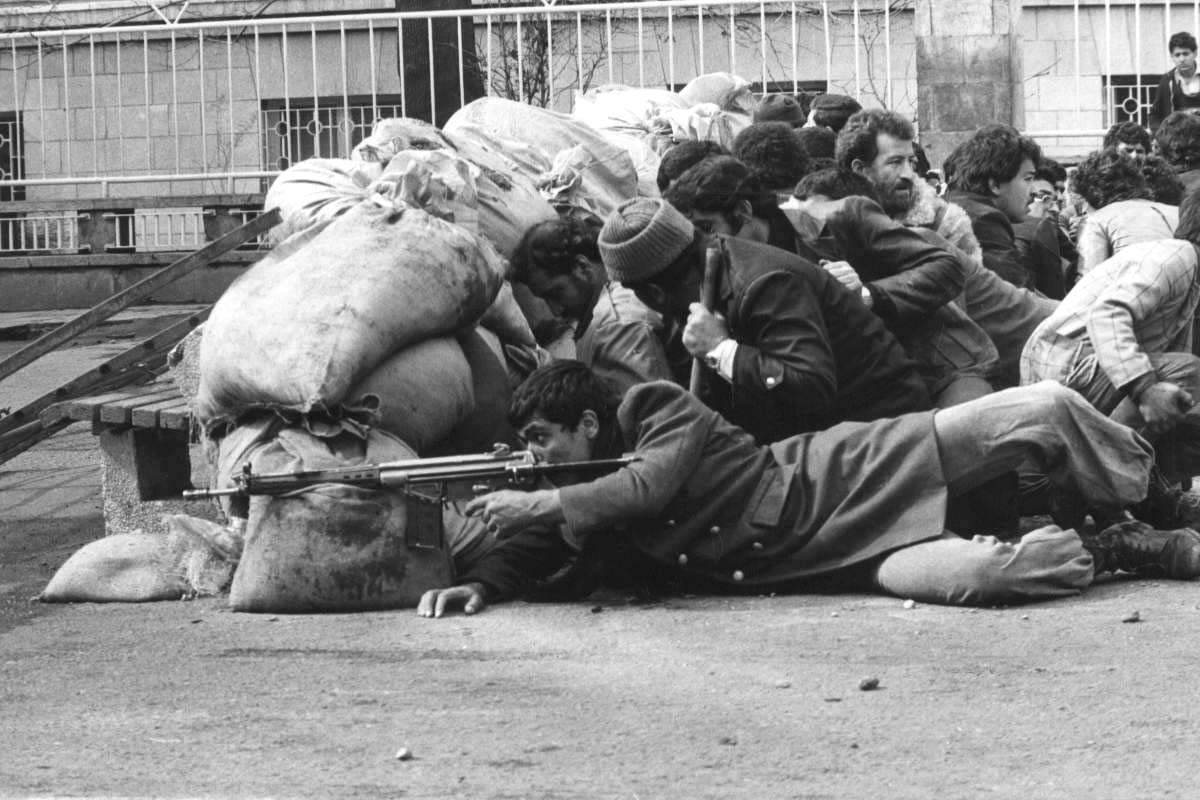 History Event
Iranian Revolution
1979
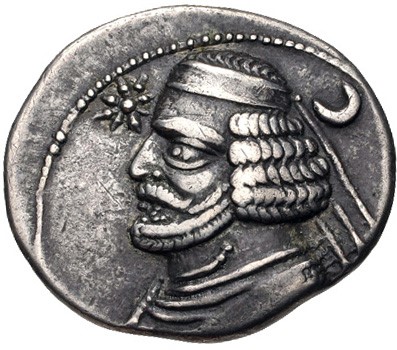 History Event
Parthian Empire
c. 247 BCE-224 CE
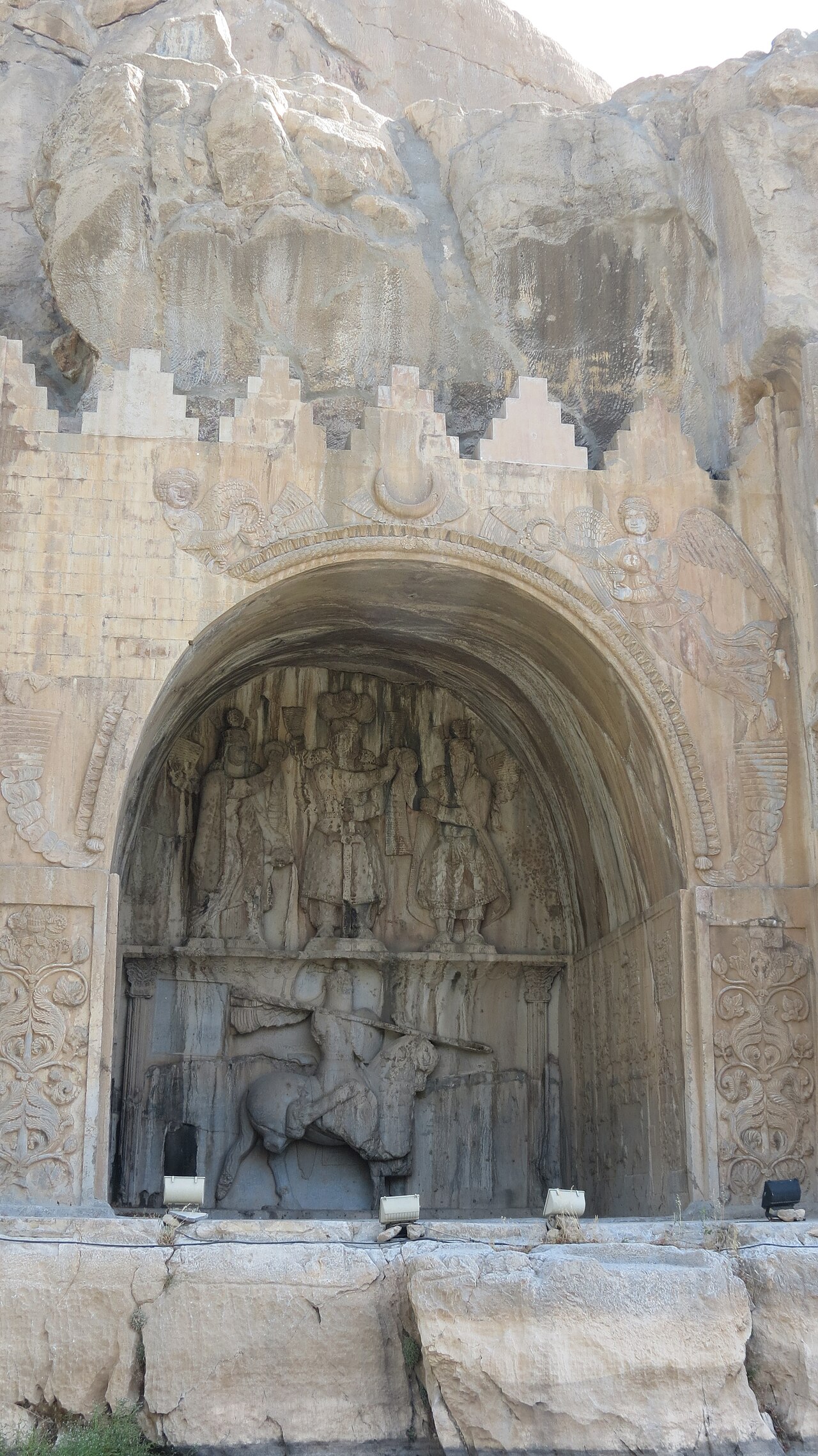 History Event
Sasanian Empire
224-651
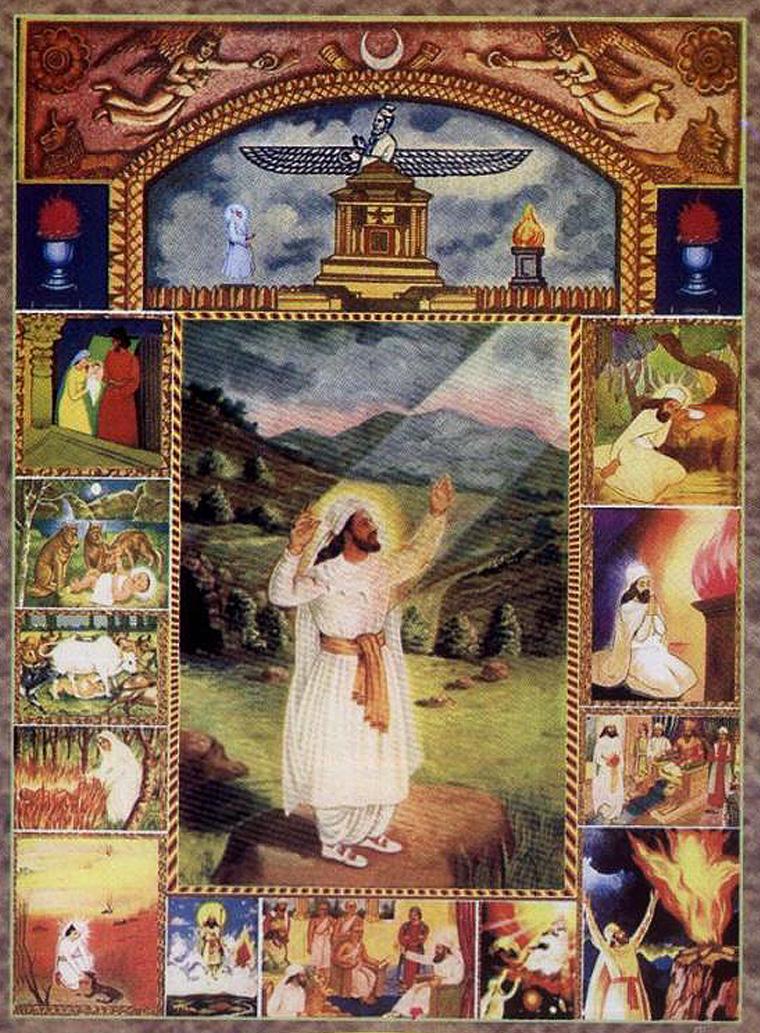 History Event
Zarathustra
c. 1500-1000 BCE