

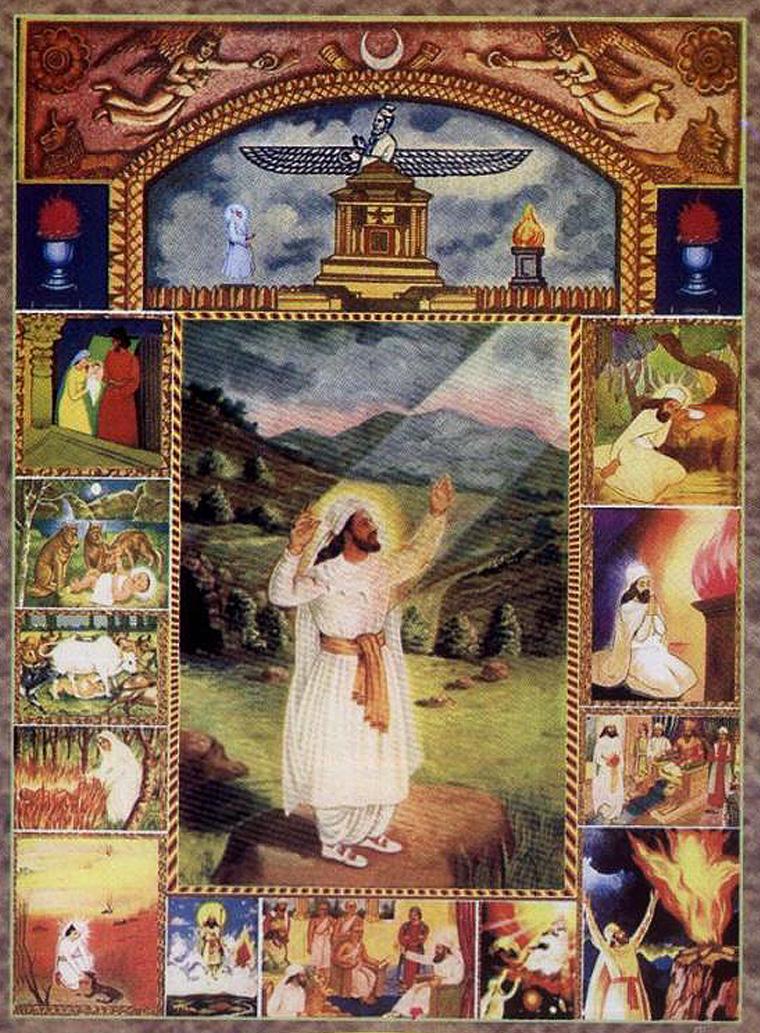
Zarathustra (Zoroaster), priest and prophet, receives the revelation of Ahura Mazda and composes the Gathas, the hymns at the core of the Avesta. His teaching sets the enduring frame of the faith: one wise lord, the choice between truth (asha) and the lie, fire as the symbol of truth, and the renovation of the world at the end of time.
Tagged: Iranian Zoroastrian Zoroastrianism
The Event
- Date
- c. 1500-1000 BCE (disputed)
- Also called
- Zoroaster, Zarathushtra
- Era
- Prophetic Age; Standard periodization of Zoroastrian history
- Location
- Eastern Iran or Central Asia; today Iran and Central Asia
- Traditions
- Zoroastrianism
- Streams
- Iranian Zoroastrian
- Key figures
- Zarathustra
- Key texts
- The Gathas
How the Tradition Tells It
The prophet's dates are the faith's great chronological dispute: the tradition places him 258 years before Alexander, while linguistic analysis of the Gathas points to about 1000 BCE or earlier; the table's c. 1500 to 1000 BCE range spans the scholarly positions.
Primary Sources
- The Gathas.
Secondary Sources
- Boyce, Mary. Zoroastrians: Their Religious Beliefs and Practices. London: Routledge, 1979.
- Choksy, Jamsheed K. Conflict and Cooperation: Zoroastrian Subalterns and Muslim Elites in Medieval Iranian Society. New York: Columbia University Press, 1997.
- Encyclopaedia Iranica, entries on the Avesta, the Sasanians, and the Parsi calendar disputes.
- Hinnells, John R. The Zoroastrian Diaspora: Religion and Migration. Oxford: Oxford University Press, 2005.
- Rose, Jenny. Zoroastrianism: An Introduction. London: I.B. Tauris, 2011.
Provenance: HIST-1001; confidence 0.7; accessed 2026-10-28.
Related on This Site
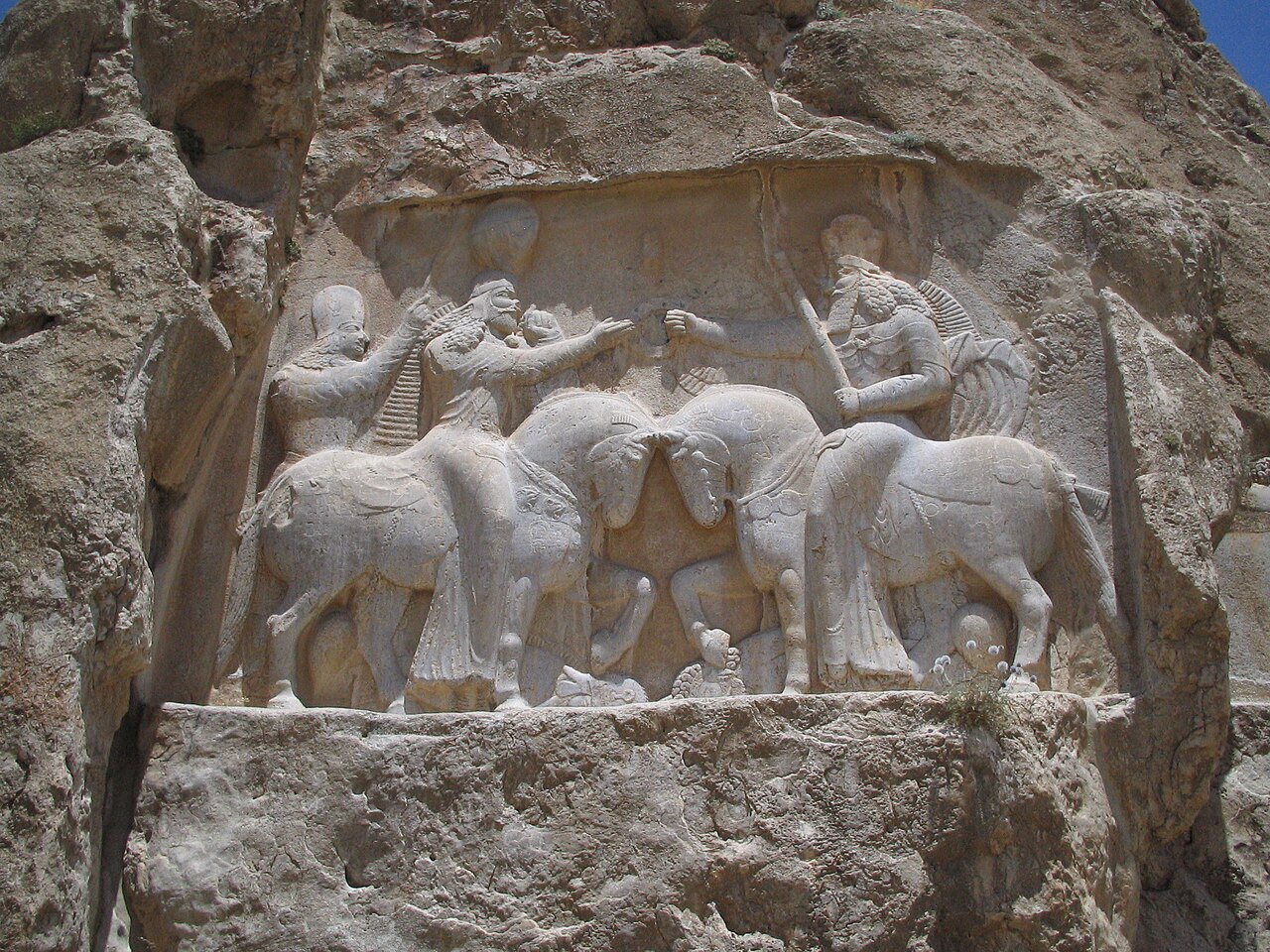 History Event
Ardashir I
c. 226-241
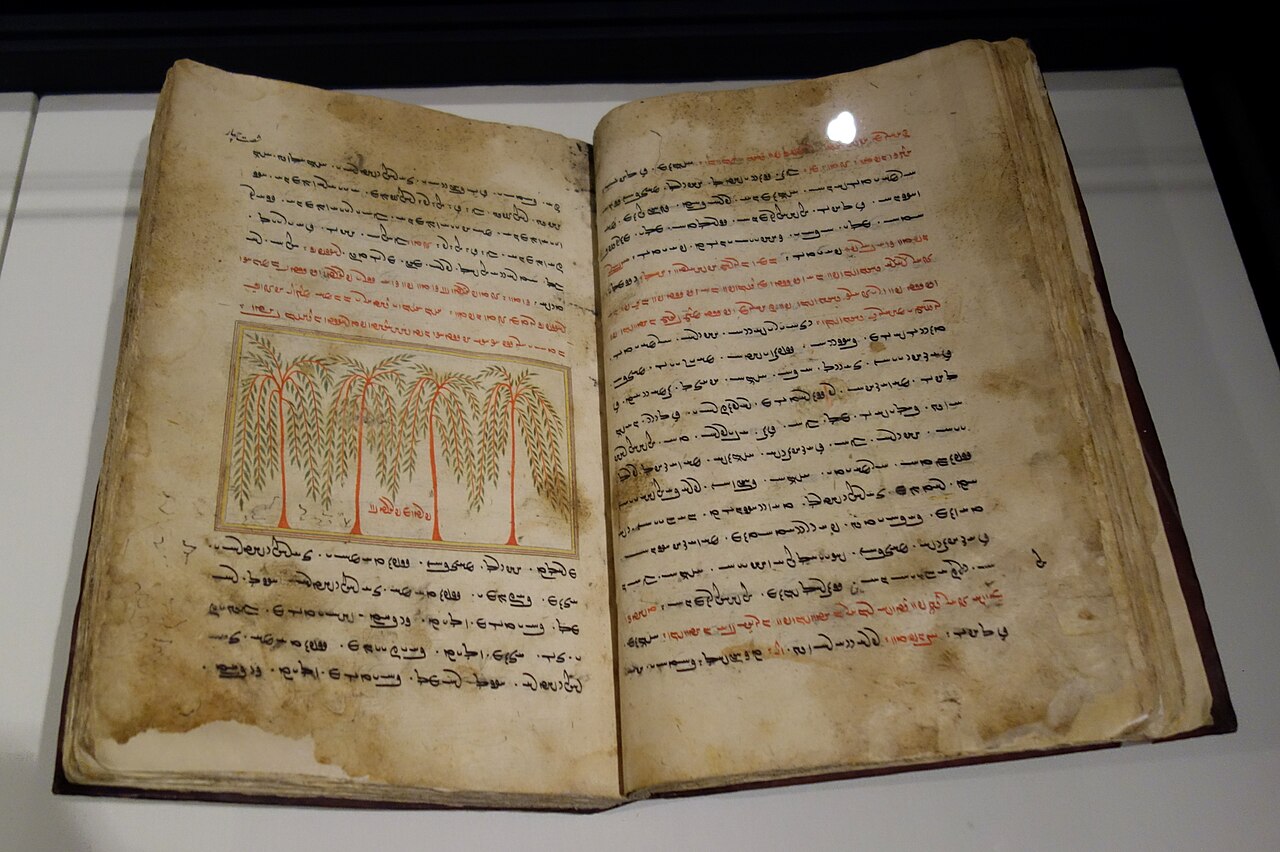 History Event
Avesta composed
c. 1000-600 BCE
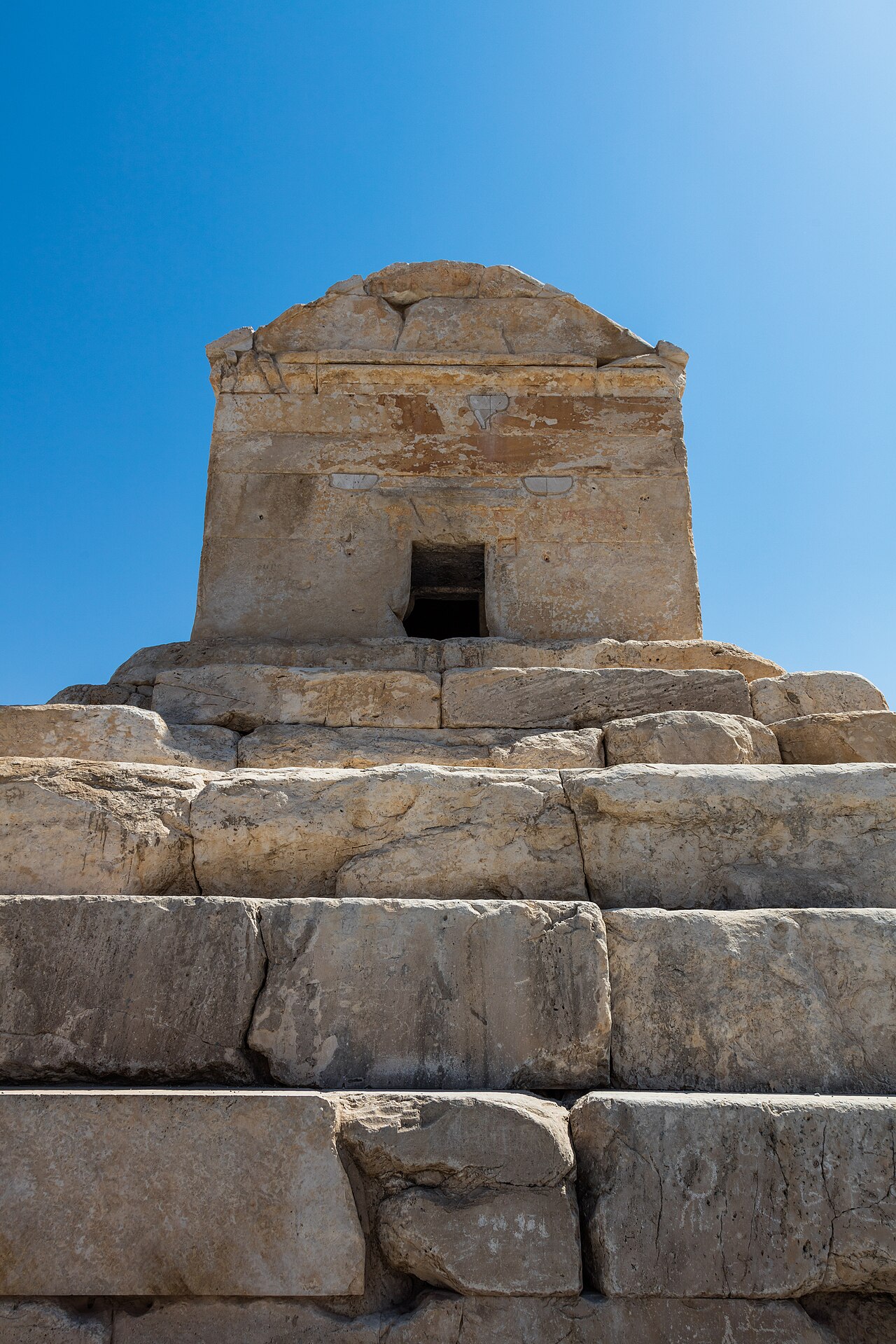 History Event
Cyrus the Great
559-530 BCE
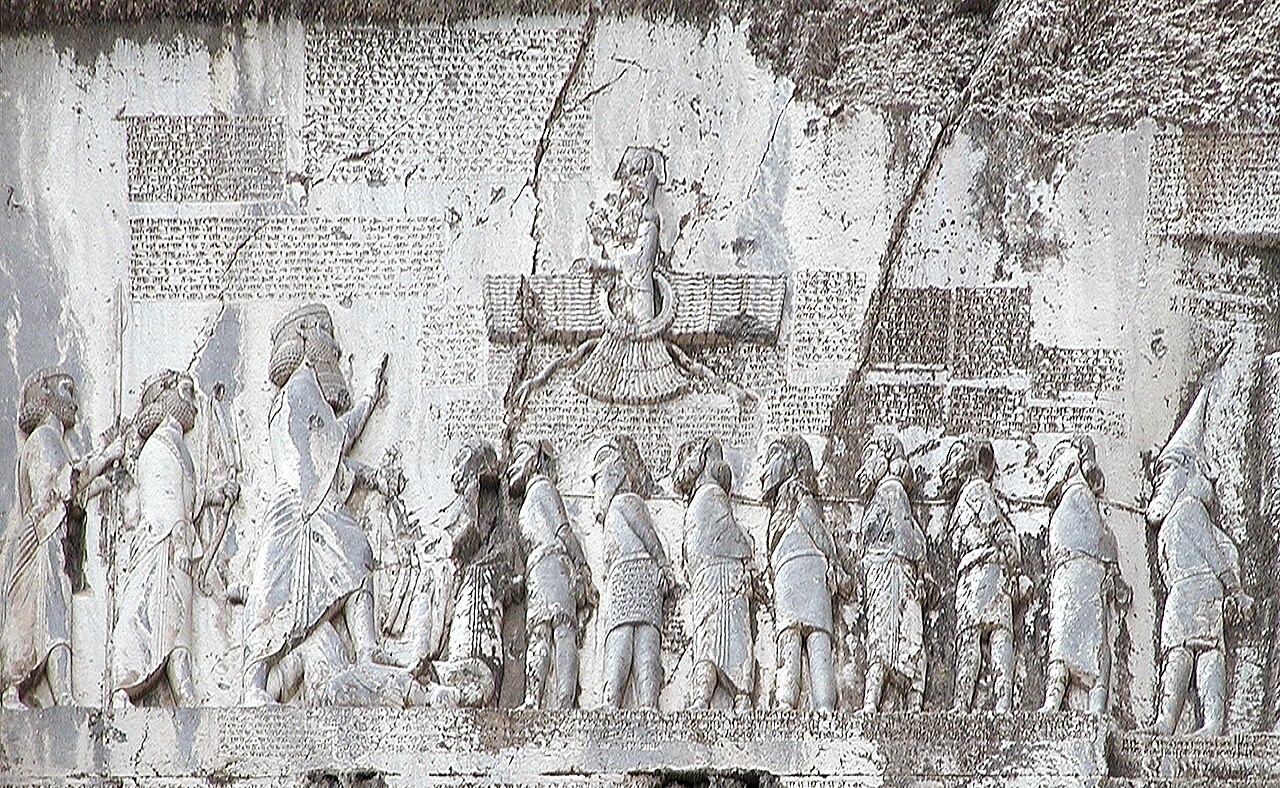 History Event
Darius I
522-486 BCE
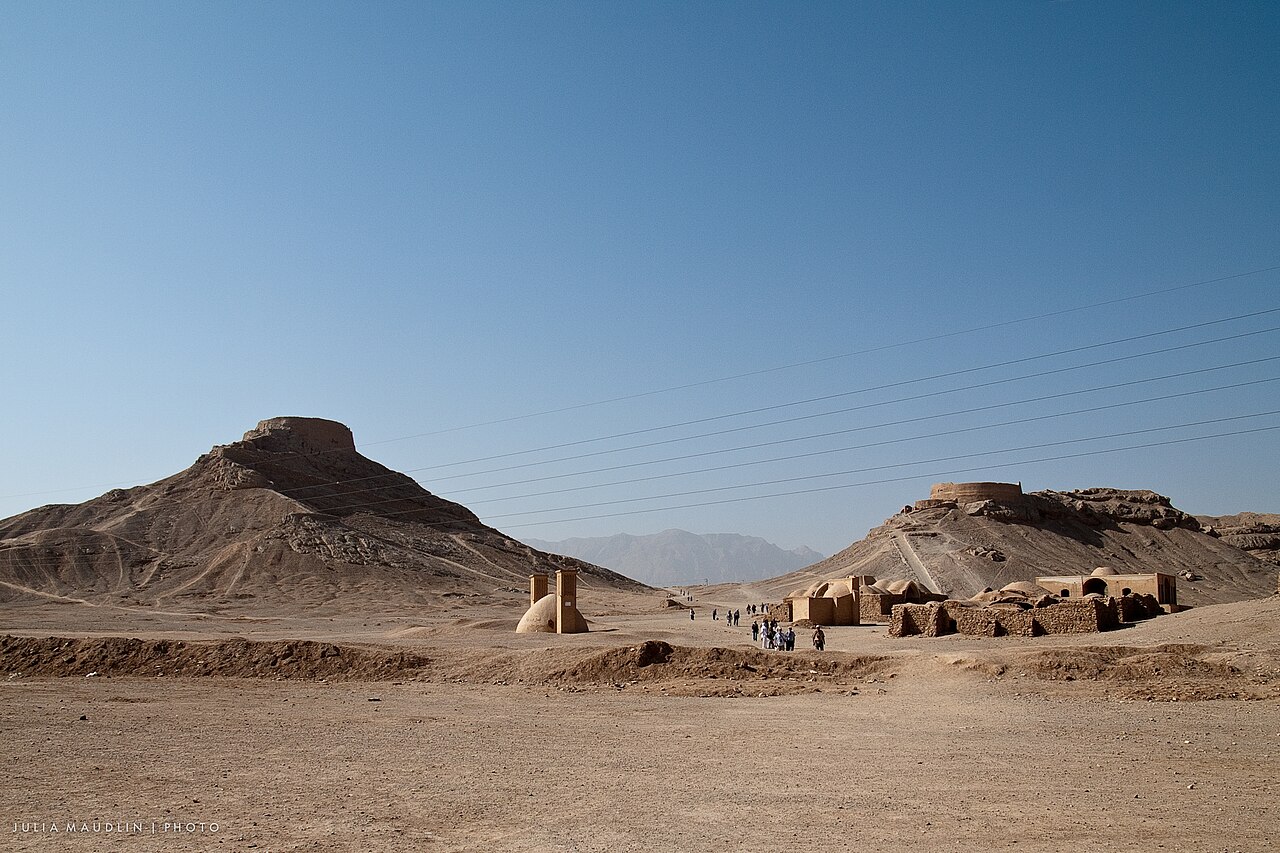 History Event
Demographic decline
2000s
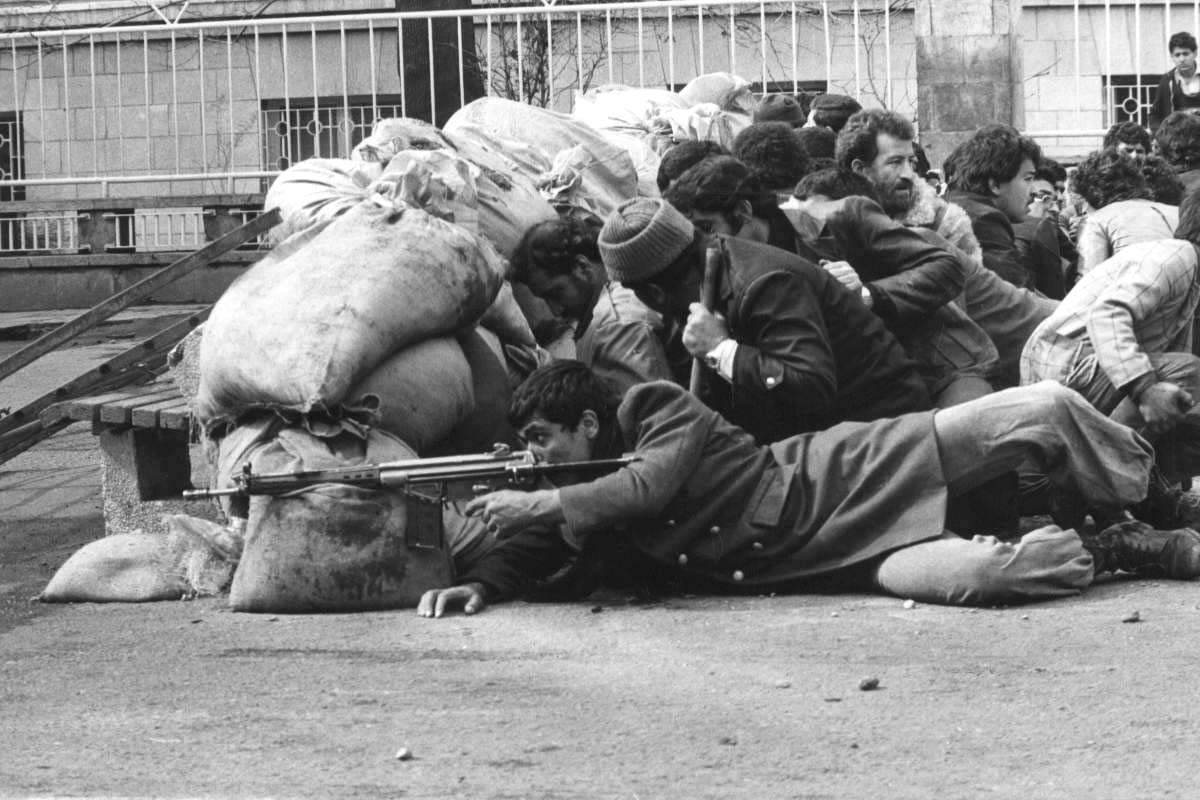 History Event
Iranian Revolution
1979
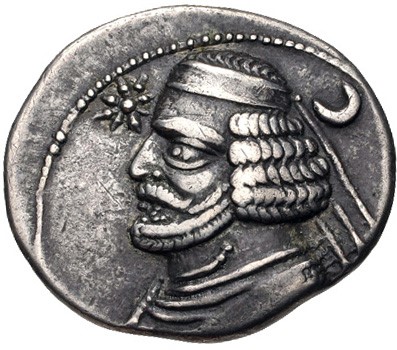 History Event
Parthian Empire
c. 247 BCE-224 CE
 History Event
Sasanian Empire
224-651