

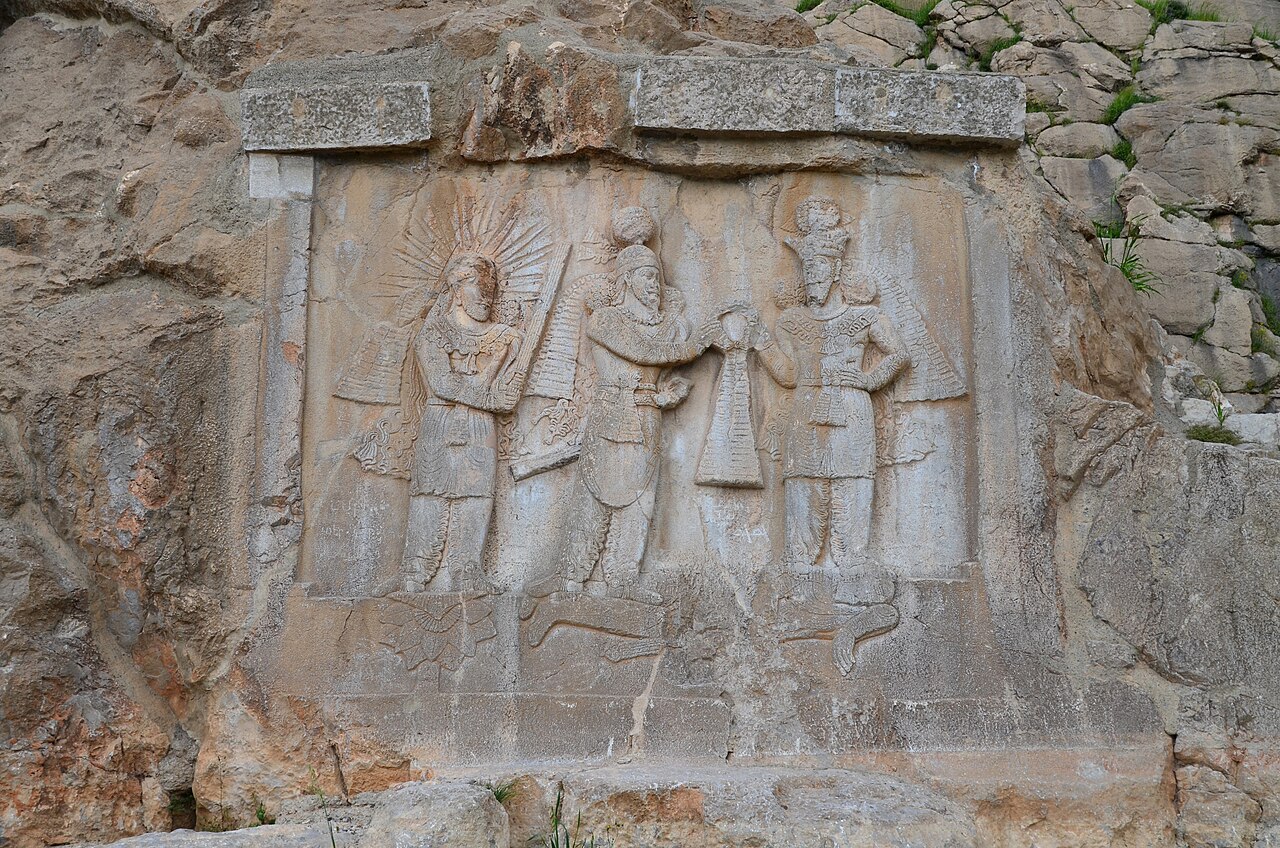
Under Shapur II the high priest Adurbad i Mahraspandan is credited with fixing the Avesta's canon, undergoing the ordeal of molten metal to defend the text. The written Avesta, in its specially invented script, dates to this Sasanian codification tradition.
Tagged: Iranian Zoroastrian Zoroastrianism
The Event
- Date
- c. 309-379 (exact)
- Also called
- Adurbad's codification
- Era
- Sasanian Age; Standard periodization of Zoroastrian history
- Location
- Ctesiphon, Persia; today Iraq
- Traditions
- Zoroastrianism
- Streams
- Iranian Zoroastrian
- Key figures
- Shapur II, Adurbad i Mahraspandan
- Key texts
- The Avesta
Connections
Primary Sources
- Denkard, book 4, on the canon.
Secondary Sources
- Boyce, Mary. Zoroastrians: Their Religious Beliefs and Practices. London: Routledge, 1979.
- Choksy, Jamsheed K. Conflict and Cooperation: Zoroastrian Subalterns and Muslim Elites in Medieval Iranian Society. New York: Columbia University Press, 1997.
- Encyclopaedia Iranica, entries on the Avesta, the Sasanians, and the Parsi calendar disputes.
- Hinnells, John R. The Zoroastrian Diaspora: Religion and Migration. Oxford: Oxford University Press, 2005.
- Rose, Jenny. Zoroastrianism: An Introduction. London: I.B. Tauris, 2011.
Provenance: HIST-1008; confidence 0.95; accessed 2026-10-28.
Related on This Site
 History Event
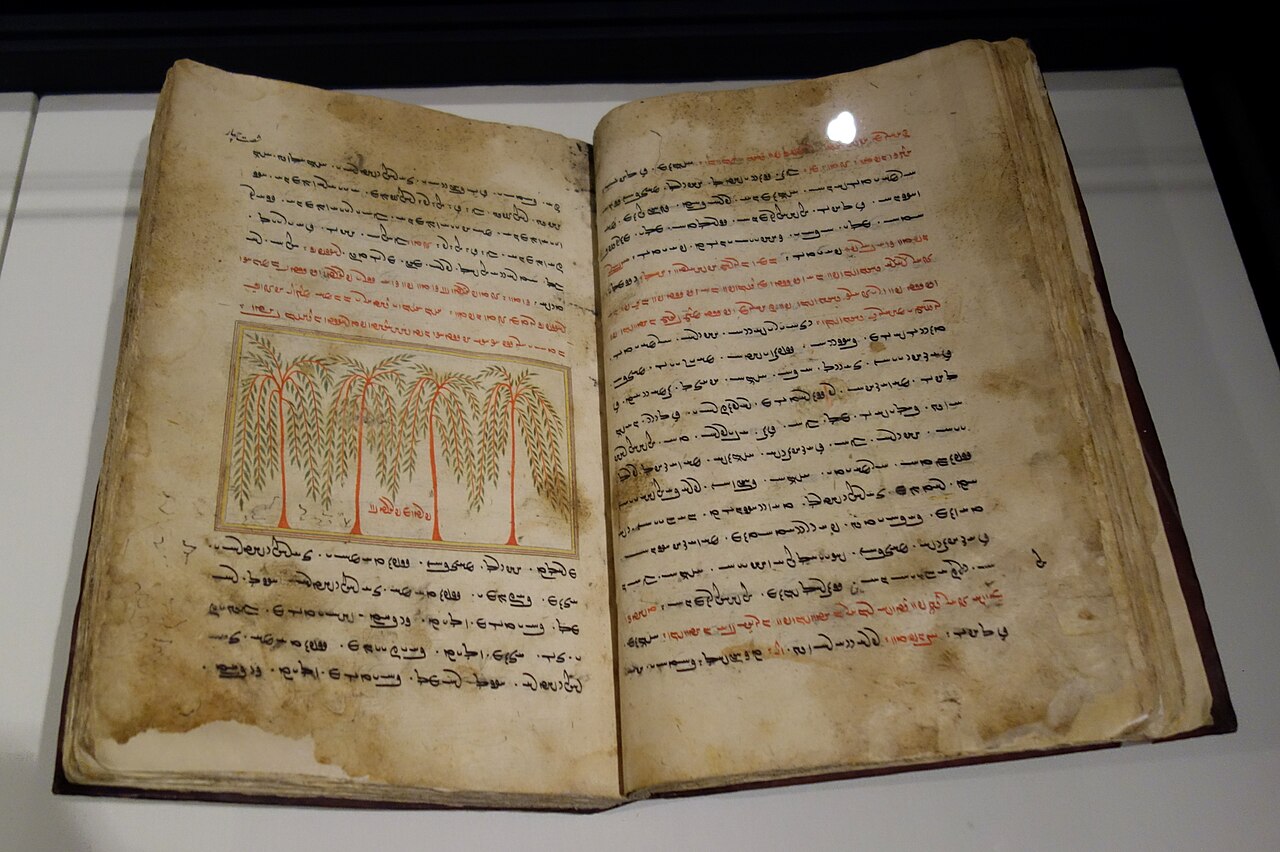
Avesta composed
c. 1000-600 BCE
 History Event
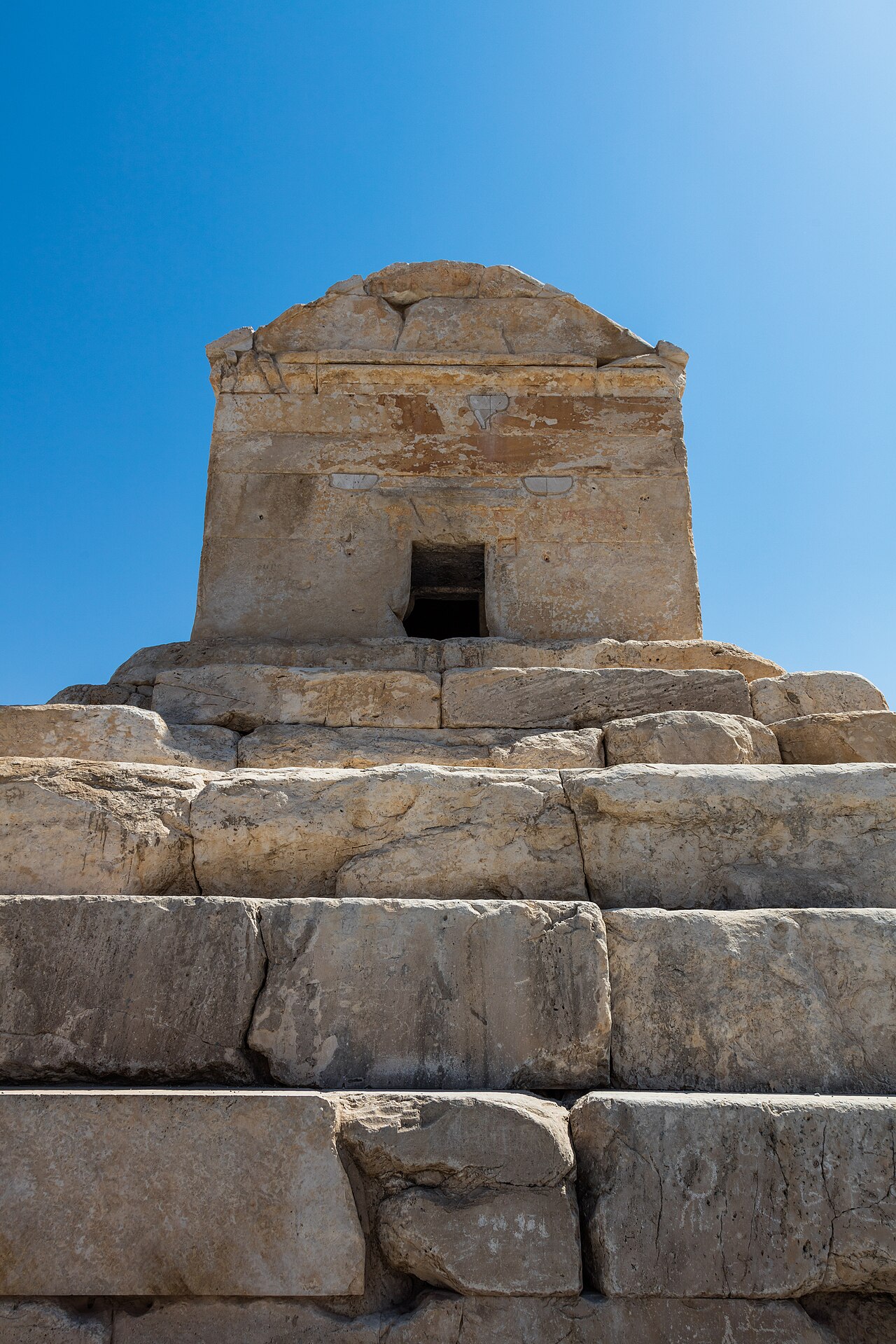
Cyrus the Great
559-530 BCE
 History Event
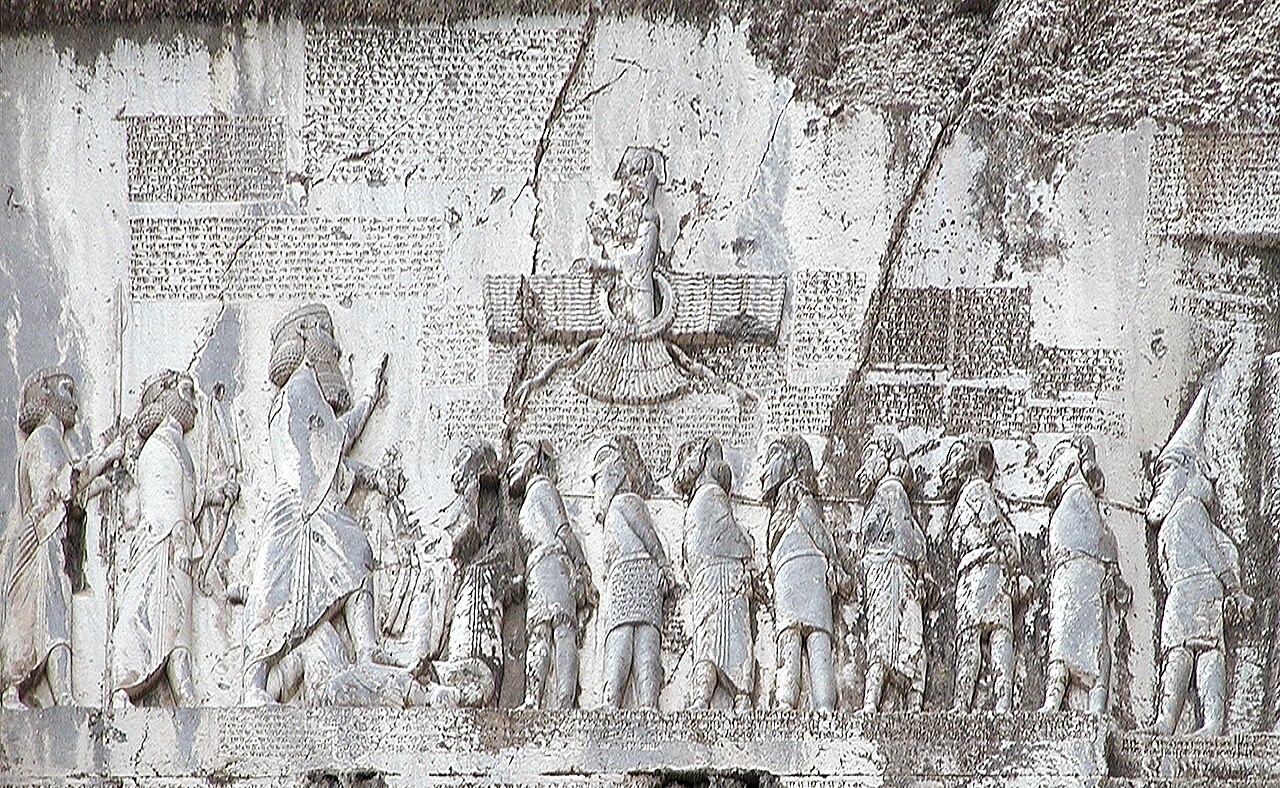
Darius I
522-486 BCE
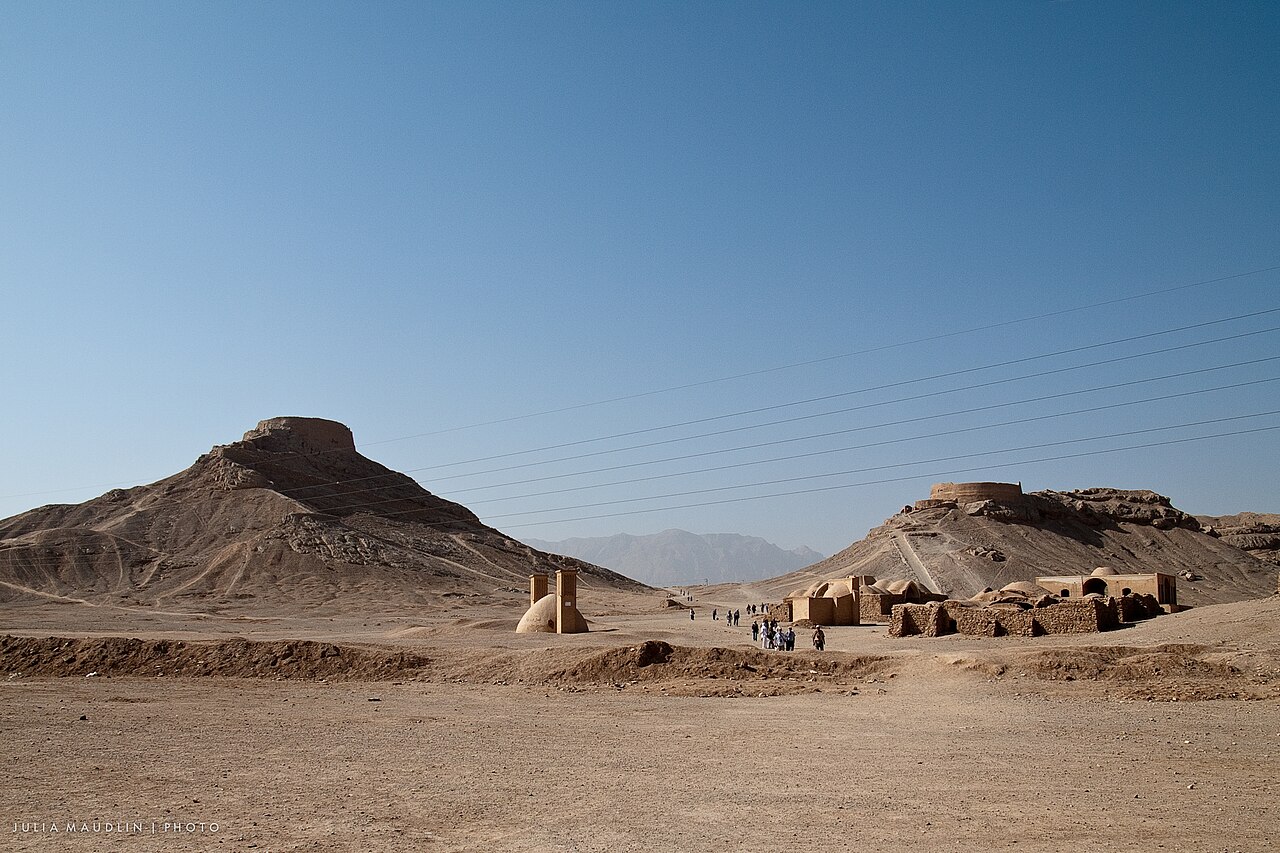 History Event
Demographic decline
2000s
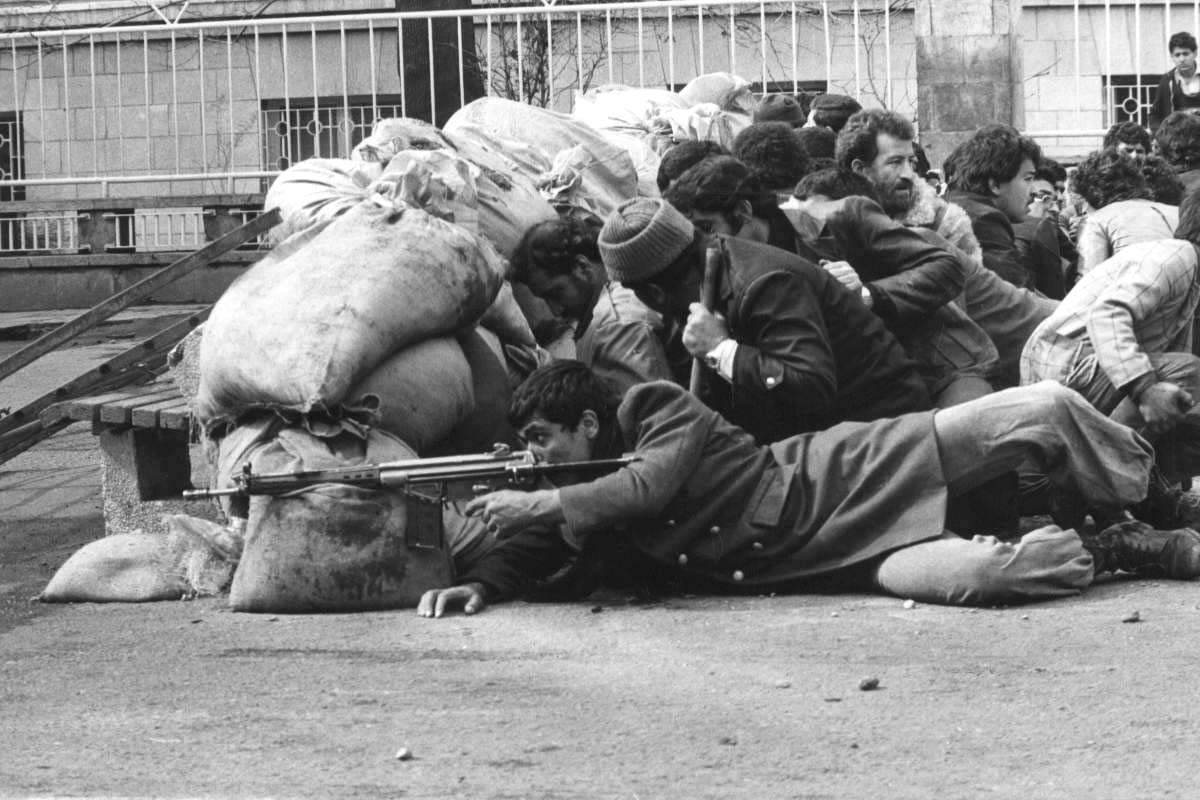 History Event
Iranian Revolution
1979
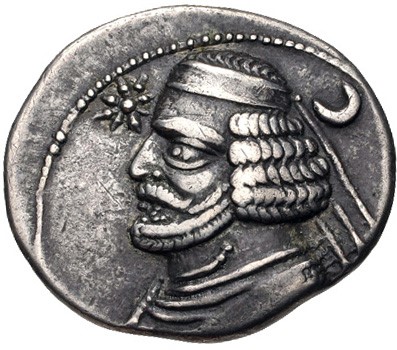 History Event
Parthian Empire
c. 247 BCE-224 CE
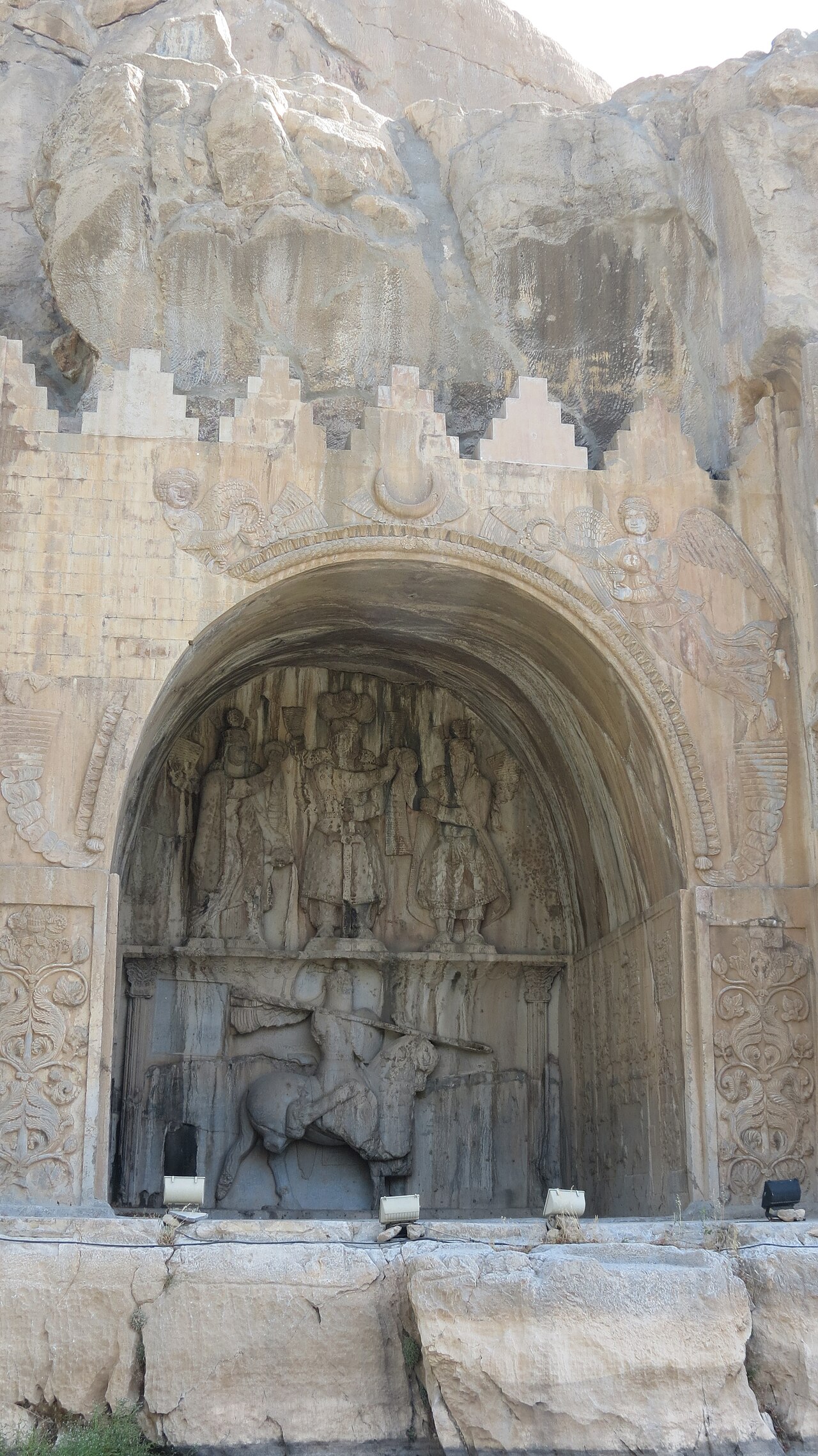 History Event
Sasanian Empire
224-651
 History Event
Zarathustra
c. 1500-1000 BCE